Overview
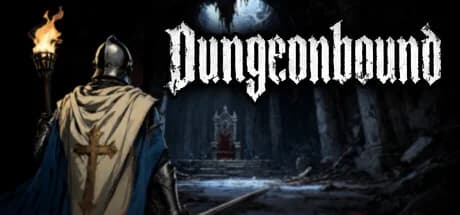
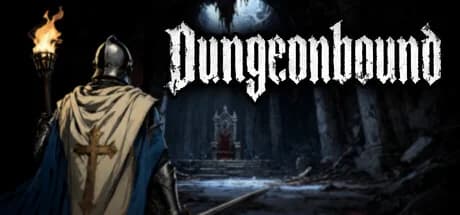
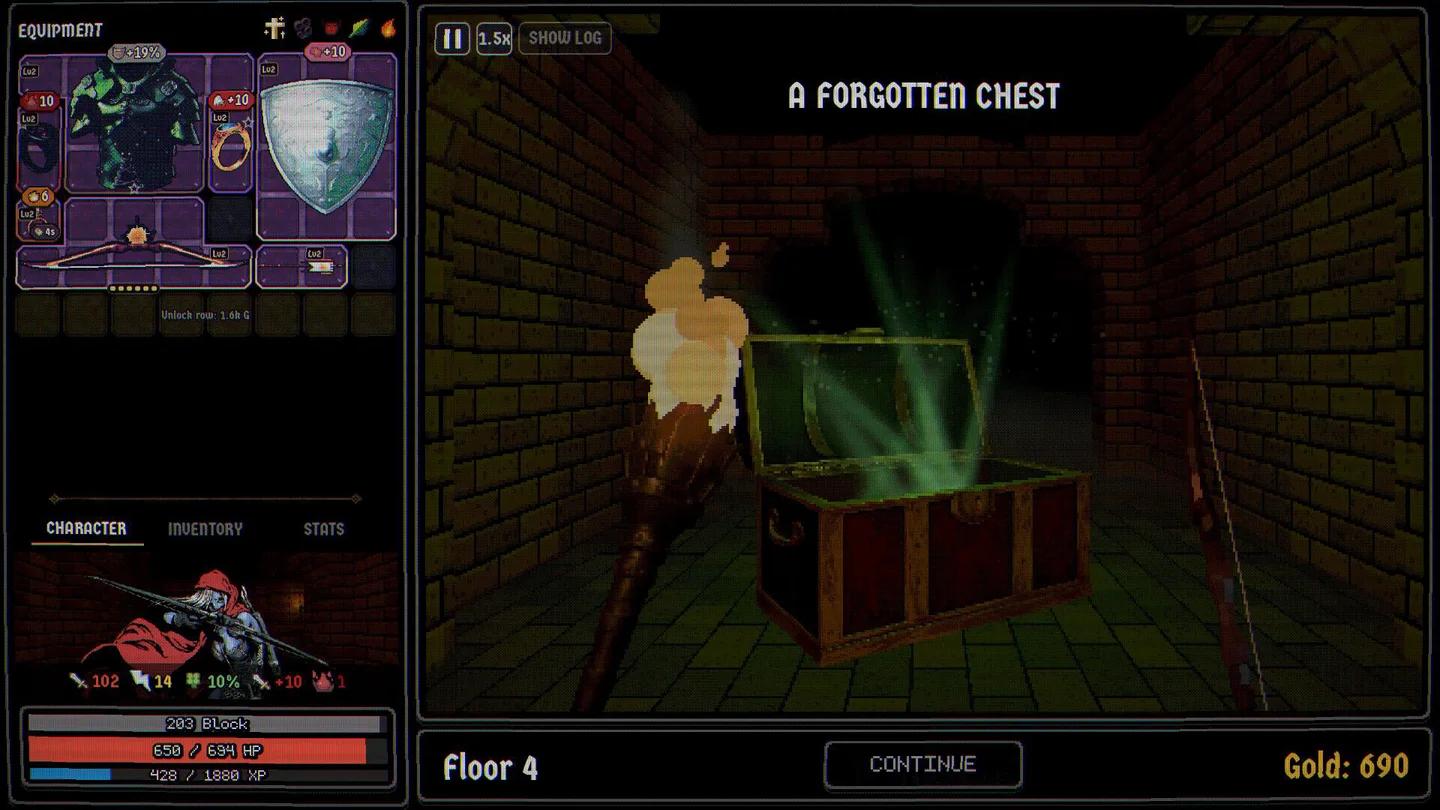
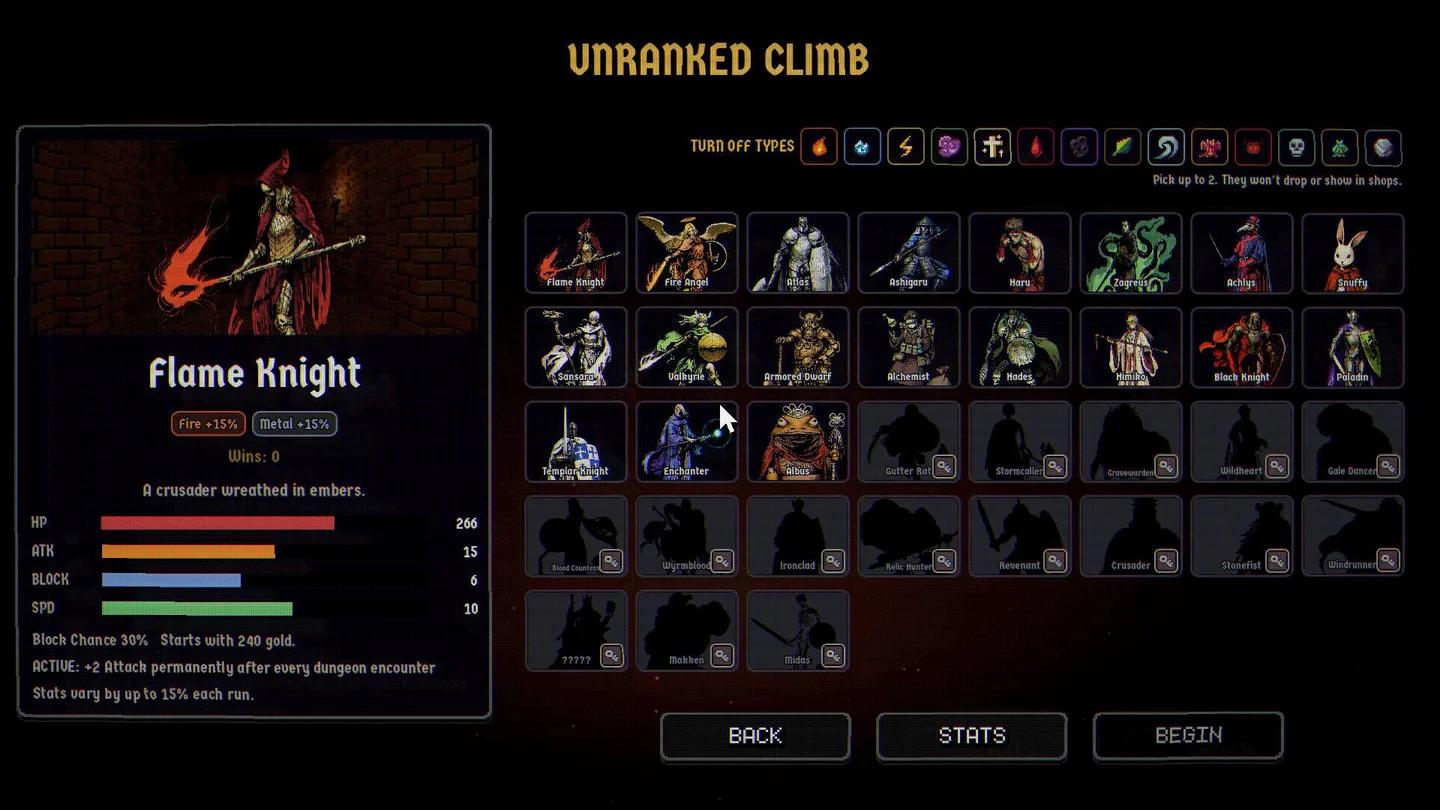
Dungeonbound is a first-person roguelite autobattler developed and published by louidev. Its central challenge is preparing a hero’s equipment and upgrades before automated dungeon fights test that setup. PvE encounters, competitive climbs, and cooperative runs put build-making under different progression rules, from permanent character growth to loadouts that disappear after a failed run.
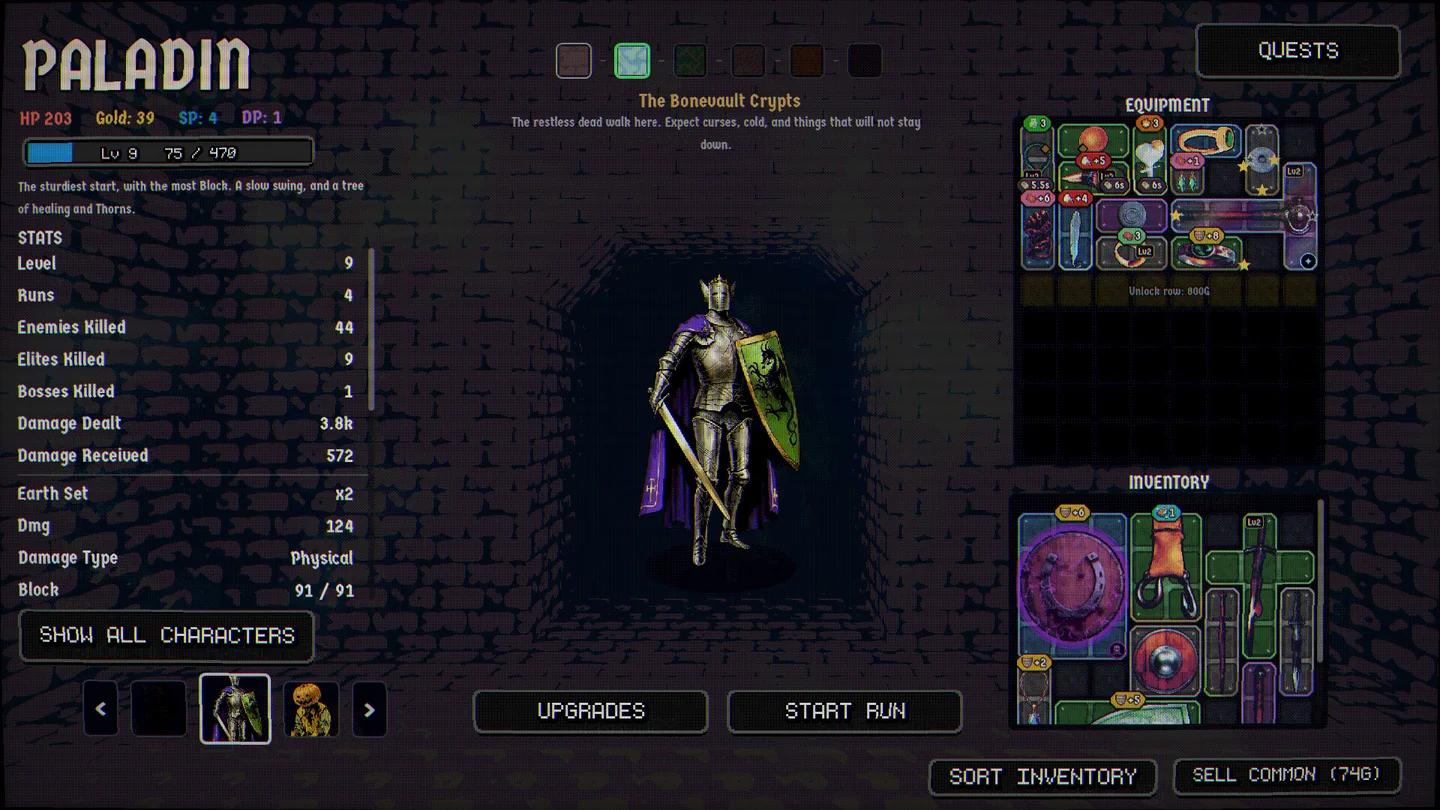
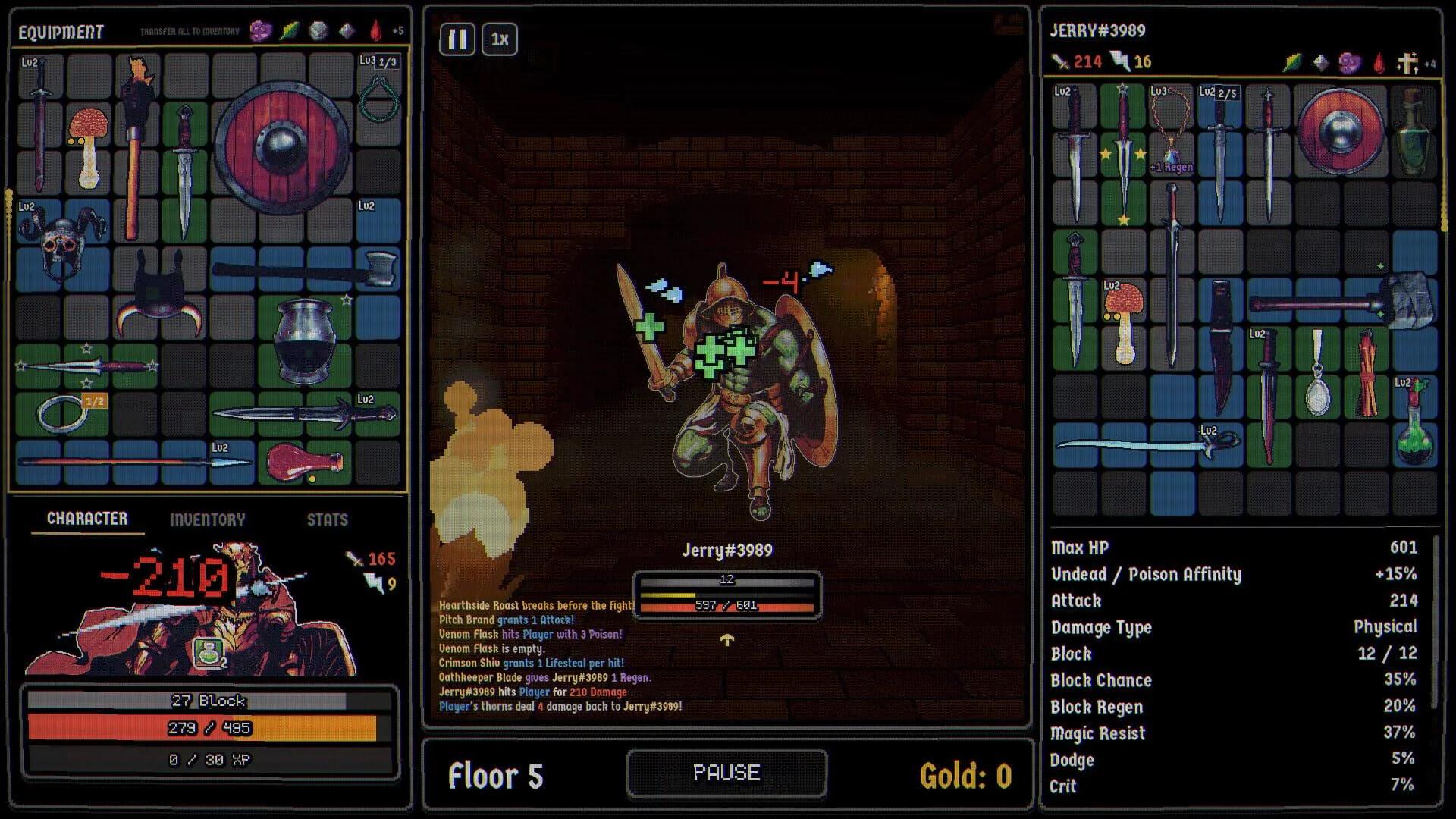
The Windows game frames its corridors with PS1-style CRT effects, scanlines, and pixel-filtered art. Adjustable battle speed controls the pace of encounters, while full controller support extends across the game.
How does combat work?
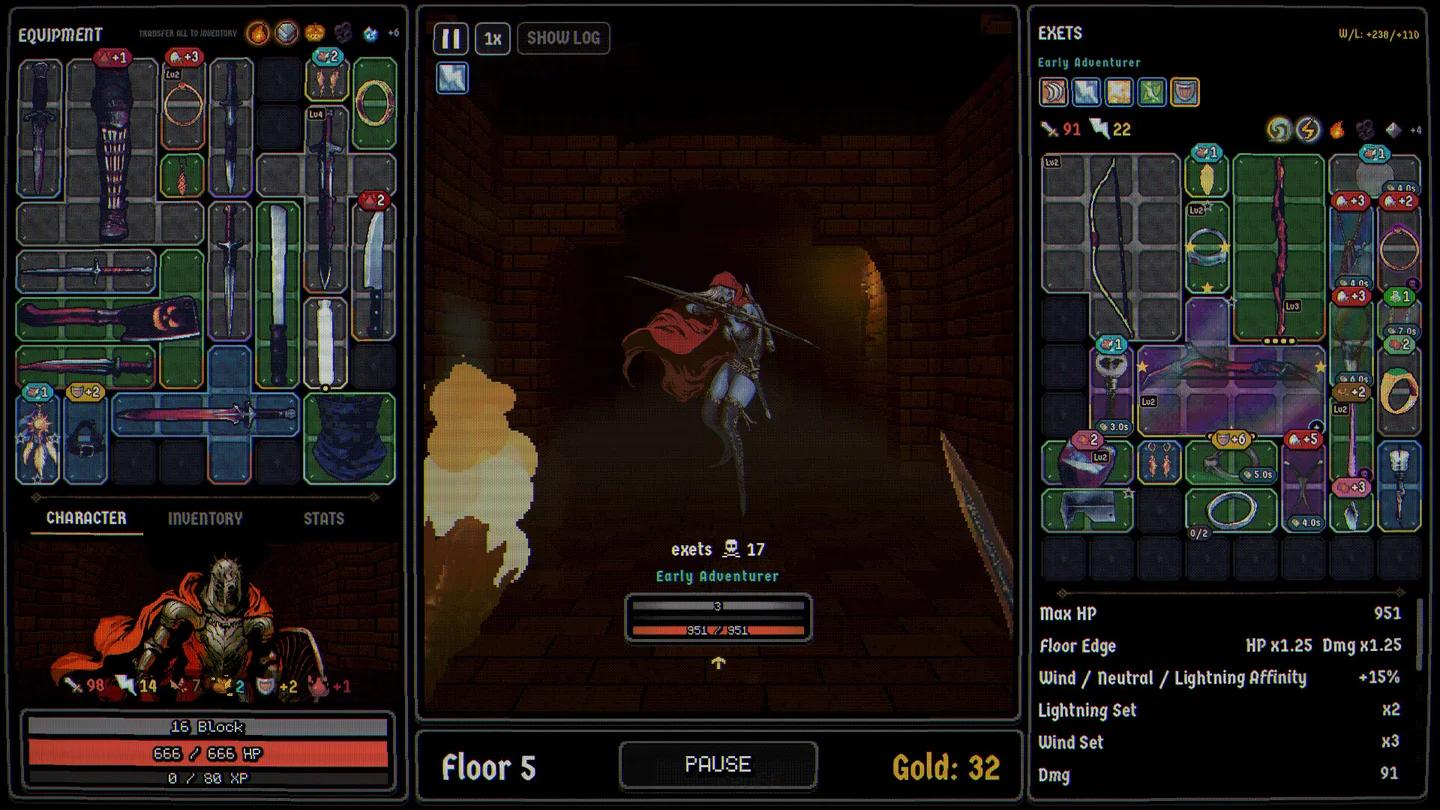
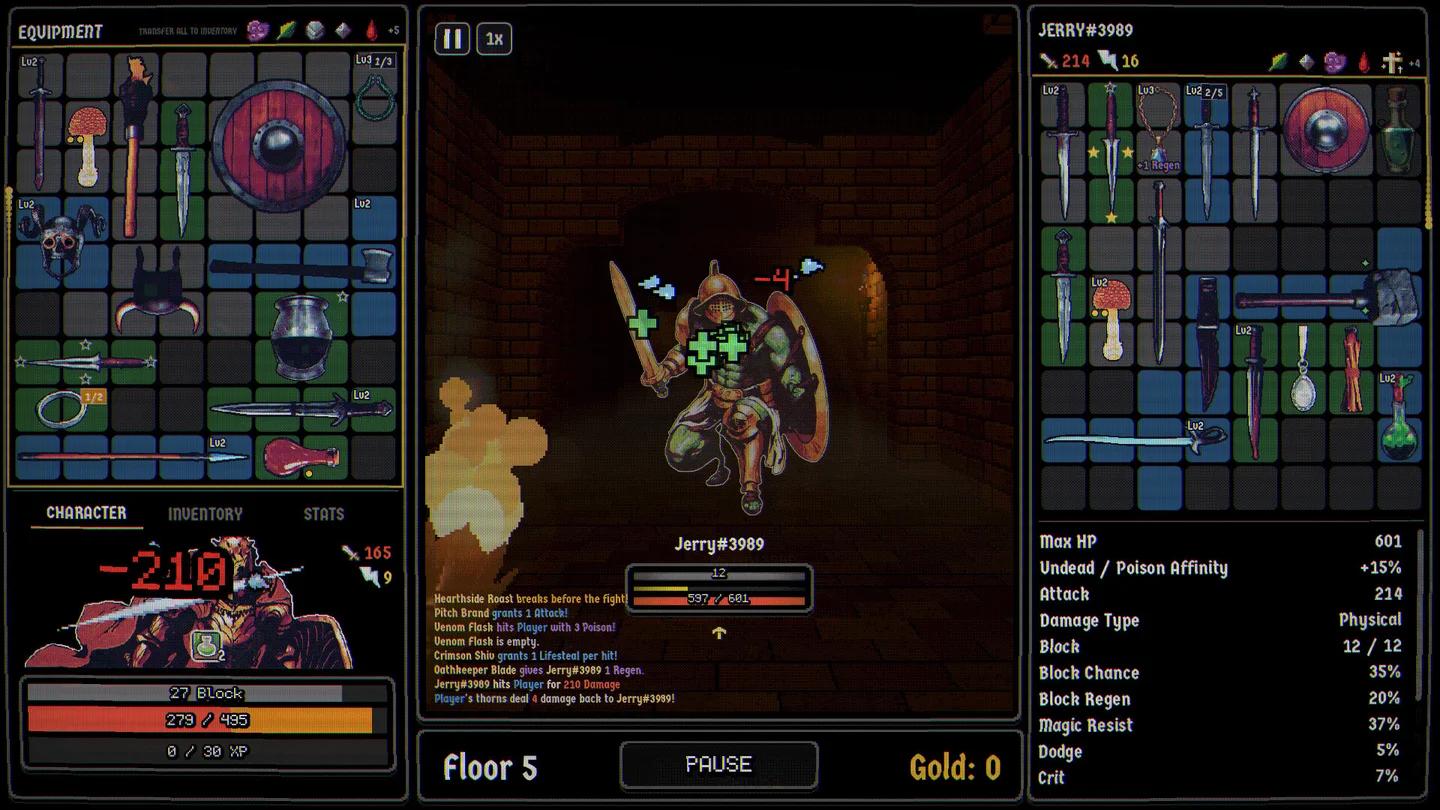
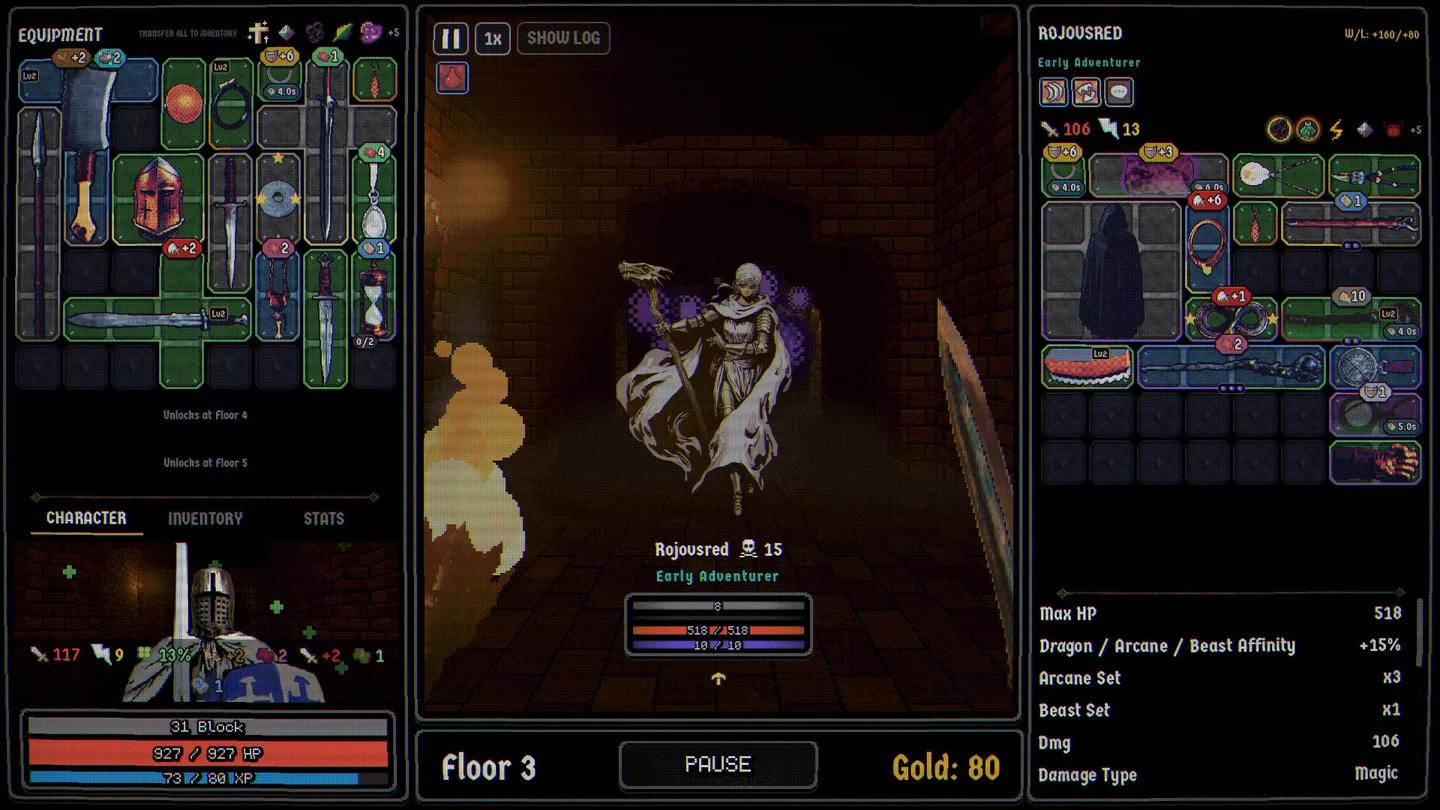
Combat resolves automatically in speed-driven turns, with faster fighters acting more often. Each attack travels around the equipment board and activates items in sequence, making placement part of the attack plan.
- Dodges and counters
- Critical hits and blocks
- Independently timed status effects
- Overkill damage carryover
Enemy abilities put pressure on different builds. Thorns punish repeated hits, berserkers strengthen during extended fights, and thieves can escape with gold. A setup built around frequent attacks therefore faces different risks from one that takes longer to deliver damage.
Inventory management and item forging
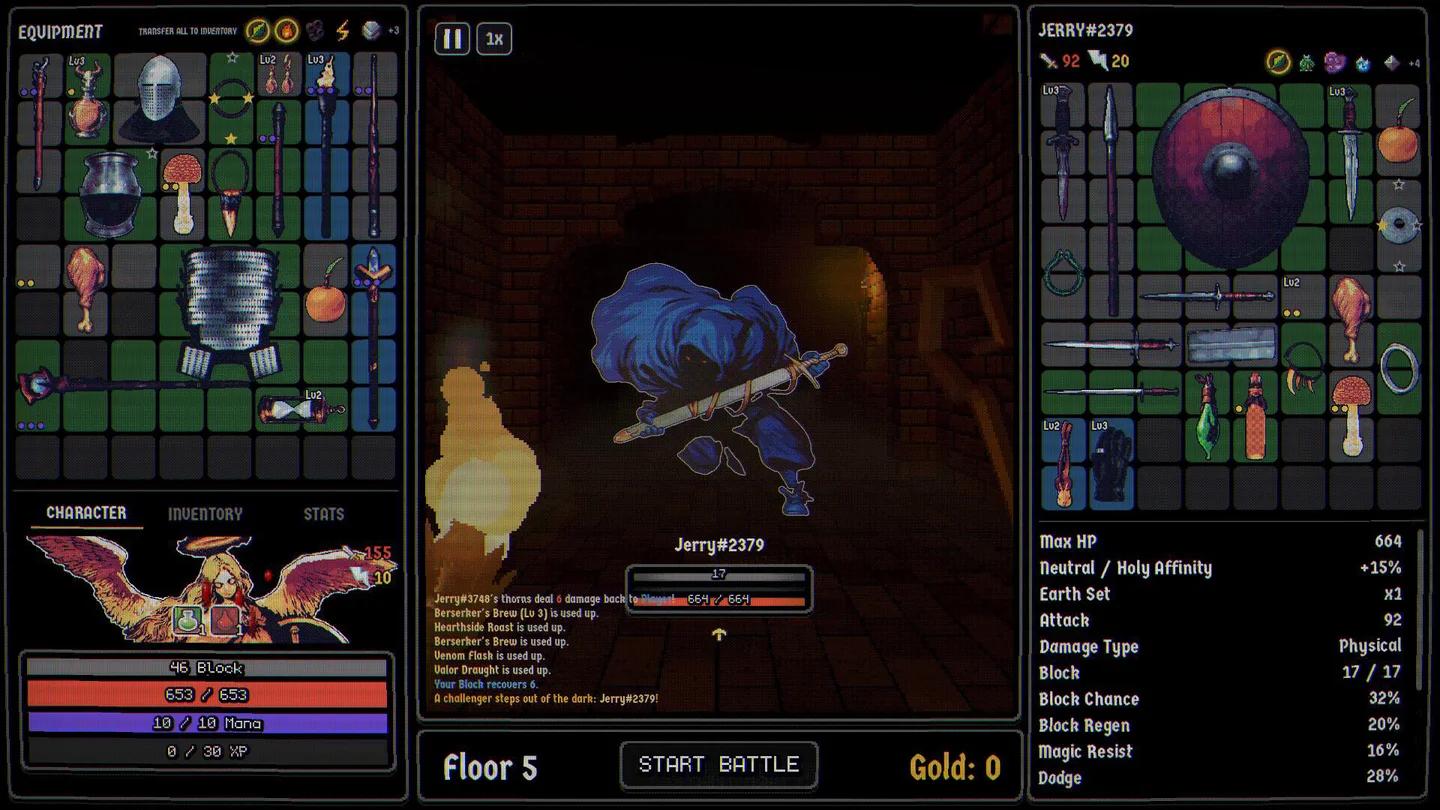
Equipment occupies a backpack-style grid without fixed gear slots. Item shapes determine what fits, adjacency changes behavior, and board runes strengthen pieces placed over them. More than 540 items across five rarities supply the parts for these arrangements.
Duplicate items merge into stronger versions up to level 10. Forging serves a different purpose: any two pieces combine into a hybrid that inherits abilities from both. Hybrids also support further fusion and leveling, extending customization beyond the original loot drops.
The Item Workshop supports designing and sharing custom equipment, adding player-created gear to the game’s equipment-building tools.
Campaign growth and roguelike stakes
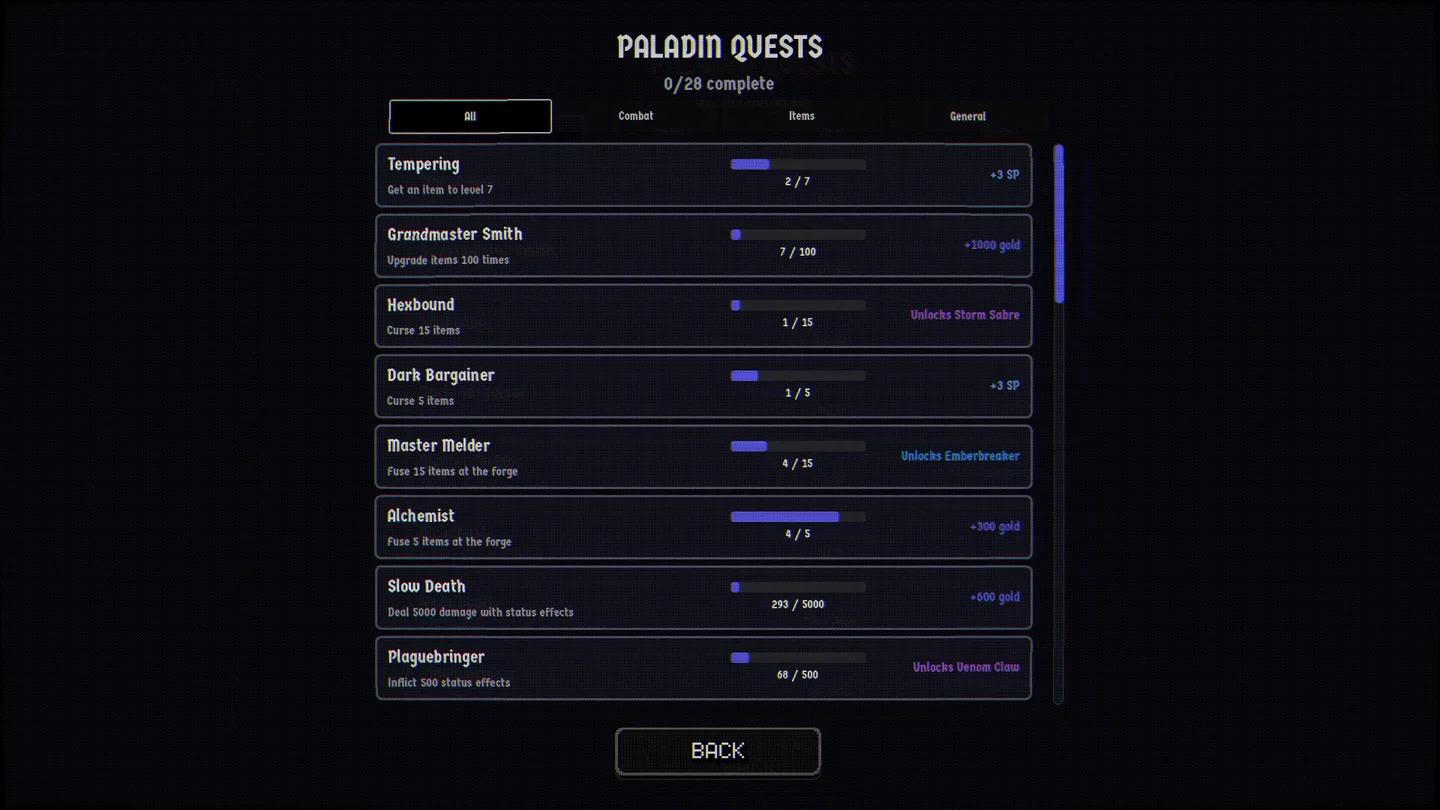
The Long Haul preserves loot, levels, and permanent upgrades after death. Its seven heroes maintain separate gold and progression, with more than 400 permanent upgrades covering damage, defense, sustain, economy, and unlocks. Switching characters leaves previous investment intact.
The Mage’s Lightning, Frost, and Fire subclasses each retain their own purchases. Changing specialties selects another progression branch without resetting the others. The Alchemist instead focuses on brewing and combining potions, while the Paladin pairs healing with bonuses for holy equipment.
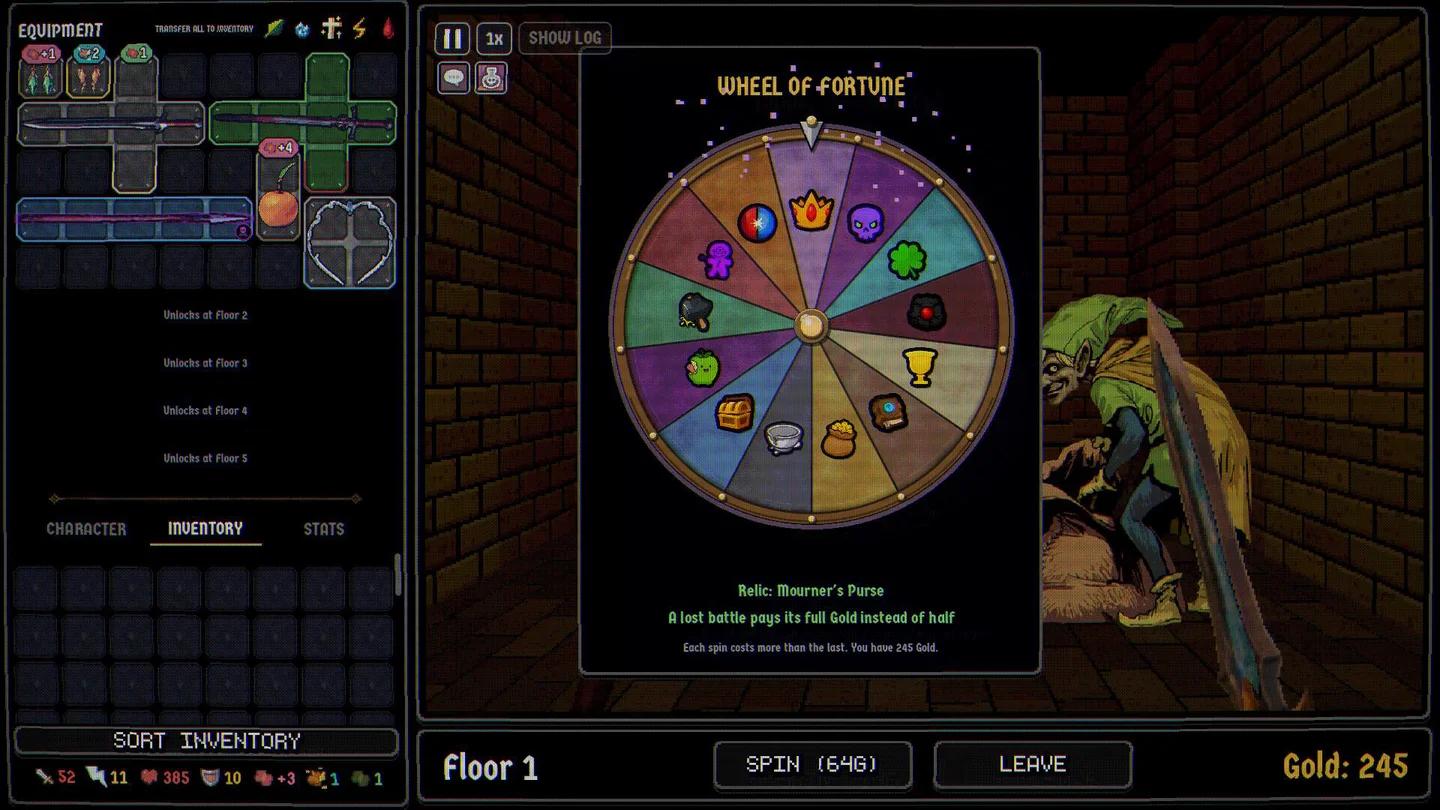
The Climb offers 32 unlockable heroes and five hearts per run. Losing the final heart destroys the build; rank persists between runs. Its pool of 90 relics changes run rules, with a choice of three relics on each of the first five floors.
Multiplayer and shared challenges
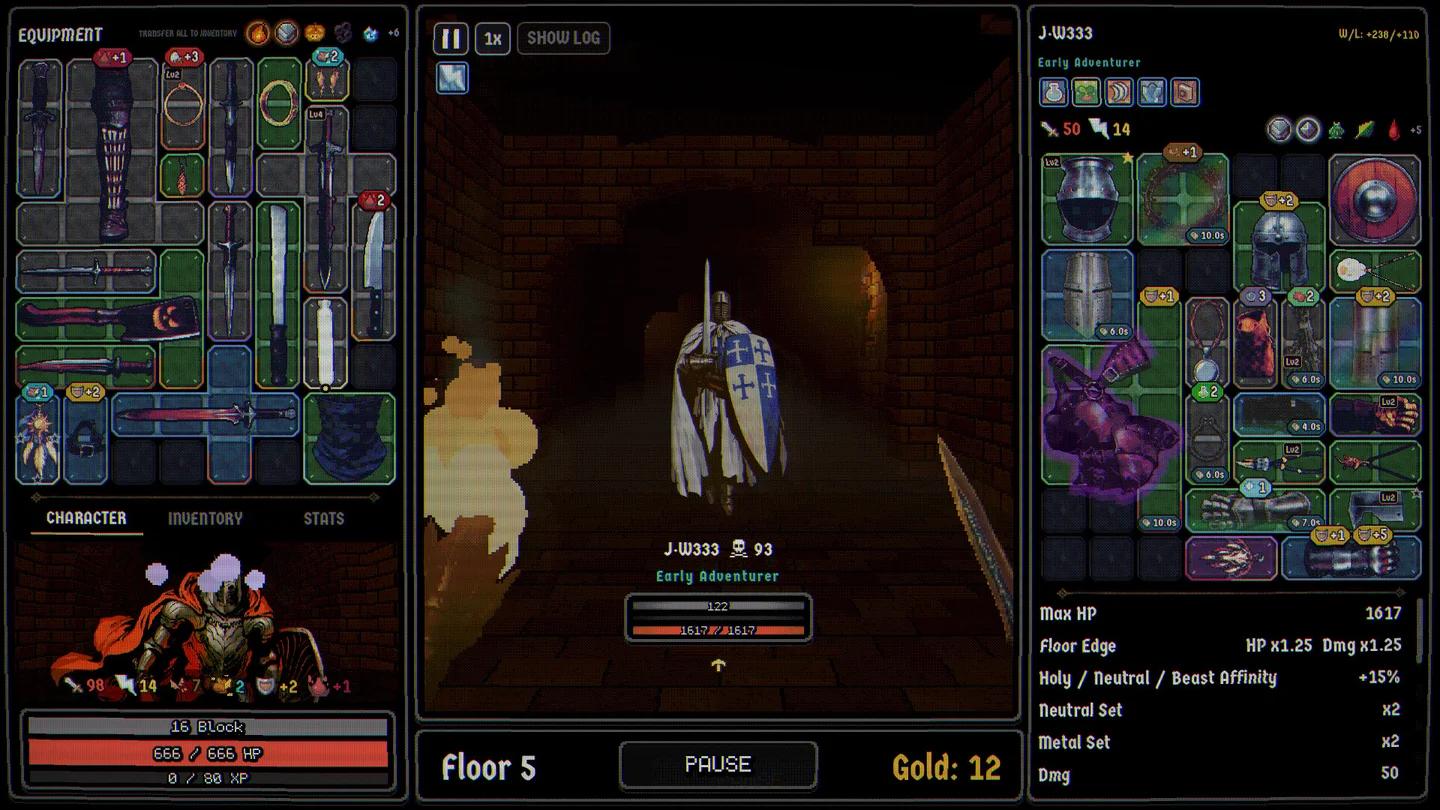
The Climb’s asynchronous PvP uses recorded player builds, including their equipment and runes. Clearing a floor submits a snapshot of the current loadout to the opponent pool. Defeat replays let players examine the setup that stopped a run without requiring a live opponent.
Co-op supports 2 to 4 players with separate heroes, gold, shops, and relics, but five shared hearts. Fighters enter battles sequentially while teammates spectate live. Equipment transfers and dice-based loot rolls make gear distribution a group decision, and separate leaderboards track each party size.
The Daily supplies a shared-seed roguelike challenge with the same hero, starting funds, and rooms for every participant. Three daily modifiers change the conditions, shifting the comparison from which opportunities appear to how effectively each player builds around them.