

The best handling car in Forza Horizon 6 is the 2000 Nissan #36 Dream Project S15 Silvia WTAC for balanced performance on technical roads. Its 9.3 handling, 10 braking, and 7.7 acceleration make it the main recommendation for tight road races and Touge.
Your alternatives depend on the job. The Cayman GT3 WTAC has a higher handling rating, the Lotus Exige WTAC specializes in technical time attack, and the 2016 Mazda MX-5 delivers excellent stock C-class handling on a budget. Start with your event's class limit, then compare the strengths that matter on its corners.
Why is the Silvia WTAC the best handling pick?
The 2000 Nissan #36 Dream Project S15 Silvia WTAC combines strong cornering with acceleration that makes it useful beyond a single difficult bend. Its 10 braking rating supports sharp direction changes, while 7.7 acceleration gives it an advantage over the Cayman GT3 WTAC when you need to build speed again.
Compare the Silvia with its closest WTAC alternatives:
| Car | Handling | Braking | Acceleration | Launch | Speed |
|---|---|---|---|---|---|
| 2000 Nissan #36 Dream Project S15 Silvia WTAC | 9.3 | 10 | 7.7 | 4.6 | 6.7 |
| 2005 Porsche Cayman GT3 WTAC | 9.7 | 10 | 6.5 | 4.6 | 6.5 |
| 1993 Nissan #32 Skyline WTAC 'Xtreme GTR' | 9.6 | 10 | 7.8 | 2.1 | 6.8 |
The Cayman leads this comparison on handling, but the Silvia has better acceleration and speed ratings, with the same launch and braking scores. The Skyline edges ahead of the Silvia in several categories, then gives up considerable ground on launch. That balance is why the Silvia gets the main recommendation rather than simply picking the largest handling number.
Class eligibility comes before choosing between a 9.3 and 9.7 handling rating. If your event restricts the field, use the Forza Horizon 6 car tier list to compare cars within the class you actually need.


When should you choose another WTAC car?
Choose the Cayman for its handling and braking
The 2005 Porsche Cayman GT3 WTAC is the strongest alternative if you want a higher handling rating alongside maximum braking. This S2 car pairs 9.7 handling with 10 braking, making it a good fit for sharp corners and winding hills.
Its trade-off is acceleration. At 6.5, the Cayman trails both Nissan WTAC options in the comparison above. Choose it for its cornering strengths, especially if it is already in your garage, rather than assuming the higher handling score makes every other stat irrelevant.
Choose the Skyline for longer races
The 1993 Nissan #32 Skyline WTAC 'Xtreme GTR' offers 9.6 handling, 10 braking, and 7.8 acceleration. Its 5.4 offroad rating also exceeds the Silvia's 4.4, giving it more flexibility on loose surfaces.
The catch is its 2.1 launch rating. Longer races give the Skyline more distance to use its other strengths, which makes it a more suitable choice for long cross-country events or endurance races than short circuits. Endurance races open after you become a Horizon Legend.
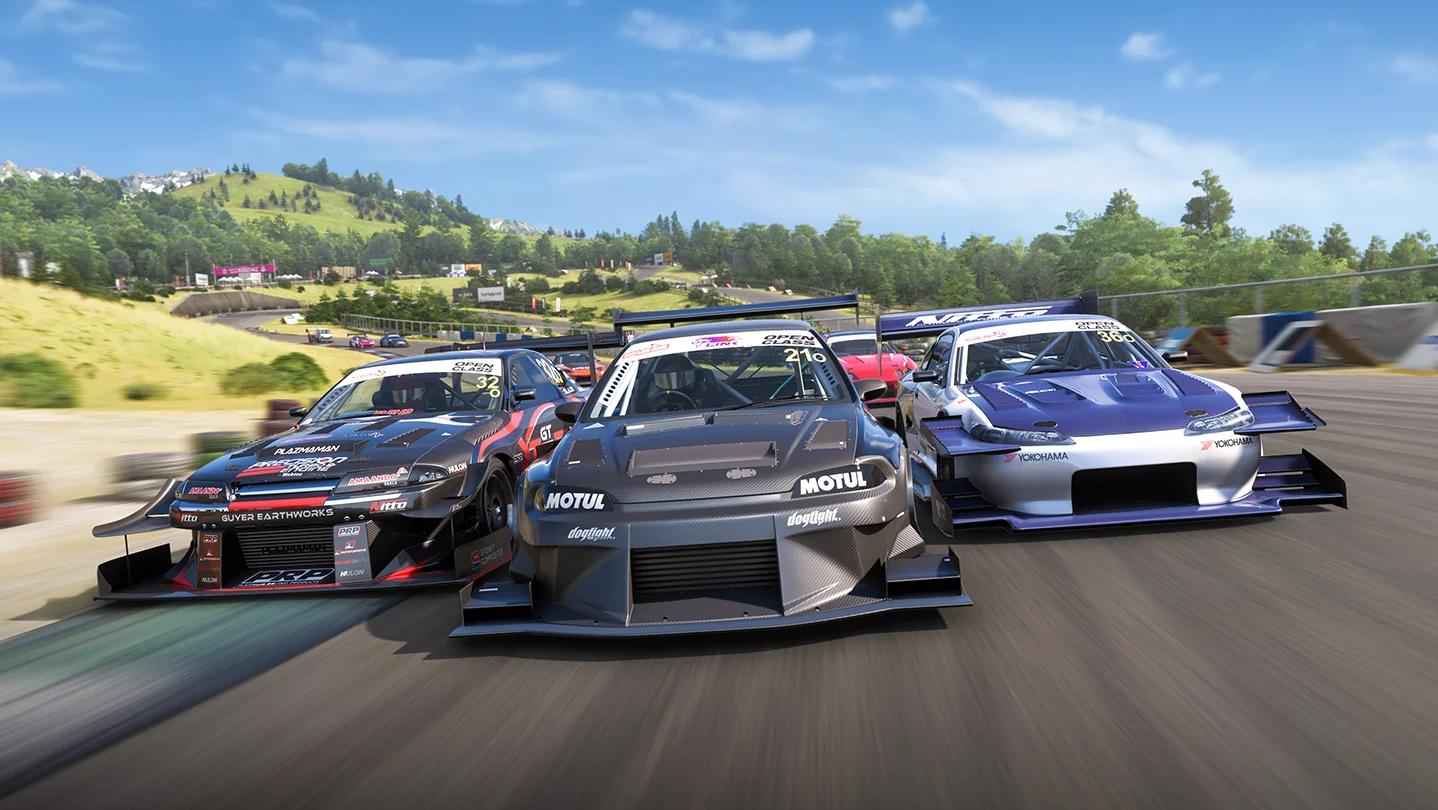
Skyline launch and handling ratings
Choose the Lotus for technical time attack
The Lotus Exige WTAC is the specialist choice for tight time attack circuits. Its WTAC configuration emphasizes downforce and cornering speed, allowing it to carry pace through technical sections where other cars need more braking.
Straight-line speed is its compromise. Pick the Exige when the circuit rewards repeated corners rather than long straights. The Silvia remains the broader technical-road recommendation, while the Lotus has a clearer time attack role.
If the Silvia WTAC, Cayman GT3 WTAC, or Lotus Exige WTAC is your next garage target, the Forza Horizon 6 car list and unlock guide is the next stop for planning which model to chase.
Which road and street cars offer good handling?
Slick or semi-slick tires suit a grip-focused setup, and its agility makes it useful on street-racing routes where changing direction matters more than chasing maximum speed.
Build the GR GT Prototype around tire grip
The 2025 GR GT Prototype is a versatile road-racing option with a clear grip-focused upgrade path. Slick race tires, wider front and rear tires, and slightly wider track widths support its cornering performance.
Those changes make the GR GT Prototype worth considering if you want a road car to develop rather than choosing one of the WTAC specialists. Its appeal is the combination of a capable chassis and tire upgrades that directly support road grip.
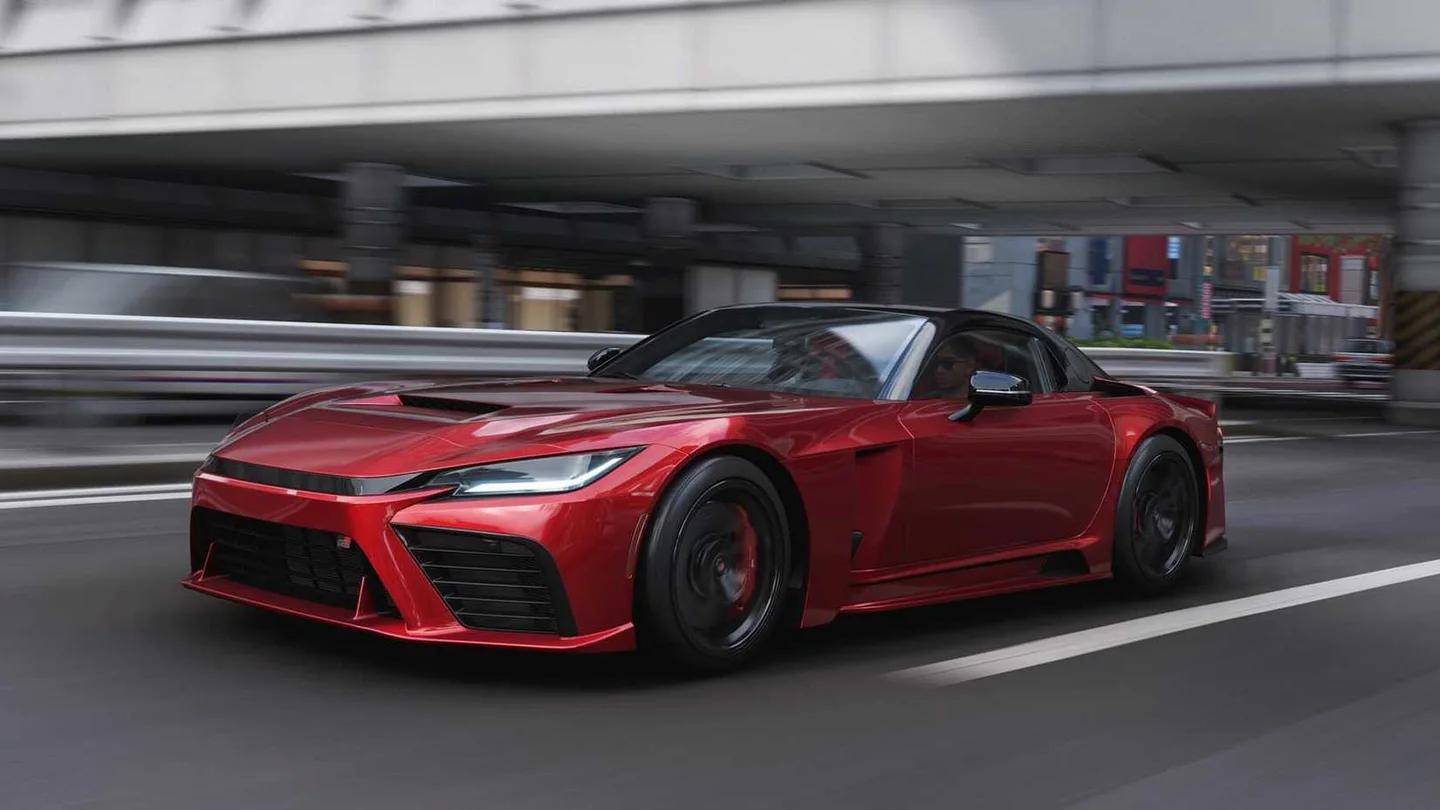
GR GT Prototype tire upgrades
Use the 911 GT3 RS for tight street routes
The 2023 Porsche 911 GT3 RS is another strong option for tight tracks.
The 2024 Nissan GT-R NISMO offers a different strength: acceleration. Its stock top speed is less remarkable, but its ability to get moving quickly makes it well suited to tracks with frequent bends. Choose between these cars based on the balance you want between agility and acceleration.
Road racing, dirt, and drifting reward different setups. If you also need something for those events, the Forza Horizon 6 best cars by race type guide separates those recommendations instead of treating road handling as the answer to every discipline.
What is the best budget handling car?
The 2016 Mazda MX-5 is the budget pick for stock RWD C-class handling. Its 5.1 handling rating leads the 59-car RWD C-class group, and it is also the least expensive car among that group's top 10 handling choices.
At C499, the Mazda is already close to C class's 500 PI ceiling. Its 155 HP and 2,310 lbs give you a lightweight starting point, while its 4.6 acceleration and 4.7 launch compare favorably with the other cars below.
| Stock RWD car | PI | Handling | Acceleration | Braking |
|---|---|---|---|---|
| 2016 Mazda MX-5 | C499 | 5.1 | 4.6 | 3.7 |
| 2005 Mazda Mazdaspeed MX-5 | C469 | 4.9 | 3.4 | 3.5 |
| 2013 Mazda MX-5 | C432 | 4.9 | 3.9 | 3.4 |
| 1994 Nissan Silvia K's | C499 | 4.9 | 4.4 | 3.4 |
| 1989 Nissan Silvia K's | C500 | 4.7 | 4.1 | 4.5 |
The 2013 Mazda MX-5 is worth considering if you want more room below the class ceiling. It starts at C432 with 4.9 handling, whereas the 2016 car begins at C499. That gives the older Mazda more PI headroom for upgrades while staying in C class.
The 1994 Nissan Silvia K's offers a 5.8 speed rating against the 2016 Mazda's 5.4, but gives up handling, acceleration, and braking. The 1989 Silvia K's has the strongest braking rating in this smaller comparison at 4.5, paired with lower 4.7 handling. Choose the trade-off you need rather than buying purely on model name.
How do you improve handling without wasting PI?
Then spend your remaining PI on the weakness your car actually has.
Buy the tuning options your build needs
The Platform & Handling category controls suspension, anti-roll bars, brakes, weight reduction, and chassis reinforcement. For a grip-focused road build, the useful upgrades are the ones that improve the car or unlock adjustments you will actually use in the Tune menu.
- Race Springs & Dampers: Unlock camber, toe, caster, spring rates, ride height, and damping. These are a standard priority for serious A-class and higher builds.
- Race Anti-Roll Bars: Unlock stiffness adjustment for the installed axle. Front and rear upgrades can be fitted independently.
- Race Brakes: Unlock brake balance and pressure adjustments.
- Weight Reduction: Improves acceleration, braking, and cornering, but its PI cost still needs to fit your class target.
Match the adjustment to the handling problem
A road build needs enough suspension movement to keep its tires working over uneven surfaces. Maximum stiffness at both ends can make the car skip over road texture and lose grip. Start with the symptom rather than pushing every slider toward its limit.
| Handling problem | Adjustment to try | Purpose |
|---|---|---|
| Front pushes wide mid-corner | Soften the front anti-roll bar | Give the front axle more compliance and grip |
| Rear feels loose under power | Soften the rear anti-roll bar | Increase rear grip and stability |
| Car bottoms out on curbs | Raise ride height | Prevent the suspension reaching maximum compression |
| Heavy car struggles to slow down | Consider weight reduction and brake upgrades | Reduce mass and improve stopping performance |
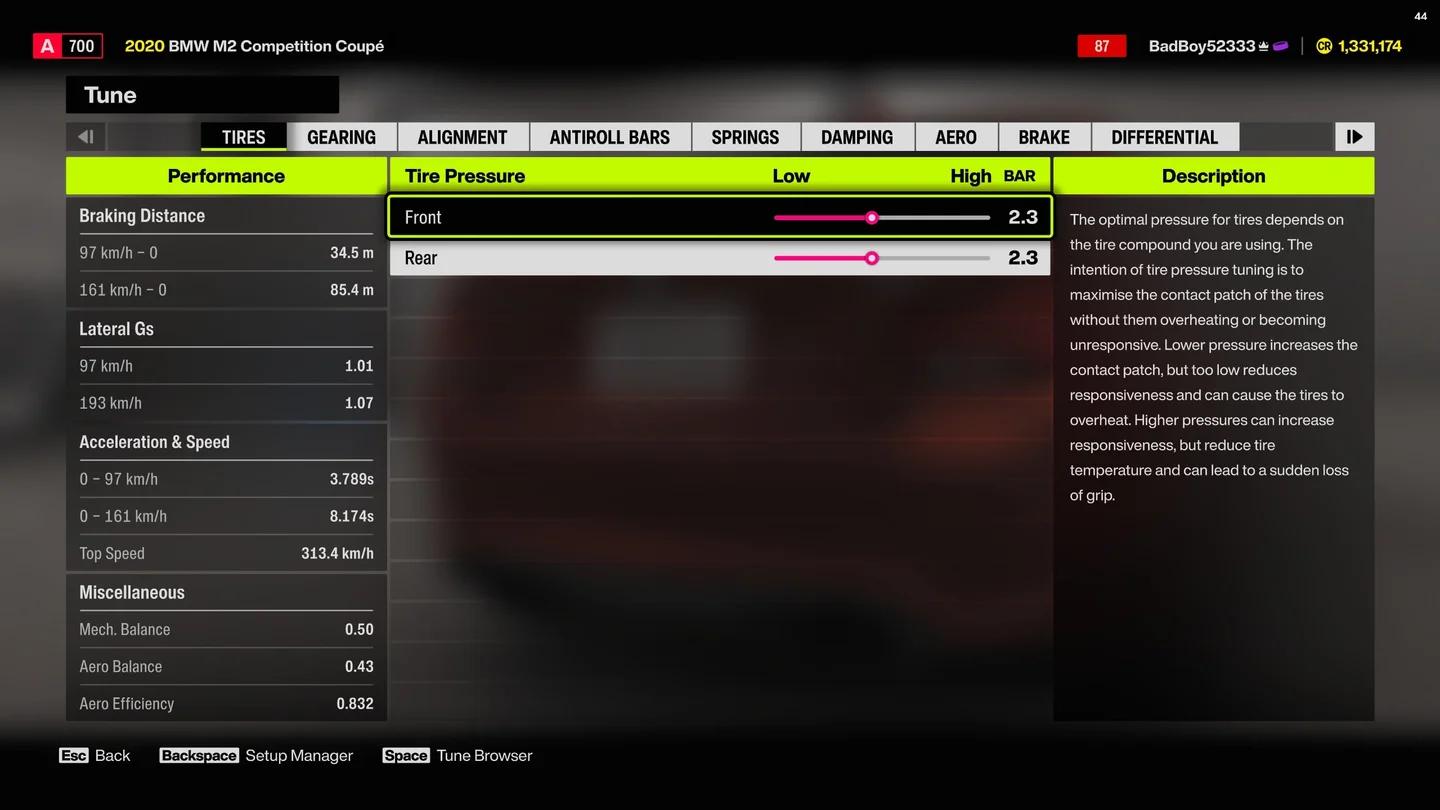
Tire Pressure
For road-racing alignment, supported starting ranges are -1.0° to -2.0° front camber and -0.5° to -1.0° rear camber. Keep toe neutral initially. More aggressive camber trades straight-line braking and acceleration grip for cornering grip, so the furthest setting is not automatically the best choice.
Car ratings and upgrade effects can change with updates. Use the Silvia WTAC as your main technical-road target, the Lotus Exige WTAC for specialized time attack, and the 2016 Mazda MX-5 for stock C-class value.