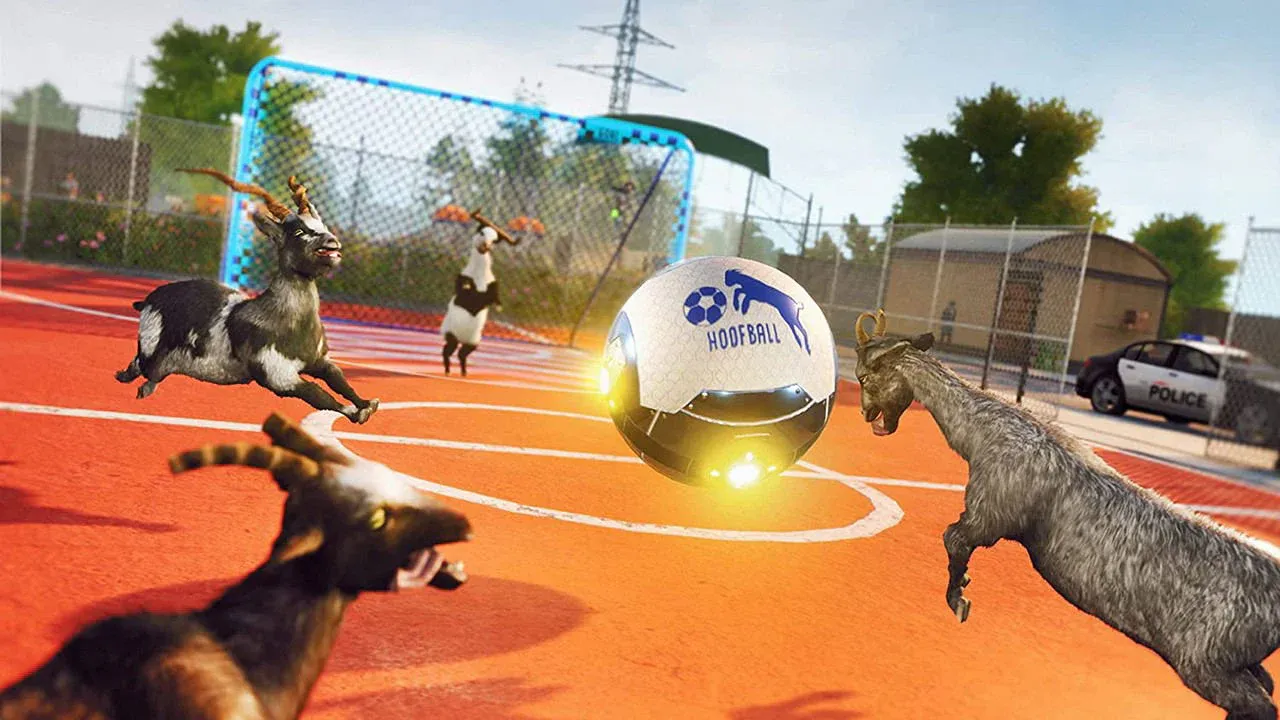

Goat Simulator 3 looks like pure nonsense from the outside, and honestly, that first impression is not wrong. But underneath the headbutting and ragdoll physics, there is a real progression system, hidden secrets worth finding, and abilities that completely change how you move through the world. The chaos is the point, but knowing how to steer it makes every session more satisfying.
What makes Goat Simulator 3 worth actually learning?
Most players drop into Goat Simulator 3, knock over some NPCs, laugh for twenty minutes, and put it down. That is a completely valid way to play. But the players who stick around longer are the ones who realize the game rewards curiosity. Hidden paths exist throughout the world that most players walk past entirely. Triggering certain chain reactions produces outcomes that feel almost scripted, even though they are emergent. The game is designed to be discovered, not just watched.
The shift from confused player to someone who feels in control happens when you stop treating every interaction as random and start recognizing what the game is actually tracking.
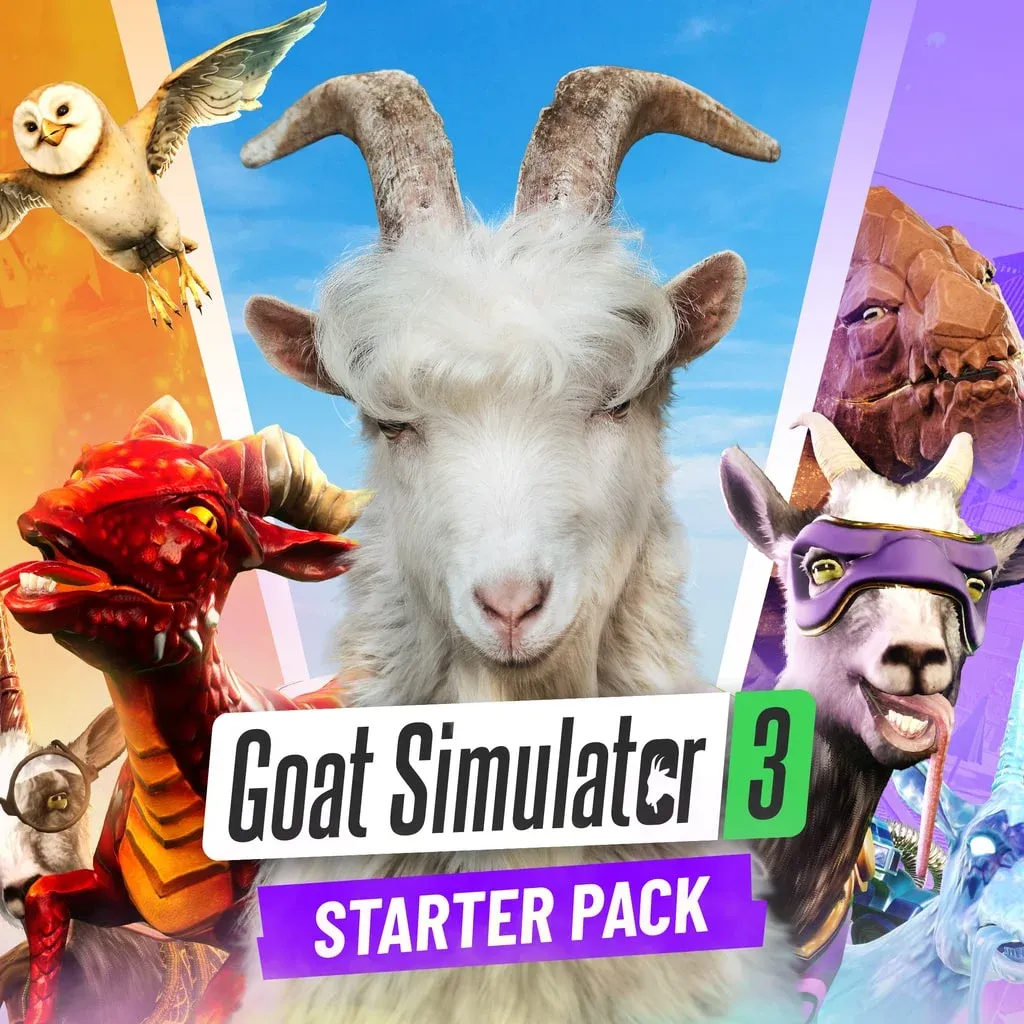
World map exploration overview

How do you explore effectively in Goat Simulator 3?
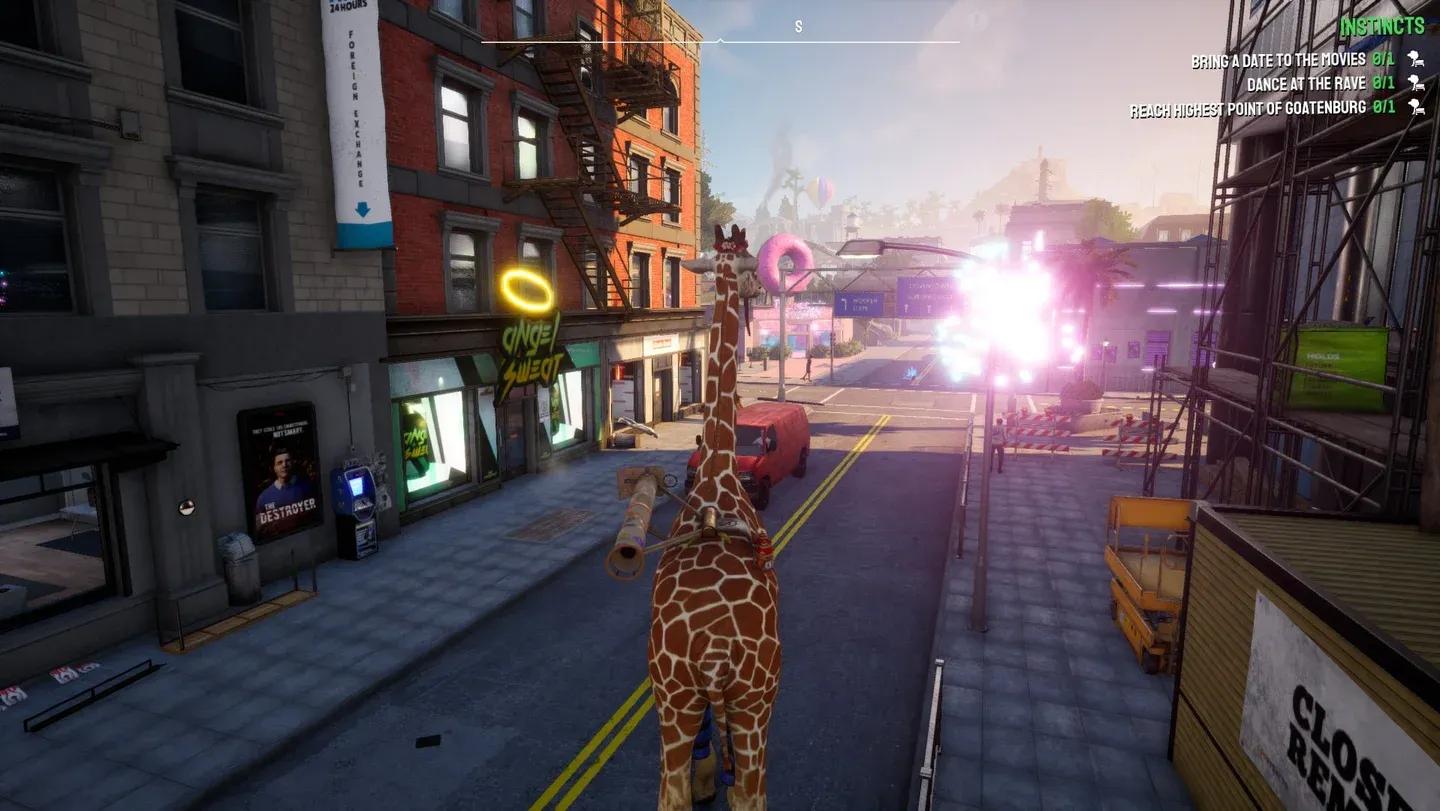
Exploration in Goat Simulator 3 is not about going fast. The world is built to reward players who take detours. Rooftops, underground areas, and structures that look purely decorative often contain interactions or secrets that feed into the broader progression system.
Here are the core habits that separate thorough explorers from players who miss content:
- Headbutt everything. Objects that look static frequently are not. Interactions are hidden in plain sight.
- Check vertical space. The game places content above and below obvious pathways more often than beside them.
- Revisit areas after unlocking new abilities. Spots that seemed like dead ends earlier become accessible once your moveset expands.
- Follow NPCs. Their scripted routines sometimes lead to areas or trigger events that are easy to miss if you are just wandering.
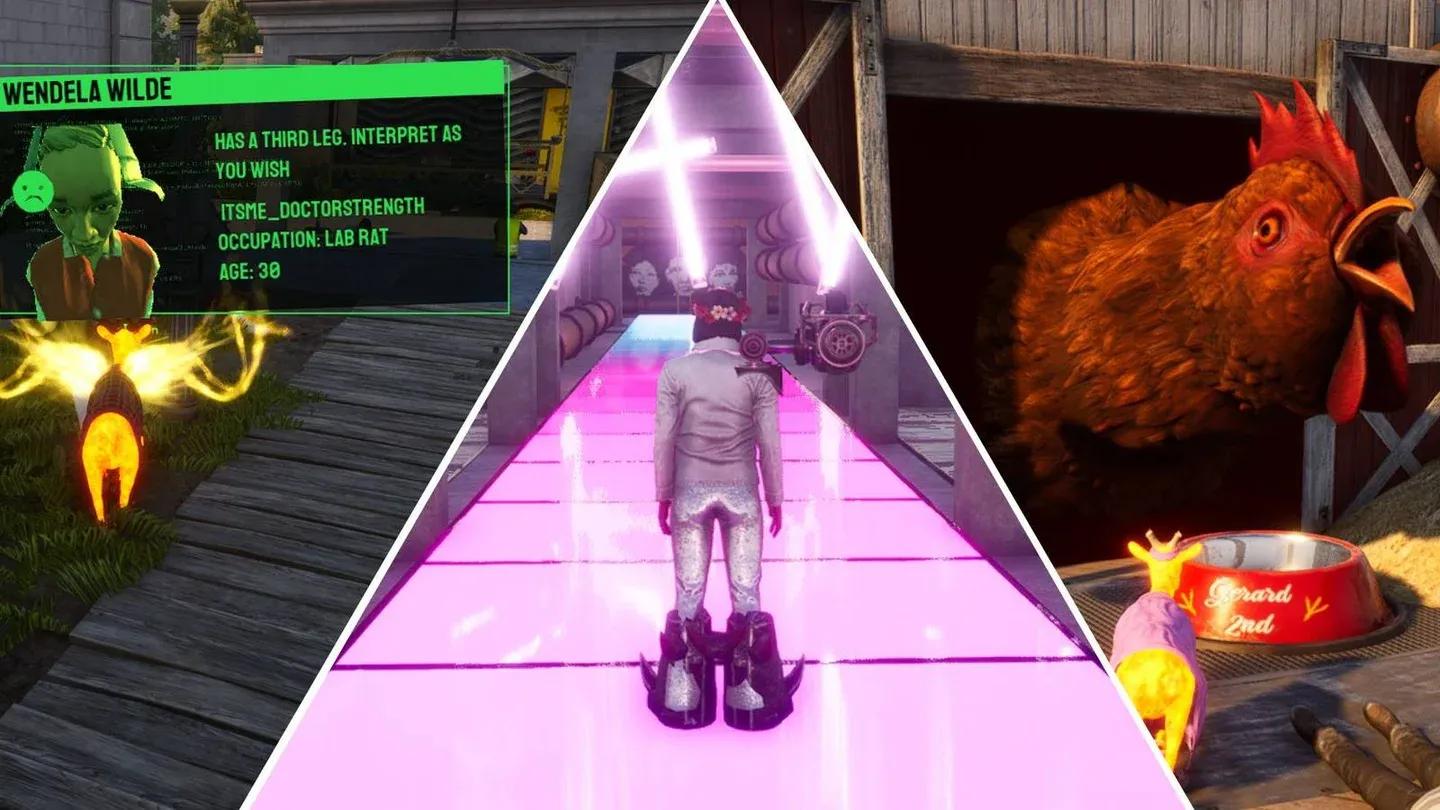
Ability unlock progression screen
How does progression actually work?
Progression in Goat Simulator 3 is tied to discovery and interaction rather than grinding a single activity. The more of the world you engage with, the more your options expand. Abilities you unlock feed back into exploration, opening new sections of the world and new chain reactions to trigger.
The loop looks roughly like this:
| Stage | What you are doing | What it unlocks |
|---|---|---|
| Early exploration | Discovering basic interactions | Initial ability options |
| Mid progression | Triggering chain reactions | Advanced movement and tools |
| Late progression | Revisiting areas with full kit | Hidden secrets and completionist content |
The key thing to understand is that progression is not linear. You do not have to follow a prescribed path. Players who go wide early, touching many different parts of the world before going deep on any one thing, tend to unlock abilities faster because discovery is the primary currency.
What abilities should you prioritize unlocking?
Based on the guide's framing of the progression system, abilities in Goat Simulator 3 fall into two broad categories: those that expand where you can go, and those that expand what you can do in a given space. Movement-focused abilities pay dividends across the entire game because they feed directly back into exploration. Once you can reach new areas, you find new interactions, which accelerates everything else.
Abilities that change how you interact with the environment tend to be more situational but produce the most memorable chain reactions. These are worth pursuing once your movement options feel solid.
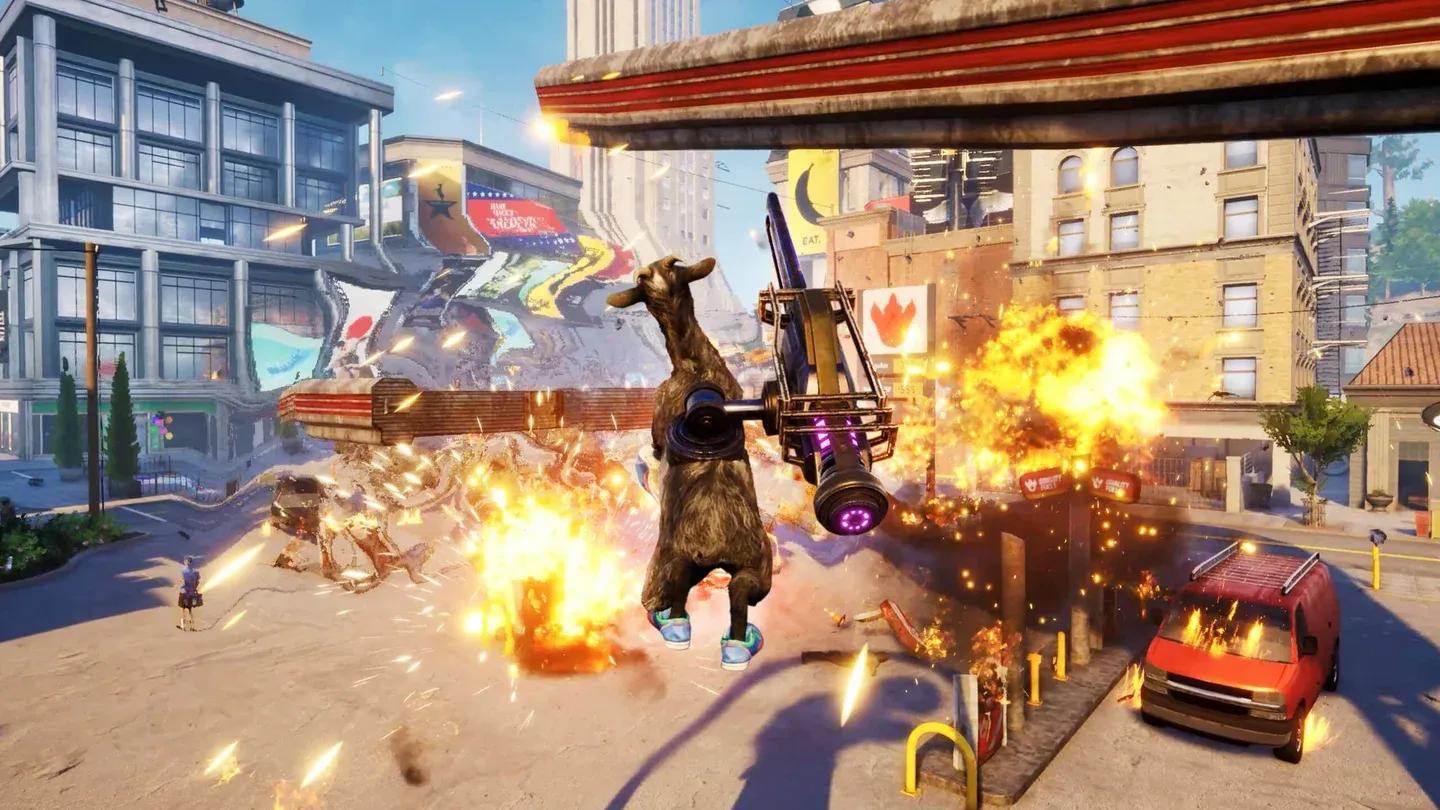
Active ability in use
How do you trigger chain reactions?
Chain reactions are where Goat Simulator 3 stops feeling random and starts feeling designed. The game builds its environments with cascading interactions in mind. Knocking one thing into another thing into a third thing is not accidental, it is the intended play pattern.
To trigger them reliably:
- Identify objects in the environment that are physically connected or in close proximity.
- Use momentum. Running headbutts carry more force than stationary ones.
- Look for elevated starting points. Launching objects or yourself from height dramatically increases the reach of any chain.
- Pay attention to what NPCs are doing. They often act as triggers themselves if you interact with them at the right moment.
The most satisfying chains tend to involve at least three distinct objects or NPCs and produce an outcome that changes the immediate environment in some visible way. These moments are what the game is actually built around.

Chain reaction trigger moment
Is there a right way to approach hidden secrets?
The short answer is no, but there are smarter approaches. Hidden secrets in Goat Simulator 3 are designed to reward players who treat the world as interactive rather than decorative. The game's developer, Coffee Stain Studios, built the original Goat Simulator around the idea that everything should have some reaction, and the third entry carries that philosophy forward.
Practically, this means:
- Surfaces that look like walls sometimes are not.
- Objects that appear to be background dressing frequently are not.
- Returning to a location after progressing elsewhere sometimes reveals changes that were not present on the first visit.
The game does not hold your hand toward secrets. That is intentional. The discovery itself is the reward, which is why players who approach the world with genuine curiosity get more out of it than those looking for a checklist.
For more gaming guides across all genres, browse more guides at GAMES.GG to find tips for whatever you are playing next.
Quick reference: exploration priorities by stage
| Priority | Early game | Late game |
|---|---|---|
| Movement | Learn basic traversal | Use full ability kit for vertical access |
| Interactions | Headbutt everything in sight | Target specific object clusters for chains |
| Secrets | Note inaccessible areas | Return with expanded abilities |
| NPCs | Follow routines | Use as chain reaction triggers |
Goat Simulator 3 rewards the players who lean into its logic rather than fighting it. The chaos is not the obstacle, it is the tool. Once that clicks, the whole game opens up in ways that a first session never hints at.