

Overview
Gothic 3 drops the Nameless Hero onto the continent of Myrtana with no gear, no allies, and no clear path forward. Orcs have overrun the human kingdom, reducing most of the population to slaves while a handful of free humans cling to survival in the frozen north of Nordmar and the southern desert of Varant. The world is enormous by design, and the game makes no attempt to hold your hand through it.
Piranha Bytes built the game around a genuine three-way faction choice. Side with the human rebels to restore King Rhobar II to power, collaborate with the orc occupiers to crush the last resistance, or pursue a neutral path that serves nobody but yourself. Each alignment changes which quests are available, which NPCs tolerate your presence, and how the world responds to your actions. Old companions from the earlier Gothic games return here, including Diego, Gorn, Milten, Lester, and Xardas, giving the story real continuity for players who followed the series from the beginning.
Gameplay and mechanics
The core loop centers on combat, exploration, and reputation management across three distinct regions. Myrtana sits at the heart of the continent with dense forests and orc-held settlements. Nordmar is a harsh icy expanse populated by clans who have resisted occupation. Varant is arid desert territory ruled by the Hashishin, a faction led by a character named Zuben.

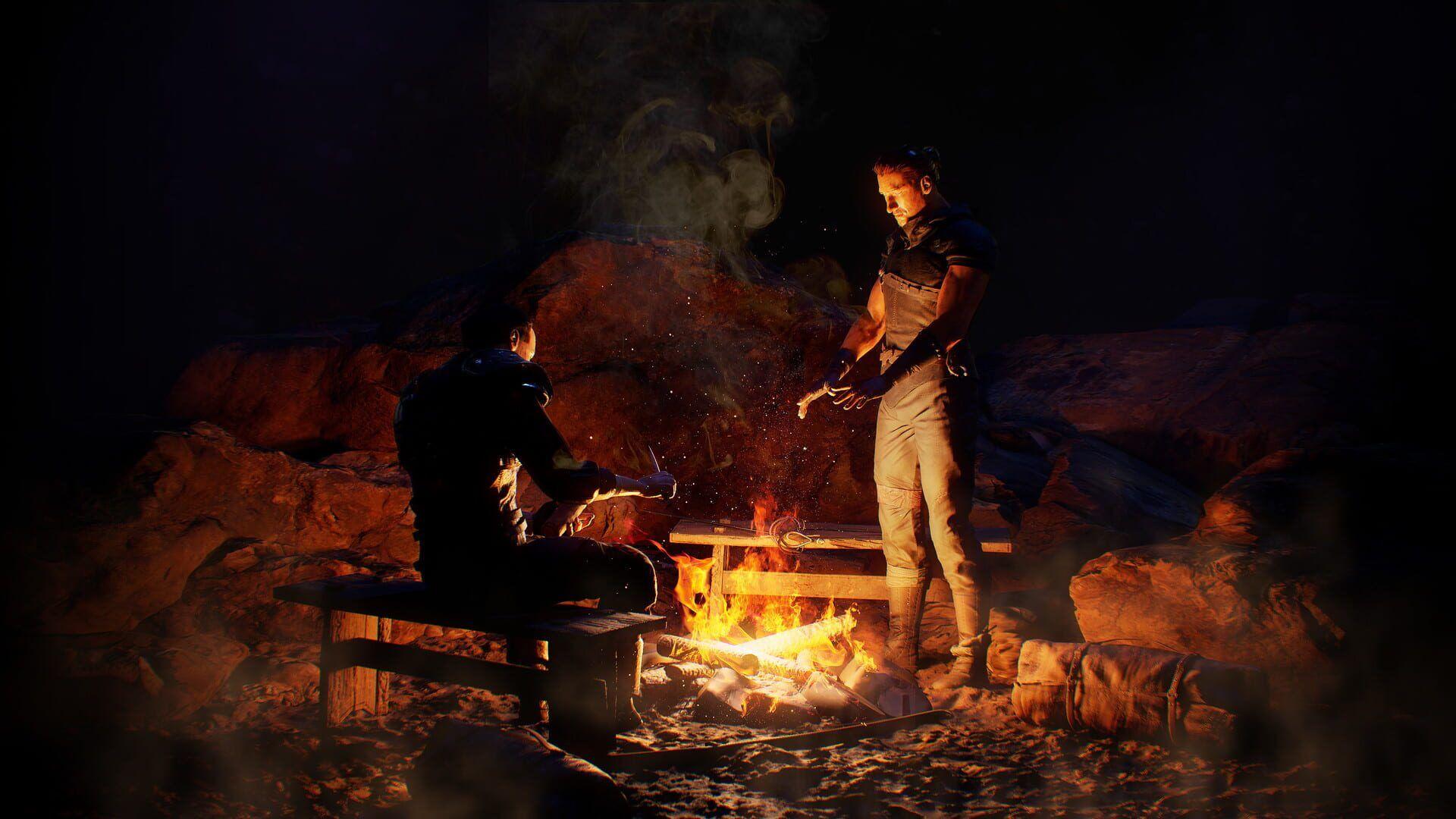
Gothic® 3 content image
Key mechanics that define the experience:
- Faction reputation system affecting quest access
- Open skill progression with no fixed class
- Real-time melee and ranged combat
- Large-scale exploration across three biomes
- Returning NPC companions with story continuity
Combat operates in real time and has a reputation for being punishing at launch, though community patches have addressed much of the original AI behavior. The skill system avoids locking players into a class, letting them invest in strength, dexterity, or magic as they see fit.

Gothic® 3 content image
World and setting
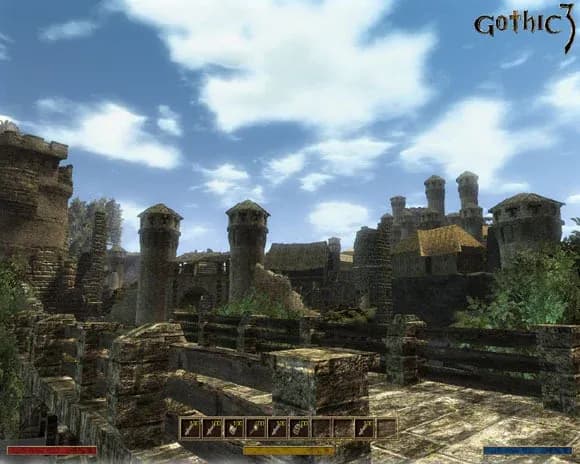
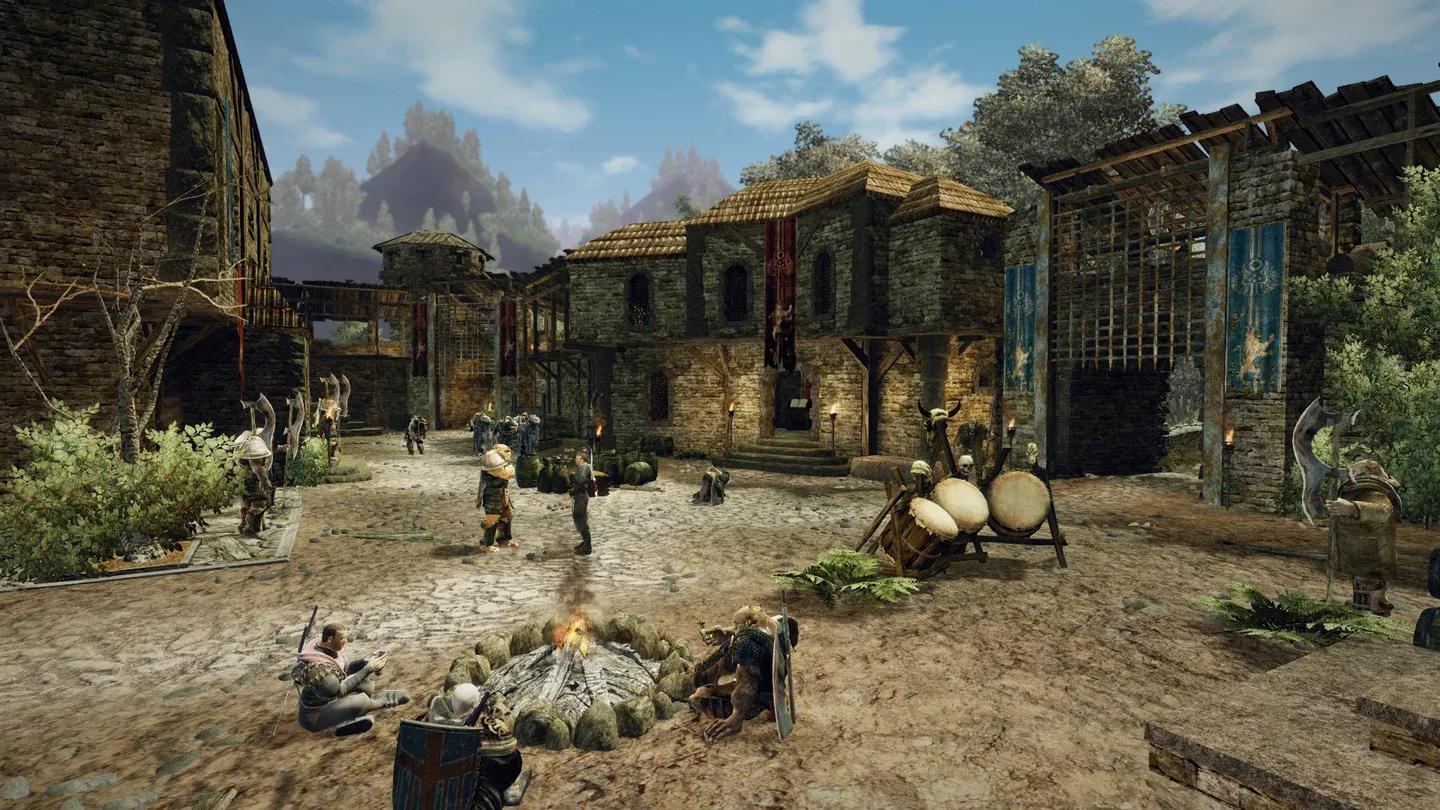
The scale of Myrtana is one of Gothic 3's defining qualities. Towns are occupied, roads are dangerous, and the shift between biomes feels genuinely distinct rather than cosmetic. Nordmar's clan settlements carry a different tone from the desert politics of Varant, and the orc-held cities of central Myrtana create a sense of a world that was functioning before it collapsed.

Gothic® 3 content image
The story pulls returning players forward with familiar faces and unresolved threads. King Rhobar II, who originally sentenced the Nameless Hero to the penal colony in the first Gothic, now faces total defeat. That history adds weight to the faction choice in a way that a standalone story could not replicate.
Gothic® 3 content image
Impact and legacy
Gothic 3 launched in October 2006 with significant performance and stability problems that damaged its reception at release. Community modders and the developer addressed these issues through a series of patches, and the version available today reflects years of fixes that substantially improve the experience. THQ Nordic now publishes the game and has brought it to modern platforms, with a Gothic 3 Classic version announced for PS5.
For players who connect with faction-driven open-world RPGs and want a game that trusts them to navigate a morally ambiguous world without constant guidance, Gothic 3 remains a distinctive entry in the genre. The sheer size of Myrtana, combined with a faction system that genuinely changes the available content, gives the game more replay value than its troubled launch history might suggest.
| Requirement | Minimum | Recommended |
|---|---|---|
| Processor | Intel Pentium 4 or AMD CPU 2 GHz or equivalent | Intel Pentium 3.0 GHz or AMD Athlon 64 4000+ |
| Memory | 2 GB RAM | 4 GB RAM |
| Graphics | 3D graphics card with 128 MB Ram and Shader 1.4 | 3D graphics cardwith 256 MB (NVIDIA GeForce 6800 equivalent or better |
| DirectX | Version 9.0c | Version 9.0c |
| Storage | 5 GB available space | 5 GB available space |