Overview
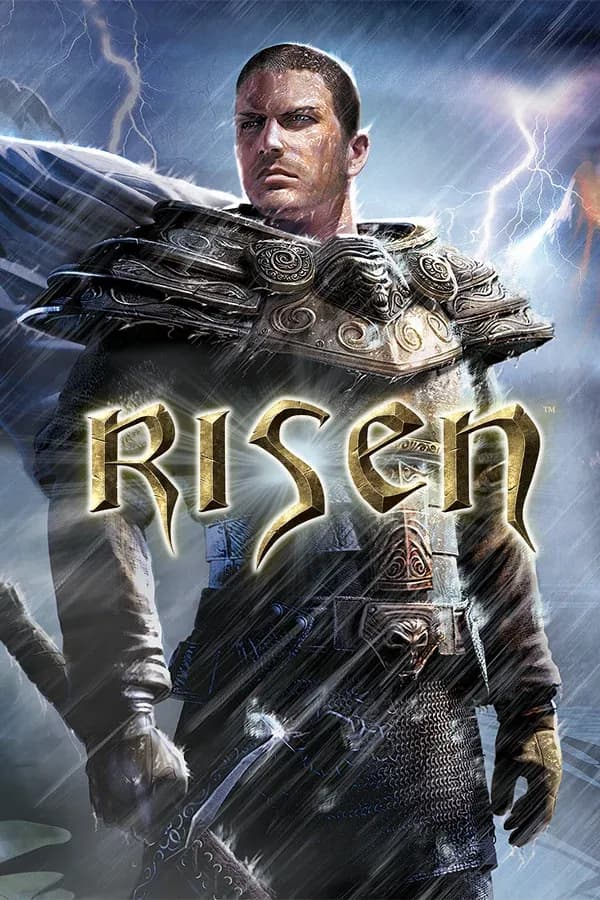
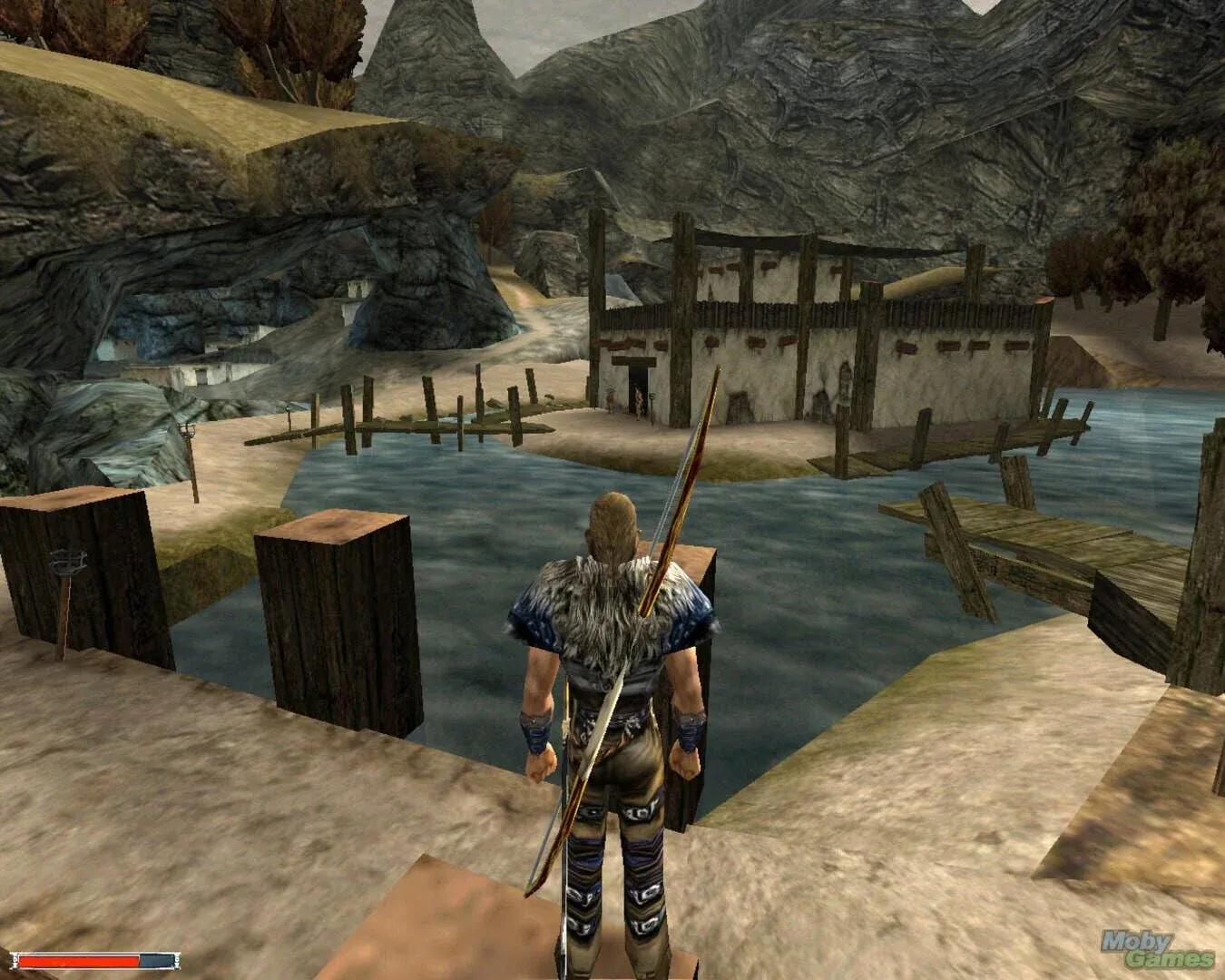
Gothic is a third-person action RPG developed by Piranha Bytes and published by THQ Nordic, originally released on March 15, 2001. Set inside a magically sealed mining colony where convicts have overthrown their guards, the game drops players into a lawless world with no skills, no map markers, and no clear direction. Every piece of progress has to be earned through exploration, conversation, and combat.
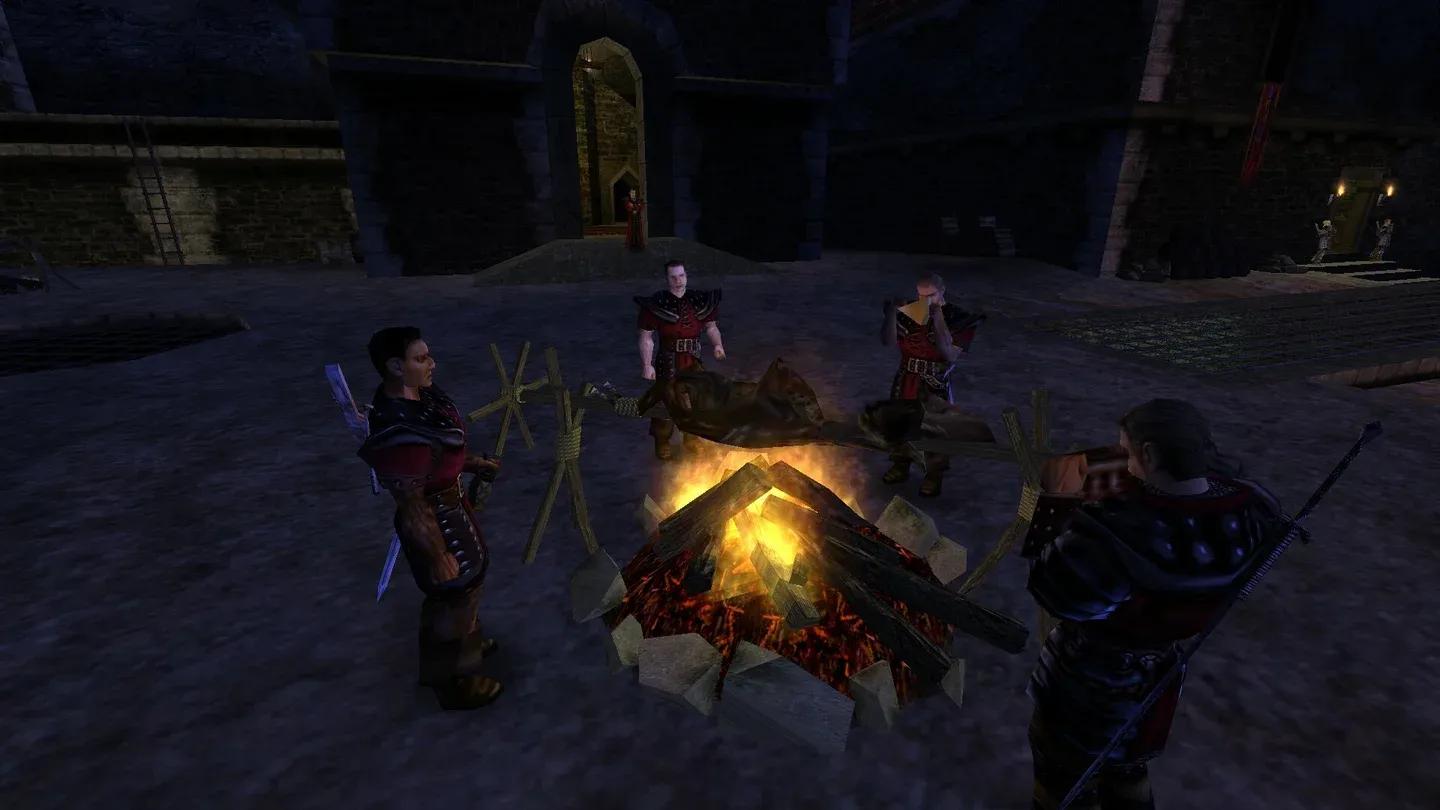
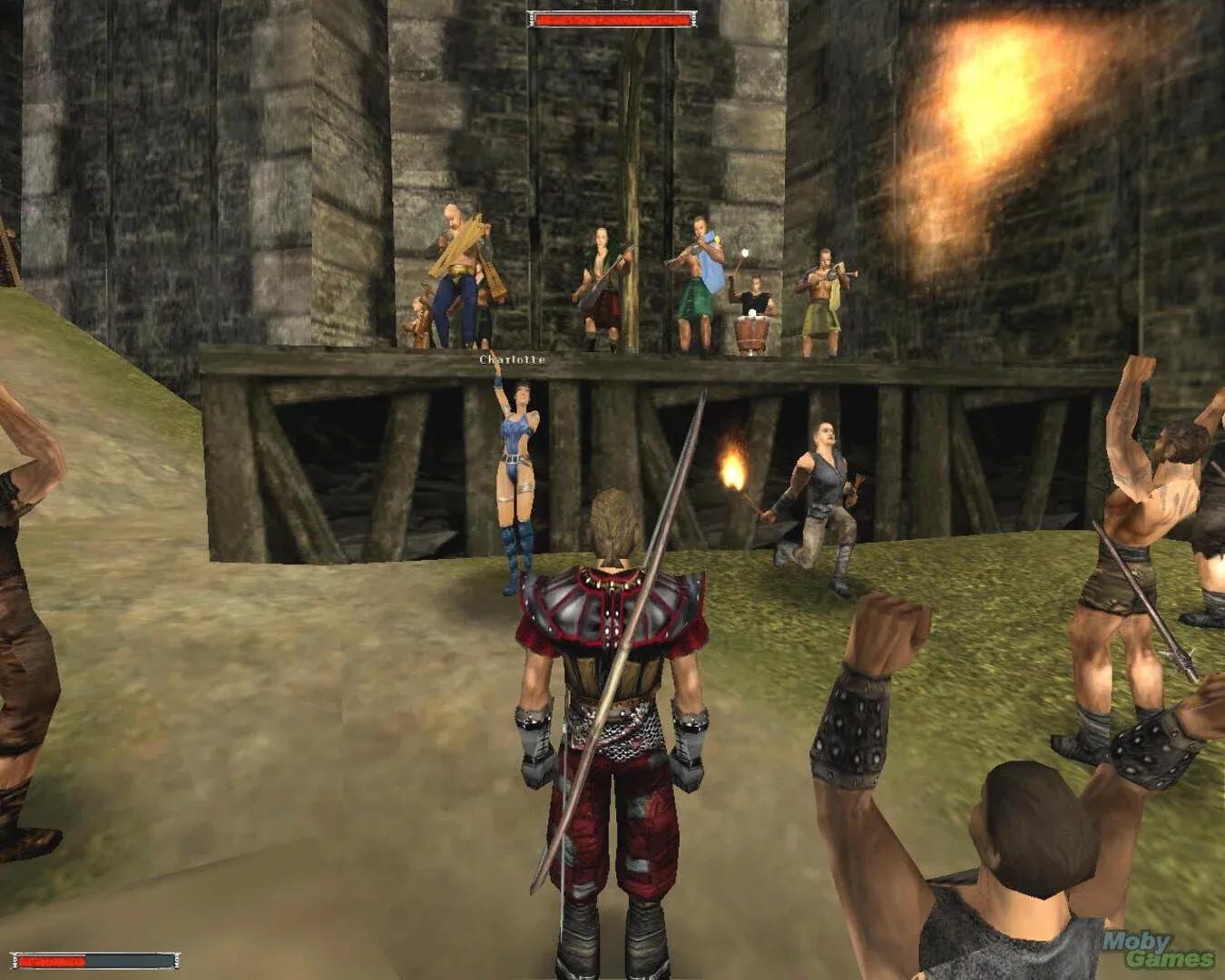
The premise is deceptively simple: an unnamed prisoner is thrown into the colony carrying a letter for the Fire Mages. What unfolds is a story about power, survival, and an ancient evil buried beneath an Orc city. The world is small by modern standards but feels genuinely alive, with NPCs following daily routines, cooking food, training, and sleeping on schedules that exist whether the player is watching or not.
Gothic 1 content image
Faction system: which camp do you join?
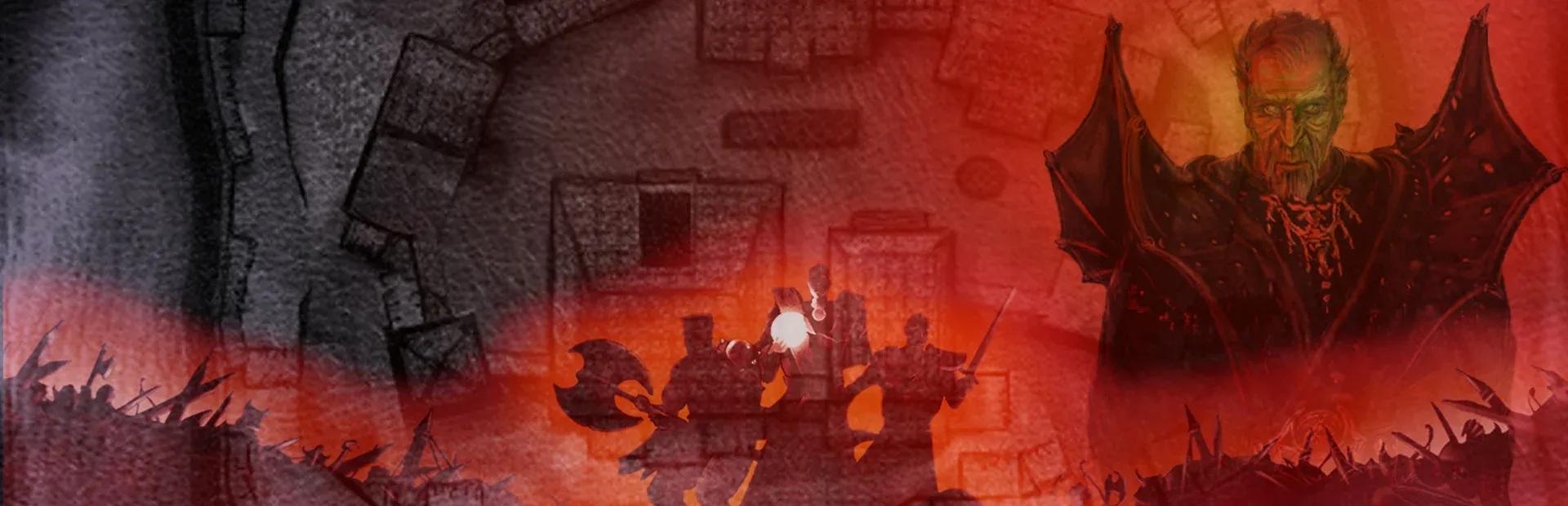
The single most consequential decision in Gothic is which of the three factions to align with. Each controls a portion of the colony and offers a distinct path through the game:
Gothic 1 content image
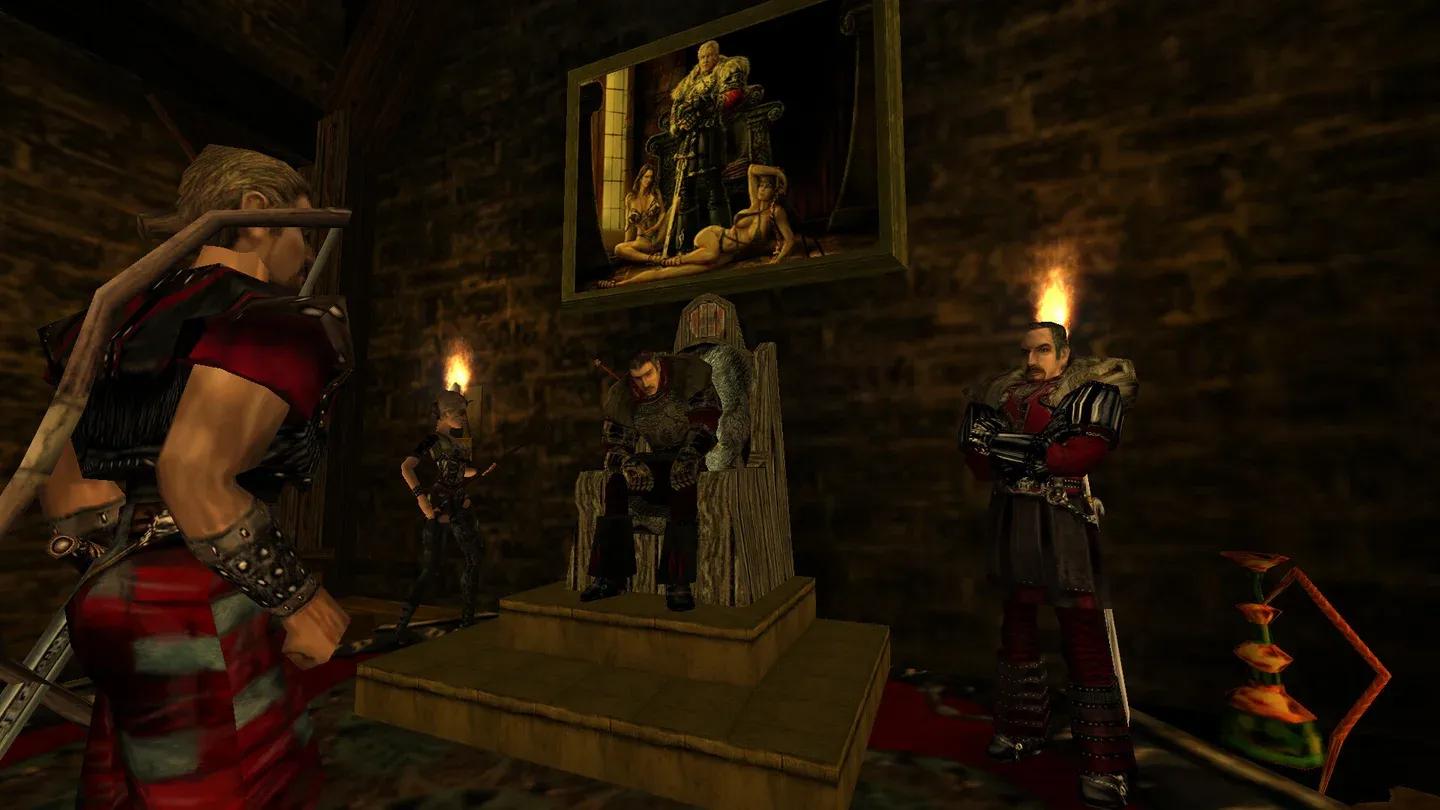
- Old Camp: loyal to the king, grants access to Fire Mages
- New Camp: hoarding ore to destroy the barrier, leads to Water Mages
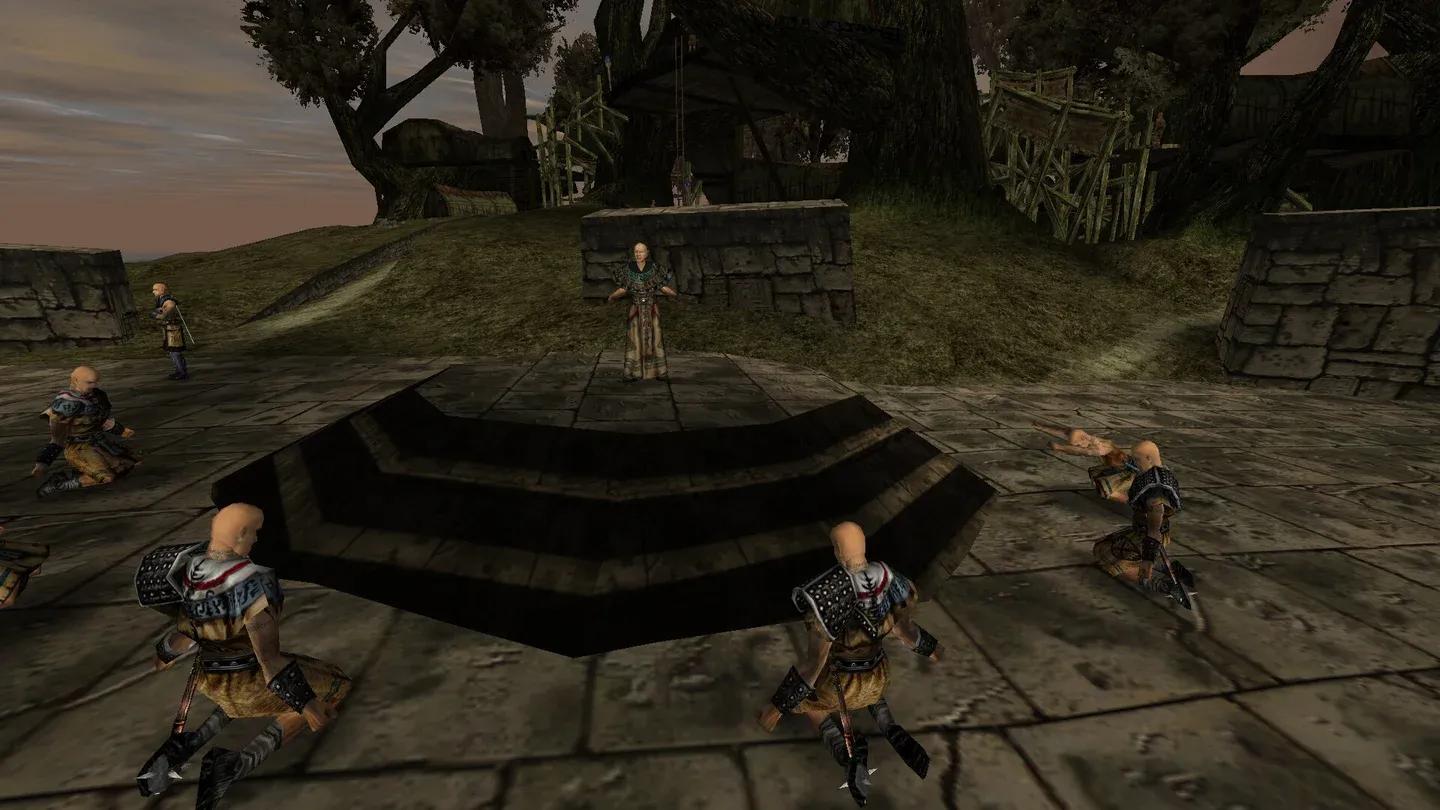
- Brotherhood: religious cult worshipping a being called the Sleeper, offers early magic
This choice shapes available quests, allies, and abilities for the entire playthrough. The Brotherhood path in particular reveals the game's deeper horror angle fastest, since the Sleeper turns out to be a demon the Orcs summoned centuries ago. Joining any faction feels like a real political commitment rather than a cosmetic preference.
Gothic 1 content image
Gameplay and mechanics
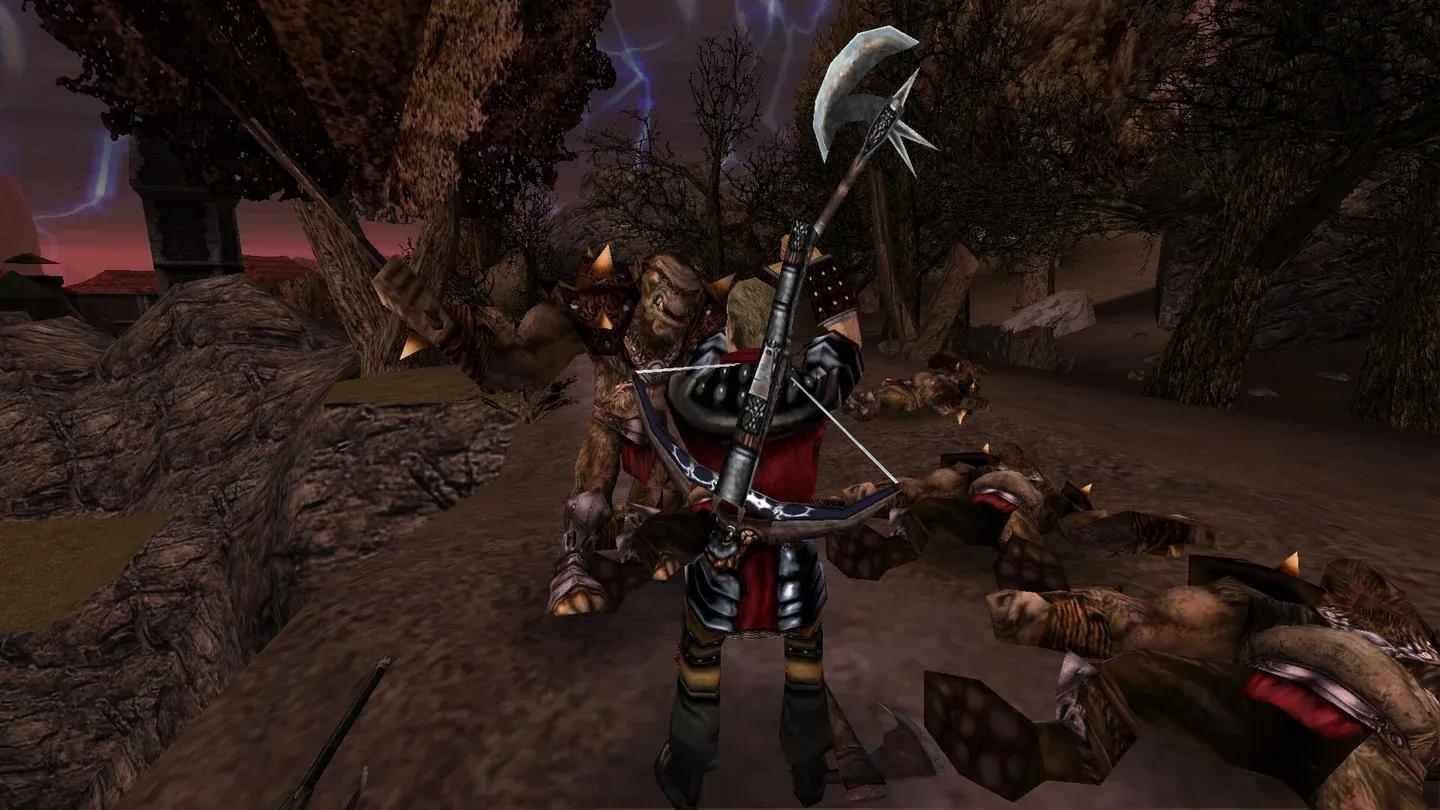
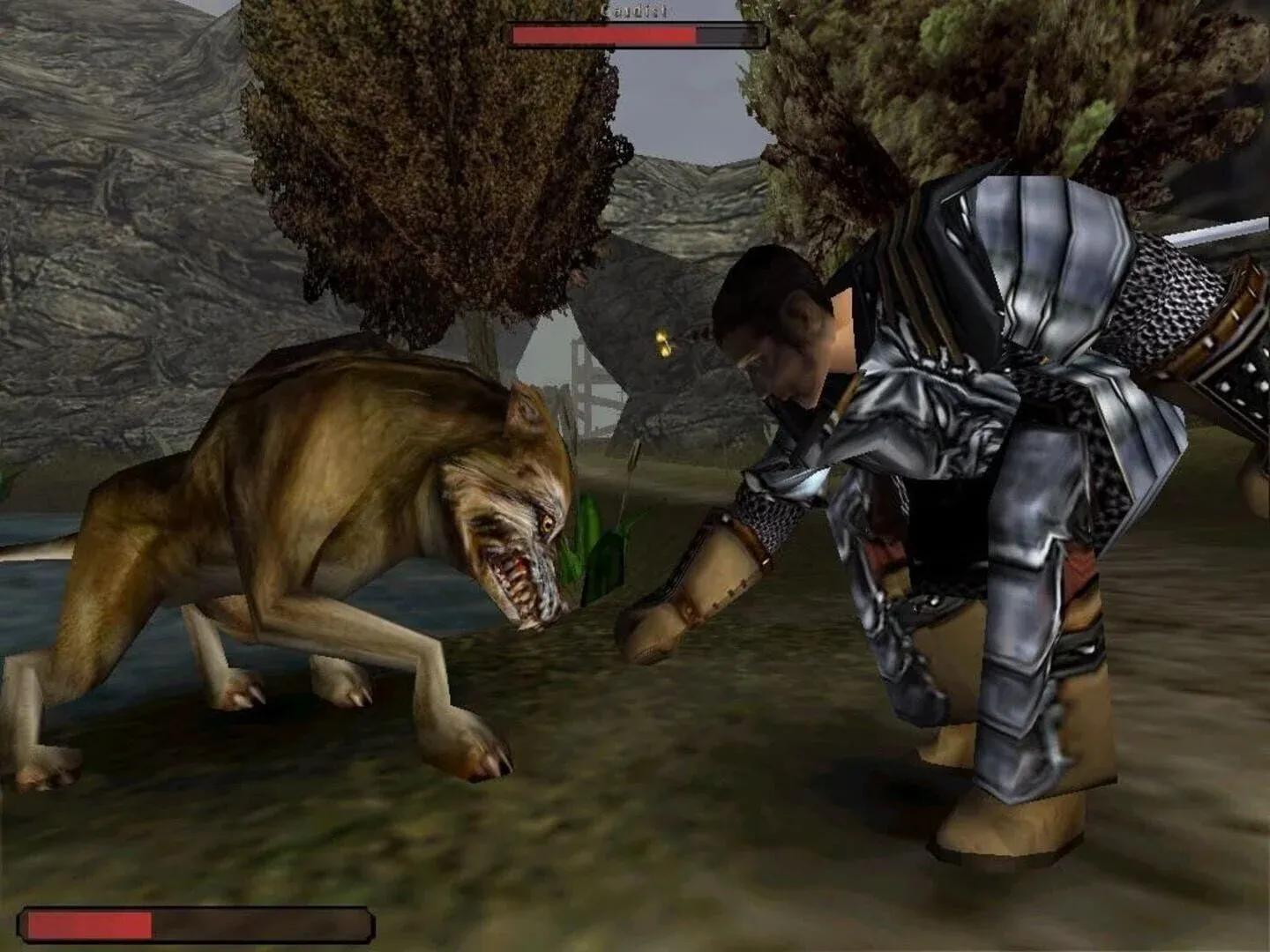
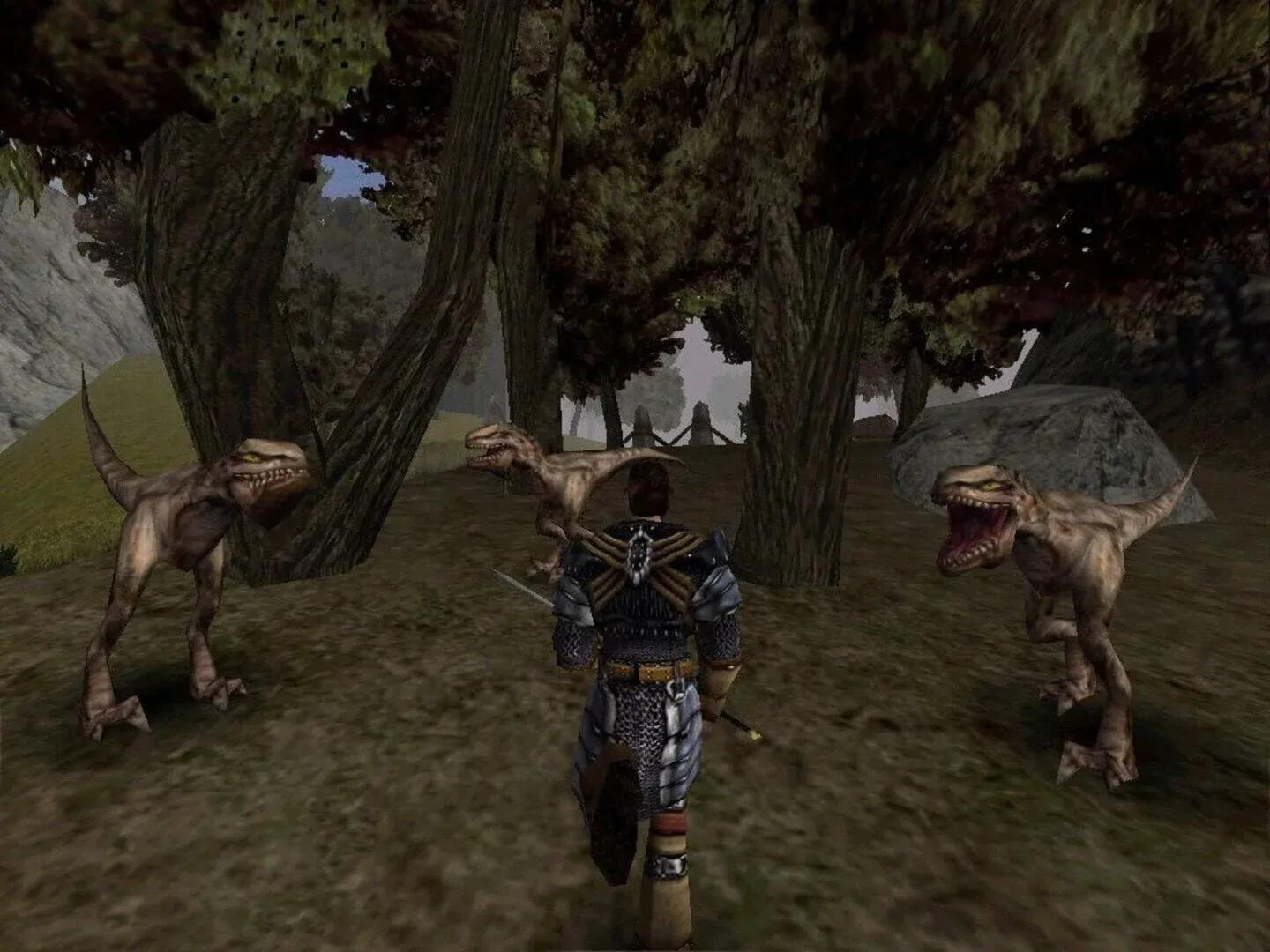
Combat in Gothic covers melee, ranged weapons, and magic spread across six circles of increasing power. The melee system requires timing and positioning rather than button mashing, and enemies punish aggression from underprepared characters hard. Skill progression works through teachers: find the right NPC, spend your earned points, and your character improves. There are no automatic level-up menus to click through.
Gothic 1 content image
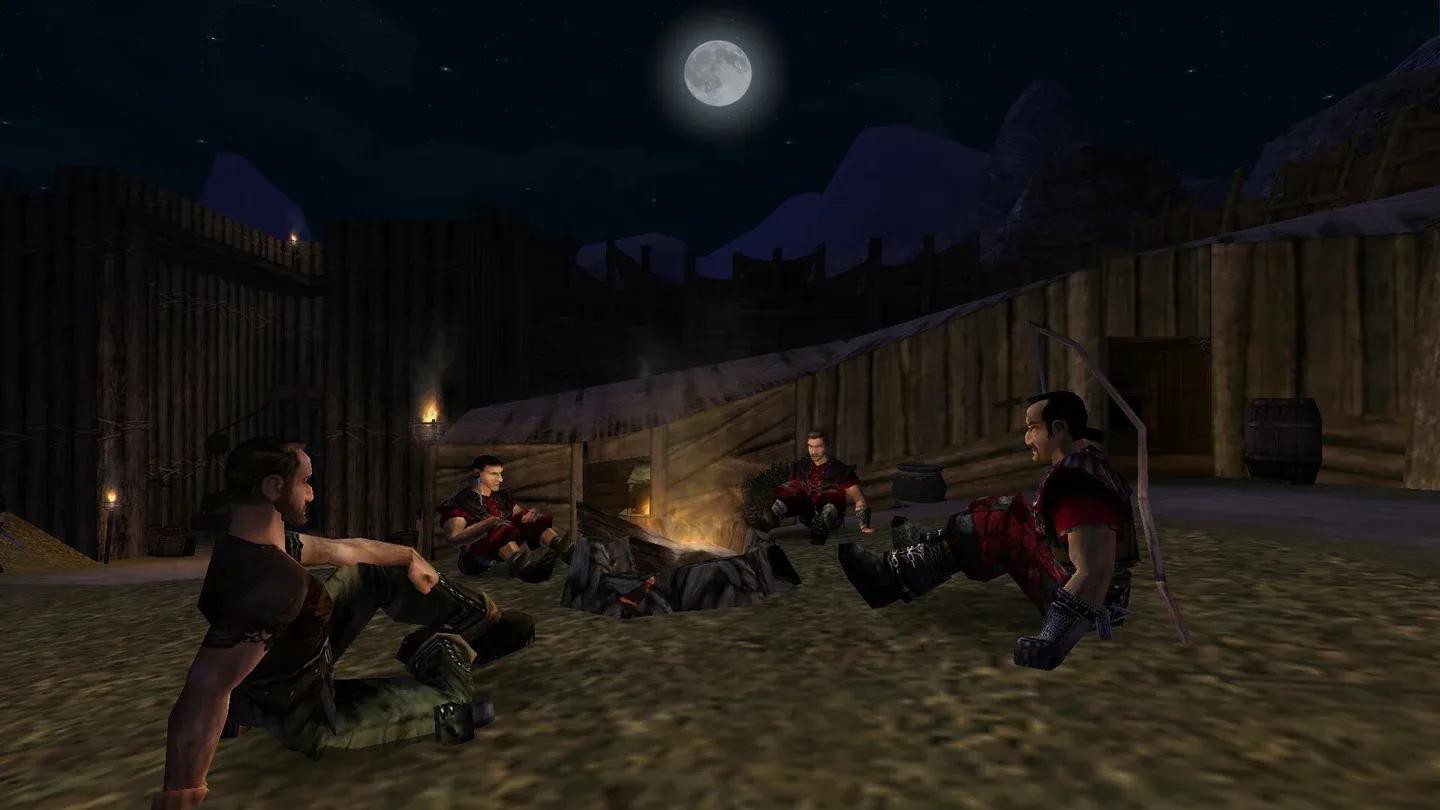
The environment rewards curiosity. Players can cook food, forge weapons, and interact with most objects in the world the same way NPCs do. Exploration happens without quest markers or a guided minimap, which means getting lost is part of the experience. Learning the colony's geography through trial and error is genuinely satisfying once it clicks.
World and setting
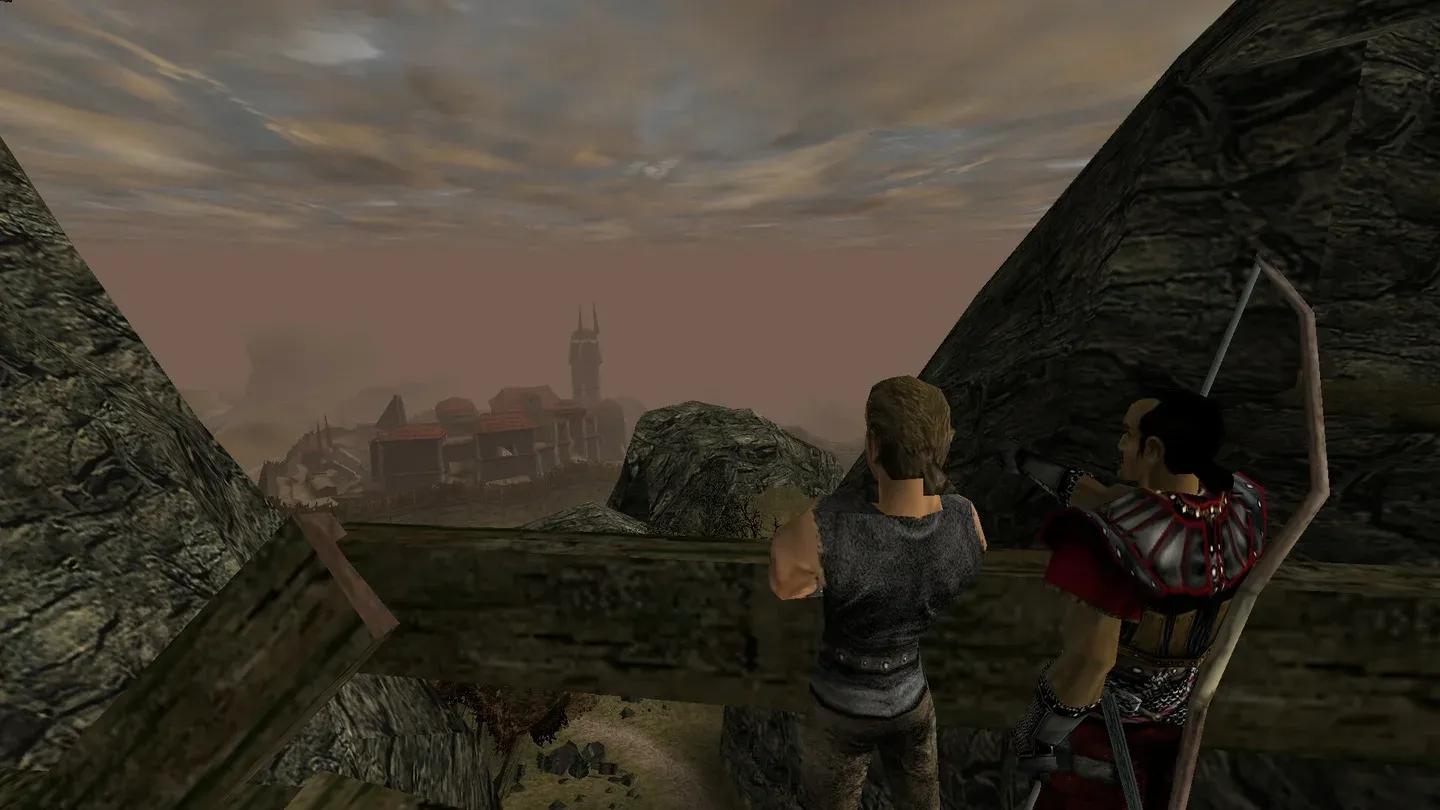
The colony sits inside a magical barrier that went wrong during its own construction, trapping the twelve mages who cast it alongside the prisoners they were meant to contain. Outside, humans are losing a war against Orcs. Inside, the convicts have built a rough society around the ore trade that keeps the king from starving them out. That political tension gives every NPC interaction weight.
The world is compact and hand-crafted. No procedural generation, no padding. Every cave, camp, and ruin serves a purpose, and the density of secrets rewards players who poke into corners other RPGs would leave empty.
Impact and legacy
Gothic earned its cult status through the same qualities that made it difficult for newcomers: no hand-holding, a steep early difficulty curve, and a world that operates on its own logic regardless of player convenience. The open-world RPG design philosophy it pioneered, where the environment teaches through consequence rather than tutorial text, influenced a generation of European RPGs. The game is available on PC via Steam, PlayStation 5, and Nintendo Switch, giving new players multiple ways to experience one of the genre's most distinctive entries.
| Requirement | Minimum |
|---|---|
| Processor | Intel Pentium III 700 MHz |
| Memory | 512 MB RAM |
| Graphics | 3D graphics card with 32 MB Ram |
| DirectX | Version 8.1 |
| Storage | 5 GB available space |