

Start Grand Theft Auto 6 by following the opening missions, learning the weapon and item wheel, and practicing driving before taking on optional crimes.
Your first goal is a repeatable routine: check your supplies, understand your route, and protect the progress you want to keep. Use the early story objectives as practice instead of trying to investigate every distraction at once. These beginner tips give you a practical order for learning the controls, managing police attention, and deciding which purchases can wait.
Complete the opening missions first
Follow the opening story objectives before planning a long trip across Leonida. Give yourself a manageable task, finish it, and then decide what to practice next. You do not need to turn your first session into a tour of the entire state.
Jason Duval and Lucia Caminos live in the Leonida Keys, helping Brian Heder collect debts and handle local shakedowns in exchange for a rent-free home. Start by learning the surroundings connected to their story instead of treating Vice City as your only destination.
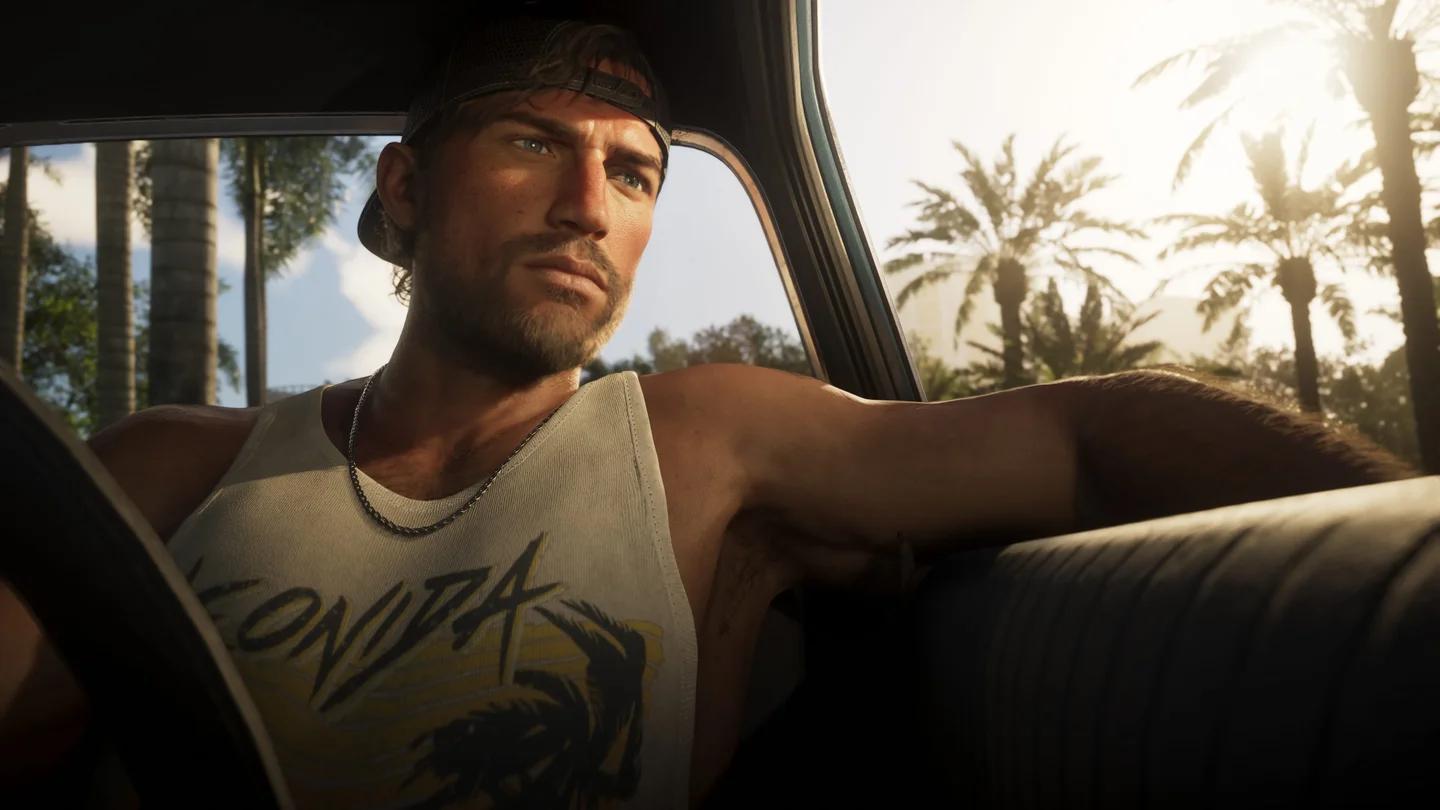
The waterfront of Leonida Keys
Use the opening stretch to answer three practical questions:
- Can you follow an objective without repeatedly checking the controls?
- Can you find your weapons and equipment quickly?
- Can you drive a short route without losing control at every turn?
The character selection wheel offers Solo Jason, Solo Lucia, and dual protagonist control. Try those options when they are available to you, but learn the basic actions with one character before adding another layer of control.

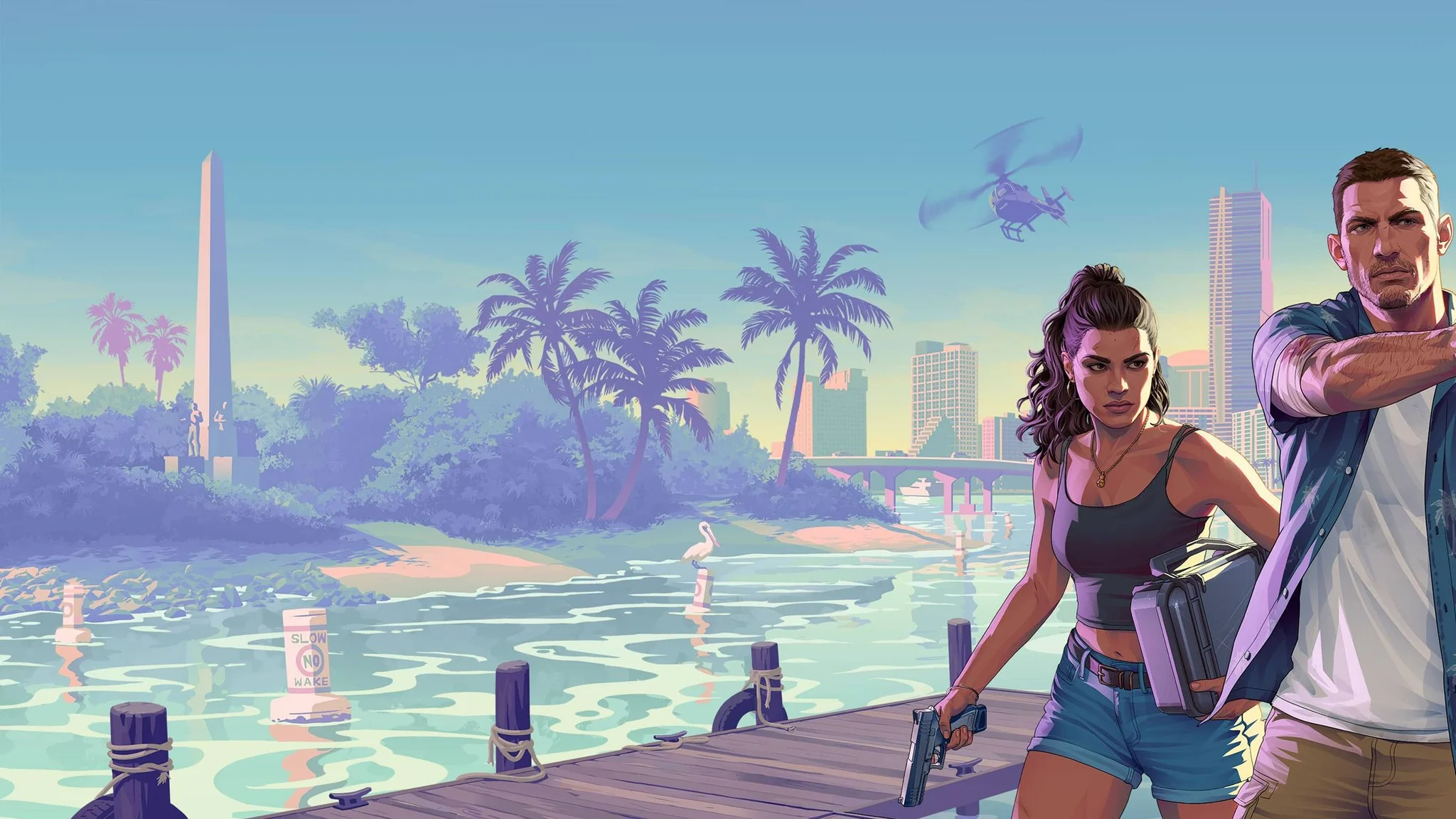
Learn aiming, cover, and driving
Find equipment before combat gets busy
The redesigned weapon wheel separates weapons and items. Use R1 on PlayStation or RB on Xbox to switch between them. Practice finding equipment while you are somewhere quiet, so your first search for a healing item does not happen during a shootout.
Check the control prompts for aiming, firing, and taking cover. Practice each action separately before combining them. Start a fight with a solid obstacle nearby, and avoid standing in the open while working out an unfamiliar input.
The Focus Ability slows your surroundings to help with aiming and highlights points of interest, escape routes, and police locations. Learn how to activate it early. Its navigation information can be useful when your immediate problem is finding a way out, not landing another shot.
Brake before the corner
Driving has heavier handling than Grand Theft Auto V, and traffic density changes with congestion. Begin with a short, ordinary drive: accelerate, brake, take a corner, and stop where you intended. Save the high-speed weaving for after you understand how the car responds.

Vice City's streets and traffic
Overturned cars cannot be flipped upright by steering. Keep your early practice on the road, and resist using every curb as a launch ramp. A controlled turn is more useful than discovering that your transport is now a pavement ornament.
Fuel is also part of vehicle management. Gas stations refuel combustion vehicles, while electric vehicles use charging stations. Include that check before a long drive instead of interrupting a mission approach to deal with it.
Understand police attention before exploring
Police can identify you through your appearance, clothing, and vehicle. Changing clothes or switching vehicles can help you evade law enforcement, so think about what officers have seen when planning an escape.
Avoid escalating a minor encounter just because you have a weapon ready. NPCs react to drawn weapons, and the Criminal Profile System tracks how professionally or unnecessarily violently you commit crimes. That profile affects NPC hostility, police severity, story events, and world reactions.
The wanted system reaches six stars. Learning how to avoid drawing more attention is a better early exercise than trying to survive the highest response. Use these habits before starting optional crimes:
- Look for an exit before initiating trouble.
- Keep your route to a vehicle clear in your mind.
- Avoid adding unnecessary violence to an escape.
- Check Focus for escape routes and police locations when you need help reading the situation.
Dynamic encounters also offer dialogue prompts such as Greet, Taunt, and Defuse. Read those choices before responding. If your goal is to continue exploring, provoking the person in front of you works against it.
Avoid wasting your starting money
Spend to solve a problem you have already encountered. If you keep running short of supplies, address that before buying cosmetic changes. If you are still learning to drive, an expensive vehicle does not replace braking practice.
Use this comparison to separate practical purchases from things that can wait:
| Purchase or expense | Early priority | What to consider |
|---|---|---|
| Healing items and body armor | Check before combat | Review what you already carry before buying more |
| Fuel or charging | Check before long drives | Prepare the vehicle you intend to use |
| Weapon upgrades | Buy for a specific need | Learn your current weapon before investing in modifications |
| Clothing and appearance changes | Situational | Clothes can help with evasion, while other changes are personal choices |
| Premium cars and extra vehicles | Usually wait | Learn handling and vehicle storage before building a collection |
Check your edition's included content before spending on similar purchases. If you bought one of the Grand Theft Auto 6 pre-order editions, review its extras. The Ultimate Edition includes premium vehicles, weapons, and apparel throughout Jason and Lucia's story; that does not mean every extra is an immediate starting item.
Vehicle theft also depends on security. Older cars can be opened with a slim jim or by smashing a window, while modern high-end vehicles require key-cloners or more advanced tools. Do not build an early travel plan around taking a luxury car without the equipment it needs.
The interface displays separate figures for carried cash and banked money. Read which balance you are looking at when checking your funds, and compare your next purchase with the supplies you still need.
Prepare before starting a mission
Check your carried loadout and vehicle storage
You can carry two rifles and two pistols at once, with other weapons stored in vehicle trunks. Make your equipment choices before heading into trouble. Owning a weapon and having it on your character are separate considerations.
Vehicle interactions include Loadout and Storage. Check both when organizing equipment, and avoid treating an apparent storage counter as a guarantee that every item will fit.
Use a short preparation sequence before committing to the next objective:
- Review your weapons. Carry what you intend to use, and check your ammunition.
- Find your supplies. Locate healing items and body armor in the item wheel.
- Check your transport. Review fuel or charge and the equipment stored in the vehicle.
- Review the route. Identify your destination and an alternative direction to leave.
- Choose your character setup. Decide whether you want to travel alone or use dual protagonist control.
Give exploration a destination
The pause-menu map uses a satellite-style view. Check it before leaving, then pick one destination instead of driving without a plan. Use the Grand Theft Auto 6 location guide to distinguish Vice City, the Leonida Keys, Grassrivers, Port Gellhorn, Ambrosia, and Mount Kalaga National Park.
For travel that does not need to become driving practice, the RydeMe phone app lets you call a driver and travel to another location. Use your own vehicle when you want access to its stored equipment; consider the ride-sharing option when reaching the destination is the main task.
Save progress before taking risks
Check how saving works in the game's menus before experimenting with optional crimes or committing to a long detour. Make sure the progress you want to keep is recorded before leaving a session. Do not use arriving at a destination as your only reason to assume it is safe to quit.
Story decisions deserve a separate pause. Major and minor choices can change the direction of your playthrough, so read the situation before selecting a response. Treat those choices as part of your story, not as another control to test quickly.
Once your progress is secure, choose one risk to try. Practice a robbery, investigate a new area, or take a longer drive. Give that trip a clear objective, then review the supplies and transport you used before starting the next one.