Overview
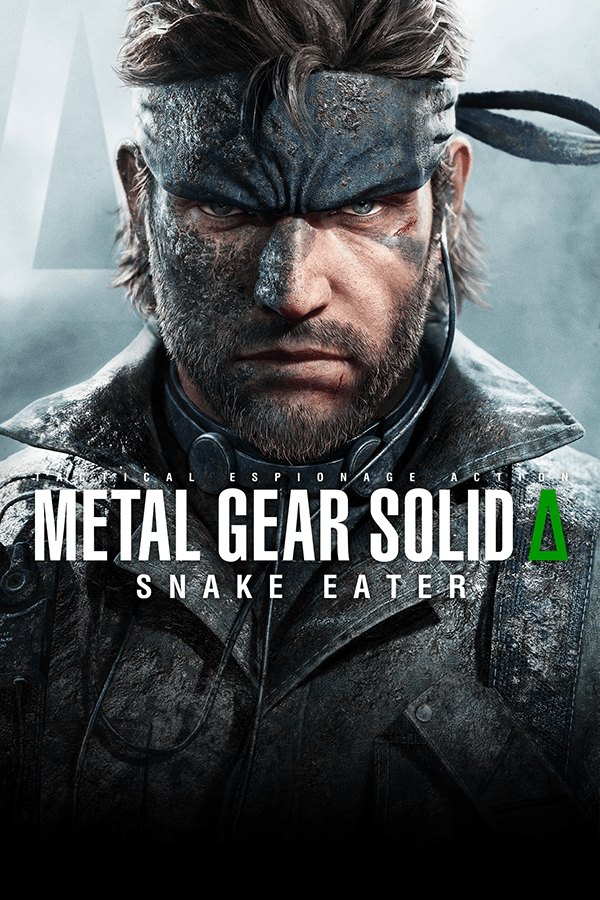
Metal Gear Solid: Peace Walker originally launched on PSP in April 2010 and has since reached PC, PlayStation, Xbox, and Nintendo Switch through the Master Collection. Developed by Kojima Productions and published by Konami, it sits chronologically between Snake Eater and The Phantom Pain, making it an essential chapter in the Big Boss saga. The game splits its time between tight stealth infiltration missions and a surprisingly deep base management system that gives every completed operation a tangible payoff.
The story follows Naked Snake, now going by Big Boss, as he builds Militaires Sans Frontières in response to a mysterious armed force occupying Costa Rica with a nuclear weapon in tow. The narrative deals with deterrence theory, the Cold War logic of mutually assured destruction, and what it means to create an army with no nation. It is heavier than it sounds, and the cutscenes use a comic-panel presentation style that holds up well even today.
Metal Gear Solid: Peace Walker content image
Gameplay and mechanics
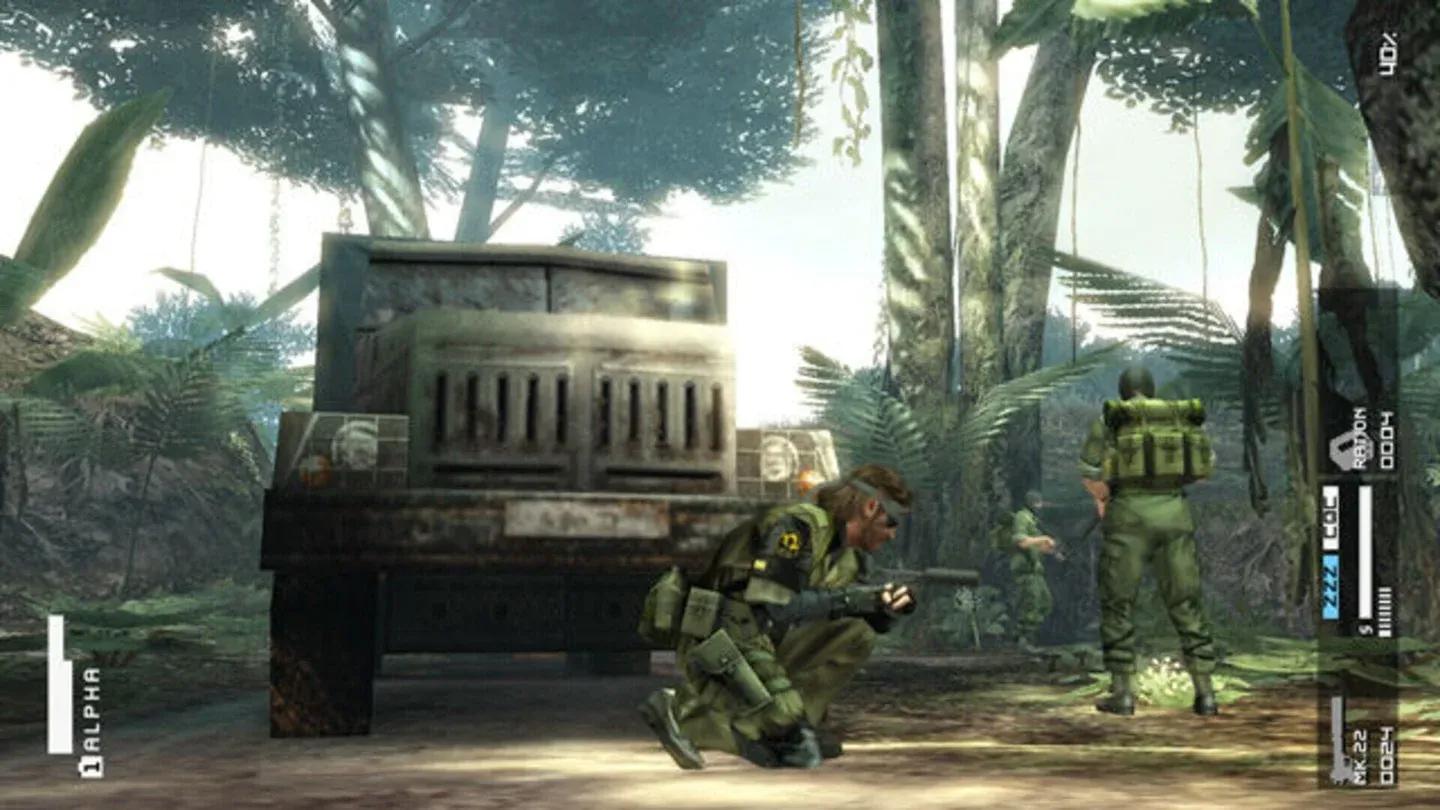
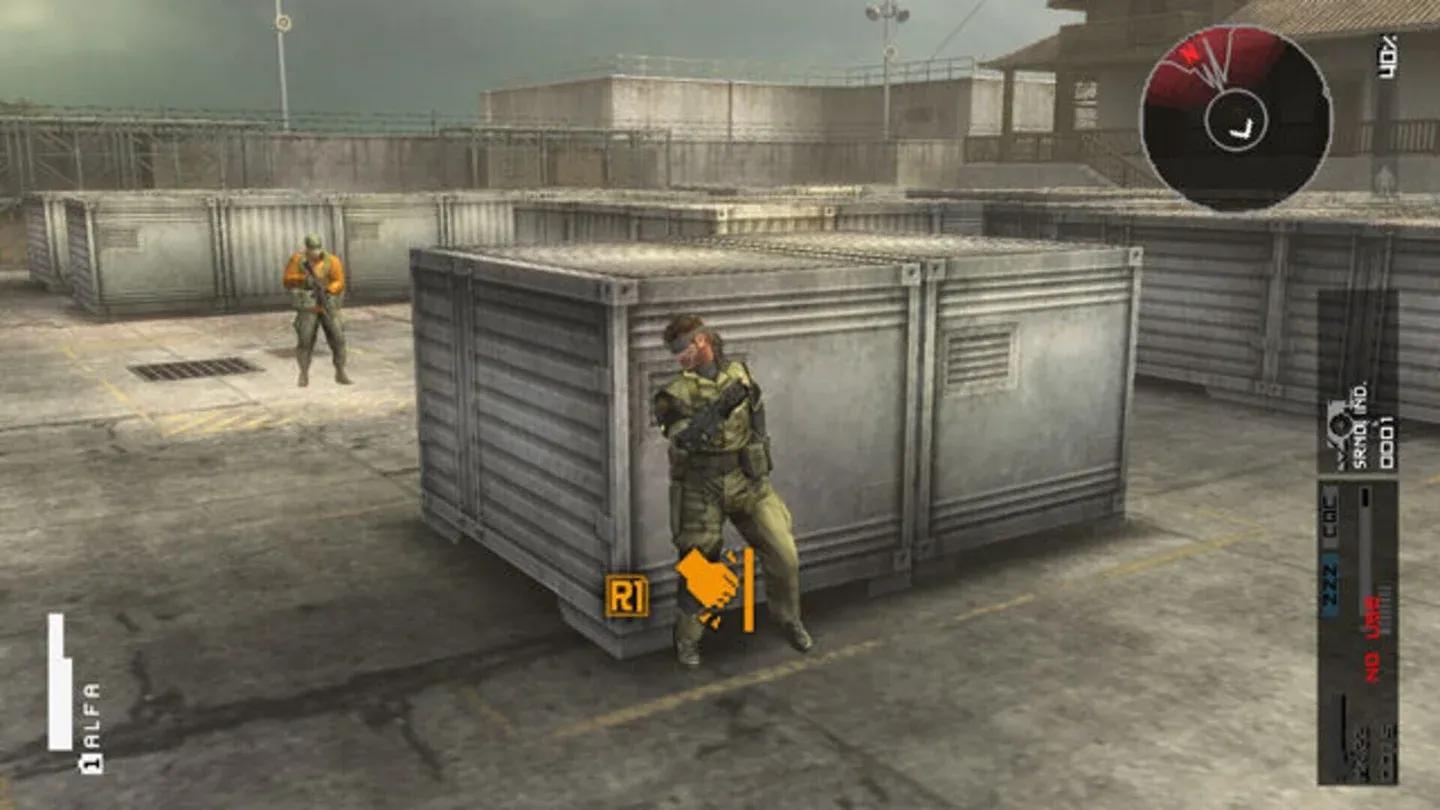
Peace Walker runs on a mission structure rather than an open world, which turns out to suit the game perfectly. Each sortie drops Big Boss into a compact map with a specific objective, whether that means extracting a prisoner, destroying a vehicle, or surviving a boss encounter. The stealth fundamentals carry over from prior Metal Gear games, with CQC takedowns, cardboard boxes, and tranquilizer darts all present, but the inability to crawl or shoot while prone represents a deliberate design shift that pushes players toward faster, more decisive movement.
Metal Gear Solid: Peace Walker content image
Key mechanics that define the experience:
- Fulton recovery system for extracting soldiers
- Co-op play for up to 4 players in select missions
- Boss battles against AI weapon systems
- Mother Base expansion through recruited personnel
- Outer Ops deployment for passive resource gains
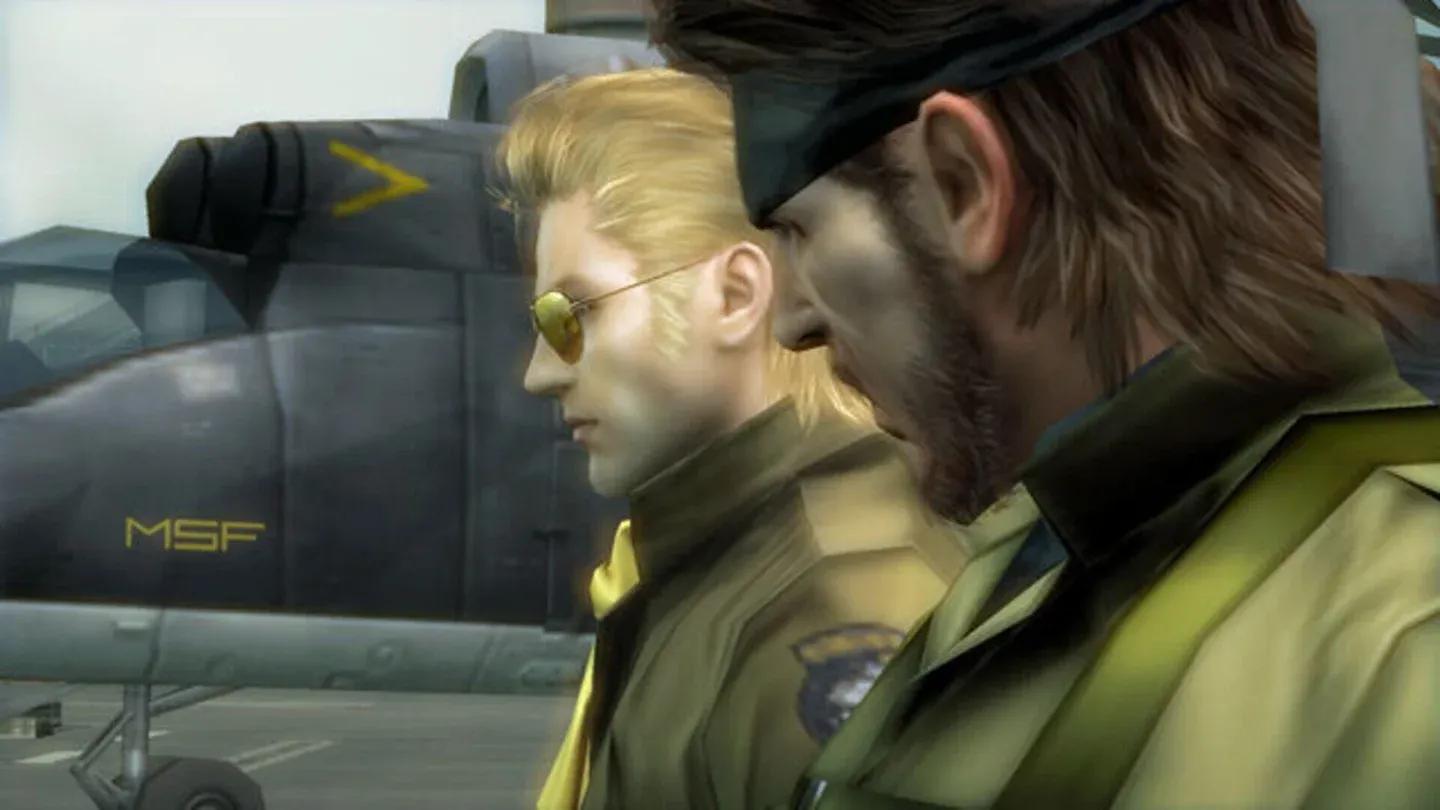
Metal Gear Solid: Peace Walker content image
What is Mother Base and why does it matter?
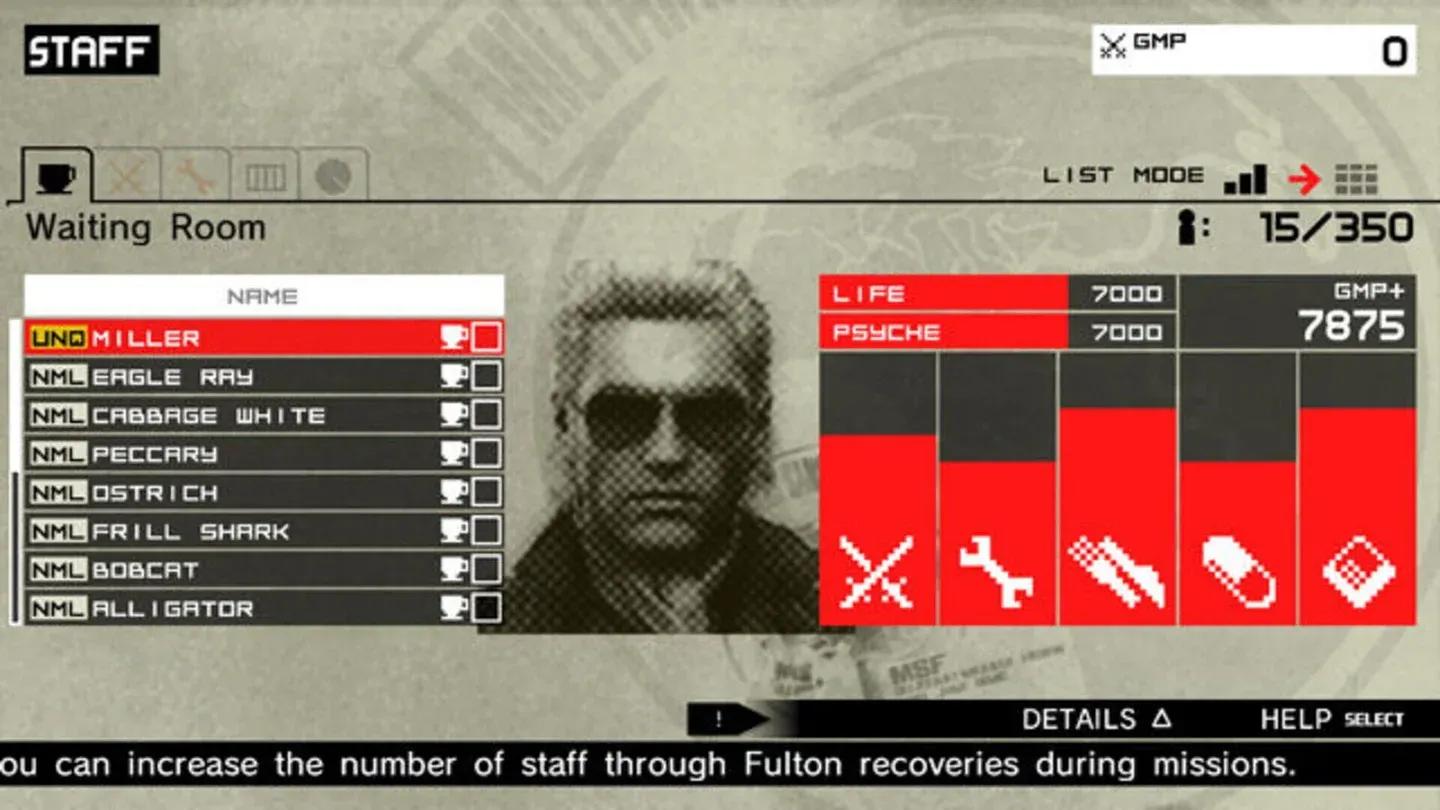
Mother Base is Peace Walker's second game running alongside the stealth missions. Every soldier captured in the field can be assigned to one of several units, including combat, medical, R&D, and intel. Those assignments directly affect what weapons and equipment become available, how quickly injured soldiers recover, and how well Outer Ops deployments perform. It is not a minigame bolted onto the side. The base management loop feeds back into every mission in concrete ways, and watching an offshore platform grow from a skeleton crew into a functioning military outfit carries real satisfaction.
The system also previews what Kojima Productions would later expand into The Phantom Pain's FOB mechanics, making Peace Walker feel like the proof-of-concept for an entire design philosophy.
Impact and legacy
Peace Walker earned strong critical reception at launch, with scores clustering in the high 80s to low 90s across major outlets, and it remains one of the most mechanically ambitious portable games ever made. The co-op missions, designed specifically for local multiplayer on PSP, translate well to online play in the Master Collection, giving the boss fights against Peace Walker's AI weapons a proper multiplayer dimension they were always built for.
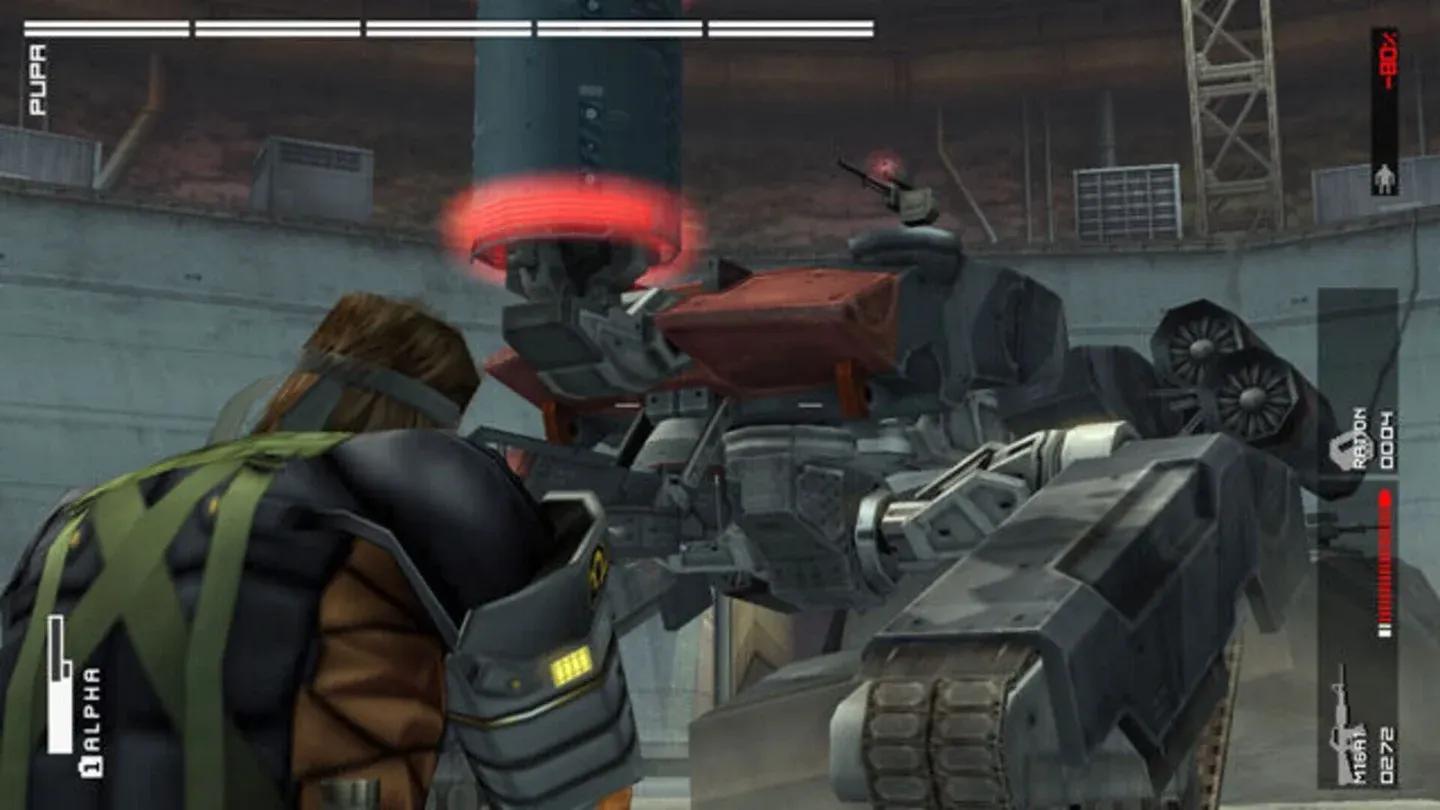
Metal Gear Solid: Peace Walker content image
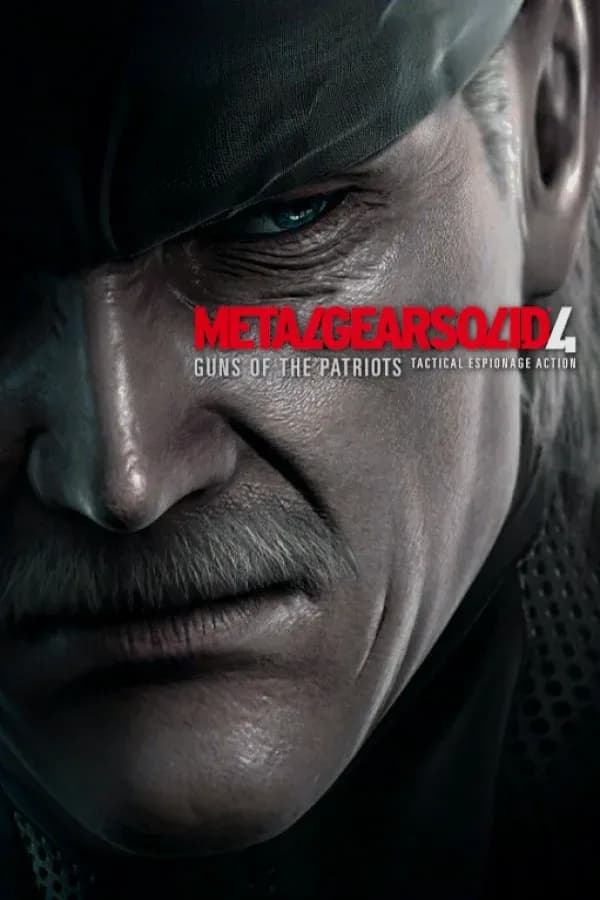
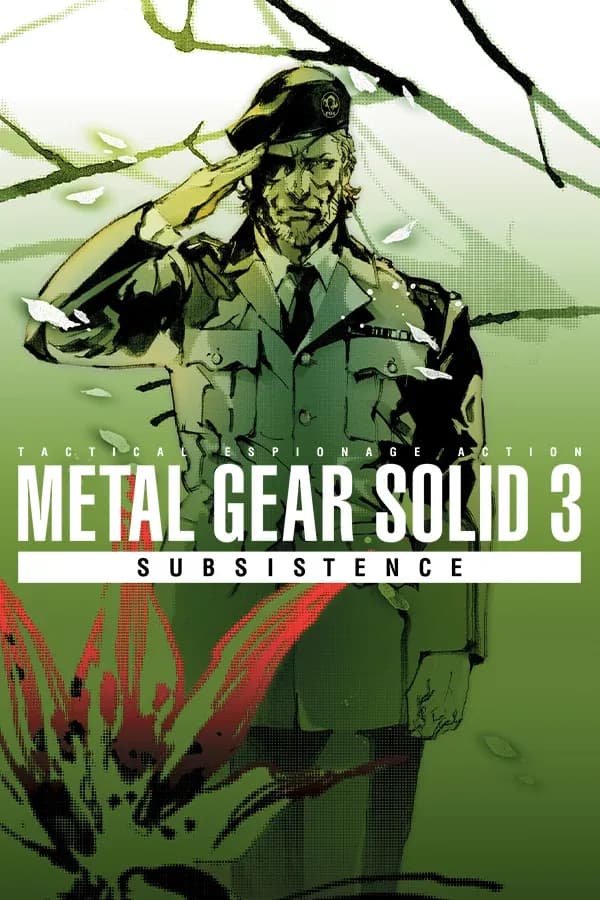
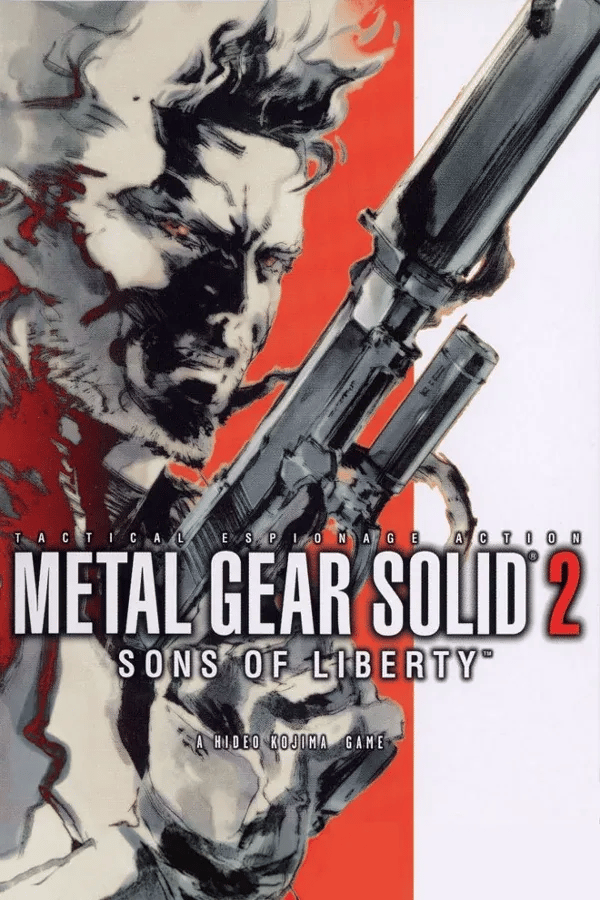
For players working through the Metal Gear series in order, Peace Walker is the game that explains how Big Boss becomes the antagonist of the original Metal Gear. The story beats here, particularly the final confrontation with the Peace Walker AI, reframe everything that follows in the timeline. The Master Collection version packages the game alongside Metal Gear Solid 2 and 3, making it accessible on modern hardware without any meaningful compromise to the original experience.