

Overview
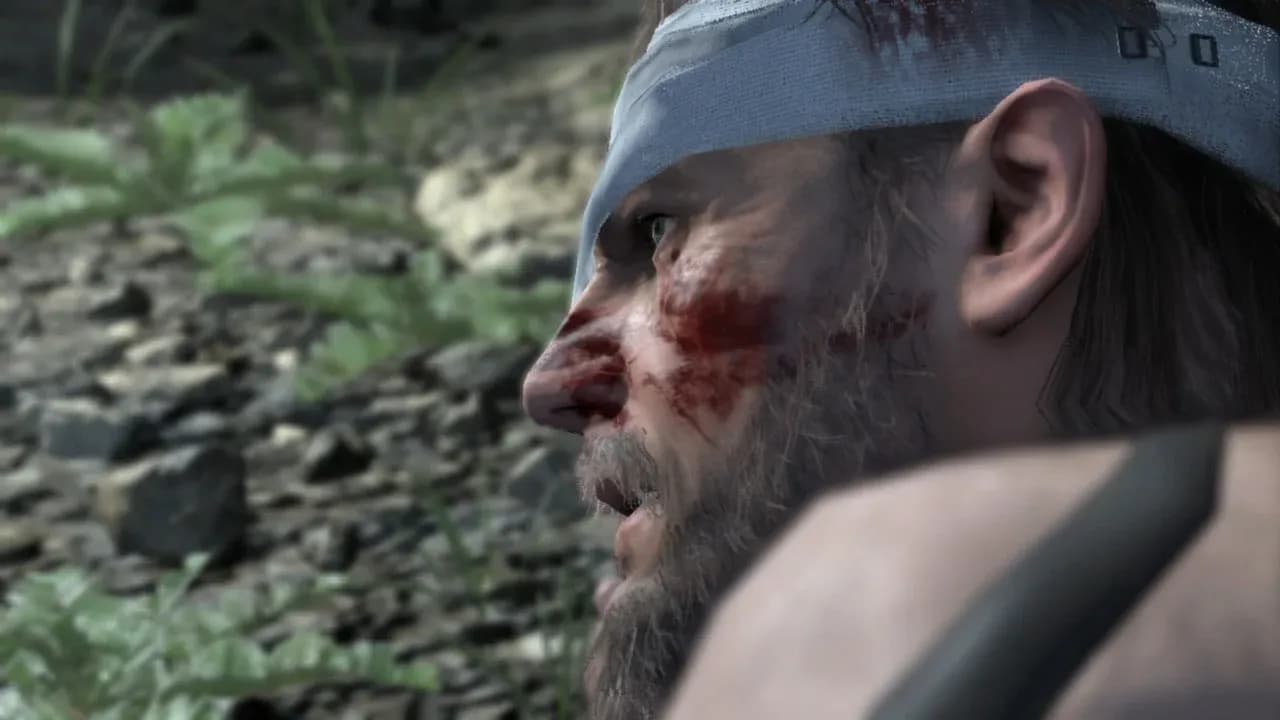
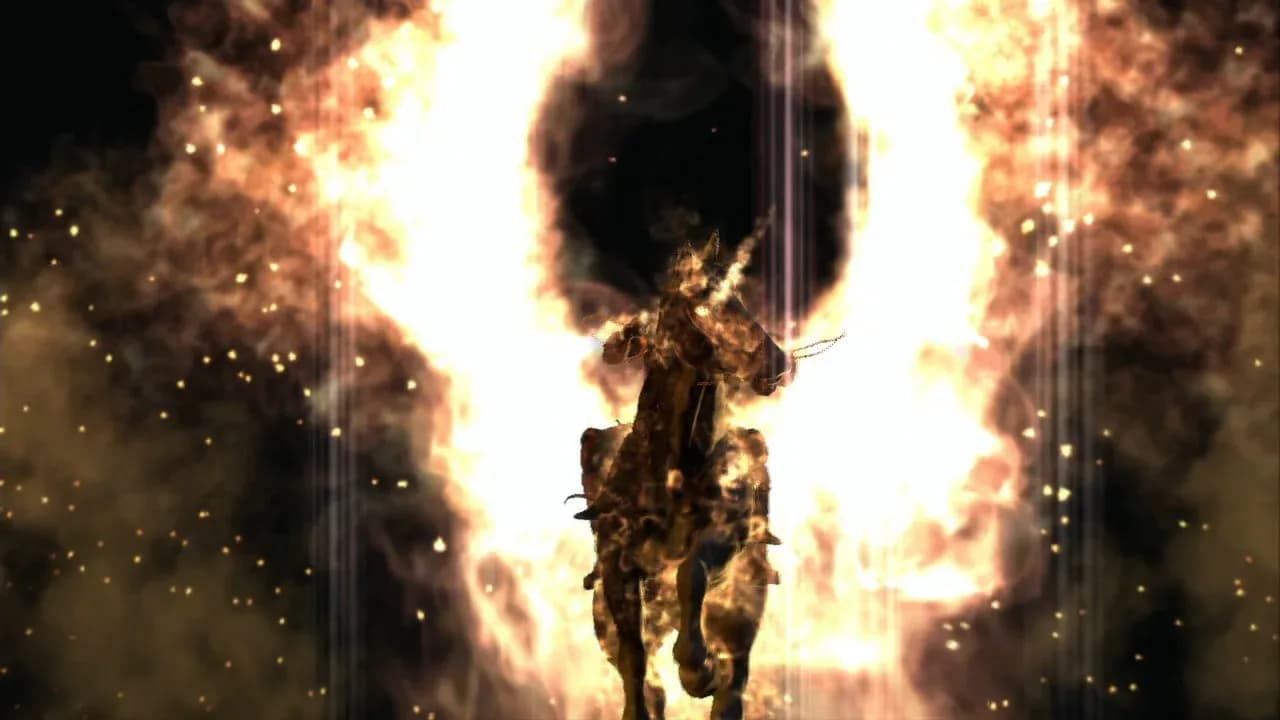
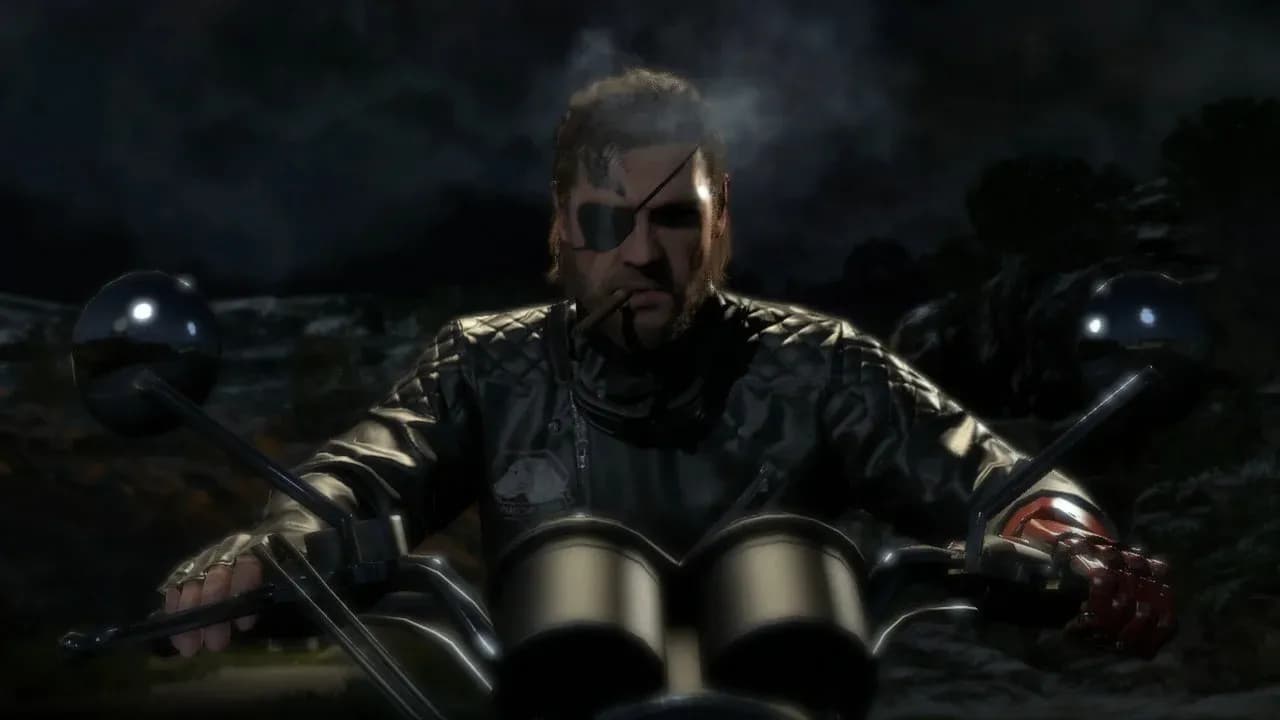
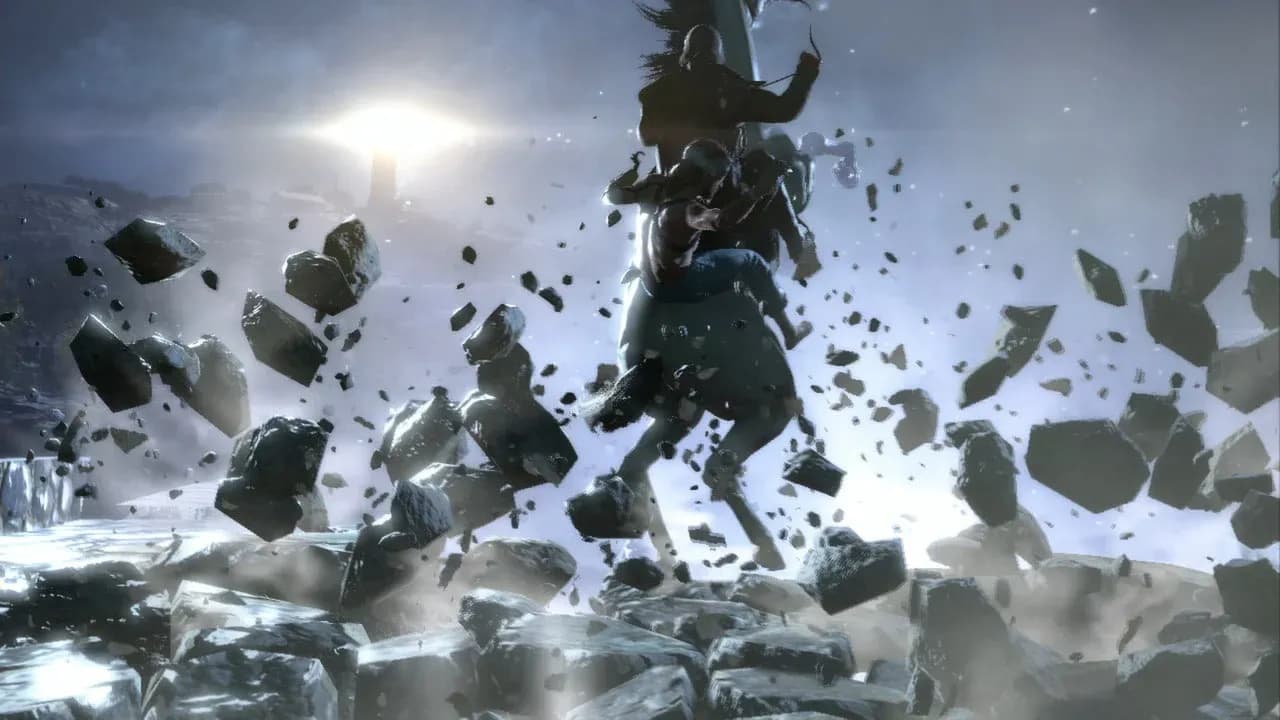
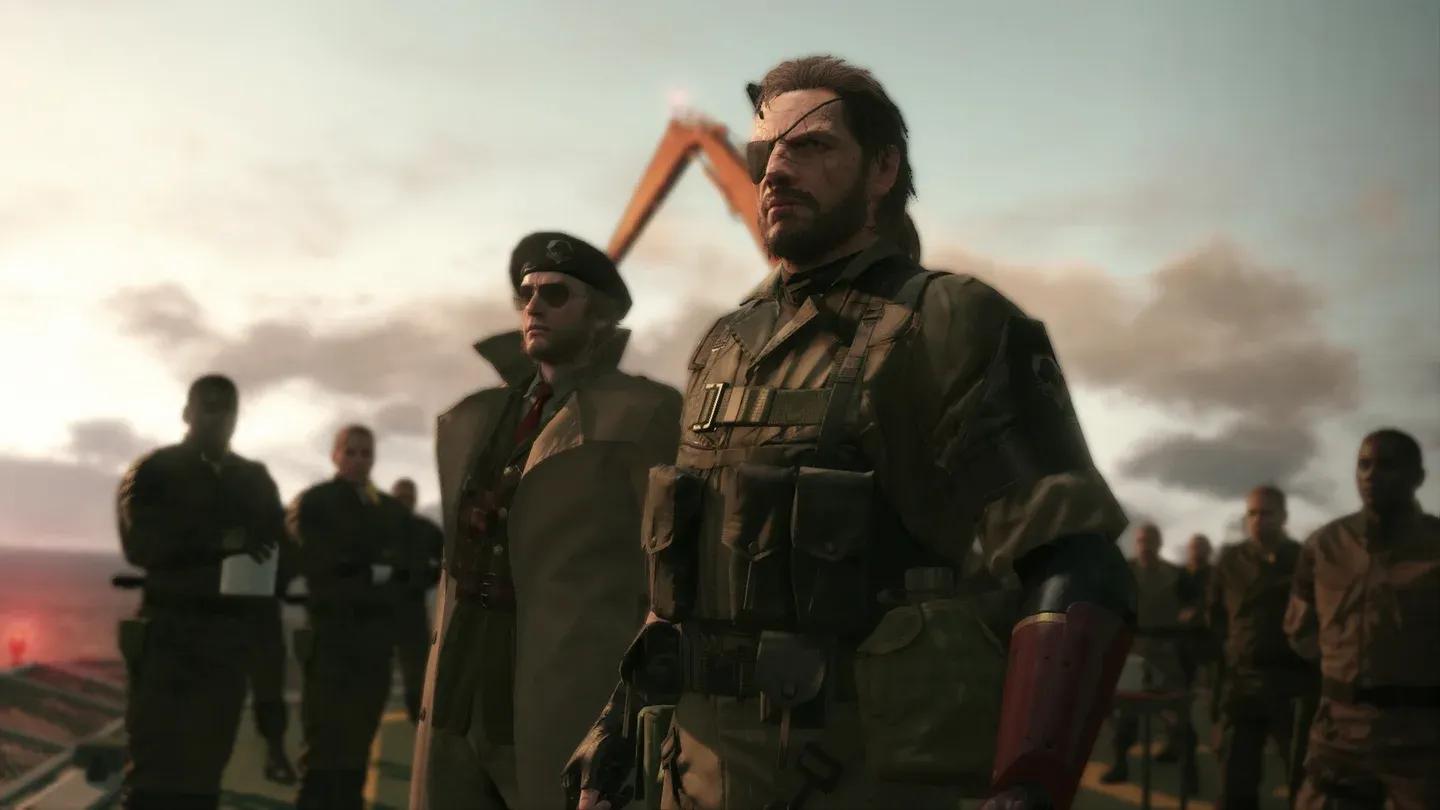
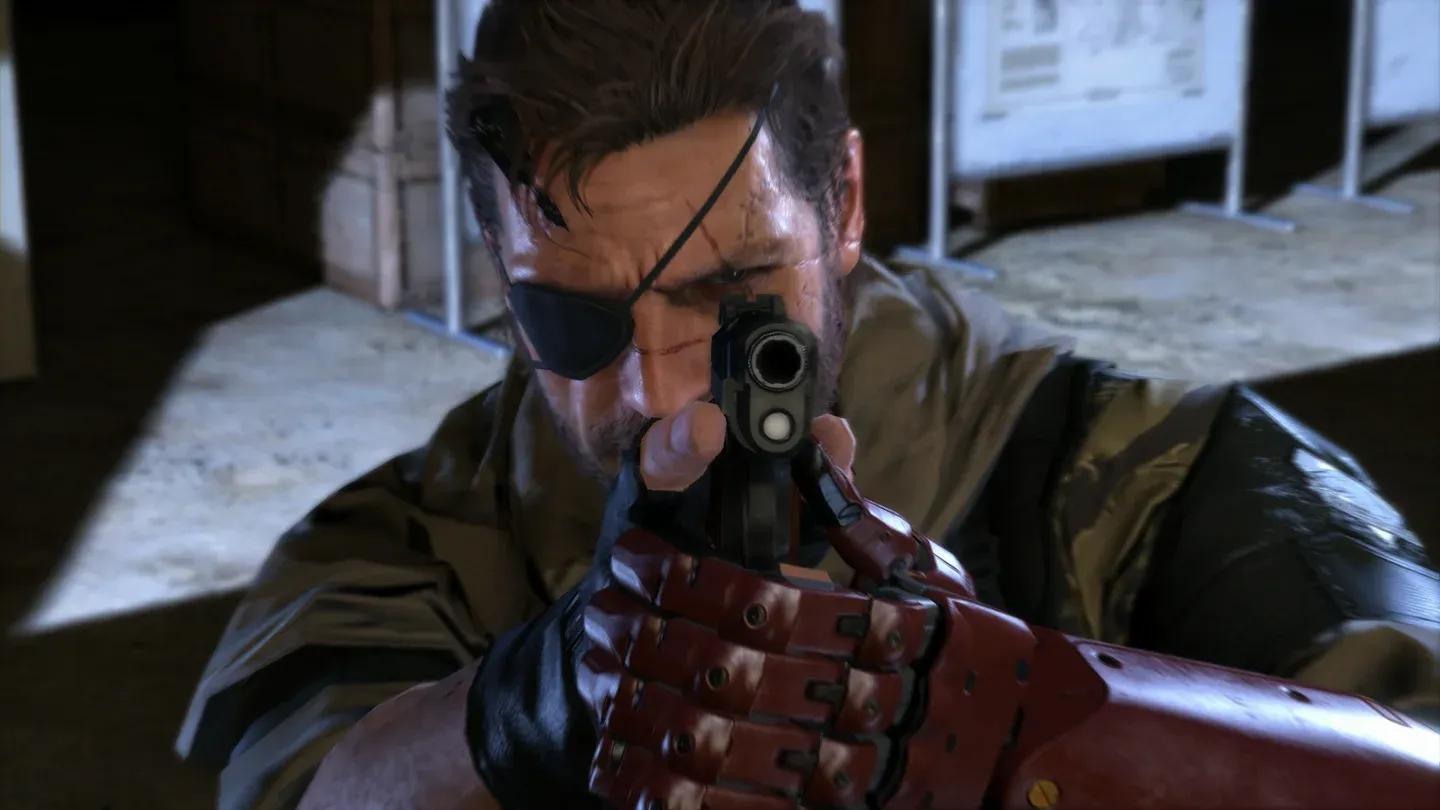
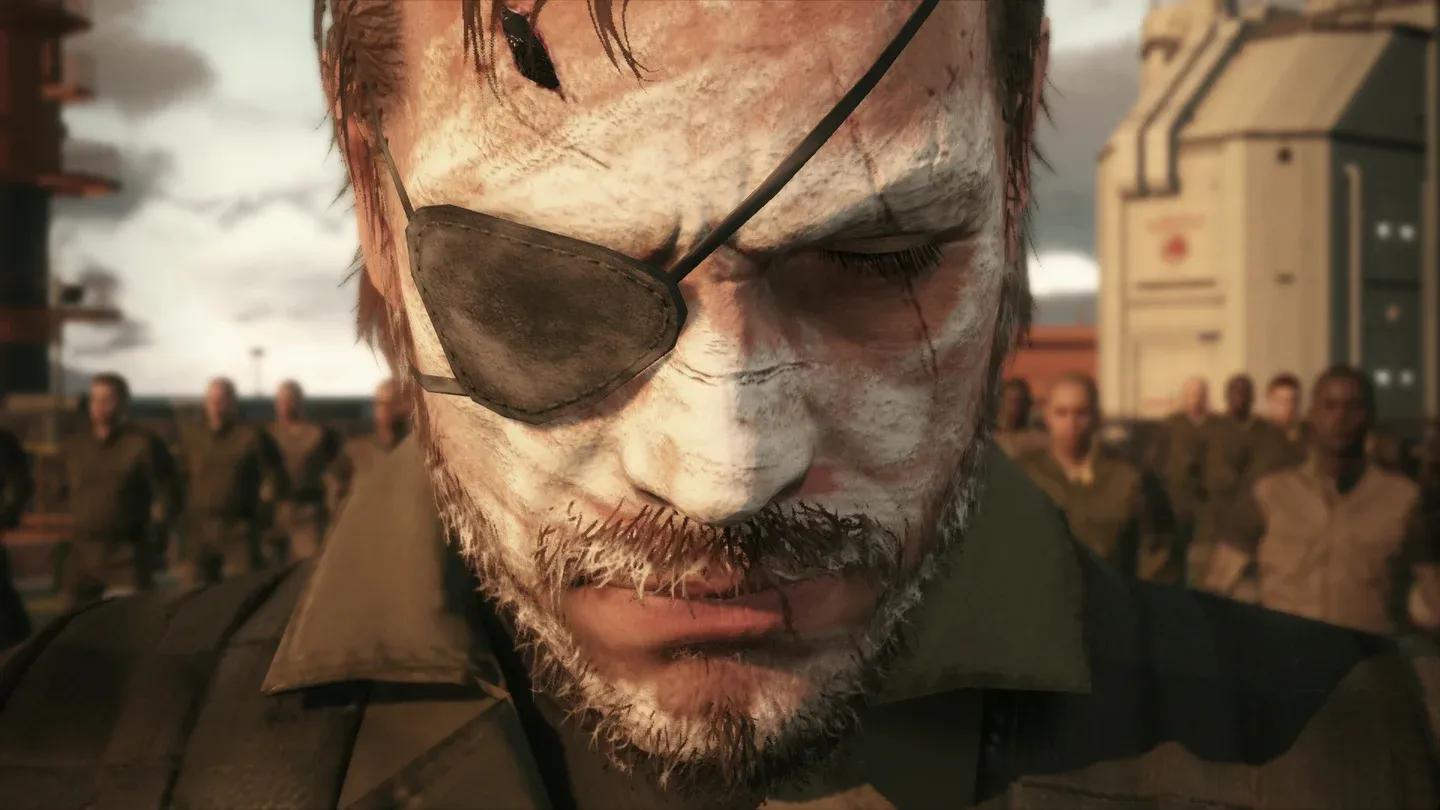
Metal Gear Solid V: The Phantom Pain, released September 1, 2015, is Konami's open-world stealth-action game and the final chapter in the MGSV saga. Set in 1984 during the Soviet-Afghan War, it follows Big Boss as he rebuilds his private military organization, Diamond Dogs, while hunting the shadow group XOF across two massive open-world regions: Afghanistan and the Angola-Zaire border zone. The Fox Engine powers everything, and the results still hold up as a technical achievement in photorealistic character rendering and dynamic environmental simulation.
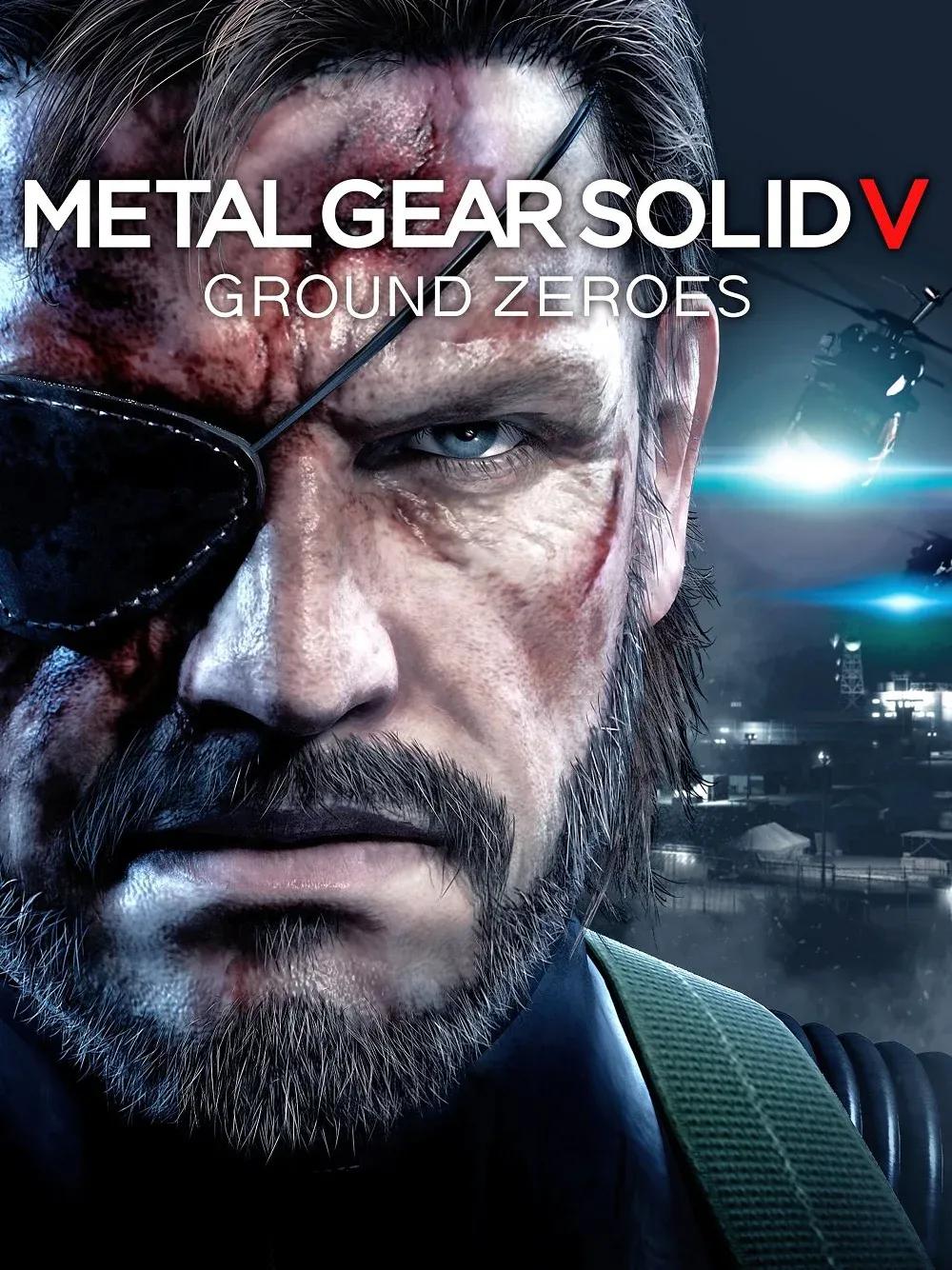
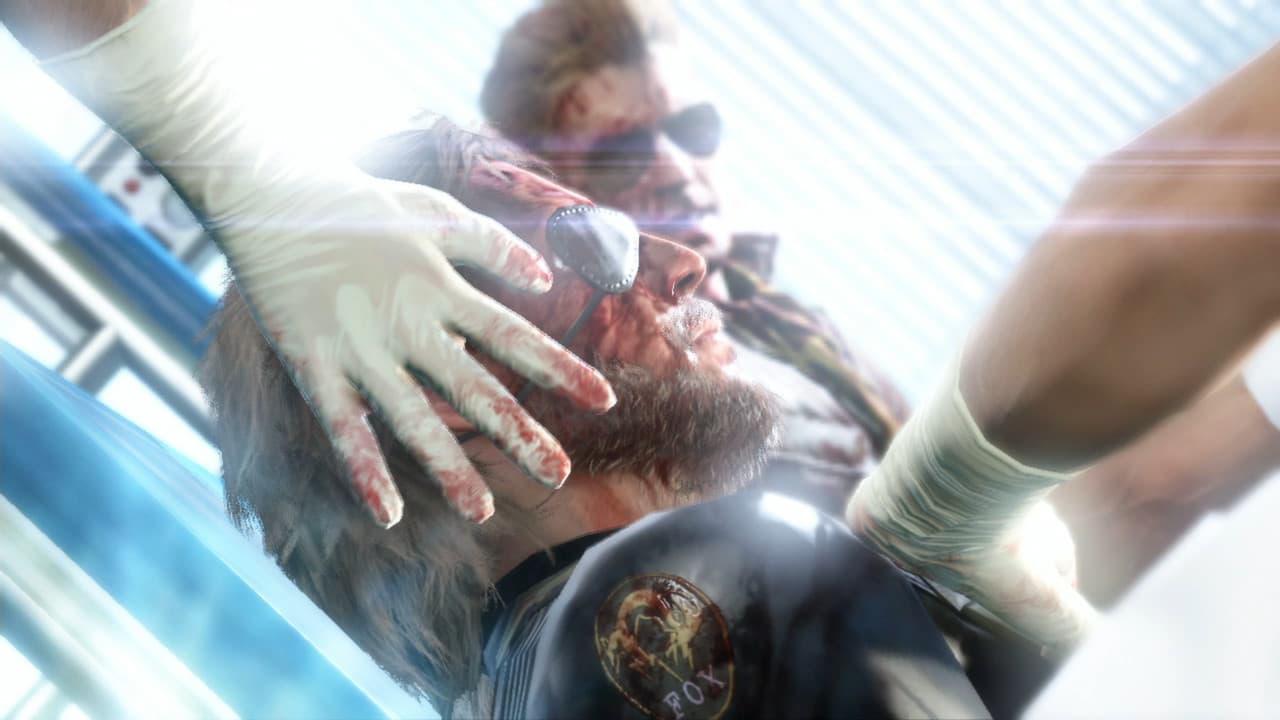
The story picks up nine years after the events of Ground Zeroes. Snake awakens from a coma, his former partner Kazuhira Miller is a prisoner of Soviet forces, and Cipher, the intelligence network that destroyed Mother Base, is still out there. What follows is a long, sometimes deliberately disorienting revenge narrative that touches on child soldiers, language as a weapon, and the psychological cost of perpetual war. The cutscenes are fewer and shorter than earlier Metal Gear titles, but the story's weight lands harder because of it.
Gameplay and mechanics
The open-world design is the game's defining quality. Missions drop you into large zones with a target and almost no instructions on how to reach it. The core features that shape every run include:
- Dynamic day/night cycle that changes enemy patrol patterns
- Weather systems that affect visibility and sound detection
- Buddy system with four companions including D-Dog and Quiet
- Fulton extraction to recruit enemies and capture resources
- Mother Base development that unlocks new gear and upgrades
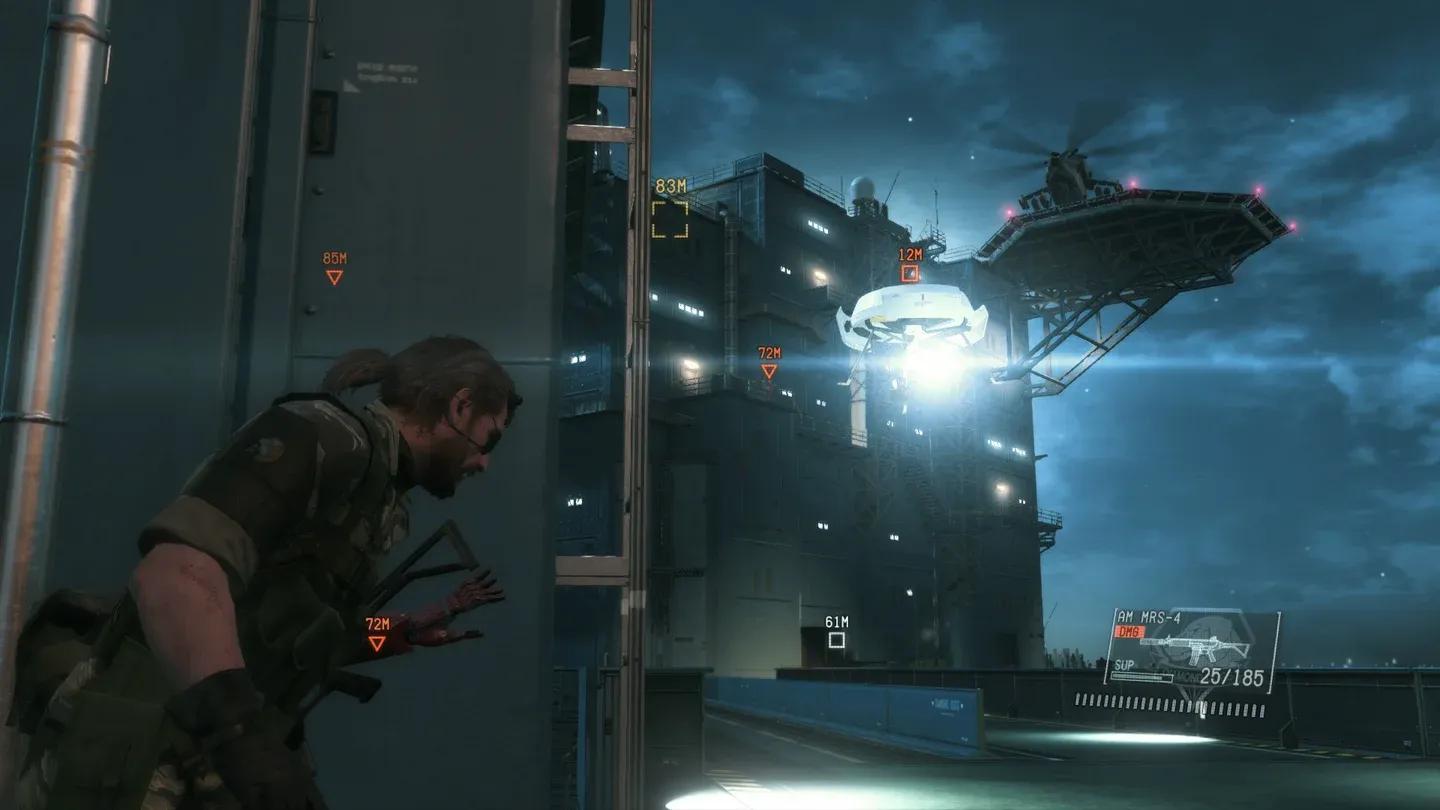
Stealth is the intended path, but the game never forces it. You can crawl through tall grass for twenty minutes to reach a commander undetected, or call in a helicopter gunship and extract in the chaos. Both approaches reward you differently, and the mission-grade system tracks your performance without punishing experimentation.
What makes The Phantom Pain stand out?
The tactical freedom in MGSV goes deeper than most open-world games attempt. Sabotaging a communication array in one part of the map actually cuts radio contact for enemy outposts elsewhere. Destroying a supply convoy affects what equipment patrols carry for the rest of that session. The world reacts to what you do in it, not just where you go.
Mother Base is the other major system. Between missions, you manage an offshore platform that grows based on the soldiers you extract from the field. Research staff unlock better weapons. Combat staff strengthen your deployed units. The base-building loop gives every mission a tangible purpose beyond the story objective.
World and setting
Afghanistan in 1984 is rendered as a sun-baked, hostile expanse where Soviet checkpoints dot the roads and enemy helicopters sweep the ridgelines. The Angola-Zaire border zone introduces jungle terrain, rain, and a different enemy faction. Both regions feel distinct in how they demand different approaches, and neither feels like a reskin of the other.

The game's mature themes are handled with more weight than most military action games bother with. The child soldier subplot in particular sits uncomfortably, which appears to be the point. Hideo Kojima's direction pushes the player to feel the cost of the world Snake inhabits, not just navigate it.
System Requirements
| Requirement | Minimum | Recommended |
|---|---|---|
| OS | Windows 7x64, Windows 8x64, Windows 10x64 (64-bit OS Required) | Windows 7x64, Windows 8x64, Windows 10x64 (64-bit OS Required) |
| Processor | Intel Core i5-4460 (3.40 GHz) or better; Quad-core or better | Intel Core i7-4790 (3.60GHz) or better; Quad-core or better |
| Memory | 4 GB RAM | 8 GB RAM |
| Graphics | NVIDIA GeForce GTX 650 (2GB) or better (DirectX 11 card Required) | NVIDIA GeForce GTX 760 (DirectX 11 graphic card required) |
| DirectX | Version 11 | Version 11 |
| Storage | 28 GB available space | 28 GB available space |