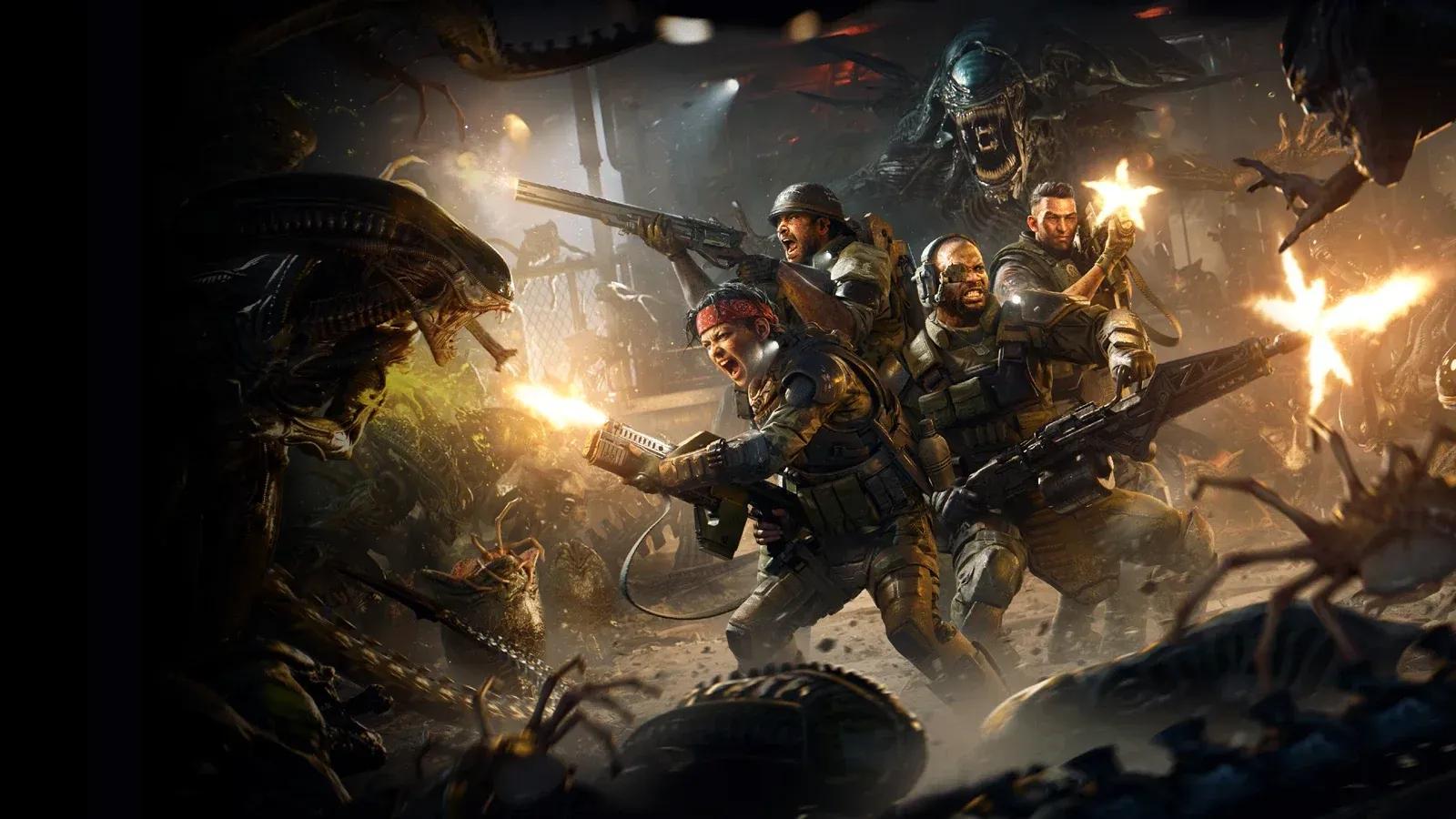

Aliens: Fireteam Elite 2 launched this week to a Mixed rating on Steam, and after spending time with it on PS5, that label feels accurate. Cold Iron Studios built something that occasionally sparks to life during its most chaotic Xenomorph swarms, then immediately smothers that spark with a boring objective or a painfully unfunny line of dialogue.
What the Steam backlash actually got right
The game's Steam launch was rough. Early user reviews skewed negative, citing PC port issues alongside complaints about weak storytelling and a general unfinished feel. The PC problems are real, but they're only part of the picture. Even on PS5, where technical performance is more stable, frame rate drops show up more often than they should in a new release, and connection drops mid-match over a wired Ethernet connection are a genuine problem. Losing dozens of minutes of progress because of a connectivity failure is not a launch-week quirk you can brush off.
Cold Iron Studios has acknowledged the issues and committed to fixes, which is at least the right response. But the problems that aren't going to get patched out are the ones that matter more long-term.
The mission design problem no patch can fix
Here's the thing: the core shooting in Aliens: Fireteam Elite 2 actually feels good. Guns have weight and impact, and the new elemental ammo types add a satisfying visual layer to firefights. The expanded class system, including the new Specialist multiclass that lets you mix abilities from other classes, gives you real options to experiment with. Running the Machinist's turret alongside the Hunter's stasis bolt, for example, creates an effective crowd-control combo that holds up even before you've fully unlocked the Specialist perk board.
The problem is everything that happens between the shootouts.
Aliens: Fireteam Elite 2 has 15 missions, each running roughly 20 to 30 minutes. Too many of them boil down to walking from one point to another and holding a button to interact with a door or terminal. That loop works fine as connective tissue between intense combat encounters. When it becomes the mission's primary activity, it exposes how thin the level design actually is.
A story that tries too hard to be funny
The narrative follows a group of Colonial Marines investigating an abandoned Weyland-Yutani mining facility. That setup has potential. The execution does not. The writing reaches hard for humor and lands almost none of it. Characters are grating enough that you'll find yourself skipping through dialogue just to get back to shooting things.
This is a co-op shooter, so nobody expects the writing to carry the experience. But bad writing that actively interrupts the pacing is worse than no writing at all. The original Aliens: Fireteam Elite kept things lean and let the tension of the Xenomorph encounters do the work. The sequel's attempts to add personality to its cast backfire consistently.
The post-campaign loop and where it lands
Once the campaign is done, a Horde mode and per-class meta-progression systems are there to extend the playtime. These systems work well enough to keep dedicated fans engaged, and the class builds have enough depth to reward experimentation. The key here is that the endgame loop is more compelling than the story missions that precede it, which says something about where the design priorities landed.
The honest comparison point is Helldivers 2. Aliens: Fireteam Elite 2 offers Xenomorphs and Synths instead of Terminids and Automatons, and the tone is completely different. But if you're already deep into that game's loop, Fireteam Elite 2 doesn't offer enough mechanical or structural distinction to pull you away. It's a capable co-op shooter that rarely rises above capable.
Aliens: Fireteam Elite 2 is available now on PS5, Xbox Series X, and PC. If you decide to jump in anyway, the Aliens: Fireteam Elite 2 guides are worth bookmarking for class build help and mission walkthroughs once the post-launch patches settle in.