
Books and films are great ways to escape reality, taking you to places you would never visit and letting you experience stories you would never be part of. But no other medium gives you quite the same level of control as video games. In these stories, it is you who gets to decide what happens next. You are the one moving the plot forward, and your choices can change how the story unfolds.
At least, that is how it should work. Unfortunately, plenty of games advertise meaningful choices, only for you to realise that most roads lead to the same destination. But not here. This list is about games that go beyond that illusion, where your decisions genuinely shape the experience and you get to see just how much control you have over the story.
Games That Put You in Control

Mass Effect 2
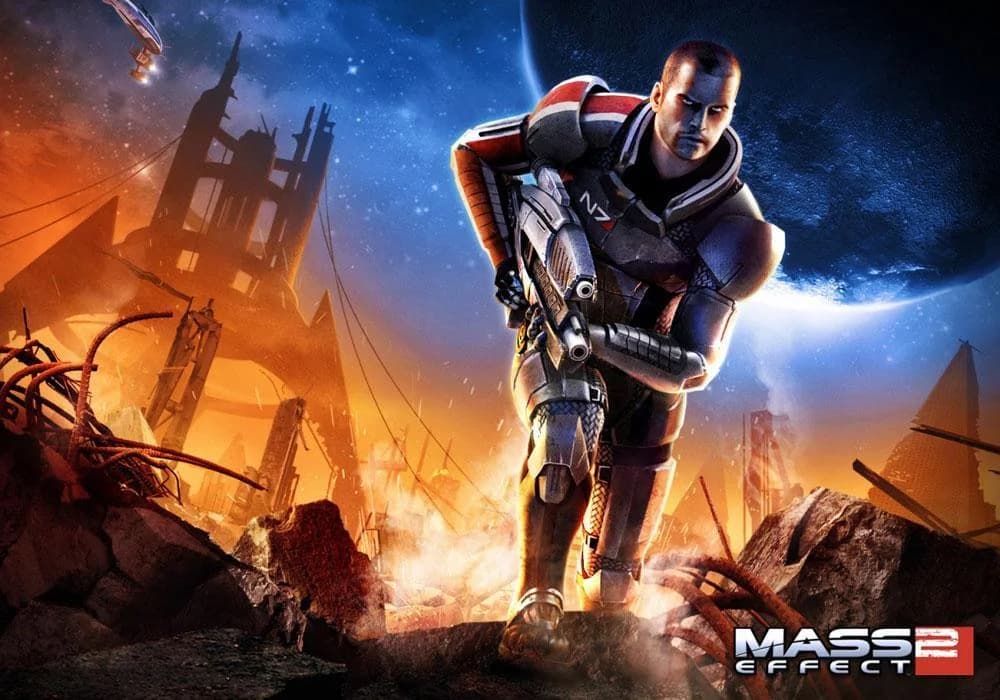
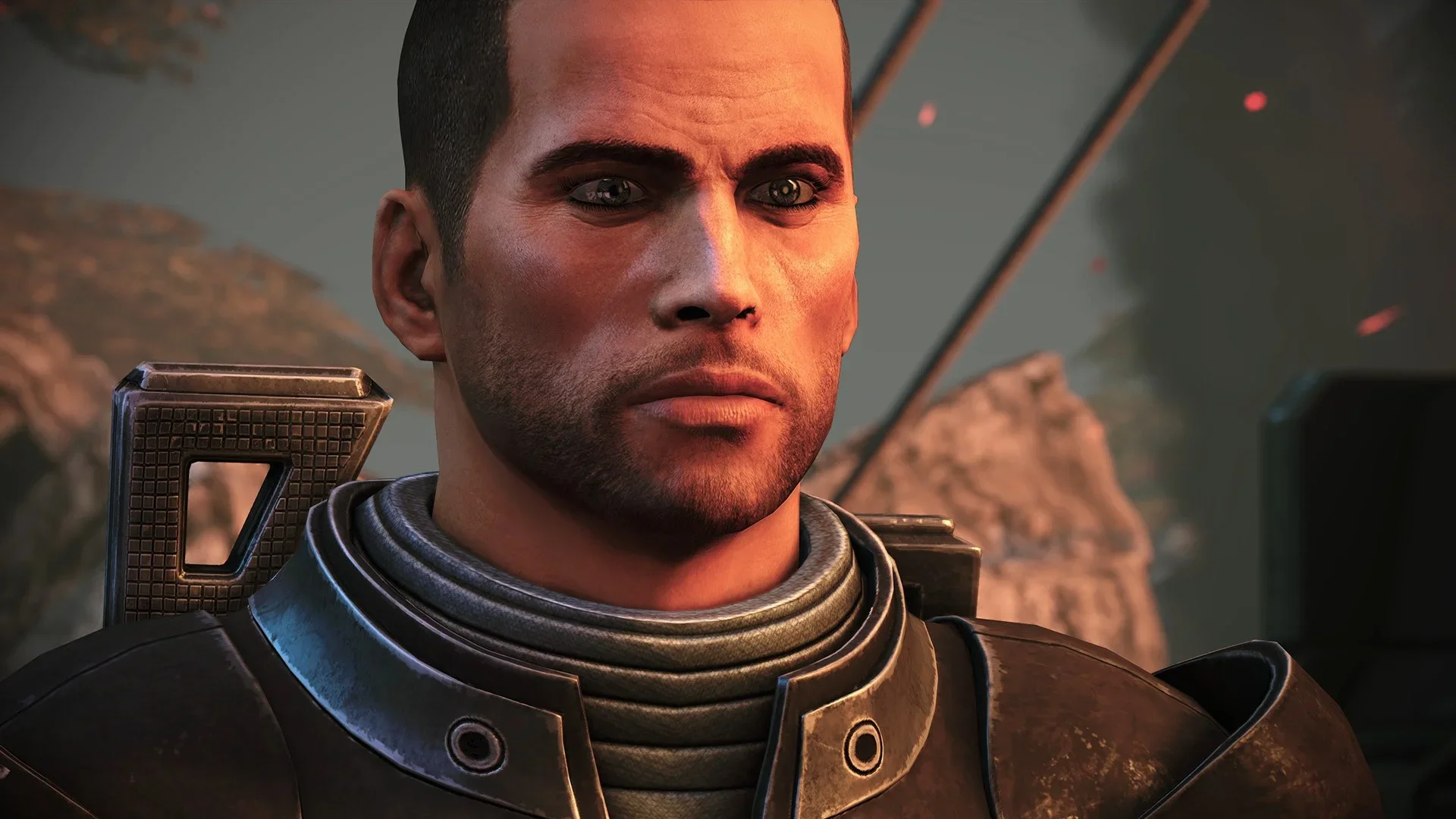
Mass Effect 2 Commander Shepard
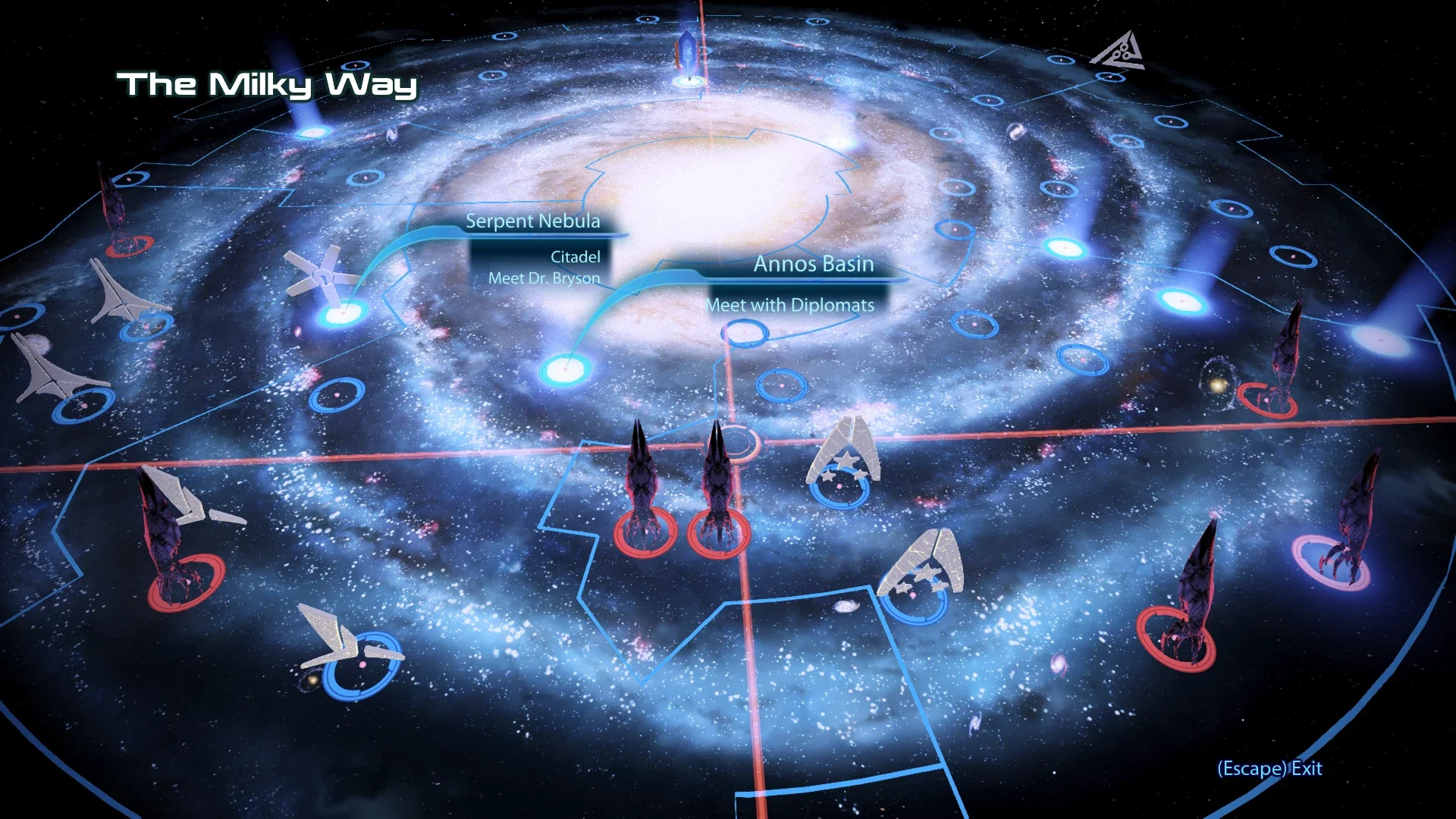
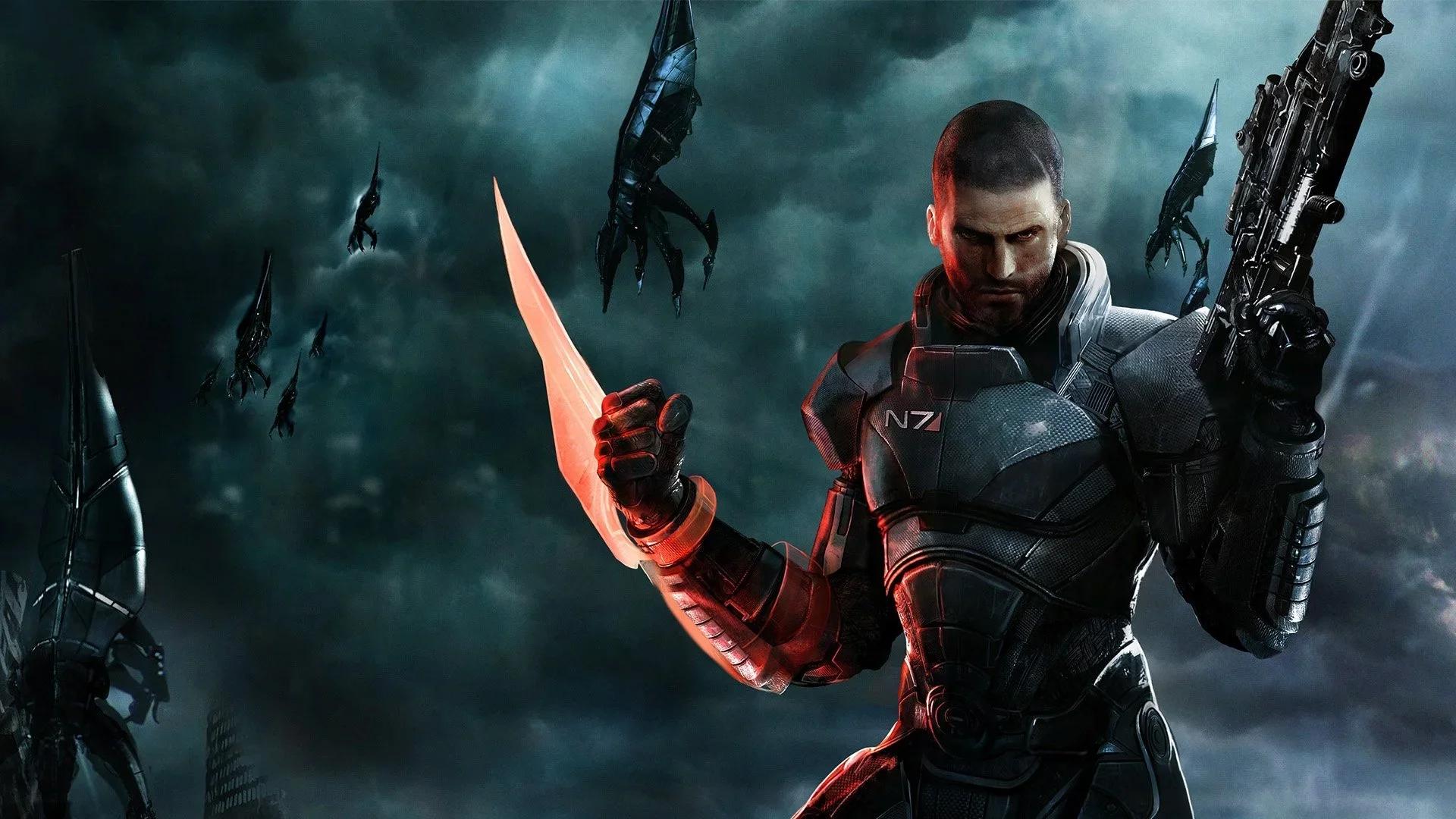
When it comes to player-driven narratives, you cannot get much better than Mass Effect. All three entries in the trilogy are filled with important choices that go beyond the confines of their individual stories and help shape a larger, interconnected narrative. However, of the three, I think Mass Effect 2 does this best. Its premise is fairly simple: assemble a crew for an extremely dangerous mission. This means you spend much of the game recruiting companions, completing loyalty missions and upgrading your ship, all in preparation for what lies ahead.
And it actually pays off. By the time the so-called Suicide Mission arrives, you can either breeze through it or barely scrape by, losing most of your friends along the way. It gives the entire adventure a sense of consequence, as the fate of your crew ultimately reflects the time and effort you put into keeping them together.
Baldur’s Gate 3
Somewhere out there, a YouTuber has probably beaten Baldur's Gate 3 while polymorphed into a sheep. That is the beauty of Larian's RPG: there are no limits to how you deal with whatever it throws at you. Sneak past an enemy, talk your way out of a fight or try something so ridiculous that it sounds like a bug rather than an intended mechanic.
This goes well beyond combat. Quests can have wildly different outcomes, entire communities can live or die based on your decisions, and your companions' stories can change depending on how you treat them. Baldur's Gate 3 is never just about reaching a destination; it is about how weird you can make the journey.
Detroit: Become Human
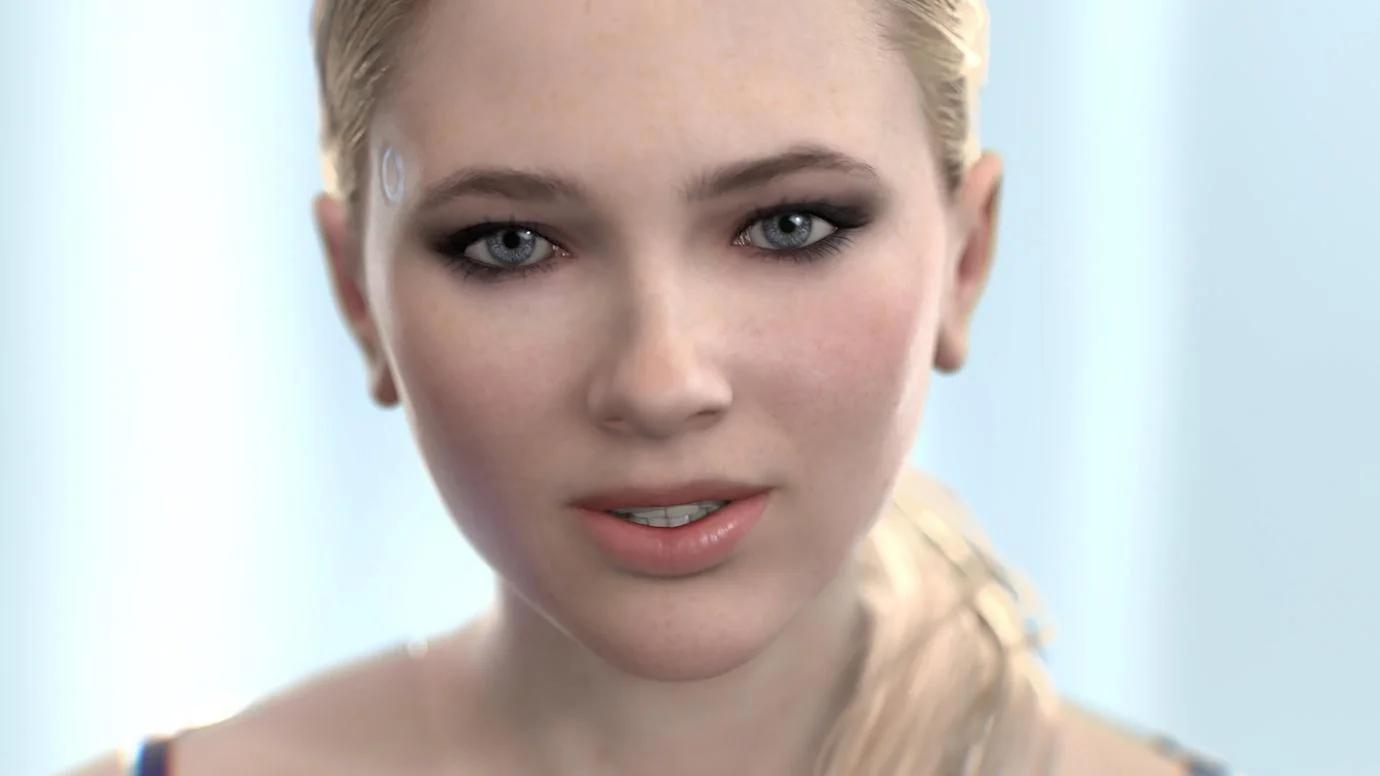
Chloe from Detroit: Become Human
Detroit: Become Human tackles an increasingly relevant subject: artificial intelligence and what happens when machines become advanced enough to challenge our understanding of what it means to be human. It follows three androids with completely different opinions, whose lives gradually intersect as tensions between humans and machines escalate.
How you gather information is just as important as what you decide to do with it. Some moments let you explore your surroundings and piece together what is happening before responding. Others give you only a few seconds to make up your mind, with no opportunity to reconsider.
That is the beauty of Detroit: Become Human. You are not a perfect character in a perfect world. You are a flawed individual trying to do what you believe is best, and you have to live with whatever comes next.
Disco Elysium
Disco Elysium lets you build a personality from the ground up, quite literally. You wake up in a trashed hotel room with no memory of who you are, then have to piece your life back together while investigating a murder.
Even your skills have a say, appearing as voices inside your head that offer advice, argue with each other and occasionally lead you down questionable paths. Since almost everything happens through conversations, these voices become a big part of how you interact with the world. Make a complete mess of things? That is just another day on the job.
The highlight, though, is the Thought Cabinet. Rather than simply choosing perks, you develop your detective's personality through ideas he encounters. Conversations and experiences leave you with thoughts you can choose to internalise. Once developed, each becomes part of your character, bringing bonuses and drawbacks. Much like in the real world, your detective becomes a reflection of the ideas he embraces and the choices you make.
Undertale
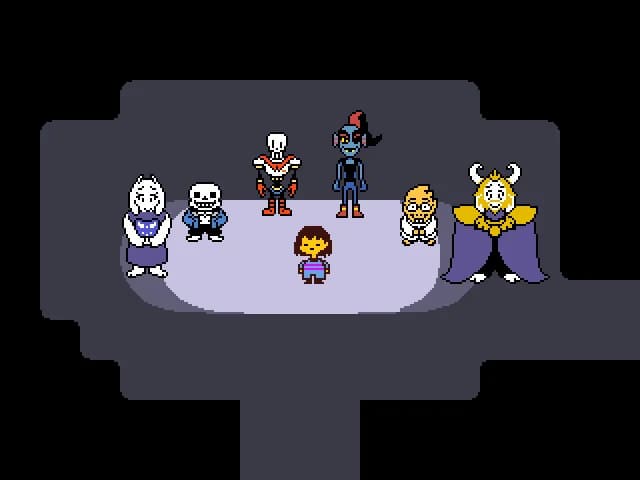
Undertale Screenshot
Undertale starts simply: a human child falls into an underground world inhabited by monsters and must find a way home. You soon realise these monsters are not necessarily enemies to defeat. They are individuals trying their best to survive, just like you.
That makes how you treat them all the more important. Your actions influence your relationships and determine which version of the story you experience. Even after you finish, Undertale doesn't simply let you wipe the slate clean. It carries previous actions into future playthroughs, leaving you to wonder whether you can ever truly undo the things you have done.
Tyranny
Before you meet a single character in Tyranny, you've already decided which settlements were burned, which armies were favoured and how Kyros's conquest unfolded. The Conquest prologue lets you shape the invasion of the Tiers, determining the world that awaits you and establishing your reputation before you've had a chance to prove yourself.
That reputation matters when you become a Fatebinder, expected to enforce Kyros's rule and manage the different factions. Keeping them in line means weighing their interests against each other, and there isn't always a clear winner.
The consequences of the Conquest are visible in the world, too. Depending on your actions, settlements may not survive, leaving entire locations missing when you explore the Tiers. It is a striking reminder that this world is the result of choices you made before the main story even began.
The Walking Dead
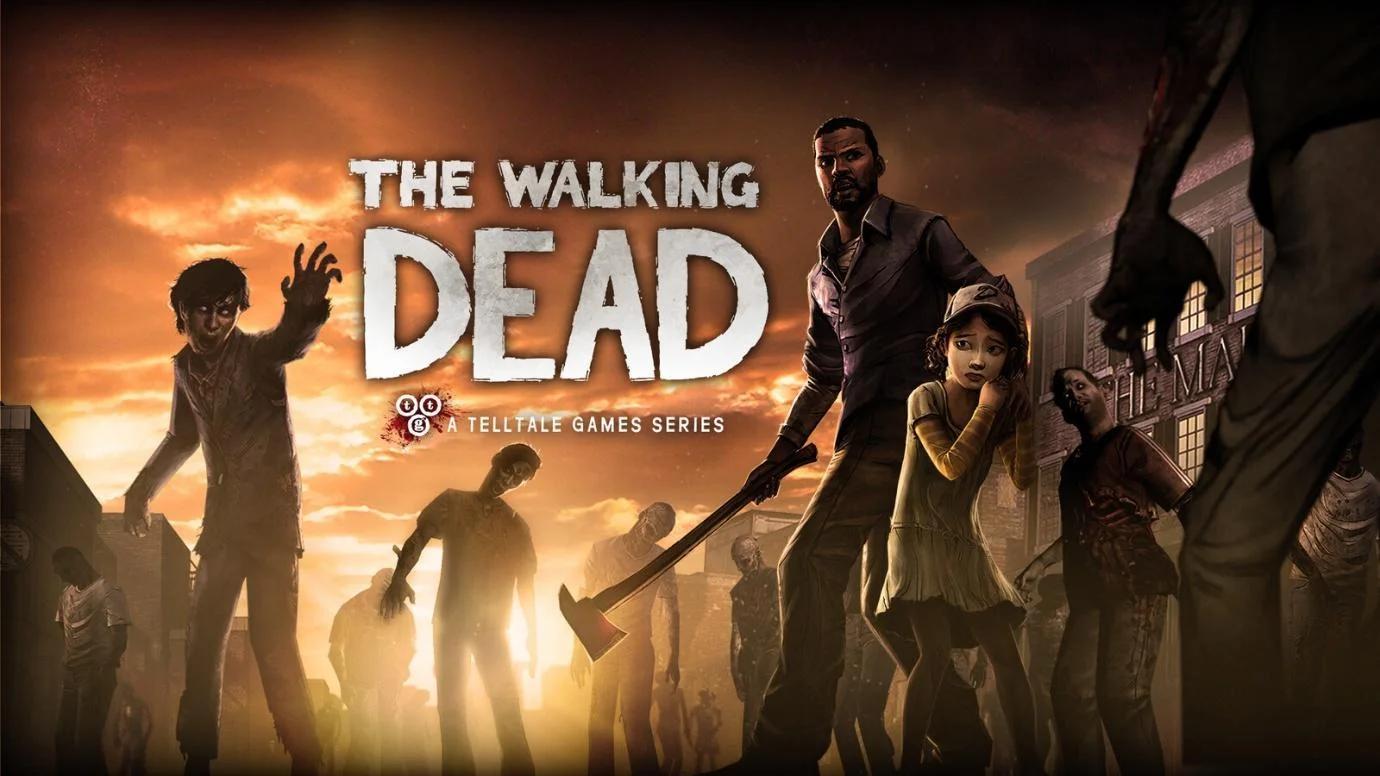
The Walking Dead Cover Art
Keeping a group of people alive during a zombie apocalypse is difficult enough. Trying to keep them all happy is another matter entirely. In Telltale's The Walking Dead, Lee Everett finds himself caught between survivors who are all fighting to stay alive, but rarely agree on how to do it. When food and supplies run low, you have to decide who deserves your help, knowing that whoever gets left out might not take it lightly.
What makes those decisions so difficult is how attached you become to the people around Lee. You get to know the survivors, understand what drives them and start to care for them, especially Clementine. As the story progresses, you develop the same paternal affection for this little girl that Lee does, and her safety gradually becomes your biggest concern. So, by the time you reach the end, you might even find yourself willing to let everyone else die if it means she gets to survive.
Heavy Rain
The search for the Origami Killer in Heavy Rain is as much about how far you're willing to go as it is about finding him. The murderer targets young boys, leaving their families desperate for answers, and the four characters you control each have their own reasons for getting involved in the investigation. As you follow their stories, the game repeatedly puts you under pressure, sometimes giving you only a few seconds to decide whether you're willing to take a risk or cross a line to get closer to the truth.
And unlike many games built around branching narratives, Heavy Rain doesn't give you a safety net when things go wrong. A character can die during a sequence, and their story simply ends there, with the investigation continuing without them. Even a small mistake can have consequences much later, so you might not realise the importance of a decision until you're forced to deal with its aftermath. There are no guaranteed happy endings here, and that's what makes every choice feel so unsettling
Life is Strange
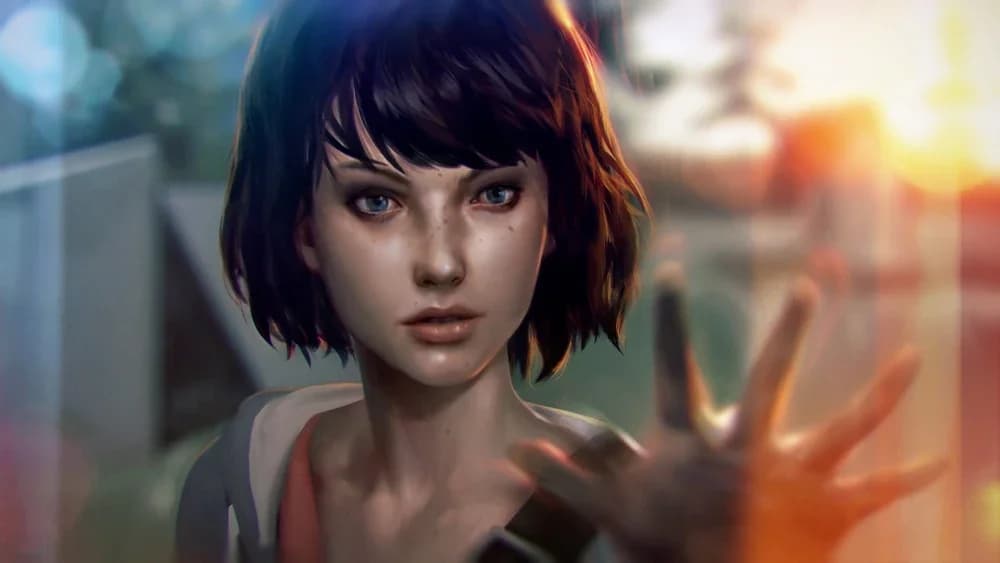
Life Is Strange Cover Art
Max Caulfield's ability to rewind time sounds like the perfect solution to making difficult choices. You didn't get the best outcome? Well, go back in time and try a different response to see how people react. It seems simple enough, but that's exactly what the game wants you to think. Life is Strange starts by presenting you with a power that can prevent bad things from happening, only to leave you with a false sense of security. Fast forward a couple of hours, and you're stuck between two equally grim futures that no amount of time travelling can fix.
This is why the game works. Being able to change the future doesn't remove the importance of your choices; it actually makes them harder to ignore. When a friendship is lost or a bridge is burned, you know without a shadow of a doubt that it was your decisions that led to that outcome.
Dragon Age: Origins
The Blight might be the biggest threat facing Ferelden in Dragon Age: Origins, but the darkspawn aren't the only problem you have to deal with. The kingdom is already divided by political rivalries and old grudges, so convincing everyone to work together is easier said than done.
That sense of division starts with your own character. Dragon Age: Origins gives you six different origin stories, each with its own background and circumstances that influence how you experience the world. As the story unfolds, your choices will determine the fate of entire communities, settle political disputes and even decide who will rule Ferelden once the Blight is over. And you aren't making these decisions in a vacuum, either. Your companions have their own opinions, and their support can be difficult to maintain when their beliefs clash with yours. Every decision leaves its mark on Ferelden, and no two journeys are the same.
The Stories We Choose
One of the best things about games built around meaningful choices is how differently people can experience the same story. Two players can start from the exact same point and end up with completely different memories of their journey. A character who became a trusted companion in one playthrough might never make it through another, while a seemingly harmless decision can send the story in an entirely different direction.
These are the moments that make you think about a game long after you've finished it. Maybe you'll stand by the decisions you made, or maybe you'll spend the next few days wondering what would have happened if you'd chosen differently.