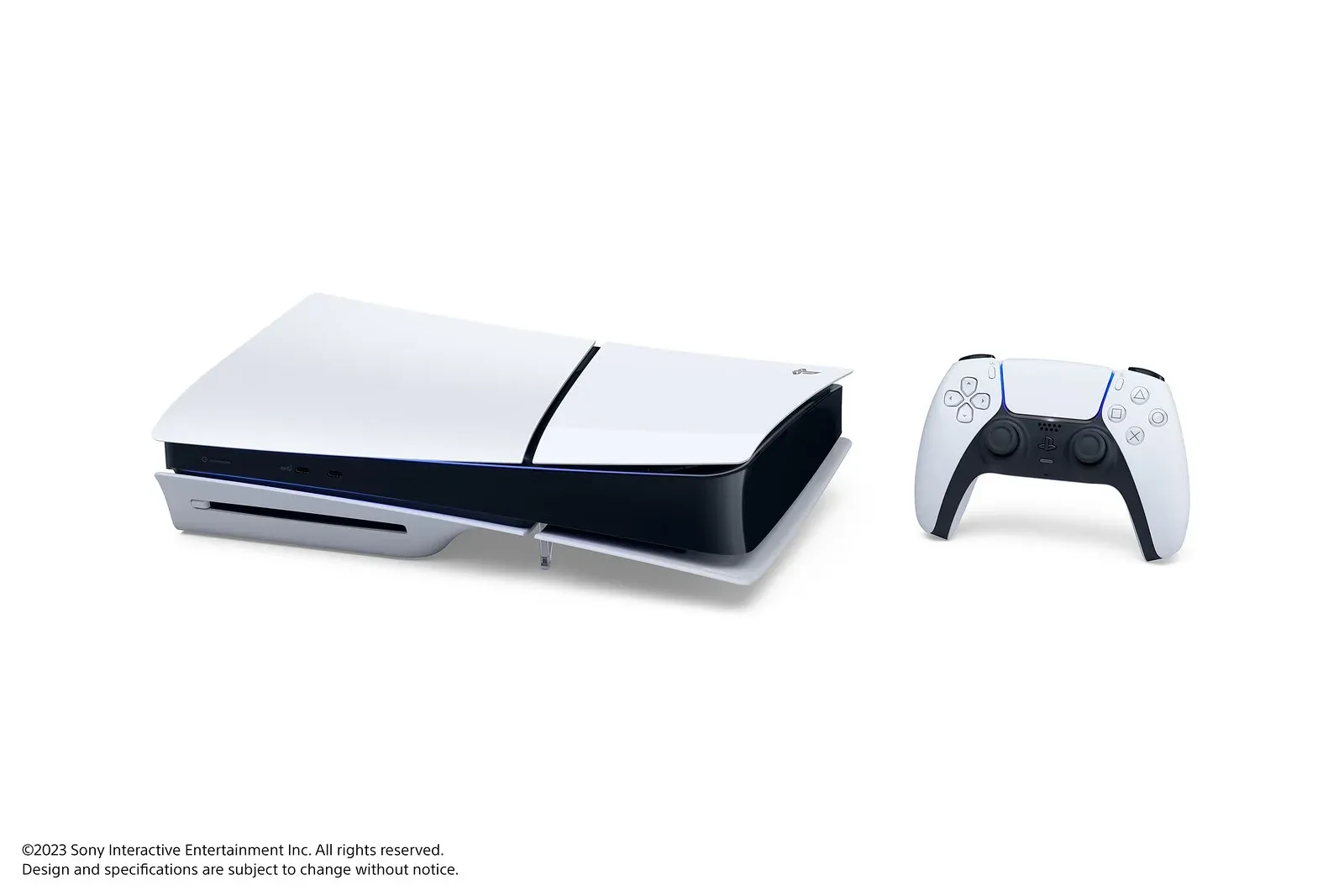

Physical discs are supposed to be dying. Someone forgot to tell Resident Evil fans.
Sales data for Resident Evil Requiem has surfaced breaking down physical versus digital performance across the world's biggest gaming markets, and the numbers tell a story that cuts directly against the industry's all-digital momentum. In France and Japan, physical copies are literally outselling digital ones. In the UK and Australia, the gap is far narrower than most would expect. For anyone watching PlayStation's march toward a disc-free future, this is the kind of data point that's hard to ignore.
What the numbers actually say
The US market tells one side of the story: only 22% of Requiem sales there were physical through the end of June. That figure alone would seem to confirm the digital-first narrative that publishers and platform holders keep pushing.
Every other major market tells a different one.
In France, 55% of buyers chose a physical copy. In Japan, one of the most important markets for both Capcom and the Resident Evil franchise, that figure sits at 51%. Physical copies are the majority purchase in both countries. The UK came in at 40% physical, Australia at 43%. These aren't niche markets with quirky buying habits. They are core gaming territories.
Requiem has sold at least 7 million copies worldwide. Run those regional percentages across a global install base and the conservative estimate lands at roughly 2 million physical units sold. That's not a dying format. That's a format with a substantial, active audience.

Why physical copies sold out so fast at launch
Here's the thing: the sellout at launch wasn't a mystery at the time, it just got explained away. The common assumption was that Capcom had simply printed fewer physical copies than usual, a reasonable guess given the industry's ongoing shift toward digital distribution.
The sales breakdown suggests the reality was simpler and more direct. Demand was genuinely high. Players who wanted a disc showed up in large numbers, retailers ran out of stock, and the market moved on. The sellout wasn't a supply miscalculation so much as evidence of how much appetite still exists for physical media, particularly outside the United States.
If you want a closer look at what makes Requiem worth owning in any format, our in-depth review breaks down exactly why Capcom's 30th anniversary entry has resonated so strongly with players.
The PlayStation problem hiding in plain sight
This data lands at a particularly awkward moment. PlayStation has confirmed it will stop releasing games on physical media starting in 2028. The factories used to manufacture discs are already being repurposed. New PS5 packaging has started including notices about the upcoming change. The plan is locked in.
The assumption underpinning that decision is that physical buyers will simply migrate to digital once the option disappears. That may hold in the US, where only 22% of Requiem buyers chose a disc anyway. In Japan and France, where physical is still the preferred format for a majority of buyers, that assumption is far less certain.
There's also a market access issue that compounds this. A significant portion of countries worldwide don't have reliable access to PlayStation's digital storefront, meaning the disc isn't just a preference for those players, it's the only viable option. Removing it doesn't convert those buyers to digital. It removes them from the market entirely.
What this means for gamers in disc-heavy markets is a narrowing window to build physical libraries before 2028 makes the format irrelevant on PlayStation hardware. The Requiem numbers show the demand is real. Whether that demand changes anything at the platform level is a different question, and the current signals suggest it probably won't.
For everything else you need on the game, the Resident Evil Requiem guide collection covers PC optimization, how long the campaign runs, and more.