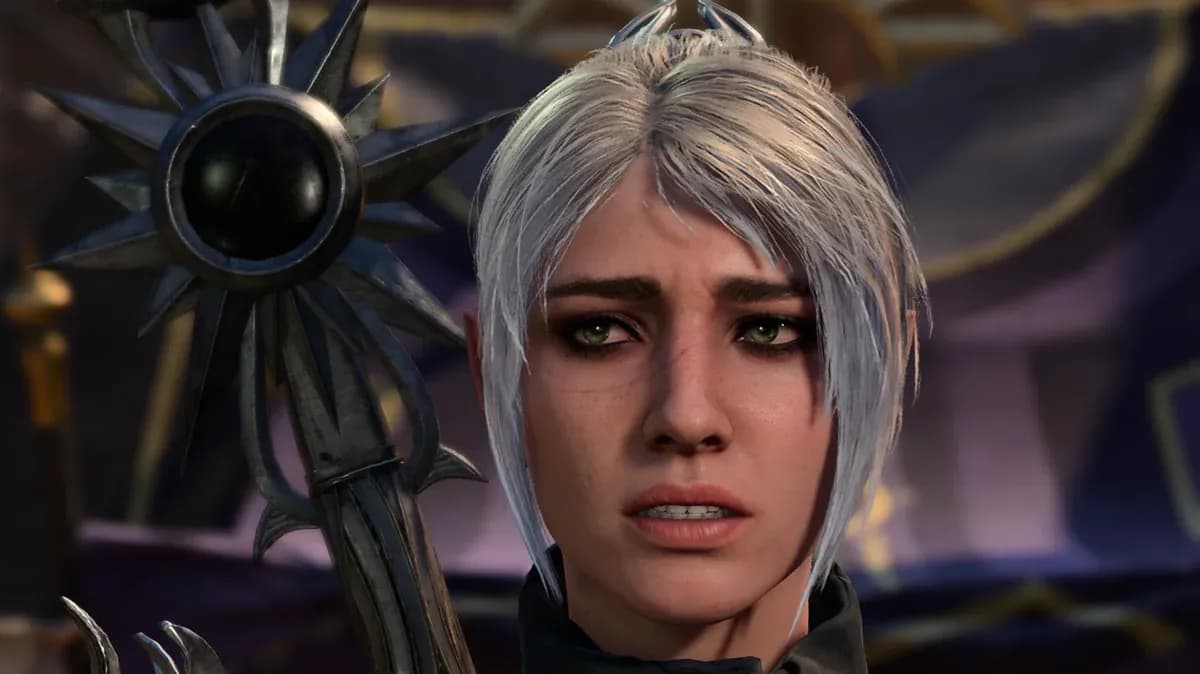

The story playing out around Saber Interactive this week is a masterclass in how not to handle an AI controversy. Players who pick up Rideshare Stimulator now see an explicit AI content disclaimer on its store page, but that disclosure only appeared after a very public argument between the studio's CEO and a former writer blew up online.
The game is a far cry from the handcrafted RPG depth that made Baldur's Gate 3 a benchmark for the genre, but it has accidentally become the most-discussed title in the industry right now, and not for reasons Saber Interactive would want.
How the public fallout started
Former Saber Interactive writer Stella Sacco went public with claims that she was replaced by ChatGPT back in 2023. The allegation spread fast. Rather than issuing a measured response, CEO Matt Karch fired back with a statement that immediately raised more questions than it answered.
"Stella who?" Karch wrote, claiming he had to ask Claude (an AI tool, notably) to identify her because he had never spoken to or seen her. He went on to say the studio had always planned to disclose its AI use, but that Sacco had "violated her confidentiality clause" by going public before the company was ready. Sacco responded by calling the statement "remarkably pathetic for the CEO of any company to be making."
Here's the thing: the game had already been listed on the store since July 30 without any AI disclosure in place. The disclaimer only appeared after the controversy exploded.


What the AI disclaimer actually covers
The disclosure that eventually appeared covers more ground than just dialogue. Rideshare Stimulator contains AI-generated passenger conversations, which Karch says were part of an "experimental mode" rather than the core experience. The disclaimer also flags that the game features a mix of radio stations, with AI-generated music stations clearly labeled in-game.
That detail is worth sitting with. The studio that publicly championed AI as a cost-effective solution for infinite NPC dialogue ended up spending more on the feature than a traditional approach would have cost.
Karch doubles down despite the mess
Rather than treating this as a moment to recalibrate, Karch leaned further in. He stated his PR team is "always terrified" to bring up AI, then said he would "be happy to engage in a reasonable conversation about how AI can and should help shape gamer experiences." He also framed the entire situation as a publicity stunt orchestrated by Sacco, pointing out that Saber has actually grown its writing staff since 2023.
The irony is hard to miss. A CEO who dismissed a former employee by name-checking the AI tool he used to look her up, then complained about being forced into transparency before he was "ready," is not exactly positioning himself as a trustworthy voice in the AI-in-games debate.
The broader context makes this worse for Saber. Data from Steam suggests games with AI stigma attached to them see review counts drop by around 53 percent, with the reviews they do receive skewing more negative. Going into a controversy guns blazing while your store page lacks the required disclosure is not a winning play.
What this means for players and the industry
For anyone buying Rideshare Stimulator, the situation is now at least transparent. The AI disclaimer is live, the in-game music stations are labeled, and the experimental dialogue mode is disclosed. Players can make an informed choice.
The bigger picture is what matters more. This episode joins a growing list of studios that disclosed AI use only after being cornered into it, which consistently produces worse outcomes than proactive transparency. Compare that to the standard Larian Studios set with Baldur's Gate 3, where the studio's communication with its player base around development decisions helped build genuine trust over years.
The key here is that players are not inherently opposed to every use of AI in game development. What they consistently push back against is the feeling that studios are hiding something. Karch's own admission that his PR team was "terrified" to discuss AI suggests he already knew the disclosure would land badly, which makes the decision to delay it even harder to defend.
If you want to stay across everything happening in the RPG and wider gaming space while this debate continues to develop, the Baldur's Gate 3 guides collection is a good reminder of what player-first game development actually looks like in practice.