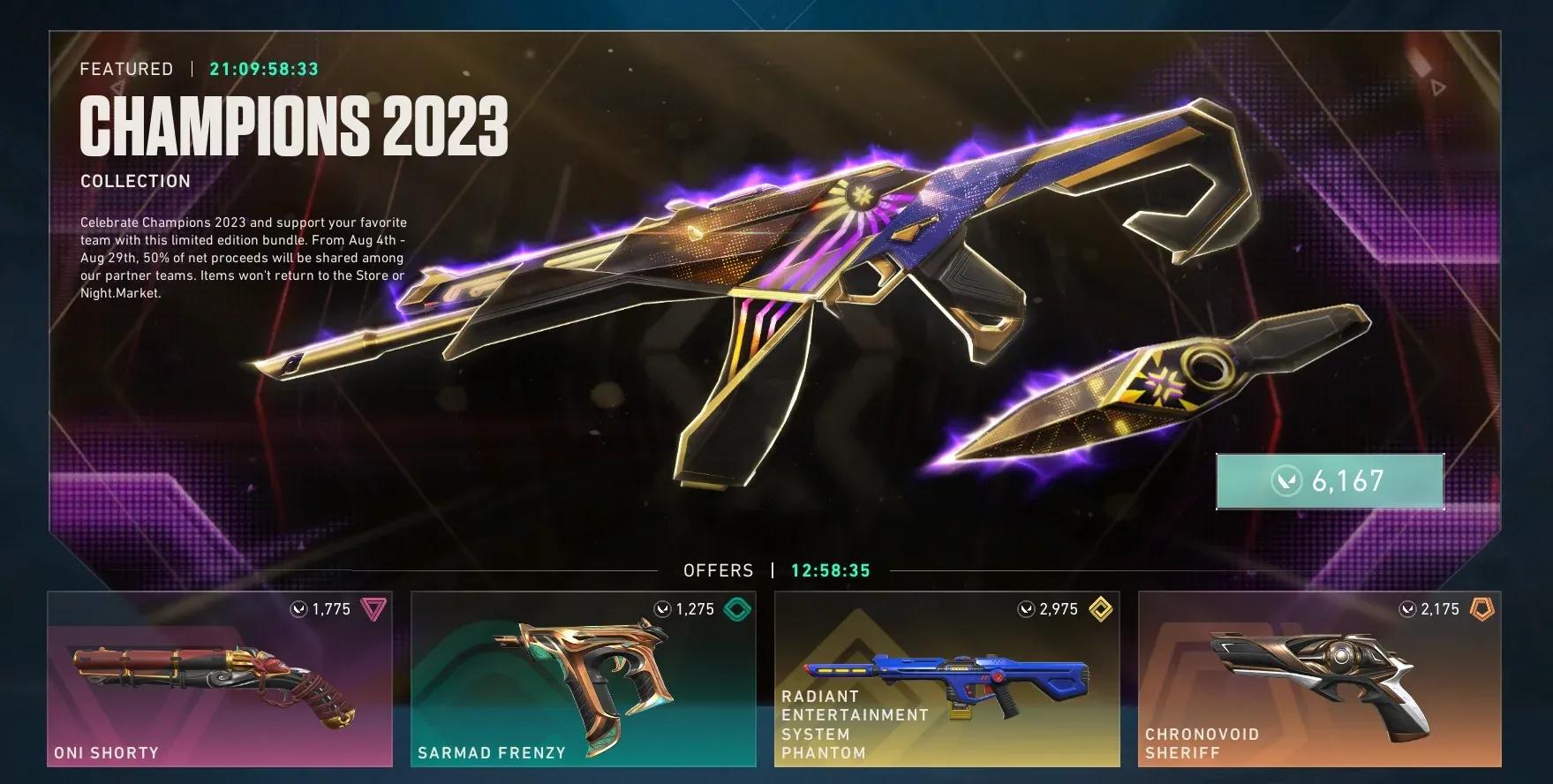

Spend enough time in Valorant and the in-game store stops feeling like a mystery. But for anyone still figuring out why one skin costs 875 VP and another costs 9,900 VP for the full bundle, the pricing structure is worth understanding before you commit.
Here is the lowdown on how Riot Games structures its cosmetics, what each tier actually delivers, and which collections tend to punch above their price point.
How Riot prices its skins
Valorant skins are divided into five official tiers, and the gap between the cheapest and the most expensive is significant. Each tier unlocks different levels of visual polish, audio rework, animation upgrades, and finisher effects. The higher the tier, the more Radianite Points (RP) you will also spend to unlock level upgrades after the initial purchase.
| Tier | VP Cost per Skin | What You Get |
|---|---|---|
| Select Edition | 875 VP | New model and color, no audio or animation changes |
| Deluxe Edition | 1,275 VP | Upgraded model, minor visual effects |
| Premium Edition | 1,775 VP | New audio, animations, finisher, and RP upgrade levels |
| Ultra Edition | 2,175 VP | Full rework: custom audio, animations, finisher, and inspect |
| Exclusive Edition | Varies | Limited drops, often tied to Champions or special events |
The Premium Edition tier is where most of the iconic collections sit. Reaver, Prime, Forsaken, Oni, and Kuronami all live here, and they include up to four RP upgrade levels that unlock color variants, upgraded finishers, and reworked kill banners. Each upgrade level costs between 10 and 20 RP, so factor that into the real cost.

What bundles actually cost
Bundles in the Featured Store group multiple weapons, a melee, and usually a card, spray, and gun buddy together. Buying the full bundle saves VP compared to purchasing each piece individually, but the savings vary.
A typical Premium Edition bundle covering five weapons and a melee runs between 7,100 and 8,700 VP when bought as a complete set. Buying those same pieces individually from the Daily Store would cost closer to 10,000 to 11,000 VP total. The melee alone in most Premium bundles is priced at 3,550 VP if bought separately.
Ultra Edition bundles like Elderflame or Glitchpop pushed into the 9,900 VP range, while Exclusive Edition skins tied to Champions events have historically been priced around 2,675 VP per skin with no bundle discount, because they are sold as individual items rather than full collections.
The collections that keep coming back
Not every bundle returns to the store, but several collections have rotated multiple times and remain popular picks when they do.
Reaver is one of the most-requested returning bundles. Its dark aesthetic works across the Vandal, Operator, Sheriff, and knife, and the sound rework on the Vandal is one of the cleaner audio changes in the game. When it appears in the Featured Store, the full bundle typically runs around 7,100 VP.
Prime has a similar reputation for reliability. The Prime Vandal in particular has stayed popular since launch because the sound design is crisp without being distracting. The Prime 2.0 bundle added the knife and a few extra weapons to the collection.
Forsaken leans into a darker fantasy identity and includes one of the stronger Operator skins in the game. The full bundle sits in the standard Premium range.
For players newer to the game, the Sovereign collection offers a cleaner entry point. Its gold-and-blue aesthetic is versatile across different agents and the price per weapon sits at the standard 1,775 VP Premium rate.
Night Market and when to wait
The Night Market event runs a few times per year and gives each account six randomized skin offers at discounts between 10% and 49%. The pool pulls from Select, Deluxe, and Premium Edition skins, with most Exclusive and Ultra Edition skins excluded.
The key here is that Night Market offers cannot be rerolled. You get six offers and that is your set for the event. Waiting for Night Market makes sense if you are flexible about which skin you land, but it is not a reliable strategy for chasing one specific collection.
Skins also need to be at least two Acts old before they enter the Night Market pool, so newer bundles will not appear immediately.
What most players miss is that the Daily Store rotation is actually the more consistent long-term method. Each account gets four randomized offers from skins it does not already own, refreshing every 24 hours. Older collections like Prime, Reaver, and Recon cycle through here regularly, and the prices are full rate rather than discounted.
Picking the right tier for your playstyle
Spending 1,775 VP on a rifle skin you use every match makes more sense than spending 2,175 VP on a sidearm you pull out twice a game. The weapon you actually buy most in full-buy rounds should get the first upgrade.
For most players, that means prioritizing a Vandal or Phantom skin before a Sheriff, Operator, or melee. Rifle skins get seen in the most important rounds, and the audio rework at Premium tier makes a noticeable difference in how those weapons feel during a match.
Melee skins are a separate conversation. You see your knife during rotations, between rounds, and every time you inspect. A melee at 3,550 VP is expensive, but the inspect animation plays constantly, which makes it feel more present than a rifle skin you only equip during buy phase.
If you are still building out your agent pool and learning the maps, the Valorant beginner's guide covers economy management in more detail, which directly affects how often you can actually equip that rifle skin you just bought.
For a broader look at Valorant strategy, agent picks, and ranked climb tips, the full Valorant guides collection has resources across every area of the game.