Overview
Omen of Sorrow is a 2D fighting game developed by AOne Games and published by Eastasiasoft, released in November 2018 across PlayStation, Xbox, Nintendo Switch, and PC via Steam and Epic Games. The game pulls its roster from classical horror, mythology, and dark fantasy, pitting 12 monsters against each other in underground arenas that feel appropriately grim. The four-button layout keeps the controls accessible, but the depth lives in the movement and spacing systems underneath.
The core design philosophy here is worth understanding before you pick it up. AOne Games built the battle system to remove as much randomness as possible. No stat bonuses, no random crits, no comeback mechanics tied to luck. Every outcome traces back to player decisions, which makes losses feel instructive rather than frustrating.

Omen of Sorrow content image
Gameplay and mechanics
Omen of Sorrow's combat centers on a few key principles that separate it from more execution-heavy fighters:

Omen of Sorrow content image
- Movement and spacing over memorized combos
- Four-button input layout for accessibility
- No stat-based advantages or random elements
- Skill-driven outcomes at every level of play
- Classic arcade fighting structure with modern depth
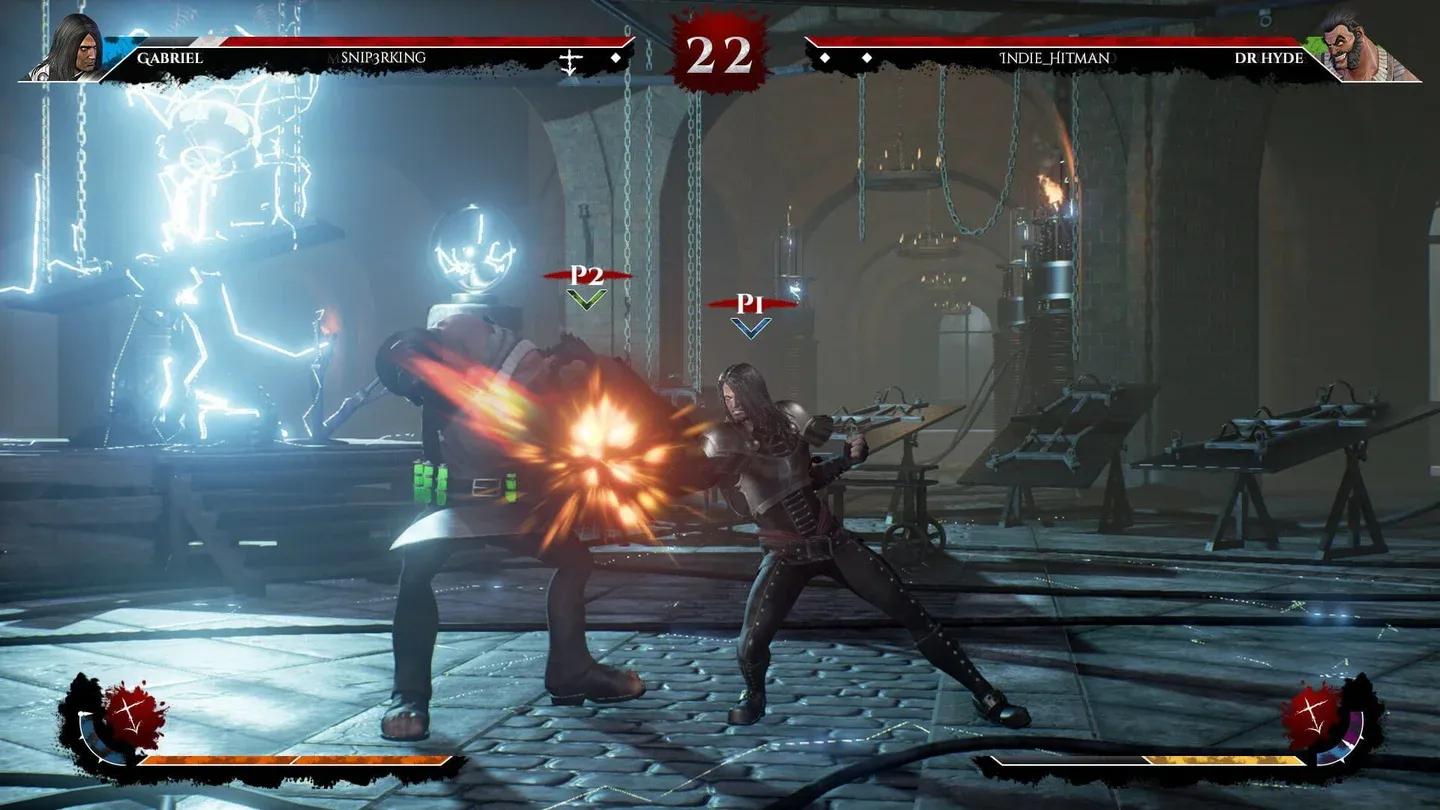
The spacing emphasis means neutral game matters enormously here. Getting into range, controlling the screen, and reading opponent tendencies carry more weight than landing a specific 15-hit string. Players who come from games like Street Fighter or King of Fighters will find the fundamentals transfer well, while newcomers have a cleaner entry point than most modern fighters offer.
Omen of Sorrow content image
Who's in the roster?
The 12 characters in Omen of Sorrow come straight from horror literature, mythology, and dark fantasy archetypes. Expect figures drawn from vampire lore, Frankenstein-style monster mythology, werewolf traditions, and other creatures of the night. Each character plays distinctly, and the roster design leans hard into the gothic horror aesthetic rather than treating the theme as surface decoration.
The visual execution through Unreal Engine 4 gives each character a level of detail that holds up well. The arenas match the tone, and the overall presentation commits to a mature aesthetic that the developers clearly prioritized over a broader rating.
Visual and audio design
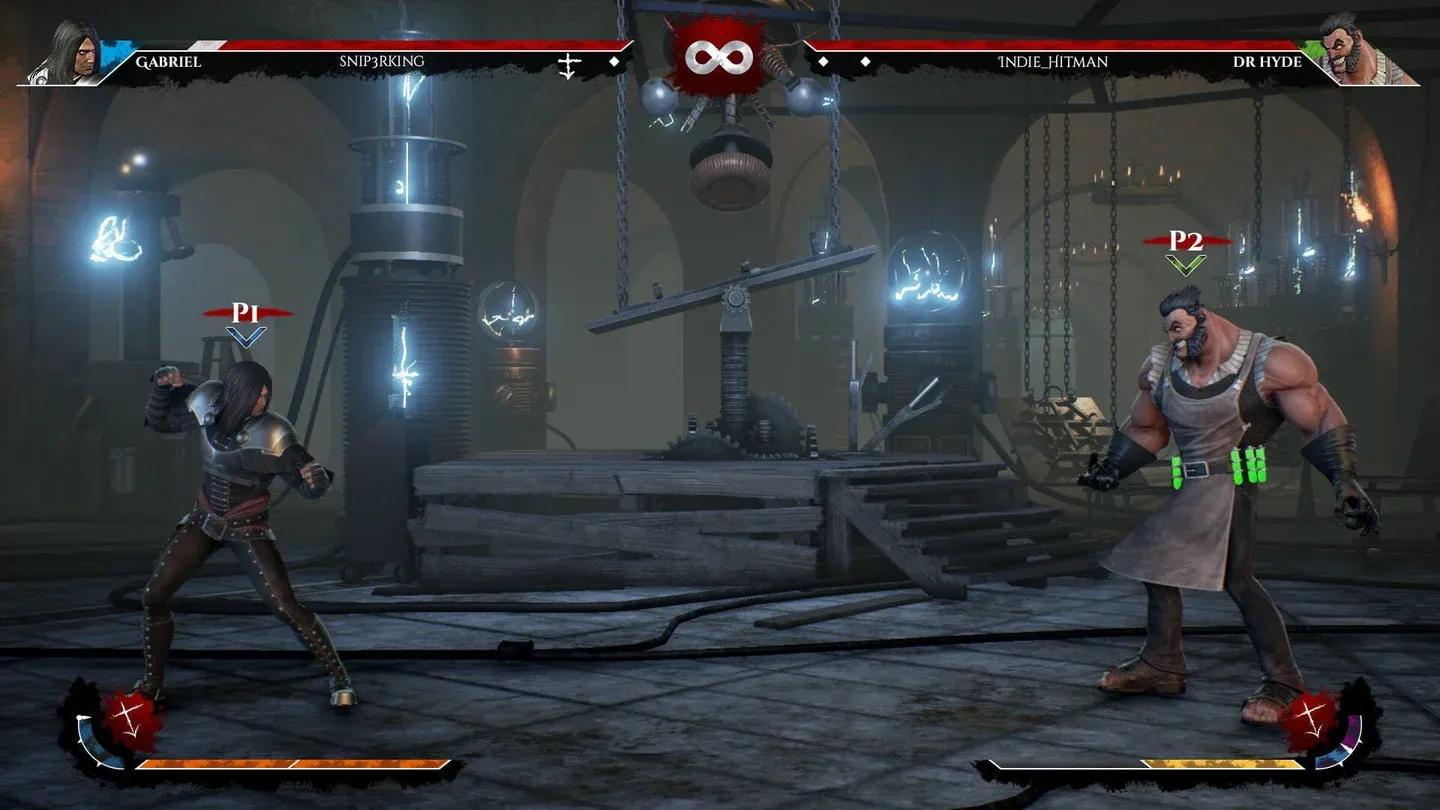
AOne Games made deliberate choices to keep Omen of Sorrow looking and feeling different from the major fighting game franchises. The Unreal Engine 4 rendering gives the character models a painterly, high-contrast quality that suits the horror theme. Animations carry weight, and the arenas have a theatrical quality that reinforces the underground monster-world setting.
The game carries a Teen rating (ESRB), covering blood, suggestive themes, and violence, so the aesthetic leans dark without going full gore. That balance actually works in its favor, keeping the style sharp without relying on shock value.
Omen of Sorrow content image
Multiplayer and replayability
Online play is available across platforms, with the PlayStation version supporting up to 2 players online. The skill-based design philosophy pays dividends in competitive play specifically because the outcome of any match depends entirely on what both players bring to the table. There are no hidden modifiers flipping results.
For players who want to grind matchups and improve, the spacing-focused combat system gives that process a clear feedback loop. Every loss points to something correctable. That quality, more than the roster size or mode count, is what keeps players in Omen of Sorrow past the first few hours.