


Getting started in OPUS: Prism Peak
OPUS: Prism Peak is a game with enough going on under the surface that jumping in blind can leave you spinning your wheels. Based on available information at launch, this guide covers what new players need to know before the first few hours turn into frustration. The goal here is simple: get you oriented, explain the systems that matter most early on, and flag the mistakes that cost players the most time.
What is OPUS: Prism Peak?
OPUS: Prism Peak is the latest entry in the OPUS series, developed by SIGONO. The series is known for narrative-driven experiences that blend exploration with emotional storytelling, and Prism Peak continues that tradition with a mountain-set adventure focused on discovery and atmosphere. If you have played earlier OPUS titles, you will recognize the studio's commitment to a strong sense of place and deliberate pacing.
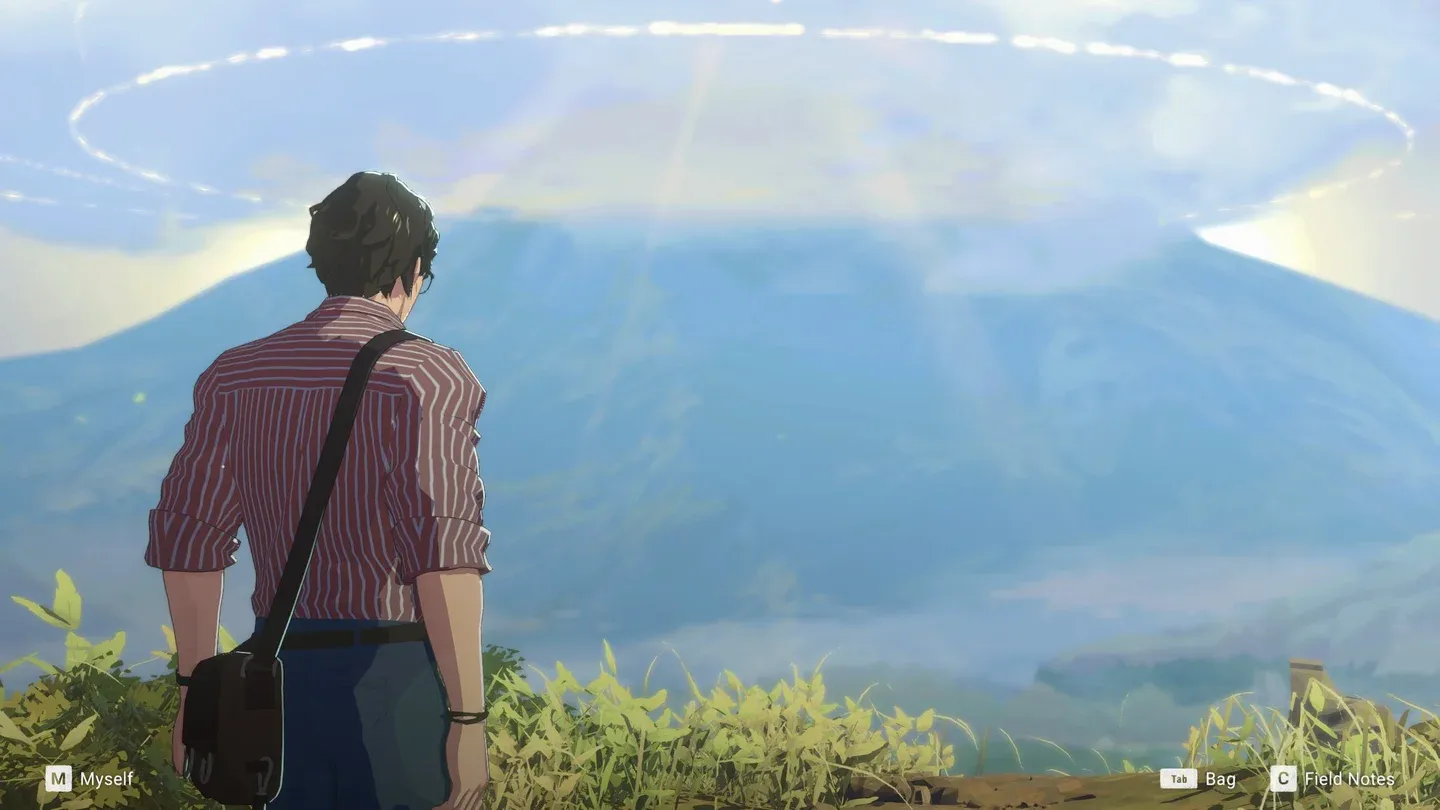
Prism Peak summit exploration
The game centers on climbing and exploring a mysterious peak, with progression tied to uncovering the story layer by layer. Unlike action-heavy titles, the experience rewards patience and attention to detail over reflexes.
Core mechanics: what you need to understand first
Based on available information, OPUS: Prism Peak builds its gameplay around exploration and narrative discovery. Here is a breakdown of the foundational systems new players should prioritize:
Movement and traversal
Movement in Prism Peak is deliberate. The mountain environment is the primary space you will navigate, and the game expects you to pay attention to your surroundings rather than rush through them. Slow down and examine your environment, because story beats and key interactions are often tied to specific locations rather than objective markers.
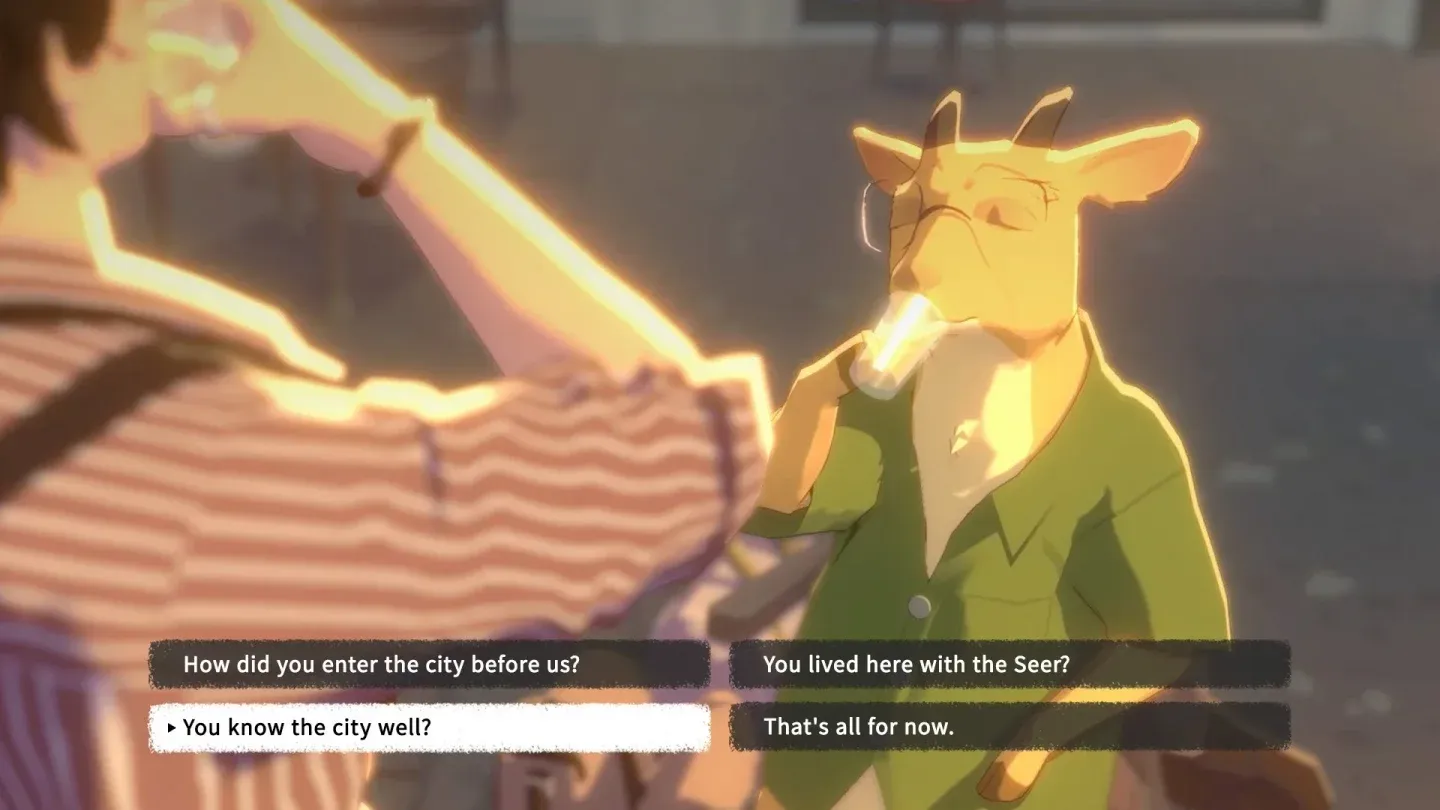
Navigation path on the peak
Narrative discovery
Progress in OPUS: Prism Peak is driven by uncovering the story. Interactions, collectibles, and environmental details all feed into the larger narrative. Missing these does not lock you out of finishing the game, but you will lose significant context for the story if you rush past them.
Pacing and progression
The OPUS series does not front-load tutorials or flood you with systems at once. Mechanics are introduced gradually, which means your first hour or two will feel slow by design. Stick with it. The game opens up as the story develops.
How do you approach exploration effectively?
Exploration is the heart of OPUS: Prism Peak, so having a method matters. Here are the practical habits that serve players best early on:
- Cover ground methodically. The mountain environment has distinct zones. Clear each area before ascending to the next.
- Interact with everything. Environmental objects and points of interest often carry story fragments or unlock new dialogue.
- Pay attention to audio cues. The OPUS series has always used sound design as a navigation tool. If something sounds different, investigate it.
- Revisit earlier areas. New story information can change the meaning of things you found earlier, and some interactions only become available after specific story beats.

Story fragment interaction point
Beginner mistakes to avoid in OPUS: Prism Peak
A few patterns trip up new players consistently:
What makes OPUS: Prism Peak different from other exploration games?
The OPUS series has always prioritized emotional resonance over mechanical complexity, and Prism Peak fits that mold. Where other exploration games might lean on survival systems, crafting loops, or combat, Prism Peak keeps the focus on the story and the environment. The mountain setting is not just a backdrop. It is the medium through which the narrative is delivered.
For players coming from action-heavy titles, this adjustment takes a session or two. For players who enjoyed games like Journey or earlier OPUS entries, the tone will feel immediately familiar.
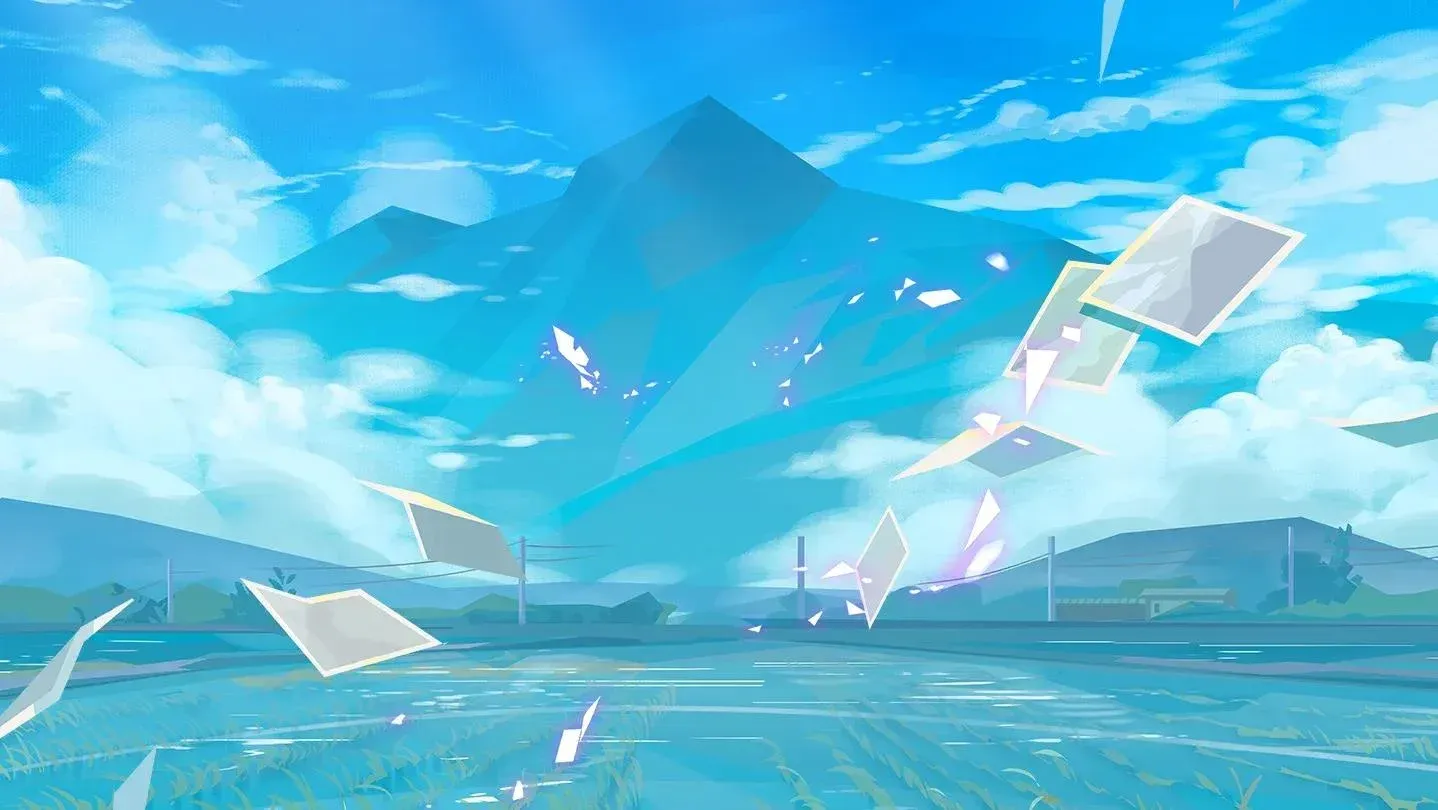
Atmospheric mountain environment
Building good habits from the start
The players who get the most out of OPUS: Prism Peak are the ones who treat it like reading a book rather than clearing a level. Here are the habits worth forming from session one:
- Play with audio on. The sound design carries significant narrative weight.
- Do not rush the opening. The slow start is intentional and sets up everything that follows.
- Engage with all text and dialogue. The writing is the game.
- Accept the pacing. This is not a game that rewards speedrunning on a first playthrough.
For more guides covering the latest releases, you can browse more guides on GAMES.GG to find walkthroughs and tips across a wide range of titles.
Ready to explore the peak?
OPUS: Prism Peak is a game that gives back exactly what you put into it. Slow down, engage with the world, and let the story unfold at its own pace. The mountain has a lot to say if you are willing to listen.
As more community documentation and in-depth guides become available, this page will be updated with additional detail on specific mechanics, collectible locations, and story guidance. Based on available information, the advice above will give you a strong foundation for your first playthrough.