Search games, articles, guides...CtrlK
Sign InGet Started
Master the Paralives school system, find hidden homework, and stop grade drops with this step-by-step grades guide.

Written by Larc
Content Writer
See more GAMES.GG guides on Google
Add us as a preferred source and our guides show up first in your results.
Paralives Music Skill Guide: Level Up Guitar, Piano, and Triangle Fast
Master the Music Knowledge Skill in Paralives and level up guitar, piano, and triangle faster with every method explained.
Paralives Museum Collectibles Guide: All Donations and Rewards
Every collectible, donation milestone, and reward for the Paralives museum explained, with full lists of mushrooms, gems, artifacts, and paintings.
Paralives Personality System: How to Level Up Traits and Talents
Learn how Wants, Life Goals, and Personality Points work in Paralives to unlock powerful social perks and talent upgrades.
The school system in Paralives is one of the first things that catches new players off guard. Grades drop faster than you'd expect, homework is nowhere to be found as a physical object, and the game offers almost no tutorial to explain any of it. If your child or teen Para keeps coming home with worse grades despite attending school every day, the problem almost certainly comes down to a few specific mechanics the game never explicitly explains.
The grade decay in Paralives is aggressive by design. Attending school alone is not enough to maintain or improve a subject grade. The game evaluates several factors each school day, and any one of them going wrong can pull a grade down by a full letter.
The three main causes are:
Late arrival is another factor that gets overlooked. Paras physically travel to school, and if a child leaves the house too late or moves slowly, they can arrive after class has already started. That lost time counts against their performance even if they technically attended that day.
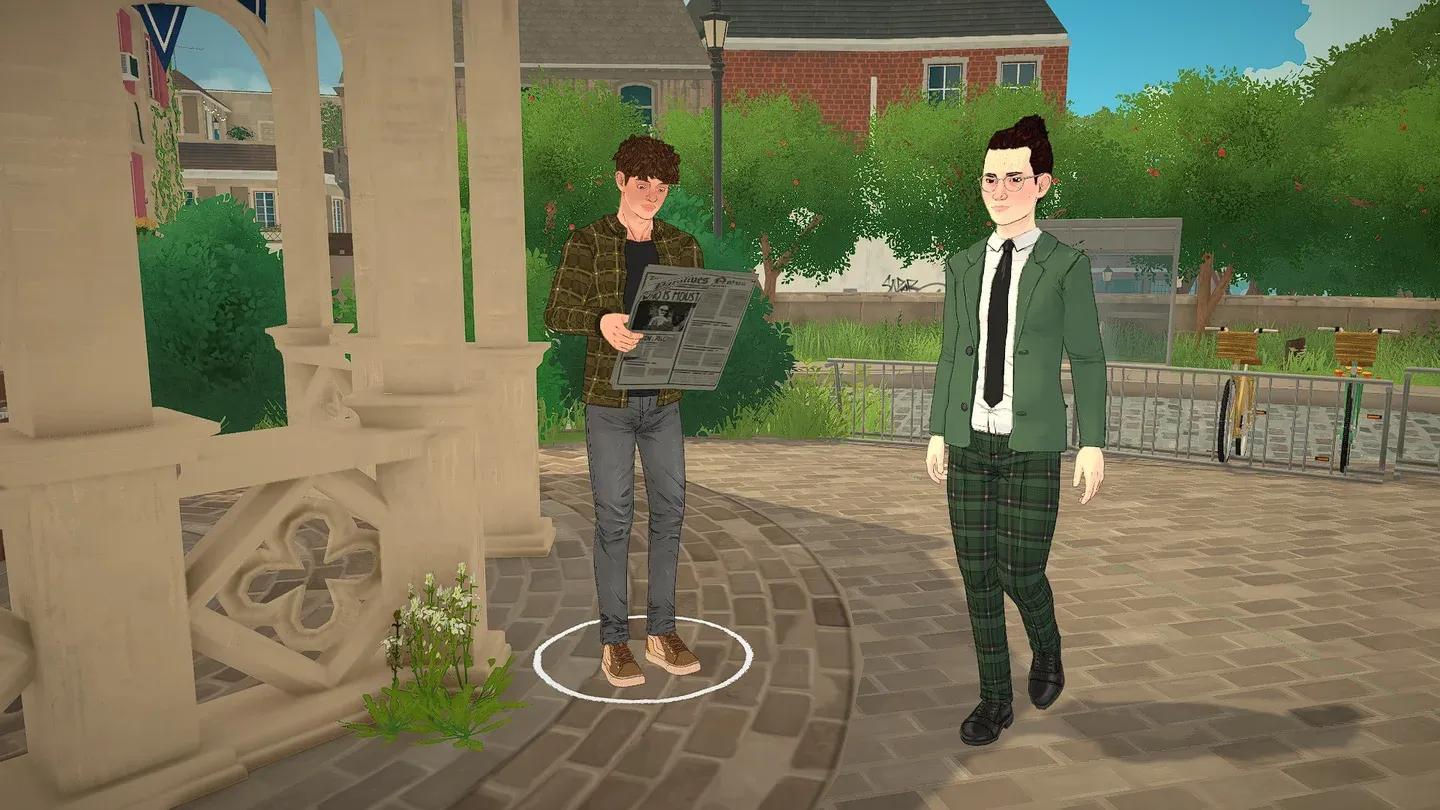
Morning needs before school
This is where most players get stuck. Paralives does not give your student Para a physical homework object. No notebook drops on the kitchen table, and nothing appears in their inventory. Homework exists entirely inside the Career Tab.
Here is the full process:
Completing a homework assignment immediately raises that subject's grade by a full letter. That single mechanic is the most reliable grade improvement tool in the game, which is why missing assignments hurts so much.
The Career Tab is your primary dashboard for everything school-related. Opening it for a child or teen Para shows:
Upgrade Points are earned as Paras complete school milestones. Spending them gives you two options: a direct grade boost in a specific subject, or a passive perk like increased learning speed for creative, physical, or cognitive skills.
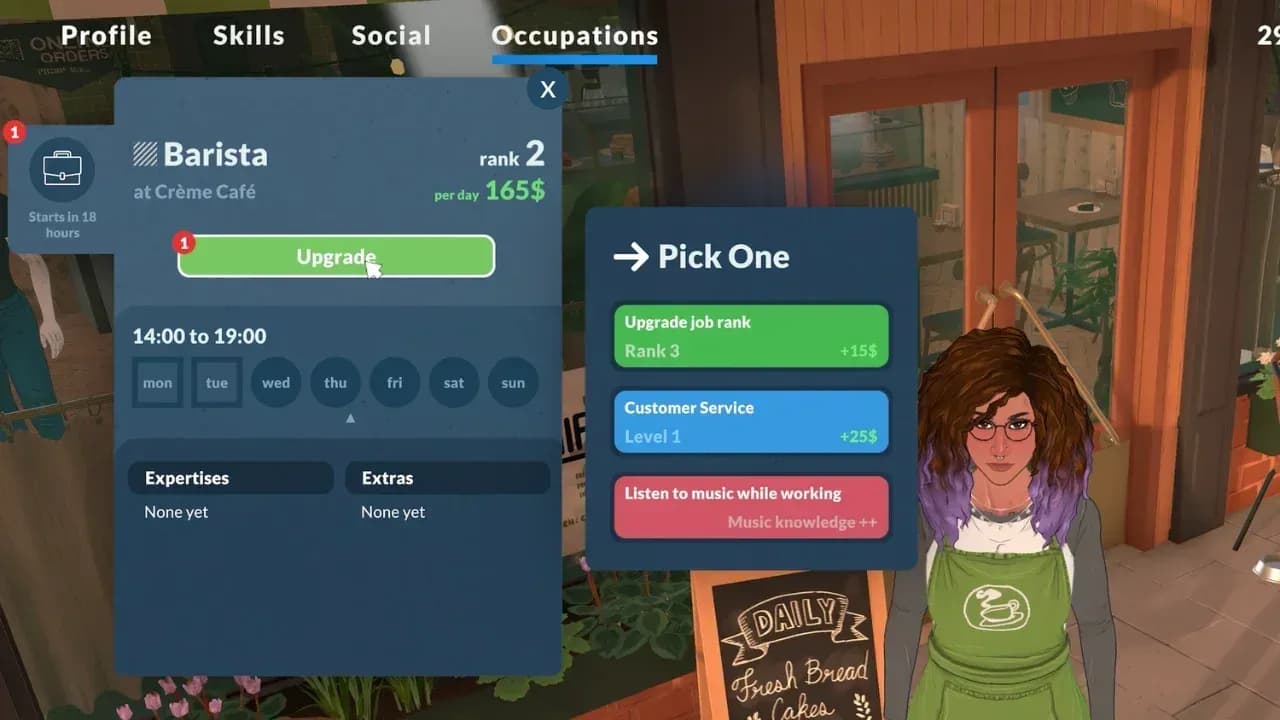
Spending school upgrade points
| Upgrade Point Option | Best Use Case |
|---|---|
| Direct grade boost | Student is close to failing a subject |
| Learning speed perk | Long-term investment for skill building in adult life |
| Subject-specific boost | One class is dragging down the overall average |
For households managing multiple kids, it is worth spending Upgrade Points on direct grade boosts rather than perks if homework is hard to keep up with. The safety net matters more than the long-term speed bonus when grades are actively falling.
The night before school matters more than the morning rush. A Para who goes to bed late with low needs starts the next school day already at a disadvantage.
| Time | Action |
|---|---|
| Night before | Fill all needs, ensure the Para sleeps at a reasonable time |
| Morning | Handle food, hygiene, bathroom, and mood before departure |
| School start | Leave early enough to arrive on time |
| After school | Open Career Tab and check for new homework |
| Evening | Complete any active homework on the computer before bed |
Keeping the house layout efficient helps here too. If the bedroom, bathroom, kitchen, and computer desk are spread across a poorly designed floor plan, the morning routine can eat up time that should be spent on needs. A tighter layout means fewer wasted actions before the school bus arrives.
For players still building out their household finances to afford a proper computer setup, the Paralives guide to getting rich fast covers every method for stacking Paradimes quickly during Early Access.
The subject names visible in the Career Tab give a clue about which skills support academic performance. A Para taking an art or creative class benefits from practicing drawing or music during free time. A logic-based subject connects to activities like chess.
This is not a substitute for homework. When an active assignment is sitting in the Career Tab, complete that first. Skill practice supports long-term performance stabilization but does not produce the immediate letter-grade jump that homework does.
For players who want to build skills efficiently alongside the school routine, the Paralives fitness skill guide is a good reference for how skill progression works across different activity types.
Paralives launched into Early Access on May 25, 2026, and the school system still has rough edges. Some players are experiencing grade drops even with strong needs, no missed homework, and on-time attendance. That is not user error.
If a student Para has good needs, a positive mood, arrives on time, has no active homework pending, and grades are still falling, the issue is likely a bug in the current build rather than something fixable through routine changes. The safest response is to control every normal factor first, then treat persistent unexplained drops as an Early Access issue to monitor across future updates.
For a broader look at what to prioritize when starting out, the Paralives beginner tips guide covers essential first steps that set up a smoother experience across every system in the game, including school. The full Paralives guides collection has everything else you need as you work through Early Access.