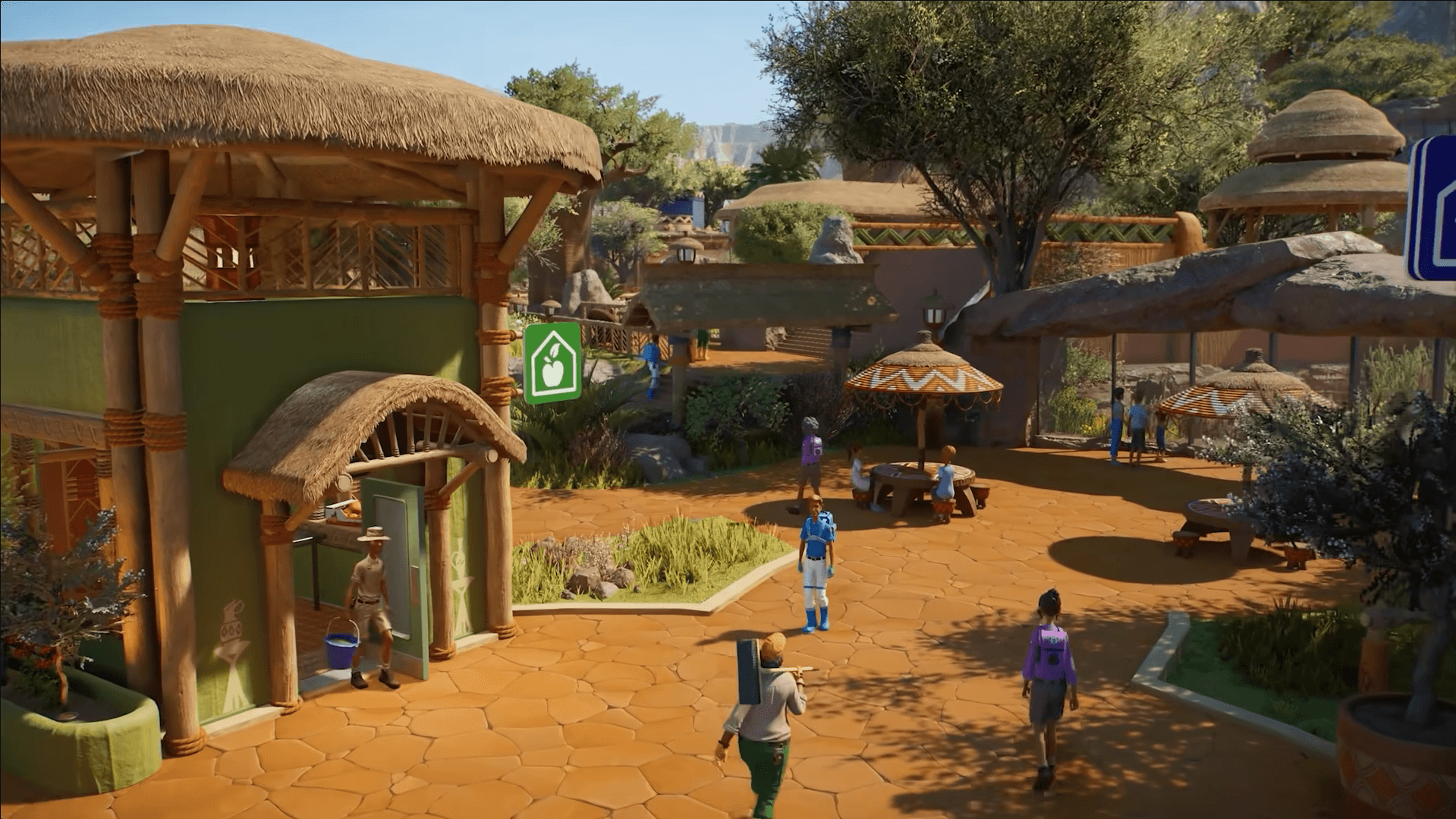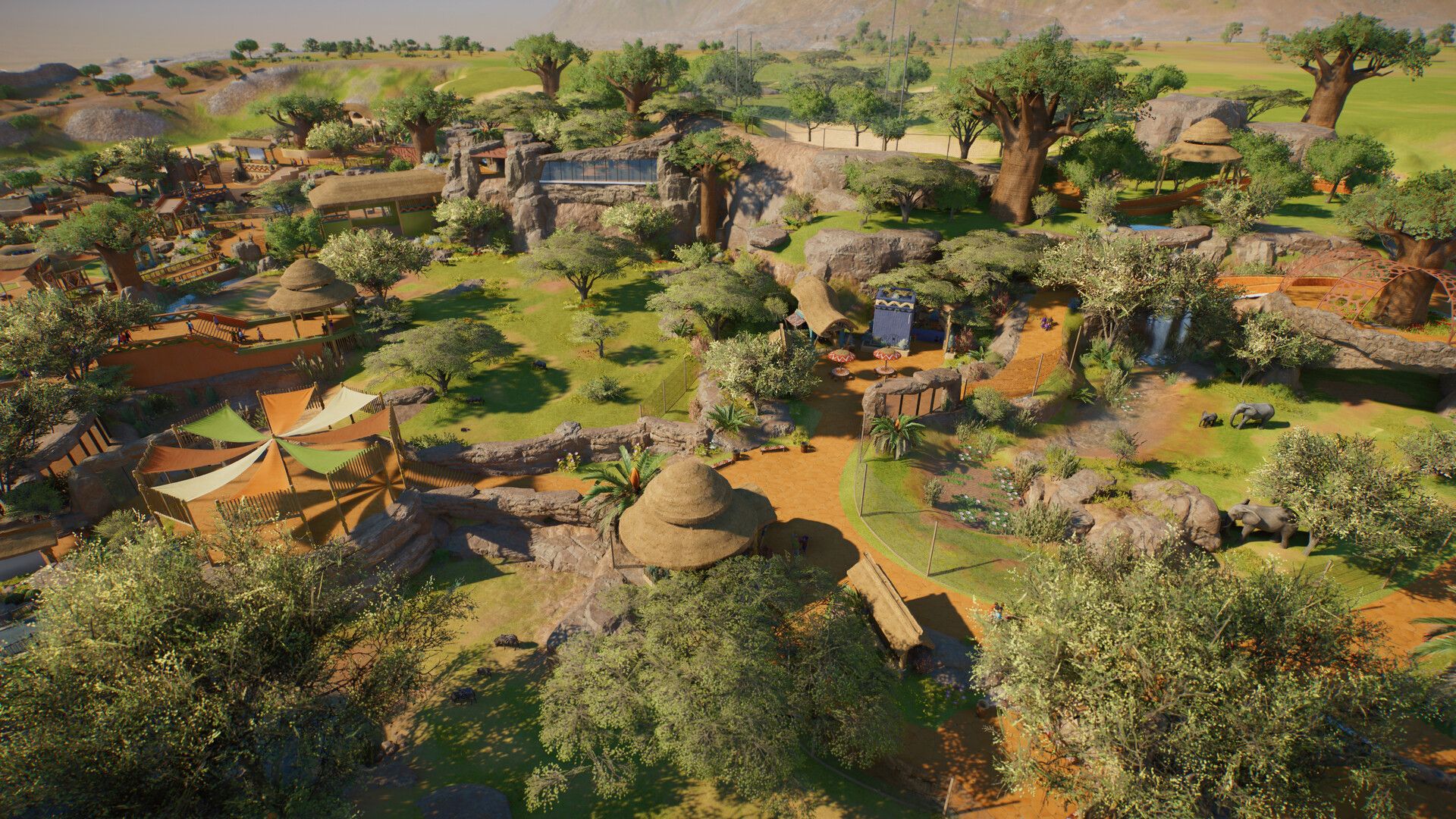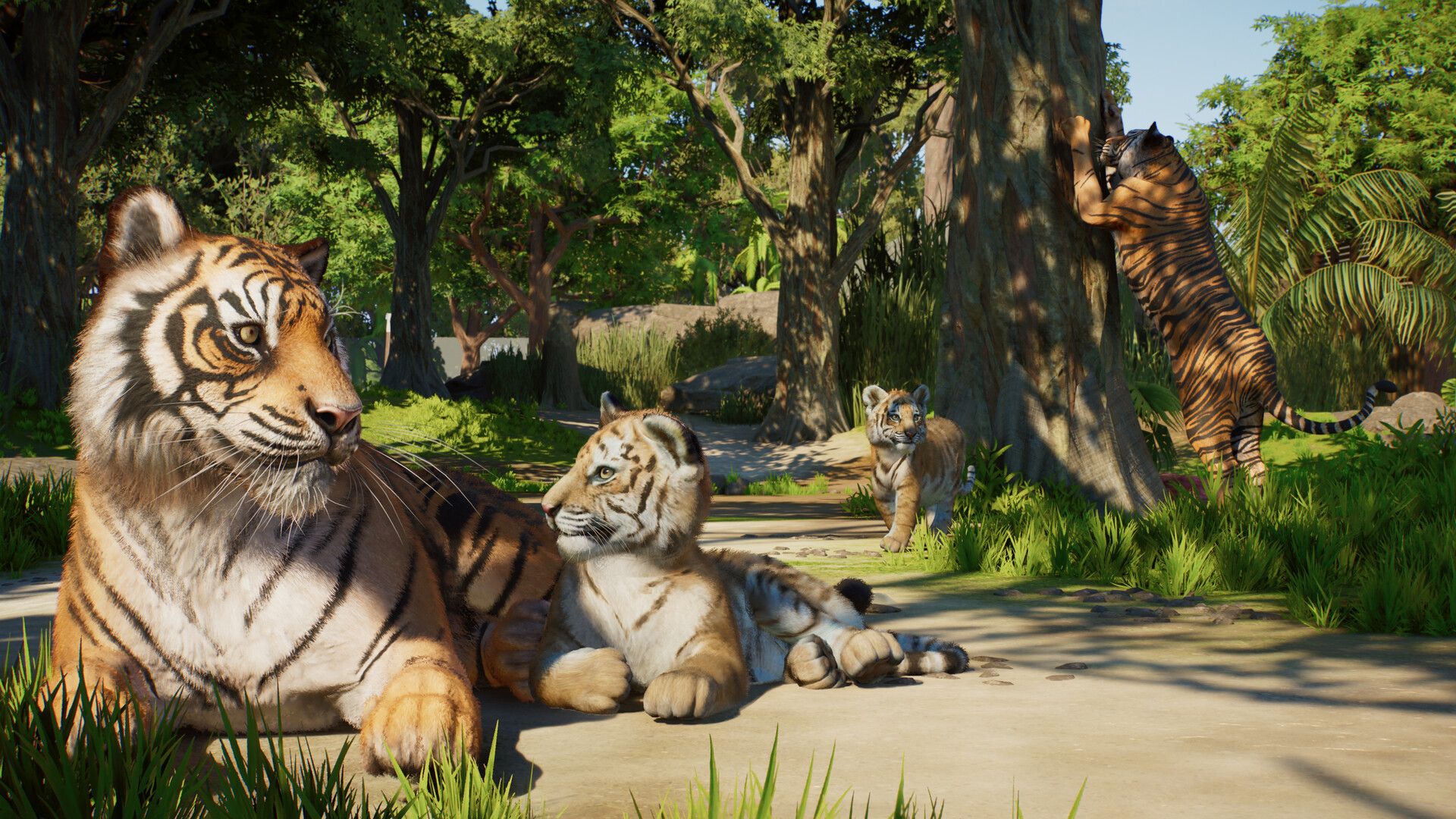
Planet Zoo 2 is one of those simulation games that looks approachable until you're 40 minutes in, hemorrhaging cash, and watching a warthog refuse to eat because your keeper is on the wrong side of the park. Frontier Developments has packed a serious amount of depth into this sequel, and the learning curve is steeper than it first appears. These tips will save you from the most common early-game traps and get your zoo running profitably from the start.
What's the best way to start in Planet Zoo 2?
The single best thing you can do before anything else is play through Career Mode. This isn't optional advice for series newcomers only. Even veteran Planet Zoo players will find Career Mode valuable here, because Planet Zoo 2 introduces enough new mechanics, from aquatic enclosures to the Wildlife Reserve system, that your old habits will only get you so far.
Career Mode sends you across different scenarios with real financial pressure and environmental challenges. Treat each scenario like a tutorial with stakes. Pay attention to how habitats are constructed in each level and save any layouts you like as blueprints. Those saved blueprints carry over into your other saves, which means the time you spend in Career pays dividends everywhere else.
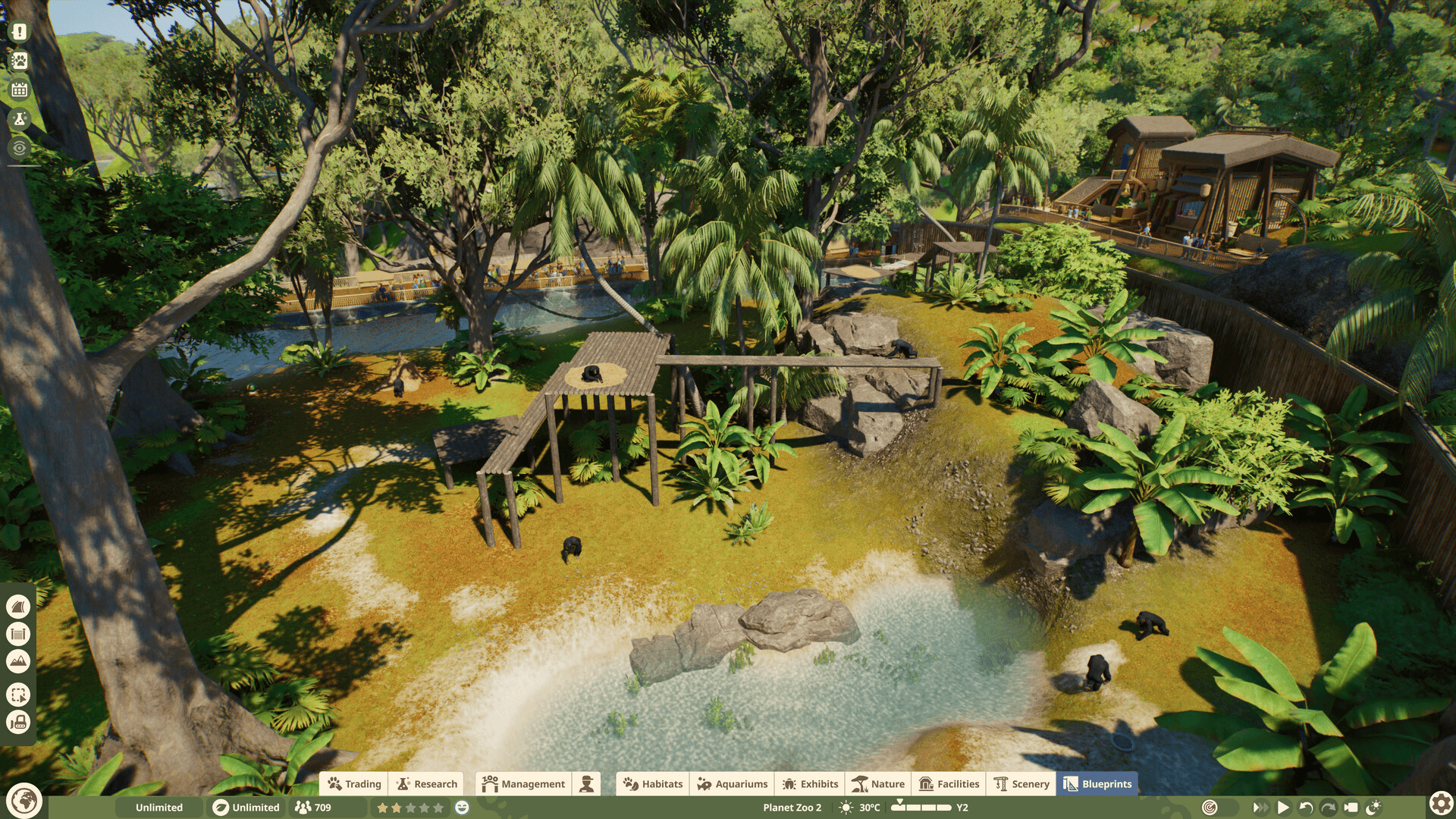
Planet Zoo 2 Ultimate Beginner's Guide

Why should you start with small, simple animals?
The temptation to open your zoo with lions or tigers is real, but resist it. Carnivores are expensive to feed, demand more keeper attention, and their enclosure requirements are significantly more complex. Early on, your budget cannot absorb those costs without collapsing.
Warthogs, Meerkats, and Aardvarks are genuinely good starter picks. Their enclosure footprints are manageable, their keeper ratios are forgiving, and they draw enough guest interest to generate early revenue. The table below shows why these species make sense when you're still finding your feet.
| Species | Enclosure Type | Min. Space (sq m) | Keeper Ratio |
|---|---|---|---|
| Common Warthog | Terrestrial | 430 | 1 per 2 habitats |
| Common Ostrich | Terrestrial | 650 | 1 per 2 habitats |
| African Penguin | Aquatic (Shallow) | 500 (30% water) | 1 per habitat |
| Macaw | Aviary (Dome) | 400 (high vertical) | 1 per habitat |
Aquatic and aviary species are genuinely exciting additions in Planet Zoo 2, but they demand specialized infrastructure. Save them for once your finances are stable.

Planet Zoo 2 Ultimate Beginner's Guide
How do you manage money early without going bankrupt?
Staff salaries are the silent budget killer. The rule of thumb that actually works: keep hiring capped at one keeper and one mechanic until your park is consistently pulling in more than 1,200 guests annually. Assign those staff to dedicated work zones immediately. A keeper who has to walk across the entire park to reach a habitat is a keeper who lets animal welfare slip, which triggers guest dissatisfaction and donation drops.
Entrance pricing also matters more than players expect. Setting it to auto-adjust based on park appeal prevents the common mistake of either undercharging a growing zoo or pricing out your limited early audience.
For a deeper look at keeping the cash flowing, the Planet Zoo 2 money guide covers the most reliable earning strategies in detail.
Planet Zoo 2 Ultimate Beginner's Guide
How does guest pathing affect your zoo's performance?
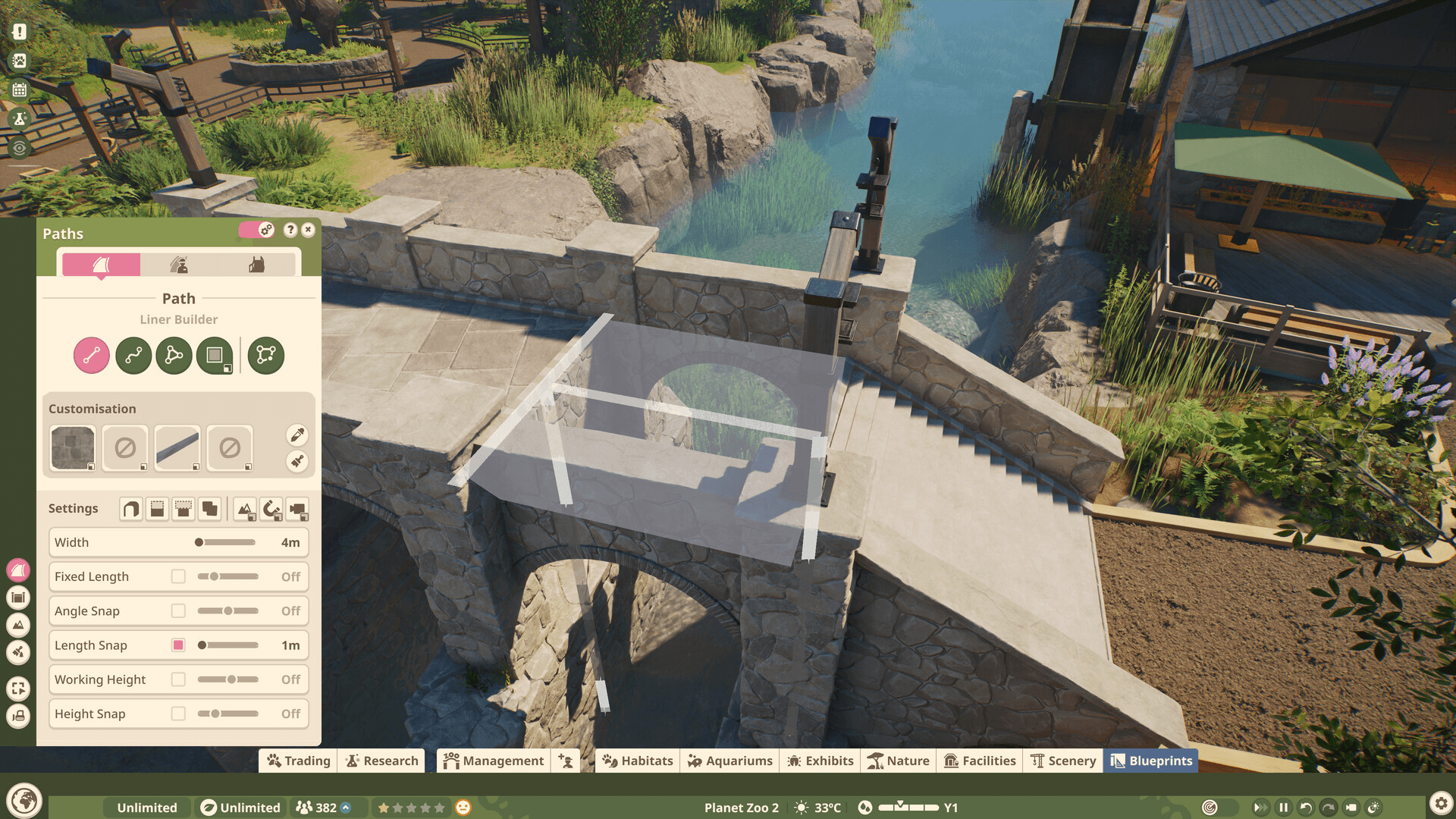
This is where a lot of players quietly ruin their own zoo without realizing it. Building one long straight path that connects every habitat in sequence creates brutal bottlenecks near popular exhibits. Guest AI in Planet Zoo 2 has a fatigue mechanic: if guests can't find seating or a transport ride within 400 meters of an exhibit, they leave and demand refunds.
The fix is circular plaza hubs. Build a central plaza with food, drink, and seating, then branch smaller paths off it toward individual habitats. Testing across different layouts shows this approach reduces guest congestion by around 25% compared to linear thoroughfares. It also distributes the crowd more evenly, which keeps happiness scores higher across the whole park.
Planet Zoo 2 Ultimate Beginner's Guide
What's the fastest way to boost guest donations?
Guests don't donate just because they're nearby an animal. They donate when they're actively learning. Education boards and audio speakers placed near viewing areas are the primary driver. Placing donation bins directly adjacent to audio speakers increases per-guest contributions by an average of 35% compared to bins placed along main pathways in isolation.
Hold off on expensive marketing campaigns early on. Blanket your viewing areas with education boards first. The return on that investment is faster and more reliable than advertising spend at the start of your zoo.
Should you use Sandbox Mode as a beginner?
Absolutely. Sandbox Mode removes all financial pressure and unlocks everything from the start, including enrichment items and research upgrades. It's the right place to experiment with aquatic enclosure construction, test aviary dome layouts, or practice building custom fencing before committing those designs to a live save.
Anything you build in Sandbox can be saved as a blueprint and used elsewhere, provided you have the funds in that other save to place it. Think of Sandbox as your design lab.
How do aquatic and aviary enclosures work?
These are the headline new features in Planet Zoo 2 and they require a different approach than standard terrestrial habitats.
For aquatic enclosures, you need to excavate terrain to the depth specified in the Zoopedia for your target species, install 3D watertight barriers with appropriate glass thickness, and connect a heavy-duty water filtration unit to your power grid. Schedule mechanic visits for aquatic filters every three in-game months rather than the standard six-month interval used for terrestrial barriers. Skipping this causes water quality degradation, disease outbreaks, and fines.
Aviary domes introduce vertical space as a welfare metric. Mixed-species aviaries only hit high welfare scores when vertical enrichment fills more than 40% of the total habitat volume. Climbing frames, hanging feeders, and tall foliage in the upper half of the dome are not decorative. They're functional welfare items.
How do Wildlife Reserves work and when can you unlock them?
Wildlife Reserves are the late-game goal for your most successful animal populations. Unlocking the feature requires a five-star park rating and at least 10,000 Conservation Credits. Once unlocked, animals can't simply be transferred in immediately. They go through a rehabilitation phase in an off-exhibit holding area with zero guest visibility. Over roughly two in-game months, their Wild Readiness meter fills. Releasing a fully prepared group into the reserve grants a permanent passive boost to your zoo's educational rating.
Animal welfare requirements for reserve eligibility are strict: 90% or higher welfare maintained for three consecutive in-game years. Upgrading to Grade 3 food costs 40% more per month but raises breeding success by 15% and disease immunity by 20%, making it a worthwhile investment for animals you're targeting for release.
For full details on which animals qualify and where each reserve is located, the guide to all Wildlife Reserves and releasable animals has everything mapped out.
How does the Workshop save you time?
Building complex structures from scratch takes time and practice. The Workshop is built directly into Planet Zoo 2 and gives you access to community-created habitats, buildings, and scenery pieces that you can drop straight into your zoo. For new players especially, browsing the Workshop for habitat layouts is far more efficient than struggling through custom construction while your finances are still fragile.
Use it early, use it often, and gradually replace Workshop pieces with your own creations as your building confidence grows.
What theme should you build your zoo around?
Having a clear theme prevents the common trap of building an unfocused zoo that's expensive to maintain and visually incoherent. Planet Zoo 2 gives you over 100 animals and thousands of building pieces, which is genuinely too much to approach without a direction.
Narrowing your focus to a specific biome, geographic region, or species group (canine, feline, African savanna, European woodland) makes every decision easier. It guides which animals you acquire, which building pieces you buy, and which Wildlife Reserves you prioritize filling. A European-focused zoo that feeds into the European reserves is a cleaner progression path than a zoo that tries to do everything at once.
For players chasing completionist goals, the full Planet Zoo 2 achievements and trophies guide is worth bookmarking early since some of the harder unlocks require specific long-term planning.
Planet Zoo 2 rewards patience and iteration over ambition. Start small, keep your staff lean, use the Workshop while you learn the building tools, and treat every failed habitat as a lesson rather than a loss. The zoo you're building in month three will look nothing like the one you started with, and that's exactly the point. Head to the full Planet Zoo 2 guides collection for more detailed breakdowns on every system in the game.