Overview
Pony Island 2: Panda Circus is the follow-up to Daniel Mullins Games' cult 2016 original, and it picks up the same DNA: a meta-layered puzzle adventure that treats the game itself as the fiction. You play as a young nomad whose life was cut short, now trapped in The Earth Prison and forced to deal with the deities who run the place. The only way out is through their games, and the only way through their games is to beat them, break them, or find some angle neither of you expected.
Mullins built his reputation on games that mess with the player's sense of what a game actually is. Inscryption did it with deck-building and cabin horror. The original Pony Island did it with a corrupted arcade machine. Panda Circus is positioned to push that formula further, wrapping its puzzle mechanics inside myth, time, and something the Steam page calls a "phantasmagorical voyage." That's not marketing fluff; it's a fairly accurate warning.

Pony Island 2: Panda Circus content image
Gameplay and mechanics: what does "beat or break" actually mean?
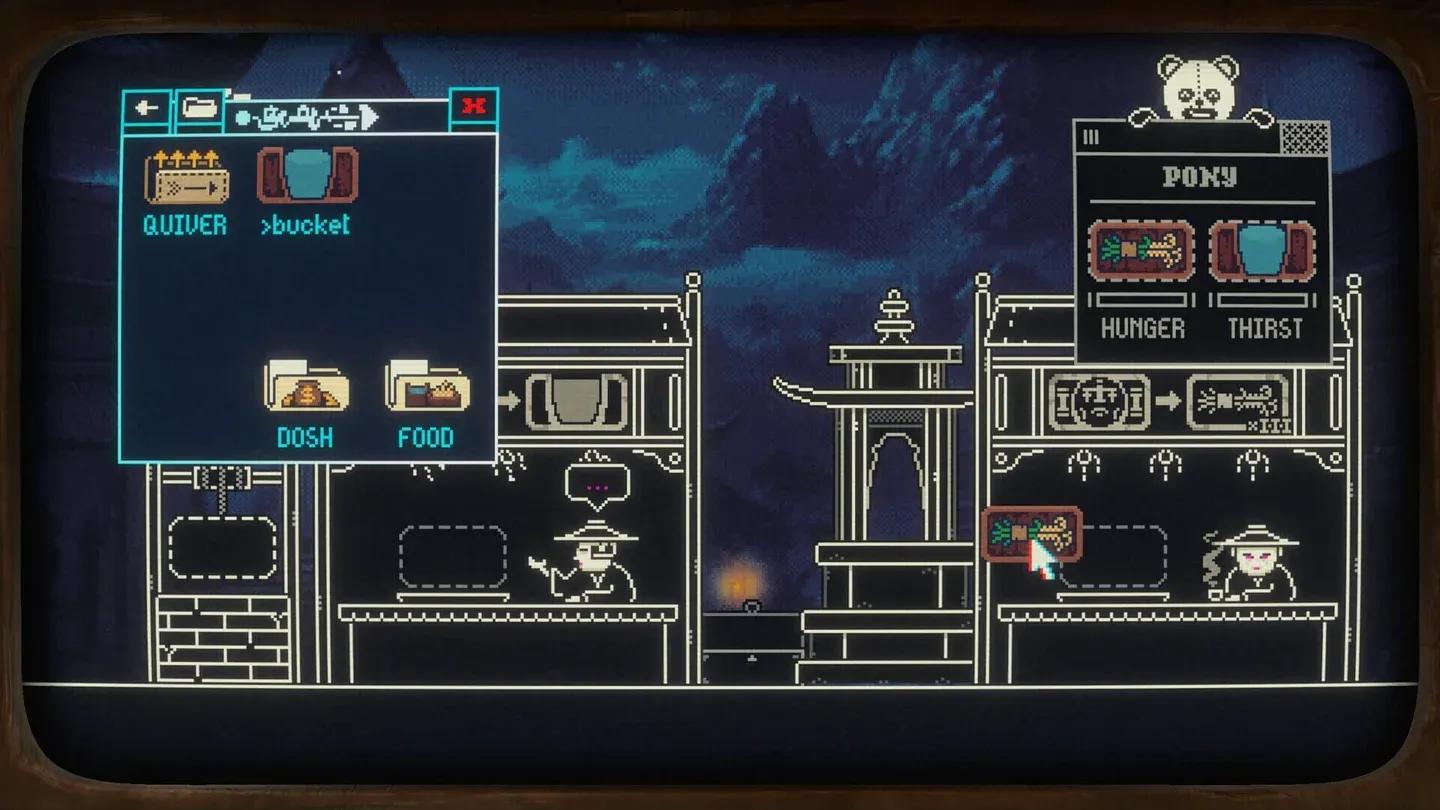
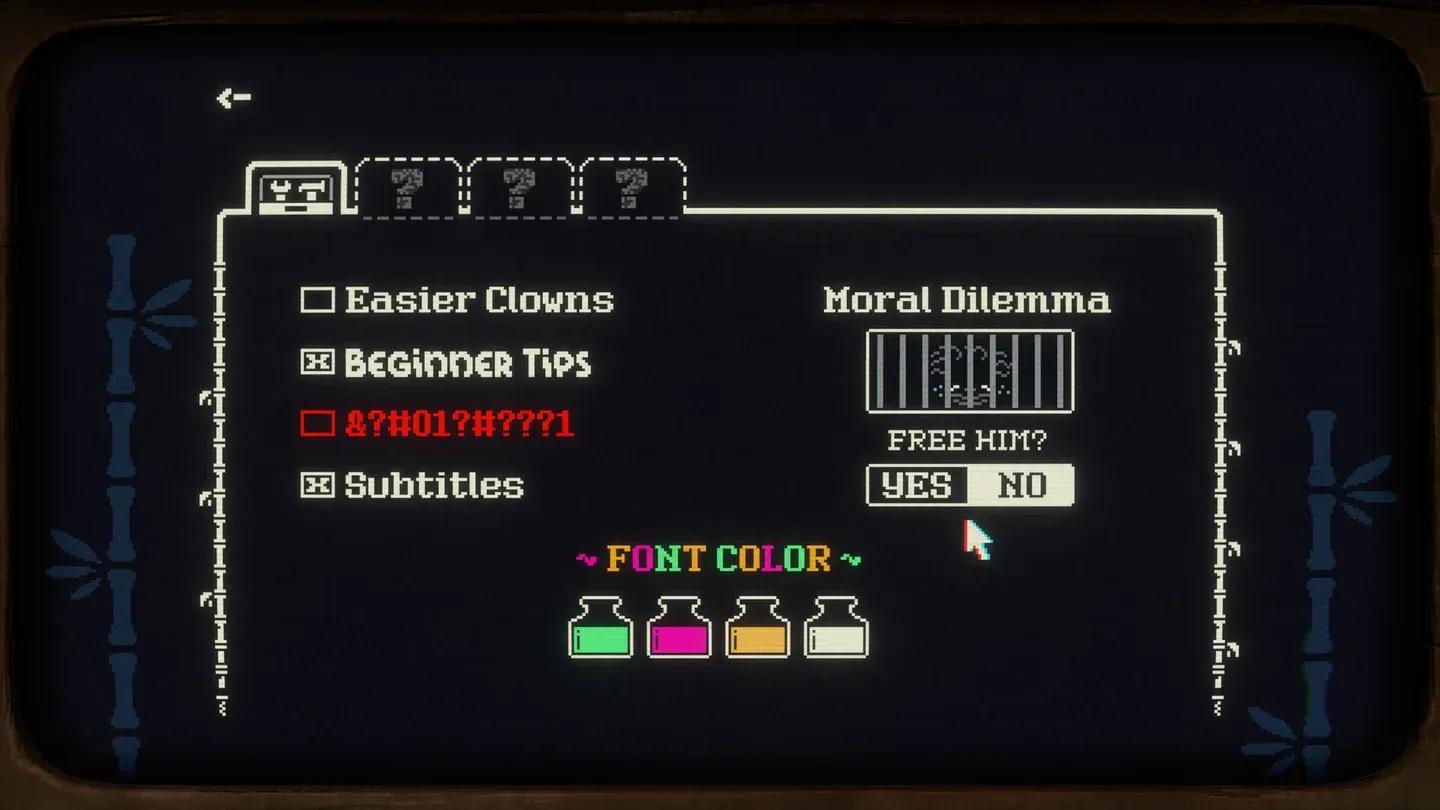
The core loop in Panda Circus involves confronting the underworld's ruling deities and engaging with the games they control. The key features shaping that loop include:
Pony Island 2: Panda Circus content image
- Soul bargaining with individual deity characters
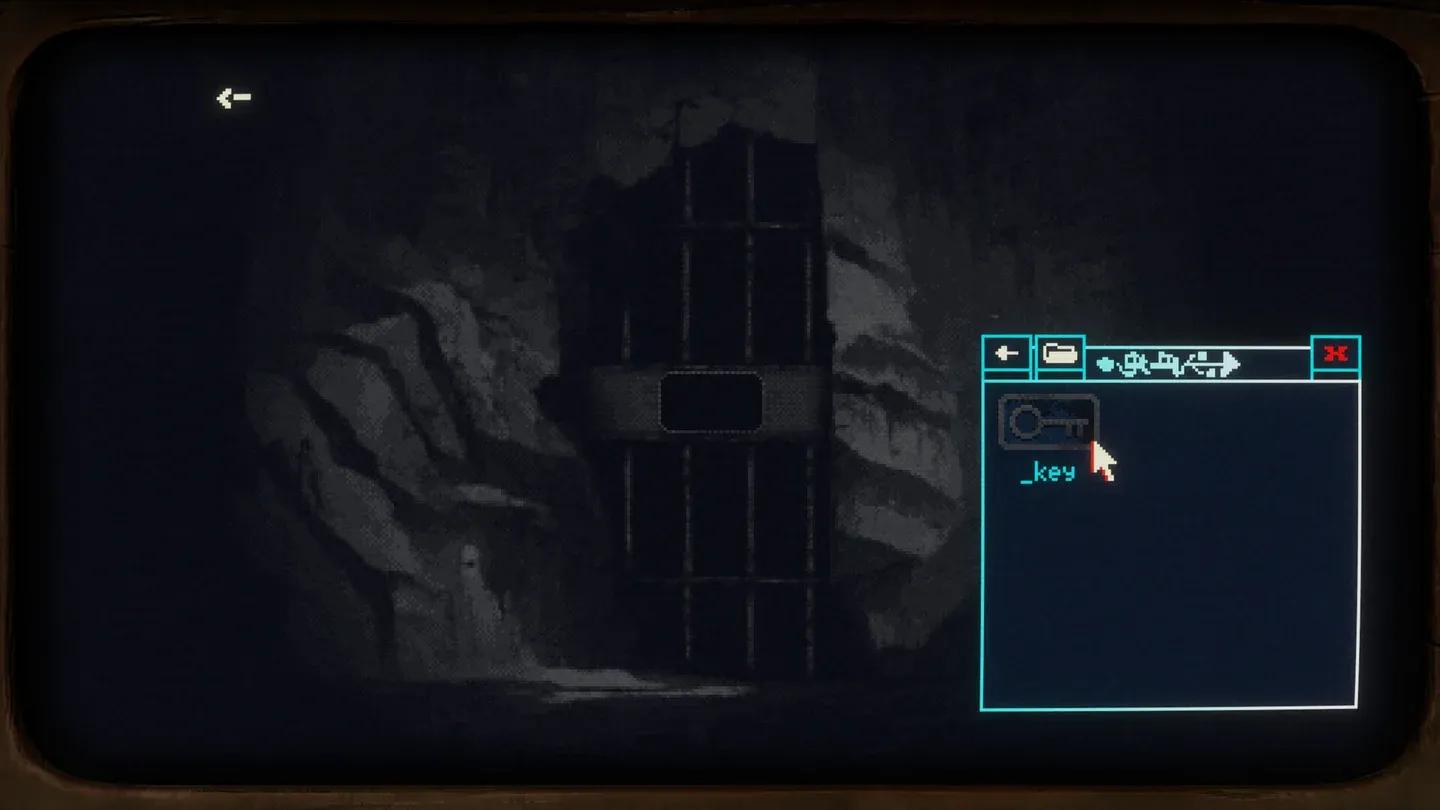
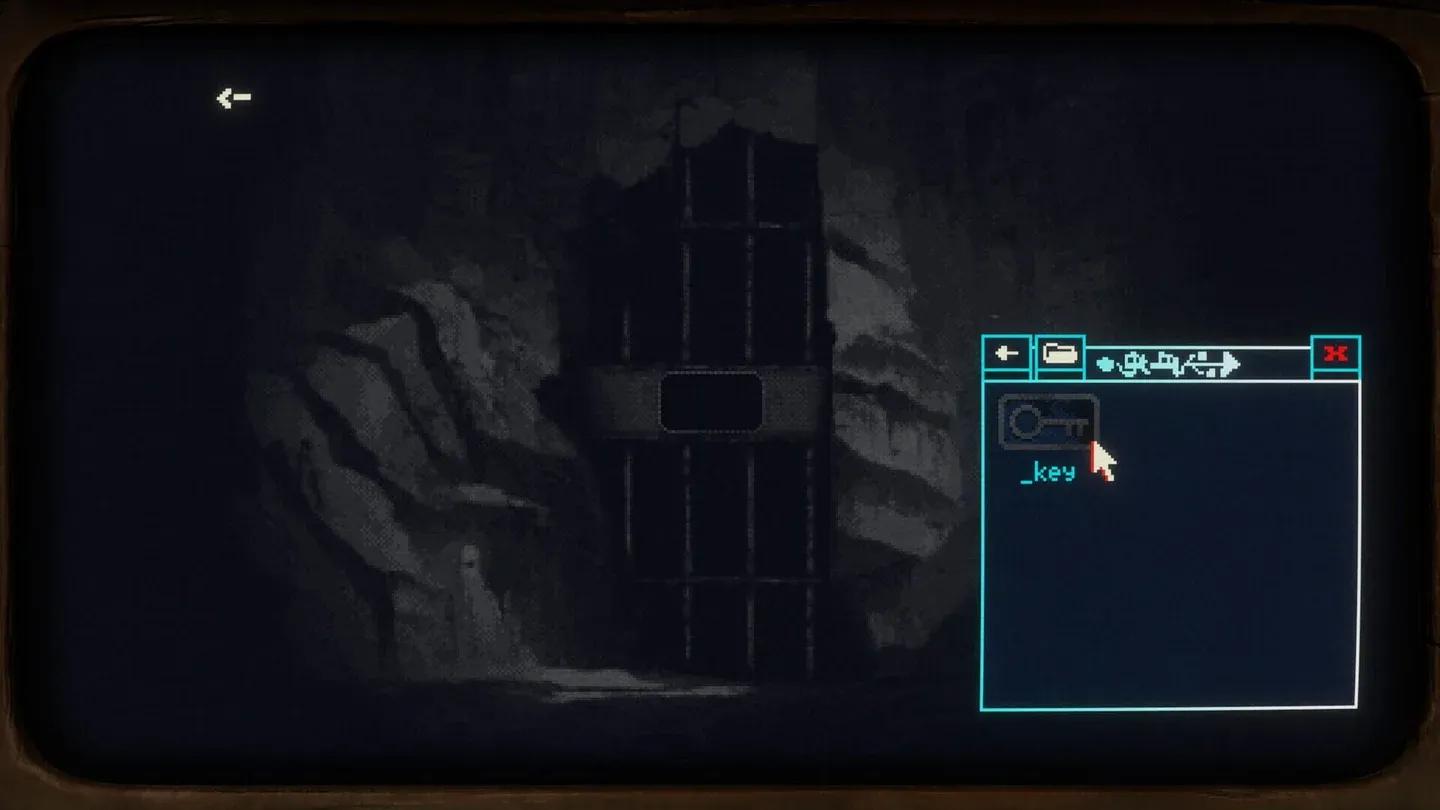
- Puzzle-solving using a steed and a thumb drive as core tools
- Meta-game manipulation, bending or exploiting the rules of each deity's game
- Narrative branching tied to destiny and transcendence
- Sanity as a resource or threat (the game mentions keeping it "intact")
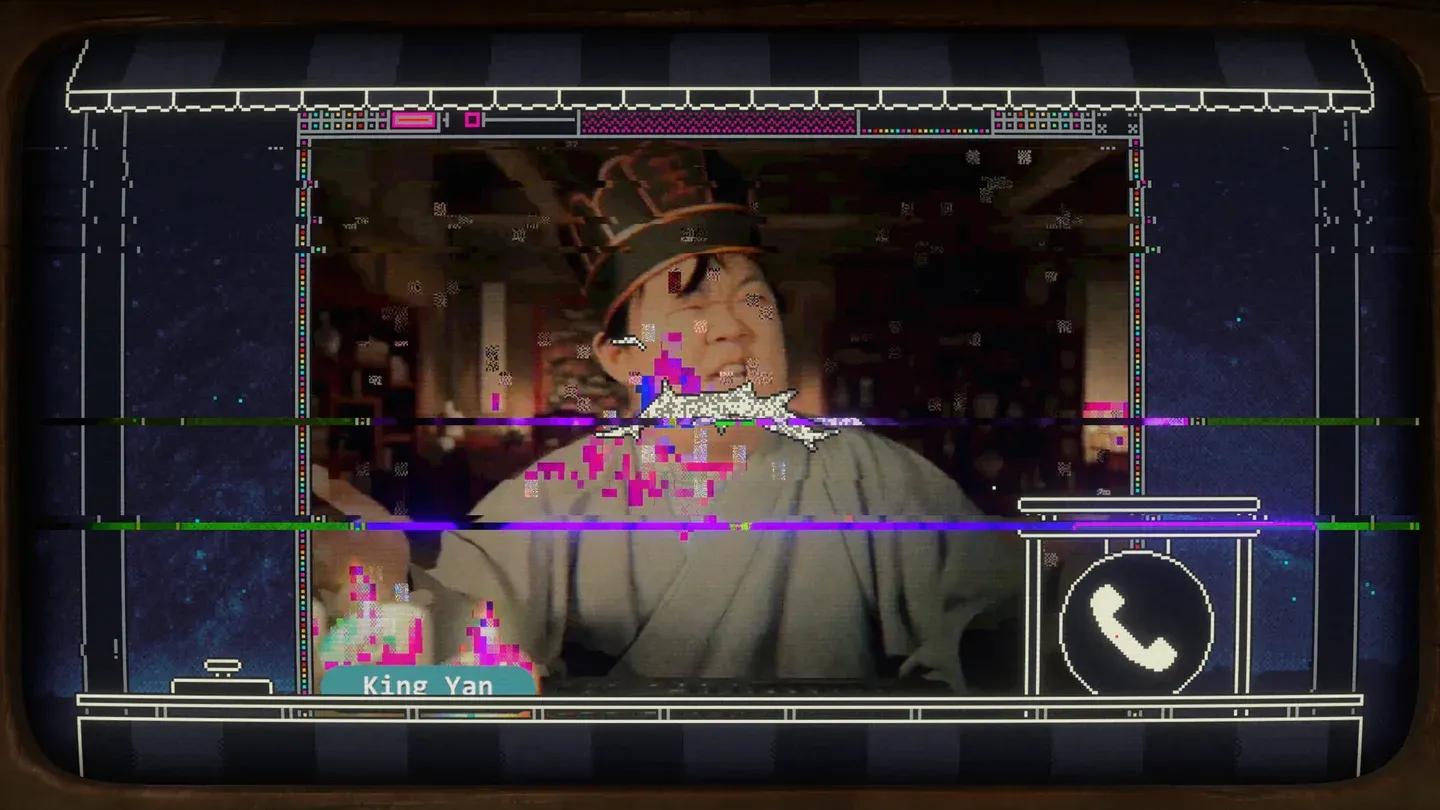
The thumb drive detail is telling. In the original Pony Island, manipulating the game's files and code was part of the puzzle design. Panda Circus seems to carry that idea forward, giving the player a literal piece of technology to work with inside a world built on myth and superstition. That friction between the modern and the ancient is where Mullins tends to hide his best ideas.
Pony Island 2: Panda Circus content image
World and setting: The Earth Prison
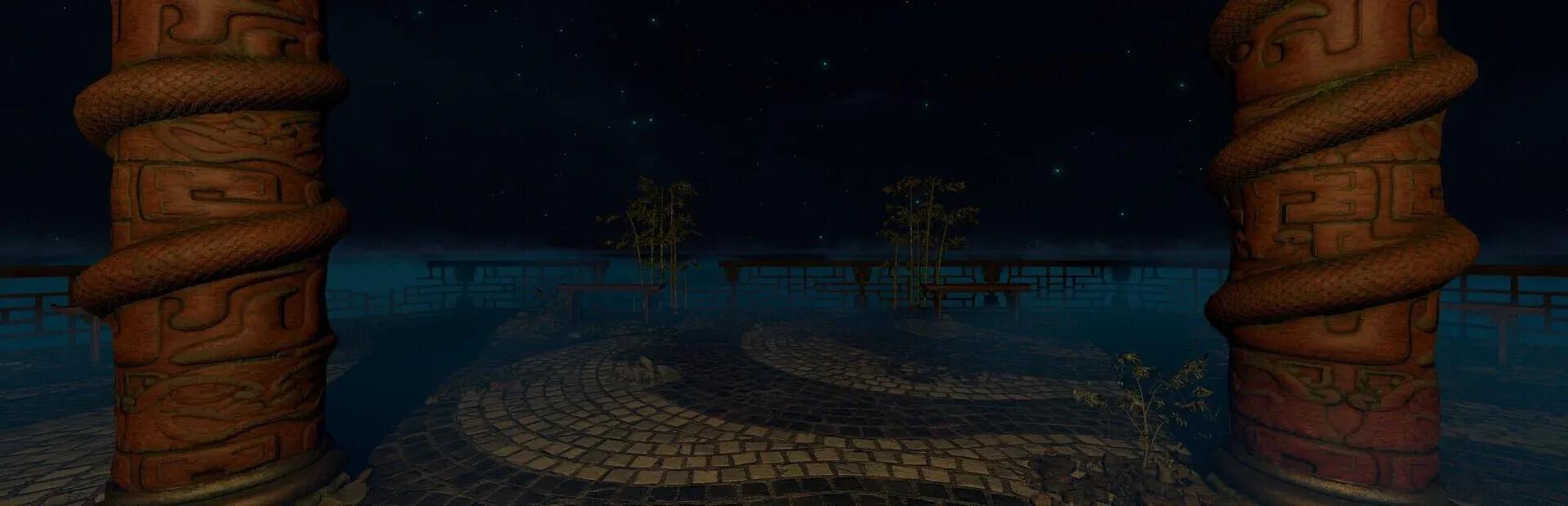
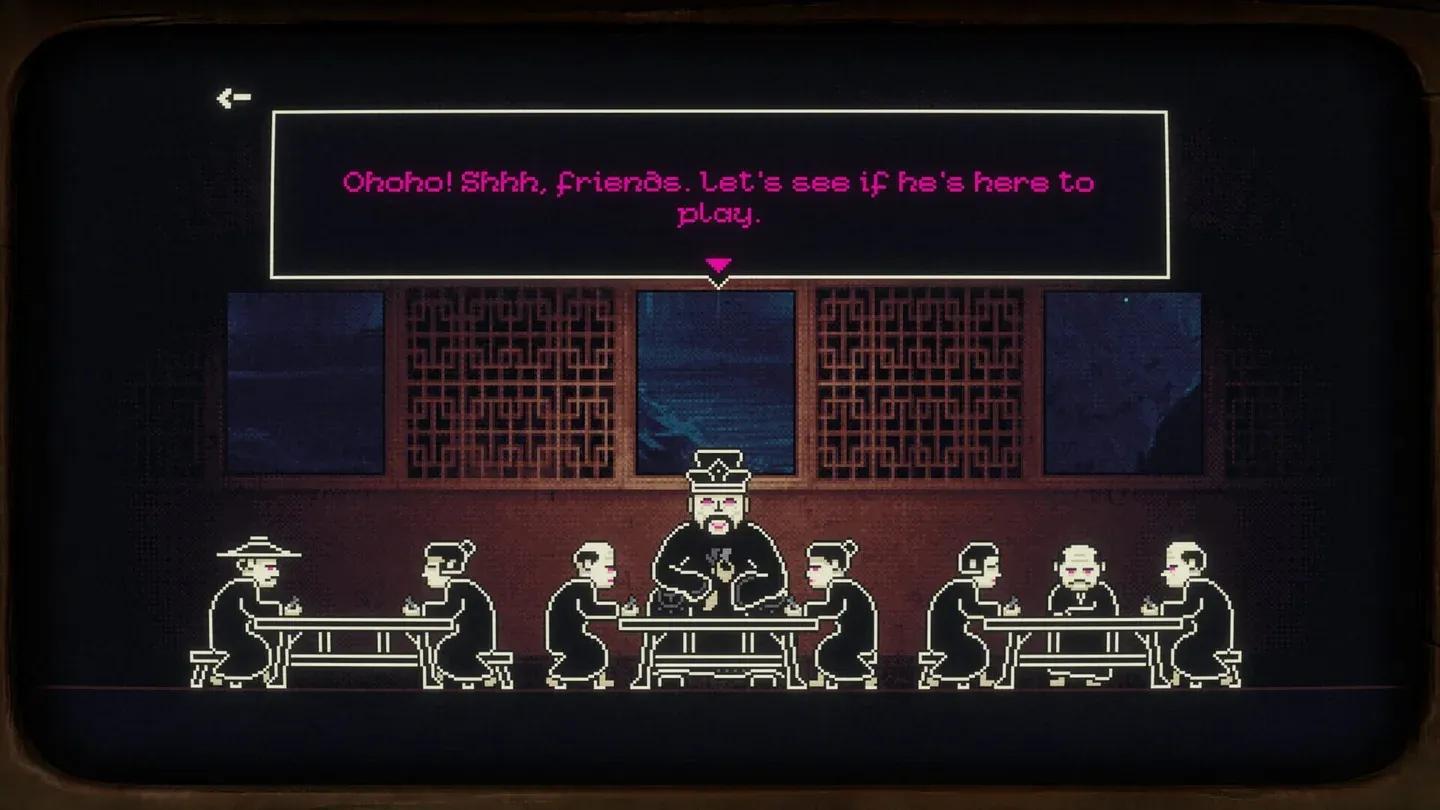
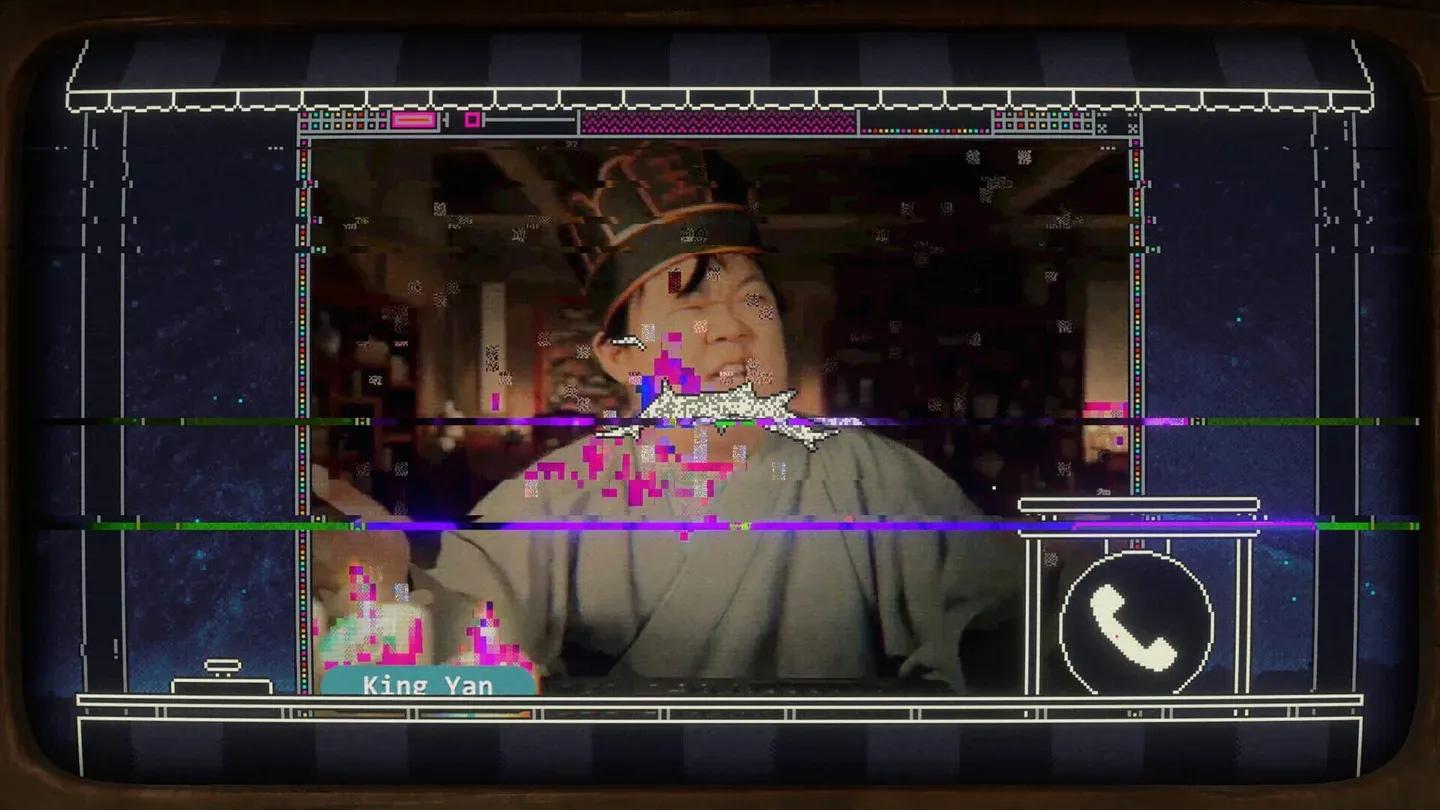
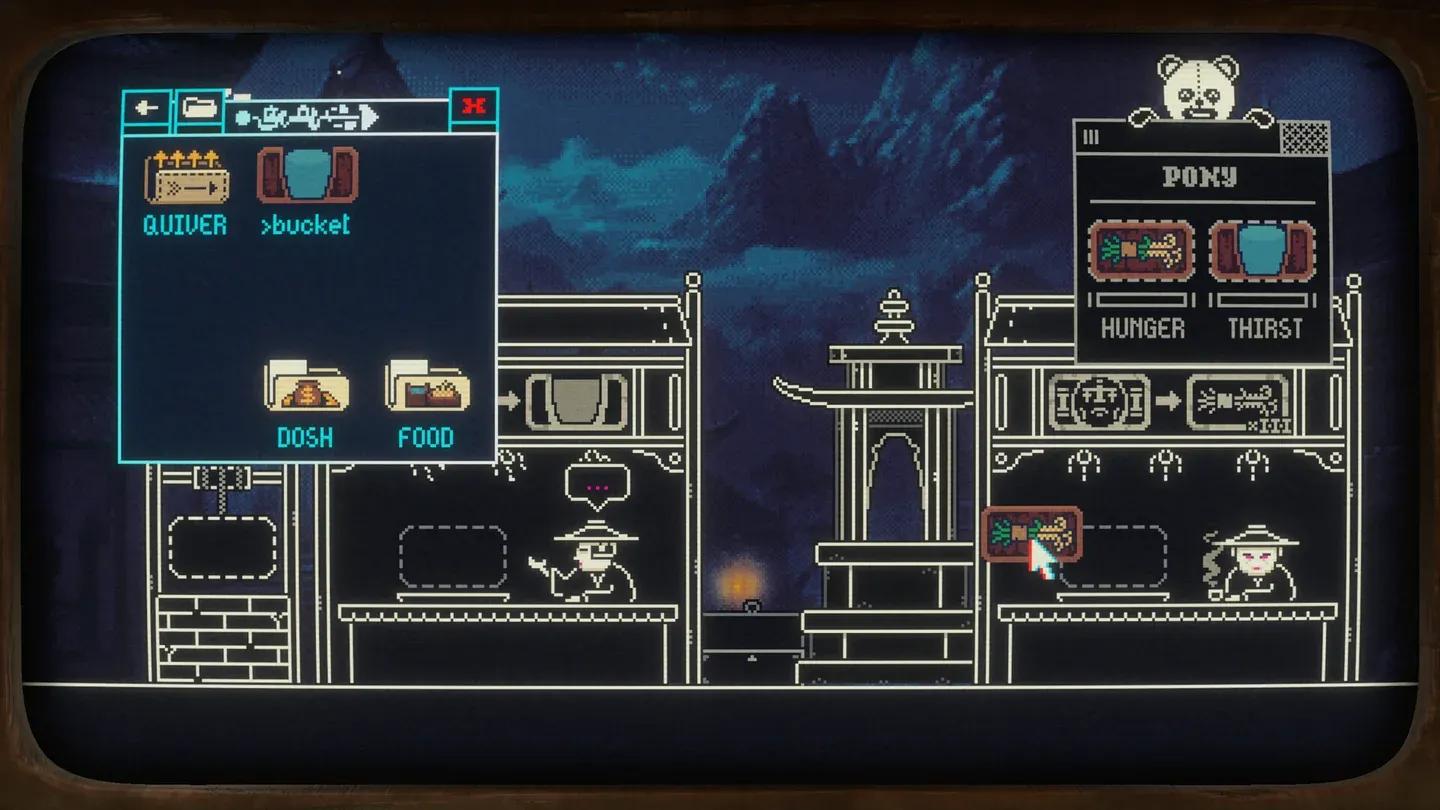
The Earth Prison is not a dungeon in the traditional sense. It's an underworld governed by multiple eccentric deities, each with their own domain and, apparently, their own game. The player character was on track to "conquer the world" before an early death rerouted everything here. That backstory gives the world a specific tension: you're not a hero, you're an interrupted conqueror trying to negotiate your way back to relevance.
Pony Island 2: Panda Circus content image
The setting pulls from time, myth, and divinity without anchoring to any single cultural tradition. That vagueness is intentional. Mullins builds worlds that feel like half-remembered folklore, familiar enough to feel real but strange enough to keep you off-balance. The circus framing of the subtitle adds a performative layer, suggesting the deities don't just imprison souls; they entertain themselves doing it.
Innovation and unique features
What separates Panda Circus from other indie puzzle adventures is Mullins' commitment to using the game medium as the subject matter. The puzzles aren't just clever obstacles; they're arguments about what games are and what they can do to the person playing them. Inscryption earned a Metacritic score in the low 90s and a reputation as one of the more formally ambitious games of the 2020s. Panda Circus is arriving with that context already attached.
The meta puzzle adventure genre has seen plenty of entries that gesture at fourth-wall breaking without fully committing. Mullins commits. The original Pony Island had players editing game files as part of its puzzle design. If Panda Circus extends that logic into a bigger, stranger world populated by divine antagonists and a player character with actual mythological stakes, it has the structure to be something genuinely hard to categorize, which is exactly where Daniel Mullins Games tends to do its best work.
| Requirement | Minimum | Recommended |
|---|---|---|
| OS | - | Windows 10 |
| Processor | Intel Core i5-760 (4 * 2800); AMD Athlon II X4 645 AM3 (4 * 3100) | Intel Core i5-3470 (4 * 3200); AMD FX-4350 (4 * 4200) |
| Memory | 4 GB RAM | 8 GB RAM |
| Graphics | GeForce GTX 550 Ti (3072 VRAM); Radeon HD 6850 (1024 VRAM) | GeForce GTX 1050 2048 VRAM; Radeon RX 460 4096 VRAM |