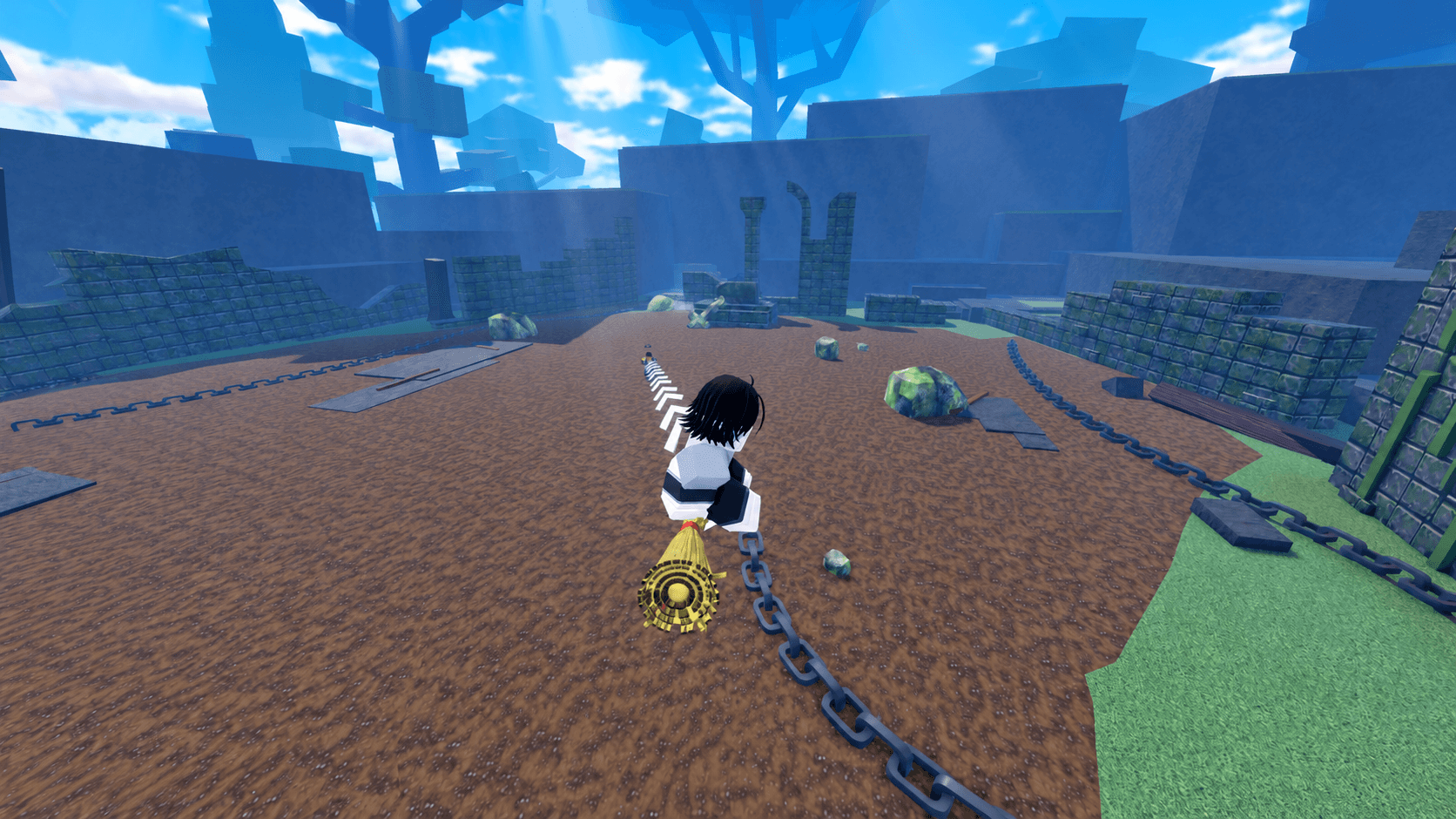
Steal an Egg on Roblox runs on one loop that never really changes: grab an egg, escape the animal guarding it, hatch a pet, and watch that pet generate passive income every second. The loop sounds simple because it is. What separates players earning a few thousand per second from those banking billions comes down to which eggs they target, how fast they move, and what they do with duplicate pets sitting idle in the garden.
How does income actually work in Steal an Egg?
Pets are the engine behind every dollar earned. A pet placed in your garden generates money automatically, and that income rate is fixed to the specific pet's species, size, and mutation. No pet in the garden means no passive income, which is why a failed egg run costs more than just time. The egg itself is worthless until it hatches and the pet starts earning.
The game currently holds 86 pets spread across 10 biomes, and the income gap between a Forest pet and a Cherry Blossom pet is not subtle. Kitsune, the Divine pet from Cherry Blossom, earns $1,800,000,000 per second, which is more than every other biome's top earner combined. That number frames the entire guide: every decision should move you toward pets that actually pay.

Garden income per second view


What are the best pets to target in each biome?
Every biome has one standout earner that outpaces the rest of its lineup by a significant margin. Farming that pet specifically instead of settling for whatever hatches first is the single biggest efficiency gain available without spending anything extra.
| Biome | Top Pet | Rarity | Income per Second |
|---|---|---|---|
| Forest | Brr Brr Patapim | Legendary | $1,800 |
| Lake | Leviathan | Cosmic | $220,000 |
| Desert | Royal Sphinx | Cosmic | $280,000 |
| Jungle | King Snake | Secret | $3,500,000 |
| Snow | Ice Dragon | Eternal | $65,000,000 |
| Volcano | Lava Dragon | Eternal | $100,000,000 |
| Abyss Ocean | El Maja | Eternal | $130,000,000 |
| Prehistoric | Mosasaurus | Eternal | $180,000,000 |
| Cosmic | Unicorn | Divine | $1,000,000,000 |
| Cherry Blossom | Kitsune | Divine | $1,800,000,000 |
For players still building toward the late game, Royal Sphinx in Desert and King Snake in Jungle are the two strongest realistic mid-game targets. Both pay well past six figures per second without requiring Eternal or Divine luck, and both are reachable before speed training reaches its peak. Check our complete eggs, pets, and income rates guide for a full breakdown of every pet ranked by biome and rarity.
How to escape safely with every egg
Taking an egg is the easy part. The moment you pick one up, the animal guarding it starts chasing you, and a failed return pays exactly nothing. After testing dozens of routes across multiple biomes, the pattern is consistent: most failed runs come down to route problems or speed gaps, not bad luck.
A few checks before grabbing an unfamiliar egg cut down on losses considerably.
- Scout the full return path first. Narrow corridors, blind corners, and jumps slow escapes more than the chasing animal does.
- Target the largest egg the platform offers when speed allows. A bigger egg hatches into a pet with higher income, so passing on a larger egg to play it safe usually costs more money long-term.
- Watch other players mid-transport. Eggs can be stolen from someone already carrying one, making a player running home a faster target than a guarded platform.
- Match the egg to your current speed. Some eggs reduce effective escape speed while carried, so overtraining before attempting a new platform builds the margin needed to absorb that penalty.

Escaping with a biome egg
How to train speed fast
Speed controls which platforms are reachable and how cleanly escapes finish once an animal starts chasing. Getting caught close to the garden almost always points to a speed gap rather than a route problem.
Treadmill upgrades
The treadmill unlocks with the first garden upgrade, which costs $1,000. Every subsequent treadmill upgrade makes speed training more efficient, so the time spent on it compounds over the course of a session. Upgrade it consistently rather than treating it as a one-time purchase.
Trails and speed multipliers
Trails are not cosmetics. Each trail carries a flat speed bonus that stacks on top of treadmill gains, and the difference between a weak trail and a strong one can close the gap between a failed escape and a clean one. Check the trail shop whenever income increases and compare bonuses before committing.
For a full ranking of every trail and its speed bonus, the Steal an Egg mutations guide covers multipliers that affect both pet income and character performance.
How to read escape outcomes
| Escape Result | What It Means | What to Do |
|---|---|---|
| Clean escape with room to spare | Speed is sufficient for this route | Repeat and build income |
| Caught near the garden | Speed is close but not quite there | One treadmill or trail upgrade may fix it |
| Caught halfway home | Speed is still too low | Return to an easier egg and train more |
| Sharp slowdown after grabbing the egg | Egg is too heavy for current speed | Choose a smaller egg or overtrain first |
What does the Fuse Machine do and when should you use it?
The Fuse Machine takes three copies of the same pet and combines them into one upgraded version with a higher income rate than any of the originals. Duplicate pets sitting unused in the garden are effectively dead weight until they go through the Fuse Machine.
A few things to check before fusing.
- Pet size matters. A larger version of a pet earns more per second than a smaller version of the same species, so two players hatching the same egg can end up with meaningfully different income rates.
- Mutations push income above standard rates. Rare mutations on a pet change its earning potential independently of rarity tier.
- Fusing active earners reduces income temporarily. Combine duplicates and extras first. Pulling three of your best active pets to fuse them can lower total garden income until the fused result is placed.
The Fuse Machine turns what looks like clutter into a genuine upgrade path. Stack three matching pets and fuse as soon as they accumulate rather than holding onto them indefinitely.
What free rewards should you claim at the start?
Before running a single egg route, collect every available freebie. Liking and favoriting the game on Roblox, then joining the official community, rewards an immediate 10,000 Speed boost. That head start compresses early treadmill grinding considerably.
The Index also rewards you every time you hatch a pet you have never owned before. Open the Index after each new discovery and hit the claim button on any unlocked reward. Free money, speed bonuses, and other resources sitting unclaimed in the Index do nothing.
Common mistakes that stall income growth
A handful of habits slow income even during otherwise efficient sessions. Most are easy to fix once identified.
- Chasing eggs above current speed. Failed runs earn nothing and waste time that could be spent training.
- Ignoring the treadmill after the first upgrade. Speed training compounds, and a stalled treadmill makes every later stage harder to reach.
- Settling for the first pet a biome offers. The gap between an average pet and a biome's top earner reaches millions of dollars per second in later zones.
- Holding duplicate pets instead of fusing them. Three duplicates sitting idle could be one stronger pet generating more income.
- Spending on small upgrades before a major biome push. Purchases that do not raise speed or income meaningfully delay the next big jump.
- Ignoring Index rewards. Every new pet discovery can unlock free resources that accelerate the next upgrade.
For more egg-focused strategies across different Roblox games, the Roblox guides collection covers everything from hatching mechanics to biome-specific farming routes.