

This Rust Crocodile Pie guide explains how to craft and eat this dish to effectively repel dangerous animals, as detailed in the PRINTED AND POLISHED update from November 5, 2026.
Where do you make Crocodile Pie?
Crocodile Pie requires a Cooking Workbench. The recipe has no standard Workbench tier requirement, but you still need the cooking station to make it.
The meat ingredient is Cooked Crocodile Meat. Crocodile meat harvested in the jungle supplies that ingredient once cooked, so prepare the meat before assembling the pie.


Ingredients for one pie or a full stack
Each recipe produces one Crocodile Pie, and the finished item stacks to three. Use the second quantity column if you want to prepare a full stack in advance.
| Ingredient or output | One recipe | Three recipes |
|---|---|---|
| Wheat | 3 | 9 |
| Egg | 3 | 9 |
| Cooked Crocodile Meat | 2 | 6 |
| Crocodile Pie produced | 1 | 3 |
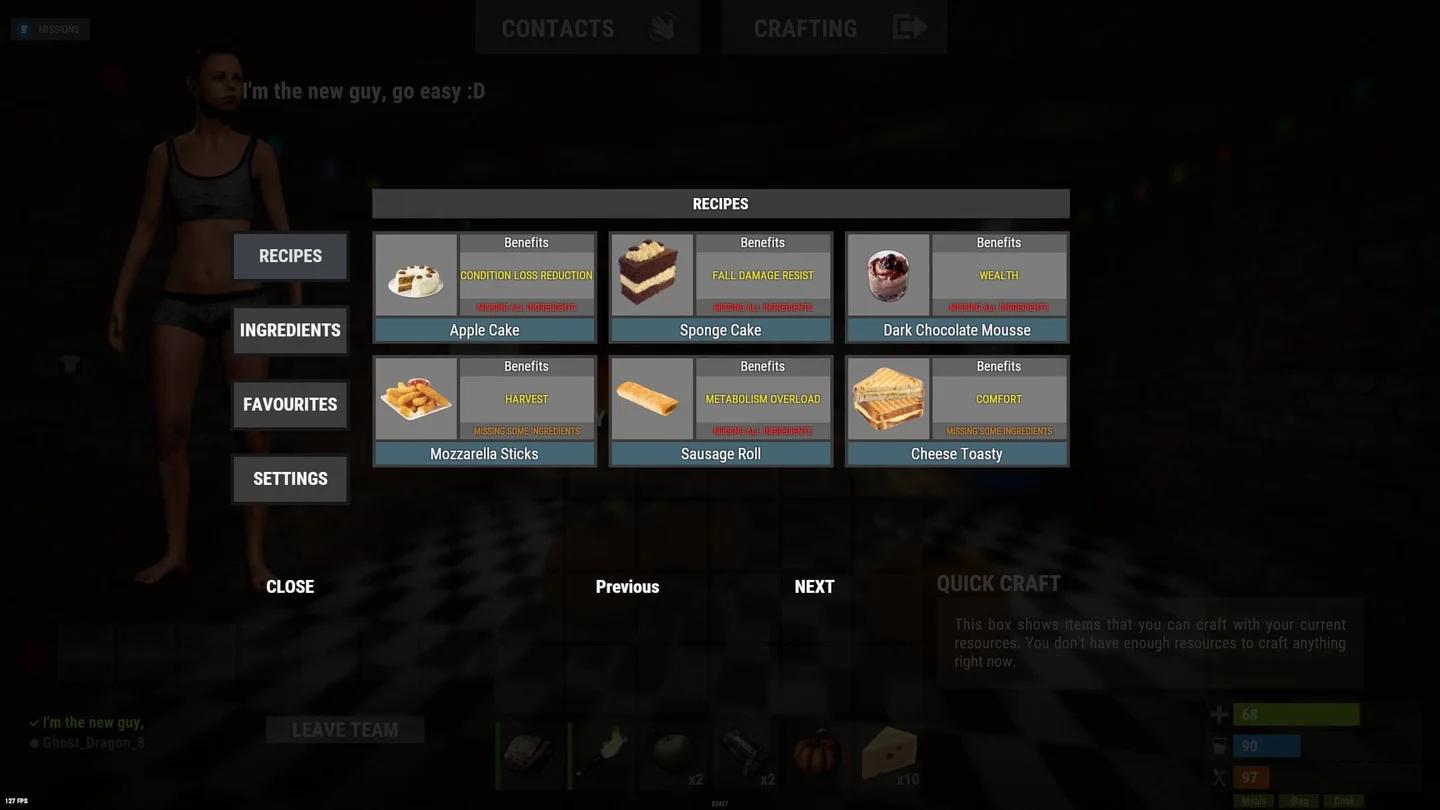
Prepare the Crocodile Pie recipe
Crafting steps
- Gather the Wheat and Eggs for the number of pies you want.
- Cook your Crocodile meat and set aside the required portions.
- Open the Cooking Workbench and use the Crocodile Pie recipe.
- Collect the finished pie and put it in your hotbar when you're ready to use it.
For farm setup, finish this preparation before approaching the livestock. The deterrent is a consumed effect, so carrying an uneaten pie is only preparation for the encounter.
Which animals does Crocodile Pie keep away?
Crocodile Pie intimidates nearby animals and causes them to keep their distance. Its targets include land predators, Sharks, and Bees, so its use extends beyond livestock pens.
Wildlife that keeps its distance
The update explicitly names these animals:
| Animal | Response to Crocodile Pie |
|---|---|
| Wolves | Keep their distance |
| Bears | Keep their distance |
| Boars | Keep their distance |
| Sharks | Keep their distance |
| Bees | Keep their distance |
The effect applies to most animals, but this list is not an exhaustive list of every affected species. Use these named animals when deciding whether the pie addresses a threat on your route.
The Shark interaction makes the pie relevant to water travel, too. If a trip covered by the Rust Naval Update guide includes time in the water, consider the pie for its wildlife-deterrent effect.
How Rams and Bulls respond
Rams and Bulls do not flee, but they won't charge you. This is the livestock-specific benefit: the pie suppresses the charge without making those animals run away.
Choose it when you need to work near these animals, not when your goal is to clear them out of an area. Their response differs from the distance-keeping behavior of the wildlife listed above.
Why use Crocodile Pie for a livestock farm?
Crocodile Pie is useful during farm setup because you may need to approach livestock before the pen and feeding arrangements are finished. Its livestock interaction lets you focus on that work without provoking Ram or Bull charges.
Treat the pie as preparation for handling the animals. Ownership, food supply, and pen capacity still belong to the livestock systems, so plan those alongside the deterrent.
Plan ownership and food separately
For cows, ownership comes from buying the animal or having it eat at your trough. Staying nearby is no longer required to preserve ownership, although leading still has its own proximity requirements.
The trough interface now shows how long its food can sustain a group of cows, similar to building upkeep. Check that estimate when planning the herd's food supply. Enough grass in the pen also makes cows eat from the trough half as often.
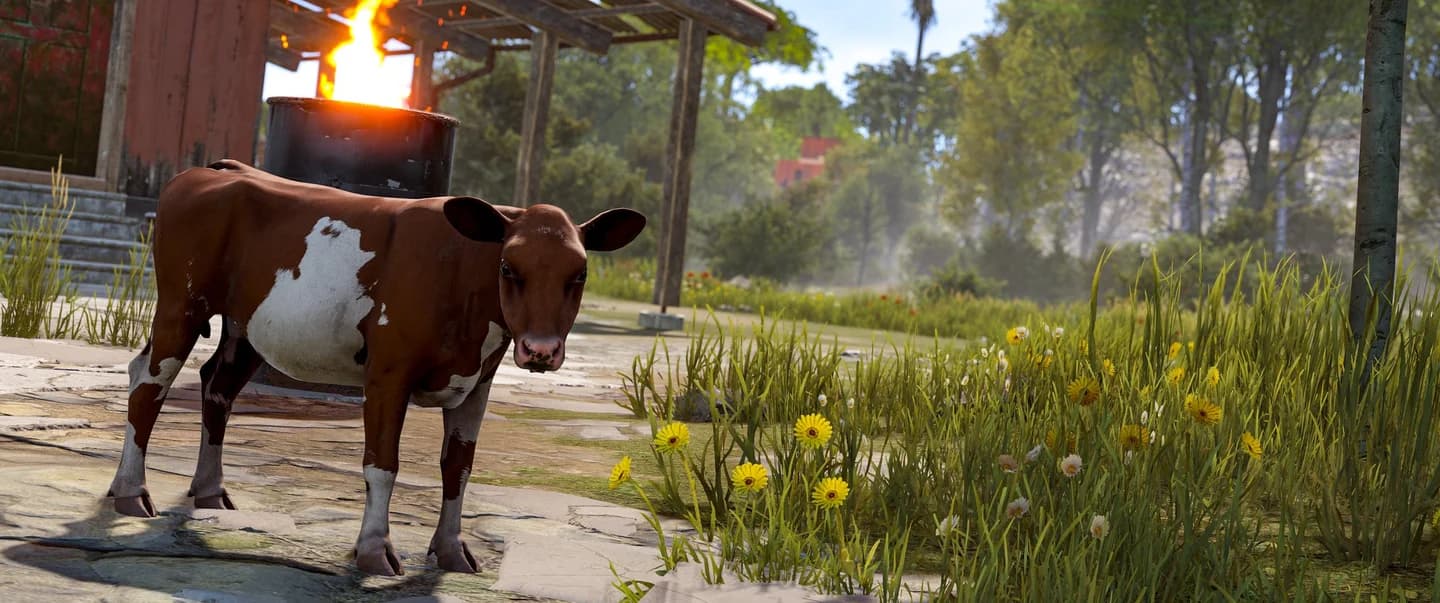
Check the herd's food supply
If the farm also includes sheep, their wool can supply Rust's Wool Armour Insert, which adds a large cold-resistance bonus alongside small melee and projectile protection bonuses.
What does the rich version change?
The rich version doubles the animal-deterrent duration. Choose between the versions based on how long you expect the work or trip to take.
| Version | Deterrent duration | When to choose it |
|---|---|---|
| Standard Crocodile Pie | 30 minutes | A shorter trip or livestock task |
| Rich version | 60 minutes | A longer work session or route |
Choose duration around the task
Use a standard pie when the job fits within its effect window. The rich version suits longer sessions where you want more time between consumptions.
This is a duration upgrade. Base the choice on the length of the task, not on an expectation that the rich version will make livestock flee or change how you establish ownership.
How do you eat Crocodile Pie?
Equip the pie from your hotbar before consuming it. Pies also have a throwing action, so the mouse button you use determines whether you're eating your preparation or throwing it away.
Food restoration versus deterrent value
A standard Crocodile Pie also restores the following when eaten:
| Stat | Restoration |
|---|---|
| Calories | +80 |
| Hydration | +15 |
| Health | +2 |
The health restoration is small. Reserve a pie for its animal interaction when that is the problem you need to solve, instead of choosing it primarily to recover health.
Throwing is a separate use: a successful hit deals 10 damage to an unarmored player's body or 15 damage to the head. It does not perform the consumption action needed for your food benefits and deterrent preparation.
Match the pie to the threat
For coastal trips, Rust's roaming scientist boats require a separate plan. They engage geared players under the patrol helicopter's targeting rules; the pie's role on the same trip is managing animals.
Before leaving, identify the animal encounter you expect, choose the duration that fits, and eat the pie before approaching. For Rams and Bulls, plan to work around animals that remain nearby without charging.