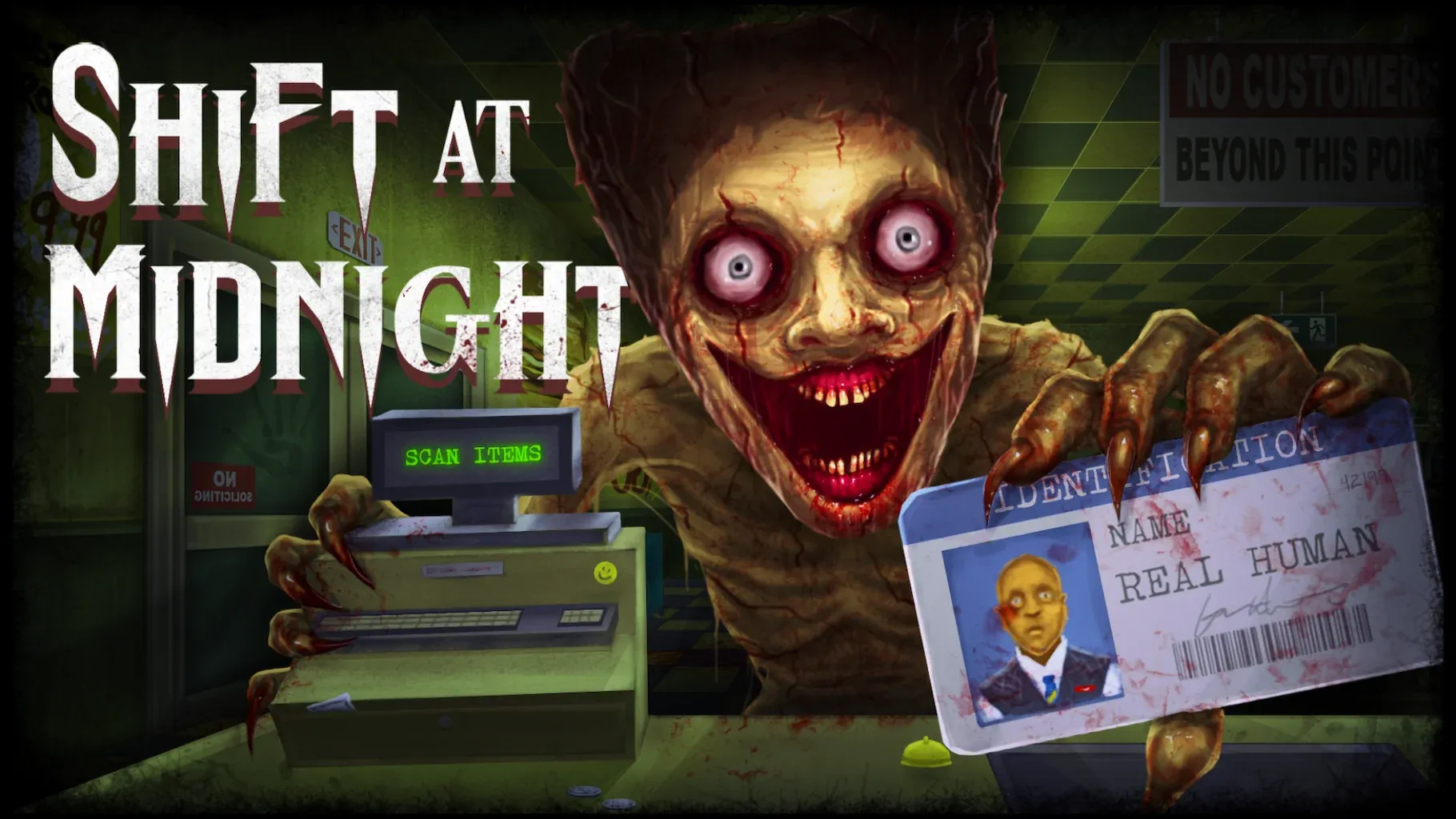


Shift At Midnight is a horror supermarket simulator built around one goal: earn enough money during 13 nights of increasingly chaotic shifts to pay for your pet's surgery. The ending you get depends on two choices: whether you call Sheriff Clyde on night 12, and whether you've saved up $250 by the final shift. Get both right and everyone lives. Miss one, and the consequences are permanent.
Story Mode runs exactly 13 shifts. Your personal funds (separate from store revenue) come from a $10 daily wage plus a 10 percent bonus on store revenue when you exceed the daily quota. That money pays for your pet's medicine between shifts and, most importantly, the surgery on night 13, which you're warned about after completing shift 10. Balancing medicine costs against surgery savings is the core tension of every run.
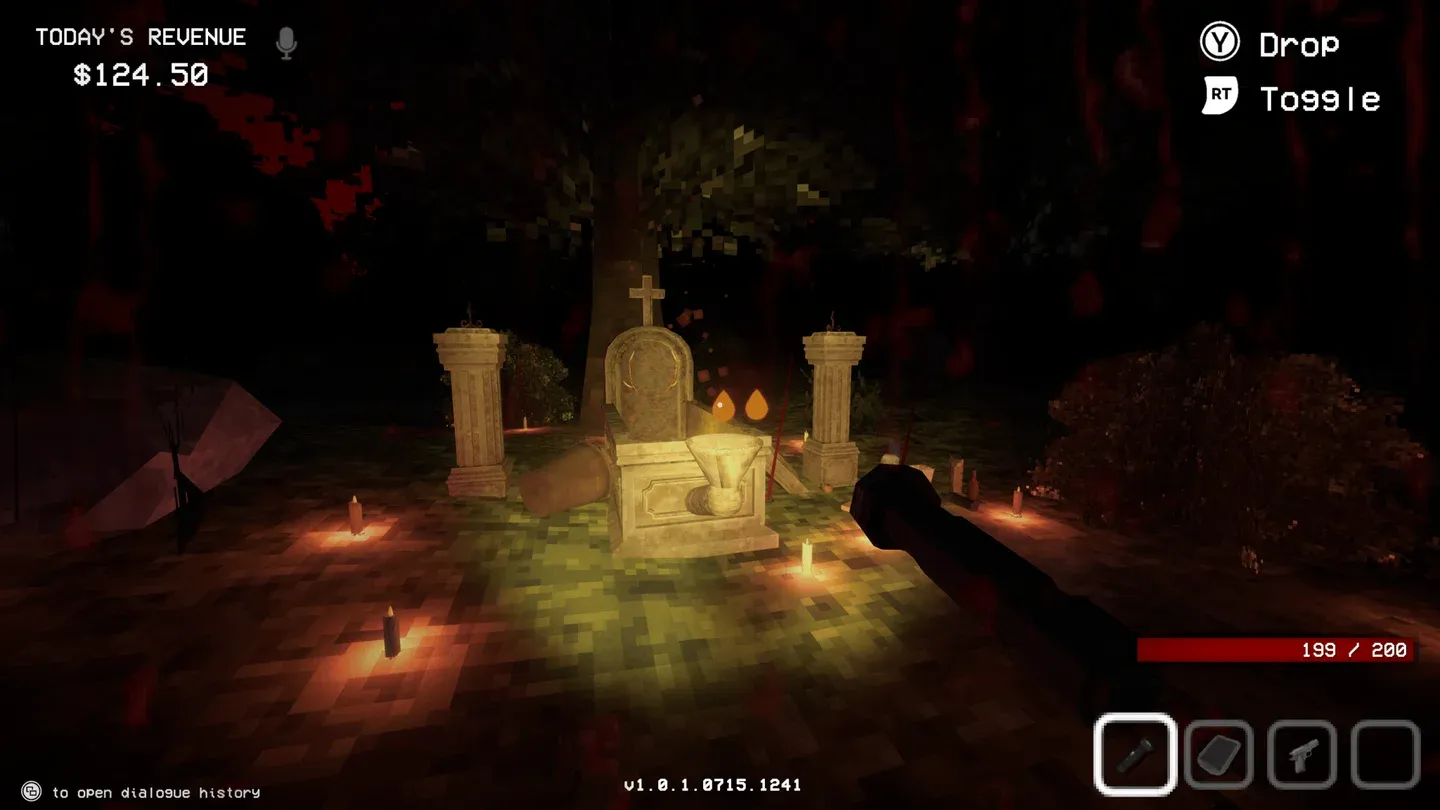
End-of-shift earnings breakdown
How does money work in Shift At Midnight?
The $10 daily wage is your baseline, but the 10 percent store revenue bonus is where real savings come from. To maximize that bonus, you need customers happy and spending, shelves stocked, and the store clean. Shooting human customers docks your pay at the end of the shift, so misidentifying a doppelganger as a regular customer is an expensive mistake.
Your pet can join you on shifts if you pay for their medicine, which genuinely helps during solo runs. The catch is that spending on medicine repeatedly drains the exact funds you need for the $250 surgery. Prioritize the surgery savings unless you're truly struggling with a specific shift.
All Shift At Midnight endings
Here's a quick comparison of all three outcomes before the full breakdown:
Grave Decision
If you reach night 12 knowing your funds won't hit $250 in time, you have the option to call Sheriff Clyde after completing that shift. Clyde visits the store during the final night at great personal risk. He doesn't survive, but his intervention covers the surgery cost and your pet lives.
This is the sacrifice ending. It's not a failure state, but it's the second-best outcome. You get a resolution, just not the one you wanted.
Empty Home
Don't call Clyde and fail to save $250 by night 13, and you get the worst outcome. Clyde survives because he never visits the store on the final night, but your pet doesn't make it through surgery. The store continues. The pet doesn't.
This ending is almost always the result of spending too freely on medicine during early shifts without building a savings buffer.
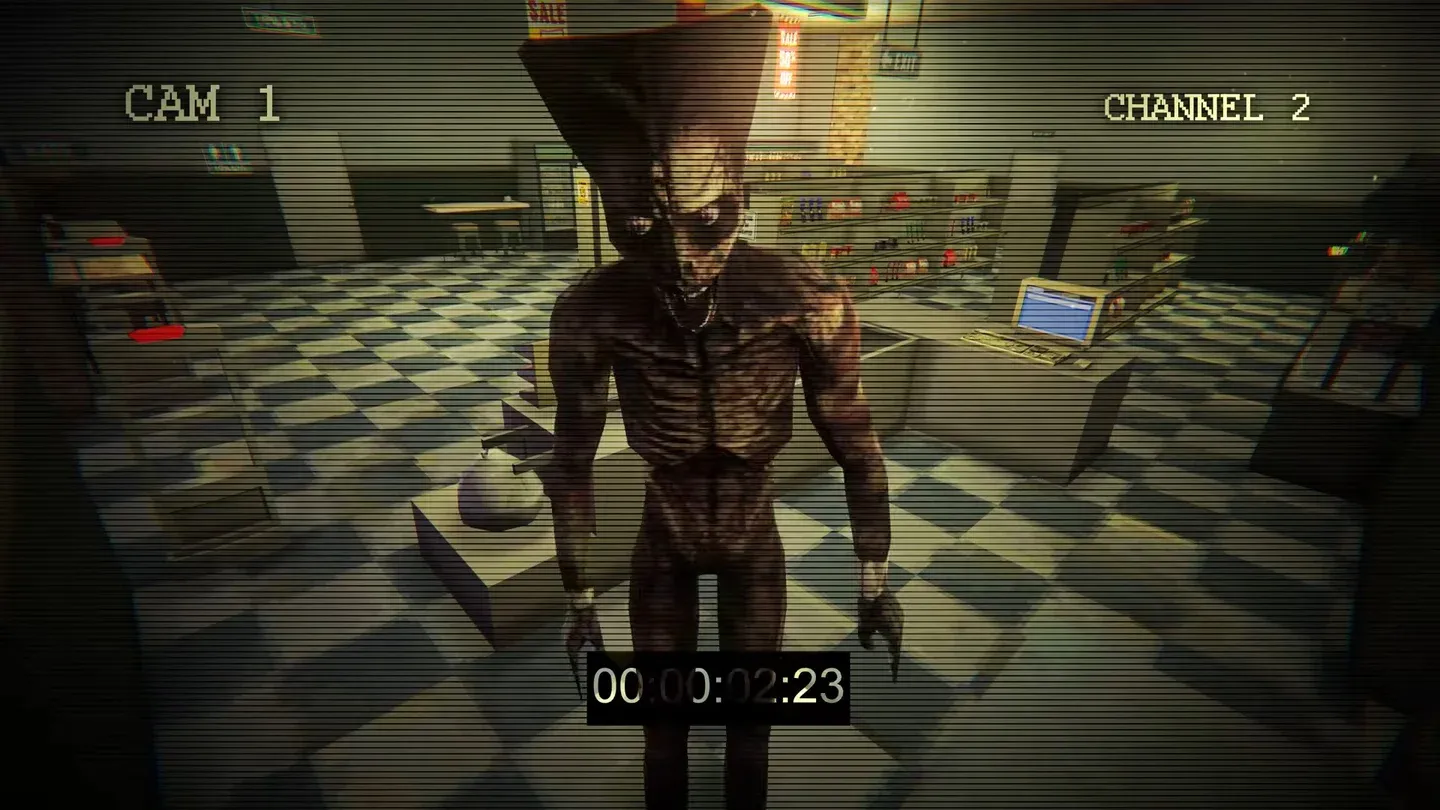
The entity's presence looms large
True Ending
This is the one worth grinding for. Don't call Clyde (he survives), and reach $250 before night 13 (your pet gets the surgery). Both characters make it out. Getting here requires consistent play across all 13 shifts, not just a strong final night.
Here's the shift-by-shift approach that makes $250 achievable:
- Search for Tokens at the start of each night before touching the notice board
- Spin the Token wheel aiming for $10 landing to maximize revenue share
- Keep shelves stocked at all times and serve customers quickly at the till
- Complete Store Manager requests like catching shoplifters or cleaning the forest for extra bonuses
- Upgrade the shopfloor when possible to improve customer satisfaction scores
- Never shoot human customers; if you're unsure whether someone is a doppelganger, let them go and focus on surviving the shift
- After identifying a doppelganger, complete their transaction first, then eliminate them to collect their money
- Clean up any mess from combat immediately: use the sledgehammer to destroy flesh and the hose to clear bloodstains (both available on the in-store computer and more efficient than the mop)
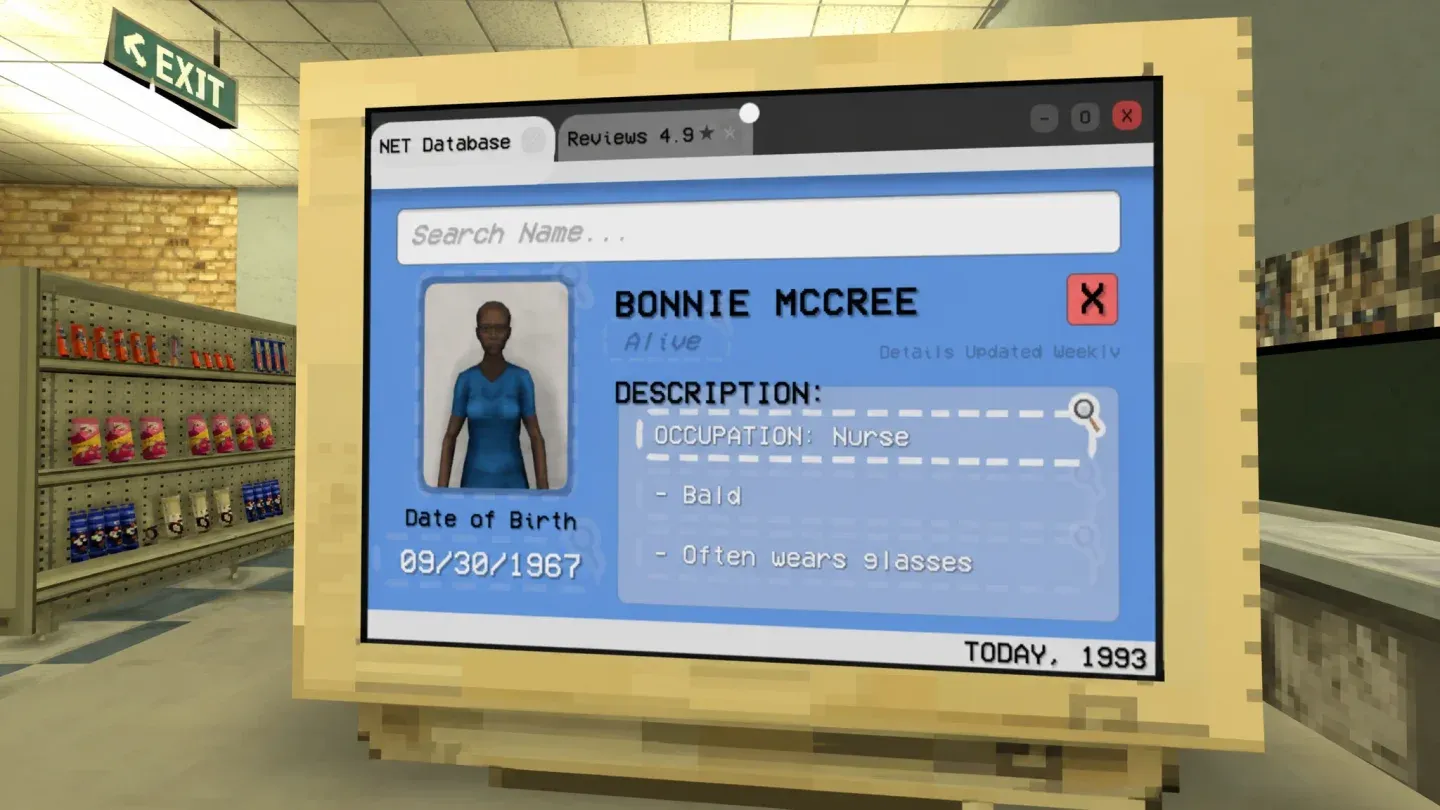
Verify customers with NET Database
What's the fastest way to earn $250?
The Token wheel is your biggest lever. Landing on $10 from the wheel each night compounds across 13 shifts, and combining that with Store Manager bonus tasks means some nights can pay out significantly above the base wage. The penalty for shooting humans is the main thing that kills runs, since one accidental kill can wipe out a night's bonus entirely.
Keeping the store clean matters more than most players expect. Mess left on the shopfloor reduces customer satisfaction, which hits your revenue numbers and, by extension, your bonus percentage. The sledgehammer and hose are worth buying early because the efficiency difference compared to the mop is noticeable across a full run.
The True Ending rewards players who treat every shift like a business rather than a survival scenario. Clean store, stocked shelves, happy customers, minimal friendly fire, and the $250 goal handles itself across the 13-night run.
For more strategies on getting the most out of every shift, check out the full Shift At Midnight strategy guides collection. If you're exploring other indie games with branching narrative systems, there's plenty more worth playing in the genre.