

Biggest discounts, free games, and limited-time offers across every major gaming store.
Never pay full price again.
Overview
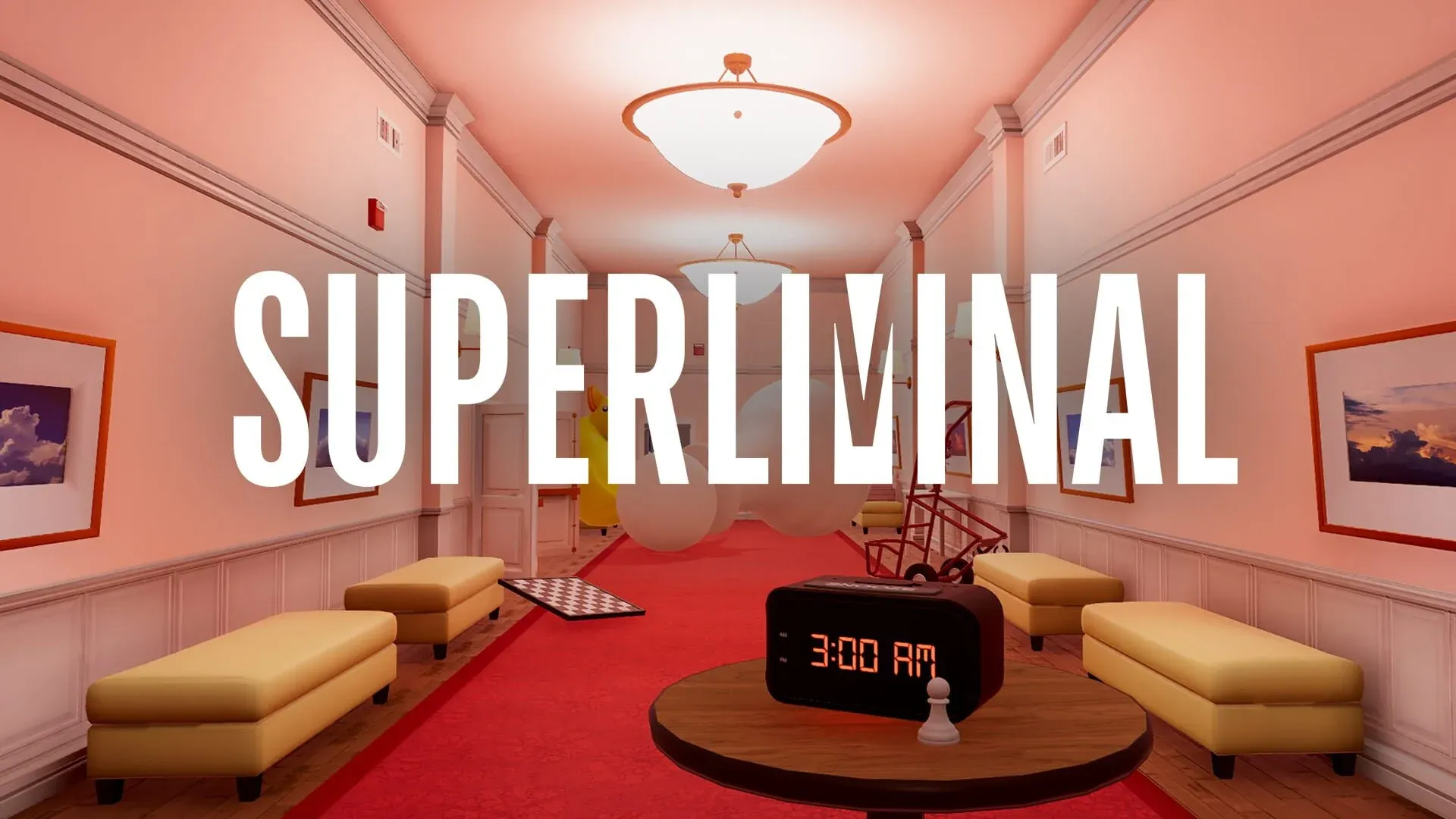
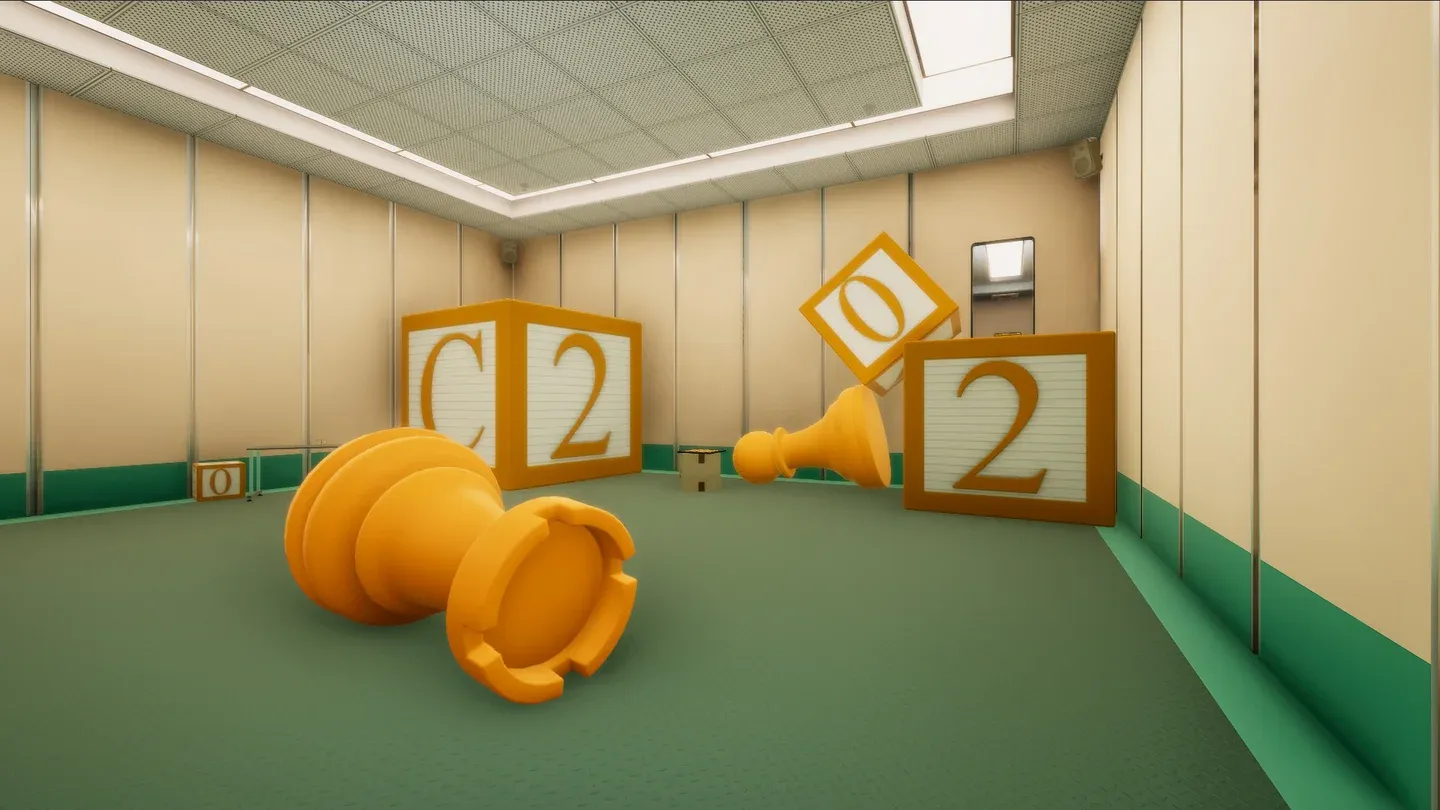
Superliminal is a first-person puzzle game developed and published by Pillow Castle, released in November 2020 across PC, consoles, and mobile platforms. The central mechanic is forced perspective: picking up an object and setting it down changes its size based on how far away it appears from your point of view. A chess piece grabbed from across a room becomes a massive block when placed at your feet. That single idea drives every puzzle in the game, and Pillow Castle squeezes a remarkable amount of variety out of it.
The premise frames the whole experience as a dream. You fall asleep watching an infomercial for Dr. Pierce's sleep therapy program and wake up inside it, moving through a series of sterile, clinical environments that gradually stop making spatial sense. A narrator guides you through the program with the measured calm of someone who absolutely knows things are wrong but won't admit it. The tone sits somewhere between Portal's dry humor and a late-night anxiety dream.
Superliminal content image
Gameplay and mechanics
The core loop is built on a handful of rules that the game keeps reinterpreting:
Superliminal content image
- Pick up objects to resize them using perspective
- Place objects to create platforms, bridges, or keys
- Reframe your viewpoint to reveal hidden geometry
- Exit doors that appear blocked by finding the right angle
- Combine illusions to solve multi-step puzzles
What makes Superliminal work is that the puzzles rarely feel arbitrary. Each one teaches you something about how the mechanic behaves, and later rooms combine those lessons in ways that feel earned rather than cheap. The difficulty curve is gentle enough that most players finish in two to three hours, but that short runtime is tight and focused.
Innovation and unique features
Forced perspective puzzles exist in other games, but Superliminal builds its entire architecture around the idea rather than treating it as a one-off gimmick. The game introduces variations that go beyond simple resizing: rooms that loop back on themselves, spaces where gravity shifts based on orientation, and sequences where the environment itself is the object being manipulated.
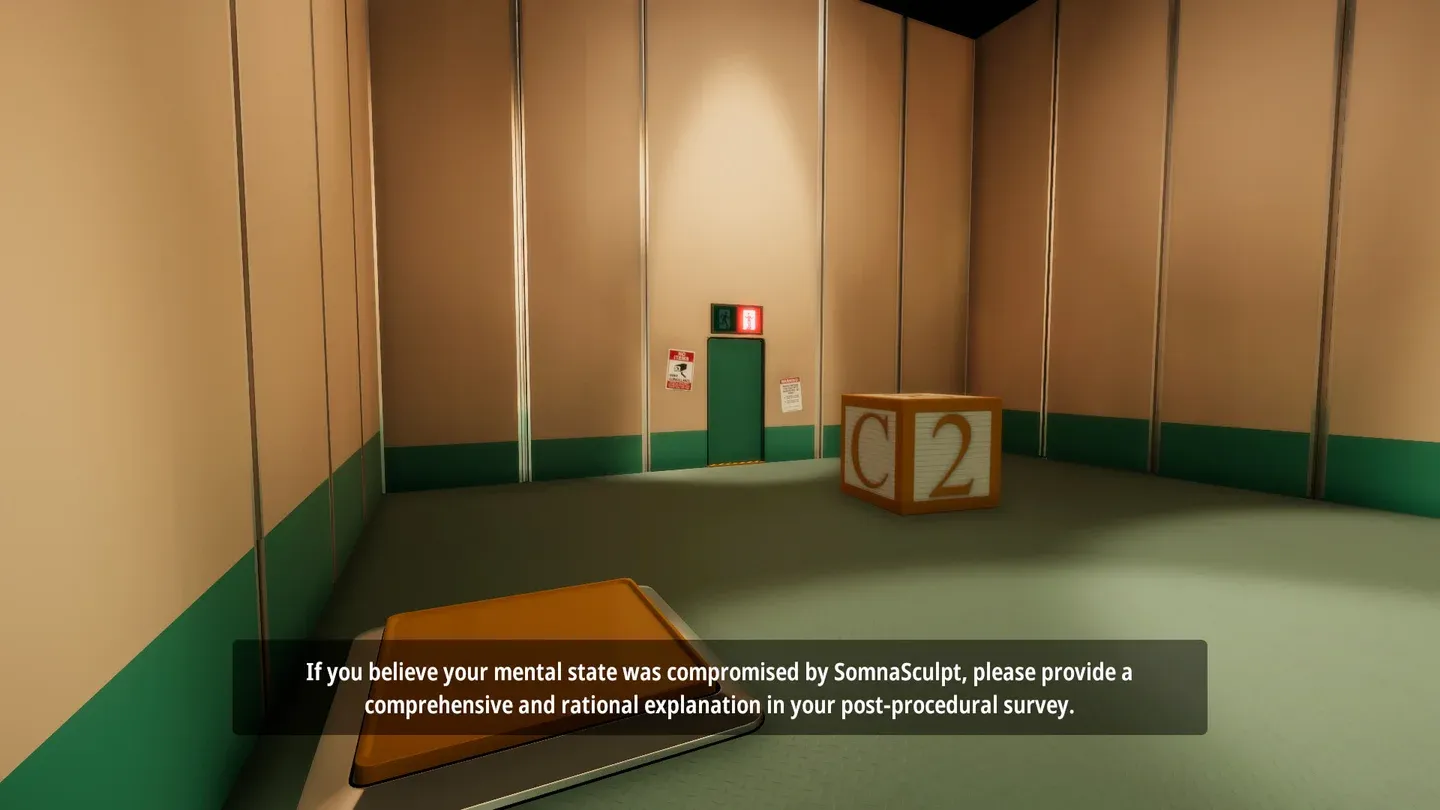
Superliminal content image
Pillow Castle also uses the dream framing to justify moments of pure surrealism that would feel out of place in a more grounded puzzle game. A hallway that stretches infinitely, a room full of identical doors leading nowhere, a sky that turns out to be a ceiling. These sequences don't always have solutions in the traditional sense. Some of them just happen to you, and that distinction matters for the overall feel.
World and setting
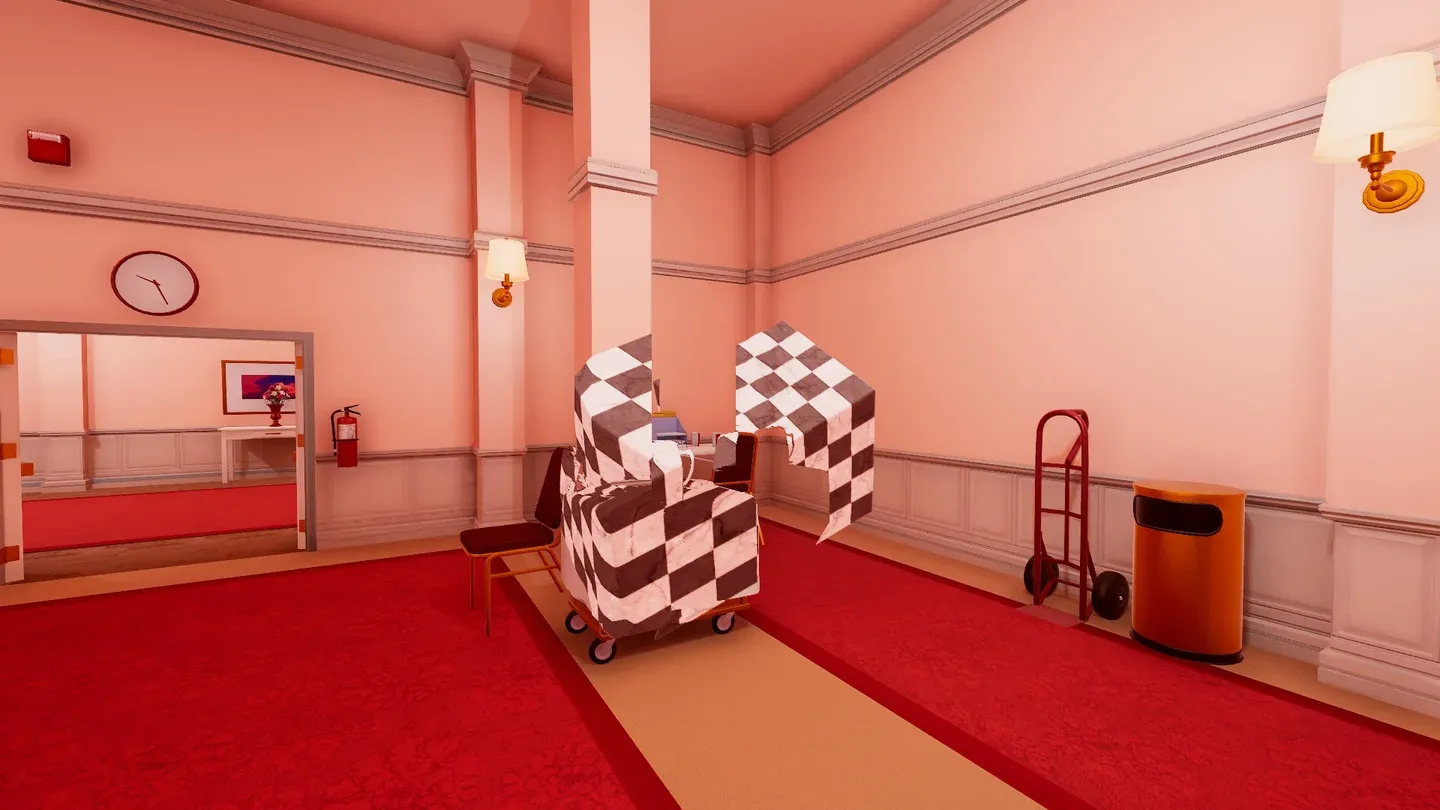
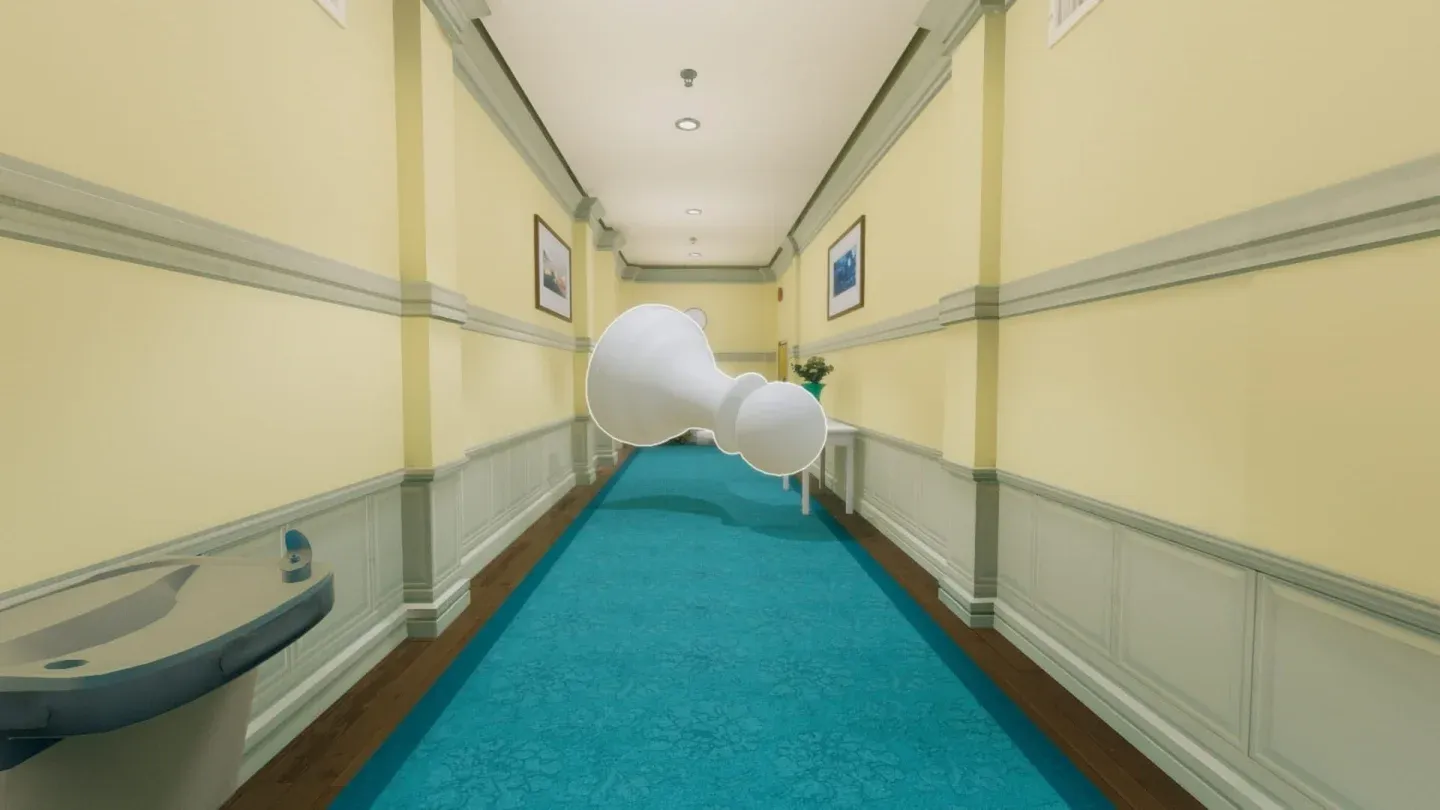
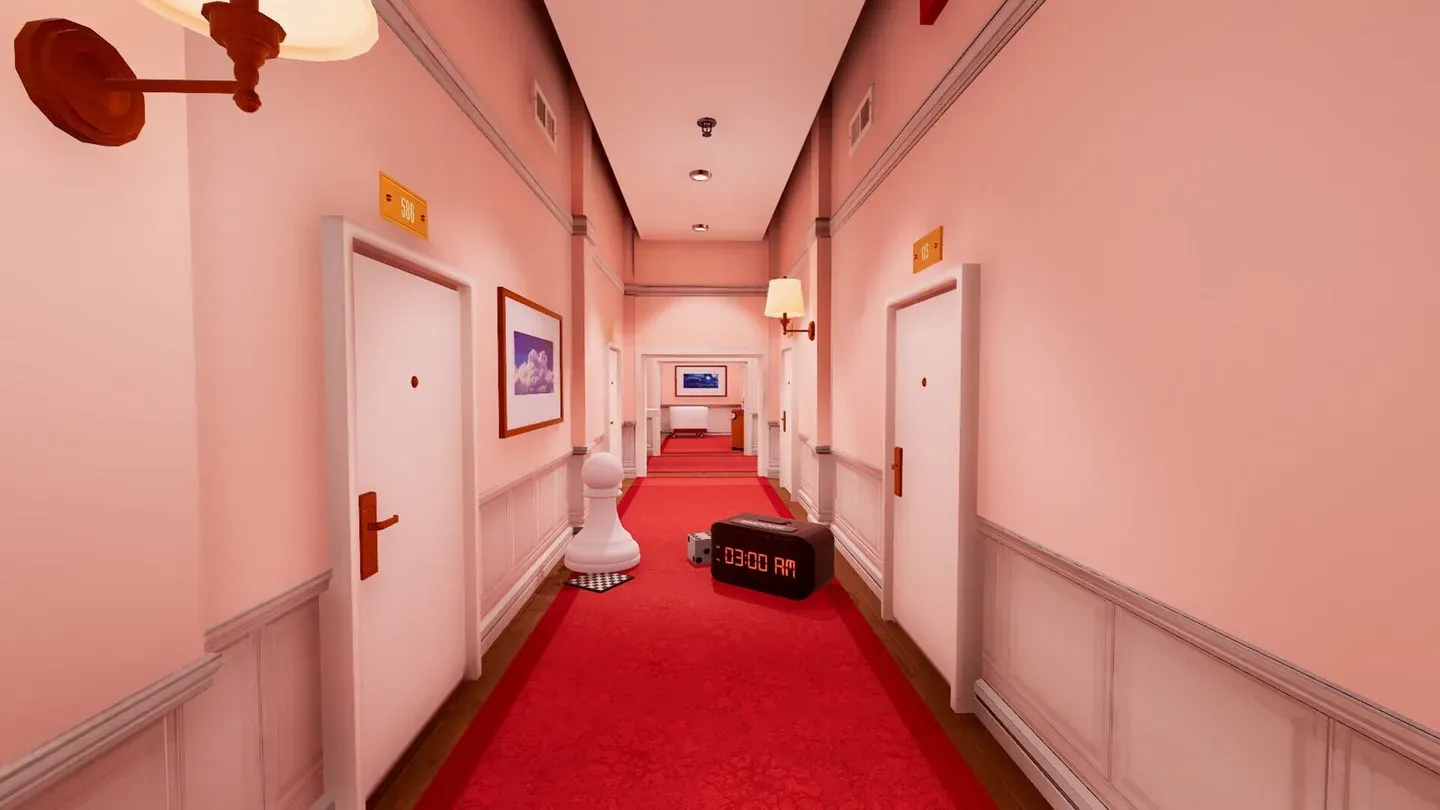
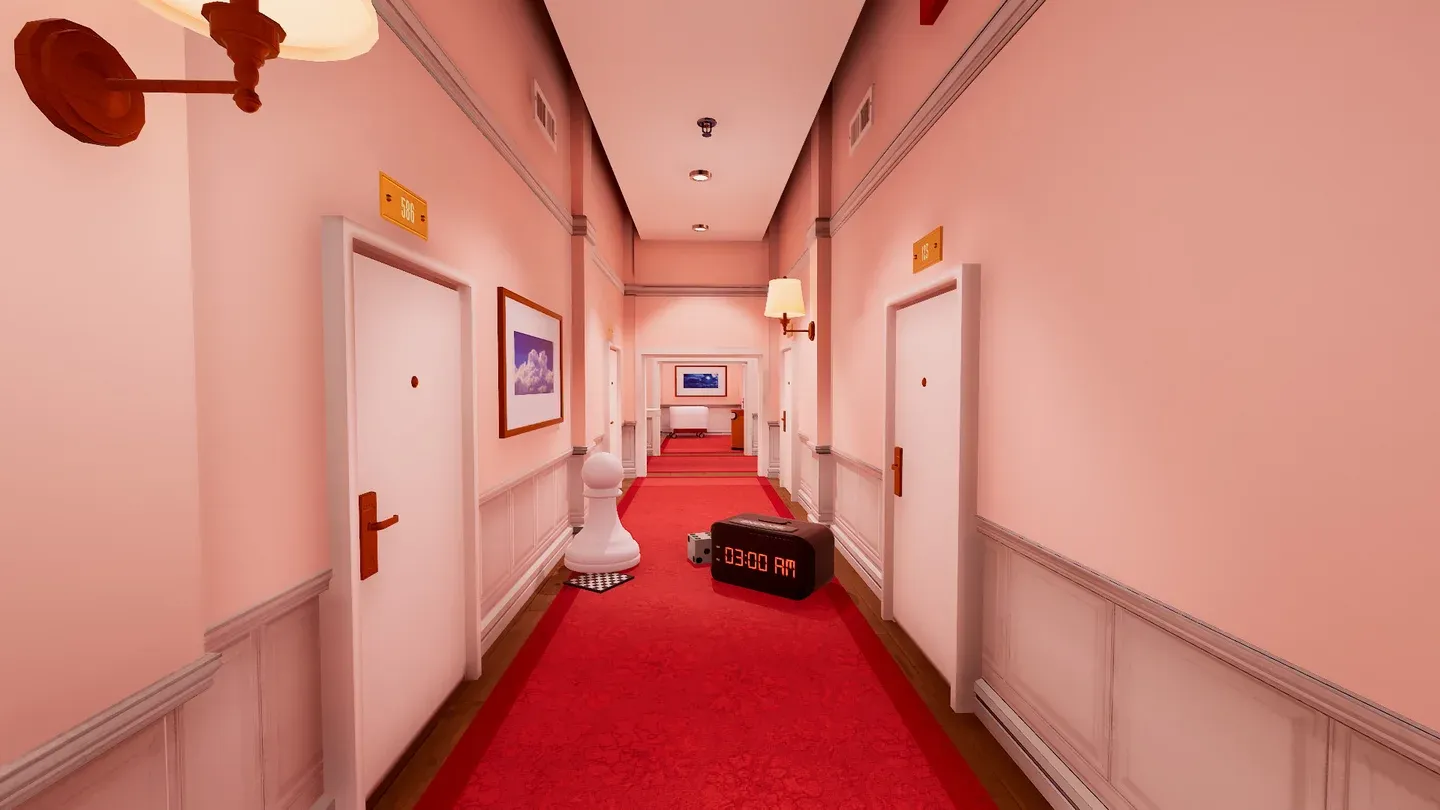
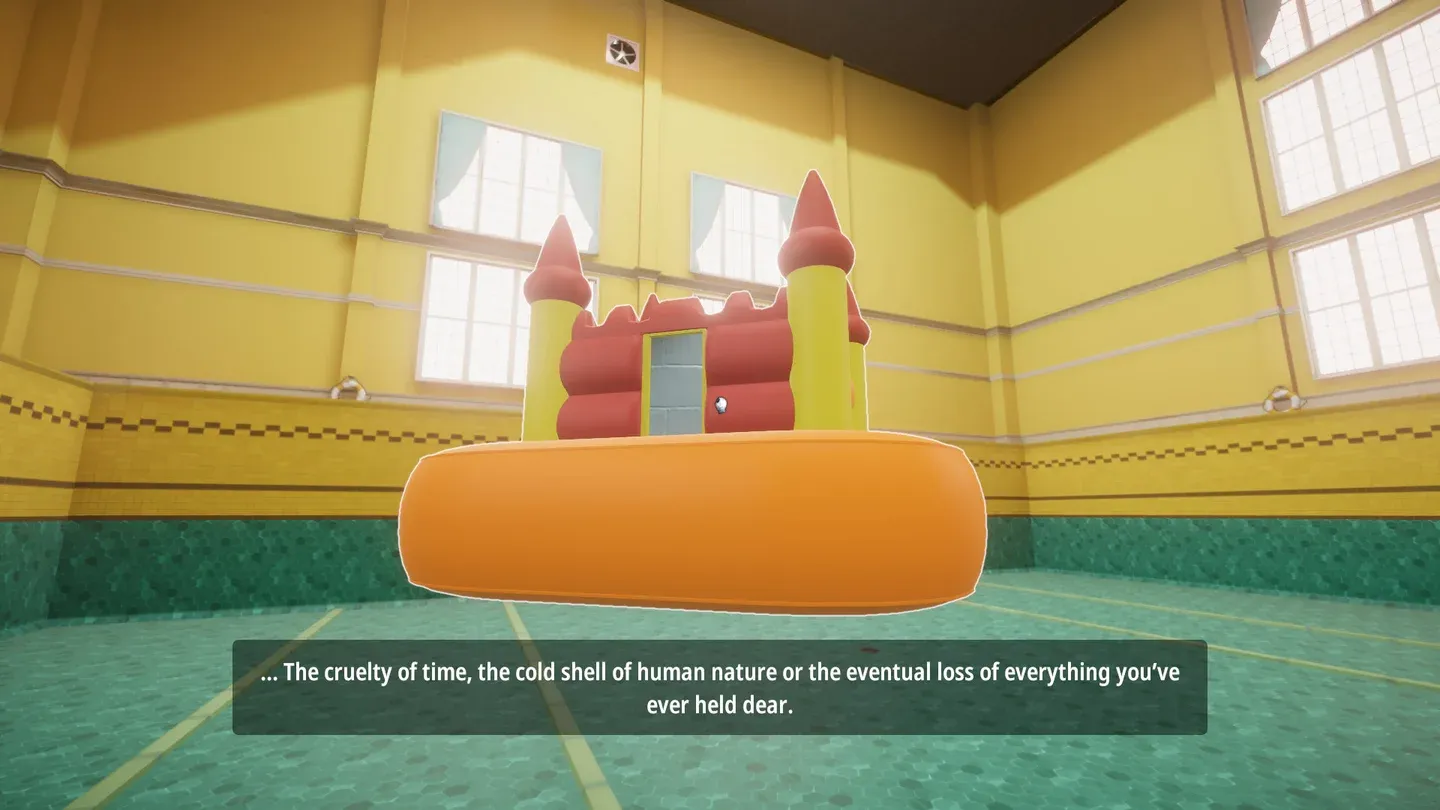
The visual design leans heavily on clinical whites, soft institutional lighting, and the occasional burst of something genuinely strange. Sleep therapy waiting rooms, hotel corridors, and abstract geometric spaces cycle through in a way that feels deliberately disorienting. The art direction keeps things readable even when the geometry stops making sense, which is harder than it looks.
The audio design carries equal weight. The narrator's voice work is one of the game's strongest assets, delivering exposition that sounds reassuring while clearly describing situations that are not reassuring at all. The ambient sound shifts subtly as spaces become more distorted, and the music stays quiet enough to let the environmental audio do its job.
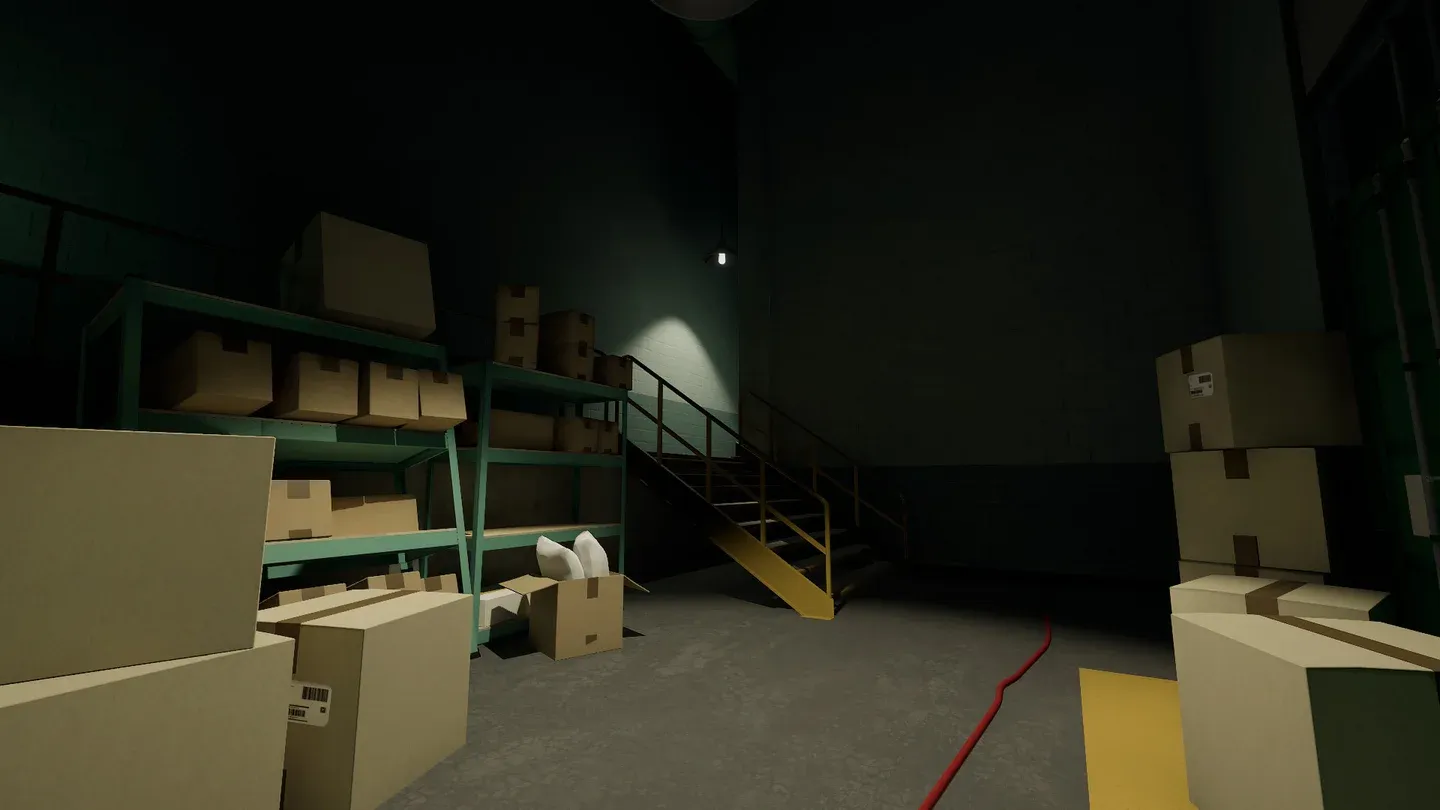
Superliminal content image
Does Superliminal hold up for replayability?
Superliminal is a linear experience with a defined ending, so traditional replayability isn't really the point. The game is available on Steam, Epic Games Store, PlayStation, Xbox, Nintendo Switch, Android, and iOS, making it accessible across nearly every major platform. Players looking for a focused, inventive puzzle experience that commits fully to its central mechanic will find exactly that here. The forced-perspective puzzles remain satisfying on repeat playthroughs because the solutions feel clever rather than trial-and-error, and the dream narrative lands differently once you know where it ends up.