Overview
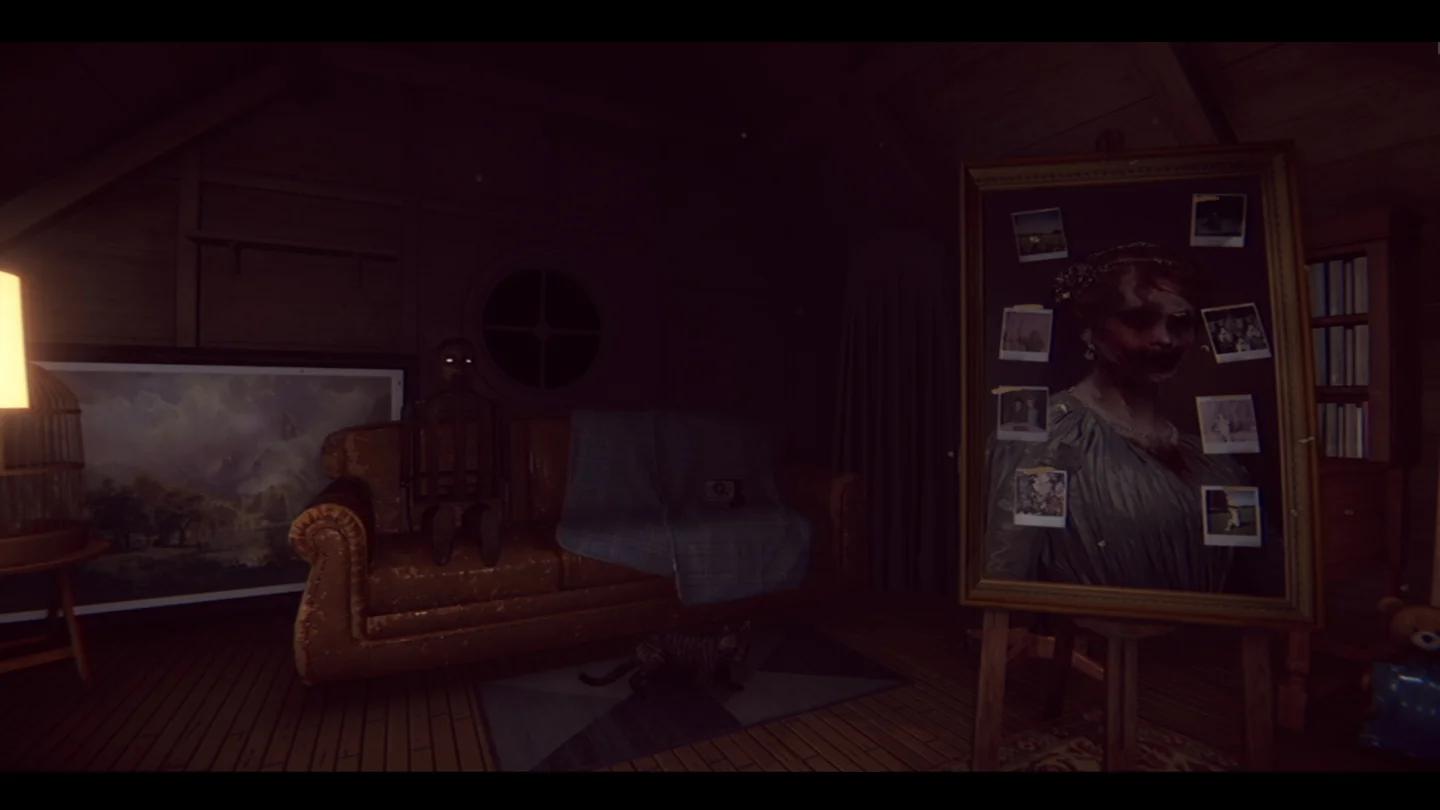
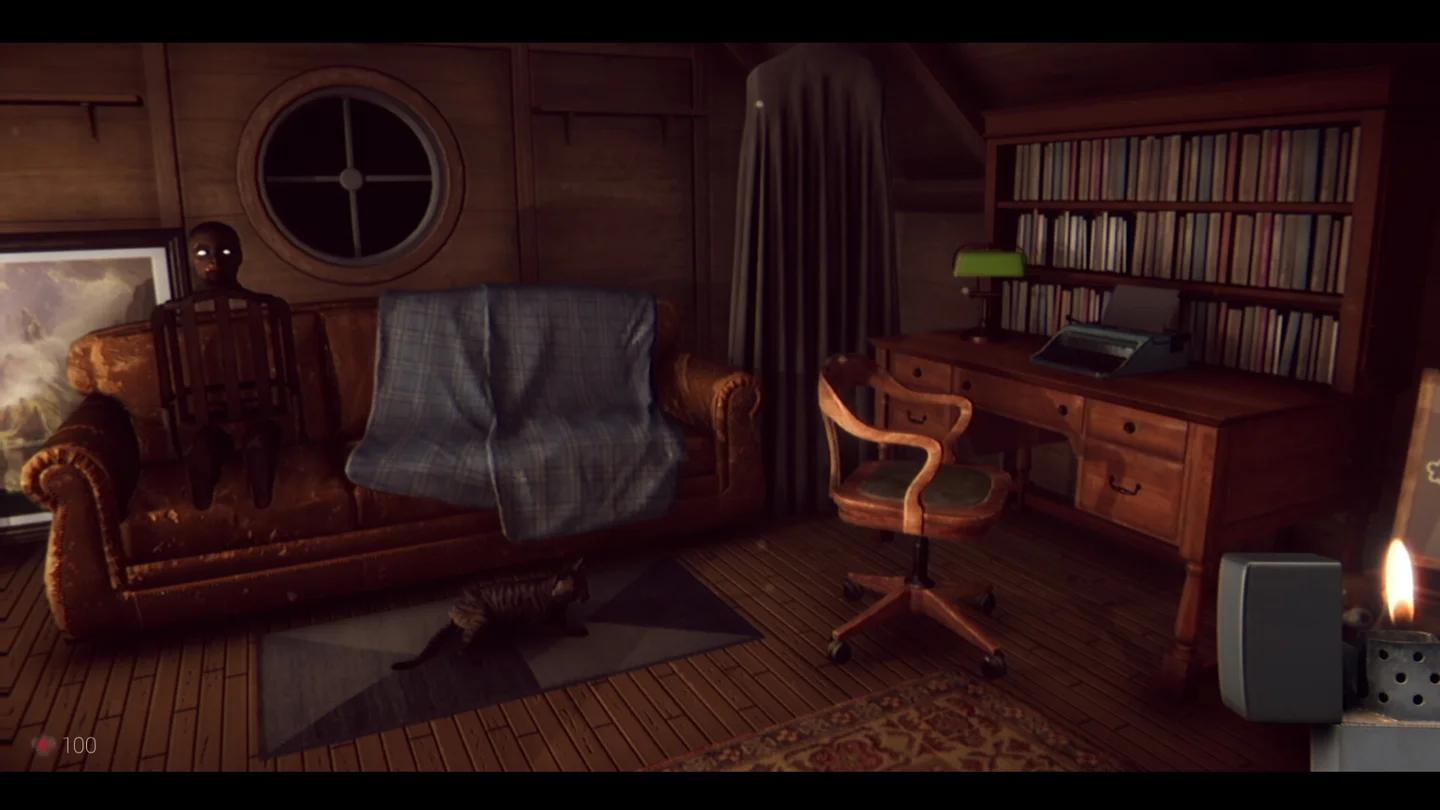
The 18th Attic is a psychological horror game developed and published by Steelkrill Studio. Its haunted attic turns close observation into the main source of tension, asking players to distinguish ordinary surroundings from signs of a presence that does not belong.
Available on Windows through Steam and the Epic Games Store, the game centres its action on a small set of investigative tools. The threat comes from what those tools reveal, and from the possibility of overlooking something dangerous during the search.
How does anomaly hunting work?
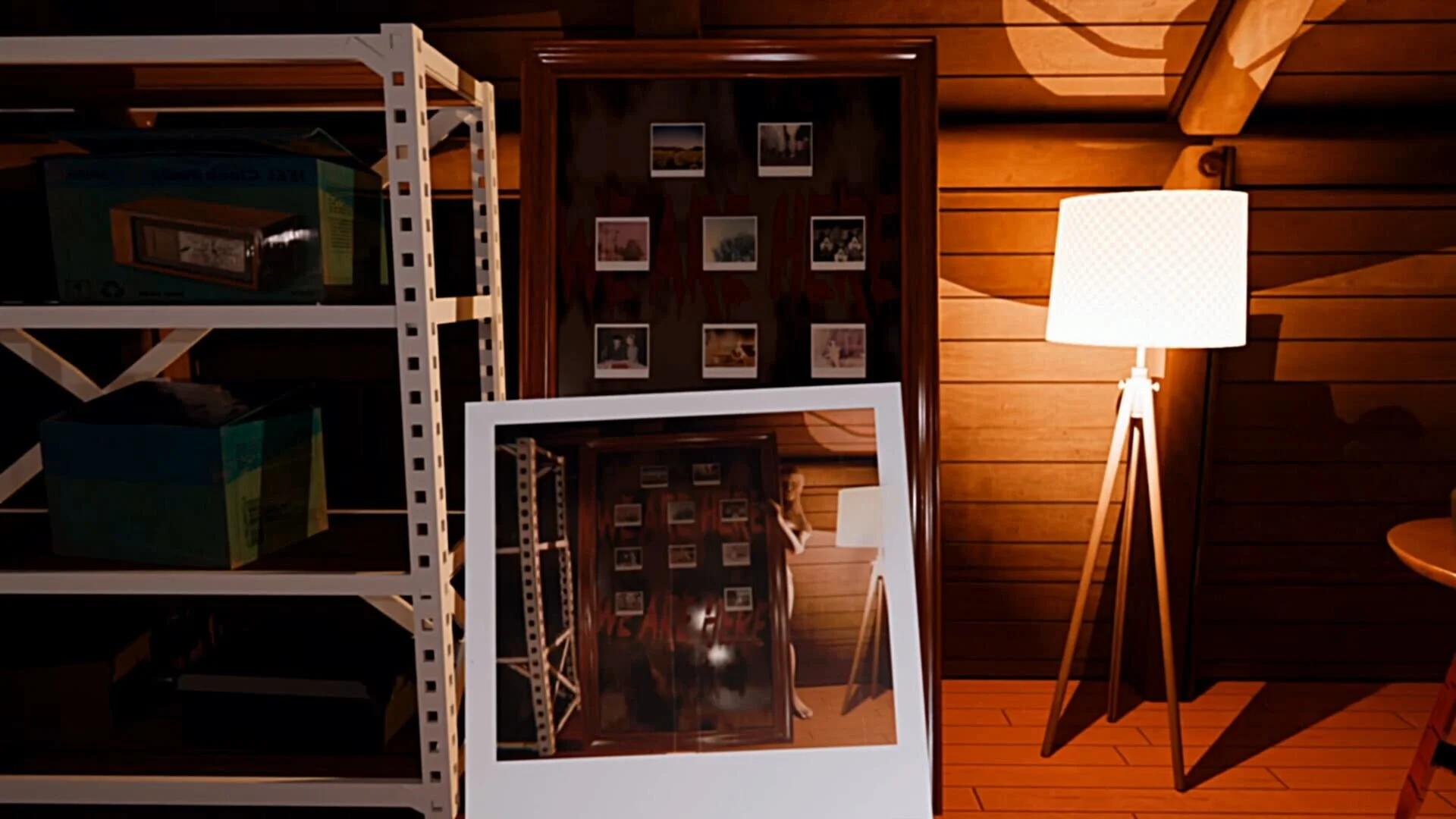
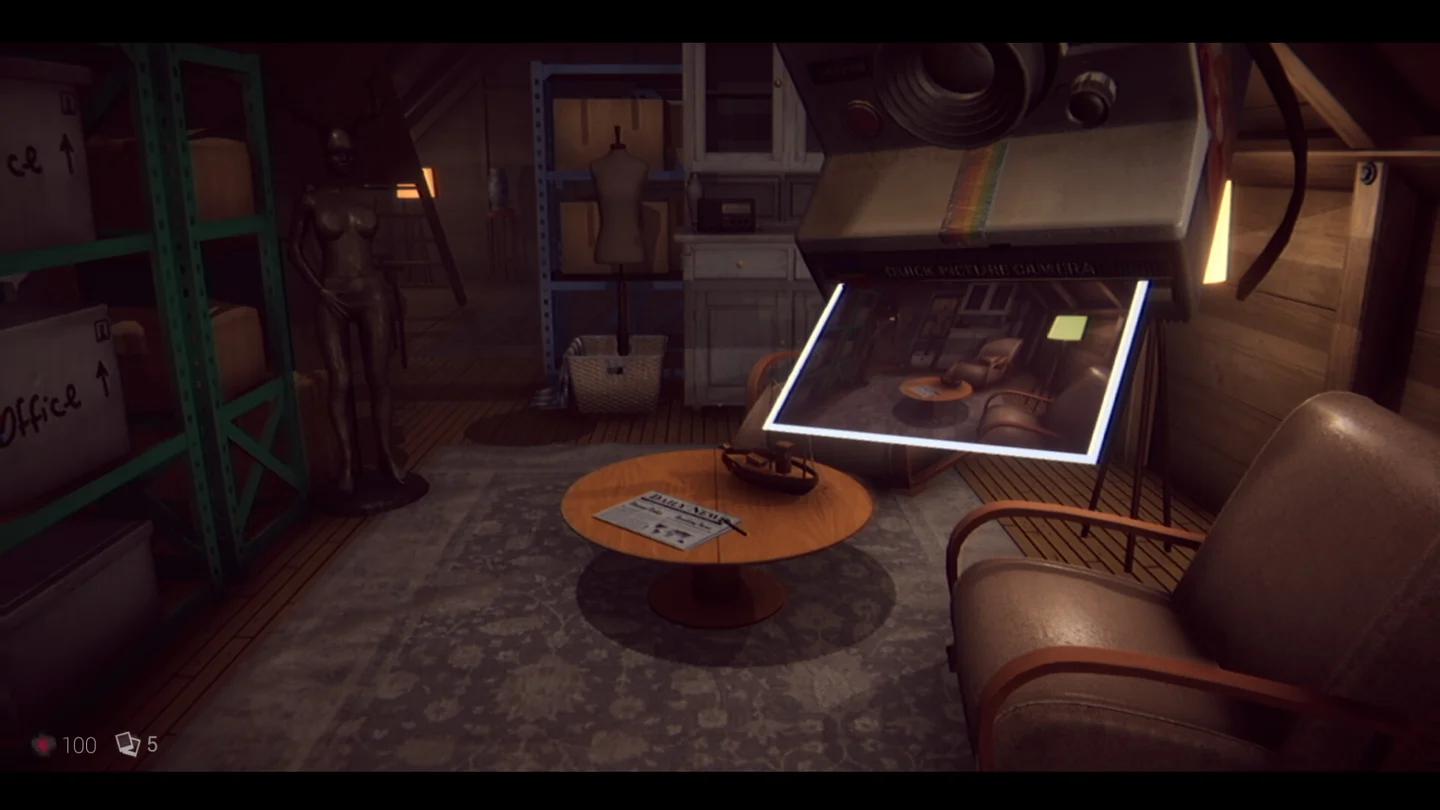
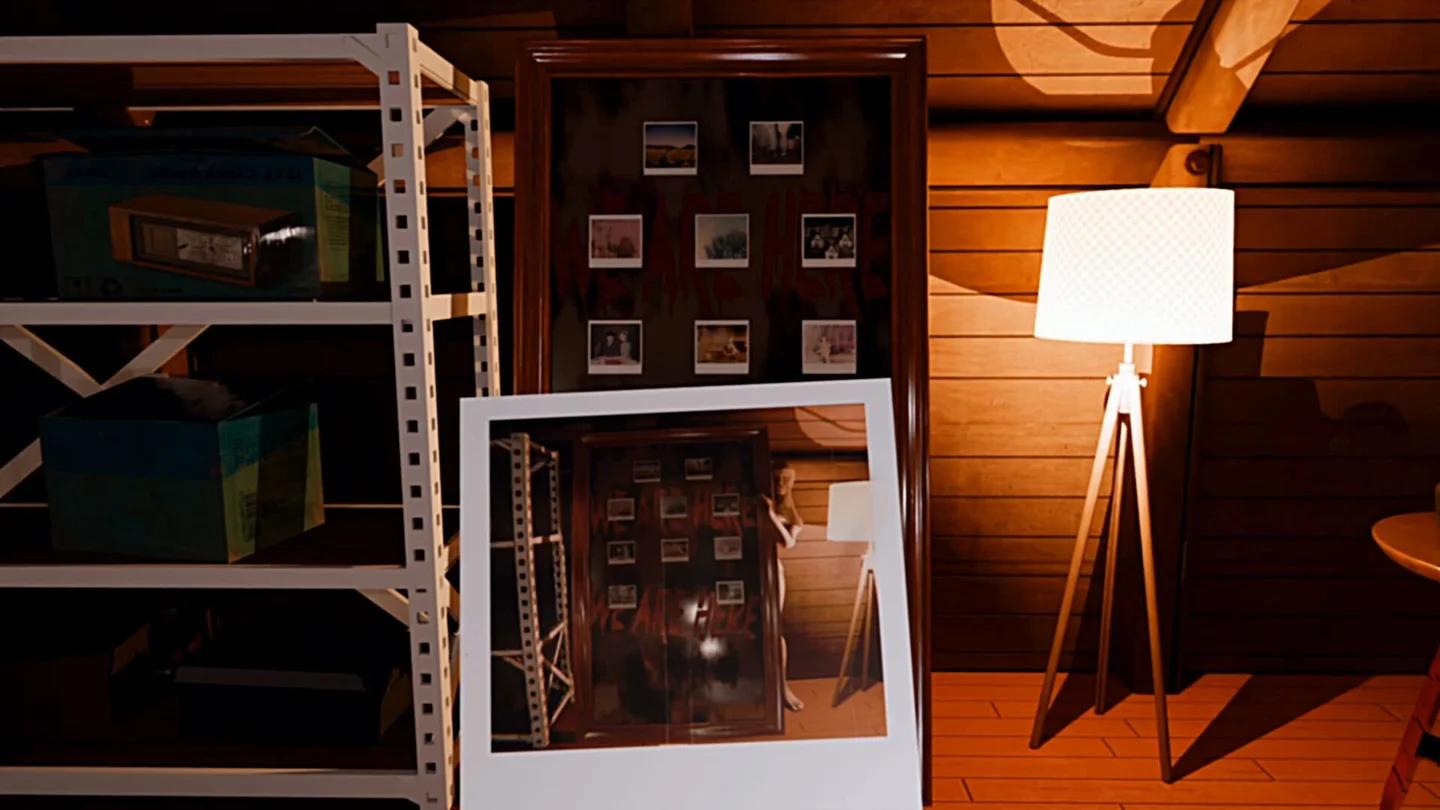
Players hunt anomalies by finding paranormal disturbances and photographing them with an instant camera, which removes them. The basic sequence makes the environment the subject of investigation, with suspicious details becoming potential targets for the lens.
- Inspect the surroundings
- Identify paranormal anomalies
- Photograph suspicious disturbances
- Remove supernatural threats
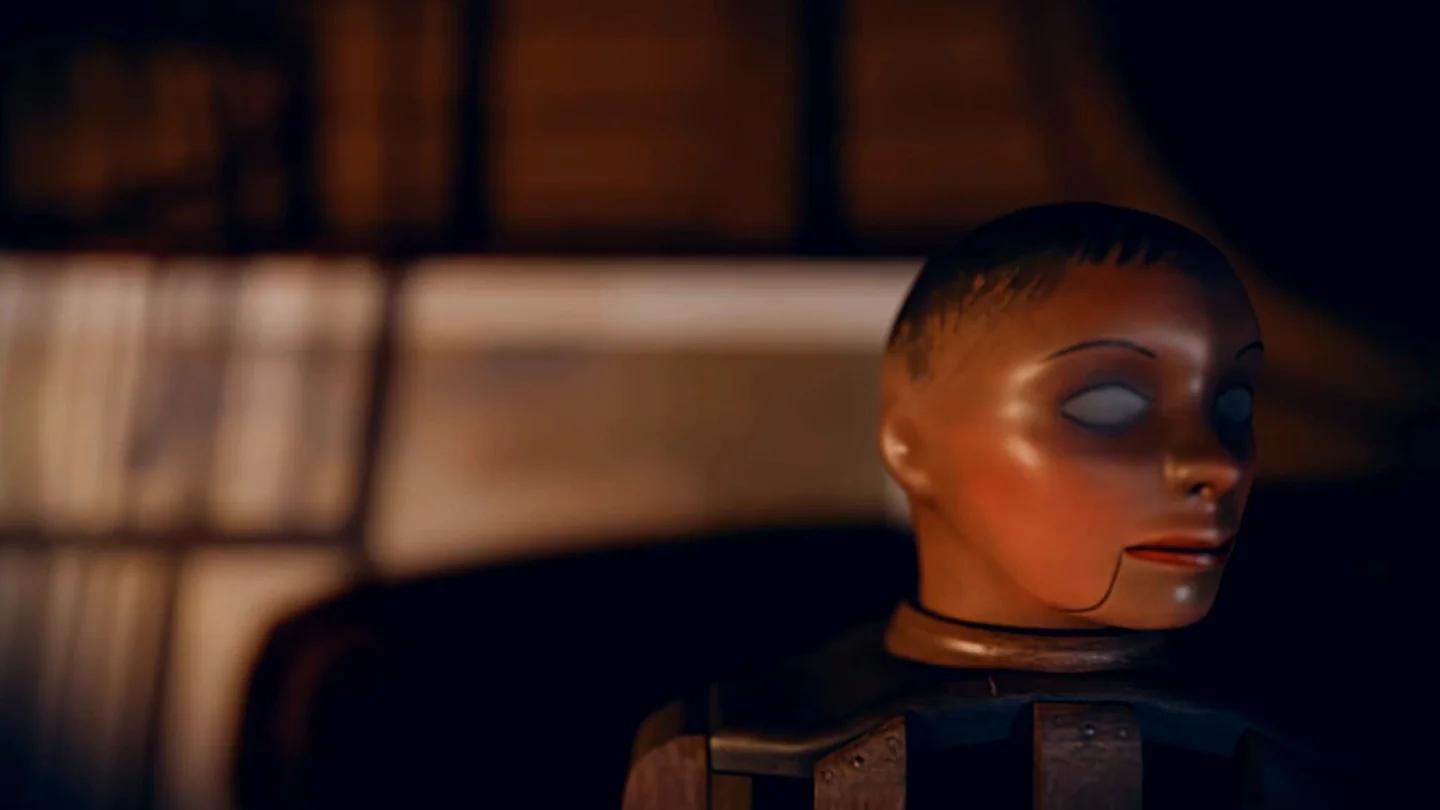
Anomalies take several forms, including shifting shadows, spectral figures, and less obvious disturbances. A clearly visible apparition draws attention differently from a change in the surroundings, so the search involves more than watching for enemies.
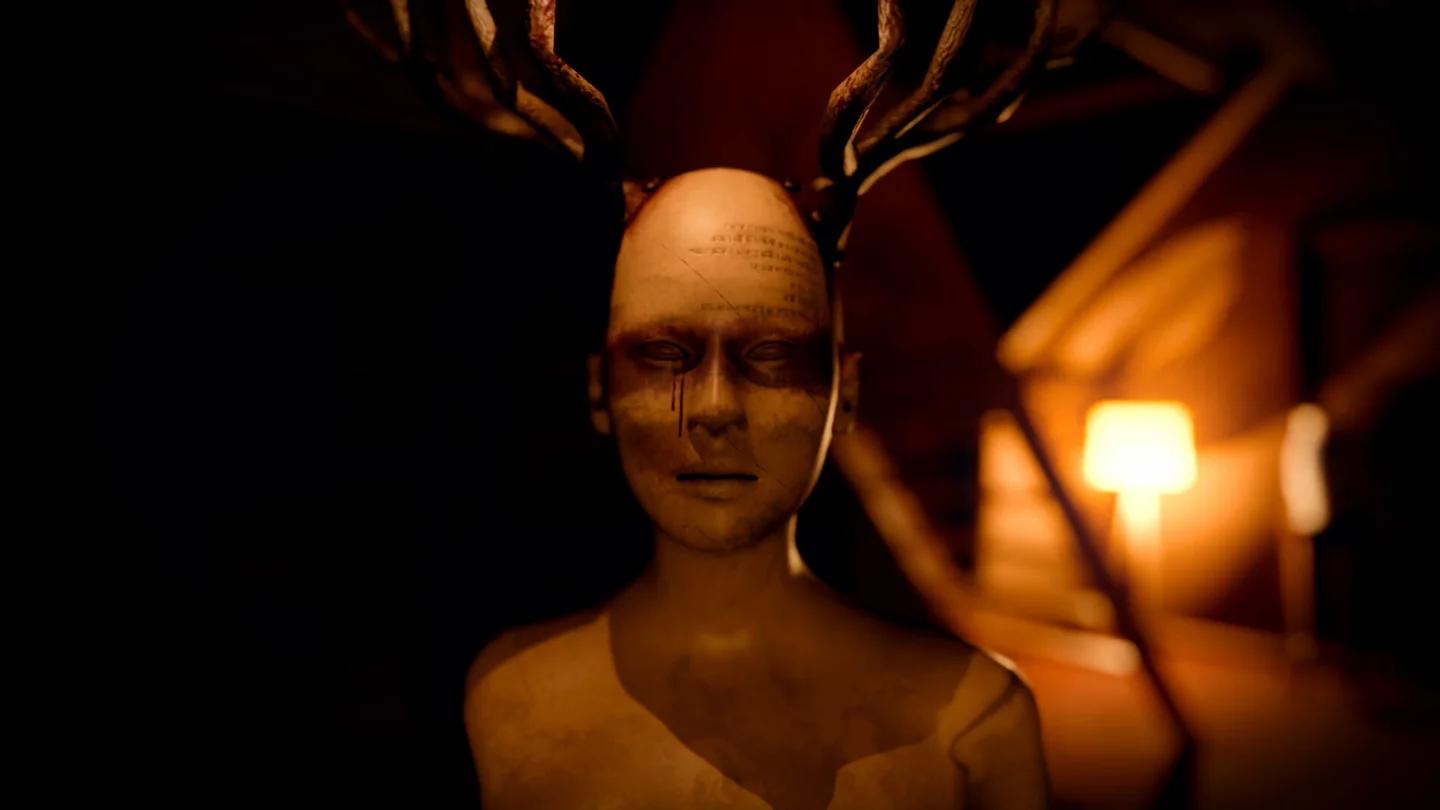
Some anomalies try to deceive the protagonist. Recognizing the supernatural requires judgment as well as attention, since the entities themselves work against a clear reading of the room.
Light, cartridges, and survival
The lighter illuminates dark corners where anomalies can hide. Darkness affects the investigation itself: a poorly seen part of the attic can conceal the detail that needs attention. Lighting therefore has a practical role beyond establishing the mood.
Camera cartridges are finite. Running out prevents further paranormal photography, making the camera's supply a survival concern as well as an investigative resource. The need to keep taking pictures sits against the risk of exhausting the means to deal with another disturbance.
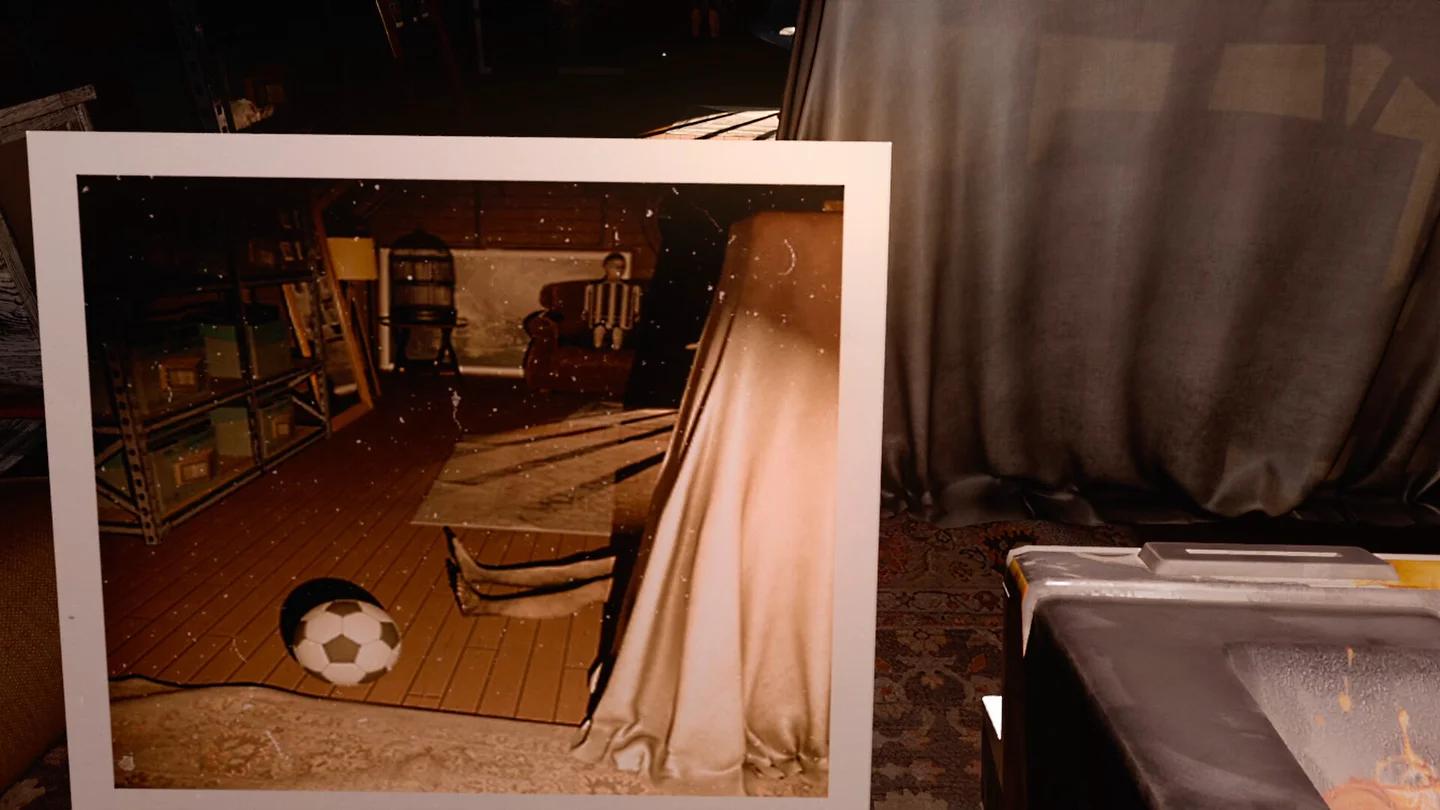
Some anomalies attack and damage the protagonist's health. These encounters put physical danger behind the visual uncertainty. A missed presence can become an immediate threat, adding pressure to a task that otherwise calls for patient inspection.
A looping attic and a personal mystery
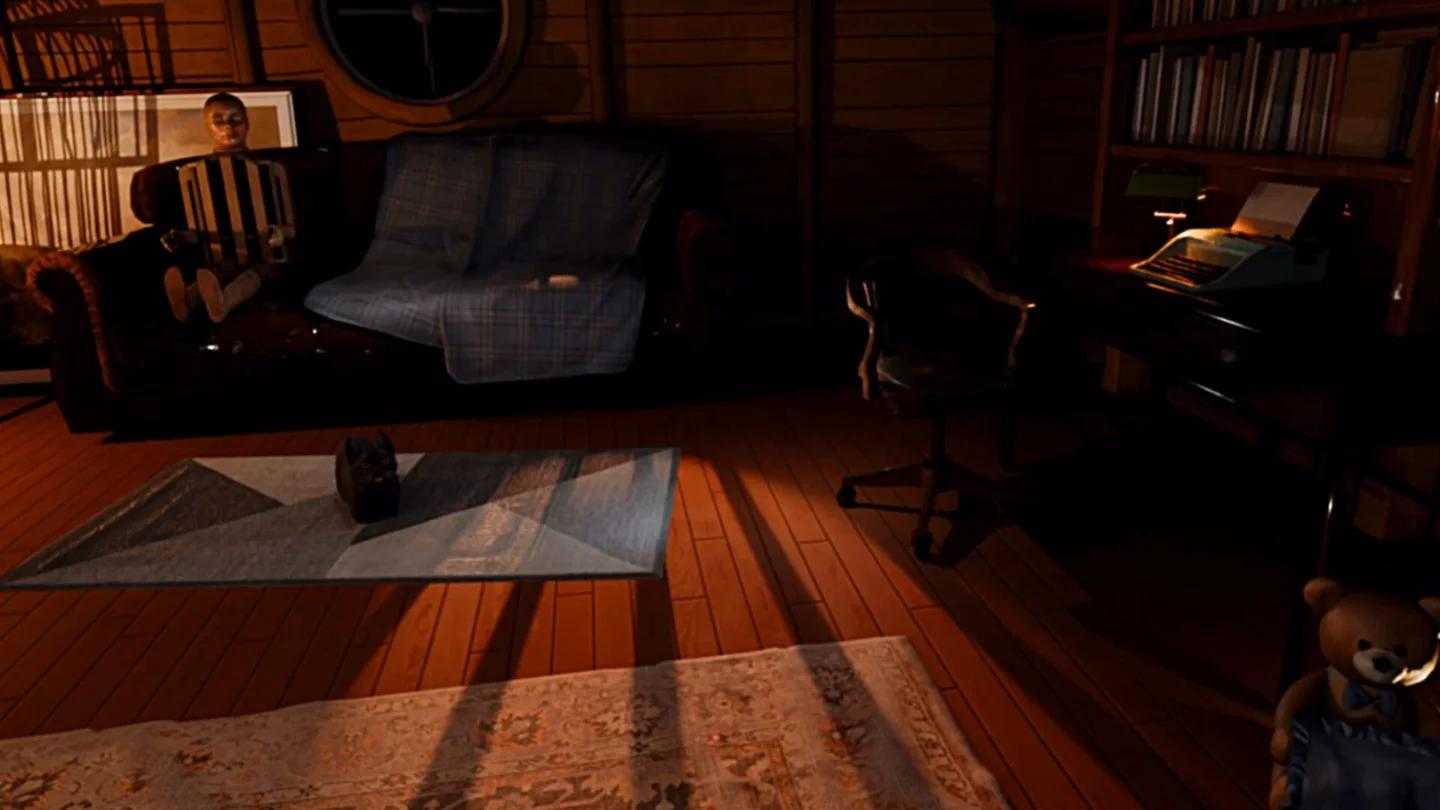
The story follows a man trapped in a repeating loop. The attic's realistic presentation grounds that impossible situation in a recognizable space, where changes to the surroundings become unsettling. Familiarity provides something to examine, but it does not guarantee safety.
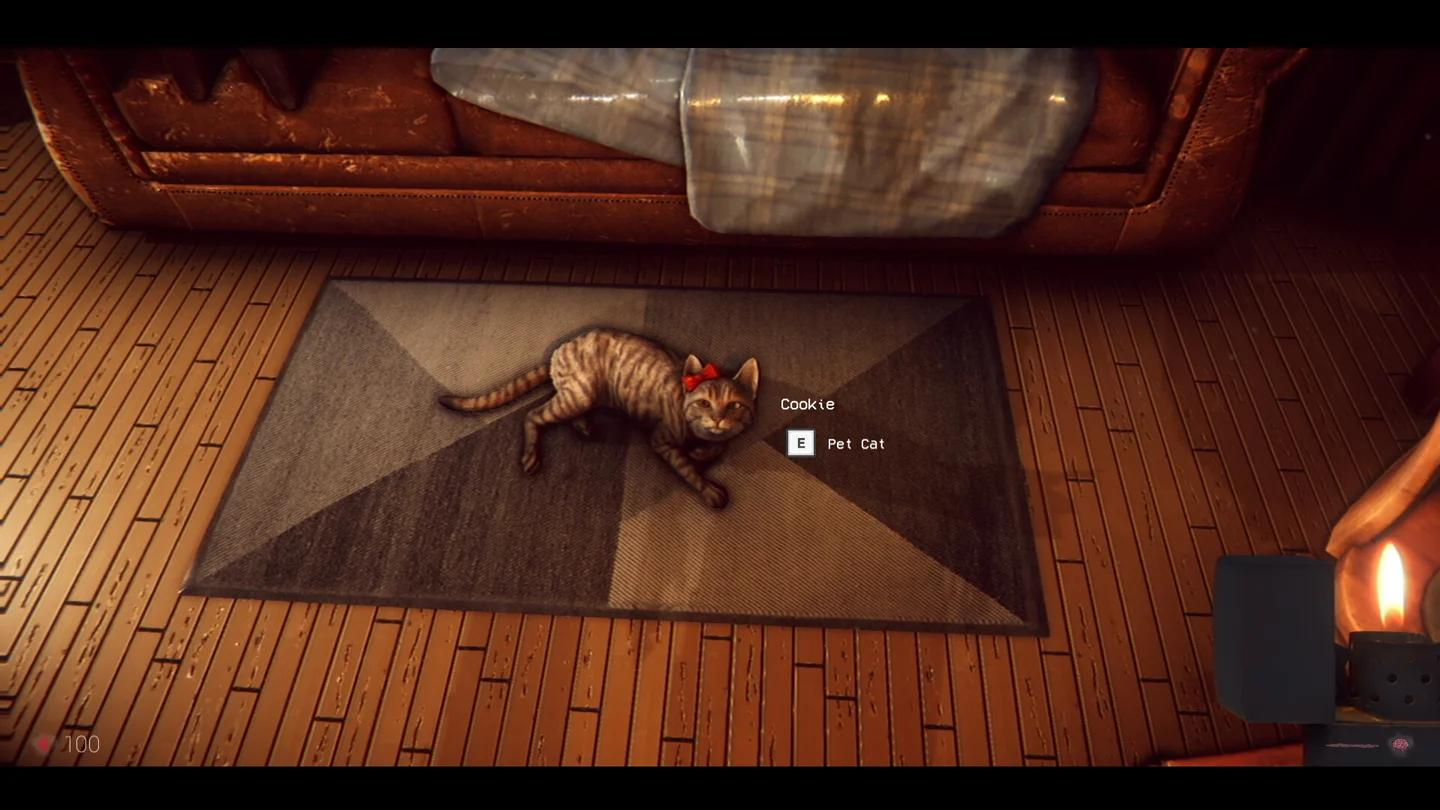
A companion offers some comfort during tense moments. That presence provides a quieter contrast to the hostile encounters without changing the investigation's focus on the attic and its haunting.
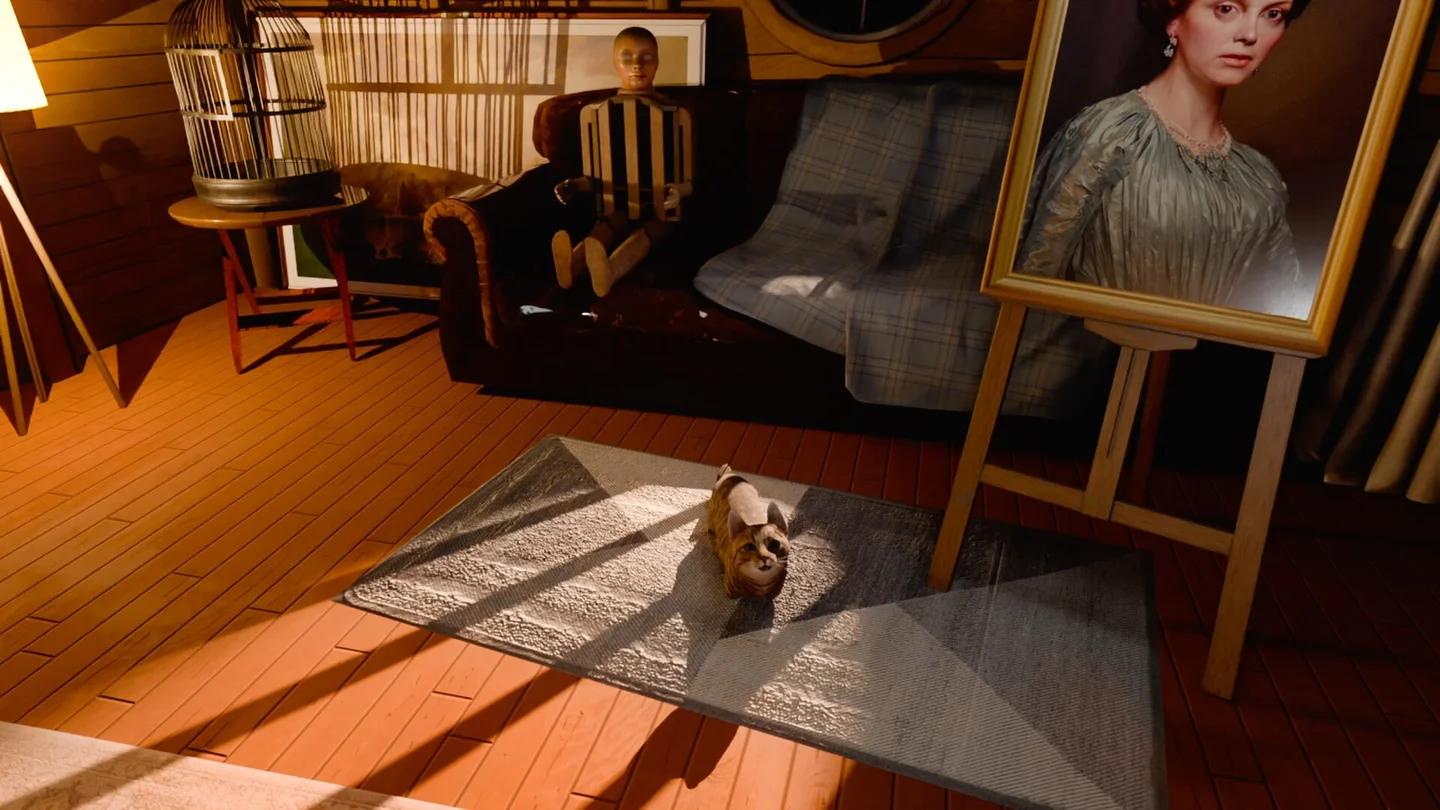
Photographing an anomaly unlocks a memory tied to the protagonist's past. Narrative progress comes through the same activity used to confront the paranormal, connecting each discovery to the personal mystery. The camera does more than clear a disturbance: it reveals another piece of the life behind this psychological horror story.