

Biggest discounts, free games, and limited-time offers across every major gaming store.
Never pay full price again.
Overview
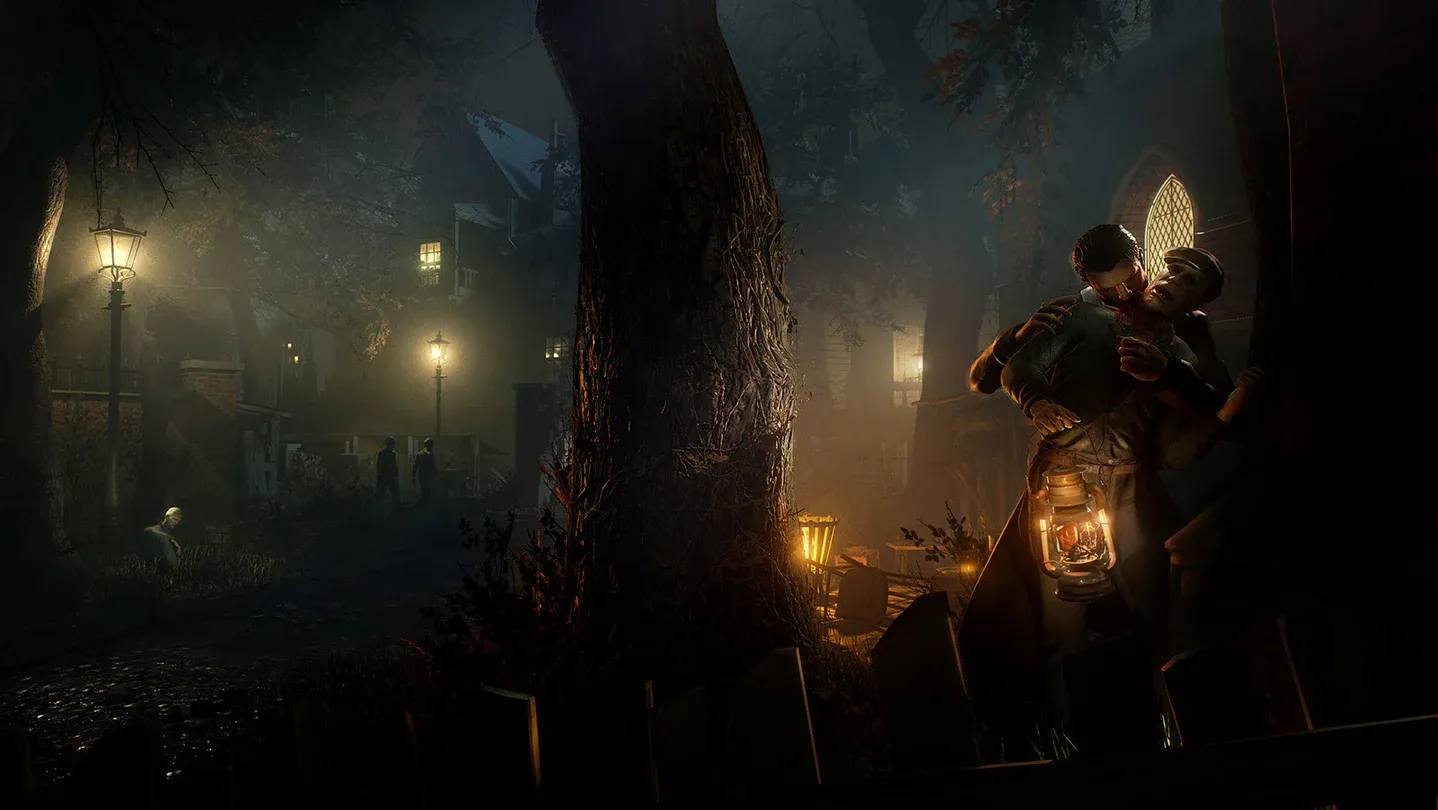
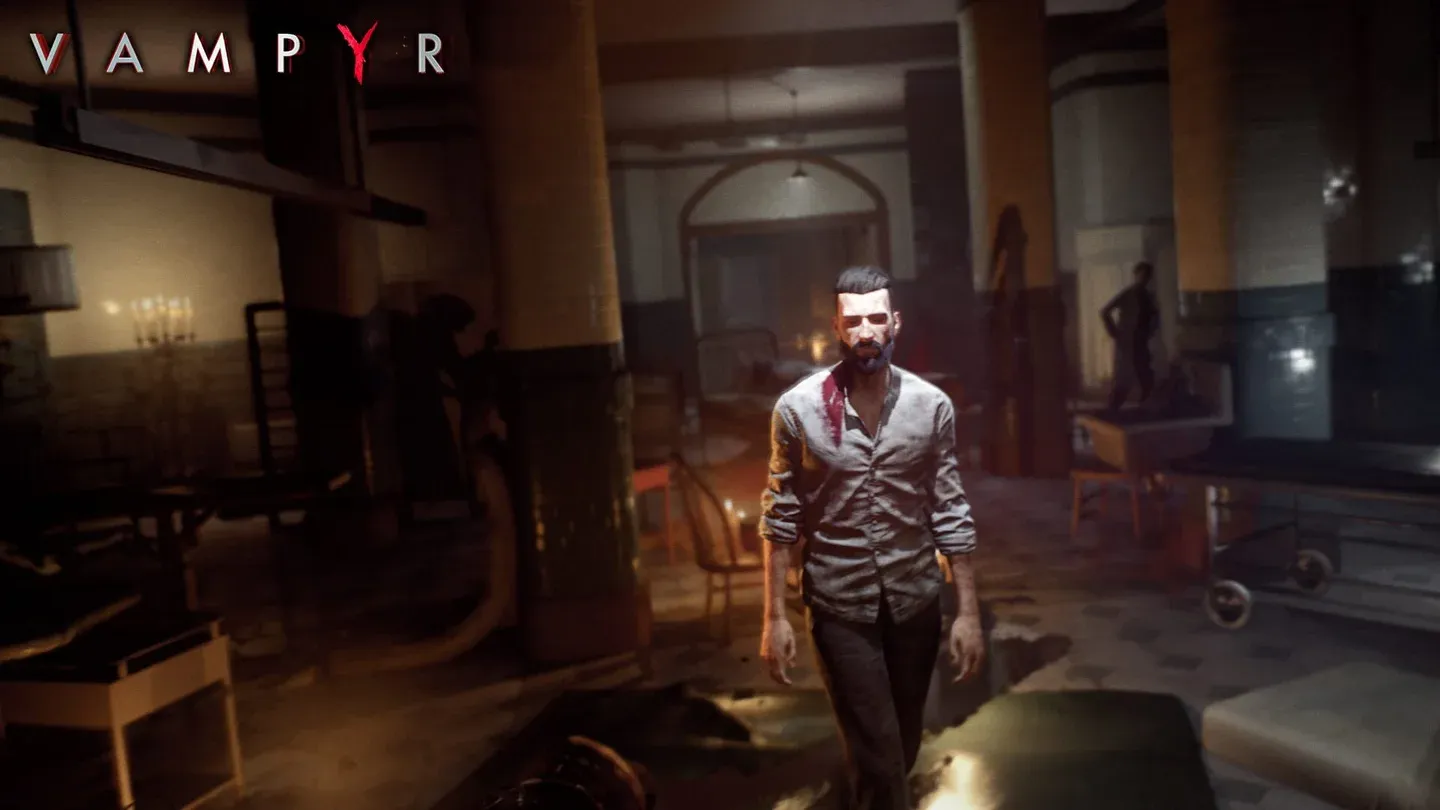
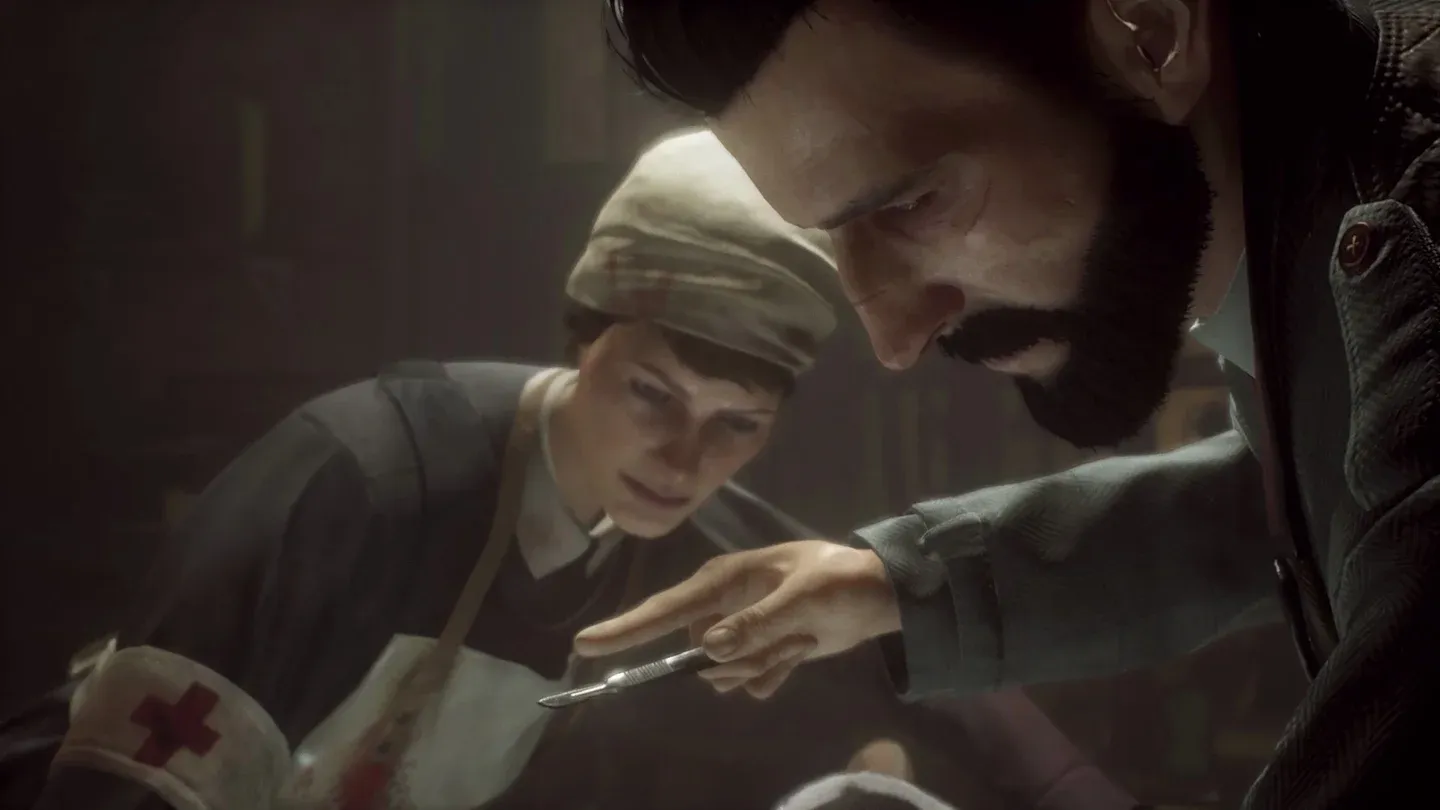
Vampyr drops you into London in 1918, a city already on its knees from the Spanish flu. You play as Dr. Jonathan Reid, a distinguished military surgeon who returns from the front lines only to be turned into a vampire before he can even process what happened. The tension at the core of the game is immediate and never lets up: Reid has the medical knowledge to help a dying city, but his new nature demands he feed on the very people he could save.
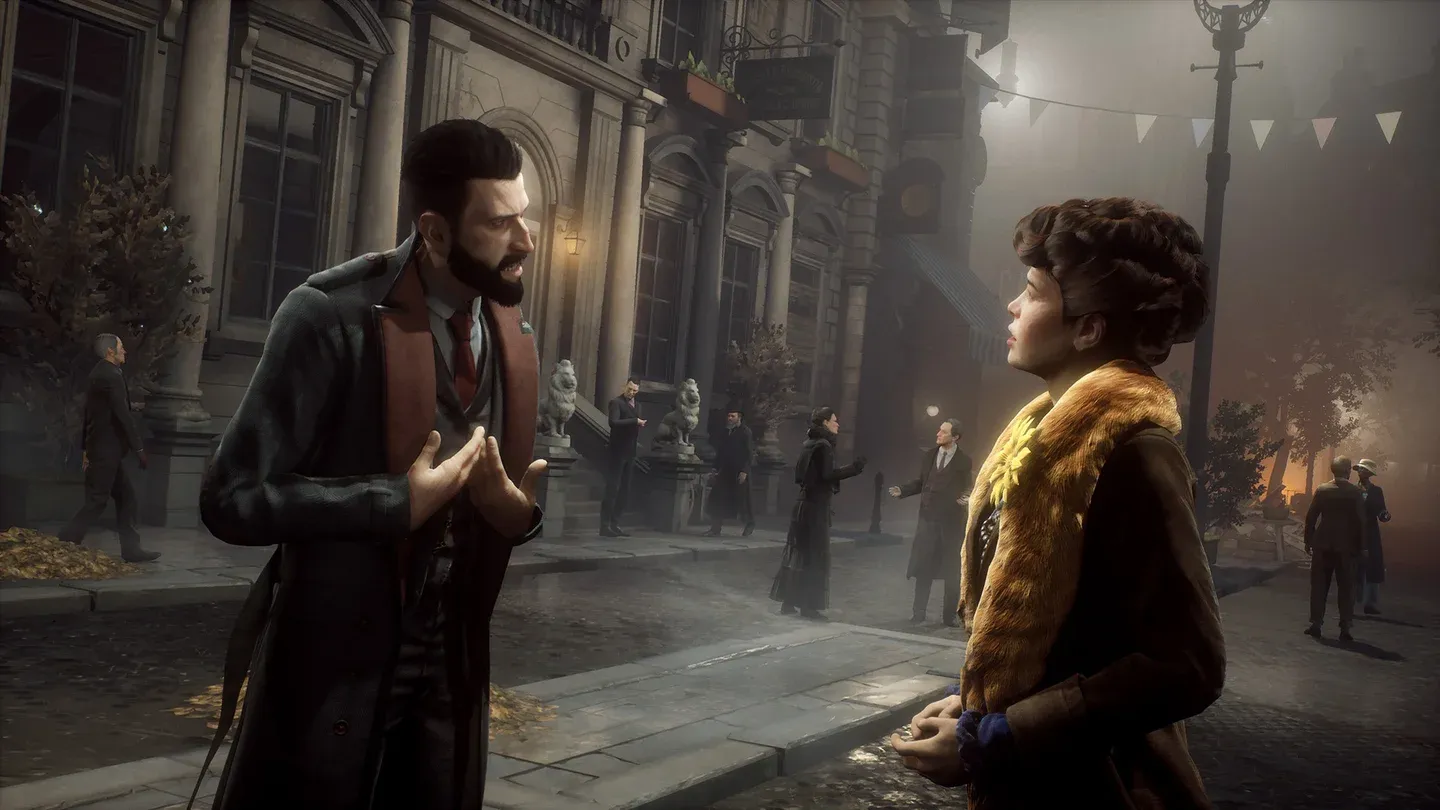
DONTOD Entertainment, the studio behind Life is Strange, brings that same focus on consequence-driven storytelling to a much darker setting. The result is an action RPG where the most important decisions happen outside of combat. London is divided into four districts, each with its own population of named NPCs, and the health of each district rises or falls based on who lives and who gets drained.
Vampyr content image
Gameplay and mechanics
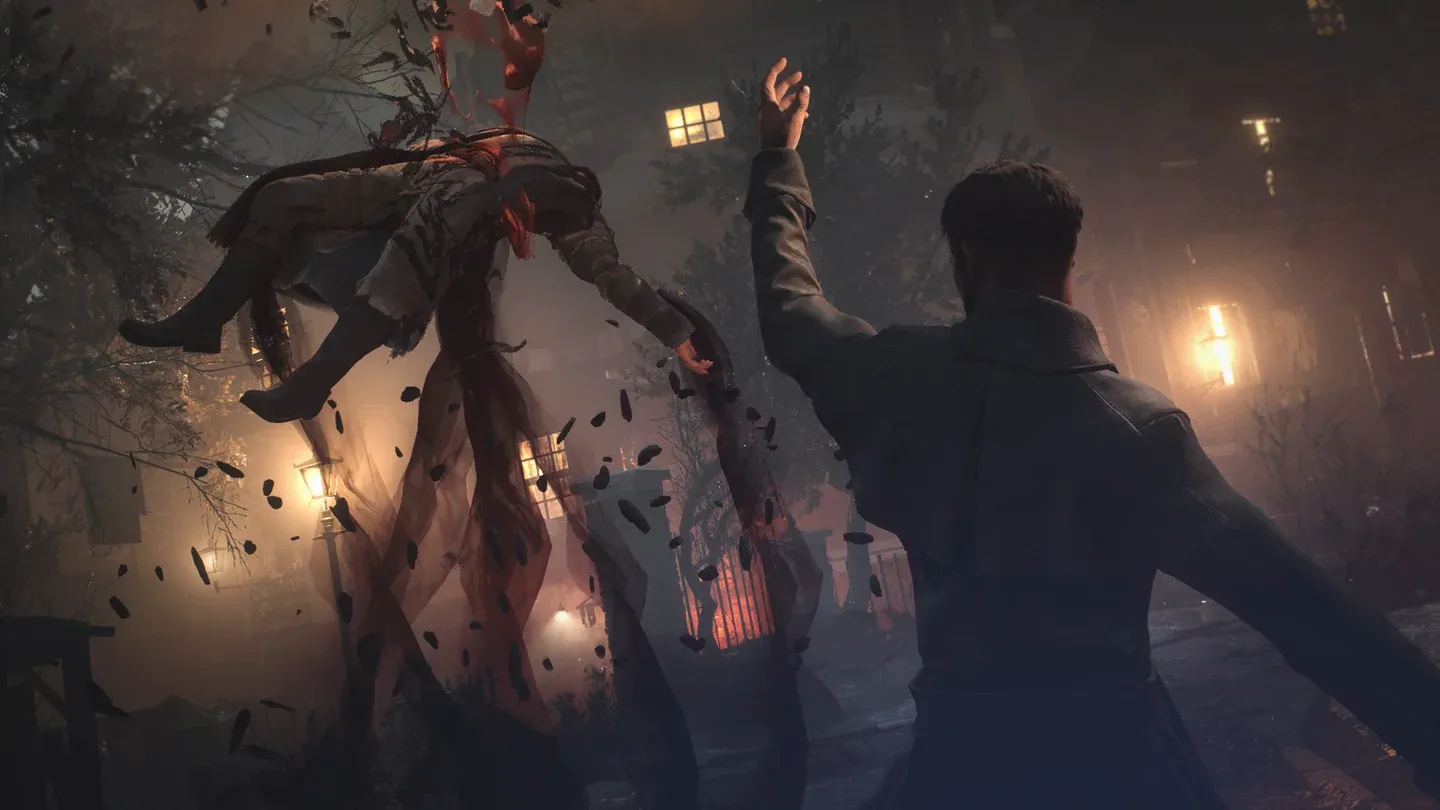
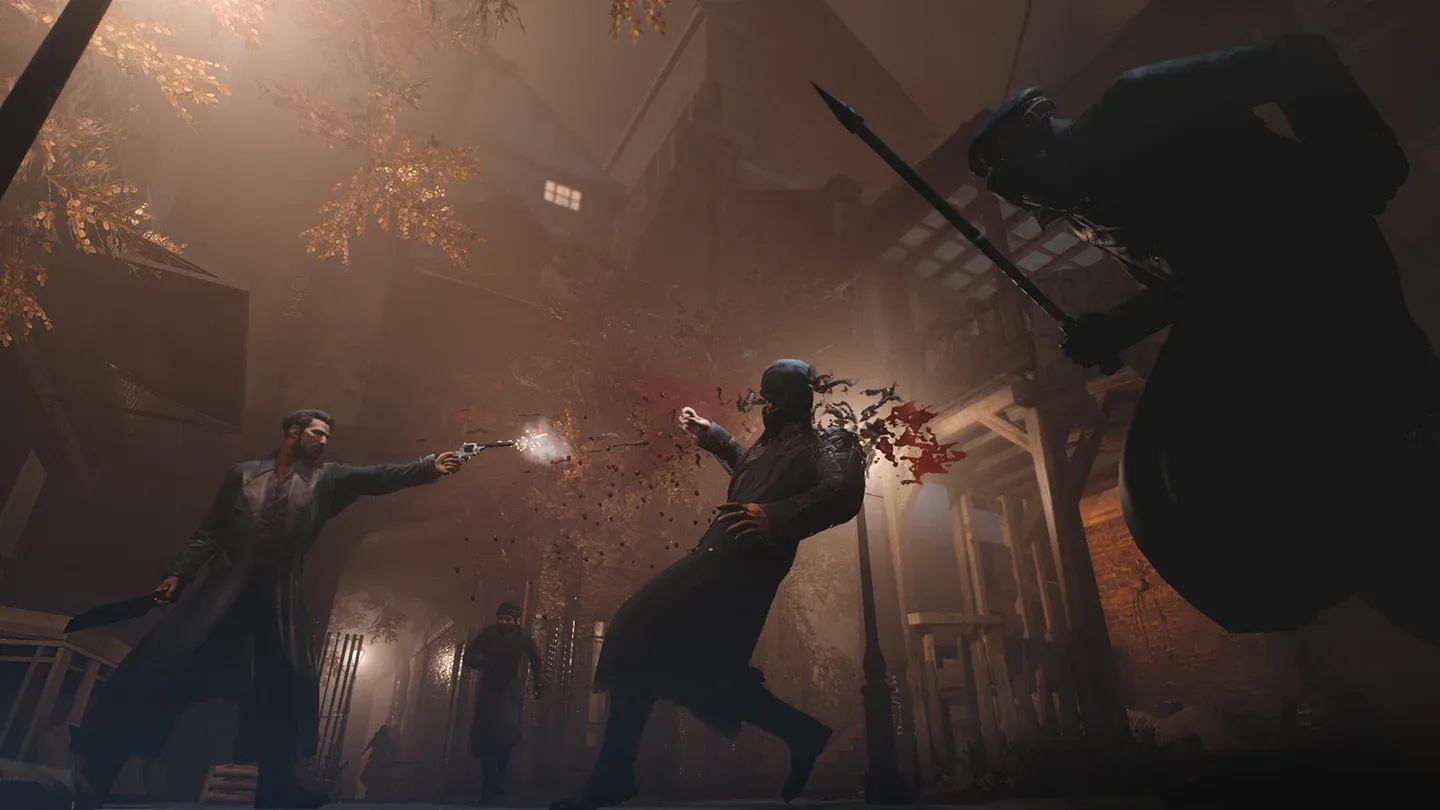
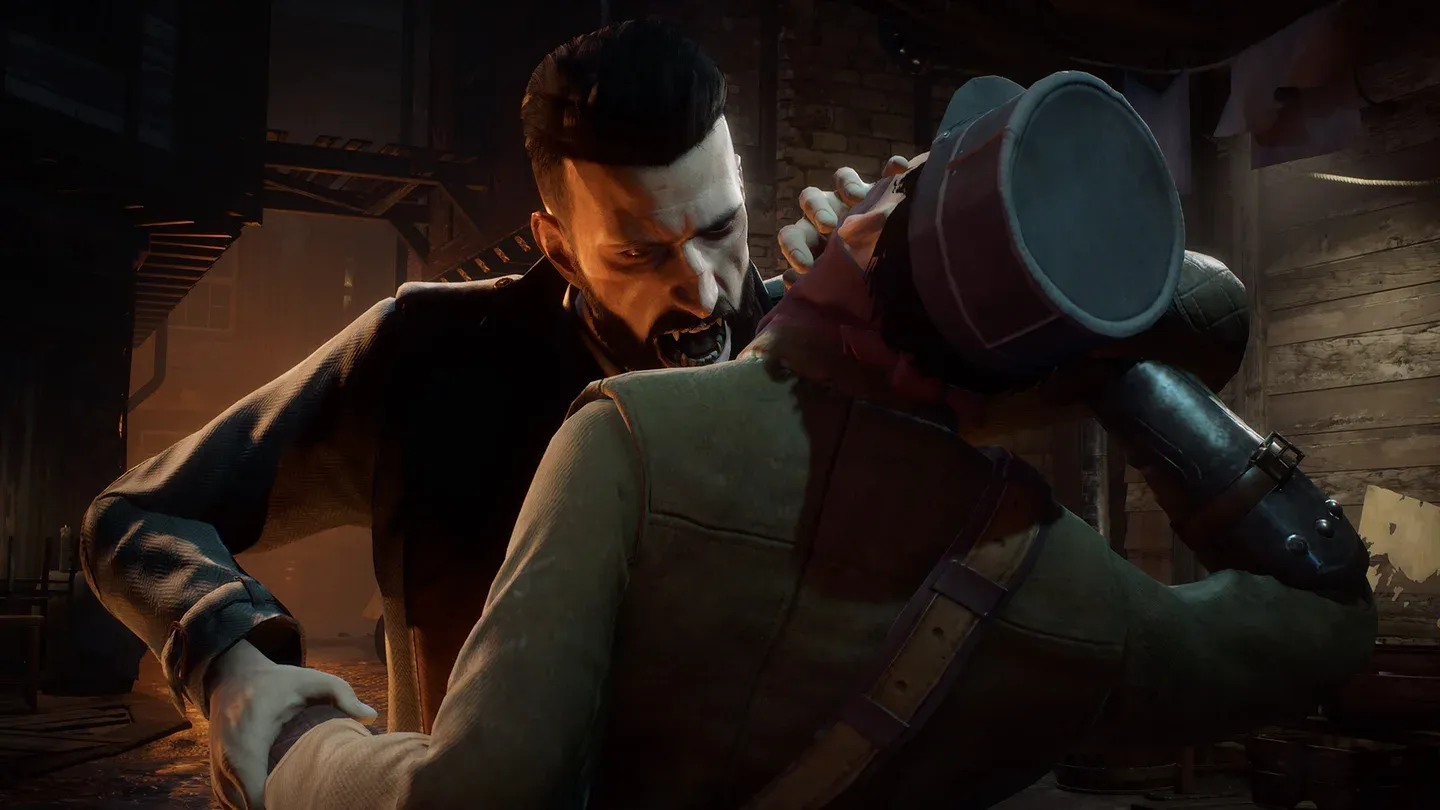
Vampyr's core loop pulls in two directions at once. Combat is real-time and blends melee, ranged weapons, and vampire abilities into something that feels scrappy and urgent rather than polished. Reid can use blood-fueled powers like mesmerism, teleportation dashes, and brutal physical attacks, but every ability drains his own blood supply. To replenish it mid-fight, you have to feed on enemies directly, which turns encounters into a constant resource management juggle.
Vampyr content image
Key mechanics at a glance:
- Mesmerism to manipulate NPCs and unlock feeding opportunities
- District health system tied directly to NPC survival
- Crafting system using materials looted from enemies and environments
- Weapon upgrades for both melee and ranged options
- Vampiric powers that cost blood to activate
The XP economy is where the game gets genuinely uncomfortable. Killing citizens yields far more experience than any enemy encounter. Feeding on a well-investigated NPC can hand you enough XP to unlock multiple skill tiers at once. The game never forces you to do it, but it holds that temptation in front of you constantly, especially on harder difficulties where Reid feels underpowered.
Vampyr content image
World and setting
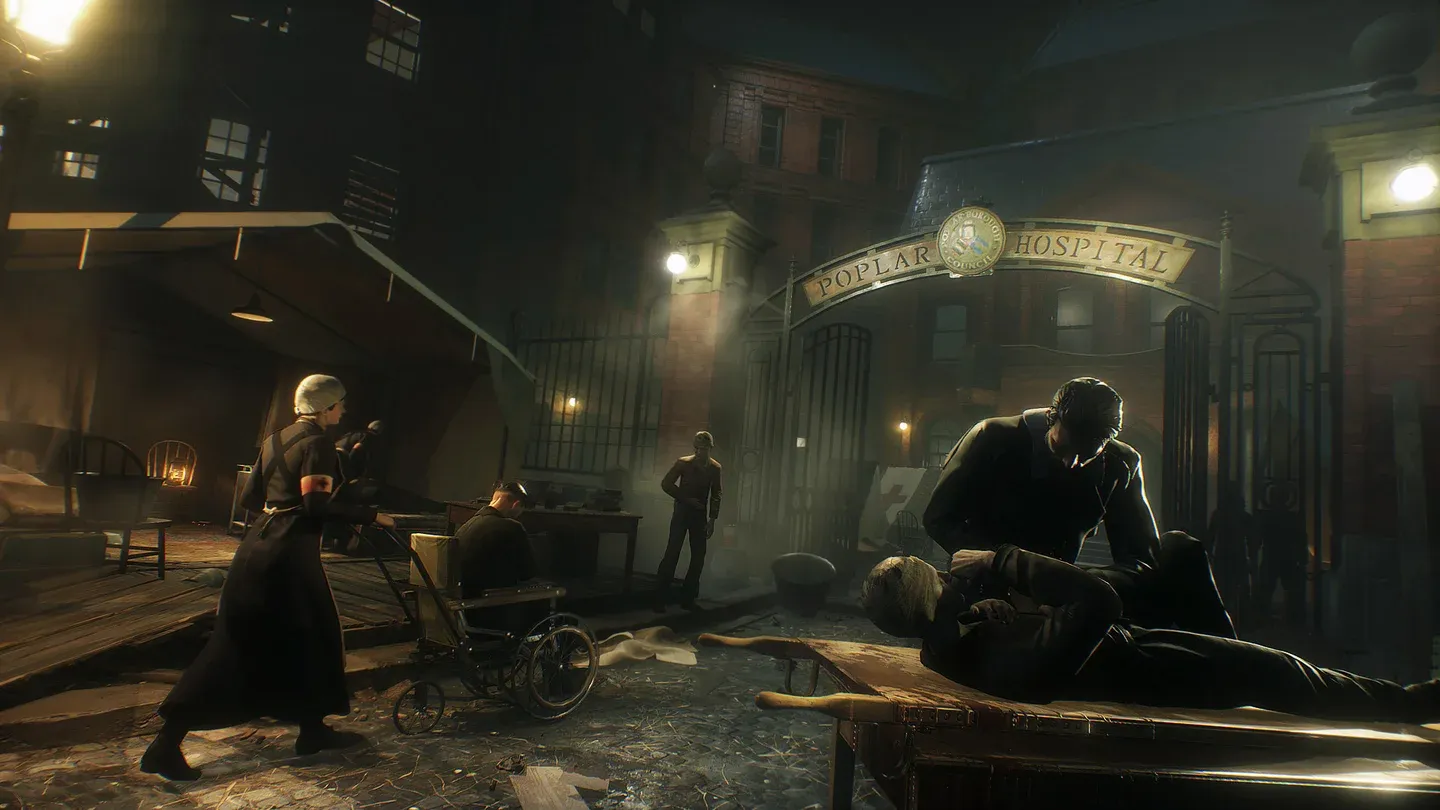
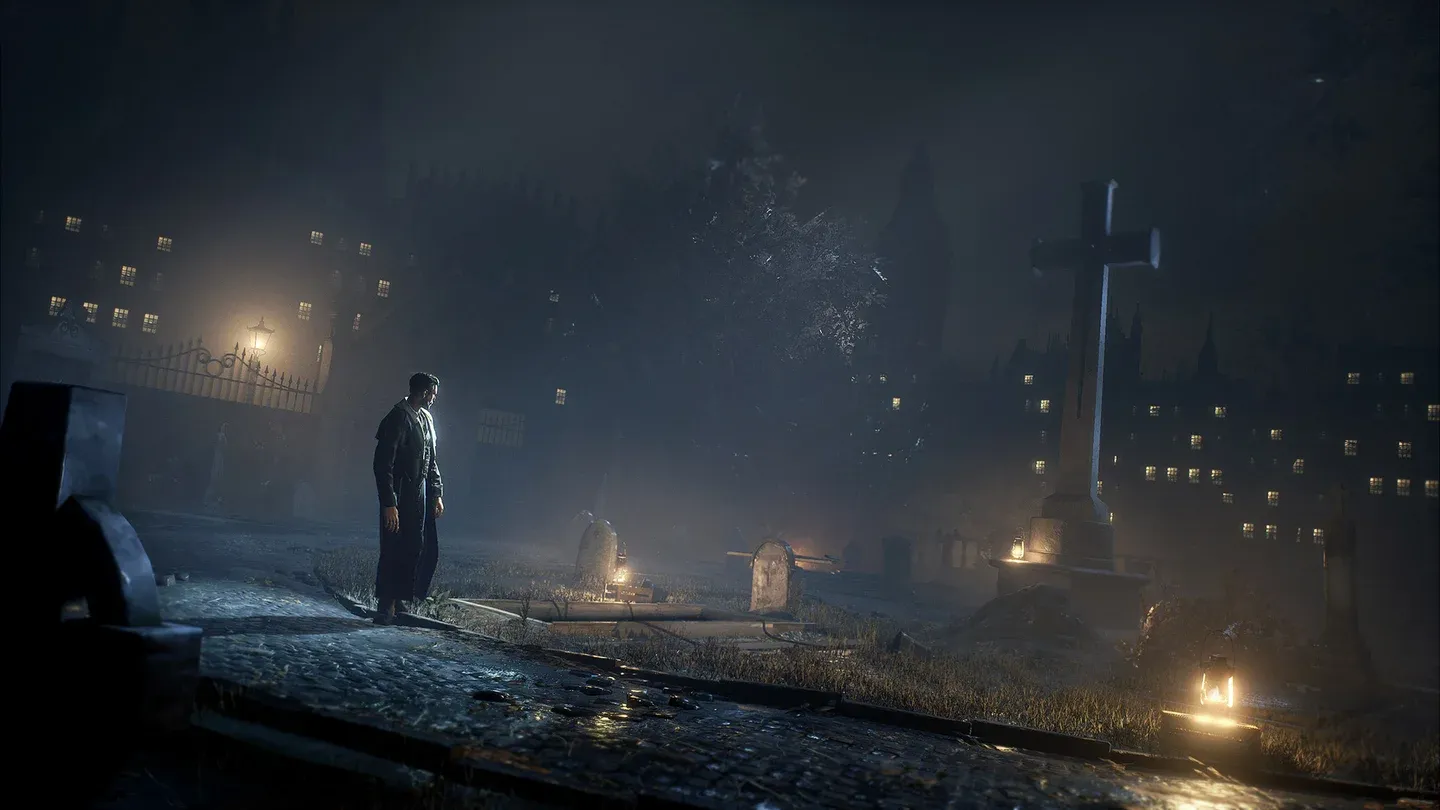
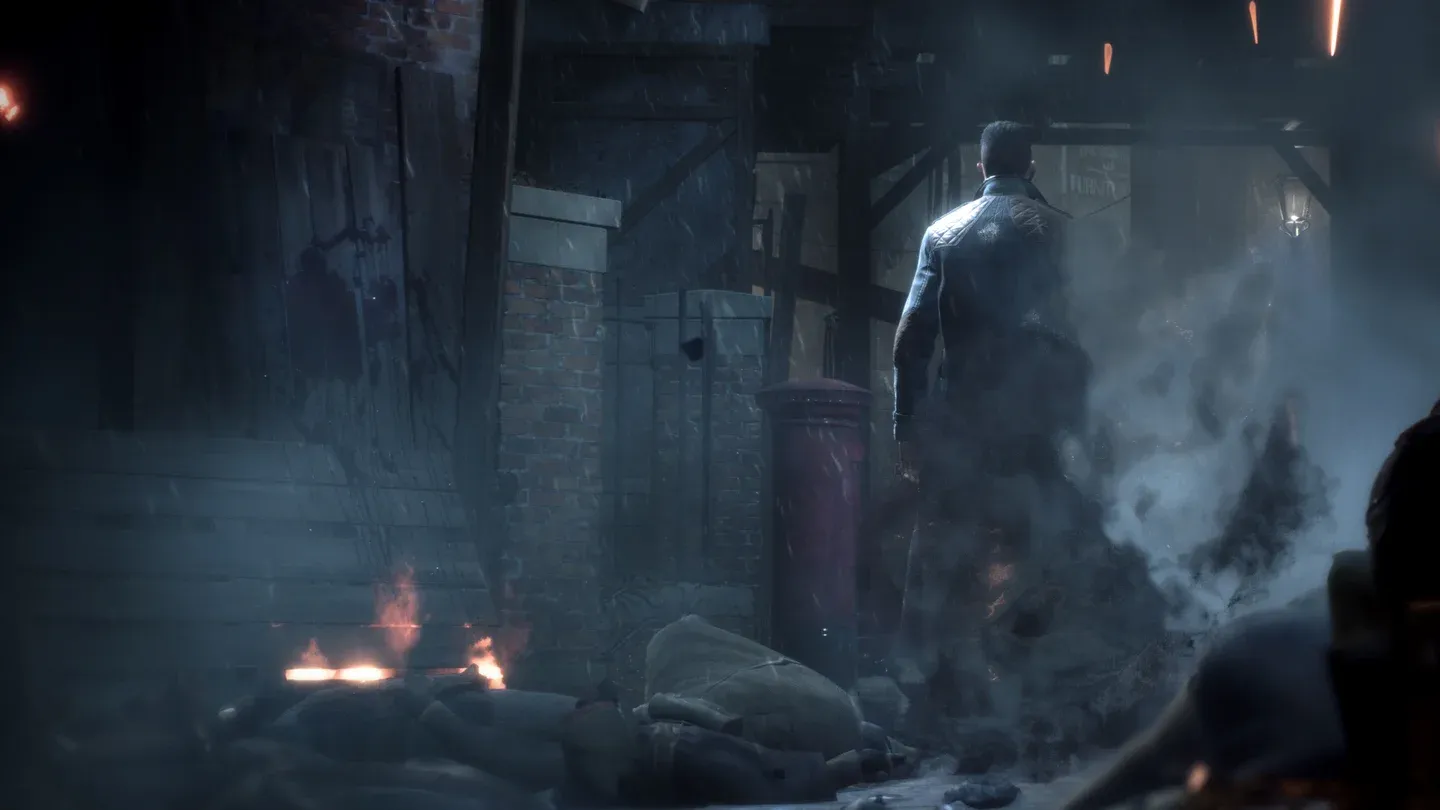
The London that Vampyr builds is grimy, fog-soaked, and convincingly miserable. The Spanish flu is not background flavor; it actively spreads through districts if you leave infected NPCs untreated, and managing that outbreak is a parallel responsibility to everything else Reid is dealing with. Each NPC has a name, a backstory, relationships with other characters, and a health status you can monitor and sometimes improve by crafting and delivering medicine.
Vampyr content image
That NPC system is where the game earns its reputation. Before feeding on someone, you can investigate their life through conversations, eavesdropping, and item collection. A fully investigated victim yields maximum XP. The process of learning who someone is before deciding whether to kill them is deliberate and effective at making you feel the weight of the choice.
Does Vampyr hold up as a narrative RPG?
For players primarily drawn to story-driven RPGs with moral complexity, Vampyr remains one of the more distinctive releases of its era. The narrative commits to its premise without softening it, and Reid himself is written as someone genuinely wrestling with what he has become rather than a blank player avatar. Voice acting is strong across the board, and the gothic atmosphere stays consistent from the opening scene to the finale.
Combat is the weakest element and has always been the most common criticism. It gets the job done, but it lacks the fluidity of dedicated action games. Players who approach Vampyr as a narrative experience first and an action game second tend to find it far more rewarding. On that basis, it sits comfortably among the better dark fantasy RPGs available across PC, PlayStation, Xbox, and Nintendo Switch.