Search games, articles, guides...CtrlK
Sign InGet Started

Break down every Aion 2 spending system: Quna, Kina, the $15 membership, Daeva Pass, and whether free players can compete.

Written by Larc
Content Writer
See more GAMES.GG guides on Google
Add us as a preferred source and our guides show up first in your results.
Aion 2 Market Guide: How Trading and the Quna Exchange Work
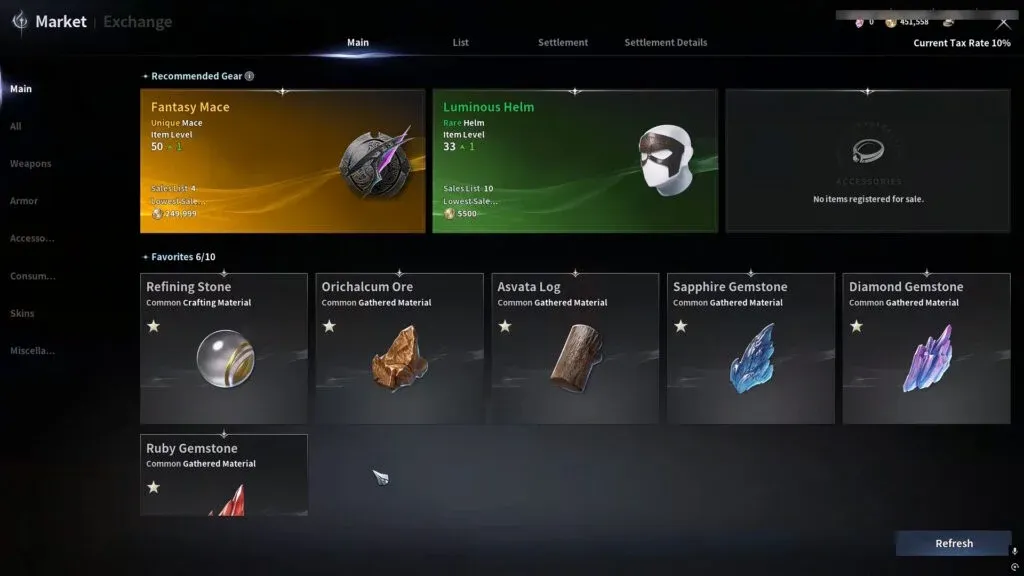
Learn how the Aion 2 Market works, what Membership unlocks, and why direct player trading is disabled on Global servers.

Aion 2 Ascension Gauge Guide: How to Fill It Fast
Learn how to fill the Ascension Gauge in Aion 2 fast using Regional Quests, Sealed Dungeons, and Strongholds to unlock Episode progress.
Aion 2 Guide: All Hidden Cube Locations
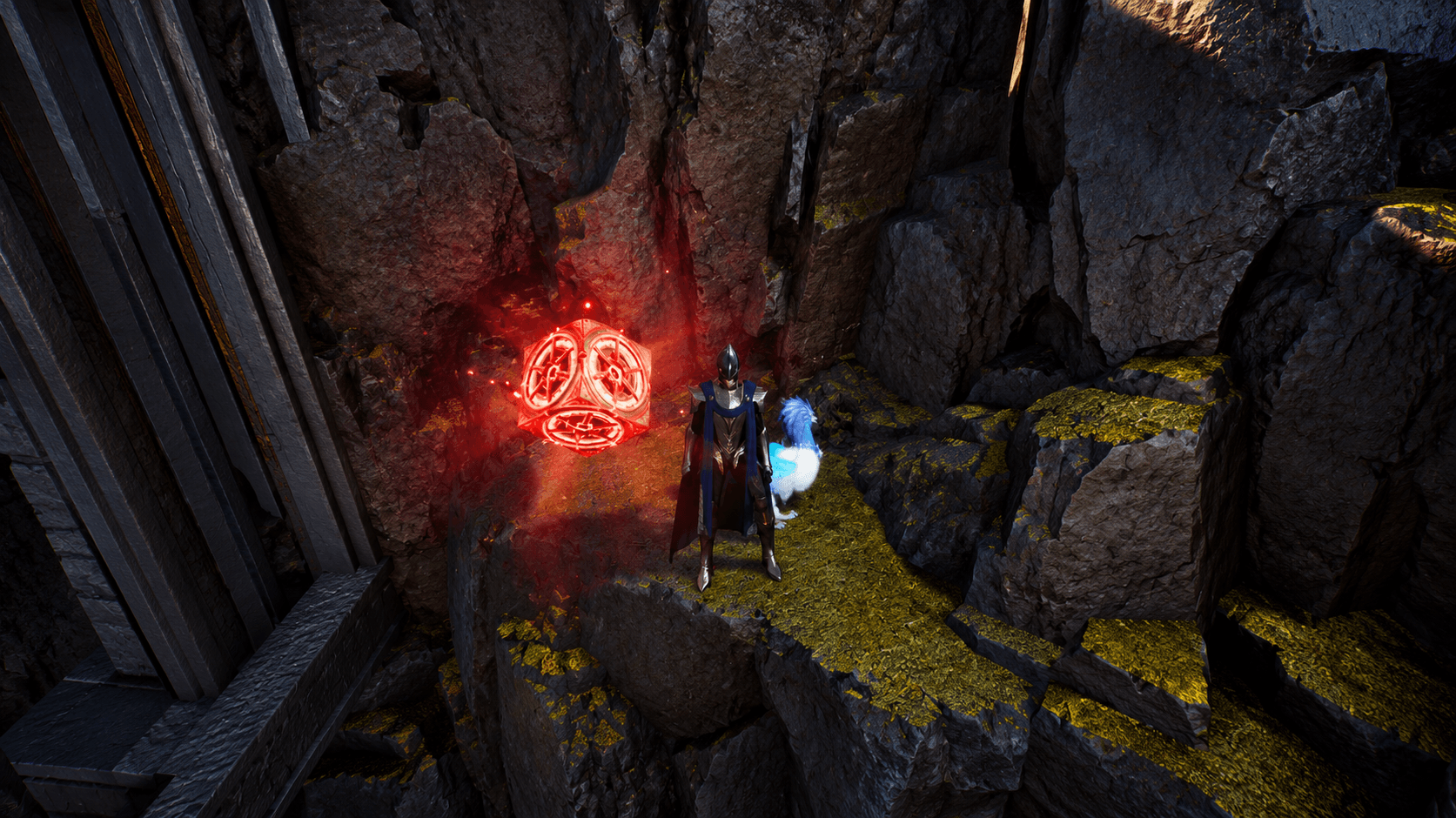
Find all 206 Hidden Cubes across Verteron, Altgard, Eltnen, and Morheim. Learn how to get keys and what rewards drop.
Aion 2 hit 400,000 concurrent players at global launch, making it one of the biggest MMORPG releases of 2026. With that kind of momentum comes an equally loud debate: is this game designed to drain your wallet, or can you genuinely play without spending a cent? The short answer is that the truth sits somewhere in the middle, and the specifics matter more than the headline.
Aion 2 runs on a free-to-play foundation. You download it, create a character, level up, run dungeons, participate in PvP, and explore the open world without paying anything. The monetization layers sit on top of that core experience rather than blocking it.
The game uses two currencies. Kina is the standard in-game currency you earn through quests, monster hunting, crafting, and daily activities. Quna is the premium currency purchased with real money. These two systems interact through a player-driven currency exchange, and that exchange is where most of the pay-to-win debate originates.
Aion 2 Monetization Explained: Is It Actually Pay-to-Win?
Beyond currency, the in-game shop sells cosmetics: outfits, wings, weapon skins, pets, and accessories. None of these provide combat power or gear advantages. The shop also includes some convenience consumables, though the developers state these are obtainable through regular play. This cosmetic-first approach is one of the least controversial aspects of the whole model.
The Daeva Pass is Aion 2's battle pass system. It runs a free track and a premium track simultaneously. The free track rewards Kina and basic items as you progress through normal gameplay. The premium track, unlocked with Quna, delivers upgrade materials and progression-related rewards. Players who hold the monthly membership can convert Kina into Quna through the exchange, which creates an indirect path to the premium track without additional direct spending.
This is the part that generates the most friction. The optional membership costs $15 per month and gates several features that serious players will want:
Aion 2 Monetization Explained: Is It Actually Pay-to-Win?
The membership consolidates what was apparently a more complex multi-tier system in the Korean version into a single price point. For context, World of Warcraft requires a subscription just to play beyond the starting experience, and Elder Scrolls Online's optional Plus membership works on a similar logic: pay to unlock deeper systems and storage. At $15, Aion 2 sits at the same price as most Western MMO subscriptions.
The legitimate concern is that much of the game's progression loop runs through the economy. Gear, upgrade materials, and services flow through the player market. Locking that market behind a fee means free players are cut off from a significant portion of how the game's economy functions.
Here's the honest breakdown. Aion 2 does not sell top-tier weapons or direct power upgrades from the developer. The cash shop is cosmetic. Nobody buys a sword that one-shots everything.
What it does allow is this: a player willing to spend real money can convert Quna into Kina through the exchange and use that Kina to purchase gear, materials, or services from other players faster than someone grinding for free. That creates a pay-for-speed advantage rather than a pay-for-power one, but the distinction only holds up to a point. In competitive content, reaching gear thresholds faster than free players is a real advantage.
Aion 2 Monetization Explained: Is It Actually Pay-to-Win?
The fairer label is pay-for-convenience. Paying players move through the economy more efficiently. Free players can still reach the same destinations, just more slowly. Whether that gap feels acceptable depends entirely on what you want from the game.
For direct comparison:
| Feature | Free Players | Membership Players |
|---|---|---|
| Core dungeons and PvP | Full access | Full access |
| Player market (auction house) | No access | Full access |
| Currency exchange | No access | Full access |
| Daeva Pass free track | Full access | Full access |
| Daeva Pass premium track | Requires Quna | Can use Kina via exchange |
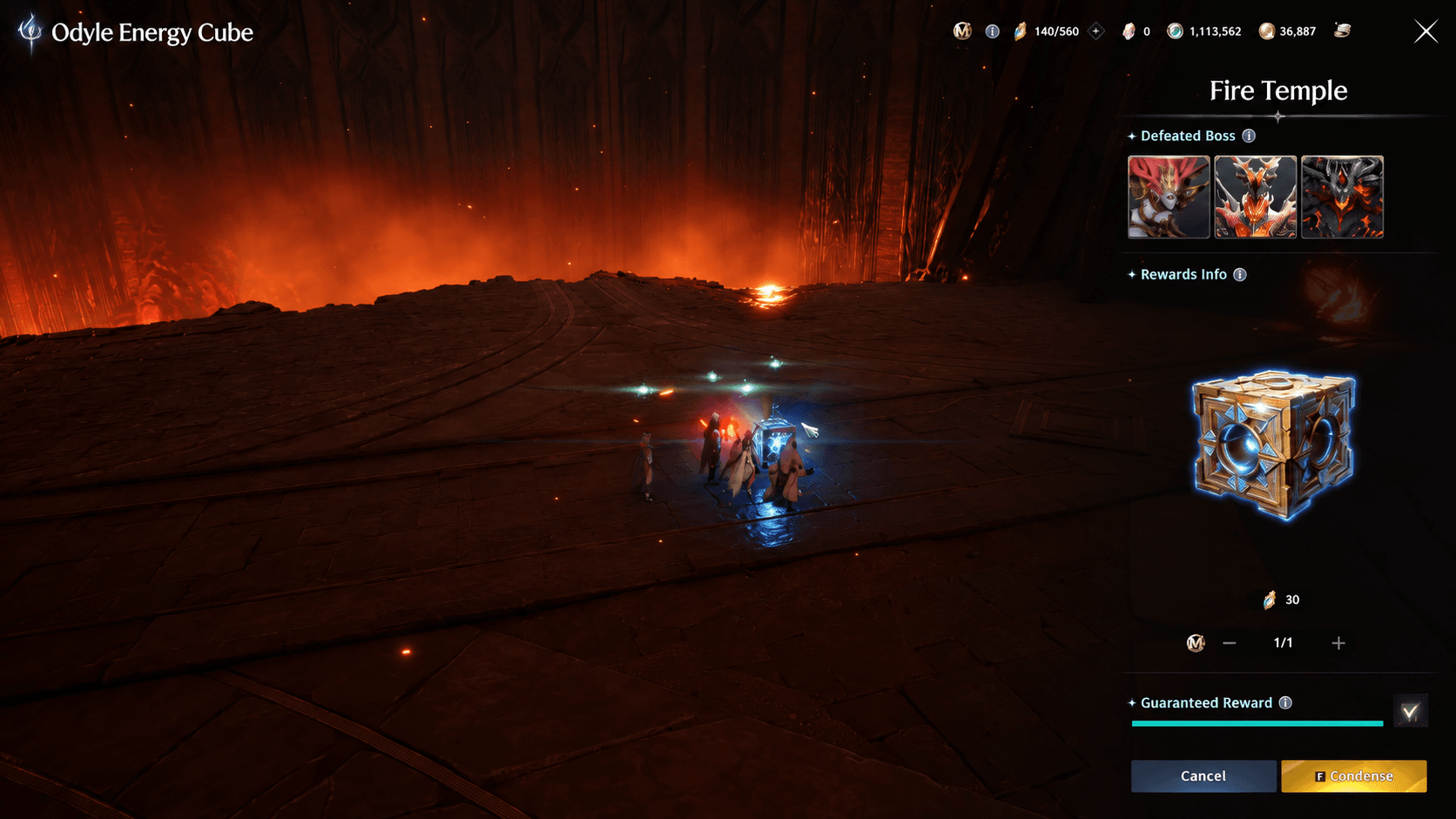
| Odyle Energy cap | Standard | Increased |
| Remote storage | No | Yes |
For players who want to maximize their Kina income without spending, check out the Aion 2 best ways to earn Kina fast guide for every reliable farming method across Expeditions, Conquest dungeons, the Market, and the Abyss.
The honest answer is that Aion 2's model sits in the middle of the genre spectrum. It is not as aggressive as older Korean MMOs that sold enhancement stones with failure rates and direct gear packs. It is also not as clean as a pure subscription game where everyone pays the same flat fee and gets equal access.
Fallout 76's Fallout 1st subscription is a reasonable parallel. That subscription also gates convenience features and gives paying players advantages over free accounts, and it generates the same debate. The key difference is that Fallout 76 does not have a competitive PvP ecosystem where those advantages translate directly into wins. Aion 2 does.
The global version made one notable improvement over the Korean release by simplifying the membership structure. A single $15 tier is easier to evaluate than multiple overlapping subscription levels.
Aion 2's monetization is more transparent than many expected. The cash shop genuinely sticks to cosmetics. The $15 membership is a real cost for real access, not a disguised pay-to-win lever on its own. The currency exchange is the most honest gray area: it lets money accelerate Kina accumulation, which accelerates gear acquisition, which matters in competitive play.
For most players, the model is workable. Understand what you are signing up for, decide whether the membership fits your playstyle, and you will not be surprised by walls you did not see coming. For everything else Aion 2 has to offer, the full Aion 2 guides collection covers progression systems, farming methods, and more.