
The Expedition system in Arc Raiders is a major milestone for players who want to take their Raider beyond the ground war. It's not a short-term grind but a long project that requires planning, discipline, and a good eye for resource management. Every stage of the Expedition Project demands specific materials, crafted components, and credits, all leading up to your Raider's final departure.
This guide explains everything you need to know about the Expedition Project, from start to finish. It includes the complete list of items required per stage, where to find them, and practical advice to help you progress efficiently without wasting resources. If you're the type of player who likes to keep your inventory clean, this is your warning: hold off on selling or recycling anything until you finish reading this guide.
Understanding the Expedition System
Expeditions represent the culmination of your work as a Raider. Each stage mirrors the complexity of rebuilding and outfitting a launch operation. The requirements begin with simple scavenged materials, but as you move forward, you'll need high-tech components, rare drops, and a large amount of in-game currency.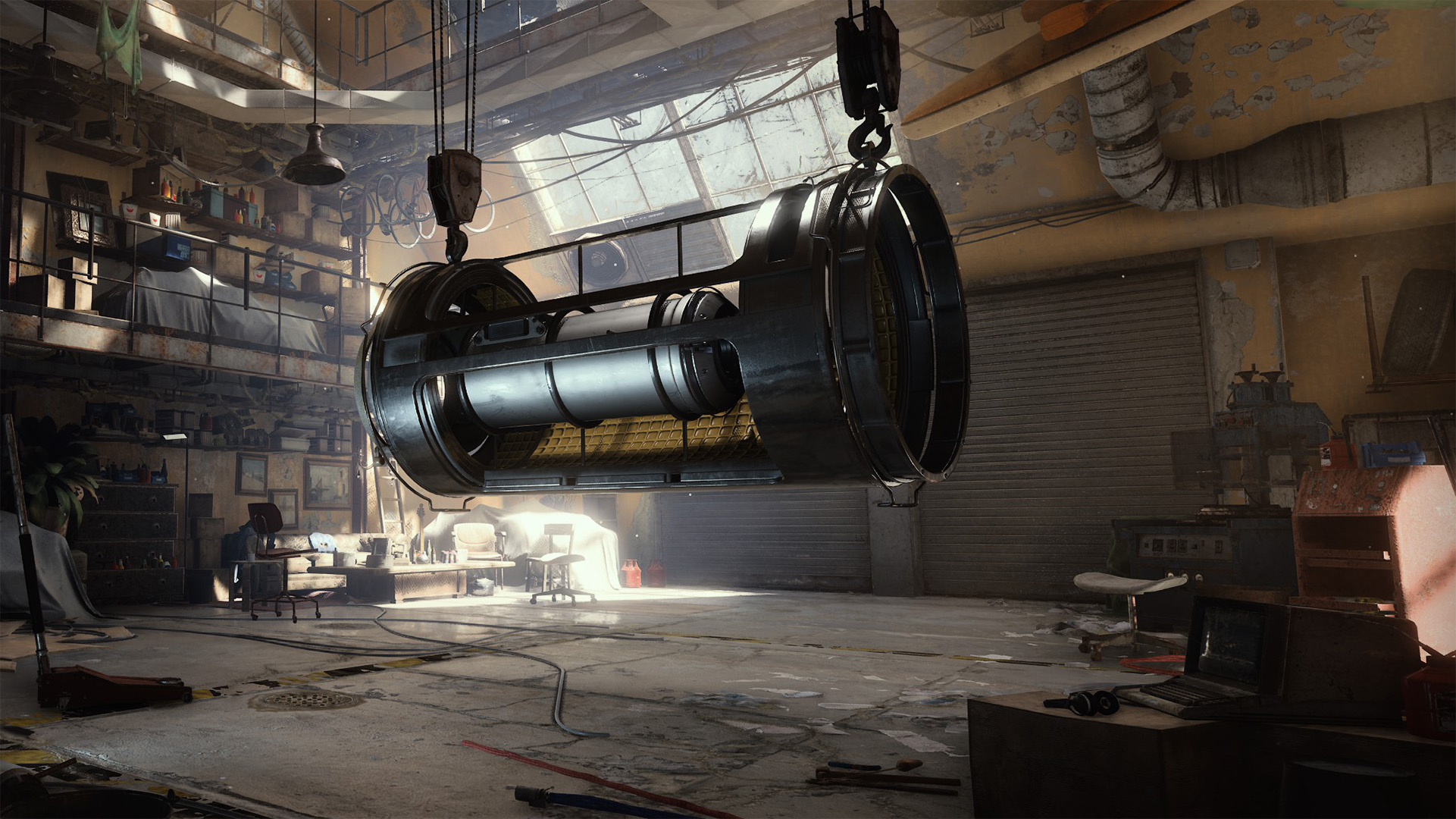
You can think of the Expedition as a construction project split into six phases. The first four focus on gathering and building, while the fifth and sixth mark the final preparations for takeoff. Every piece of scrap, every coin, and every crafted item plays a role in the success of your launch.

Stage 1: Foundation
The Foundation stage focuses on building the base of your Expedition. It relies heavily on the most common types of loot found throughout the world. Players often overlook how much of these items they'll need, but this stage sets the tone for what follows.
| Material | Quantity | Where to Find It |
|---|---|---|
| Metal Parts | 150 | Dismantling weapons, industrial areas |
| Rubber Parts | 200 | Vehicle components, abandoned settlements |
| ARC Alloy | 80 | High-value loot zones, boss encounters |
| Steel Springs | 15 | Mechanical devices, workshop areas |
 Tips and Notes:
The key to completing this stage efficiently is consistency. Focus on looting every industrial site you encounter. Metal and Rubber Parts drop frequently, but their high quantity requirement means you'll need several runs to complete this stage. ARC Alloy is a different story. It's much rarer and typically drops from tougher ARC units, so prioritize stronghold missions or raids. The Steel Springs are easy to overlook but can often be found in mechanical debris piles or near large industrial structures.
This stage rewards players who are patient scavengers. It's also a good idea to start creating a dedicated storage area for materials, as these items will continue to be useful in later phases.
Stage 2: Core Systems
Once your foundation is complete, it's time to bring your Expedition to life. The Core Systems stage deals with powering and wiring the structure. Most of the items here are electronic or technical, which means you'll spend more time searching urban and high-tech environments.
| Material | Quantity | Where to Find It |
|---|---|---|
| Durable Cloth | 35 | Residential areas and fabric supply caches |
| Wires | 30 | Control panels and scrap electronics |
| Electrical Components | 30 | ARC drones and power stations |
| Cooling Fan | 5 | Technology facilities or traders |
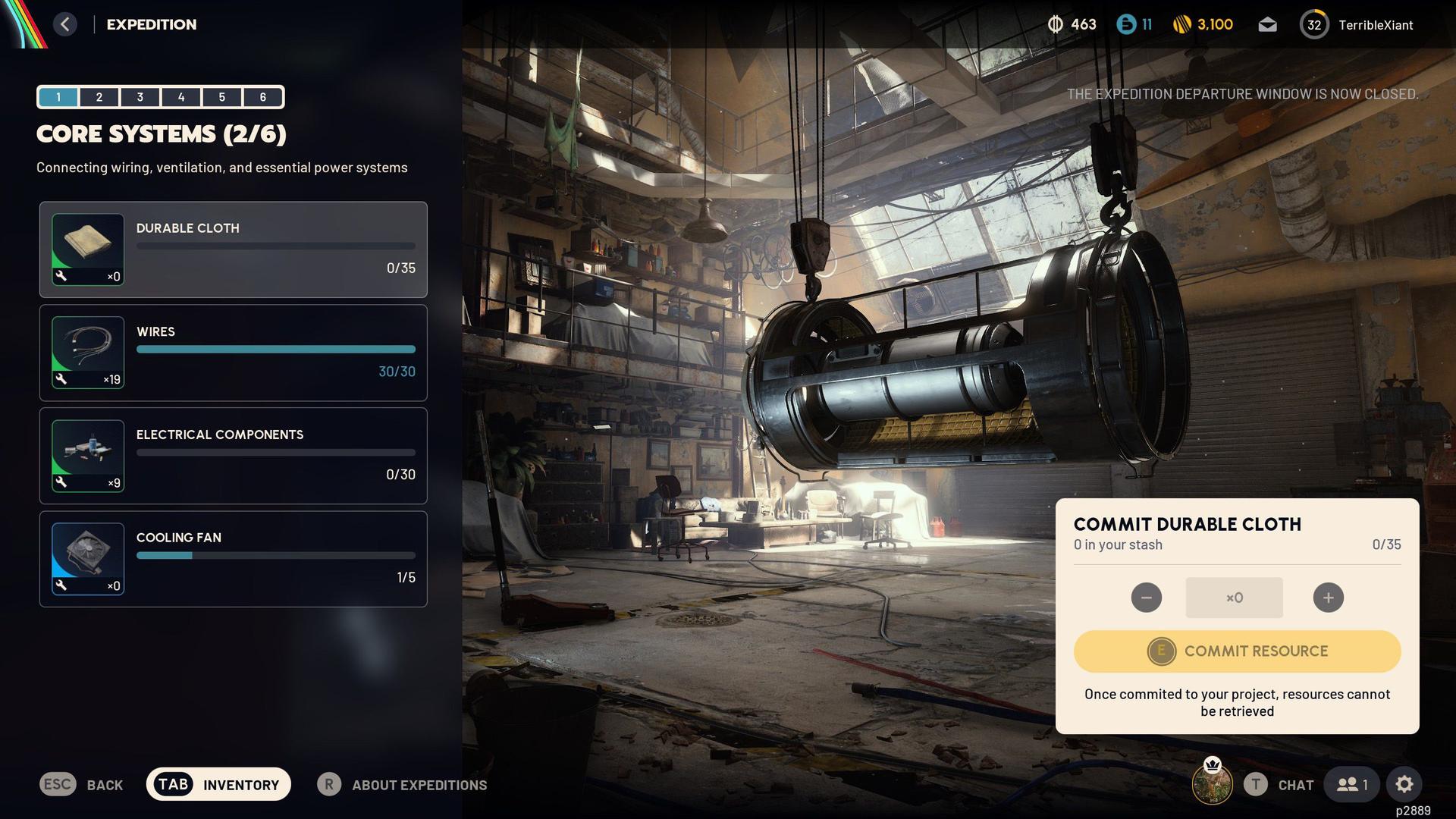
All Expedition requirements in ARC Raiders
Tips and Notes:
This stage introduces a noticeable jump in difficulty for gathering materials. Durable Cloth is surprisingly limited, and you may need to raid multiple settlements before gathering enough. Wires and Electrical Components are fairly common in electrical zones, so target locations with power generators or industrial buildings. Cooling Fans are much rarer and are often easier to buy from traders than to find naturally.
Many players make the mistake of recycling electrical parts early in the game. Avoid doing that. These items become critical once you reach this stage, and finding replacements can be time-consuming.
Stage 3: Framework
The Framework stage focuses on structure and precision. You'll need a mix of everyday scavenged items and rare mechanical parts. This is also the stage that introduces the elusive Exodus Module, which serves as a key progression gate for the Expedition.
| Material | Quantity | Where to Find It |
|---|---|---|
| Lightbulb | 5 | Abandoned houses and residential areas |
| Battery | 30 | Drones or power facilities |
| Sensors | 20 | Radar installations or tech outposts |
| Exodus Module | 1 | High-tier Expedition reward or rare trade item |
Tips and Notes:
Lightbulbs are common but often ignored. Keep a few stacks whenever you come across them. Batteries and Sensors can be collected from scavenging drones and tech bases. The real challenge here is the Exodus Module, which is not a typical loot drop. This item is obtained through advanced Expedition content, endgame missions, or by trading with high-tier merchants.
At this stage, your progress begins to depend more on your combat and exploration capabilities rather than simple looting. Make sure you're equipped to handle tougher enemies since higher-tier drops will come from riskier encounters.
Stage 4: Outfitting
By the time you reach Outfitting, you'll already have invested significant time and materials into your Expedition. This stage represents the final assembly of your Raider's systems. The materials here are advanced, rare, and sometimes difficult to obtain without farming specific enemies or events.
| Material | Quantity | Where to Find It |
|---|---|---|
| Humidifier | 5 | Survival caches or traders |
| Advanced Electrical Components | 5 | Crafted using lower-tier components |
| Magnetic Accelerators | 3 | Elite ARC enemies |
| Leaper Pulse Units | 3 | Leaper-class ARC bosses |
Stage 5: Loading Phase
The Loading Phase represents the final investment before launch. You'll no longer need specific materials but instead large amounts of credits tied to categories of items. It's essentially a funding phase that demands a combination of trading, looting, and efficient credit management.
| Category | Required Value | Strategy |
|---|---|---|
| Combat Items | 250,000 Coins | Weapons, ammunition, grenades |
| Survival Items | 100,000 Coins | Medical supplies, shields, tools |
| Provisions | 180,000 Coins | Food, water, keys, valuables |
| Materials | 300,000 Coins | Crafting components, recyclables |
Tips and Notes:
This is where most players realize how expensive Expeditions truly are. You'll need almost a million coins in total value spread across different item types. Completing daily bounties, outpost missions, and enemy contracts is the fastest way to accumulate credits. Avoid selling rare materials or items that are part of earlier Expedition stages, as you may still need them later.
If you plan ahead, you can start saving money as early as Stage 3. Selling surplus gear and participating in high-reward raids can make this phase much smoother.
Stage 6: Departure
Once you complete the Loading Phase, your Expedition is essentially ready. Stage 6 requires no additional materials. All you have to do is wait for the scheduled departure window, which usually occurs the following month. When that time arrives, your Raider will officially be sent off.
This final stage is less about grinding and more about reflection. It's the culmination of every raid, every scavenged crate, and every boss fight you've completed. The wait can feel long, but it serves as a satisfying closure to a lengthy and demanding process.
What You Lose vs. What You Keep
Understanding the reset mechanics helps you prepare mentally and strategically for departure day.
Complete Reset Items:
- All Stash upgrades and inventory contents
- Every collected Blueprint
- Your entire Coin balance
- Player level (back to Level 1)
- All spent Skill Points
- Raider Den progress
- Workshop upgrades
- Quest completion status
Permanent Retention:
- Unlocked maps and exploration progress
- Workshop stations you've discovered
- Codex entries and lore collection
- Raider Tokens and Cred currency
- Cosmetic items and customizations
- Active leaderboard standings
- Bonus Skill Points from previous expeditions
- Extra Stash Slots earned through expeditions
Why Risk Everything for an Expedition?
The rewards justify the massive investment for dedicated players seeking long-term progression advantages:
Permanent Account Upgrades: Each completed expedition grants additional Skill Points and Stash Slots that persist forever. These bonuses stack across multiple expedition cycles.
Exclusive Cosmetics: Unique visual rewards that can't be obtained through any other means. These serve as prestigious badges showing your commitment to the expedition system.
Cycle Buffs: Temporary but powerful bonuses active during your next progression cycle, including:
- Enhanced XP gain rates
- Improved material yields from Scrappy
- Better weapon repair efficiency
- Increased upgrade material drops
Strategic Planning Tips
Resource Management Strategy
Start your expedition preparation immediately upon reaching Level 20. The eight-week window seems generous, but the material requirements are enormous. Focus on these priorities:
- Hoard everything during early stages
- Identify bottleneck items for each stage
- Plan your final raids around Stage 5 coin requirements
- Keep backup materials for essential crafting needs
Timing Your Departure
You control when to begin each stage, allowing strategic timing around your play schedule. Consider these factors:
- Personal availability during the departure window
- Current market values for items you're selling
- Completion status of other long-term goals
- Friend group coordination if planning synchronized expeditions