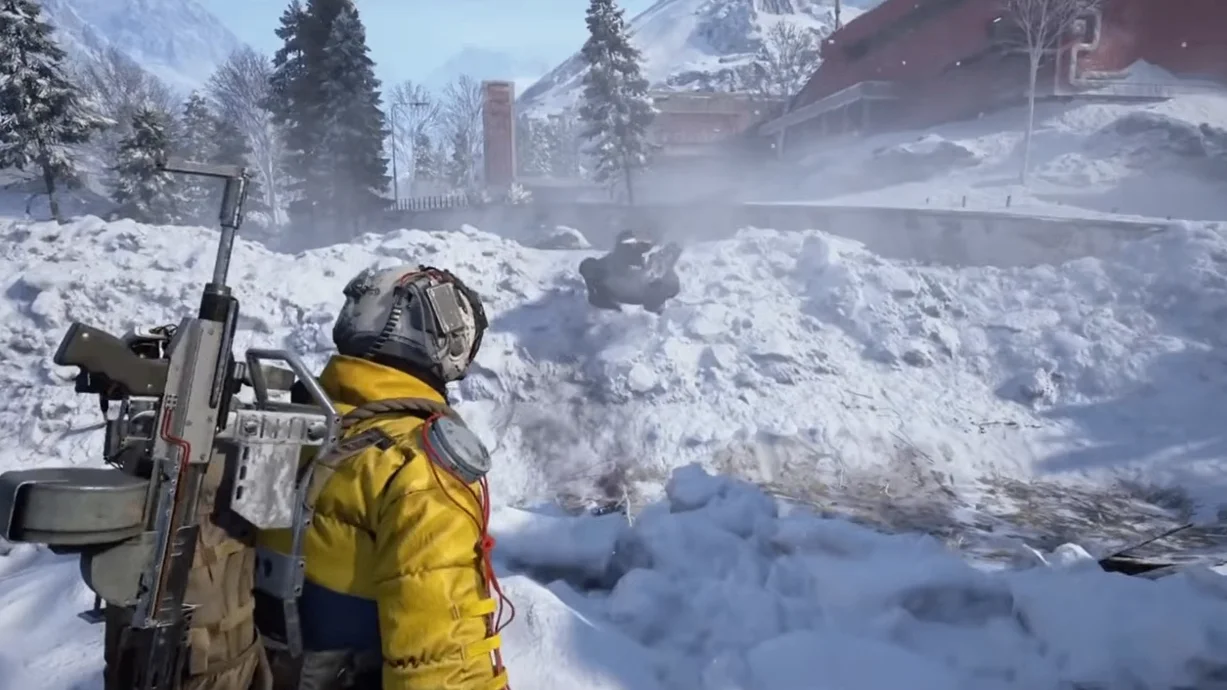

IMAGE_QUALITY_GUIDELINES: Use an in-game Anvil hand cannon screenshot for the cover. Body images should show the Venator two-shot pistol, Il Toro pump shotgun, Renegade lever-action rifle, Bobcat SMG, and Kettle semi-automatic rifle. Keep visible weapon names, upgrade levels, ammunition indicators, and health or shield displays legible. Preserve the actual attachments shown in each capture. No specific Raider outfit or ability effect is required, and no comparison graphics or added statistics should appear.
CONTENT: The Anvil is the best PvP gun in ARC Raiders for precision fights, while the Venator is the more forgiving close-to-mid-range pick.
Your choice should follow the shots you can land and the cover you can use. Il Toro suits short, hard-hitting peeks, Renegade gives you a ranged partner, and Kettle keeps replacement costs low. Start with your expected engagement distance, then choose attachments that address the weapon’s main limitation. An expensive gun cannot compensate for standing exposed through an awkward reload.
Best PvP guns at a glance
Choose a weapon around the fight you intend to take. A precision gun rewards brief openings, while an automatic weapon needs enough time on target to finish its work.
| Weapon | Best reason to choose it | Main limitation |
|---|---|---|
| Anvil | High-damage precision shots and cover fights | Missed shots are costly because it fires slowly |
| Venator | Flexible close-to-mid-range fighting | Less suitable for distant rifle duels |
| Il Toro | Heavy shotgun damage during short peeks | Less comfortable in exposed, sustained exchanges |
| Renegade | Accurate pressure at medium and long range | Vulnerable when an enemy closes the distance |
| Tempest | Controllable automatic fire at medium range | High ammunition use |
| Bobcat | Fast close-range damage | Empties its magazine quickly |
| Kettle | Cheap, controllable semi-automatic fire | Requires repeated manual shots |
| Stitcher | Affordable automatic fire for close fights | Less dependable outside its close-range role |
A high placement in the broader ARC Raiders weapon tier list does not automatically make a gun the right PvP choice. Anti-ARC weapons such as the Hullcracker serve a different job from a gun you bring to fight another Raider.

The strongest picks for player fights
Anvil: best for precision and cover
The Anvil earns the top recommendation because its damage suits deliberate shots from cover. It also has the reach to stay useful when an opponent backs away, so choosing a hand cannon does not restrict you to room-clearing distance.
Build your exchanges around a simple sequence:
- Watch the opponent from cover before exposing yourself.
- Line up a deliberate shot, aiming for the head when you can reliably hit it.
- Return to cover before preparing the next shot.
The Anvil demands more accuracy than the Venator or an automatic weapon. If you miss, reset the exchange instead of remaining exposed while trying to correct it. Close-range hip-fire peeks are also worth practicing, but they serve a different purpose from carefully aimed shots across a longer sightline.
Venator: best for close-to-mid-range flexibility
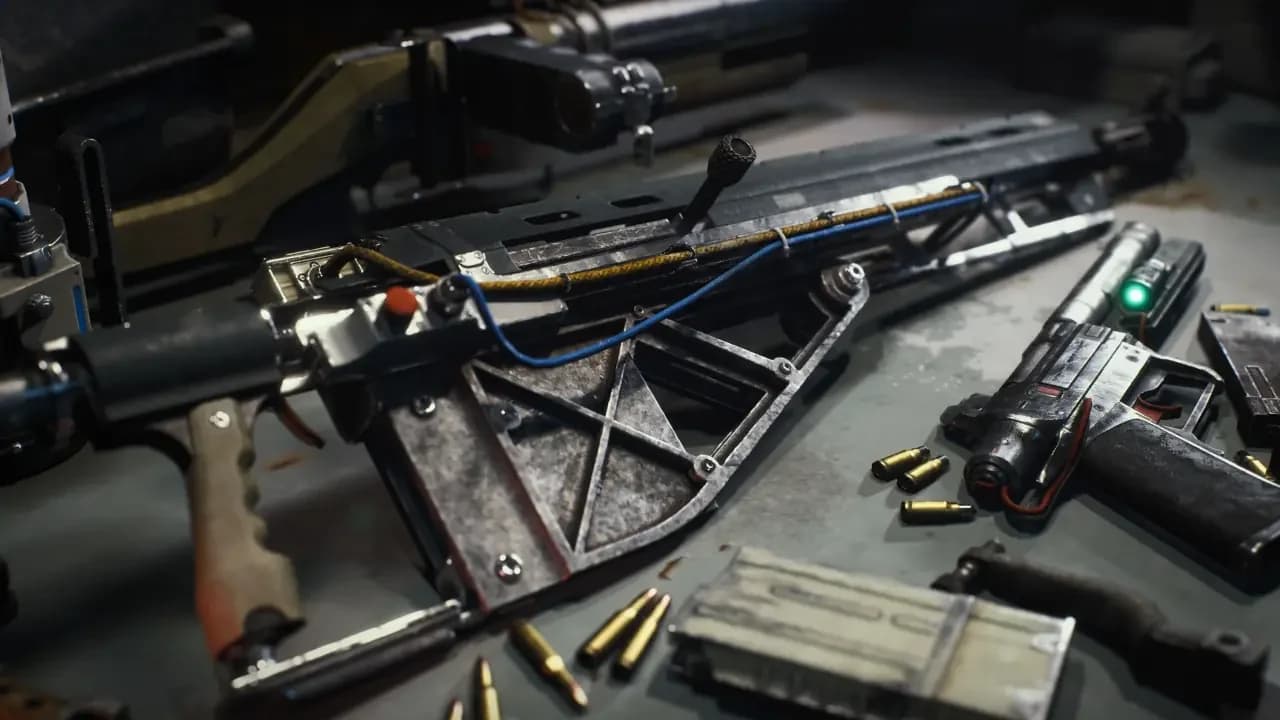
The Venator is the easier recommendation when your fights frequently change distance. Its two-shot firing pattern combines strong damage with enough reach for encounters beyond point-blank range, without demanding the Anvil’s slow, precise rhythm.
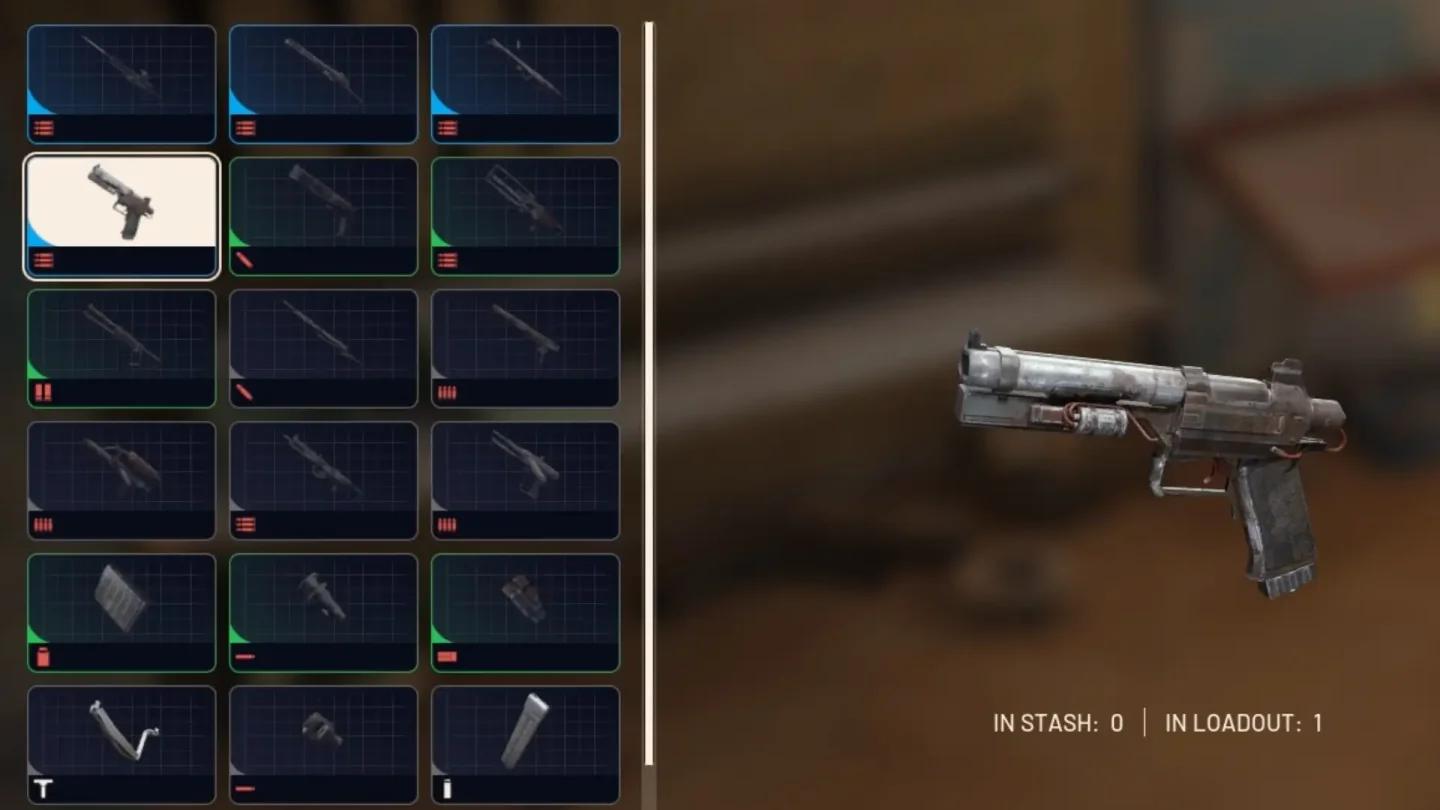
Venator two-shot pistol
A magazine upgrade should be an early priority. More ammunition gives you room for imperfect bursts and continued pressure against tougher shields. Do not confuse that flexibility with sniper reach: a distant Renegade user can still force a matchup the Venator does not want.
If you’re struggling with the Anvil’s demand for accurate individual hits, switch to the Venator before spending more resources trying to force the same approach. It can also work as your only gun when you expect most encounters to remain close to medium range.
Il Toro: best for shotgun peek fights
Il Toro fits fights where you can exchange one heavy shot at a time. ARC Raiders’ third-person camera lets you observe a corner before stepping out, and a pump shotgun works naturally with that brief exposure window.
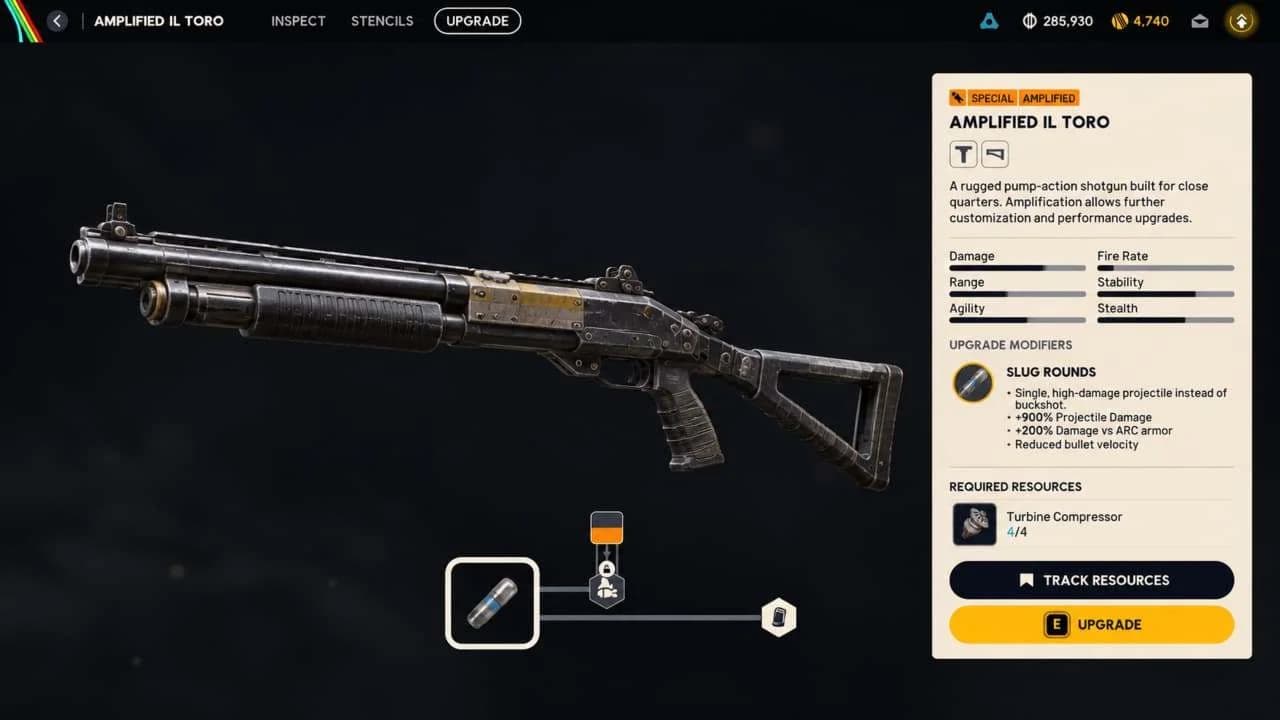
Il Toro pump-action shotgun
Use a corner or solid obstacle to break the opponent’s line of sight between shots. If you get caught away from cover, roll-shooting is an option for repositioning between attacks. Rolling is not a replacement for controlling the distance, and repeatedly standing in the open wastes the shotgun’s strongest fighting pattern.
When a rifle or SMG fits better
Renegade: best for a ranged weapon slot
Choose the Renegade when your route exposes you to longer sightlines. It gives you a more suitable tool for distant targets than trying to stretch a close-range pistol or SMG beyond its role.
Its reload lets you insert ammunition individually and interrupt the process before filling the weapon. Use a safe pause to add what you need, then return to the fight if the opening disappears. You do not always need to wait for a complete reload.
The Renegade’s slower firing rhythm becomes a liability when someone rushes you. Pair it with a gun that can handle that approach instead of equipping another weapon with the same close-range weakness.
Tempest: best for controlled automatic pressure
The Tempest suits medium-range encounters where you can keep an opponent in view. Its stability and automatic fire make it a strong choice around 10-20 meters, especially when a target remains exposed long enough for several hits.
Its drawback is ammunition consumption. Bring enough for the firing pattern you intend to use, and stop firing when the target disappears behind cover. A Tempest is less suited to trading isolated shots around a corner than the Anvil or Il Toro.
Bobcat: best for close-range automatic damage
The Bobcat’s rapid fire makes it dangerous when an opponent appears nearby. Its magazine also disappears quickly, so the important question is whether you can keep the burst on target before you need to reload.
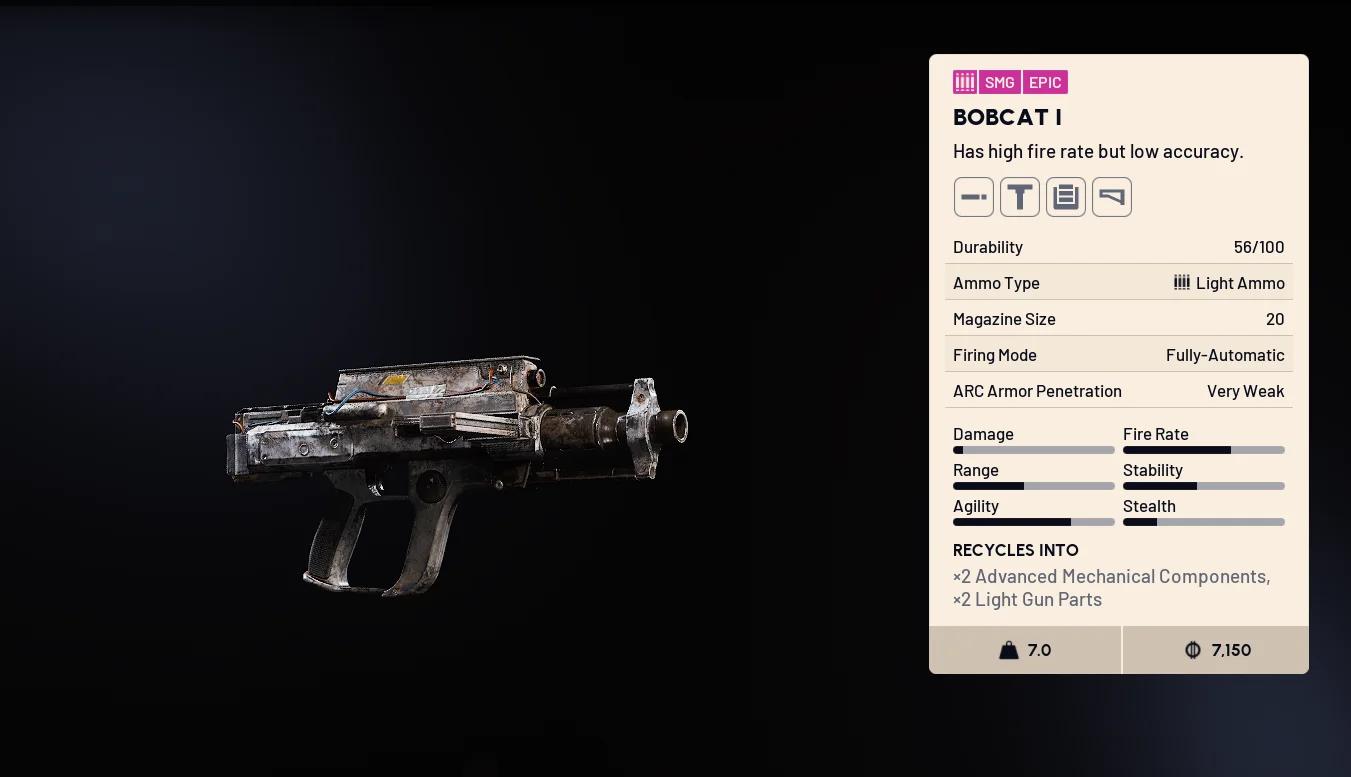
Bobcat close-range SMG
Prioritize a magazine upgrade before treating it as a weapon for extended exchanges. A Kinetic Converter is another attachment option for an aggressive Bobcat setup, but it is not necessary to establish whether you like the gun’s firing pattern.
Use the Bobcat beside an Anvil or Renegade when you want a fast response to a rush. Those pairings let the other weapon handle the opening at distance without forcing the SMG into a long-range duel.
Best budget PvP choices
Kettle: the practical low-cost starting point
The Kettle is a common, inexpensive semi-automatic weapon with manageable handling. Choose it when you want to practice tracking, firing, and resetting your aim without making every lost kit expensive to replace.
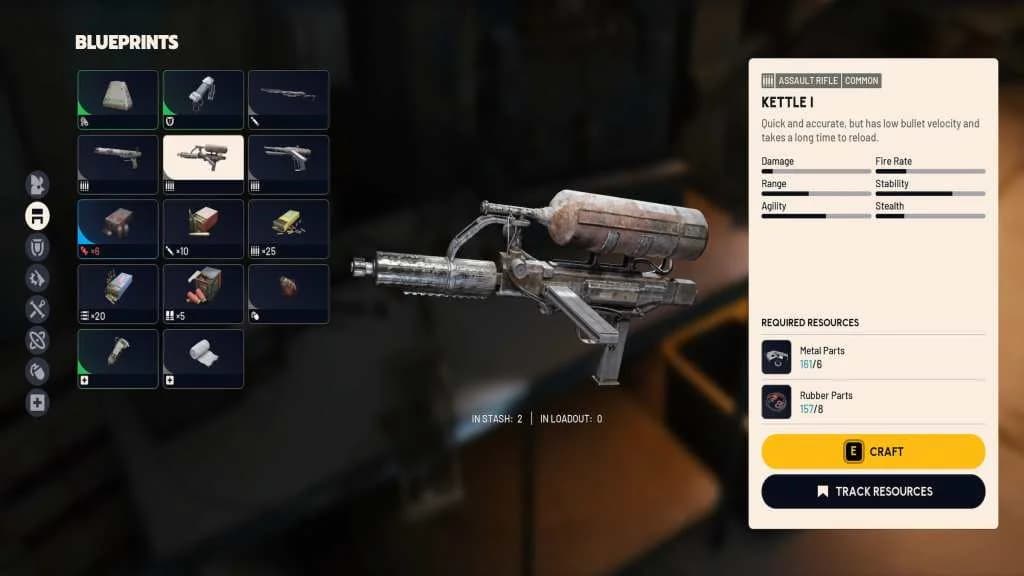
Kettle semi-automatic rifle
Its manual firing pattern should decide whether it suits you. If you prefer holding the trigger during close encounters, the Stitcher offers a cheap automatic alternative. If you prefer placing repeated shots yourself, the Kettle is the more natural fit.
Stitcher: cheap automatic backup
The Stitcher remains useful because it is inexpensive to craft and can handle close-range fights. Keep its role modest: it is a budget automatic, not a reason to challenge a distant precision weapon across open ground.
Replacement cost should include your attachments, not just the weapon. The ARC Raiders free and custom loadouts guide helps you fit that gun into a complete kit without turning a cheap primary into an expensive loss.
How to pair your PvP weapons
Your second gun should answer a problem the first cannot. Distance, firing pattern, and ammunition type are more useful reasons for choosing a pairing than equipping two weapons with similarly high rankings.
| Pairing | Division of work | Ammunition |
|---|---|---|
| Renegade + Venator | Ranged pressure with a flexible closer-range response | Both use Medium Ammo |
| Anvil + Bobcat | Deliberate precision shots with fast automatic backup | Heavy Ammo and Light Ammo |
| Renegade + Burletta | Rifle reach with a quick-swapping close-range pistol | Medium Ammo and Light Ammo |
| Kettle + Stitcher | Budget semi-automatic fire with automatic backup | Both use Light Ammo |
Shared ammunition simplifies what you pack, but both guns draw from the same reserve. Carrying different ammunition types separates those supplies while requiring you to stock each one.
The Burletta is particularly useful when you want a responsive secondary after damaging someone with the Renegade. Its quick swap and close-range damage support finishing a push without asking the rifle to do every job.
Choose upgrades around a specific limitation
Check the weapon’s upgrade level in your Inventory before copying an attachment-heavy setup. A base gun and a level IV version should not be treated as interchangeable when you judge handling or performance.
Use this spending order:
- Fix magazine pressure. Venator, Bobcat, and Burletta benefit from having more shots available before a reload.
- Support the intended range. A choke belongs on an Il Toro setup built around tighter shotgun engagements and greater reach.
- Add specialist attachments last. Decide whether you can afford to replace the complete weapon before committing a Kinetic Converter.
The ARC Raiders guns modifications and upgrades guide covers the crafting and bench progression behind those improvements. Upgrade the limitation that is actually costing you fights instead of filling every attachment slot by habit.
Before deploying, decide where you will reload or which second gun will cover a failed opening. Your weapon pairing should still have an answer after the first shot misses.