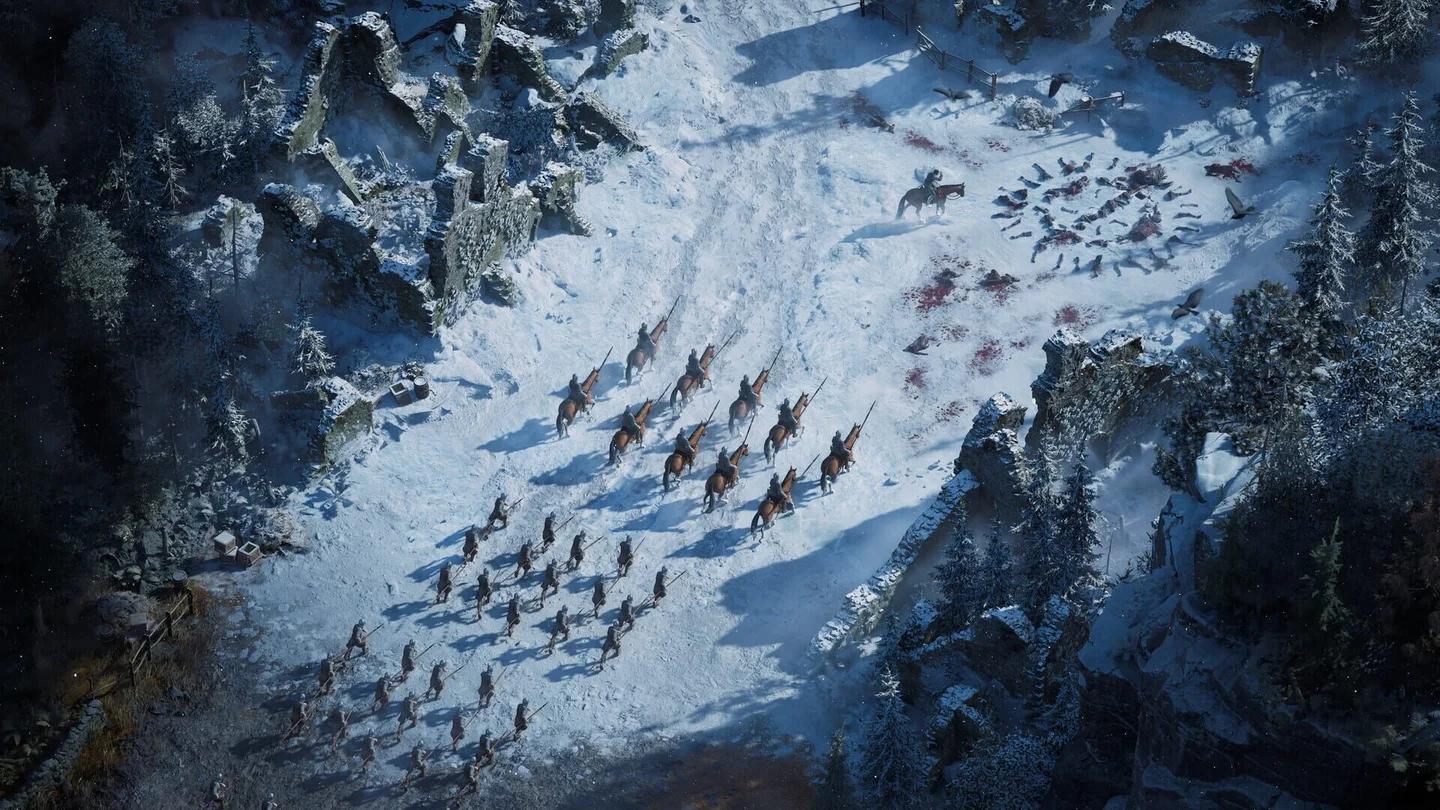
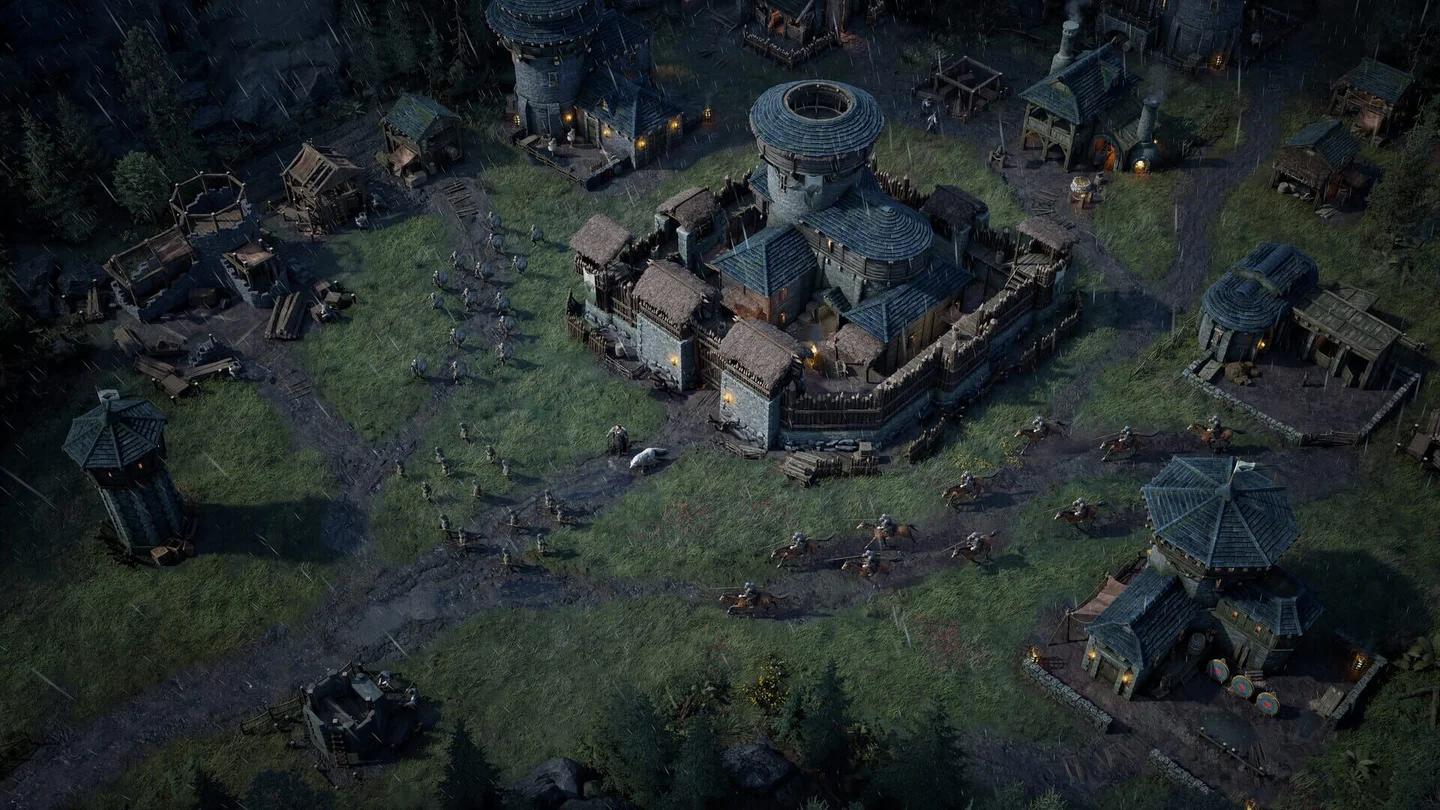
Overview
Game of Thrones: War for Westeros is a classic real-time strategy game developed and published by PlaySide, set for release on PC via Steam in 2027. The game drops players into the heart of the conflict for the Iron Throne, commanding one of four distinct factions across a solo campaign and multiplayer modes. The setting pulls directly from the HBO series, recreating iconic battles and political turning points with enough mechanical depth to reward both series fans and RTS veterans.
The core premise is straightforward in the best way: pick a House, build your forces, and fight for control of Westeros. What separates War for Westeros from generic licensed strategy games is the asymmetric faction design. House Stark, House Lannister, House Targaryen, and the Night King's army of the dead each play differently at a mechanical level, with unique heroes, unit rosters, and strategic identities that reflect their roles in the source material.
Faction design: what makes each house different?
Asymmetric strategy lives or dies on faction distinctiveness, and War for Westeros commits to meaningful differences between its four playable sides. Each faction comes with signature heroes whose abilities shape how battles unfold, and unit compositions that push toward different playstyles.
Key faction features include:
- House Stark: defensive infantry and northern resilience
- House Lannister: gold-backed armies and political leverage
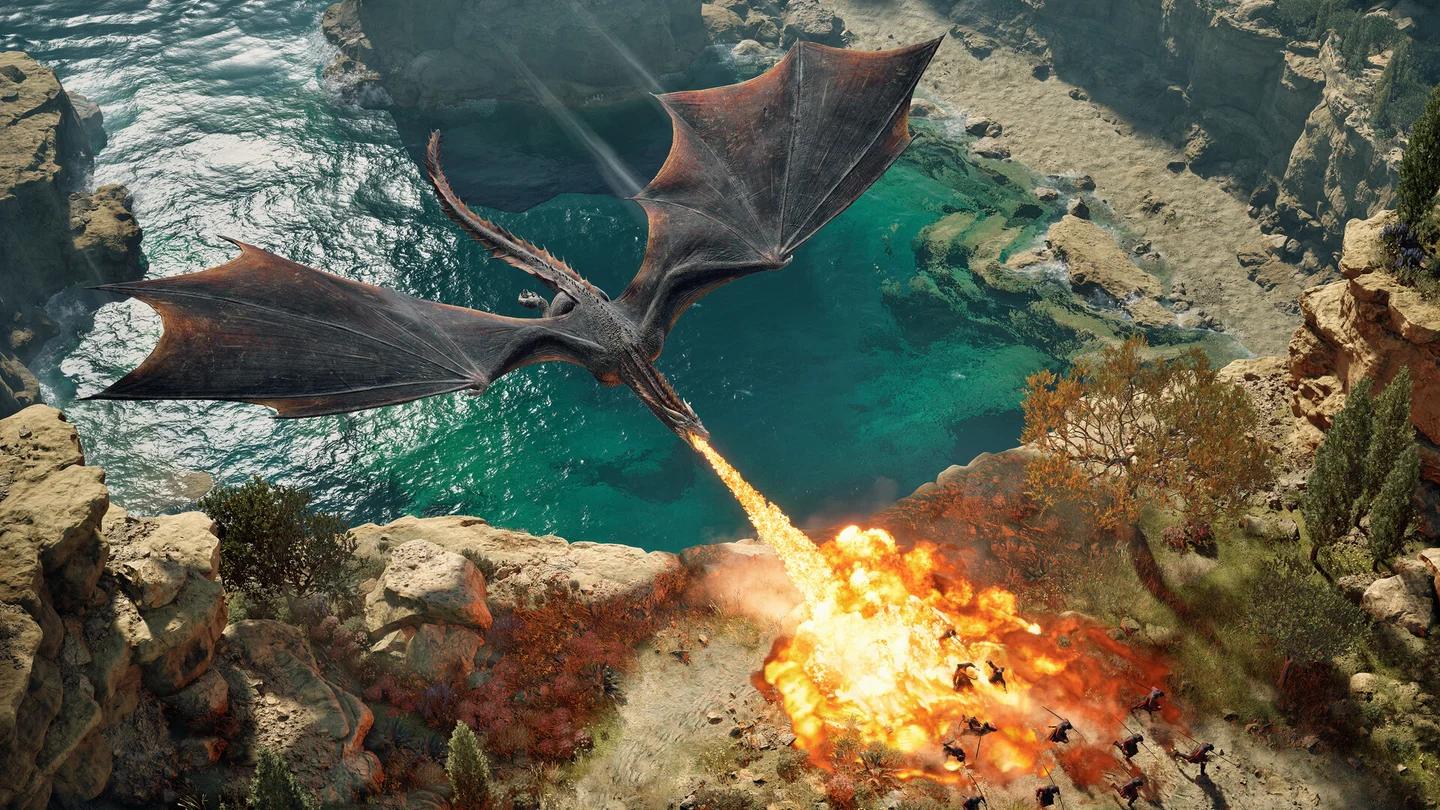
- House Targaryen: dragon-powered aerial dominance
- Night King: undead horde mechanics and attrition warfare
- Unique hero abilities tied to each faction's identity
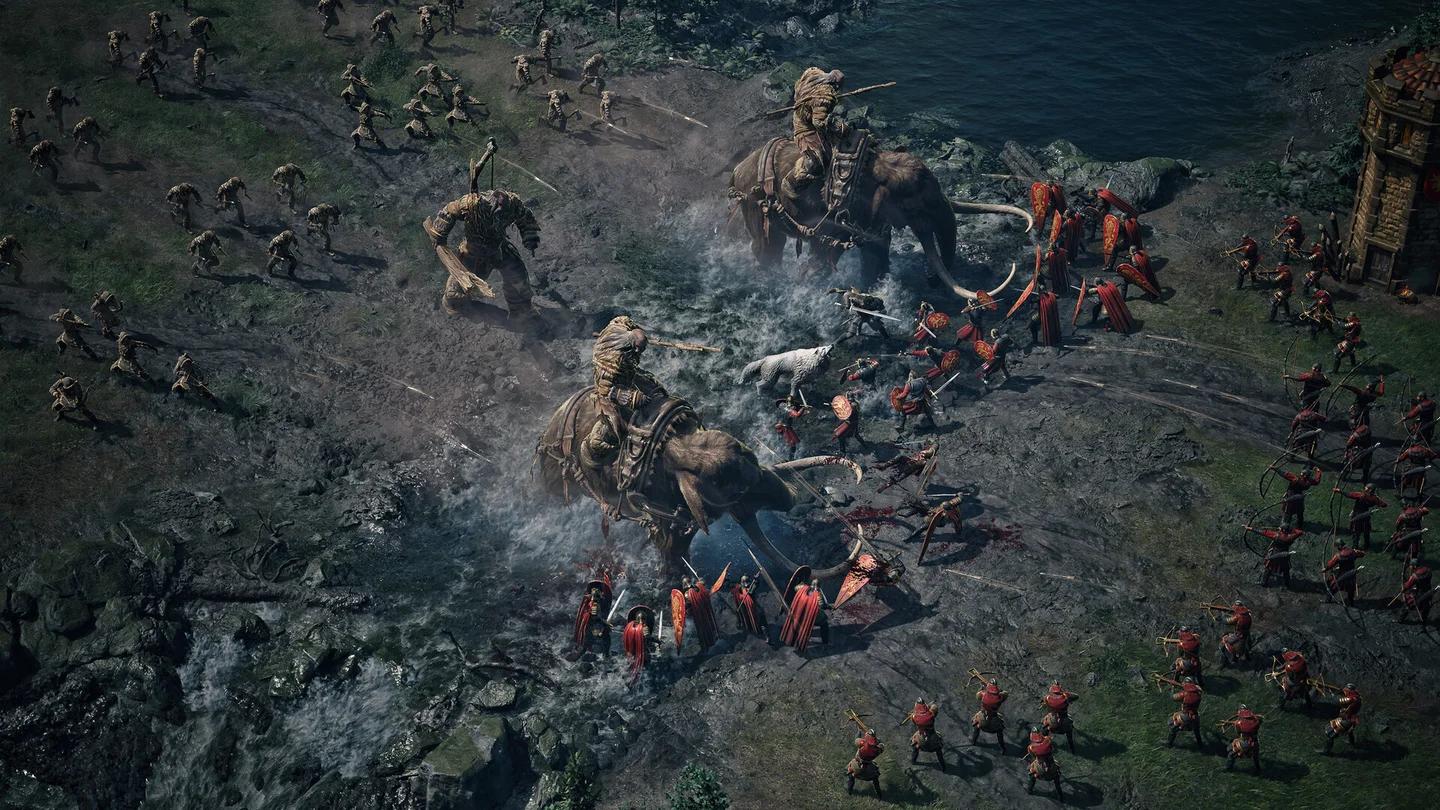
The Night King faction is the most unusual choice, essentially functioning as an asymmetric wildcard that plays nothing like a conventional Great House. Commanding giants and the undead against cavalry and siege engines creates a genuinely different tactical problem than matching Stark swords against Lannister gold.
Waging war across Westeros
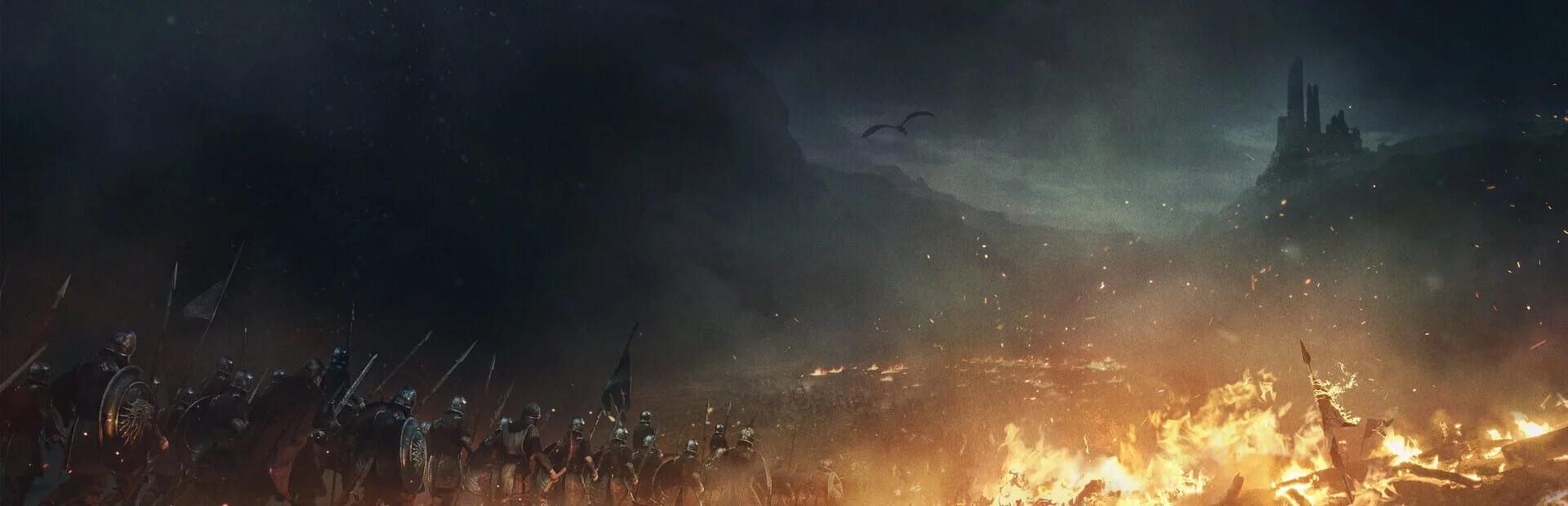
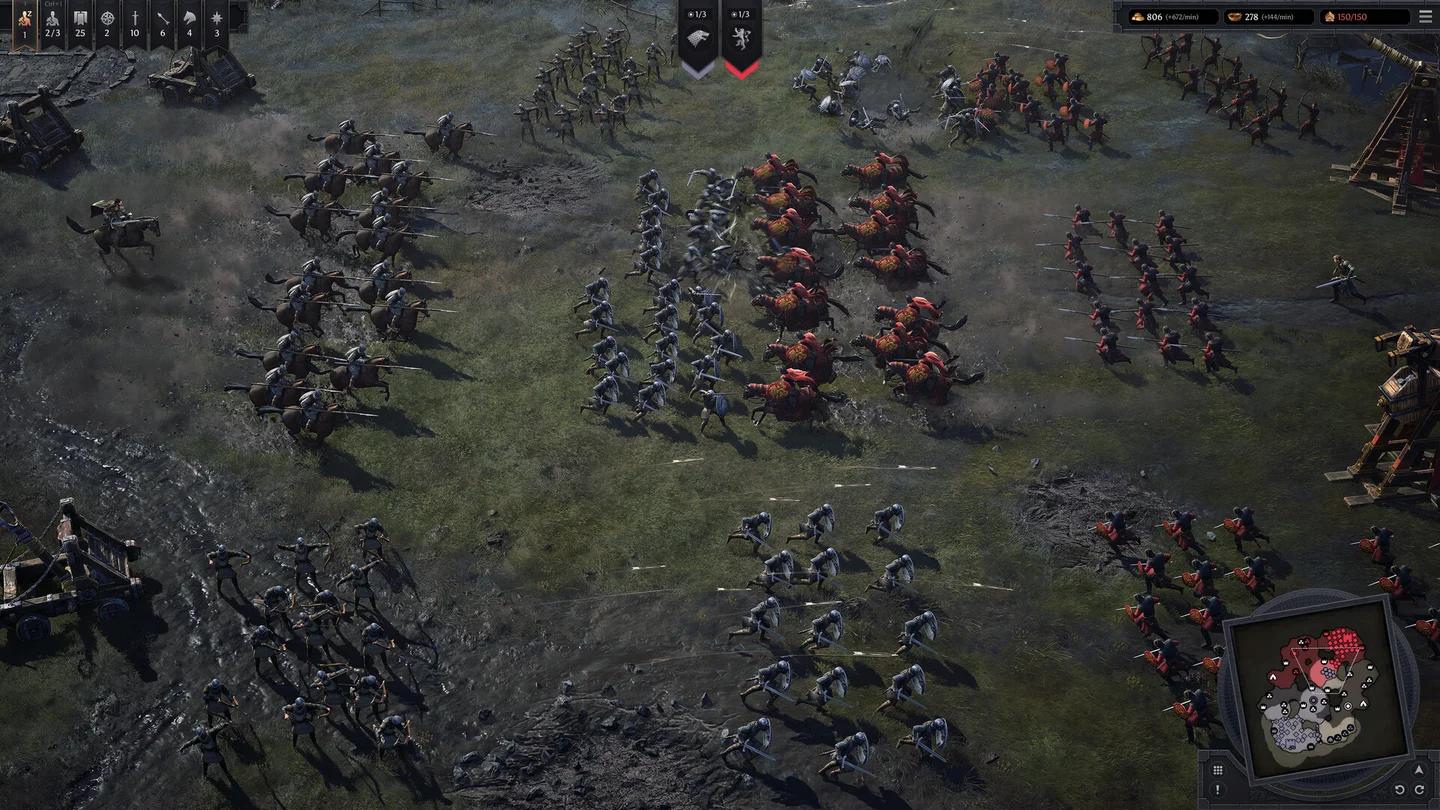
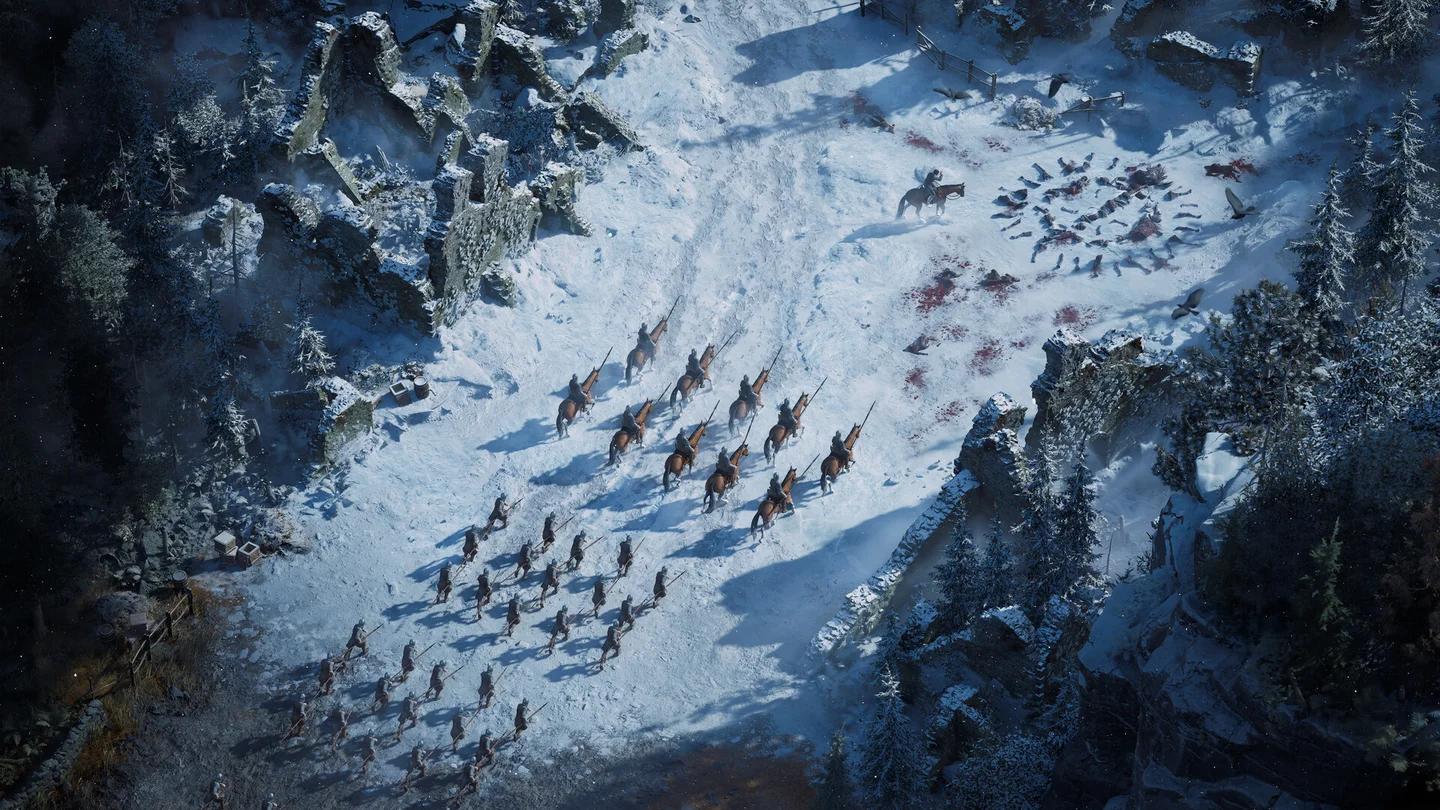
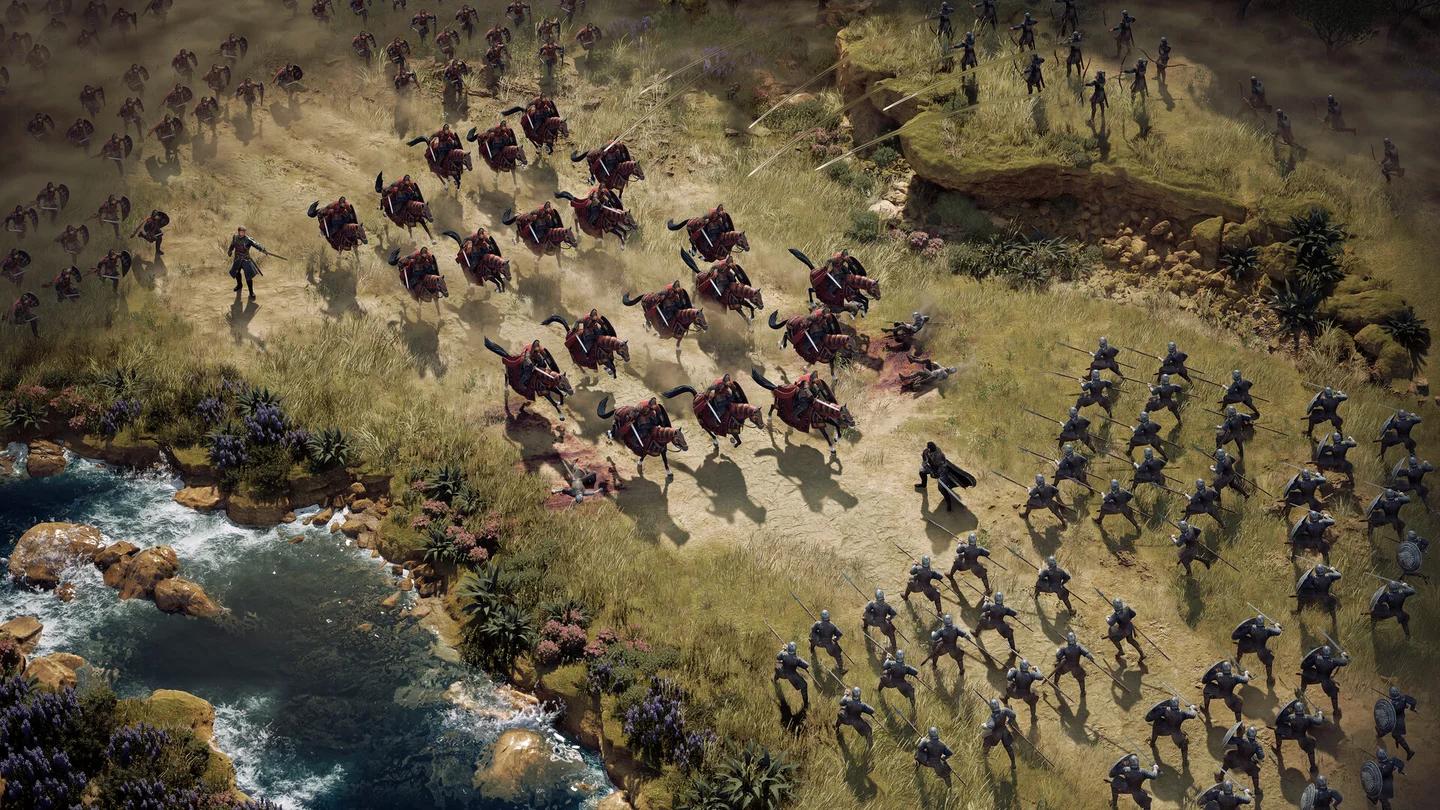
Battles take place across the fields and fortresses of Westeros, deploying the full range of medieval fantasy unit types: infantry, cavalry, siege engines, giants, and dragons. The tactical layer asks players to think about unit positioning, hero ability timing, and momentum shifts as battles evolve in real time.
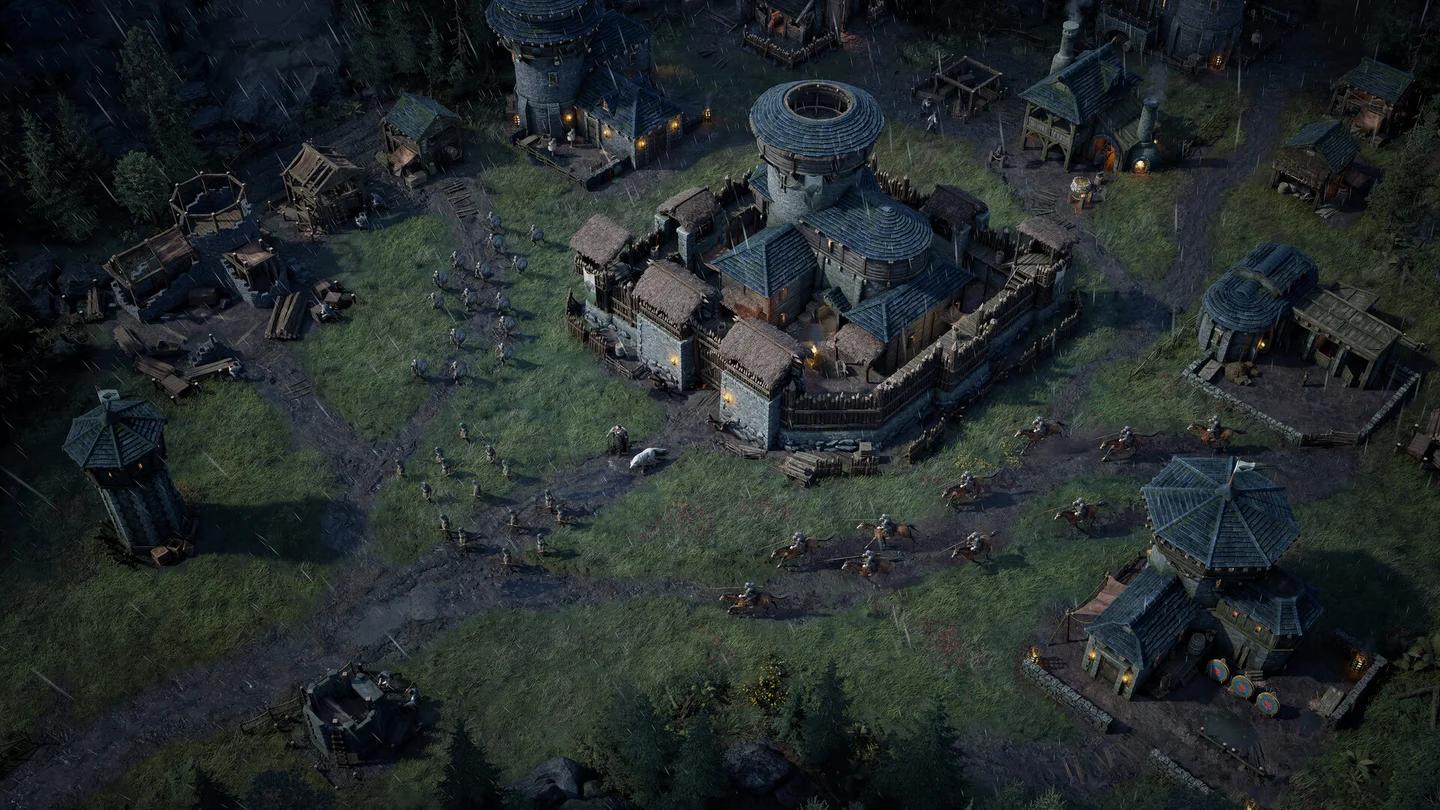
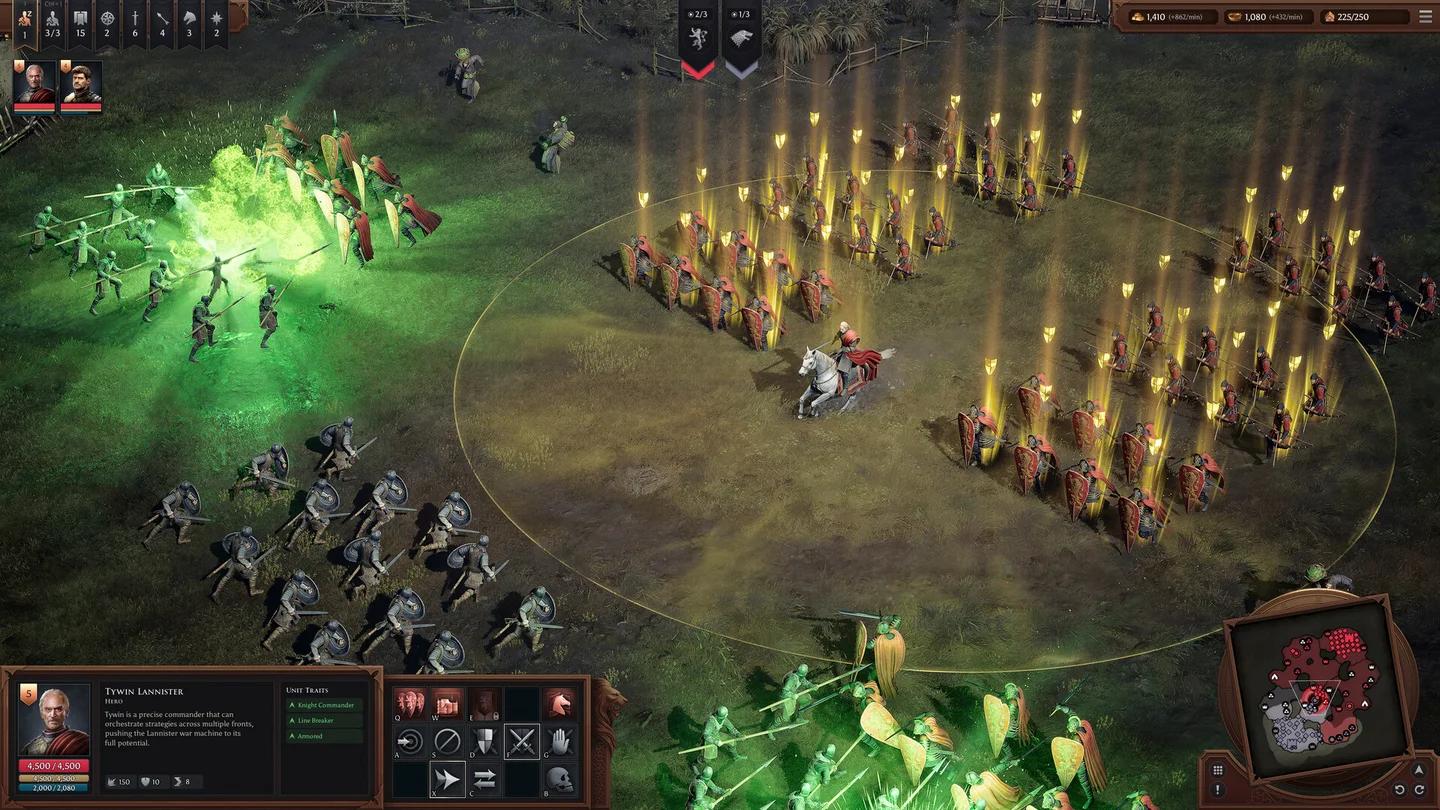
Hero abilities appear to function as high-impact cooldown tools rather than passive buffs, meaning the difference between a decisive charge and a catastrophic flank can come down to ability timing. Smart maneuvering is explicitly part of the design language, which suggests the game rewards players who think a few moves ahead rather than simply overwhelming opponents with numbers.
Campaign and multiplayer modes
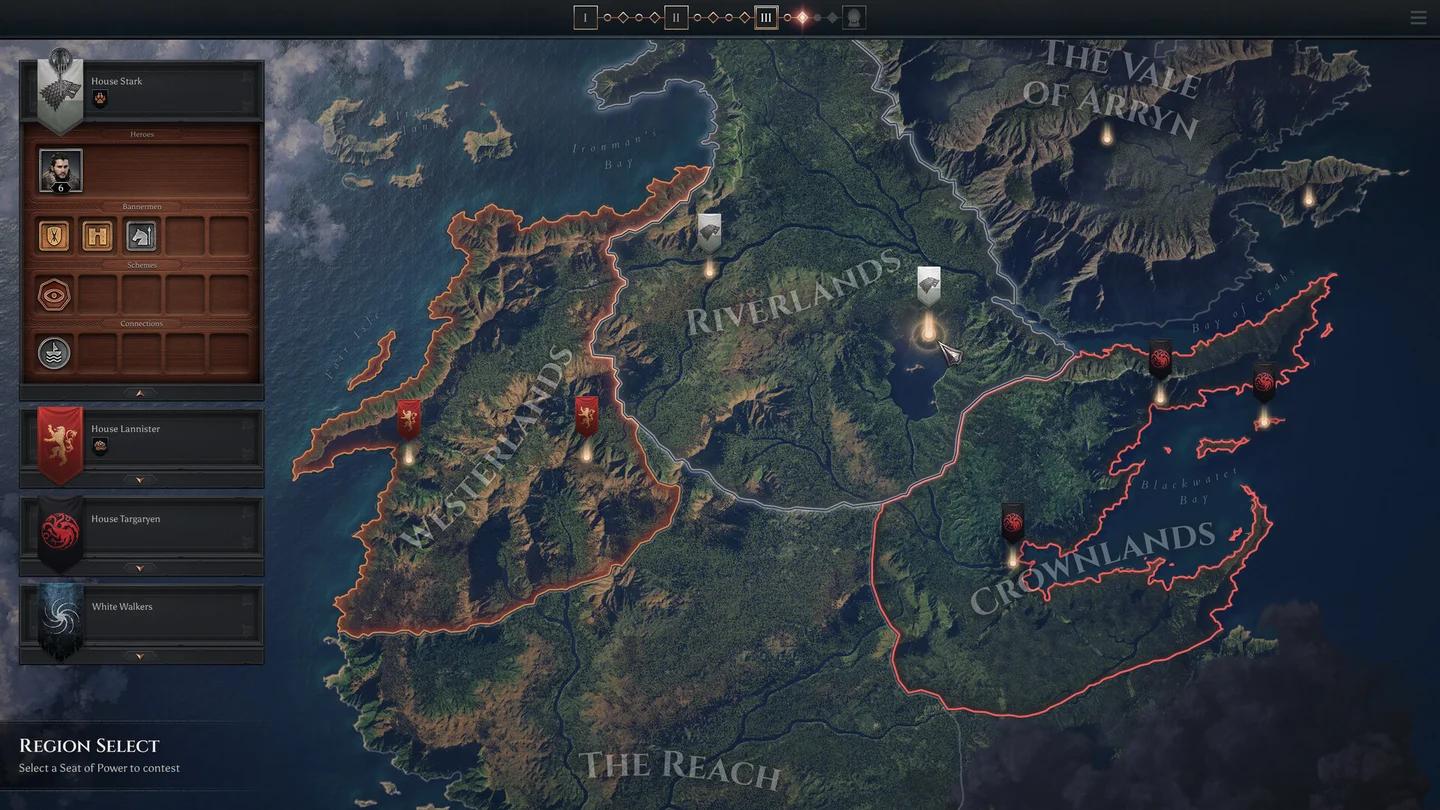
War for Westeros supports both a solo campaign and multiplayer skirmishes. The campaign runs from the Wall to King's Landing, letting players re-envision the series' most iconic confrontations with outcomes they control. The pitch is direct: you decide who wins and who dies, which means familiar story beats can be rewritten entirely based on battlefield performance.
Multiplayer takes the form of free-for-all skirmishes, a format that suits the show's theme of shifting alliances and sudden betrayals better than straightforward team modes. Rallying bannermen and swaying loyalties mid-conflict are confirmed mechanics, adding a political dimension on top of the real-time combat.
System Requirements
| Requirement | Minimum | Recommended |
|---|---|---|
| Network | Broadband Internet connection | Broadband Internet connection |