
Overview
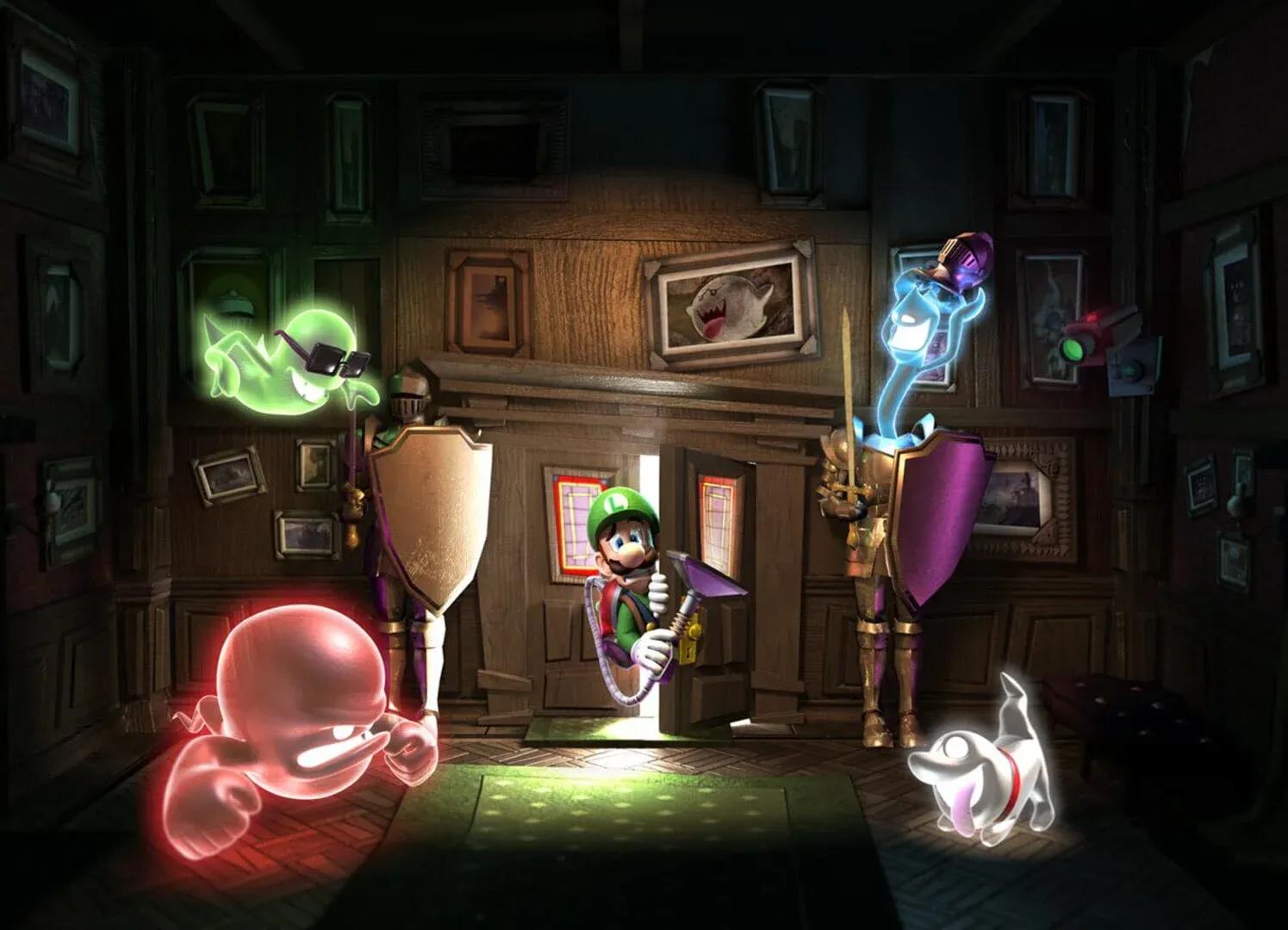
Luigi's Mansion: Dark Moon, developed by Next Level Games and published by Nintendo, launched in March 2013 as a sequel to the original GameCube ghost-hunting adventure. Where the first game kept things to a single mansion, Dark Moon expands the formula across five distinct haunted locations, each with its own visual identity, resident ghosts, and puzzle logic. Professor E. Gadd sends Luigi on structured missions within each mansion rather than letting him roam freely, which gives the game a tighter, more episodic pace.
The premise is straightforward: a mysterious dark force has shattered the Dark Moon that kept the ghosts of Evershade Valley peaceful, and now they're hostile. Luigi, armed with his upgraded Poltergust 5000 and a new strobe-light function, has to put things right. It's not exactly a high-stakes narrative, but the game leans into Luigi's cowardly charm so effectively that the story never needs to be more than it is.
Gameplay and mechanics
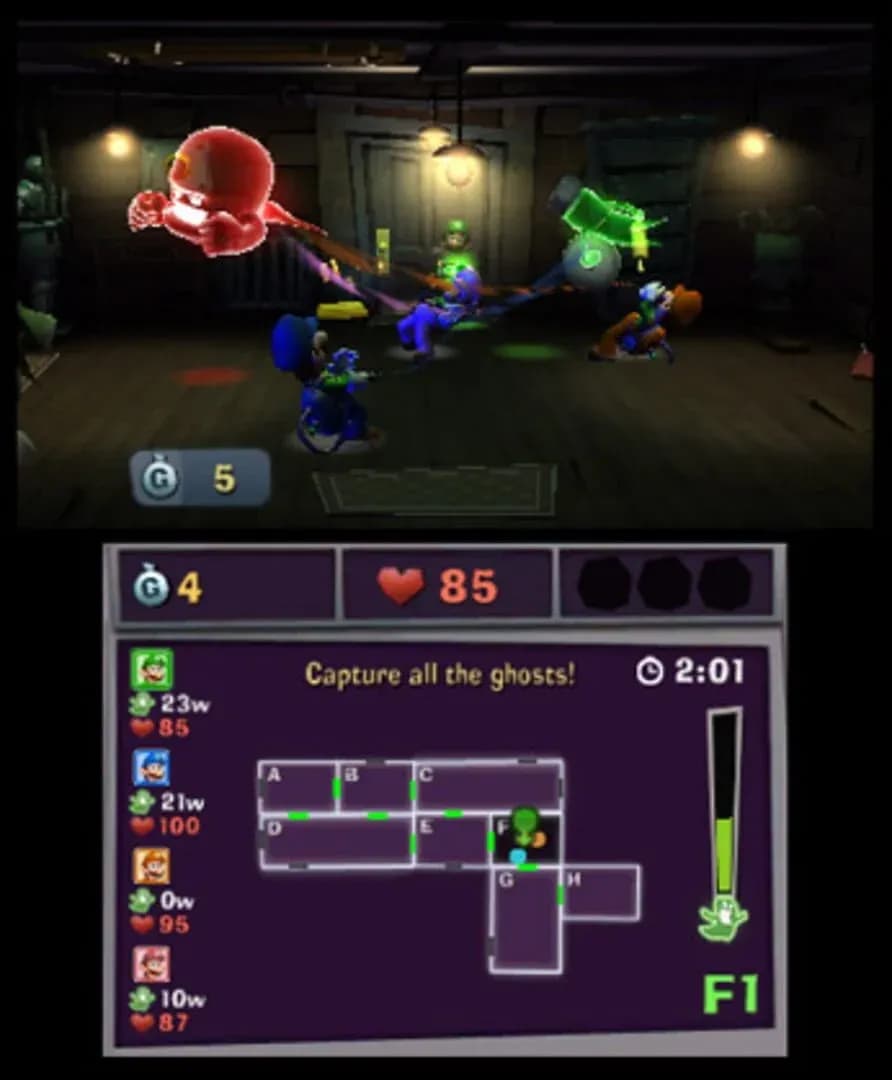
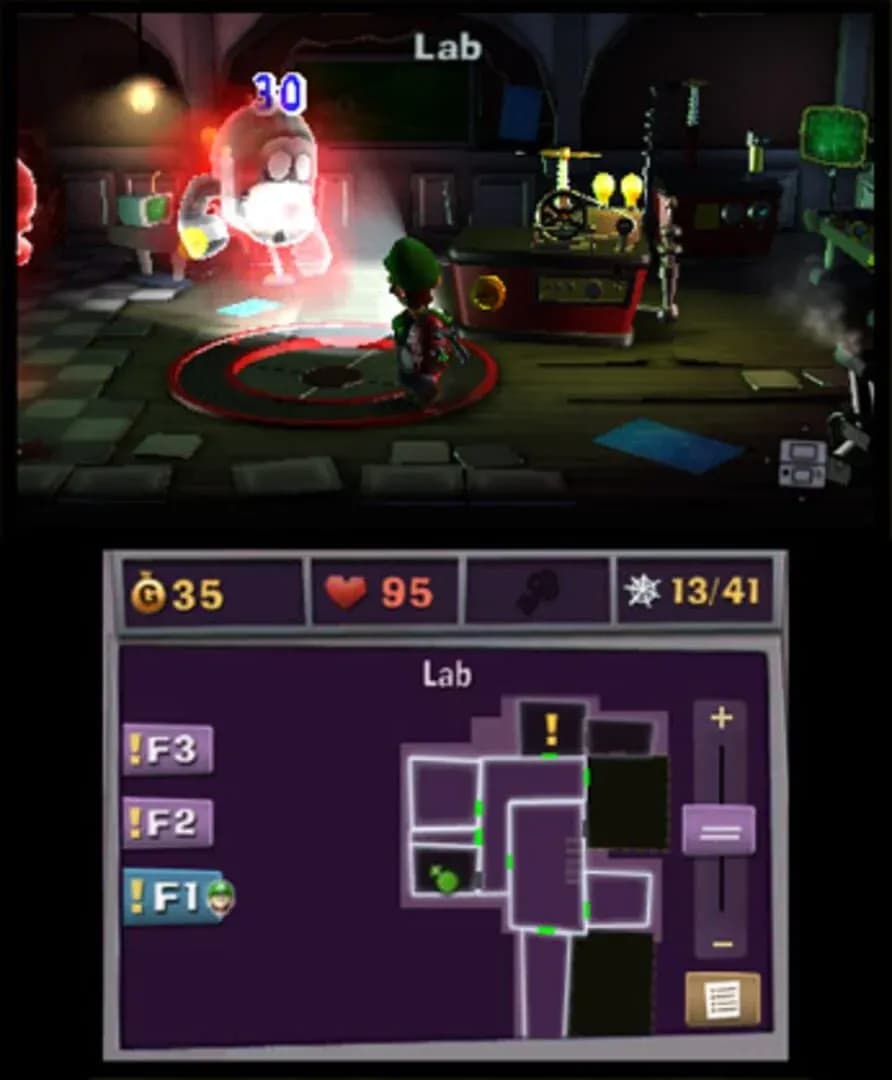
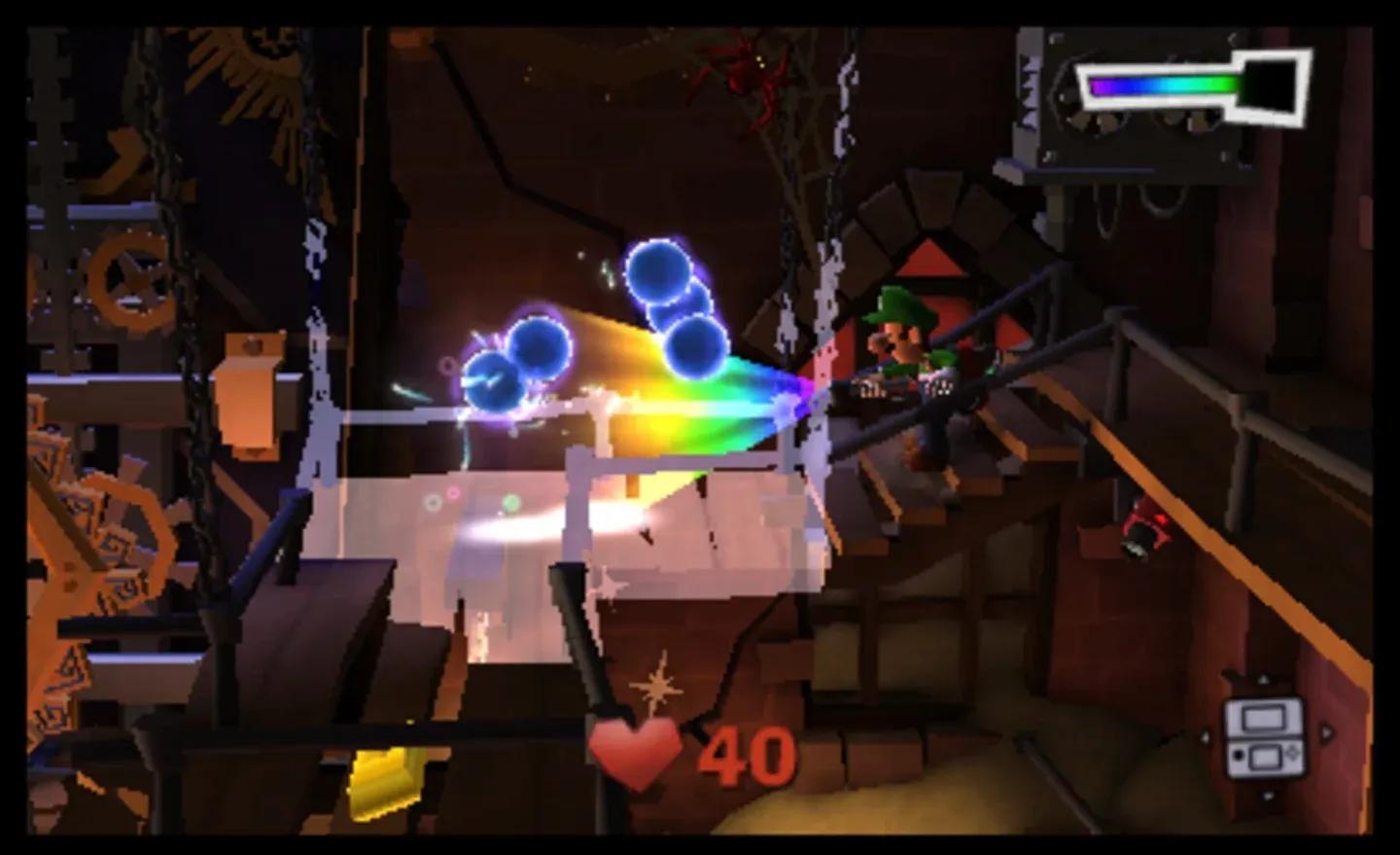
The core ghost-catching loop in Dark Moon builds directly on the original's formula while adding meaningful wrinkles. Simply shining a light on ghosts no longer stuns them. Players must first use the Strobulb, a strobe-function attachment, to freeze ghosts in place before the Poltergust 5000 can reel them in. Capturing a ghost becomes a small tug-of-war: pull against their resistance, keep the vacuum locked on, and drain their HP before they break free.

Key mechanics players interact with throughout the game:
- Strobulb stunning before capture
- Poltergust 5000 ghost-sucking vacuum
- Darklight Device for revealing hidden objects
- Mission-based mansion exploration
- Boss ghost encounters per mansion
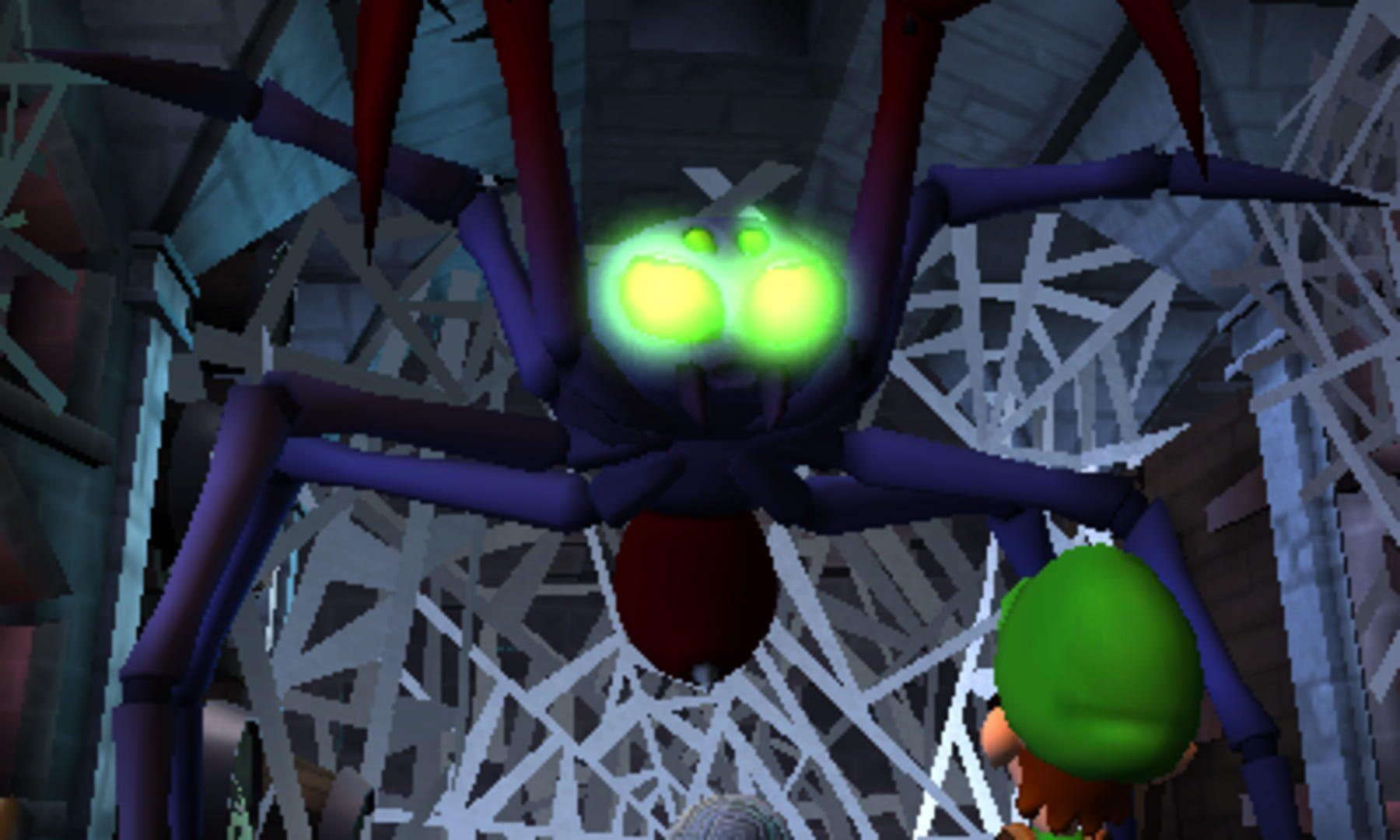
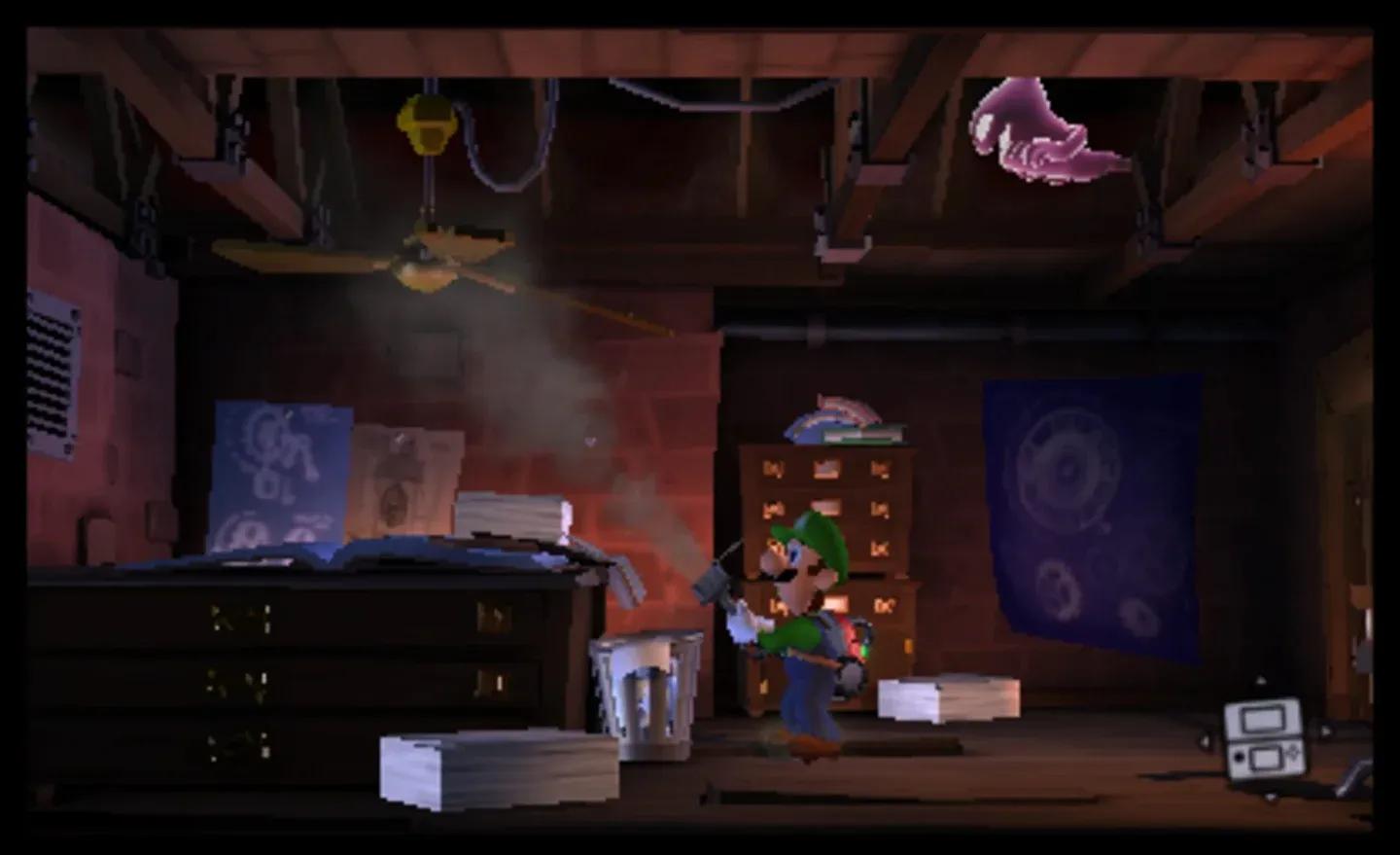
Puzzles are woven into every room. Doors are locked behind hidden keys, objects need to be manipulated with the vacuum's suction or blow functions, and secret passages get revealed with the Darklight Device, another gadget E. Gadd supplies partway through. The game consistently introduces new tools and then builds puzzles around them, keeping the moment-to-moment gameplay from going stale.
World and setting
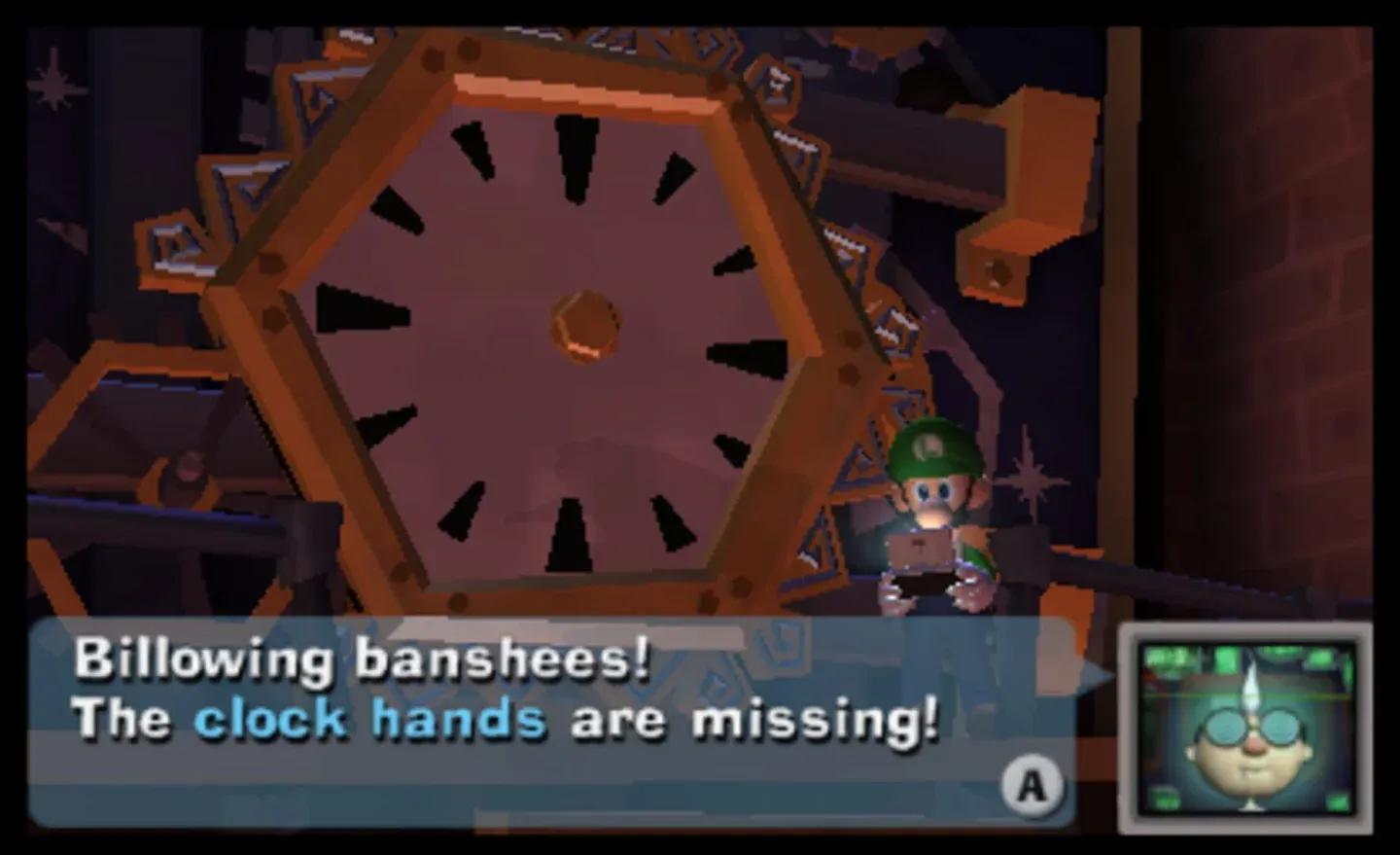
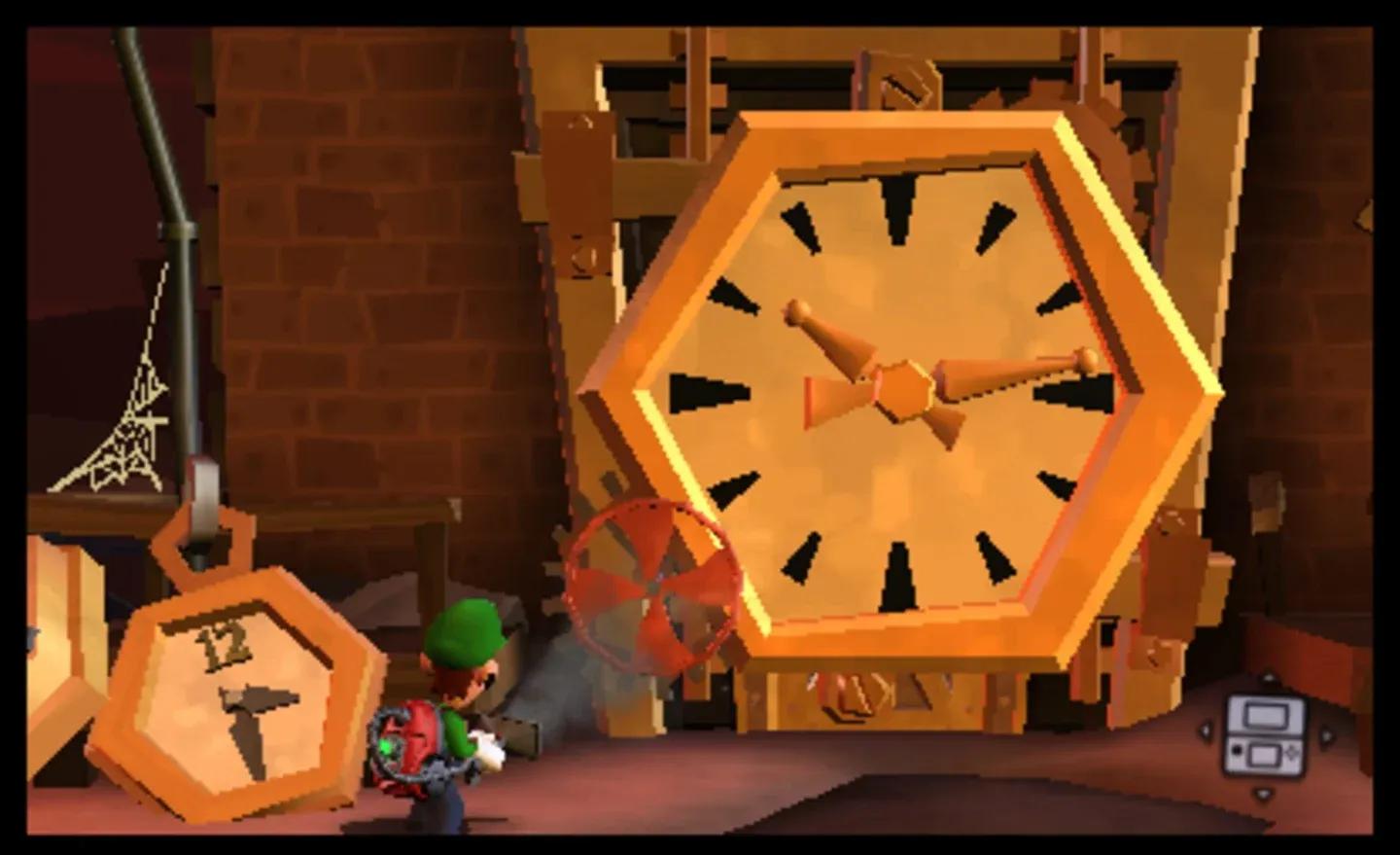
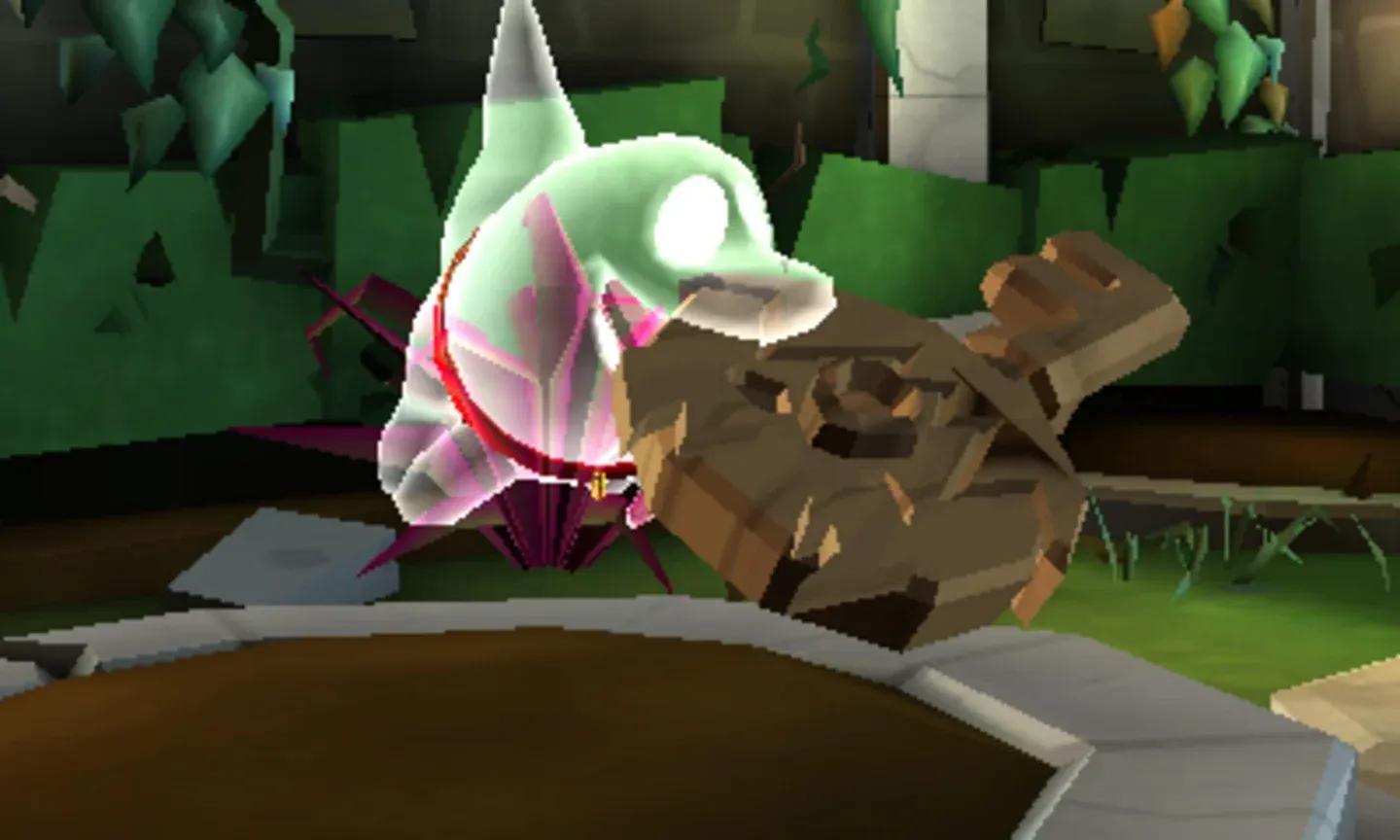
Each of the five mansions in Dark Moon has a distinct personality. Gloomy Manor is the introductory haunted house, all cobwebs and creaking floors. Haunted Towers is a botanical nightmare overrun with plant-based ghosts. Old Clockworks is built around time-keeping machinery. Secret Mine sits in a frozen mountain setting. Treacherous Mansion serves as the grand finale location with the most complex layout of the bunch.
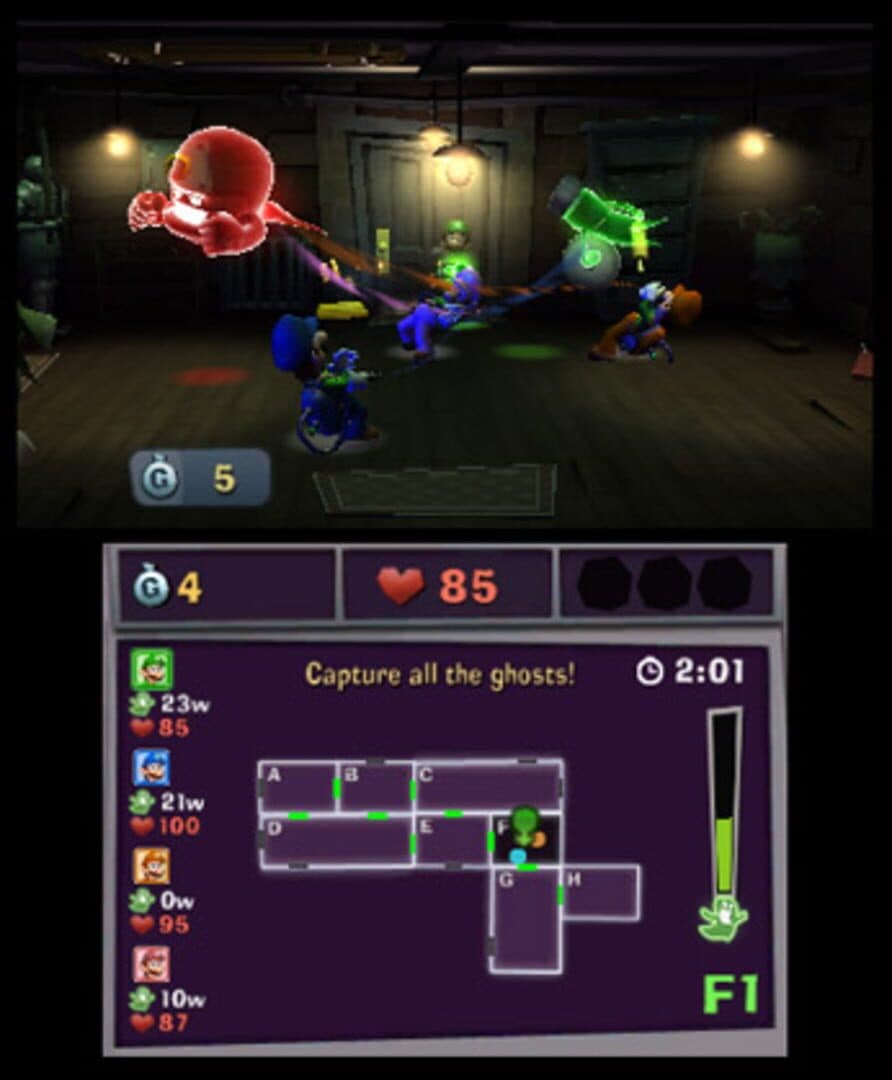
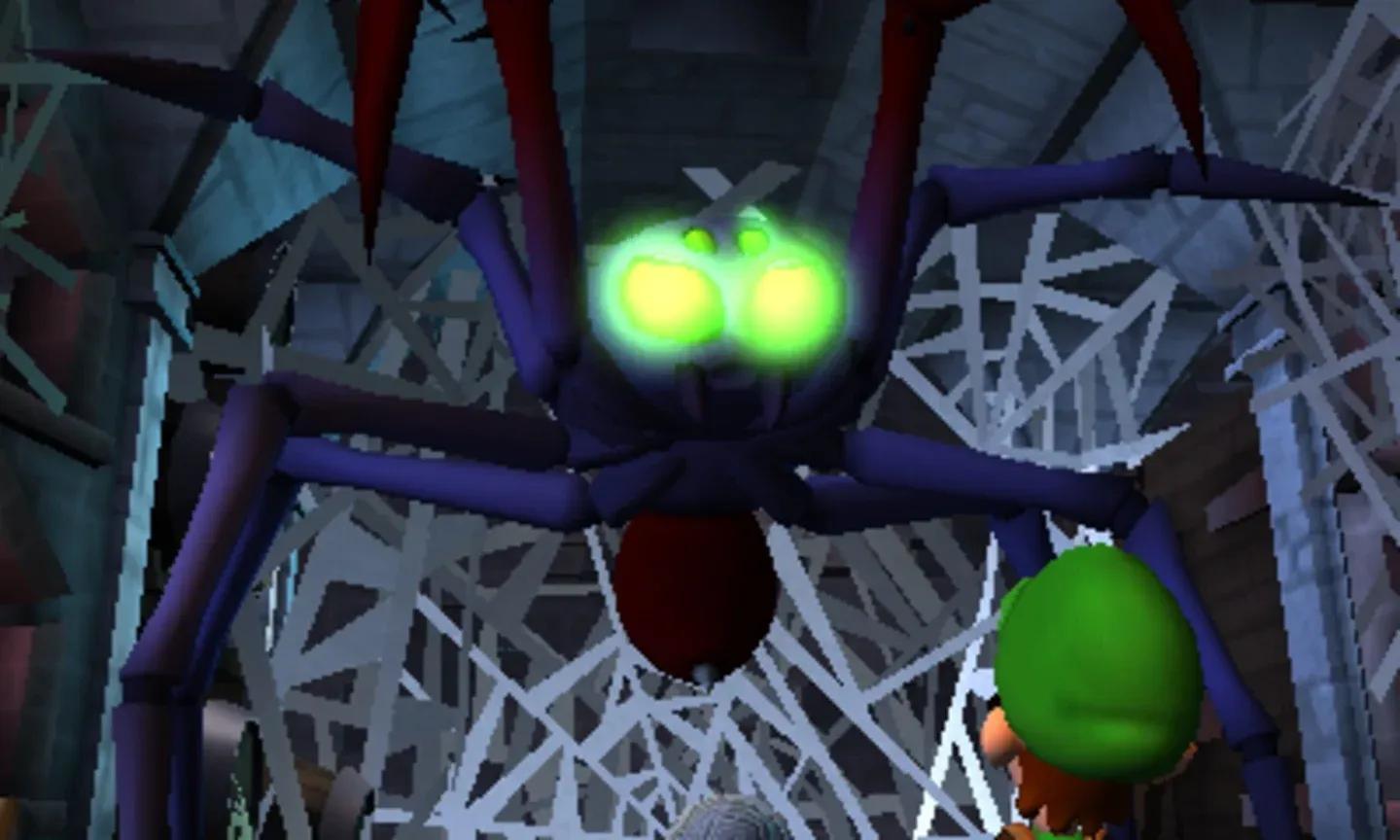
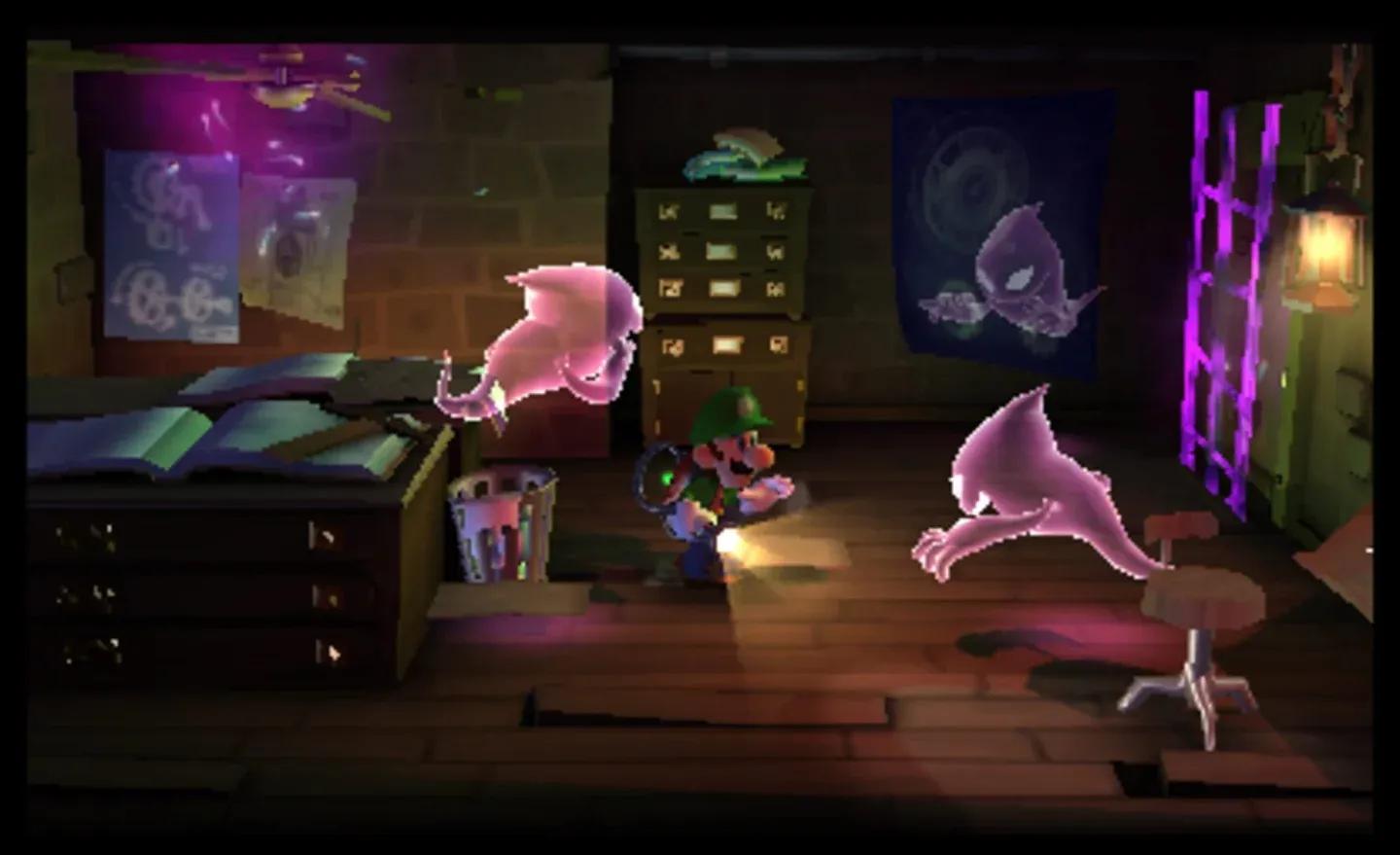
The variety keeps exploration feeling fresh across the roughly 12-hour campaign. Each mansion introduces ghost types that require specific strategies, and the environmental design reflects those ghosts' themes. The art direction leans into cartoonish spookiness rather than anything genuinely frightening, which fits the tone perfectly.
Impact and legacy
Dark Moon was well-received on the 3DS, selling over 6 million copies and earning strong critical scores for its puzzle design and character animation. Luigi's exaggerated fear reactions, the way he hums to himself when he thinks no one is watching, and his reluctant heroism gave the game a personality that stood apart from most Nintendo releases of that era.
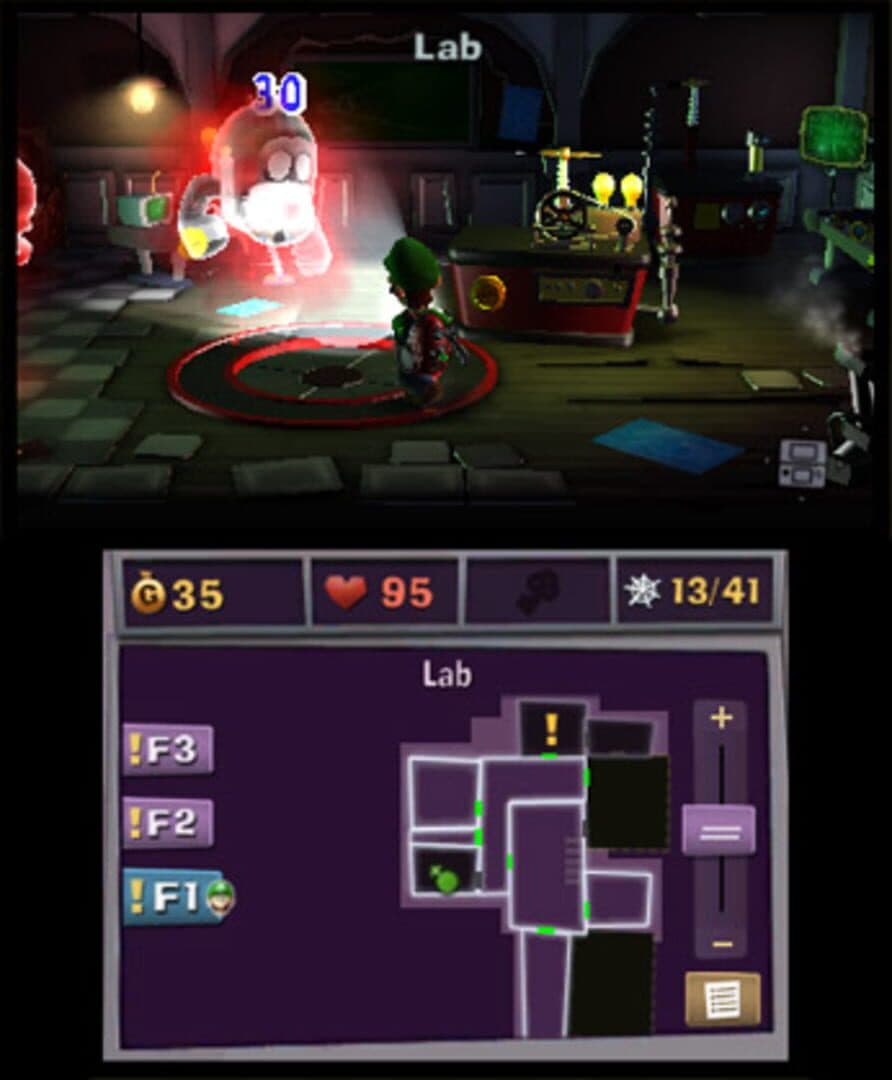
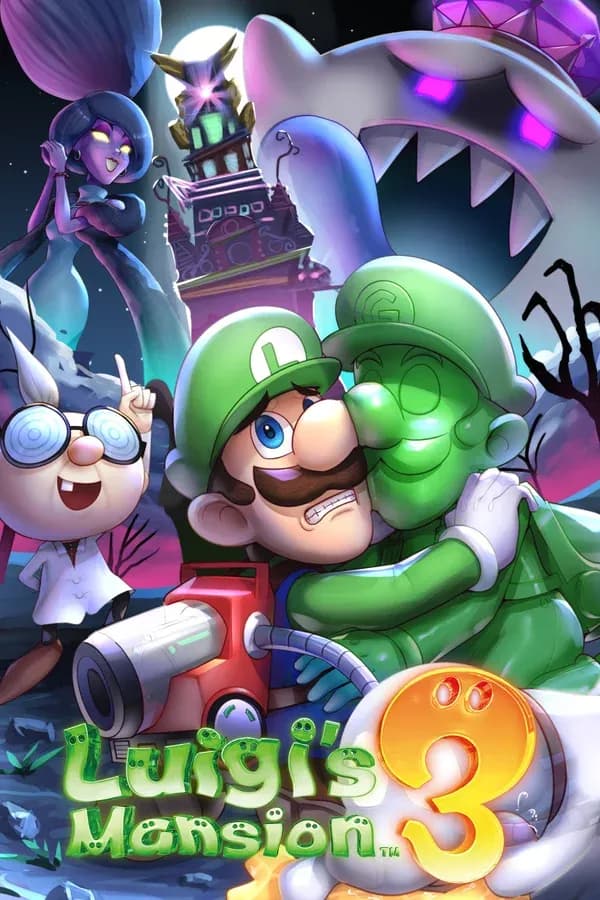
The mission structure drew some criticism from players who preferred the open-ended exploration of the original, but the tighter design also made the game more accessible. Dark Moon proved that Luigi could carry a franchise on his own, a point Nintendo reinforced when Luigi's Mansion 3 arrived in 2019. For a ghost-catching puzzle adventure with genuine charm and mechanical depth, Dark Moon remains the series' most polished entry in terms of content variety and pacing.