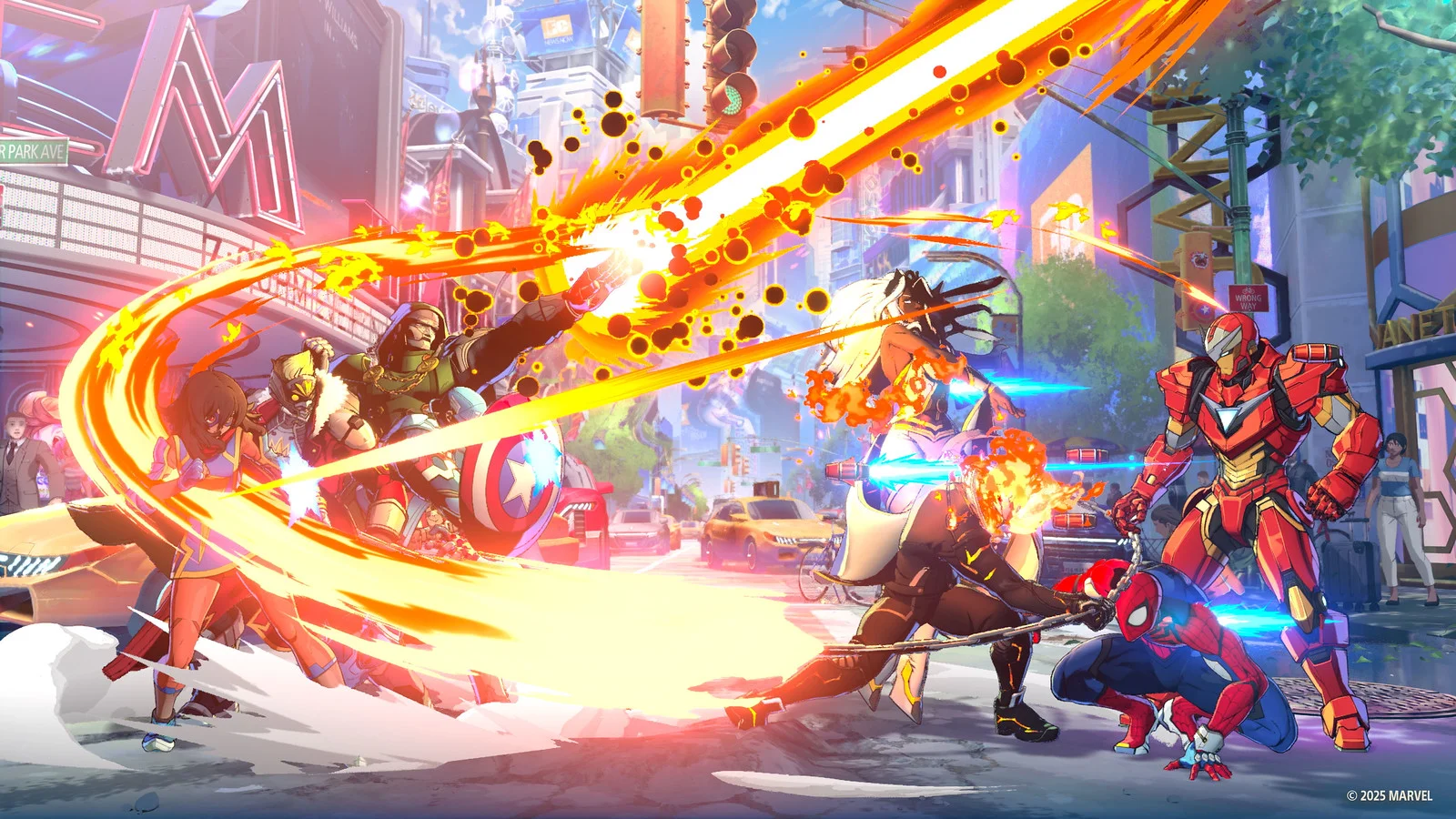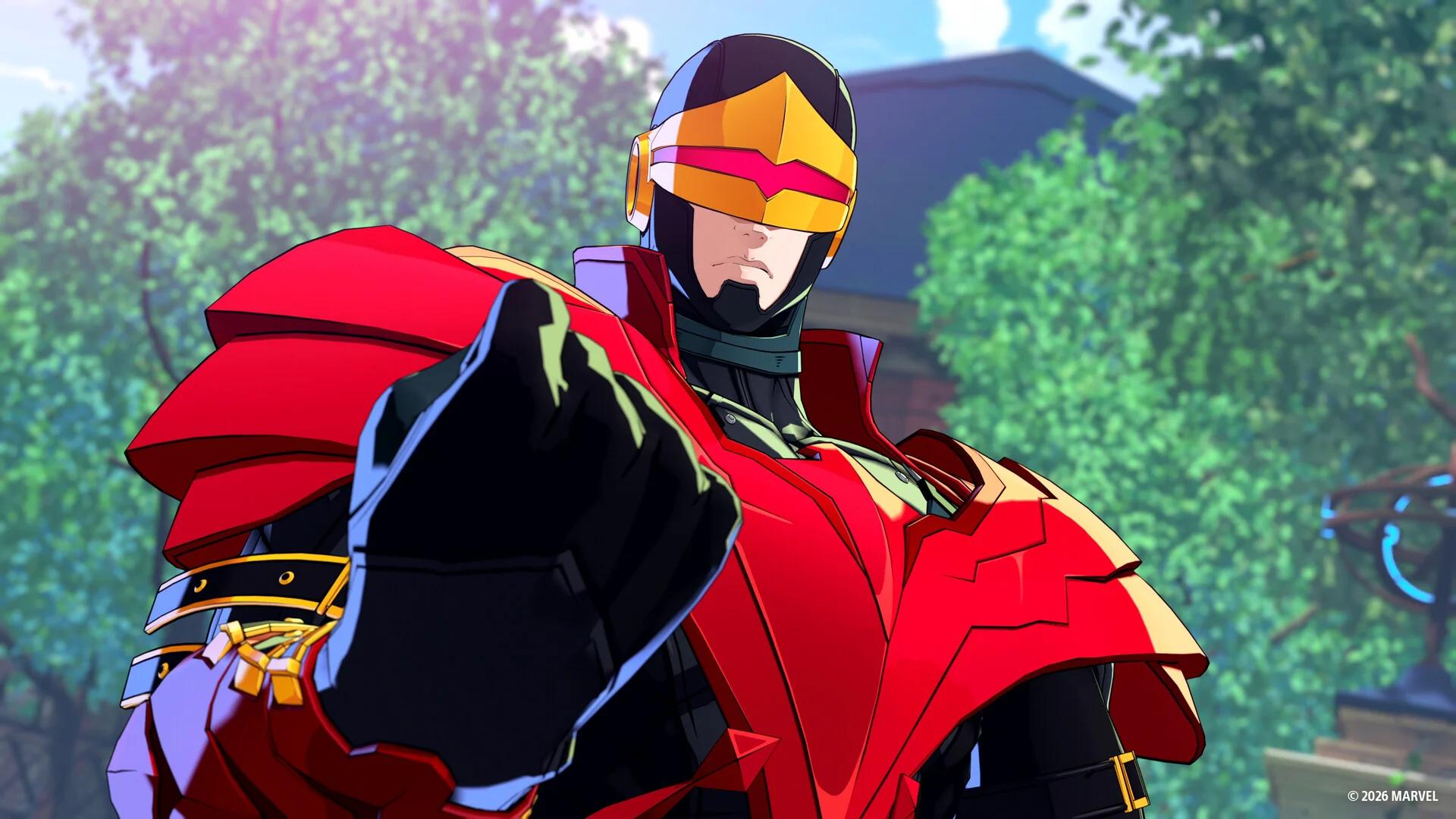

Marvel Tokon: Fighting Souls received its first post-launch DLC fighter, Phoenix Cyclops, and new premium outfits on November 2, 2026, alongside a free PS5 and PC update. Even if you're sticking with your current team, there's a substantial adjustment to learn: the patch reduces how frequently you can call assists and switch fighters.
Phoenix Cyclops arrives with a health-draining power boost
Scott Summers brings more than optic blasts. This version also uses fire-based attacks and builds a resource meter with Solar Shards, allowing him to enter Dark Phoenix form. The transformation temporarily increases his power but drains his health. That gives the new fighter a concrete trade-off: stronger offense comes at the expense of the life bar you're trying to protect.
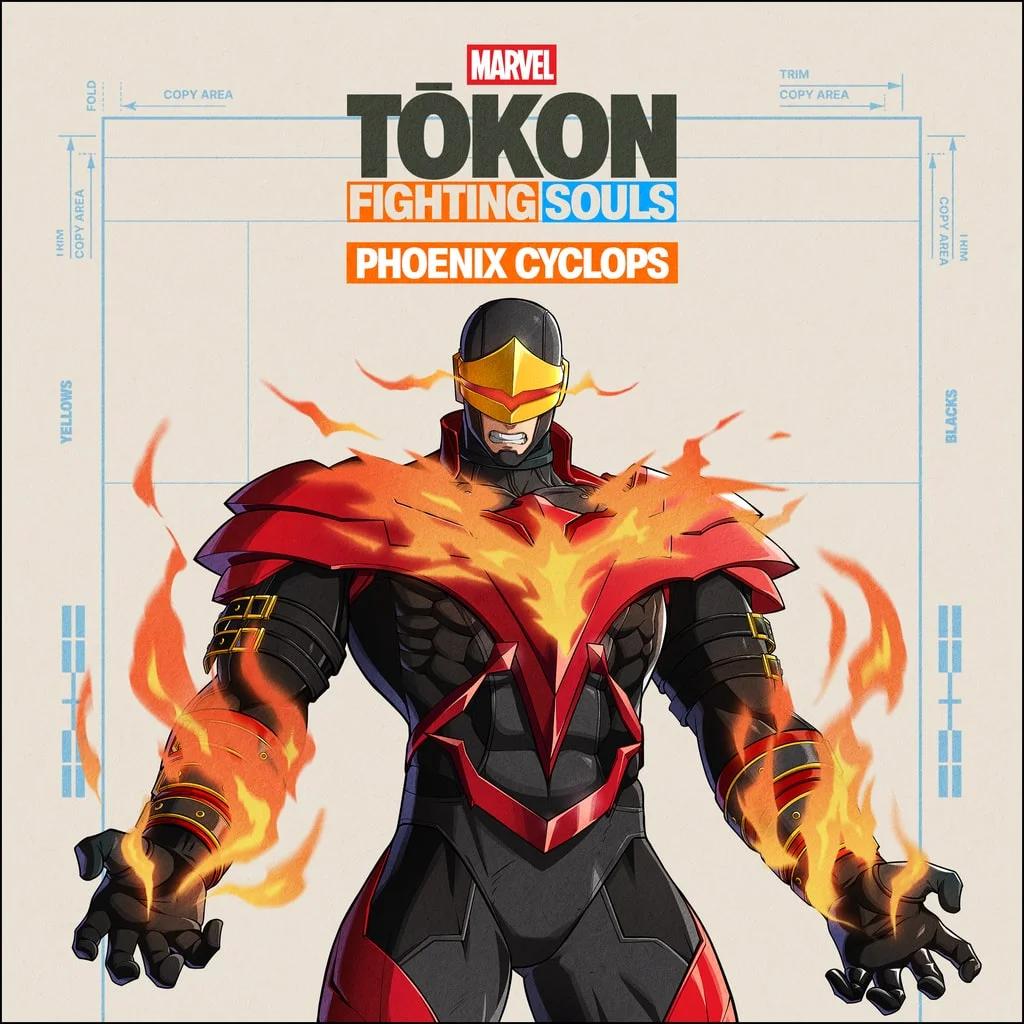
Solar Shards fuel Dark Phoenix
His DLC also adds content beyond the playable fighter:
- The “PHOENIX CYCLOPS” Arena Course in All-Star Arena.
- A Phoenix Cyclops Support Soul for Survival in All-Star Arena.
- A Phoenix Cyclops Fighter Soul for Arcadia Rumble.
- The “Fallen Phoenix” battle music, a lobby avatar, profile customization items, and gallery content.
The costume lineup gives Phoenix Cyclops Classic and Legacy outfit options, while Hulk gets his Joe Fixit look. Costume packs cost $4.99 each and include eight color variations. Joe Fixit and Classic Cyclops also have matching avatars, giving those cosmetics a presence outside matches.
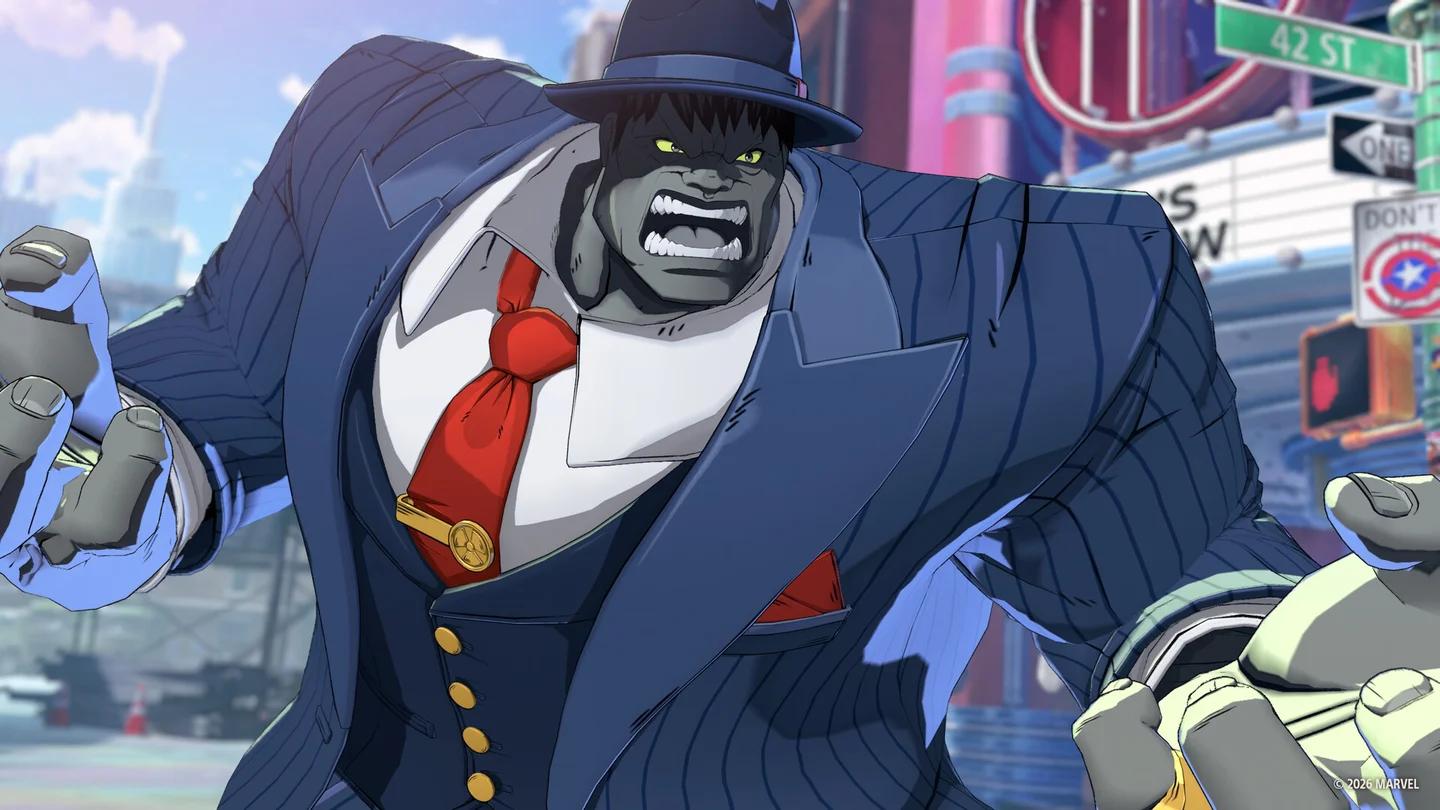
Joe Fixit joins Hulk's wardrobe

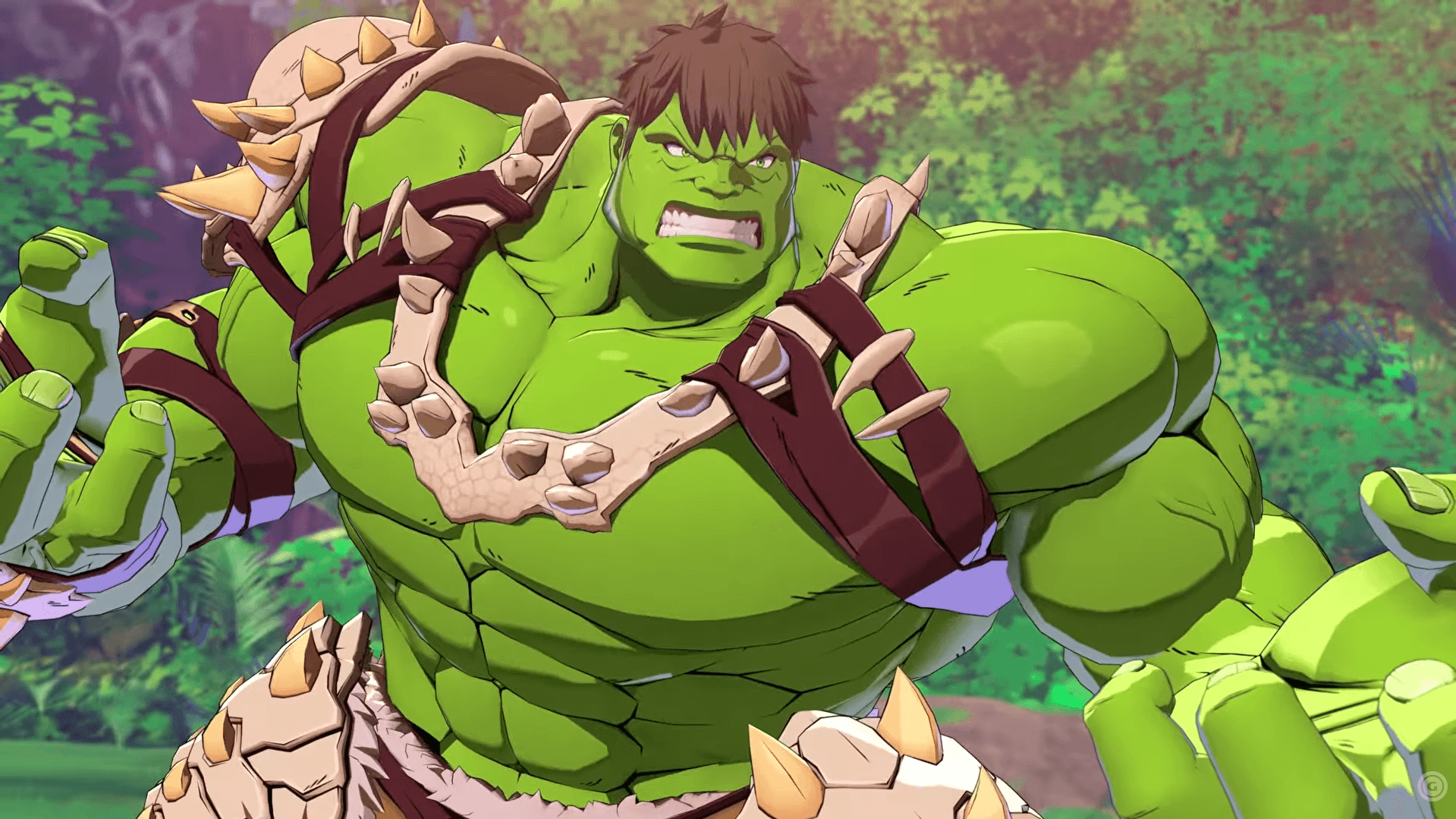
Assists become a bigger commitment
For the rest of the character and team roster, the biggest adjustment is how often backup becomes available. Arc System Works has extended assist cooldowns to create more stretches of solo neutral and reduce visual clutter. If your pressure relies on repeatedly bringing an ally back in, this is the part of the patch that matters.
The revised cooldowns include:
- Standard Assemble Assist variants and Assemble Rush: 180 frames.
- An assist that gets attacked: 300 frames.
- Super Assemble and Member Switch: 300 frames.
Character icons at the top of the screen now show when an assist is unavailable and how much cooldown remains. Training mode also gains an Assist Cooldown setting, putting the revised timing directly into practice sessions.
To offset the longer gaps between calls, Assemble Gauge recovery increases. Successful defensive reflects also award more Skill Gauge:
| Mechanic | Before | After |
|---|---|---|
| Default Assemble Gauge recovery | 25 per frame | 60 per frame |
| Assemble Gauge recovery during knockback or blocking | 25 per frame | 30 per frame |
| Skill Gauge gained from Crossover Reflect | 10 | 20 |
| Skill Gauge gained from Perfect Reflect | 12 | 40 |
Member Switch loses a specific defensive escape, too. After blocking an attack while an Assemble Assist is active, players can no longer switch to the ally already on-screen. The developer identified situations where placing an assist behind an attacking opponent and switching under pressure unfairly disadvantaged the player on offense.
Assist selection should also be more predictable. Previously, another directional input within 3 frames of the assist input could overwrite which assist appeared. That overwrite window has been removed to prevent unintended calls.
Movement gets input changes alongside those restrictions. Directional dashes receive a longer input buffer, while aerial dashes and Free Flight gain buffering to improve responsiveness. These are control adjustments rather than new moves, but they affect actions players repeat throughout a match.
PC performance checks and a lower Master promotion hurdle
PC players now have a Benchmark Test to check performance before entering online play. Players who pass can filter matchmaking to face others who have also passed, adding a performance requirement to the opponent search rather than relying solely on connection settings.
Shader warmup is now required when launching the PC version. The update also includes PC stability adjustments intended to reduce interruptions during online matches.
Across PS5 and PC, a new slowdown icon identifies whether a performance slowdown is occurring on the player's side or the opponent's. Fixes also address spectator desynchronization, occasional freezes when entering spectating, and rare replay playback errors that could show a different result from the actual match.
Matchmaking settings change with this patch, including a wider search area for Nearby Regions.
Ranked players moving out of Vibranium face a less demanding promotion challenge. Reaching Master previously required 4 wins out of 5 matches; it now requires 3 wins out of 5. Arc System Works says the earlier requirement left fewer players in Master than intended, contributing to longer waits and uneven matchups.
Master matchmaking also gains a limit on the rating difference between opponents, alongside revised rating-fluctuation calculations. The update fixes promotion challenges continuing after failure and an incorrect rating change when rematching a Vibranium player immediately after a promotion match.
The remaining Year 1 fighters target 2027
Phoenix Cyclops starts the Year 1 rollout, with Jane Foster's Thor targeted for winter 2027, Venom for spring 2027, and Jubilee for summer 2027. For a breakdown of which versions include the character pass, see the Marvel Tokon: Fighting Souls editions comparison.