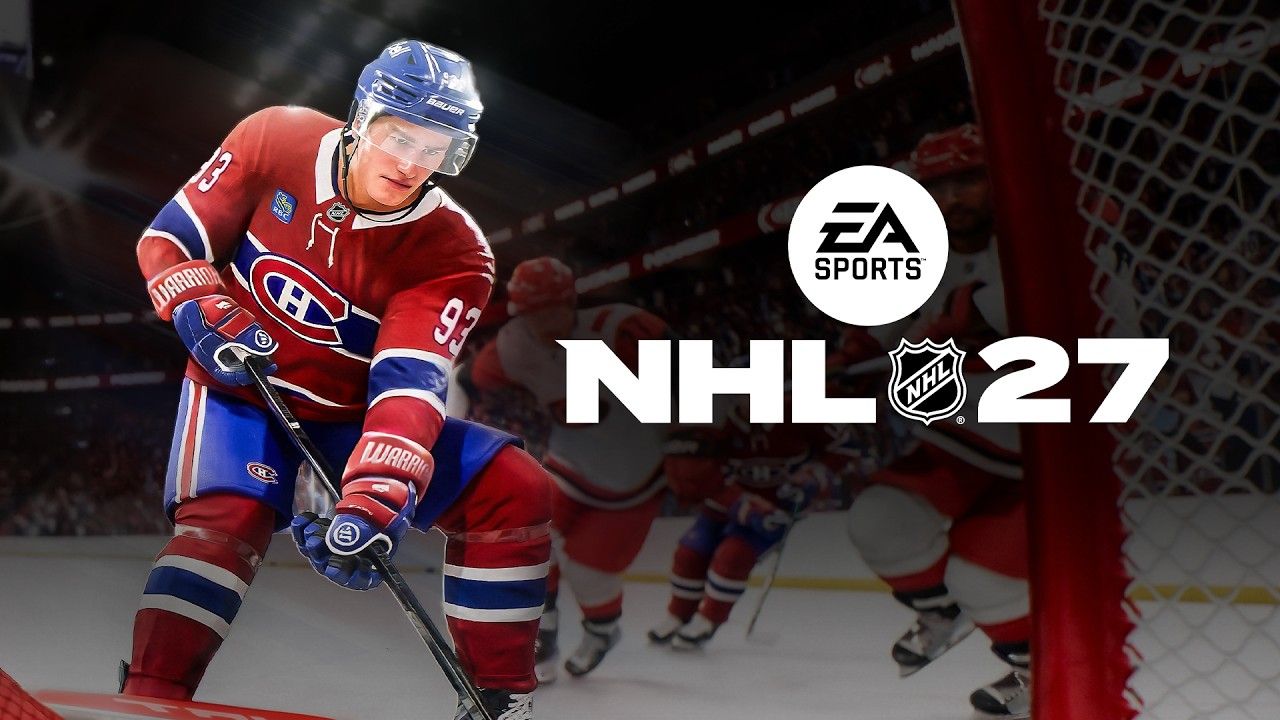

Franchise Mode has always been the heart of any hockey simulation game, and NHL 27 makes a strong case for itself by bringing back Connected Franchise after years of absence. That means you can now run a full online league with friends while also chasing the satisfaction of turning a basement-dweller into a Cup contender. The question is: which team do you pick, and how do you keep your league from falling apart by week three?
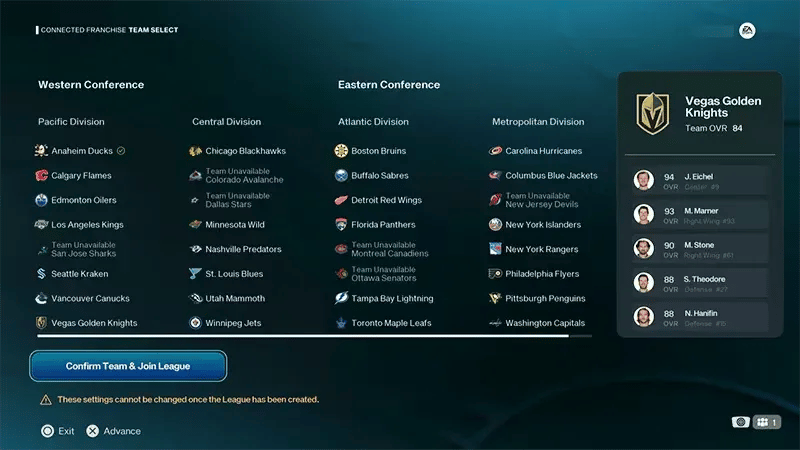
NHL 27 franchise mode team selection menu
What makes a good rebuild team in NHL 27 Franchise Mode?
The best rebuild candidates share a few traits: a clear foundational piece to build around, obvious roster holes that give you meaningful decisions to make, and enough cap flexibility or draft capital to actually fix things. A team that's bad at everything with no assets is just punishment. The five teams below hit that sweet spot between challenging and winnable.

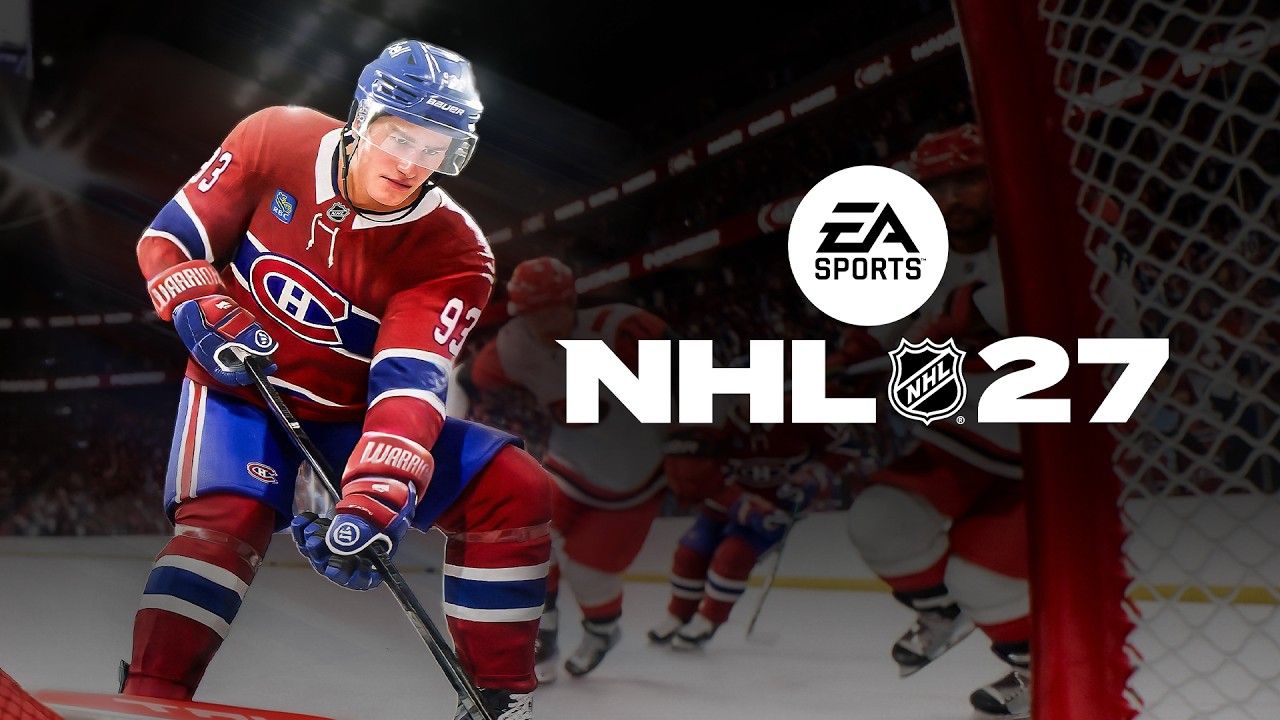
Chicago Blackhawks
Connor Bedard is the reason to pick Chicago, full stop. Having a generational center as the anchor of your rebuild is about as good a starting point as you can get on a non-playoff team. The problems are real, though. Spencer Knight has struggled in net, and the defense in front of him hasn't done him any favors. Tyler Bertuzzi and an aging Patrick Kane round out the forward group, which tells you everything about how thin the top six actually is.
Your first two offseasons should be spent finding a legitimate starting goalie and adding at least one more top-six forward who can play alongside Bedard. The Central Division is crowded, so don't expect playoff hockey in year one.
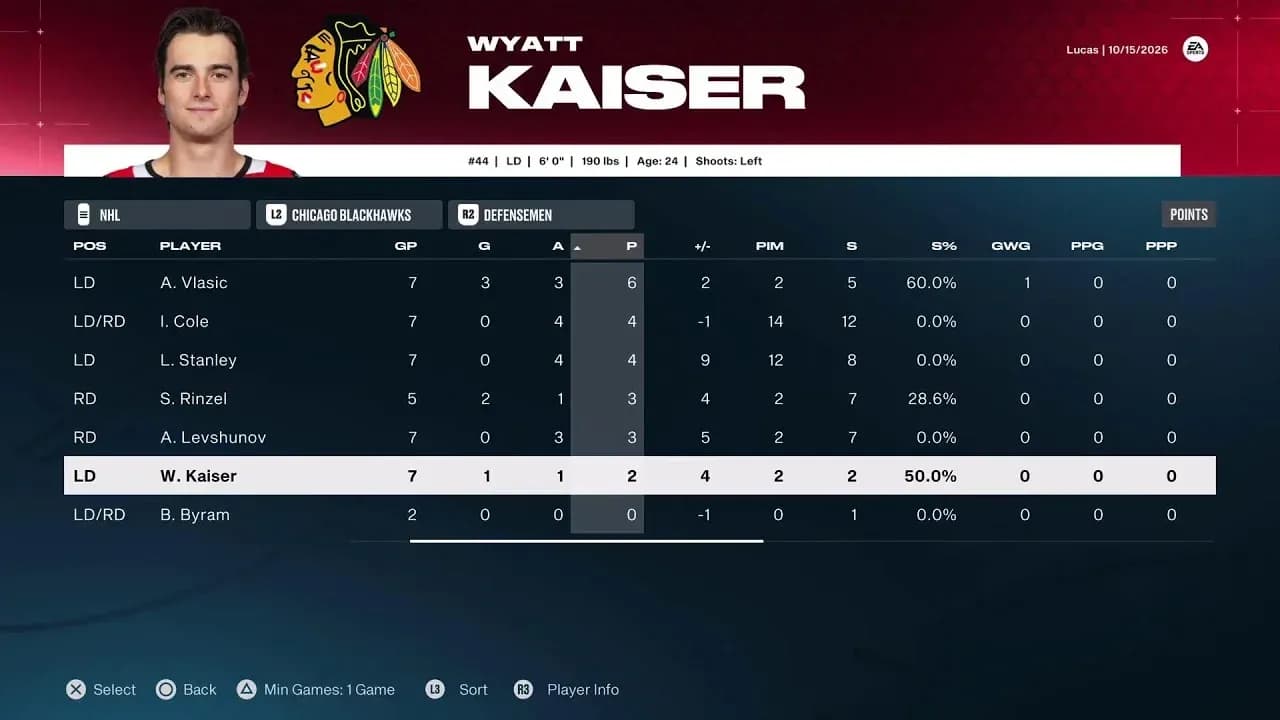
Blackhawks roster in NHL 27
New Jersey Devils
The Devils are interesting because the offensive core is genuinely good. Jack Hughes, Nico Hischier, and Timo Meier give you a top six that can compete right now. The problem is goaltending, and it's a bad one. New Jersey has one of the worst situations between the pipes in the entire league.
The obvious early move is targeting Connor Hellebuyck from Winnipeg, who wants out of his current situation. Land him, and the Devils become a contender faster than almost any other team on this list. The prospect pool needs work too, but the path to competing is shorter here than it looks.
Ottawa Senators
Ottawa enters NHL 27 in an interesting spot. Brady Tkachuk was traded away in the offseason, which hurts the top two lines but came with a significant return in prospects and draft picks. Tim Stutzle and Drake Batherson lead the offense now, but depth beyond that pair is thin. On the blue line, Jake Sanderson is a legitimate piece, though he can't carry the defensive load alone.
The Tkachuk trade capital is your roadmap. Use those picks and prospects aggressively to rebuild both forward depth and defensive support around Sanderson. Ottawa is a long-term project, but the assets are there to do it right.
Winnipeg Jets
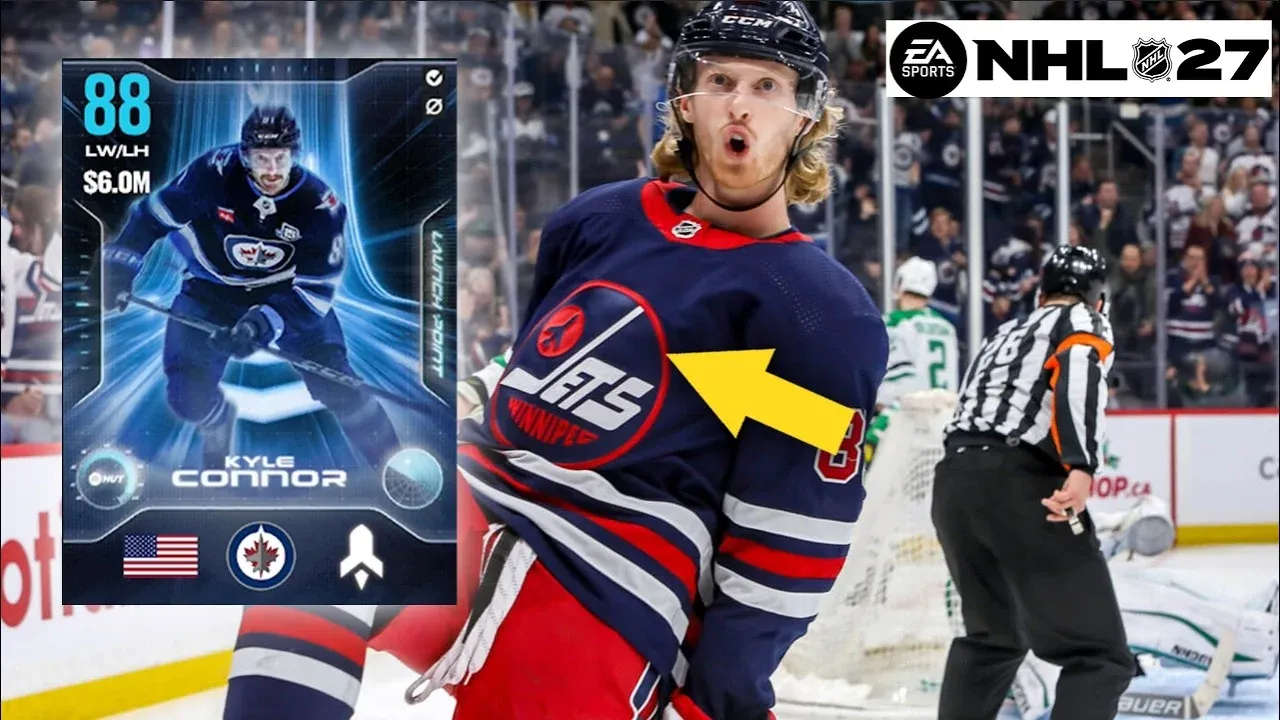
The Jets are a cautionary tale about how fast a roster can age out. Two seasons ago they looked like a dynasty in the making. Now they're sitting at 82 points with Connor Hellebuyck pushing for a trade. Mark Scheifele, Kyle Connor, Gabriel Vilardi, and Josh Morrissey are still legitimate contributors, but the veteran depth behind them has become a liability rather than an asset.
The Hellebuyck decision defines your entire rebuild. Trade him and you get a haul that funds the next generation of Jets hockey. Keep him and you're betting on squeezing one more competitive run out of an aging core. Both paths are viable, but trading him is the cleaner long-term play.
Vancouver Canucks
Vancouver finished dead last in the NHL standings, and the roster explains why. Brock Boeser is the best player on the team, which is not a great sign. Jake DeBrusk and Elias Pettersson are locked into contracts that don't reflect their current production, and there's no real starting goalie on the roster either.
This is the hardest rebuild on the list by a significant margin. Your first priority is finding ways to move bad contracts, which means accepting bad returns just to clear cap space. There's no foundational star here, so you're essentially building from scratch. Pick Vancouver if you want the maximum challenge.
How do the rebuild teams compare?
| Team | Key Asset | Biggest Problem | Rebuild Difficulty |
|---|---|---|---|
| Chicago Blackhawks | Connor Bedard | Defense and goaltending | Medium |
| New Jersey Devils | Hughes, Hischier, Meier | No starting goalie | Medium-Easy |
| Ottawa Senators | Draft capital from Tkachuk trade | Forward depth | Medium |
| Winnipeg Jets | Scheifele, Connor, Morrissey | Aging roster, Hellebuyck situation | Medium-Hard |
| Vancouver Canucks | Draft picks (eventually) | Bad contracts, no star | Hard |
How do you run a Connected Franchise league without it falling apart?
Connected Franchise is back in NHL 27 after a long absence, and it's genuinely fun. Running one, though, is a different story. Managing 30 humans is harder than managing 30 AI-controlled teams, and most leagues die not because of the game but because of avoidable organizational failures.
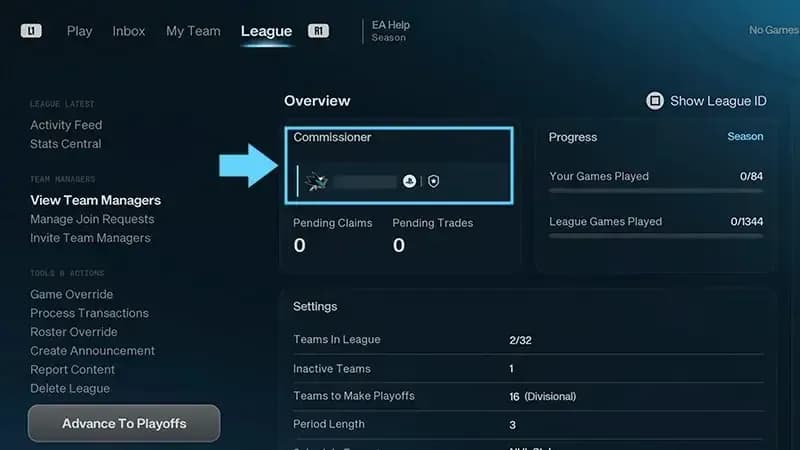
NHL 27 connected franchise commissioner
Set up a real communication channel
A group text works if everyone knows each other and nobody minds late-night messages about a goal they just scored. For anything larger, Discord is the better call. You get separate channels for announcements, scheduling, and general chat, which means your important rules post doesn't get buried under highlight clips by morning. No phone numbers required, and notification management is actually usable.
Define the rules before the first puck drops
Every NHL game has exploits, and NHL 27 is no different. Players will find them during early access. Get ahead of it by writing out what's acceptable and what isn't before the season starts. The complaints you get upfront are far less painful than the ongoing drama of dealing with an exploit spammer three weeks into the season.
The key principle is to build the rules with the group rather than handing them down from above. Players who help write the rules are more invested in following them.
Agree on pace before anyone simulates a game
Some players want to finish a full 84-game season in a month. Others have jobs and families. Neither group is wrong, but they will absolutely clash if you don't set expectations early. The practical approach is to poll the group on desired pace, then set the actual pace at the midpoint or slightly slower. If your league skews toward busy adults, consider reducing the season length. A shorter season that actually gets finished beats a full season that stalls out in February.
Accept that you will have to be the bad guy
Someone will test the boundaries. Someone will ghost the league. Someone will start using exploits after losing three games in a row. Address issues quickly and consistently rather than letting them fester. The longer you wait to handle a problem, the worse it gets and the more it affects everyone else's experience.
For more strategies across all game modes, the NHL 27 strategy guides collection covers everything from roster management to individual build recommendations.