
Planet Zoo 2 gives you a roster so large it can feel paralyzing at the adoption screen. Frontier Developments expanded things further with aquatic and avian species this time around, which means the decision is harder than ever for new zoo managers. The good news: a handful of animals stand out as genuinely low-risk, high-reward picks that keep your budget intact while setting you up for multi-species habitats later. Here are the best starter animals to bring in first.
What makes a good starter animal in Planet Zoo 2?
Before getting into specific picks, it helps to understand what separates a smart first adoption from a money pit. The best starter animals share a few traits: low upfront cost, minimal habitat complexity, fast breeding cycles, and compatibility with other species. If an animal ticks most of those boxes, it earns a spot on this list.
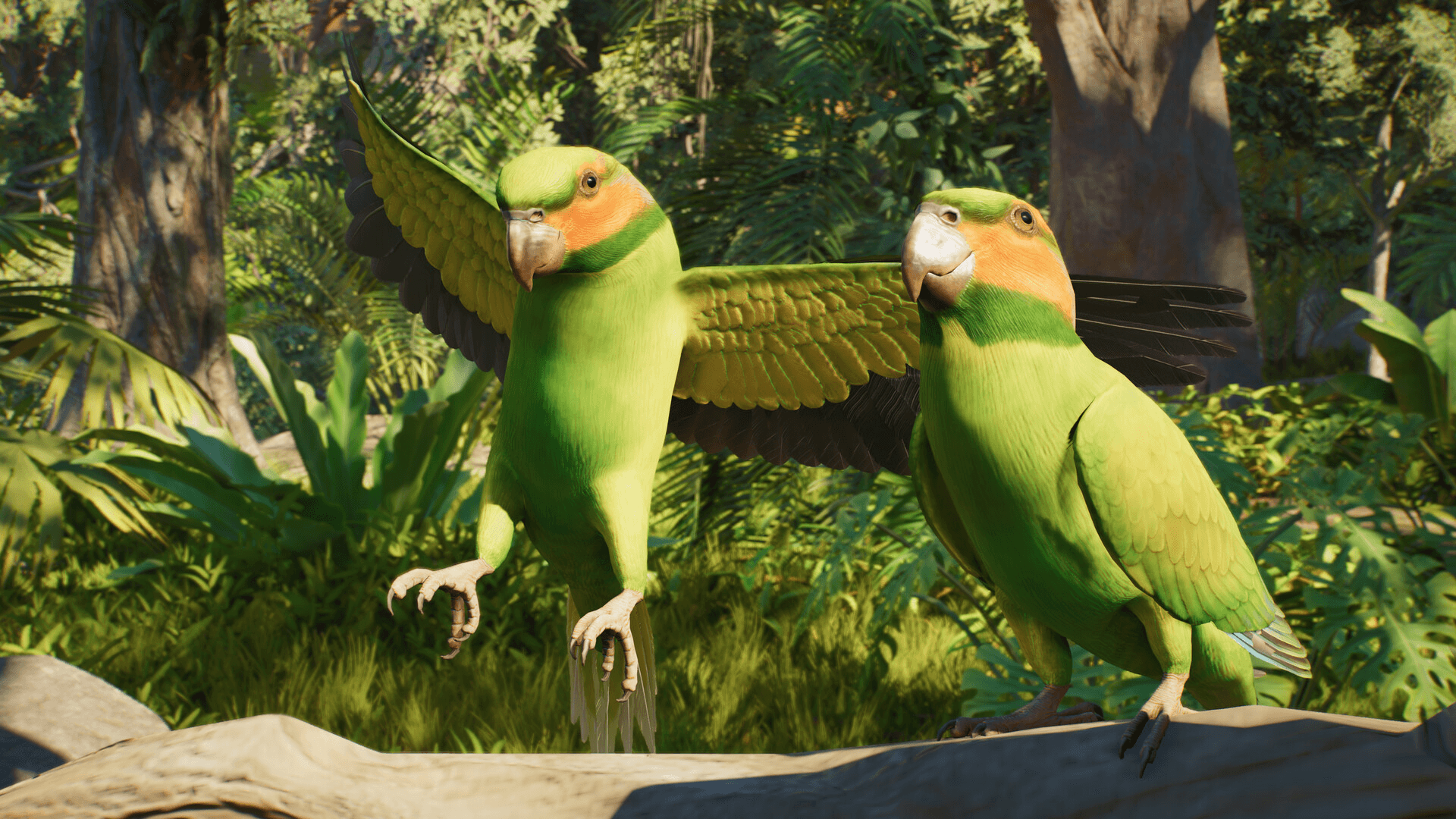
Planet Zoo 2 Guide: Best Starter Animals to Adopt

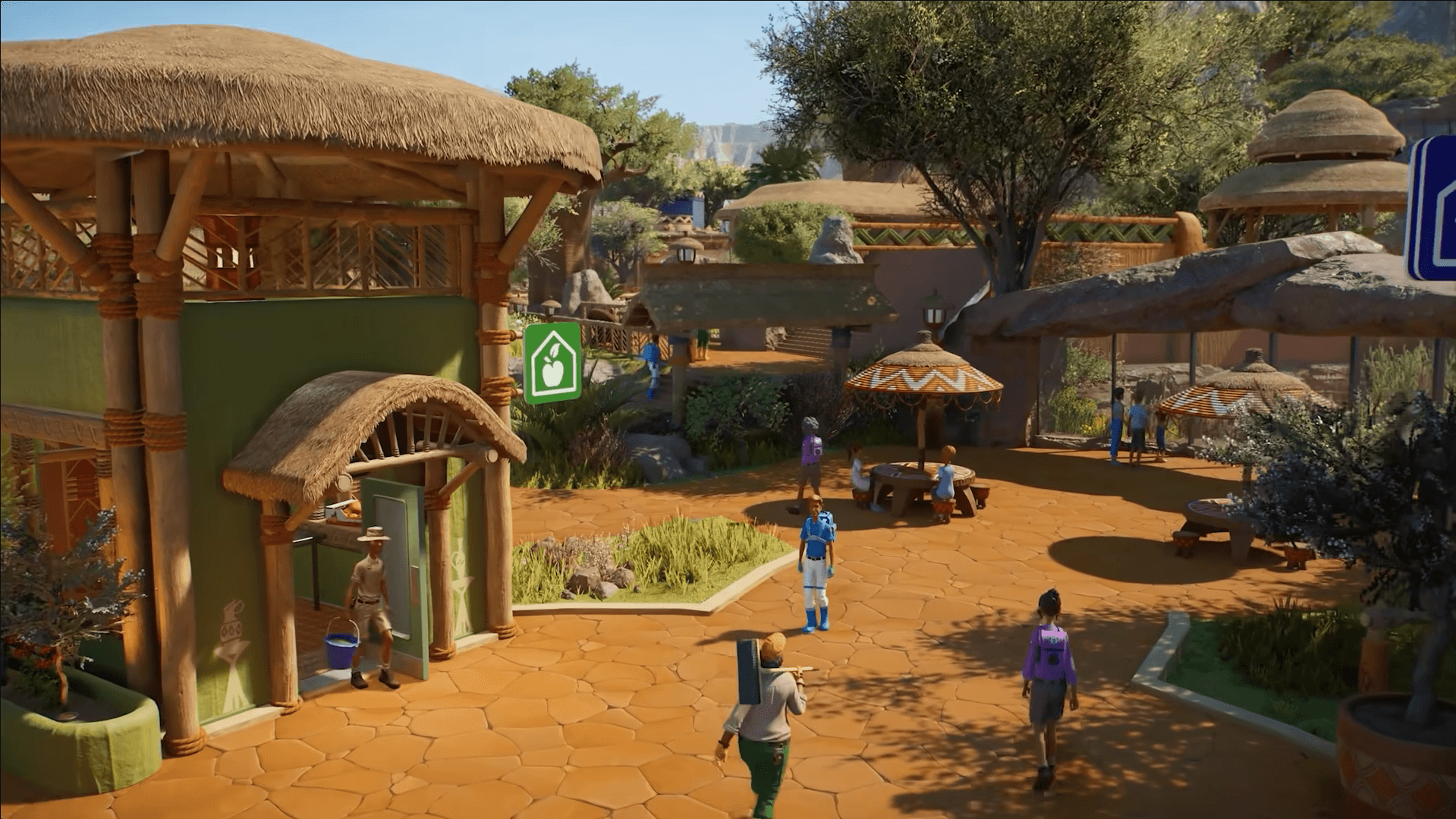
The 6 best starter animals to adopt first
Aardvark
The Aardvark is one of the strongest opening picks in the game. Two animals cover both the population and social requirements, the habitat is straightforward to build, and the upkeep costs stay low. That combination frees up early funds for pathing and visitor facilities rather than expensive enclosure decorations.
Aardvarks also cohabit comfortably with several other species, so the habitat you build for them now can expand later without a complete rebuild. For players who want a reliable, no-surprises start, this is the pick.

Planet Zoo 2 Guide: Best Starter Animals to Adopt
Bactrian Camel
Bactrian Camels are another low-maintenance option. A pair satisfies their social needs, and their enclosure requires almost no fauna to meet welfare standards, which keeps build costs down. They breed quickly, so you can expect a return on your investment relatively early.
Like aardvarks, camels open the door to additional cohabitation options later, meaning the habitat scales without a ground-up redesign. If you want something visually distinctive for visitors without paying a premium, camels deliver.
Common Ostrich
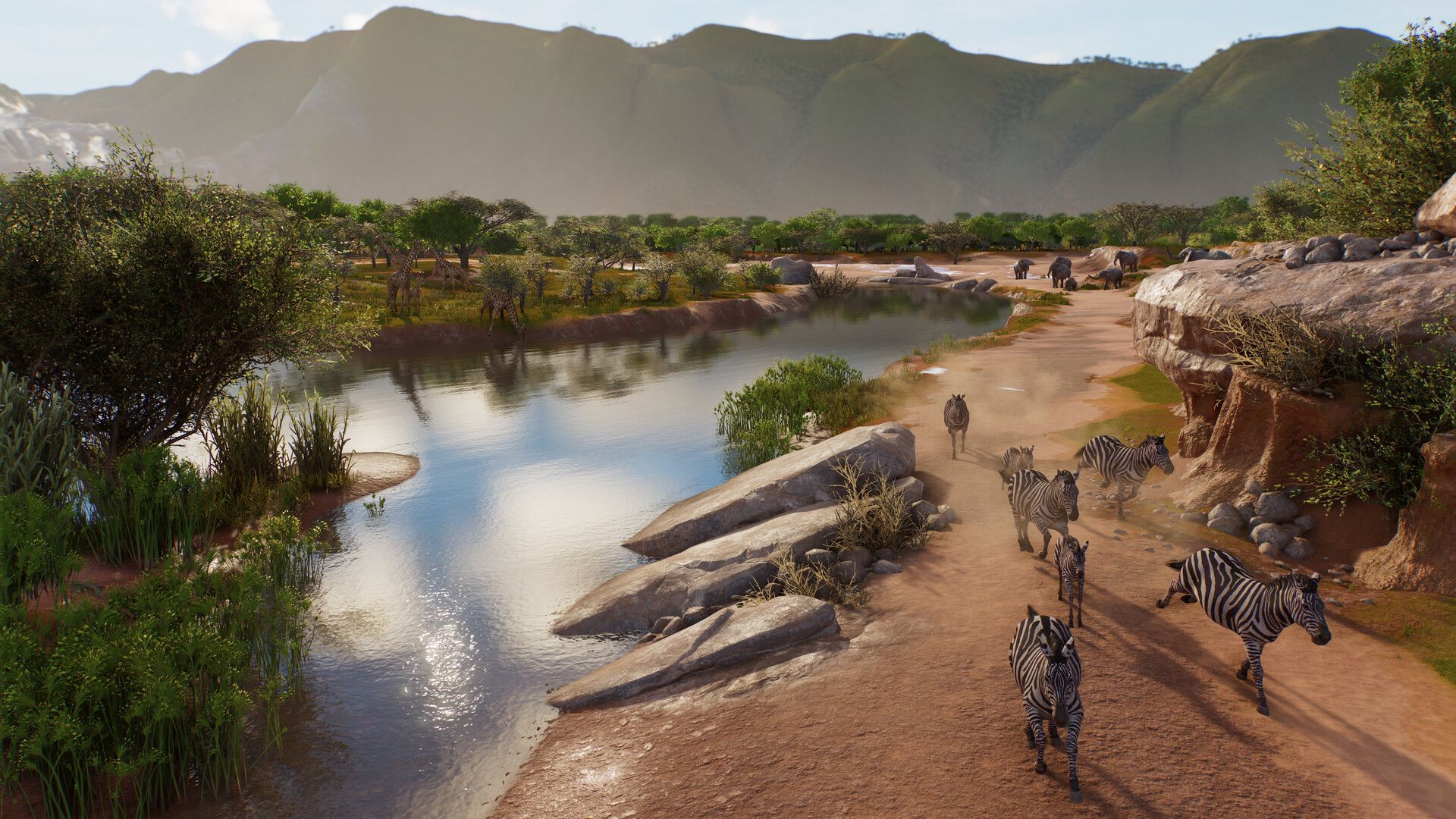
The Common Ostrich is the best pick if your long-term plan is a large African savannah habitat. Their individual requirements are basic, and they breed without much fuss. The real payoff comes later: ostriches are compatible with zebras, giraffes, buffalo, antelope, and a long list of other savannah species.
Starting with ostriches essentially lays the foundation for one of the most visitor-friendly multi-species exhibits in the game. The upfront investment is modest compared to what the habitat eventually becomes.
Common Warthog
Common Warthogs sit alongside ostriches as the other top pick for a future African savannah build, but they require less space and breed even faster. They are comfortable in small groups, their upfront cost is low, and they produce large litters, which means you will have young animals ready to sell or release relatively quickly.
The cohabitation list for warthogs overlaps heavily with ostriches, so combining both species in a single habitat early on is a legitimate strategy.
Red Deer
Red Deer are about as straightforward as starter animals get. They are not expensive, their habitat needs are minimal, and the young they produce can be released to three of the Wildlife Reserves available in the game, which ties neatly into the conservation side of Planet Zoo 2.
The one drawback worth knowing: fawns take four years to mature. That is a longer wait than most other animals on this list, so if fast breeding returns are your priority, red deer are better as a secondary pick rather than your very first adoption.
Wild Boar
Wild Boar are arguably the most efficient breeders on this entire list. Young mature in just one year, which means by the time your first batch grows up, a second litter is likely already on the way. They need only a small group to stay happy, their requirements are easy to meet, and the cohabitation list is one of the longest in the game.
For players focused on releasing animals to Wildlife Reserves or generating steady income from sales, wild boar are hard to beat as an early adoption. Check out the Planet Zoo 2 money guide for more on turning breeding output into consistent cash flow.
How do starter animals connect to Wildlife Reserves?
Several animals on this list, including Red Deer and Wild Boar, produce young that can be released into Planet Zoo 2's Wildlife Reserves. This is worth planning around from the start because releases contribute to conservation goals and can unlock progression rewards. For a full breakdown of how the release mechanic works, the Planet Zoo 2 animal release guide covers every step.
Building on your starter picks
The animals above are starting points, not permanent limitations. The smartest approach is to pick one or two low-cost species, get breeding running, and use the income or release credits to fund more demanding animals later. If you are still figuring out the broader systems, the Planet Zoo 2 beginner's guide covers finances, pathing, and habitat construction in detail.
For everything else, the full Planet Zoo 2 guide collection has you covered as your zoo grows.