
Biggest discounts, free games, and limited-time offers across every major gaming store.
Never pay full price again.
Overview
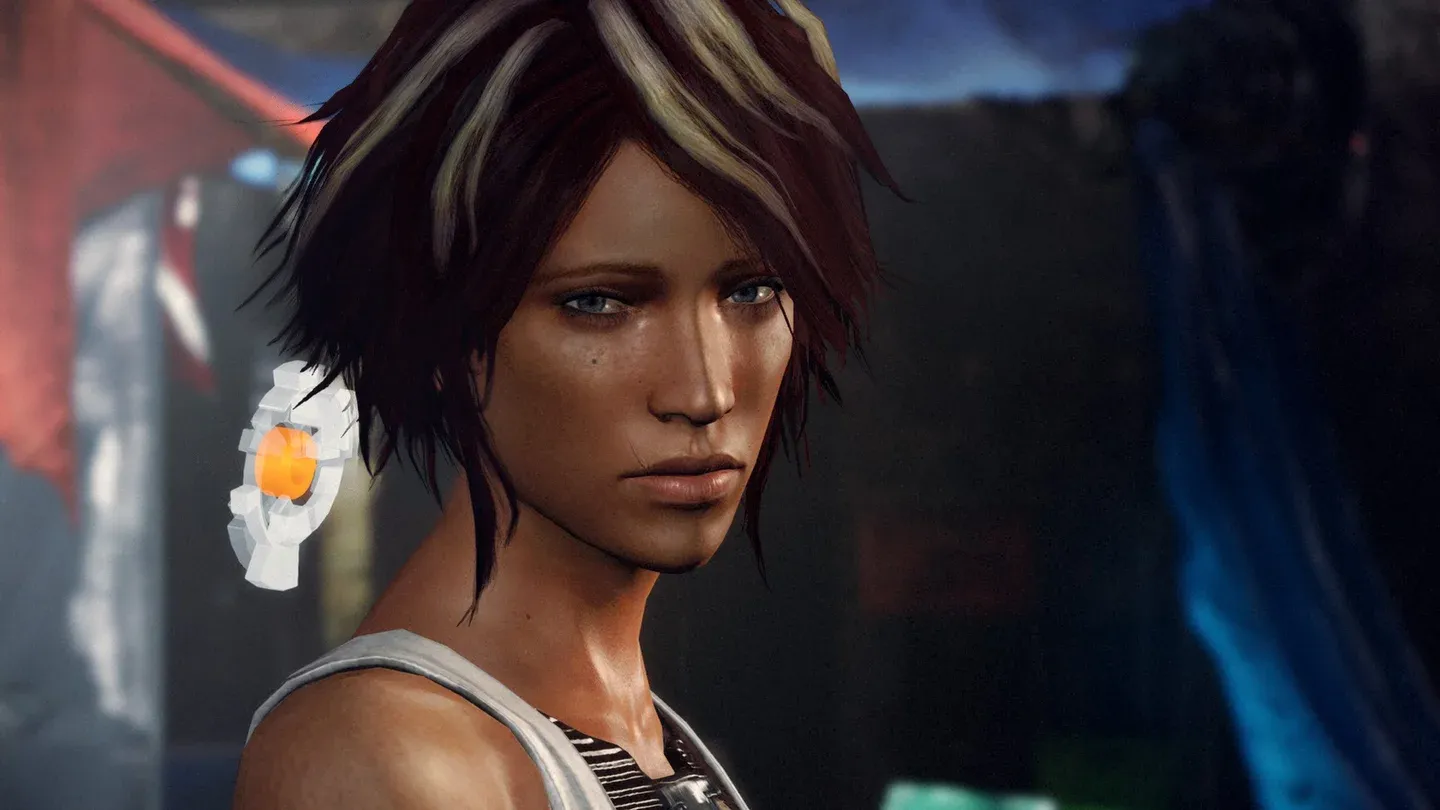
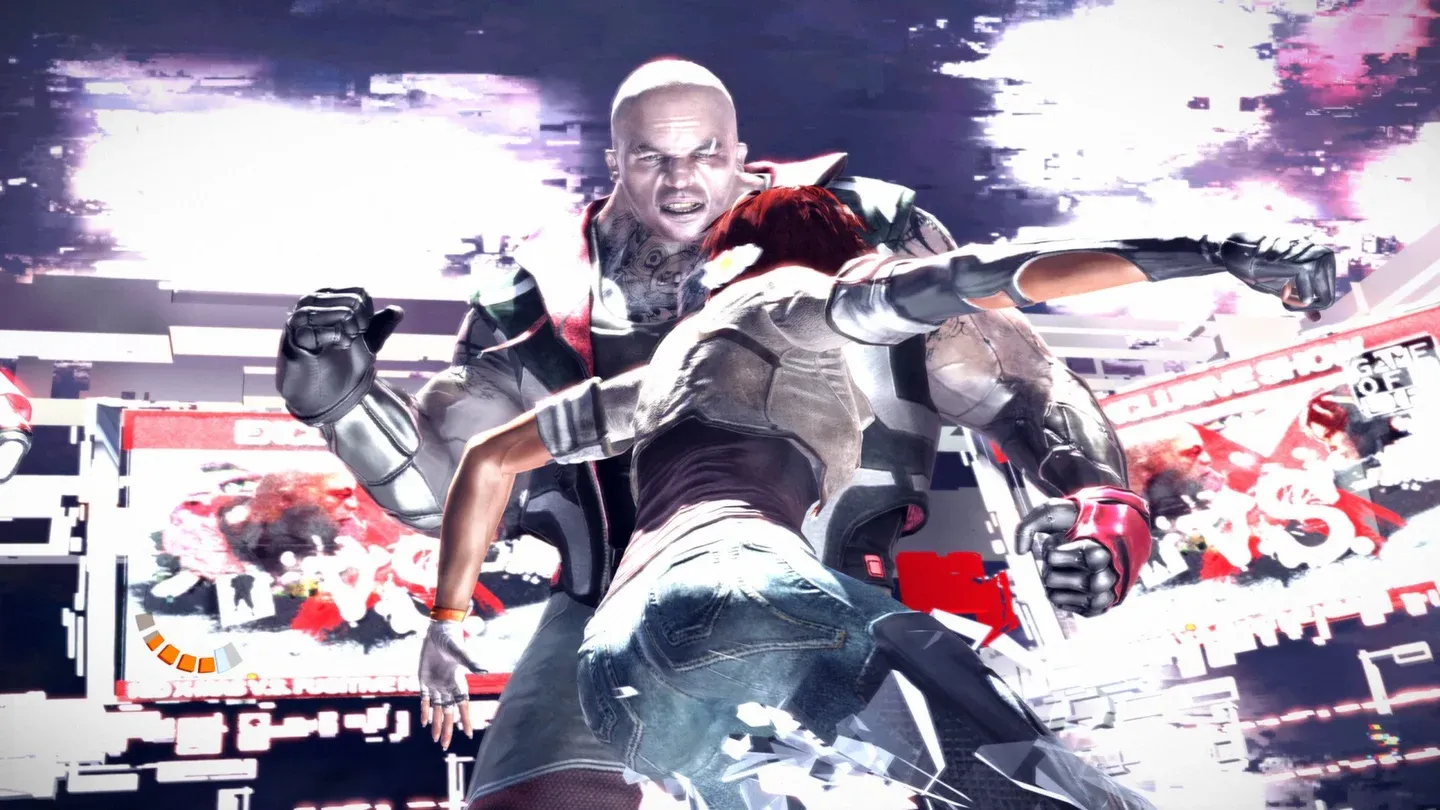
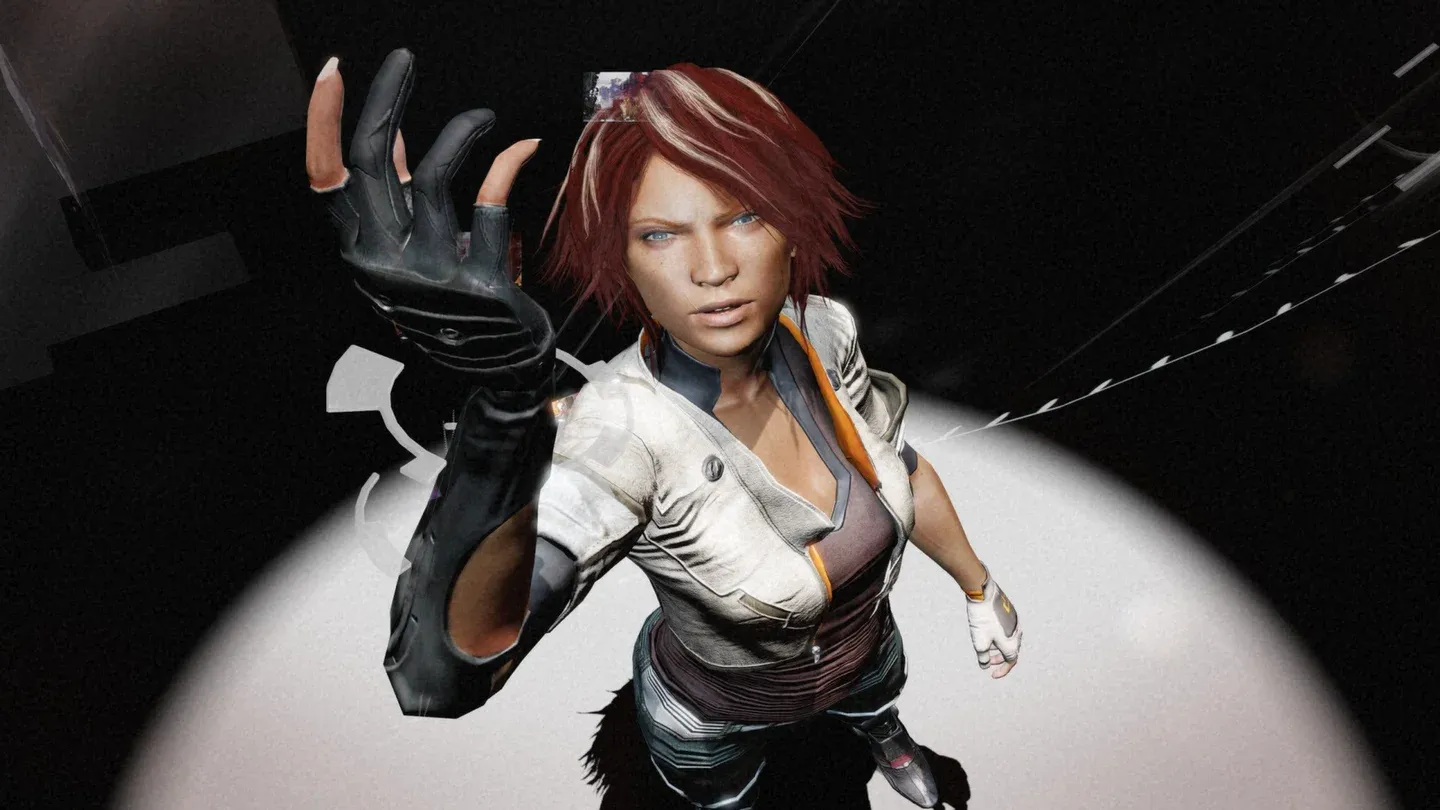
Released in June 2013 by DONTNOD Entertainment and published by Capcom, Remember Me is a third-person action-adventure set in a dystopian future Paris where personal memories have become commodities. Players control Nilin, a former elite memory hunter whose own memories have been wiped by the authoritarian Memorize corporation. With no past to anchor her, Nilin fights through Neo-Paris to piece together who she was and why the city's most powerful people want her erased.
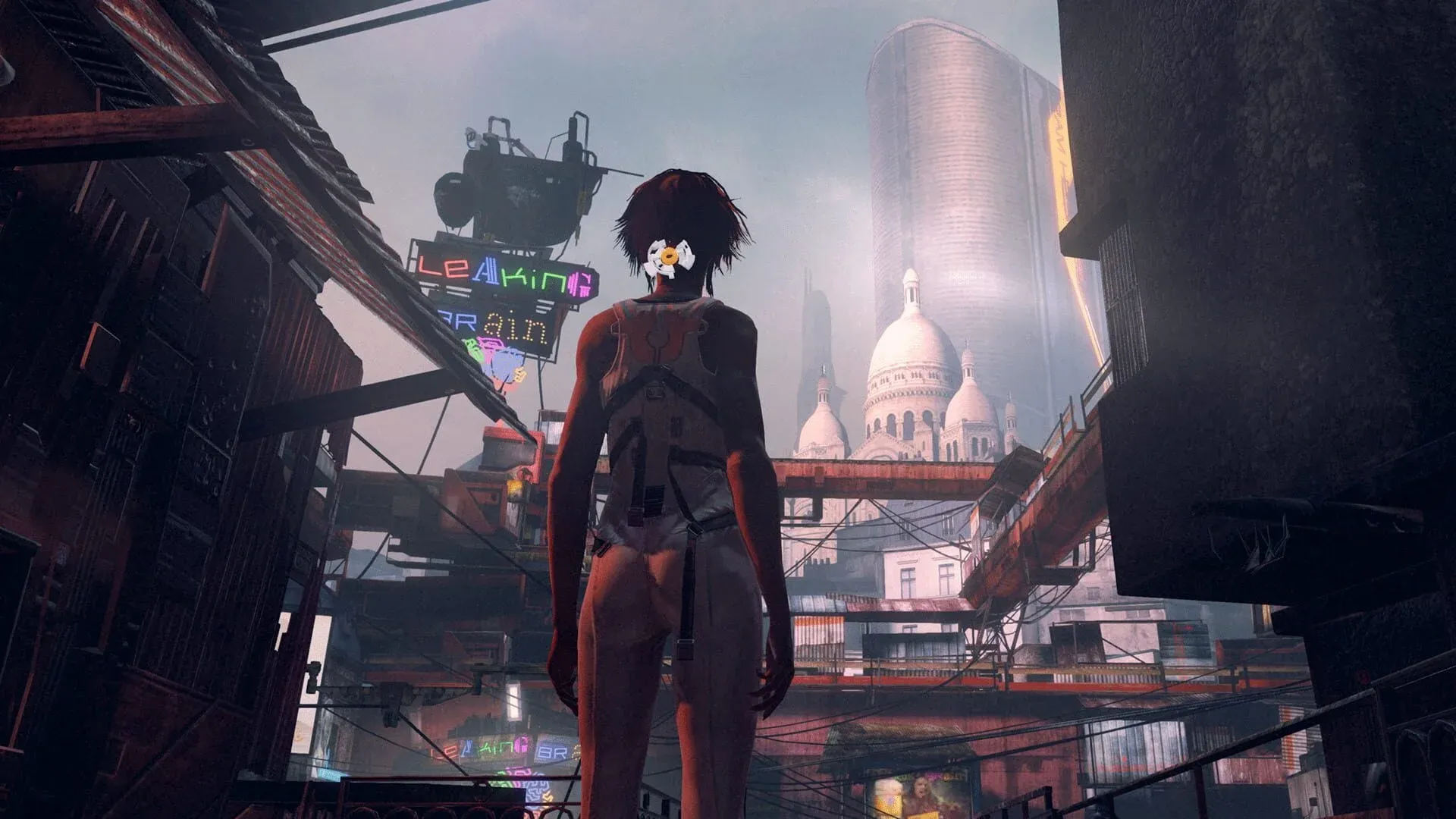
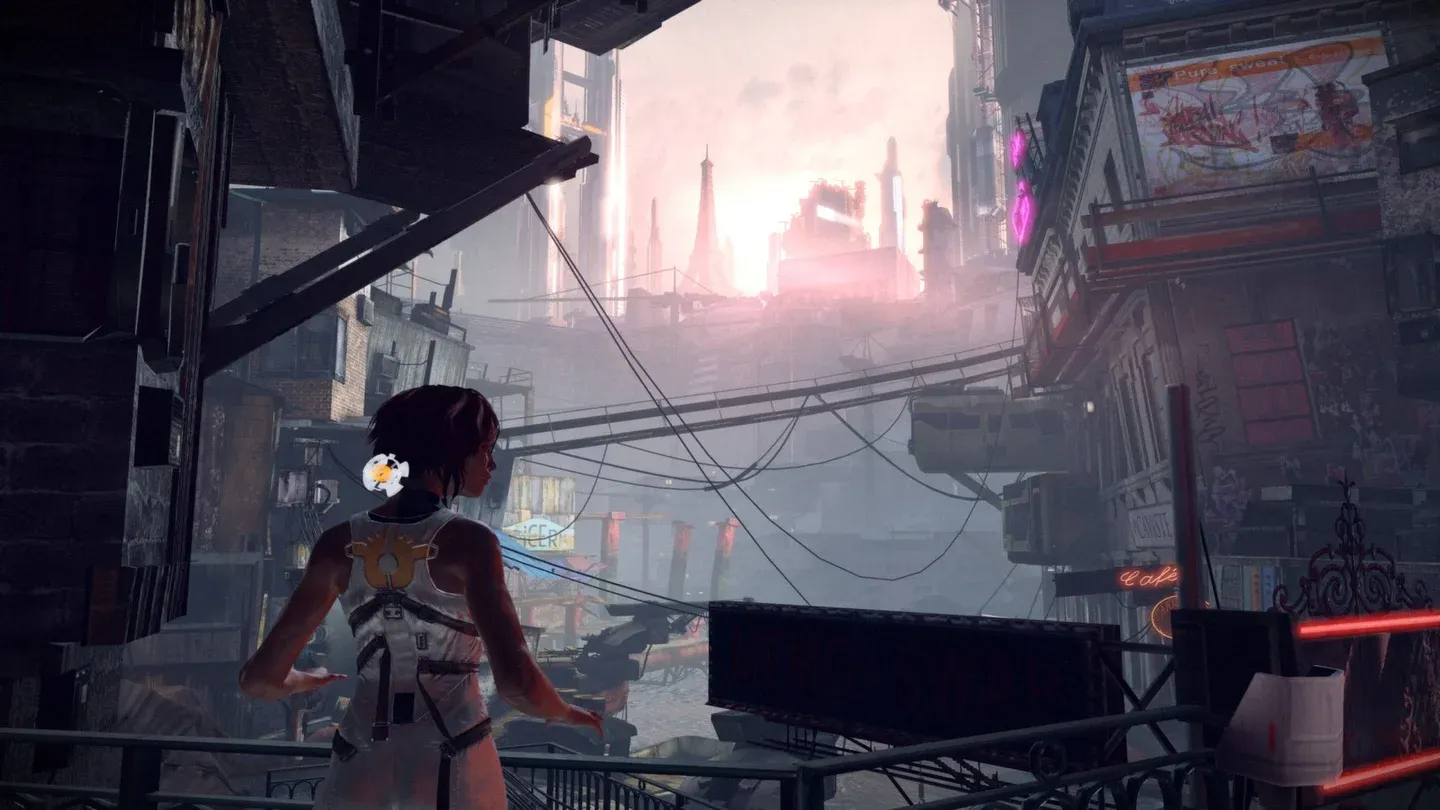
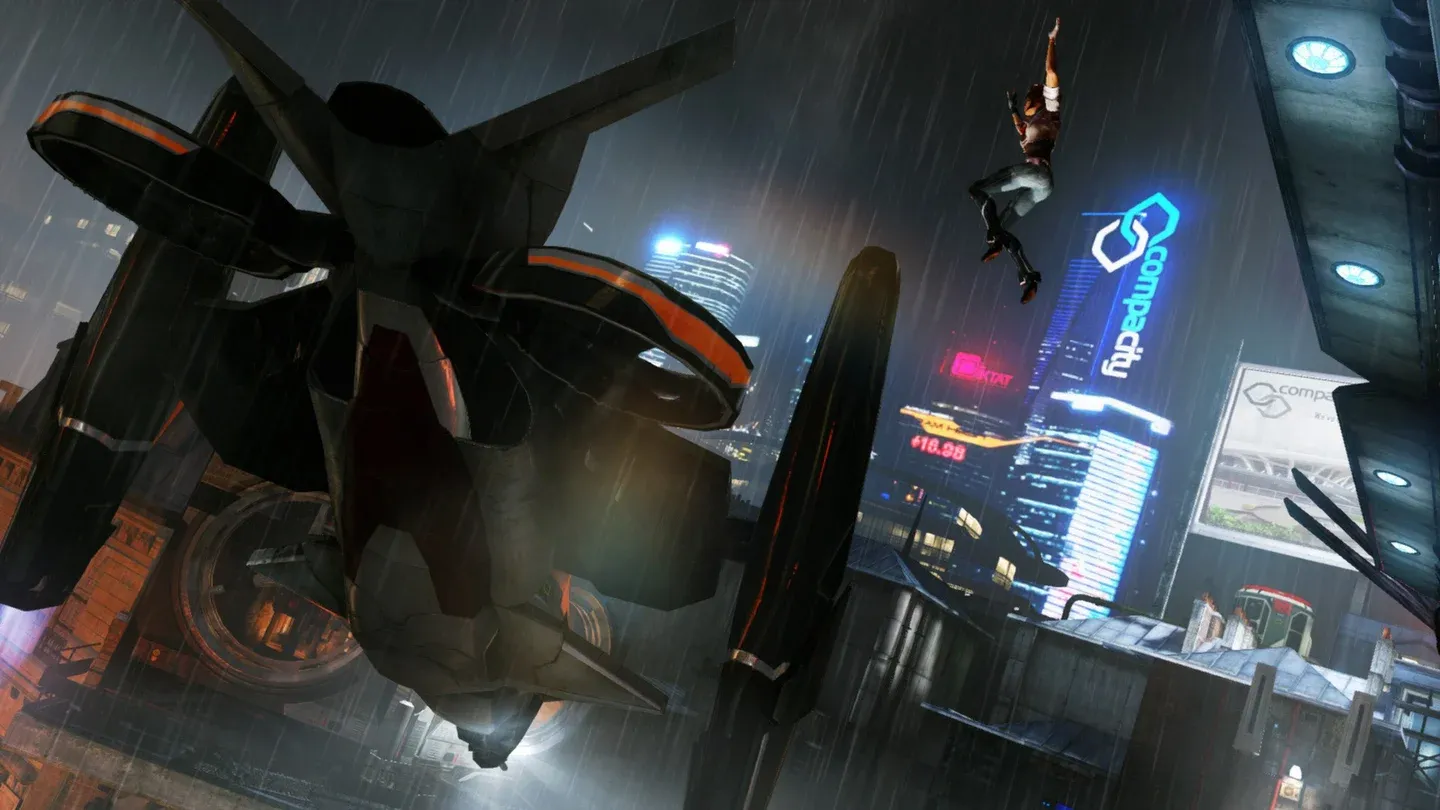
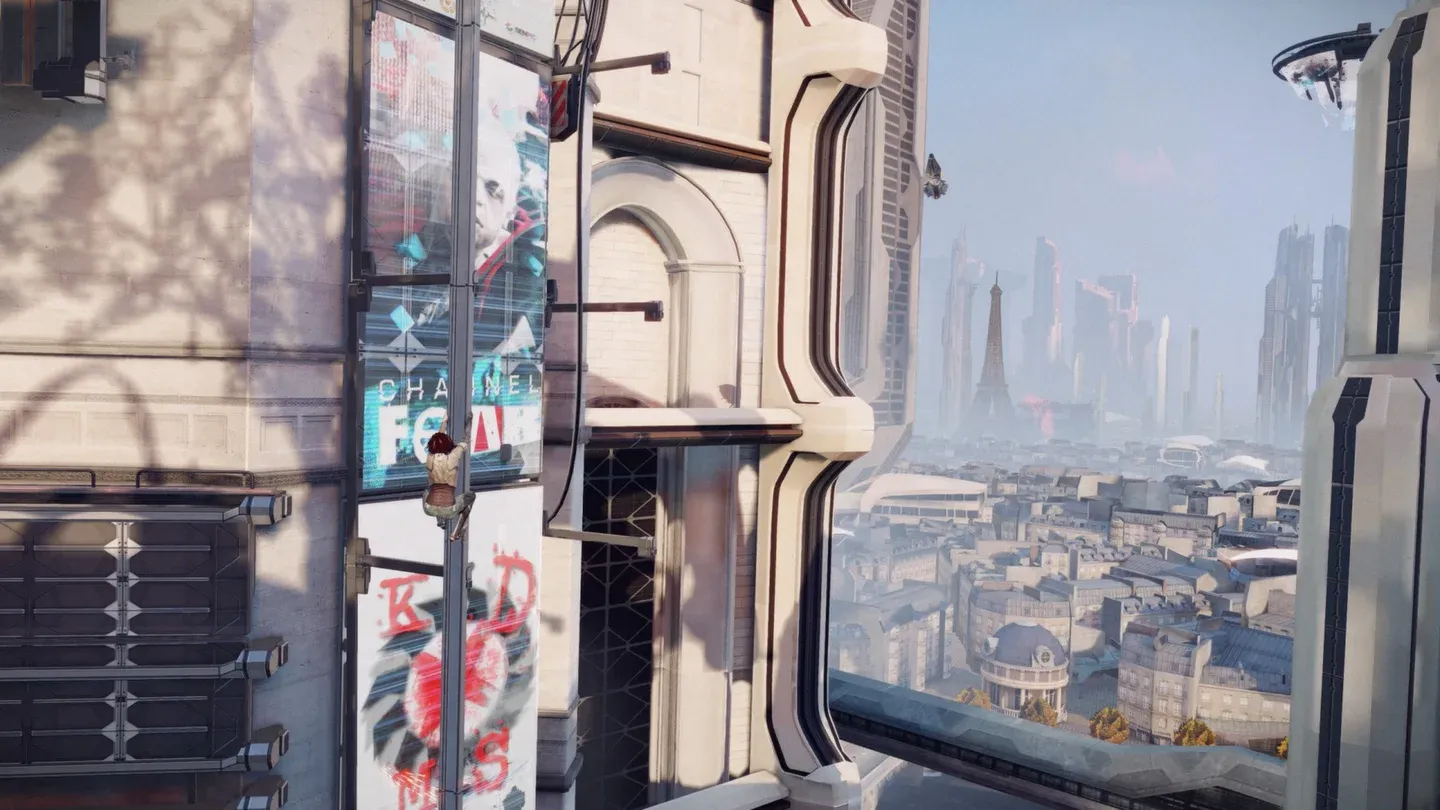
The setting is the game's strongest asset. Neo-Paris blends Haussmann-era architecture with layered augmented reality overlays, creating a city that feels both familiar and deeply wrong. Memory digitization hasn't liberated people; it has made them easier to control. Citizens trade their private experiences for convenience, and a handful of corporations hold the keys to their entire inner lives. DONTNOD builds this world with real conviction, and it gives every mission a weight that straightforward action games rarely achieve.
Remember Me content image
What makes Memory Remix stand out?
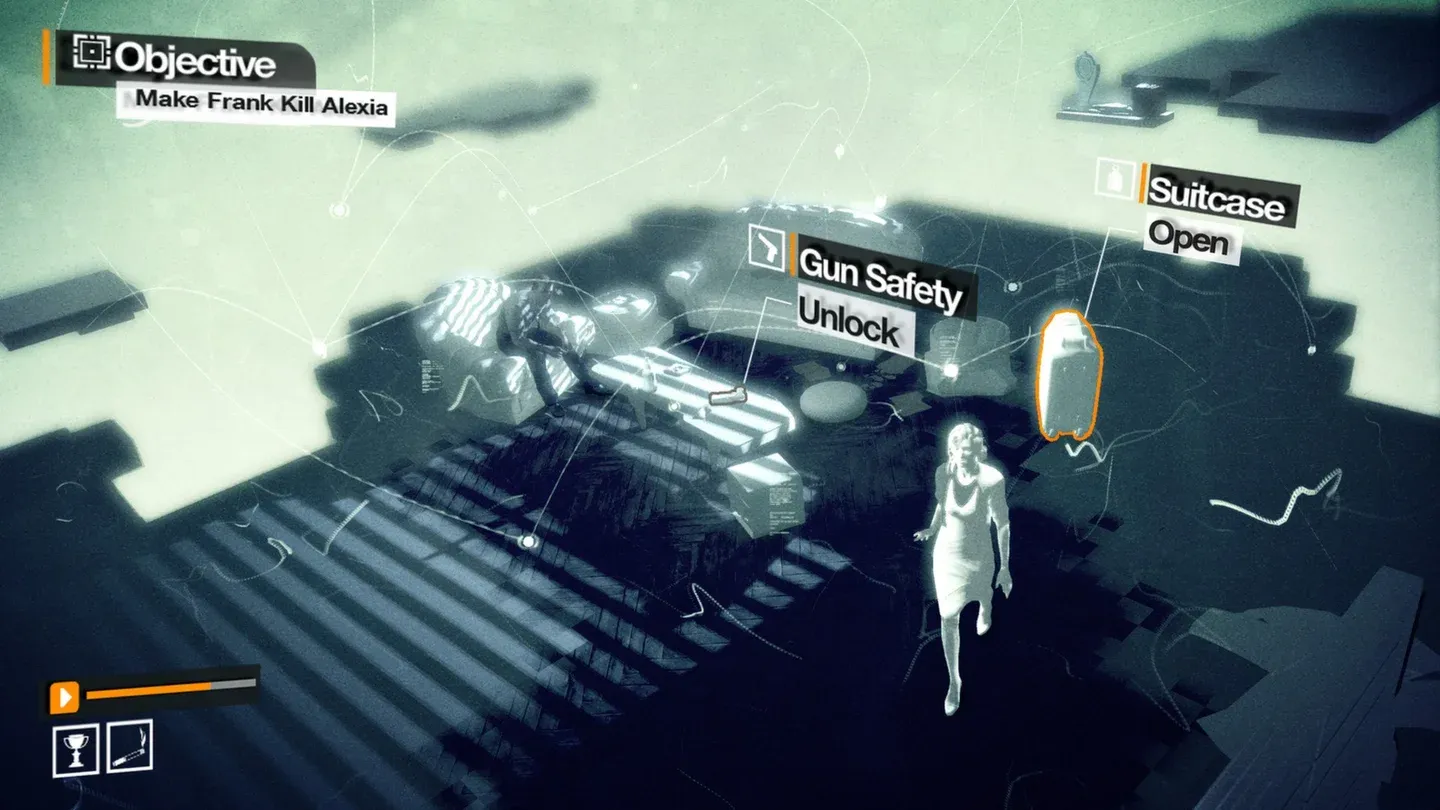
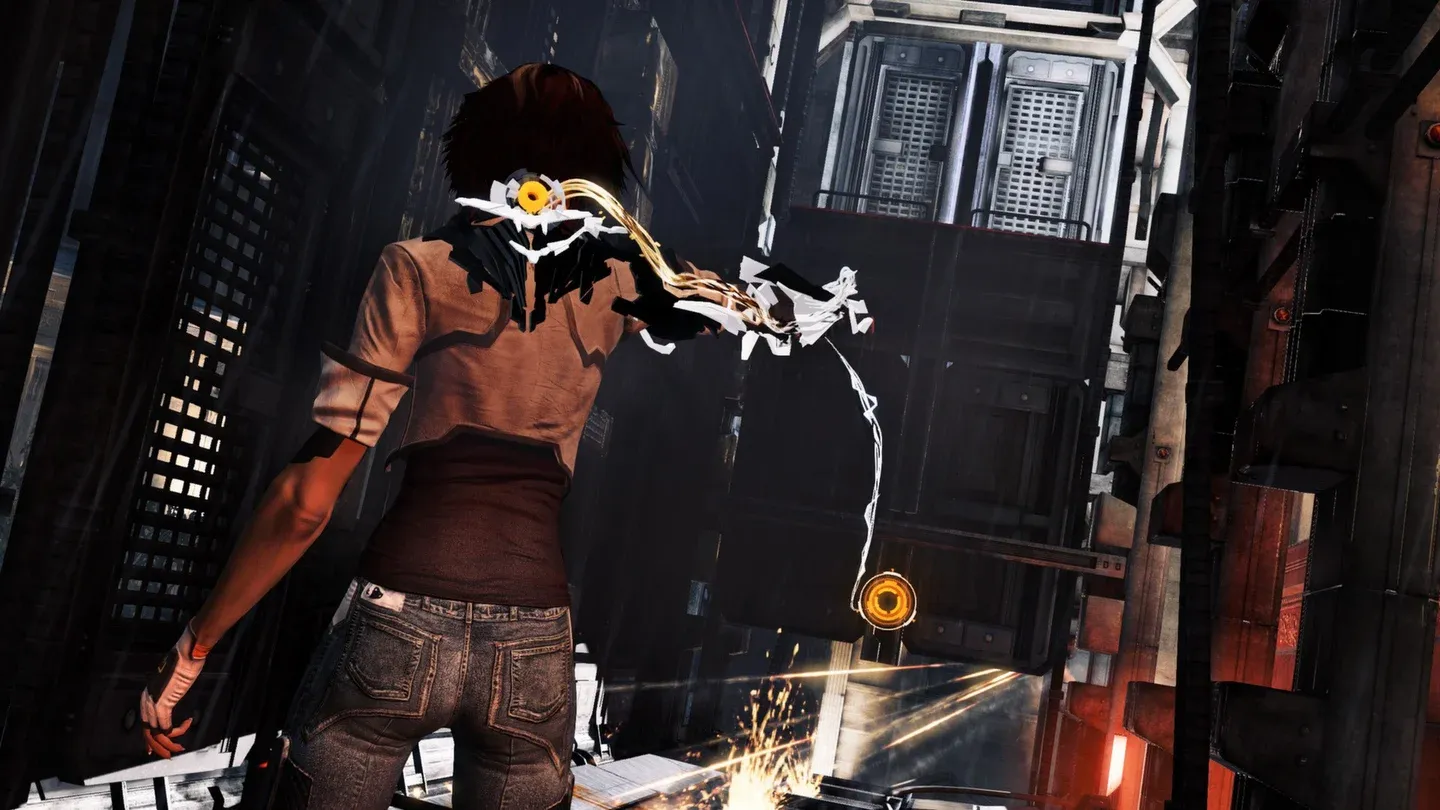
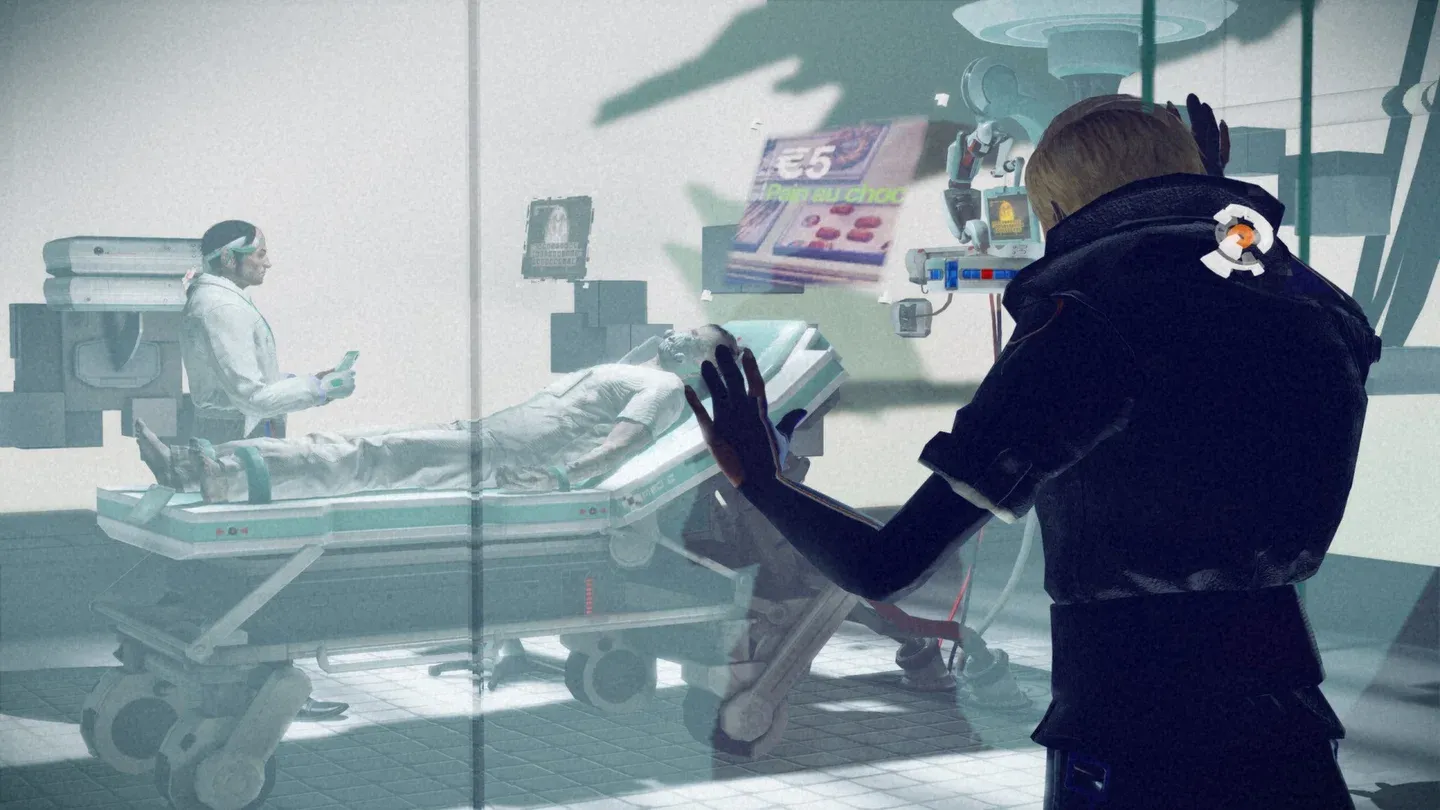
Memory Remix is the mechanic that no other game at the time attempted in quite this way. At specific story points, Nilin enters a target's memory and manipulates physical objects within the recollection to change what the person believes happened. The scene plays out differently depending on what Nilin alters, and the consequences ripple back into the present. There's no combat here, just careful observation and deliberate tampering. These sequences are short, but they carry more narrative impact than most of the game's cutscenes.
Remember Me content image
- Alter objects within a memory to change its outcome
- Each change shifts the target's emotional state and behavior
- Mistakes can be reversed and retried in real time
- Used at key story beats rather than as a recurring loop
- Consequences affect the broader narrative, not just the immediate scene
Remember Me content image
Combat and the Combo Lab system
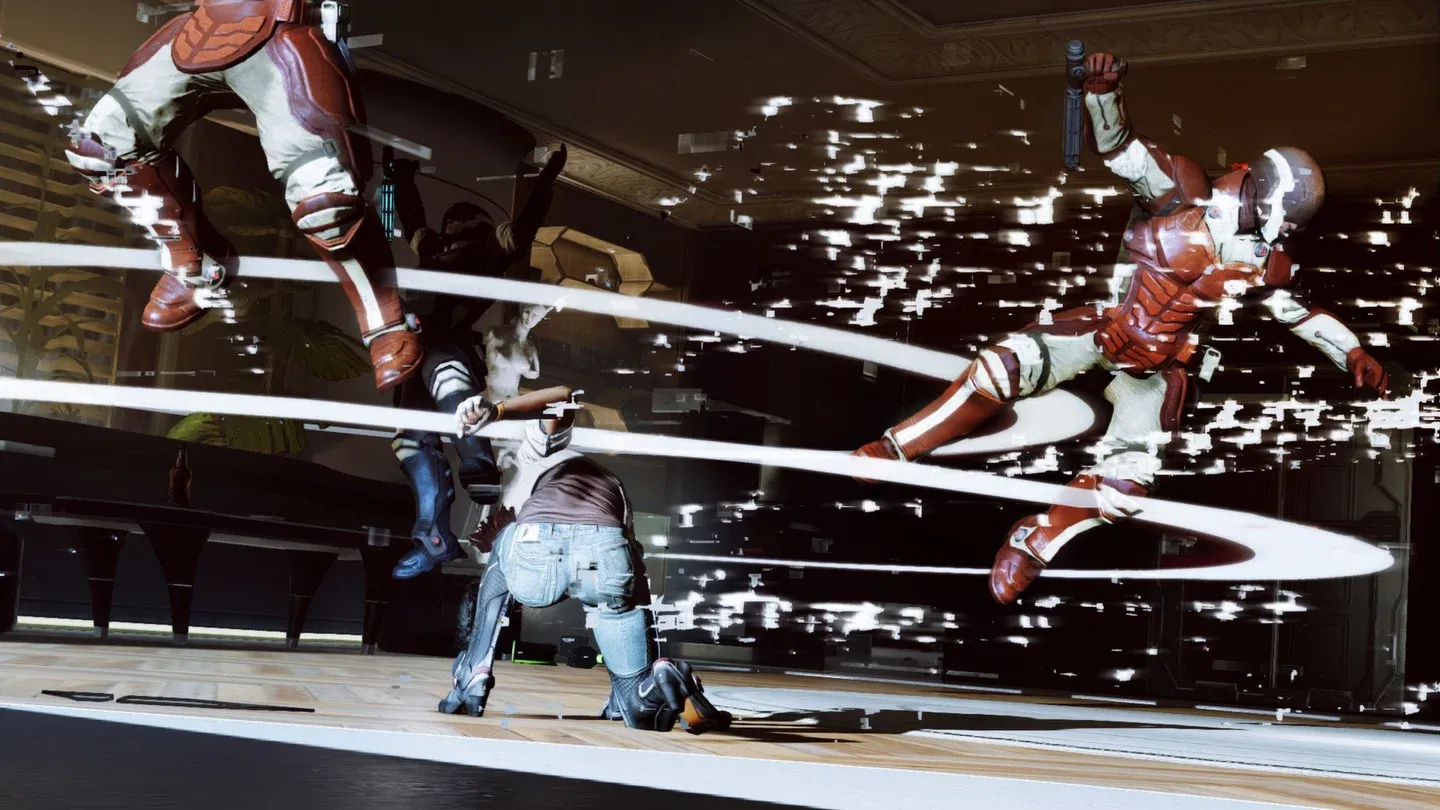
Outside of Memory Remix, Remember Me is a melee-focused brawler with a customization layer called the Combo Lab. Rather than unlocking preset combinations, players build their own attack strings by slotting different Pressens into combo chains. Each Pressen type serves a function: some restore health, some recharge special abilities called S-Pressens, and some deal raw damage. The result is a system that rewards players for thinking about what they need from a fight before it starts, not just button-mashing through it.
Nilin's S-Pressens add another dimension. These are special abilities that range from crowd control to temporary power boosts, each with a cooldown tied directly to how well players execute their custom combos. The system has more depth than the game's linear structure fully exploits, but players who engage with it find a combat loop that feels meaningfully different from contemporaries like Batman: Arkham City.
World and setting: Neo-Paris as a character
Neo-Paris is divided into distinct districts that reflect the city's class stratification. The gleaming upper levels house Memorize's elite clients, while the lower slums, called the Slums of Saint-Michel, house those whose memories have been so degraded by cheap implants that they've lost coherent identity entirely. These degraded citizens, called Leapers, serve as both enemies and a pointed commentary on what the memory economy does to those it discards.
Remember Me content image
The visual design holds up as a snapshot of early-2010s cyberpunk ambition. Environments shift from sun-drenched Parisian rooftops to cramped server corridors, and the augmented reality overlays layered into the architecture give the world a density that rewards exploration. DONTNOD's debut title established the studio's appetite for science fiction with a social conscience, a thread they would carry forward into Life is Strange three years later. Remember Me stands as the rawer, more action-oriented side of that same creative voice.