


RuneScape: Dragonwilds combat rewards patience over aggression. Every attack, block, dodge, and sprint pulls from the same Stamina bar, which means throwing out hits until something dies is a fast way to find yourself stuck in a recovery animation while an enemy winds up a second swing. The 1.0 update raises the ceiling on what skilled play looks like, adding a dedicated Special Attack bar, Visceral Attack follow-ups after parries, and expanded magic options through wands. Here is everything you need to know to fight smarter.
Why does Stamina management matter so much?
Stamina is the single resource that connects offense and defense. Attacking drains it. So does blocking, dodging, and sprinting. Run it to zero mid-combo and you lose the ability to respond when the enemy hits back.
The fix is straightforward: attack in short bursts, leave yourself a buffer, and watch what the enemy does before committing to another sequence. If you are picking up a weapon type for the first time, build in extra margin. One fewer hit per combo is a small cost compared to eating a full unblocked attack.
Before any serious encounter, repair your gear, stock food, and check your ammunition or rune supply. Walking into a tough fight with a cracked weapon and empty pockets is a preparation problem, not a skill problem.
How do you parry in RuneScape: Dragonwilds?
Parrying requires timing your block to land just before a parryable enemy attack connects. Holding your shield up early does not count. The window is tight, and the difference between a timed parry and a held guard is the difference between a powerful counter and just absorbing damage.
The best way to learn it is to slow down. Equip a melee weapon and shield, find a single enemy with enough health to survive a few rounds, and spend time watching its animations before you try to punish anything. Every enemy telegraphs its strikes with a specific movement. Once you spot that tell, match your block input to that moment rather than reacting to the attack itself.
A successful parry in the 1.0 update restores 50% of your maximum Stamina. That is not a small bonus. It turns a defensive action into a resource recovery tool, which changes how you approach the rhythm of a fight.

RuneScape: Dragonwilds 1.0 Combat Guide
What are Visceral Attacks?
After landing a successful parry, you get an optional follow-up called a Visceral Attack. You are not forced to take it. The three choices are: take the Visceral follow-up, spend your Special Attack on the opening, or use the window to reposition.
Against a single isolated target, the Visceral follow-up is usually the right call. Against a group, that same opening might be better used to step back into a safer position. The parry creates the opportunity; what you do with it depends on the full picture of the fight, not just the enemy you just blocked.
How does the Special Attack bar work?
Weapon Special Attacks now run on a separate bar that refills over time, independent of Stamina. That separation matters because it removes the old tension of choosing between offense and defense from a single resource pool. The new system also brings stronger specials, including improvements to Titan's Wrath and the Greatsword Special, alongside reduced Stamina costs on certain actions.
That said, having a full Special bar is not a reason to fire it immediately. Watch whether your target is approaching, recovering from an attack, or about to move out of range. A wasted special on a moving enemy is still a wasted special. A parry creates one of the cleanest windows to land one, since the enemy is briefly staggered and you have just recovered Stamina.
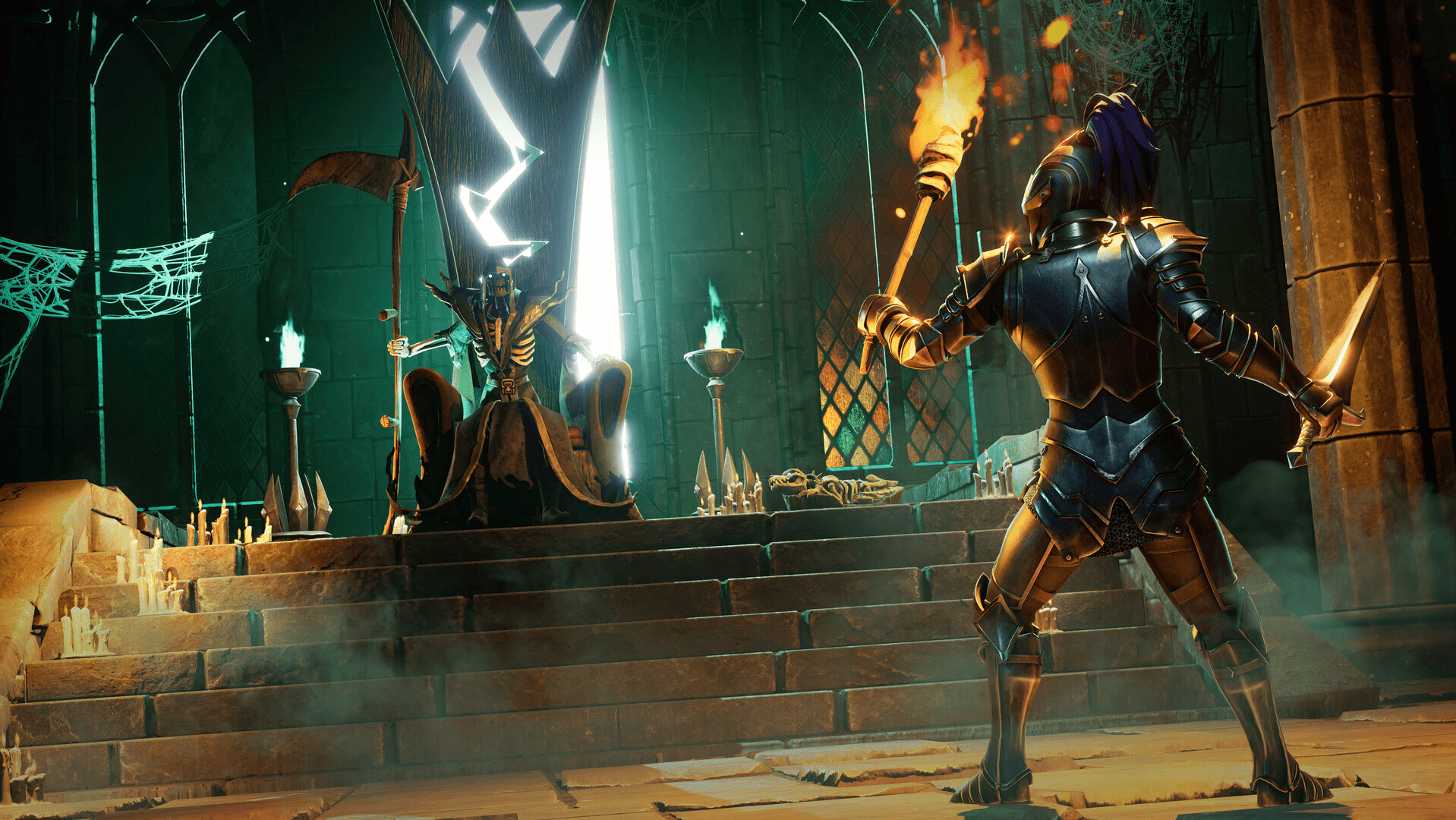
RuneScape: Dragonwilds 1.0 Combat Guide
Read the description of your weapon's special before you rely on it in a hard fight. The available special changes based on your weapon and your unlocked skills.
Can you cancel attacks mid-combo?
Yes. Blocking or dodging can interrupt your own attacks and spellcasting. If an enemy starts a dangerous move while you are committed to a swing, a defensive input cancels the action.
The habit to build is reacting to the enemy rather than finishing every combo you start. Practice this on an enemy whose attack patterns you already know. Begin an attack sequence, watch how the enemy responds, and cancel into a block or dodge when the situation calls for it. Trying to learn cancels and a new enemy at the same time makes both harder.
Sprint Attacks are a separate unlock from the Attack skill tree. They trigger a unique strike after sprinting a short distance. Before using one in a real fight, check the skill description and practice the approach on a single target. More importantly, check what is behind and beside that target before you commit. Sprinting into a cluster of enemies removes your escape options quickly.
Which combat style should you use?
Start with whatever your current gear, supplies, and unlocked skills can actually support. The best combat style in theory is useless if you are running out of runes or missing the skill unlocks that make it function.
For learning parry timing specifically, melee with a shield is the most direct setup. The feedback is immediate and the inputs are simple.
Ranged and magic builds work well but require more spatial awareness. Give yourself room to retreat before opening a fight. Check for walls, ledges, and enemies approaching from behind. A bow or wand still demands a defensive response when something closes the gap.
What is the difference between wands and staves?
The tradeoff is speed versus damage. Wands attack faster and allow more movement during combat. Staves hit harder but are less mobile. Both are valid, and the right choice depends on how you want to play the fight.
Wands also retain elemental buildup effects. Air magic contributes to knockdown, Fire magic builds toward burn, and Water magic applies a slow. These secondary effects can change how a fight plays out, especially against tougher enemies where controlling movement matters.
Once you have access to both weapon types, test them against enemies you already know. Compare how easily you can attack and reposition, not just the raw damage numbers.
What new skills and abilities did the 1.0 update add?
The 1.0 update expanded both the Attack and Magic skill trees. Here are the notable additions:
- Enchant Weapon: Water adds Water damage to melee attacks and can generate healing orbs.
- Runic Refund gives magic attacks a 30% chance to preserve their runes on use.
- Enfeeble reduces the damage output of an enemy's attacks.
- Vengeance reflects a portion of enemy damage back at them.
On the timing side, Enchant Weapon and Spectral Arrows now last five minutes each. Tempest Shield and Snare both carry 45-second base cooldowns.
Always check the live skill descriptions in-game for current unlock requirements and rune costs, since these can shift with patches.
For longer expeditions, plan your return to base before supplies run out rather than after. The full collection of RuneScape: Dragonwilds strategy guides covers everything from fast travel networks to crafting stations, so you can build the support systems that keep your combat runs going longer. If you enjoy the mix of survival mechanics and real-time combat here, there is a lot of overlap with other action games that reward the same kind of read-and-react playstyle.