Overview
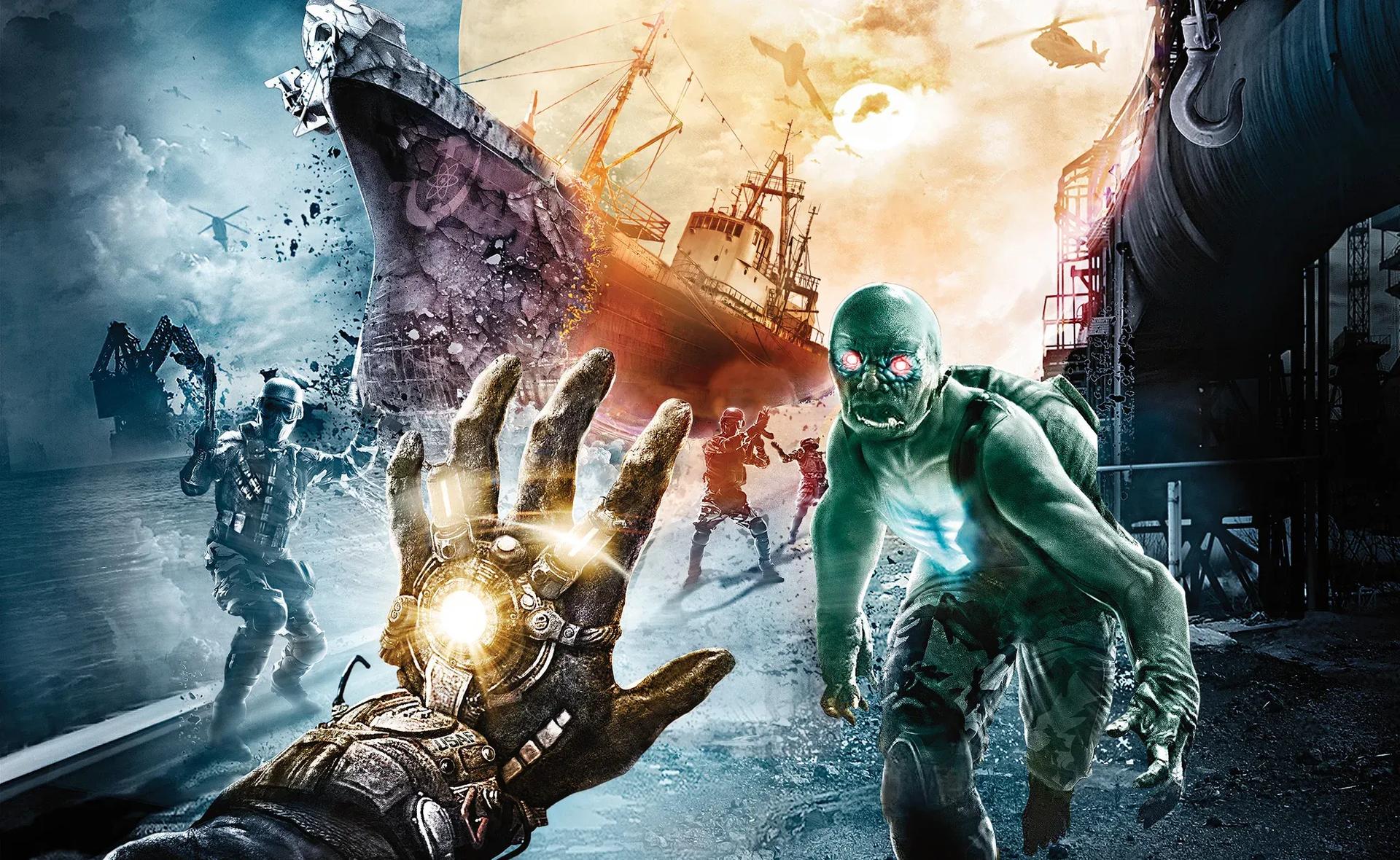
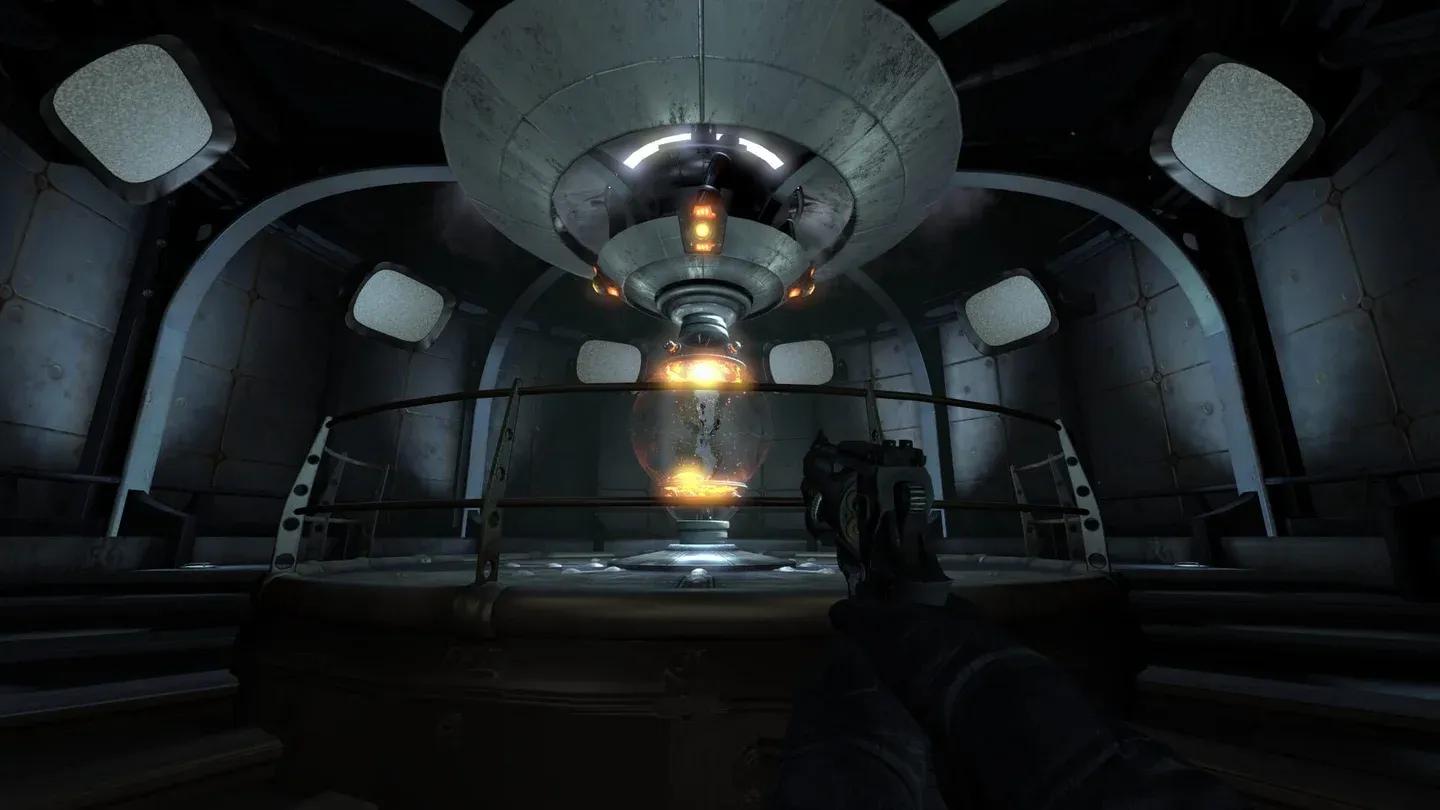
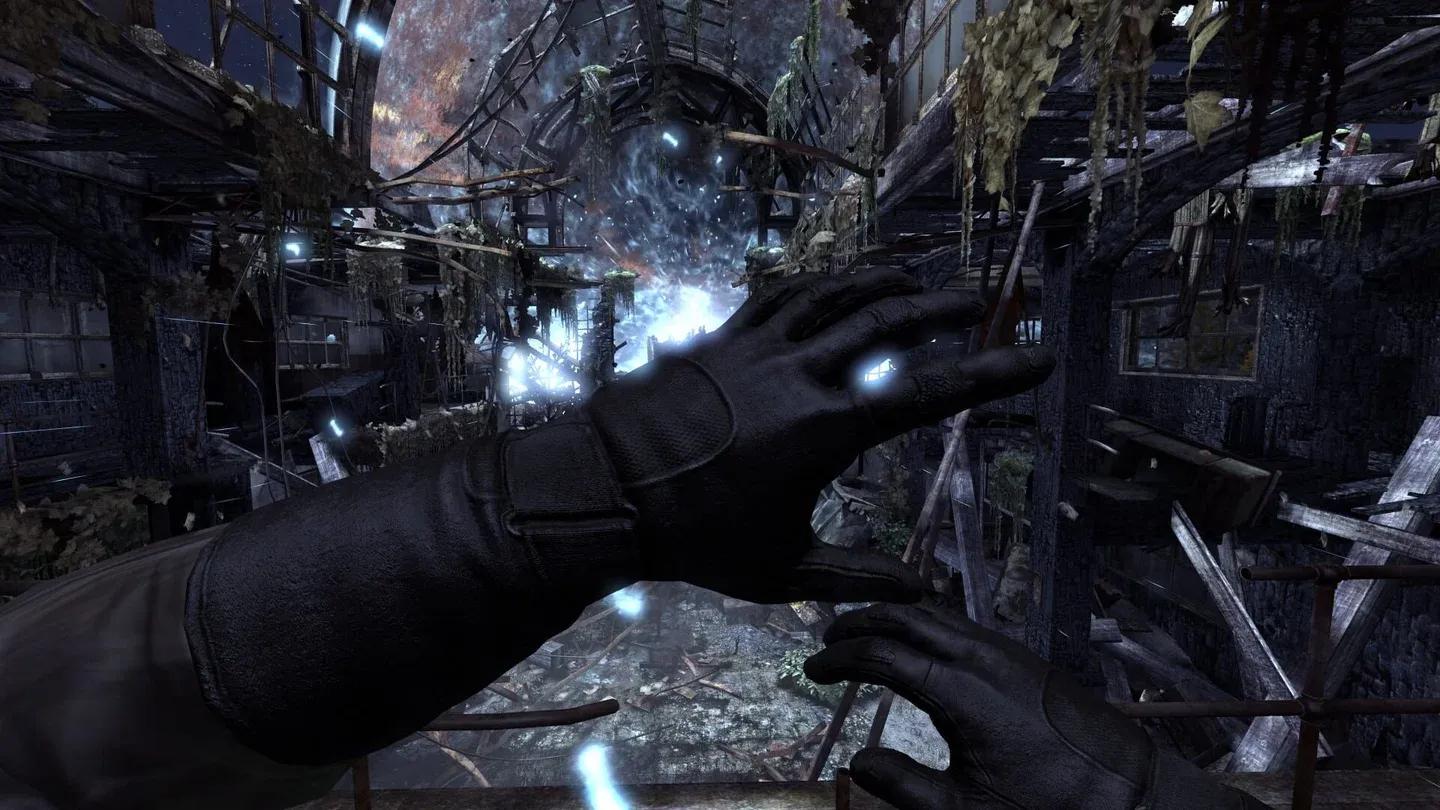
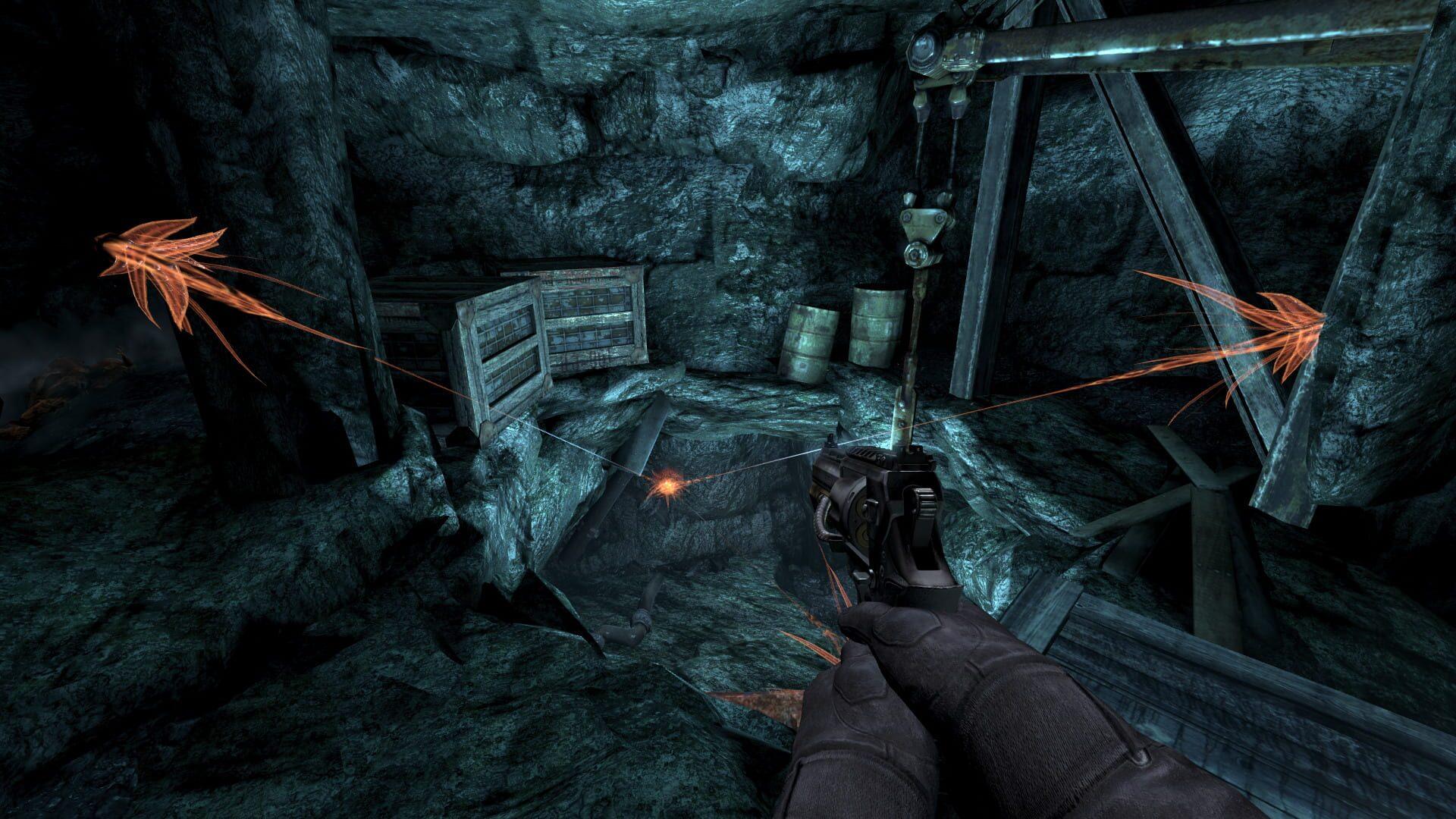
Singularity drops you into Katorga-12, a remote island off Russia's coast where a secret Soviet experiment called Element 99 has torn the fabric of time apart. You play as Captain Nathaniel Renko, a U.S. recon marine who survives a helicopter crash only to find himself yanked between 1955 and the present day. The central hook is the Time Manipulation Device, or TMD, a gauntlet-style weapon that gives you direct control over an object's or enemy's place in time.
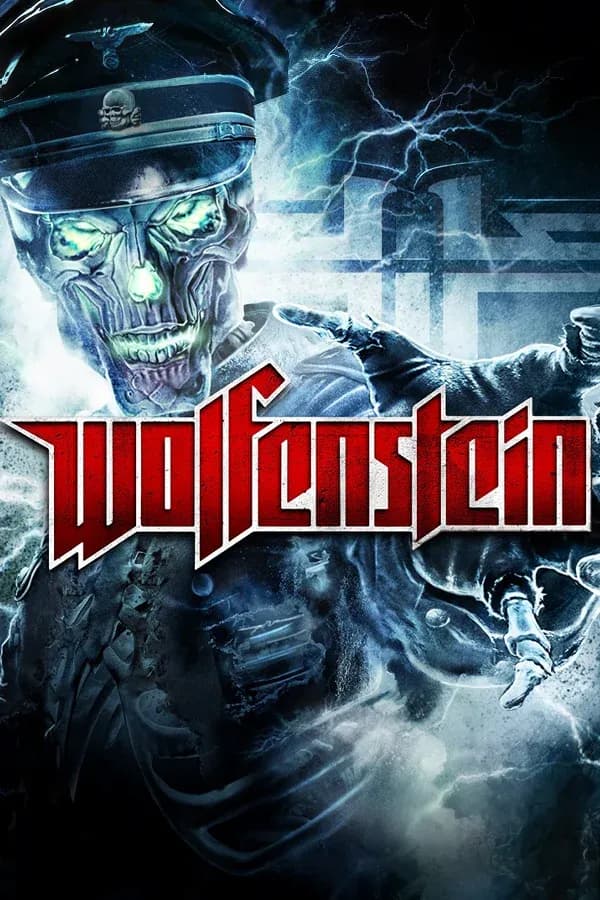
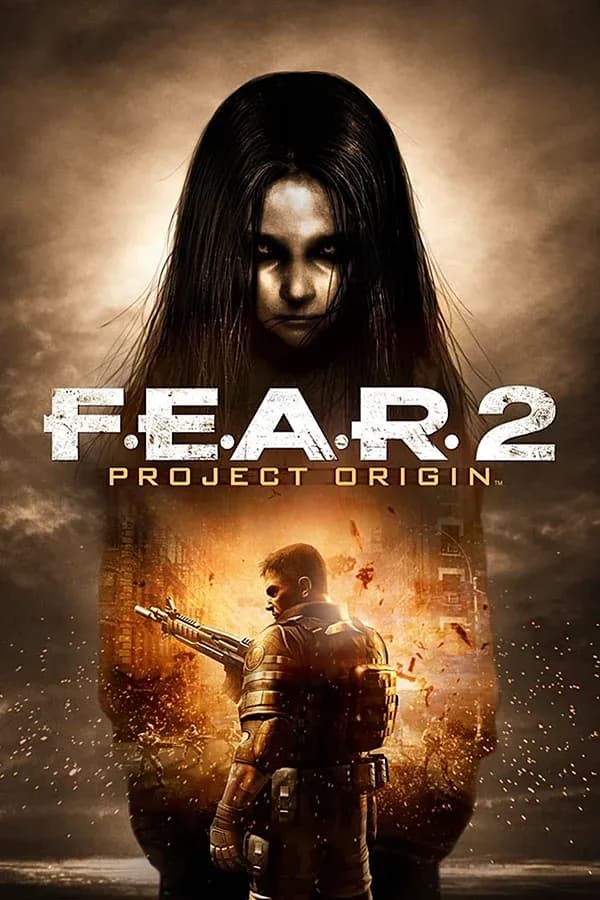
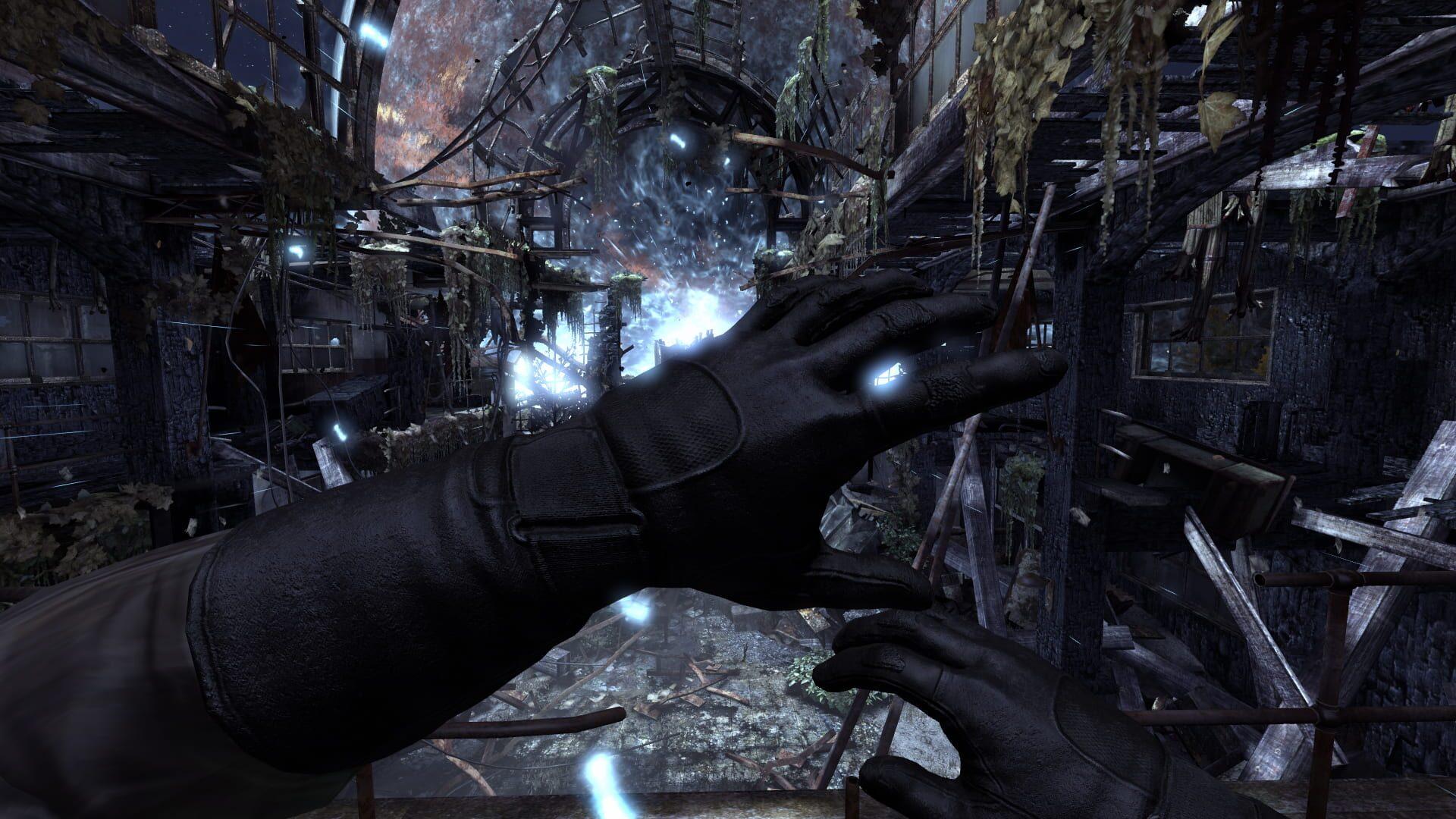
Raven Software built this around a Cold War sci-fi premise that pulls from the same shelf as F.E.A.R. and BioShock, but the TMD gives Singularity its own identity. You can age a wooden barricade into splinters to clear a path, restore a collapsed bridge to cross a gap, or send a soldier forward in time until he crumbles into a skeleton. The game also upgrades the TMD across the campaign, expanding what it can do well past its initial "age and restore" foundation.
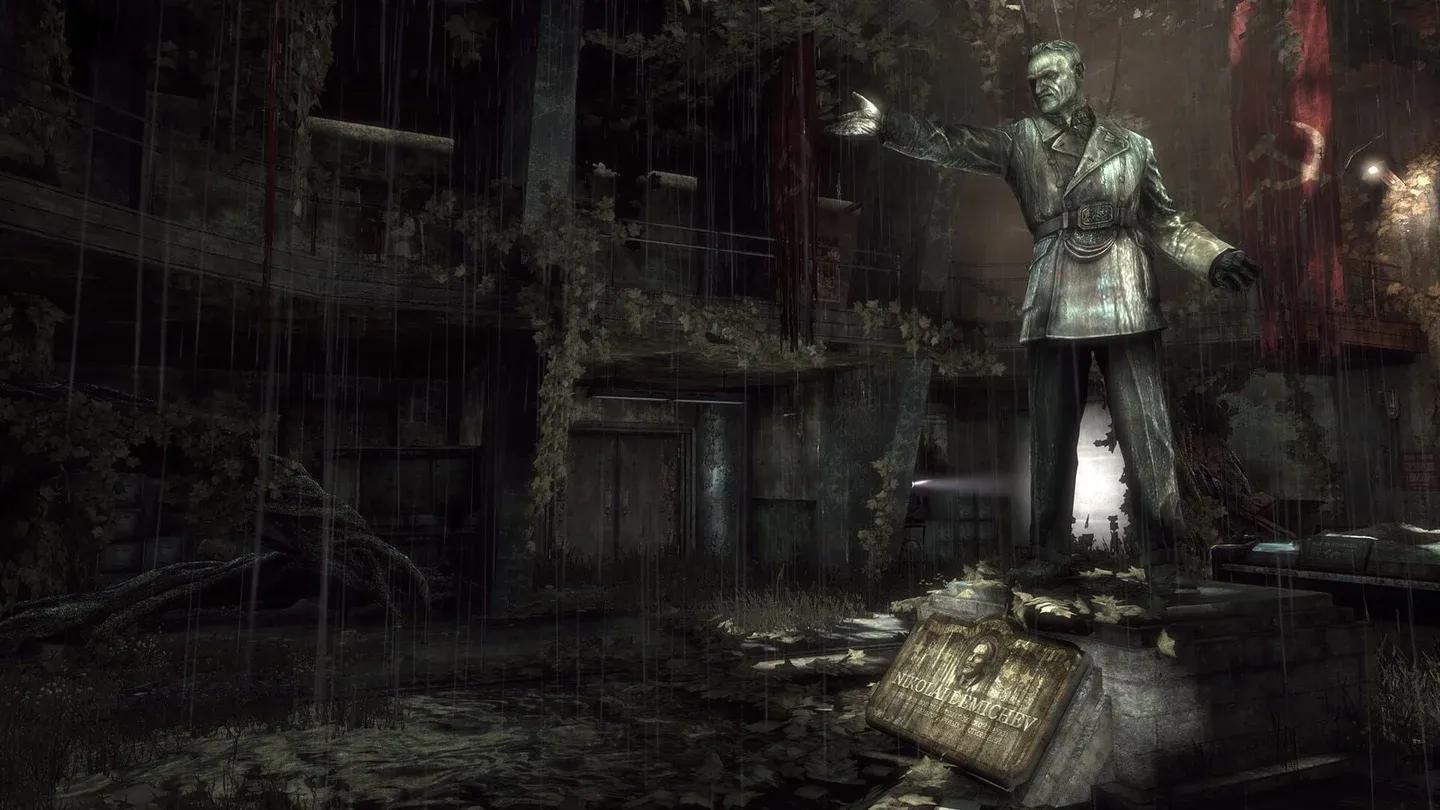
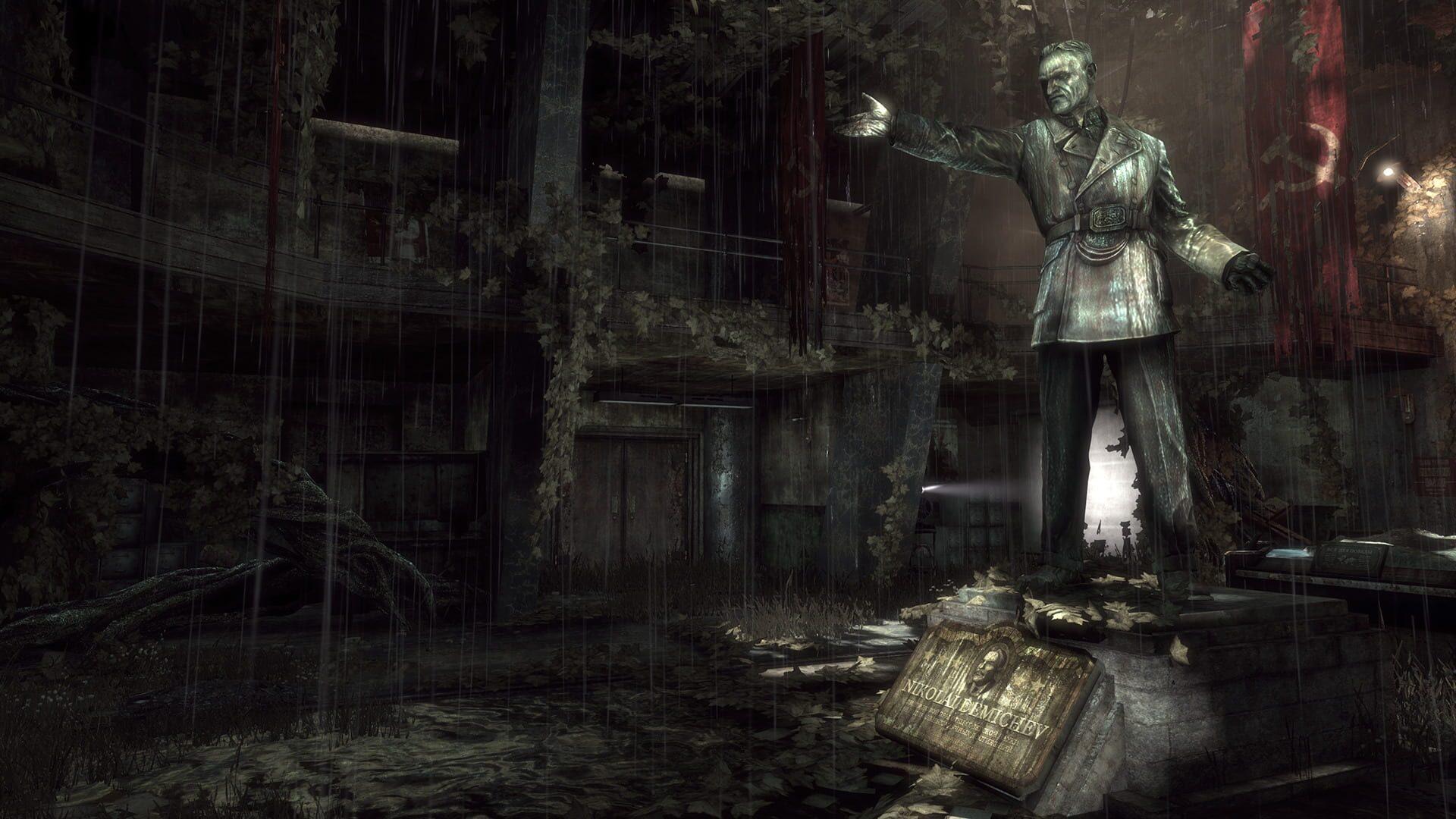
The story hinges on Renko's repeated encounters with Nikolai Demichev, a Soviet scientist whose fate keeps shifting based on what Renko does in the past. There are three distinct endings tied to the choices you make, which gives the campaign genuine replay value beyond just hunting collectibles.
Gameplay and mechanics
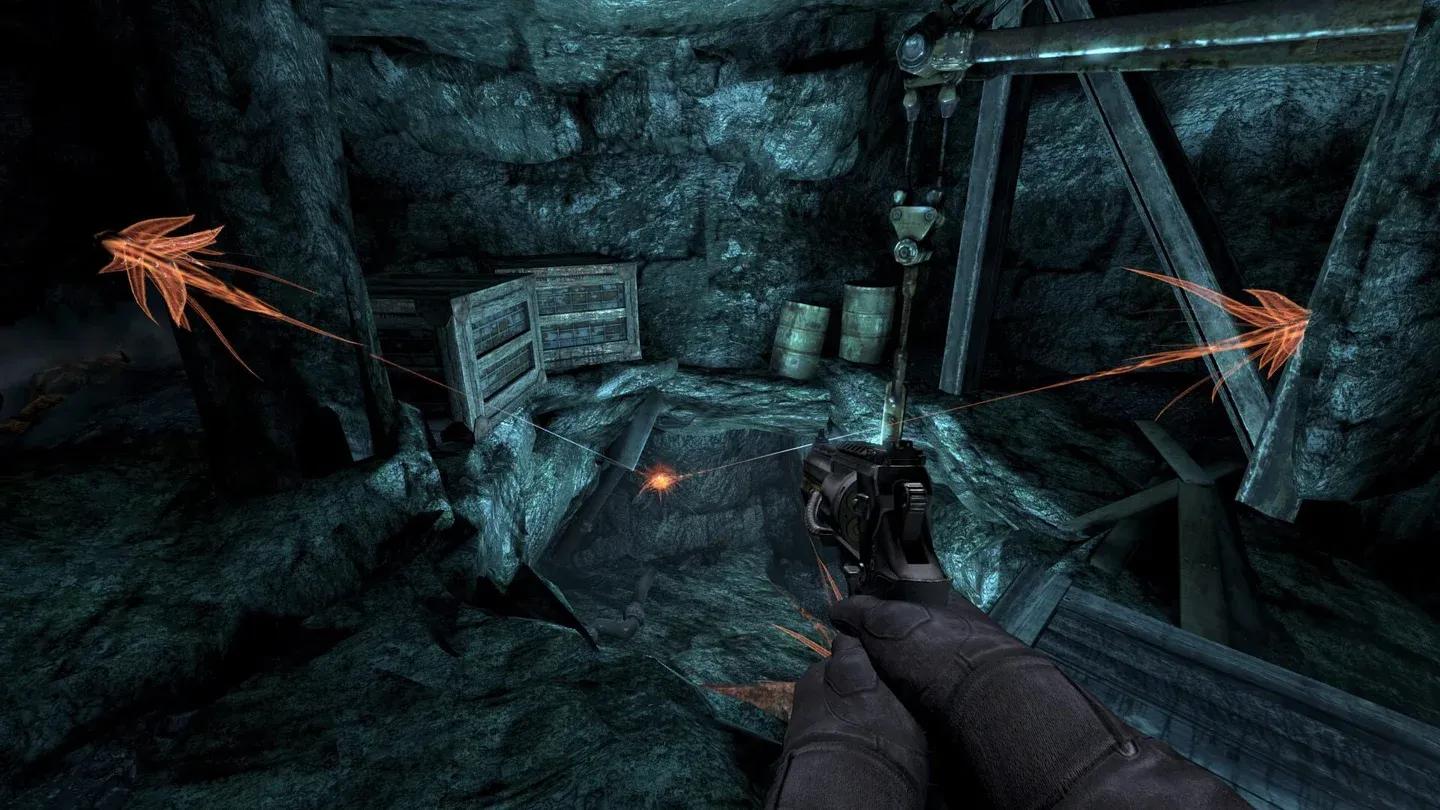
The core FPS loop in Singularity is competent and familiar, built around a small arsenal of conventional weapons alongside the TMD. Key mechanics include:
- TMD aging and restoration for environmental puzzles
- Time bubbles that freeze enemies or projectiles in place
- Impulse blasts that throw objects or enemies with force
- Weapon and TMD upgrades purchased at scattered stations
- Creature-form multiplayer alongside standard soldier classes
The puzzle design leans on the TMD heavily, and most environmental challenges have an obvious solution once you remember what the device can do. That's not a knock against it so much as an observation that Singularity isn't trying to be Portal. The time mechanics exist to make combat feel different, and they succeed at that. Throwing a time bubble into a group of soldiers and watching them freeze mid-charge before you pick them apart never gets old.
World and setting
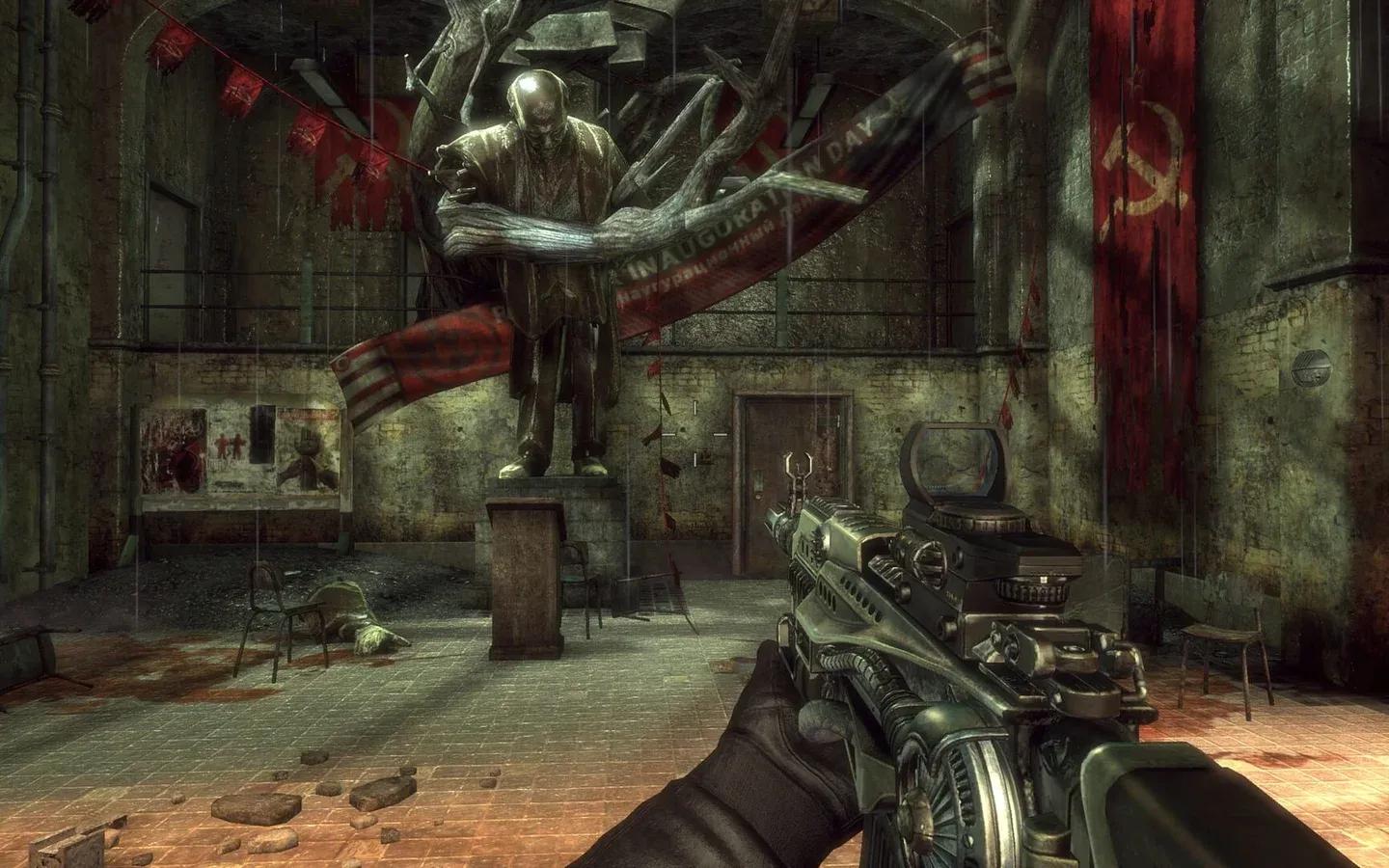
Katorga-12 is the game's strongest asset. The island carries that specific Cold War institutional decay, all brutalist architecture, rusted equipment, and propaganda posters peeling off concrete walls. Because Renko jumps between 1955 and the present, you see the same locations twice: once as a functioning Soviet facility and once as a ruin. That contrast does a lot of storytelling work without a word of dialogue.
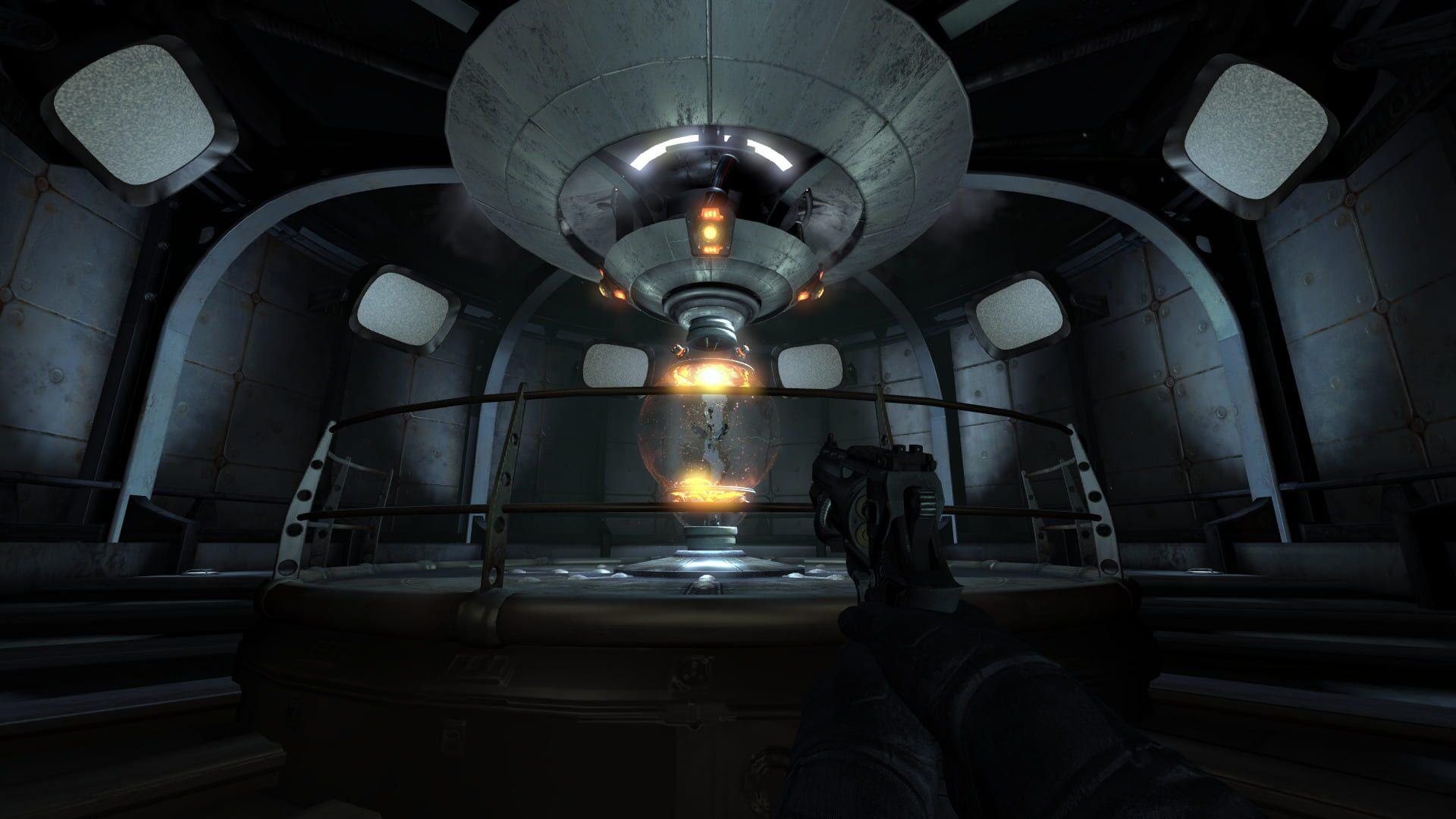
Element 99, the fictional Soviet material at the center of the plot, functions as a believable macguffin because the game commits to the consequences of its misuse. The creatures inhabiting Katorga-12 in the present are the result of experiments that went wrong in the past, and the environments make that history readable.
Impact and legacy
Singularity launched in June 2010 and sold quietly without much fanfare, which is a shame given how well it executes its premise. The multiplayer component included a mode where players could fight as either soldiers or the island's mutated creatures, an asymmetric structure that was genuinely interesting but never found a sustained player base. That mode is effectively empty now, so the campaign is what you're here for.
As a single-player first-person shooter with time manipulation mechanics and a Cold War horror setting, Singularity holds up as one of the more underrated games of its era. The TMD gives standard FPS combat a layer of tactical creativity that most shooters from that period couldn't match, and the three-ending structure gives the campaign enough shape to justify a second run.