
Advertisement

Overview
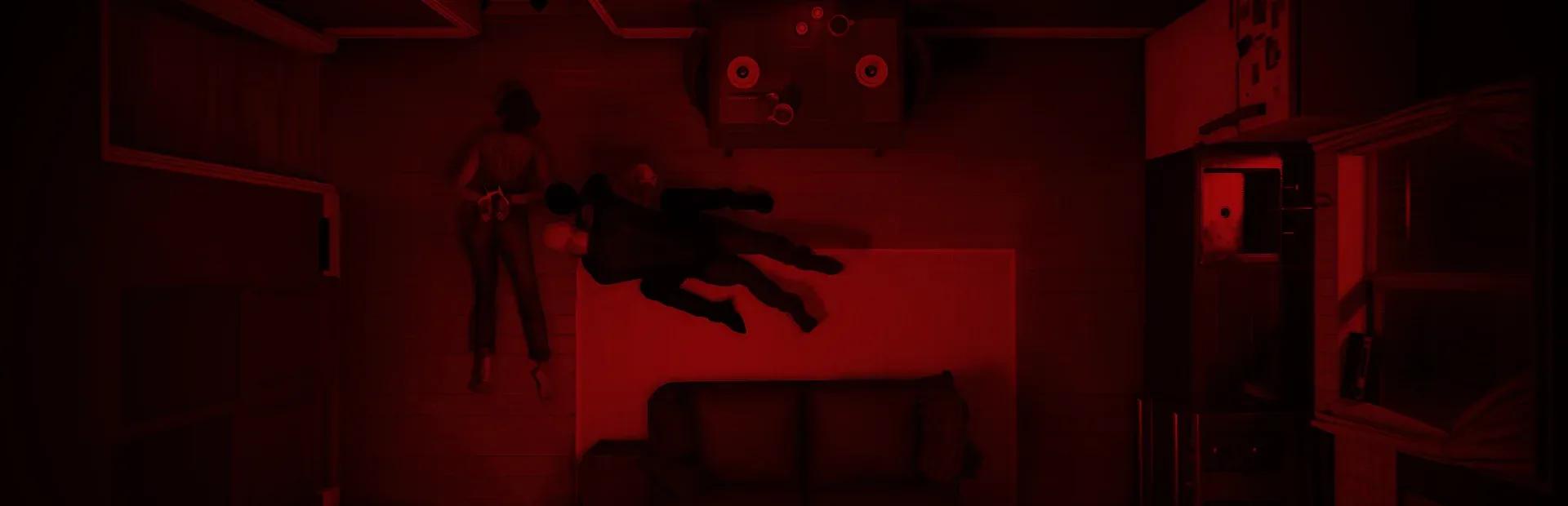
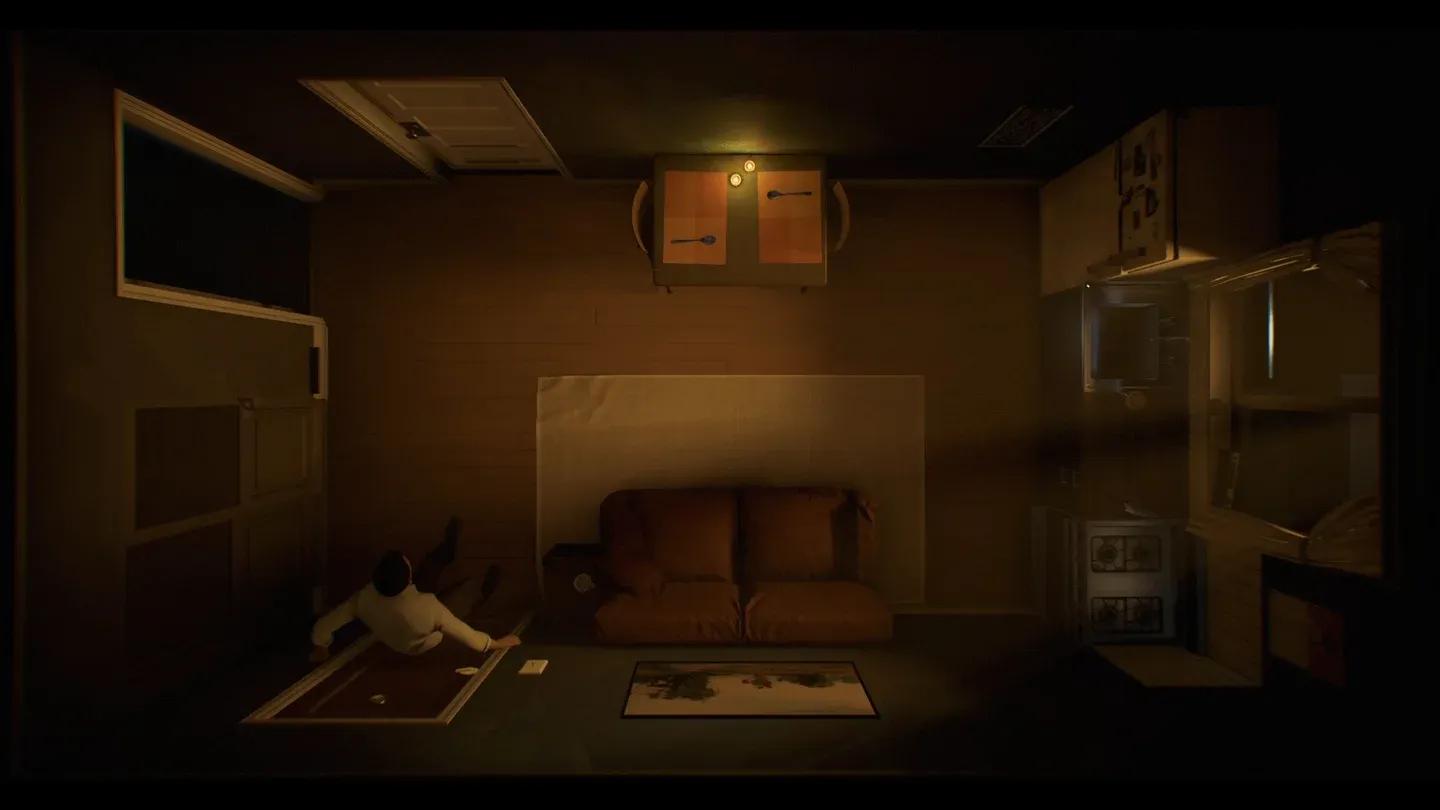
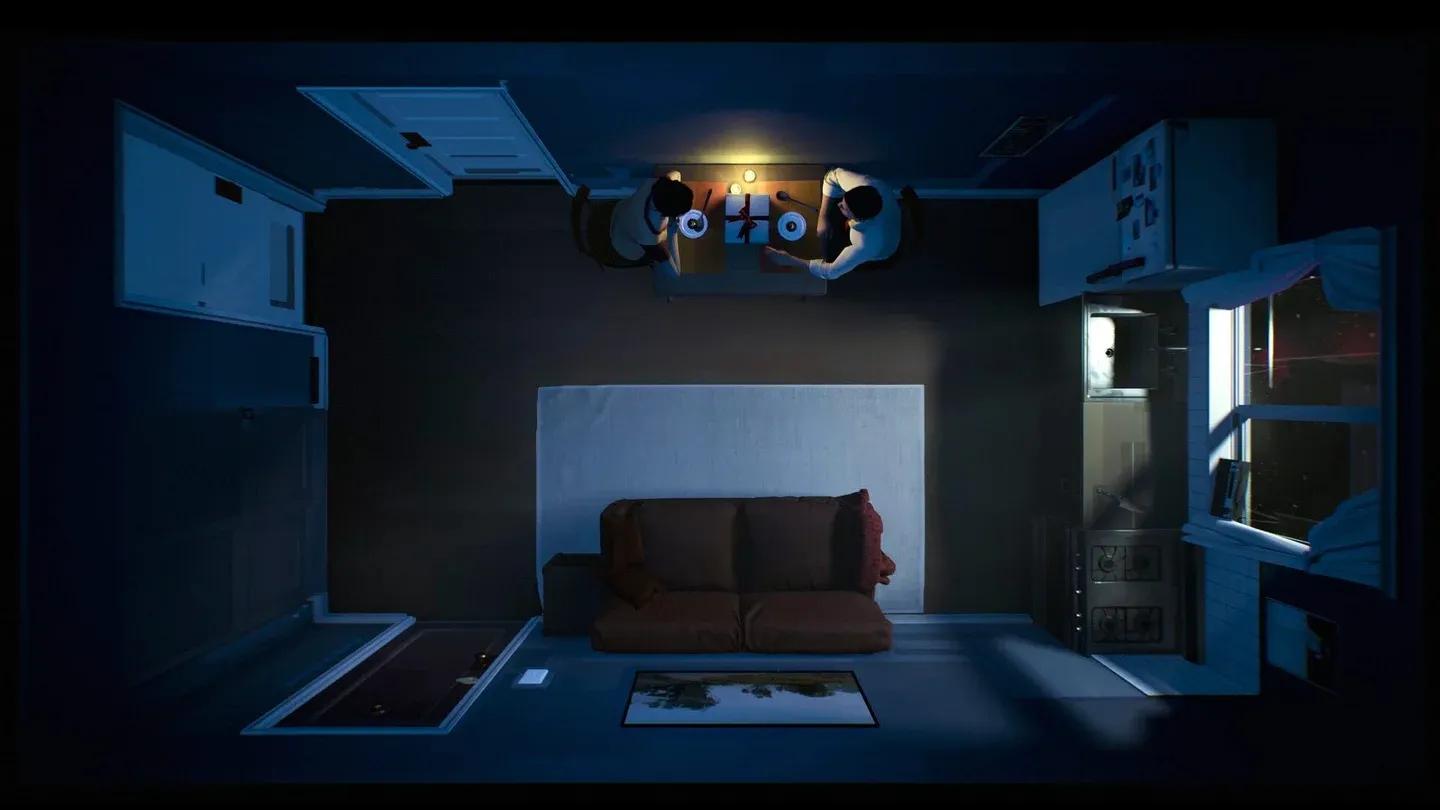
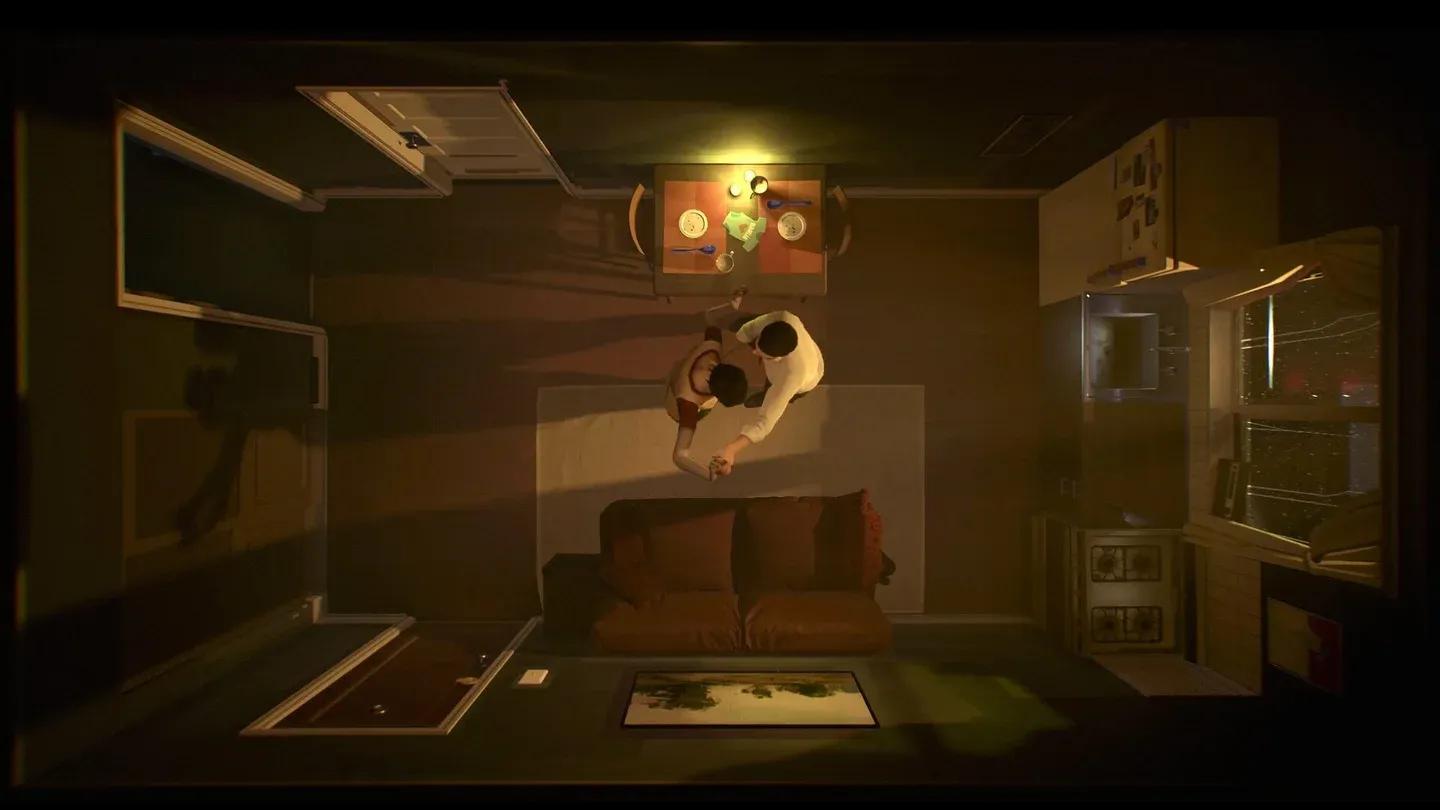
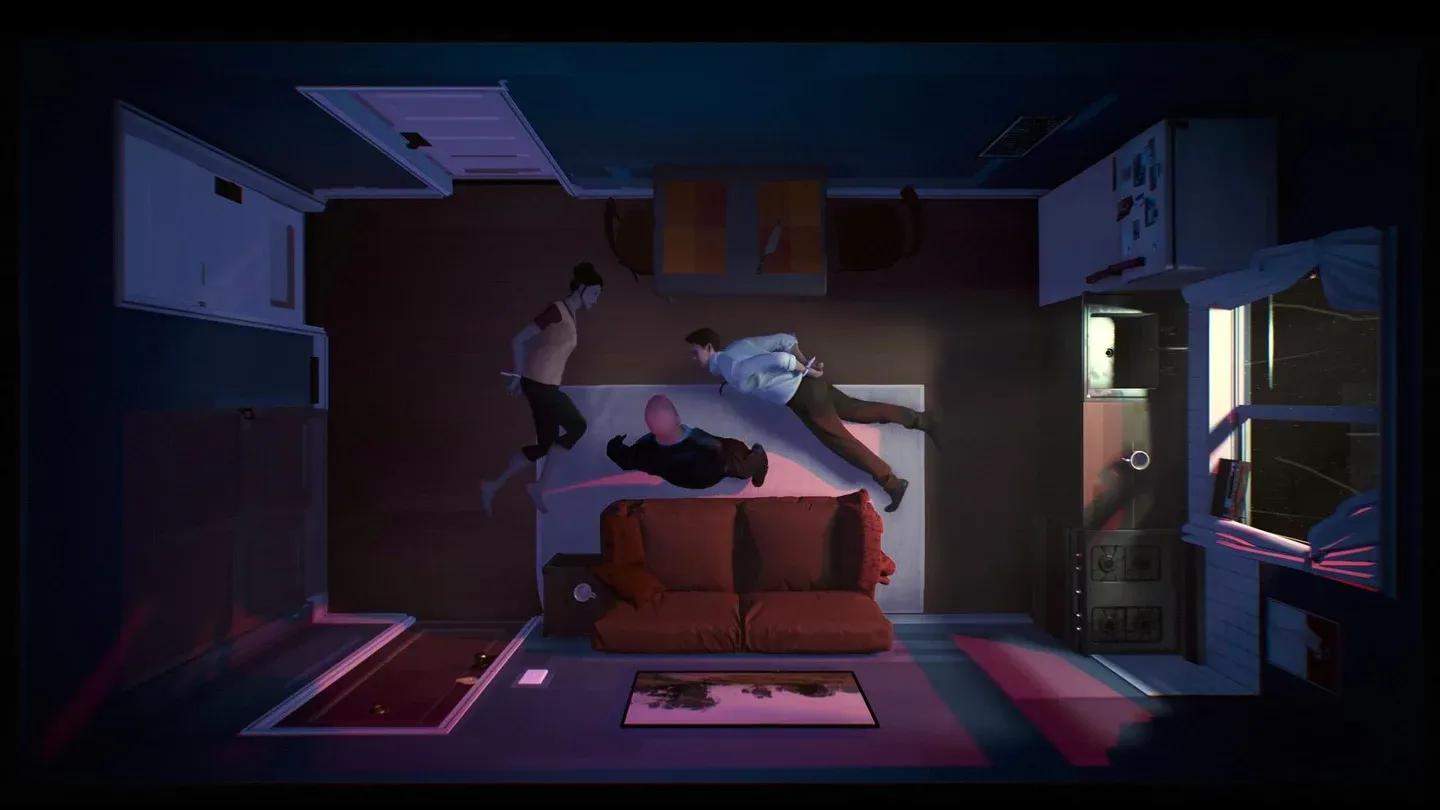
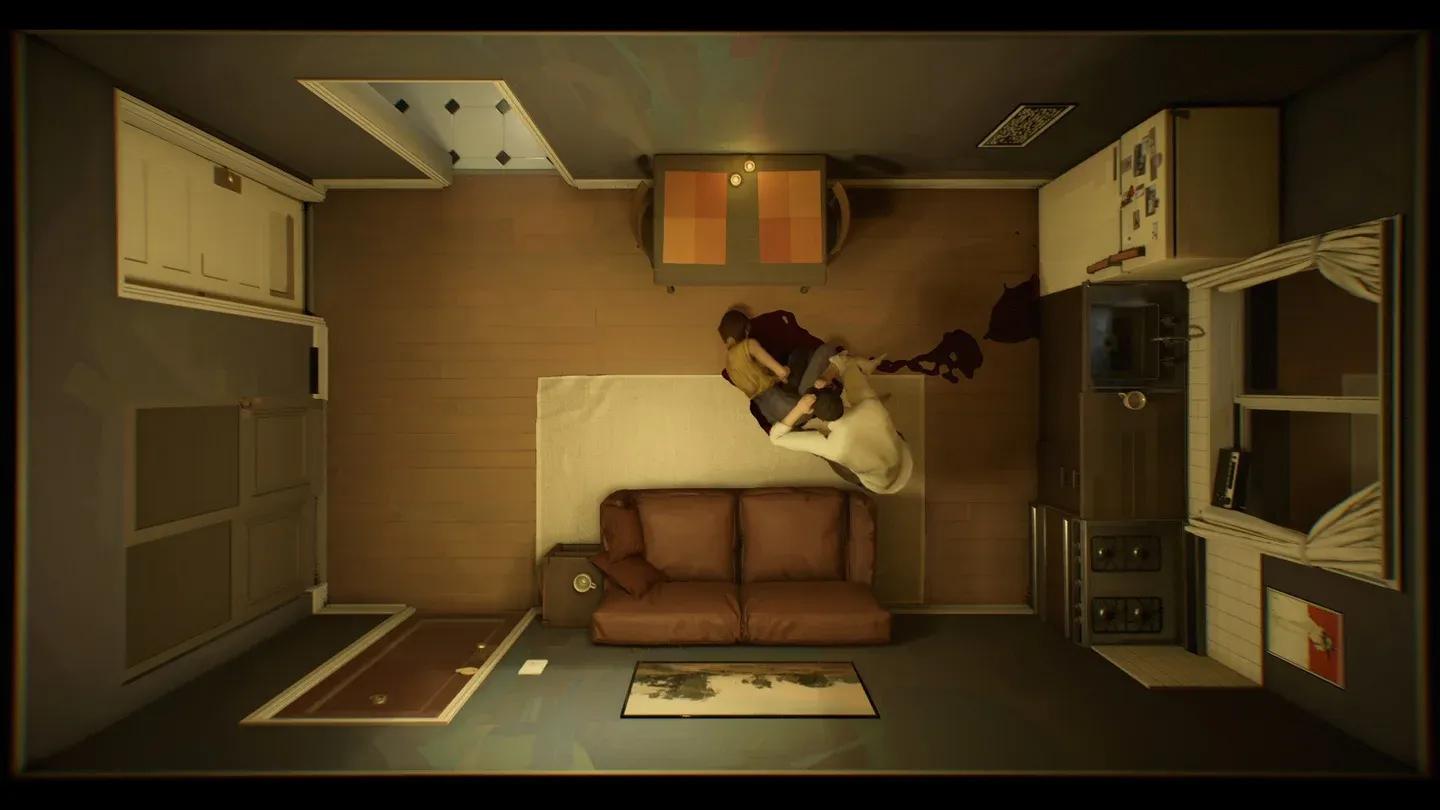
Twelve Minutes is a real-time top-down interactive thriller developed by Luis Antonio and published by Annapurna Interactive. Released on August 19, 2021, the game traps you in a single apartment where a romantic evening collapses into violence every twelve minutes. A police detective breaks in, accuses your wife of murder, and beats you to death. Then the loop resets. The core loop is simple on paper: gather information across repeated playthroughs, use what you know to change what happens next.
The game draws explicit comparisons to Alfred Hitchcock's Rear Window, Stanley Kubrick's The Shining, and Christopher Nolan's Memento, and those aren't empty references. The claustrophobic single-location setup and the fragmented, unreliable narrative structure genuinely reflect those influences. Luis Antonio spent years on this project, and the obsessive attention to how each object, conversation, and decision connects shows throughout.
Twelve Minutes content image
The cast brings serious weight to the material. James McAvoy voices the husband, Daisy Ridley plays the wife, and Willem Dafoe is the detective. Voice performances carry the entire emotional load here since the top-down perspective keeps character faces out of frame, and all three actors deliver convincing, layered work across what must have been an enormous number of recorded lines covering every possible player action.
Gameplay and mechanics
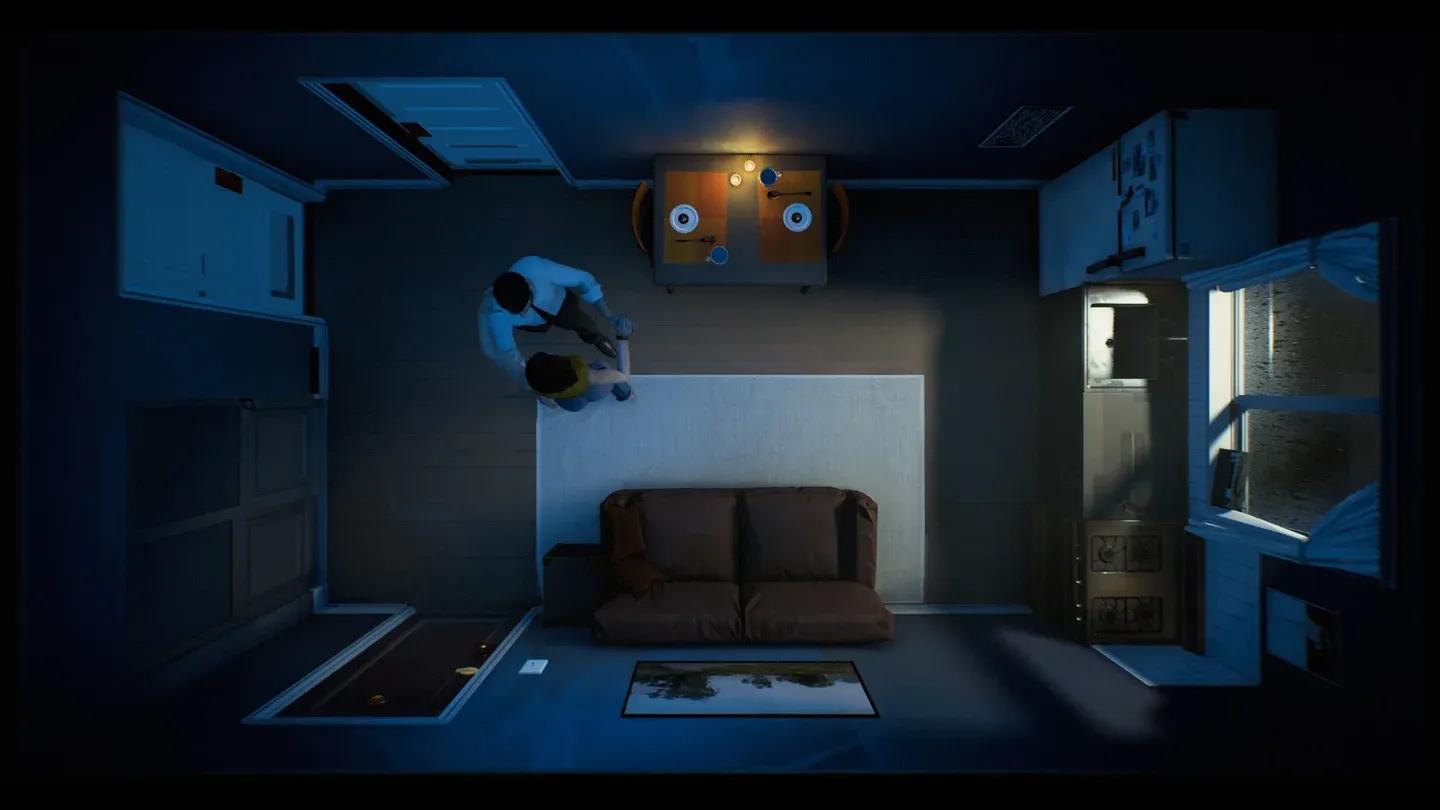
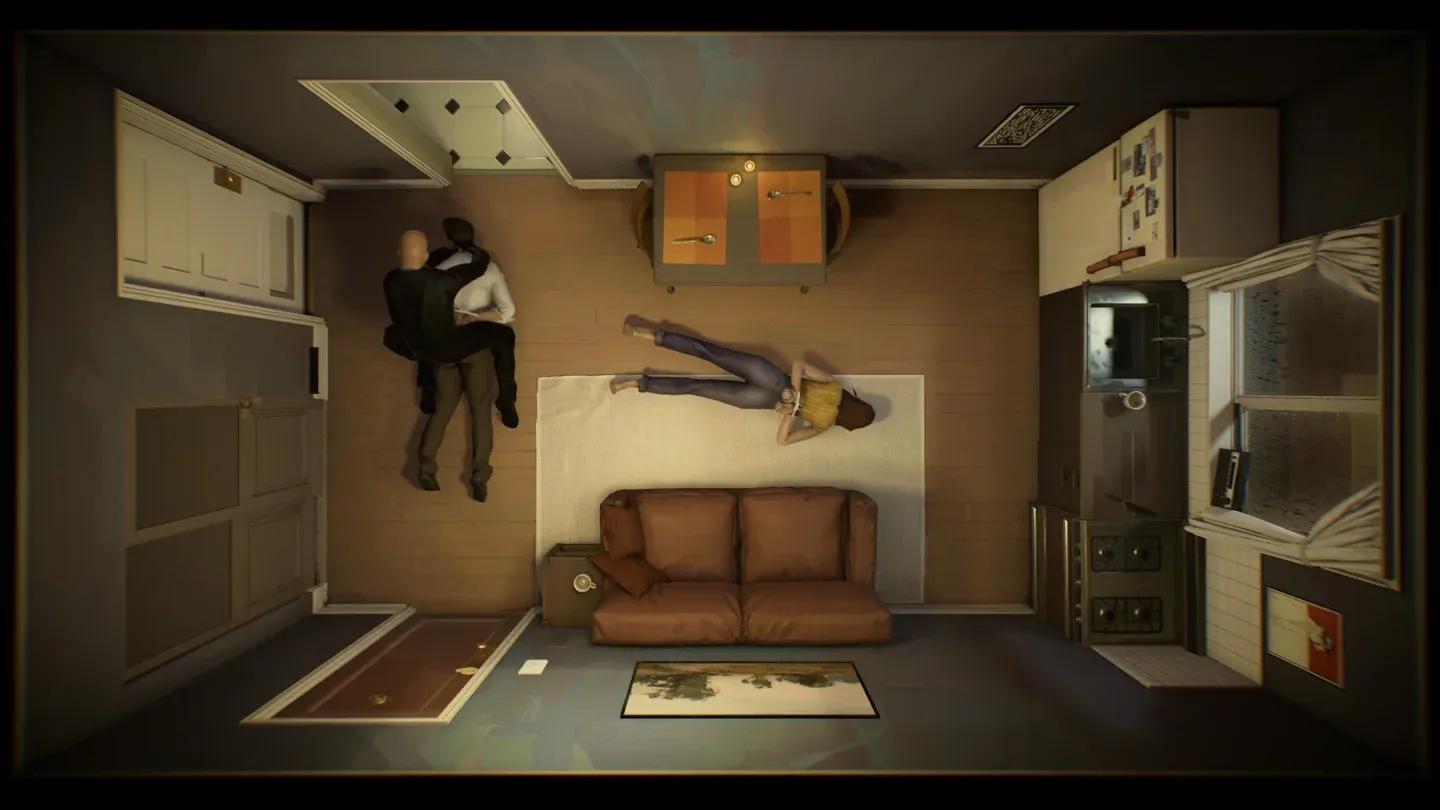
The interface is click-and-drag, accessible enough that anyone familiar with classic point-and-click adventures can pick it up immediately. Key features of the gameplay system:
Twelve Minutes content image
- Interact with objects by dragging them to characters or other items
- Conversations branch based on what information you've uncovered
- The twelve-minute timer runs in real time
- Knowledge carries over between loops even when inventory resets
- Multiple distinct endings require different approaches
Progress comes entirely through accumulated knowledge rather than unlocked abilities or gear. Each loop reveals a new piece of the puzzle, and the satisfaction of the game comes from connecting those pieces and testing new theories. The apartment is small, but the number of possible interactions across all its objects and characters is surprisingly large.
Twelve Minutes content image
World and atmosphere
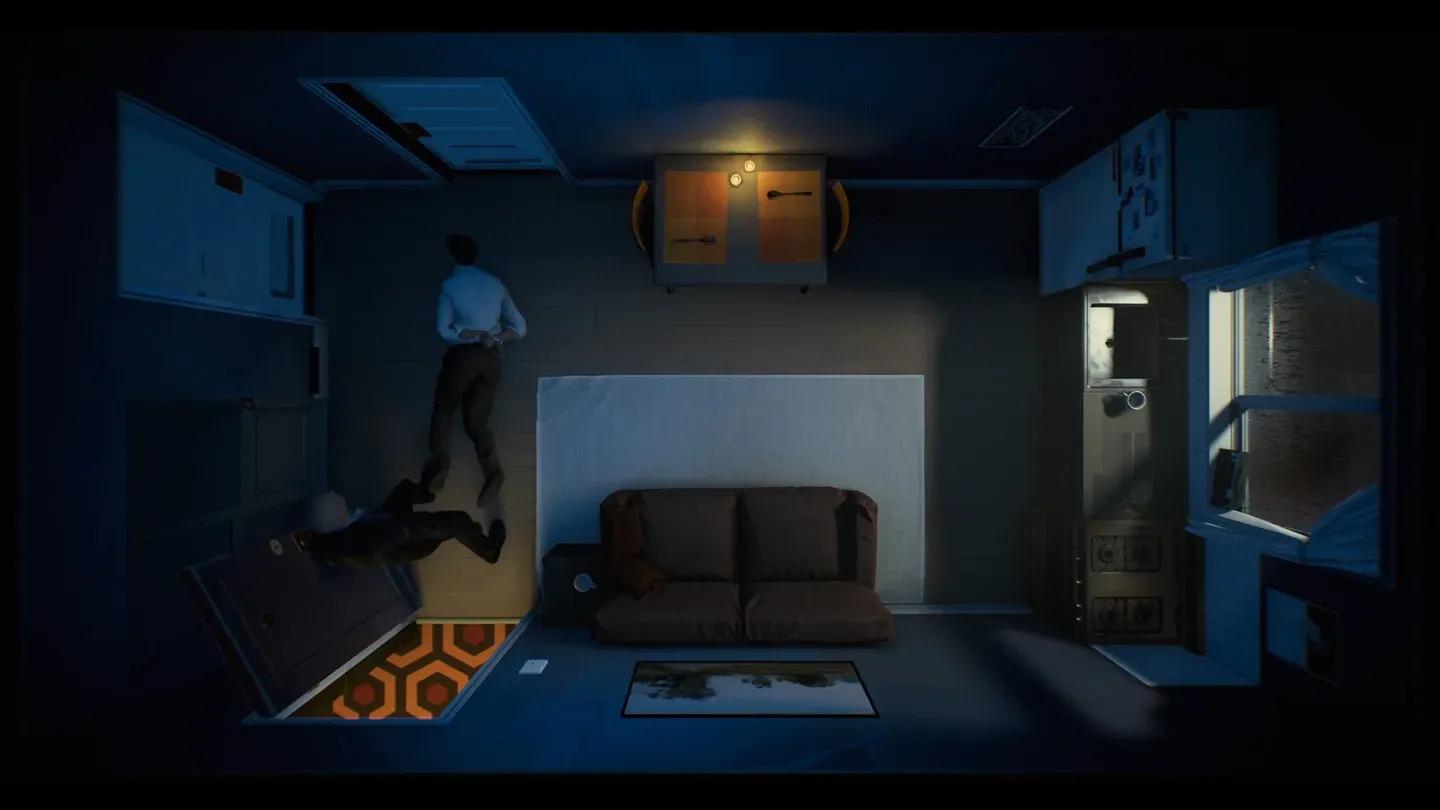
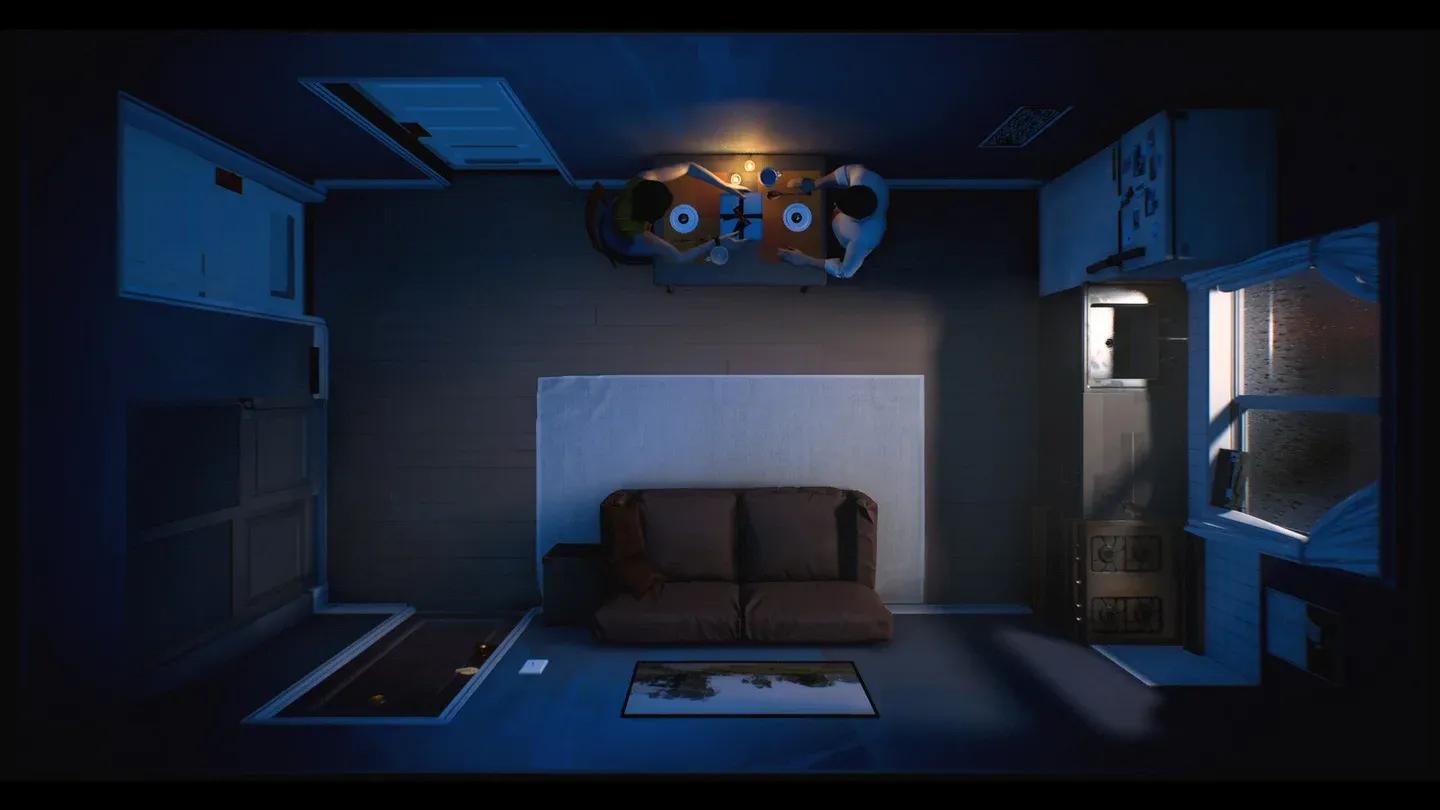
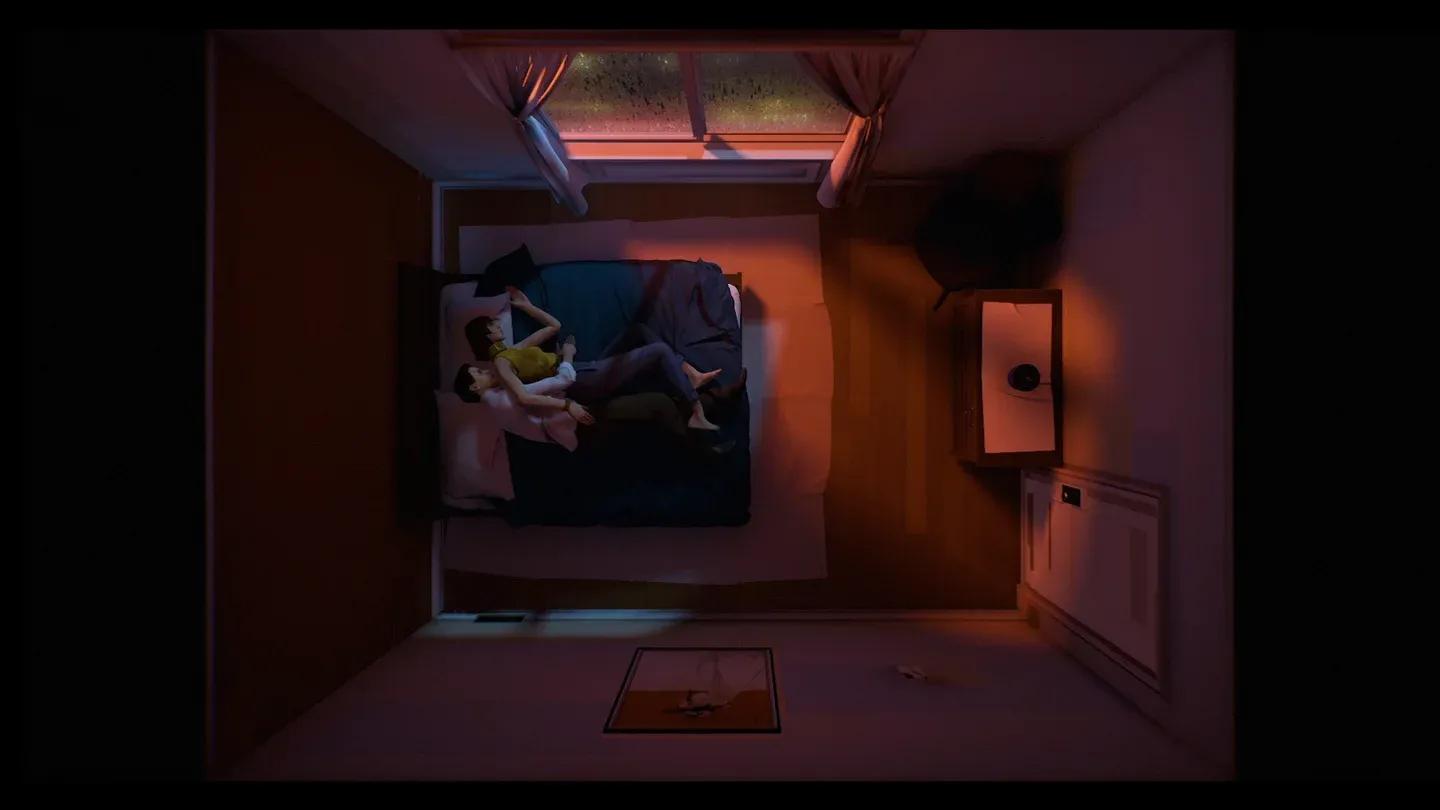
The top-down perspective keeps the visual scope deliberately tight. You see furniture, doorways, and the tops of characters' heads. That limitation turns out to be a strength. The apartment becomes oppressively familiar over repeated loops, which is exactly the point. The sound design reinforces the tension: ambient apartment noise, the weight of footsteps, the shift in music as the detective's arrival approaches.
The narrative goes to genuinely dark places. The ESRB rating of Mature covers blood, violence, strong language, and sexual content, and the story earns those warnings. The mystery at the center of the time loop involves family secrets and moral ambiguity that the game doesn't resolve cleanly.
Does Twelve Minutes hold up for replay?
The time loop structure is the replayability. There's no traditional new game plus or separate difficulty setting. What keeps players returning across multiple sessions is the branching conversation system and the hunt for every possible ending. Players who want to see every outcome and exhaust every dialogue option will spend significantly more time in the apartment than those chasing the credits.
The game is available on Windows, Xbox, PlayStation, Nintendo Switch, Android, iOS, Steam, and Epic Games Store, making it one of the more widely distributed Annapurna titles. The experience can be brief for players who find the central mystery quickly, though the point-and-click puzzle design rewards methodical players willing to test every combination.
Twelve Minutes content image
System Requirements
| Requirement | Minimum | Recommended |
|---|---|---|
| OS | Windows 10 | Windows 10 |
| Processor | Intel Core i5-2300 | AMD Phenom II X4 965 | Intel Core i5-6600 | AMD FX-8350 |
| Memory | 2 GB RAM | 4 GB RAM |