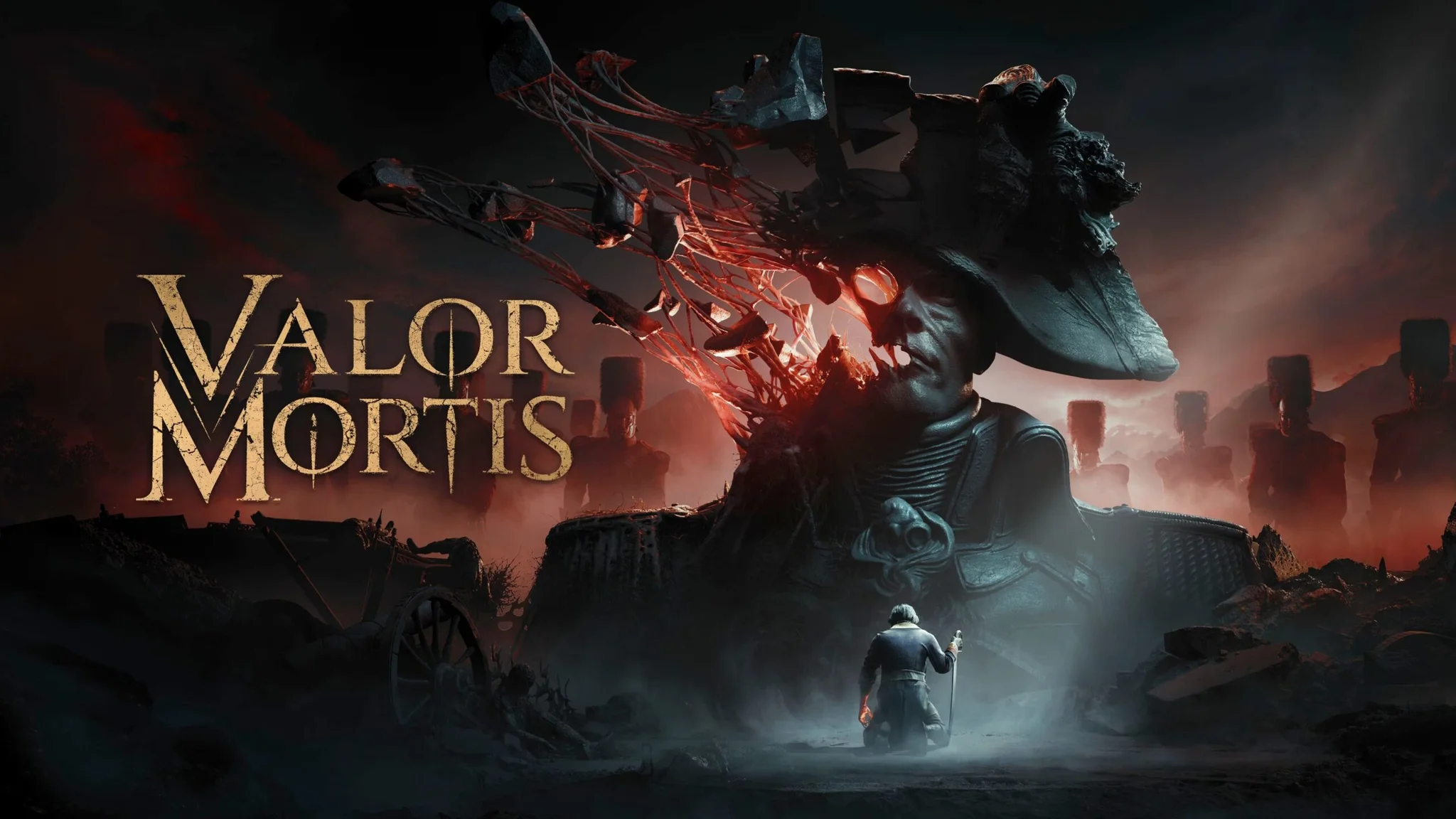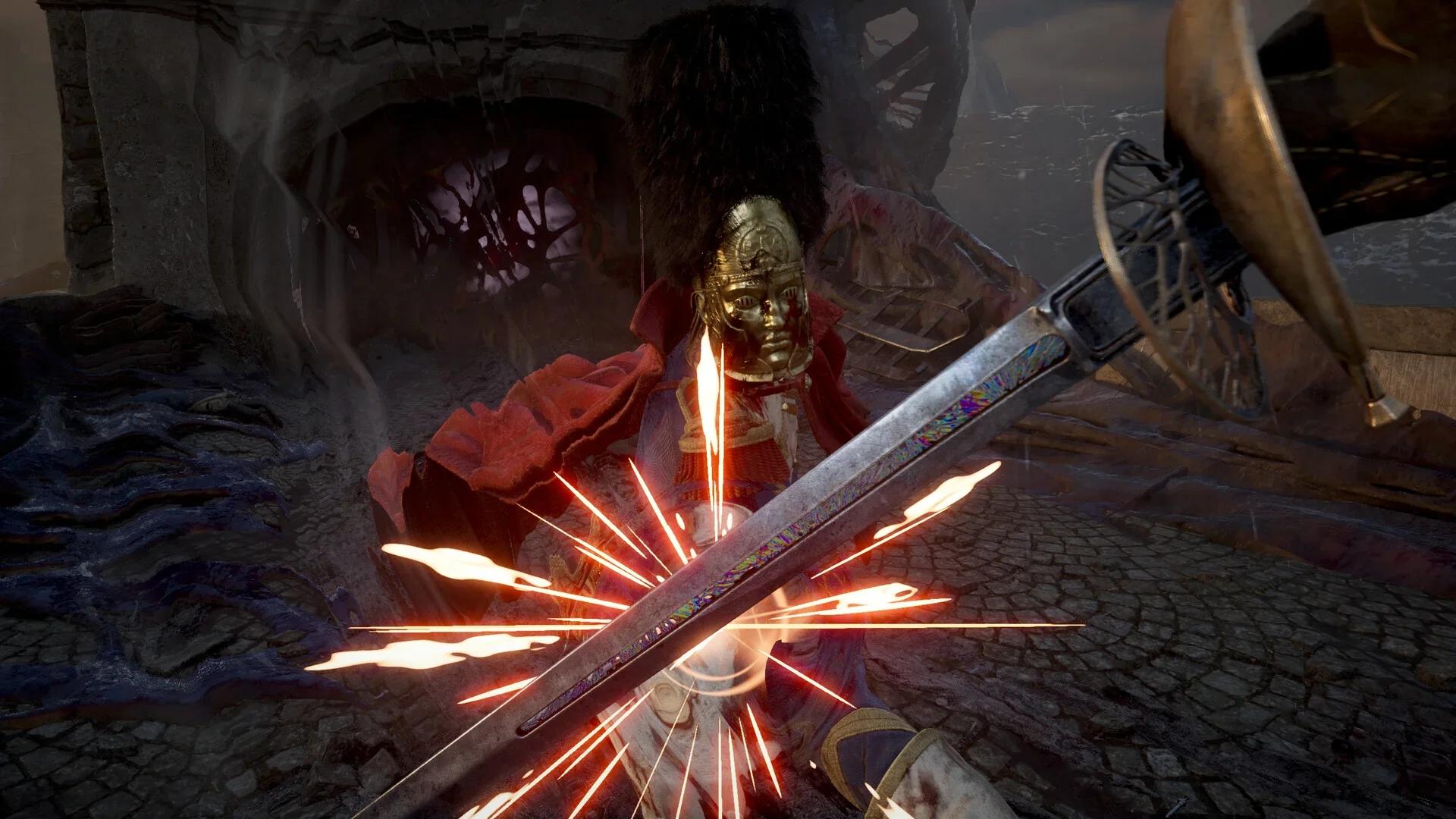

Valor Mortis does not ease you into its combat. The first tough enemy you meet will punish panic dodging, stamina waste, and holding block like a shield. The two mechanics that actually win fights are parrying and Perfect Dodging, and understanding the difference between them, and when to use each, is the gap between grinding the same encounter for an hour and clearing it first try. This guide covers both mechanics in full, including how they feed into the posture-break system and why your weapon choice changes everything.
How does parrying work in Valor Mortis?
A parry is a timed defensive input, not a held stance. Press the defensive button just as an enemy's weapon enters its active swing toward you. If you press during the wind-up, you get nothing useful. If you press after the hit lands, you take the damage. The window sits right at the start of the attack's active frames.
The mistake most players make is watching the enemy's shoulder or body rather than the weapon itself. In first-person, that reads as a twitching torso before the blade actually moves. React to the torso, and your parry window expires before the steel arrives. Watch the weapon.
Some enemies use delayed attacks designed specifically to bait early presses. The Risen Sapeur holds its two-handed swing for a beat longer than you expect. Let the animation fully extend before committing. After testing this on regular Risen Soldiers first, the timing becomes readable enough to carry into boss rooms.


What is a Perfect Dodge and how is it different from a regular dodge?
Dodging moves William physically out of the attack path and costs Endurance (the stamina bar). A Perfect Dodge is the same input executed at the last possible moment before a strike connects. Players reported a brief slow-motion effect when the timing lands correctly, and a successful Perfect Dodge empowers your next counterattack.
The key difference from parrying: dodging is the correct answer to unblockable attacks, which arrive with a red visual indicator. You cannot parry those. Seeing red means get out, not stand firm.
Dodging too early on a delayed attack is the second most common way to drain Endurance for no reason. Wait until the strike is close to landing, not the moment the enemy starts moving.
Parry versus block versus dodge: which should you use?
All three defensive options exist in Valor Mortis, but they are not equal.
| Defensive action | Endurance cost | Builds posture damage | Counters unblockables | Notes |
|---|---|---|---|---|
| Parry | Timing only | Yes | No | Progresses the fight; opens criticals |
| Block | Yes | No | No | Safe but passive; heavy attacks break it |
| Dodge | Yes | No | Yes | Required for red-indicator attacks |
Blocking keeps you alive while you learn, but it advances nothing. The posture bar only fills through parries and sustained offensive pressure. Blocking buys time; parrying buys the end of the fight.
The Sabre can block normally, which makes it forgiving for players still learning the timing. The Rapier has no block at all. Its only defence is a perfectly timed parry. In exchange, it can hit enemy weak points without spending firearm ammunition. Trust me on this one: equip the Rapier only once you can hold a parry under pressure. Until then, the Sabre is not the beginner option, it is the correct one.
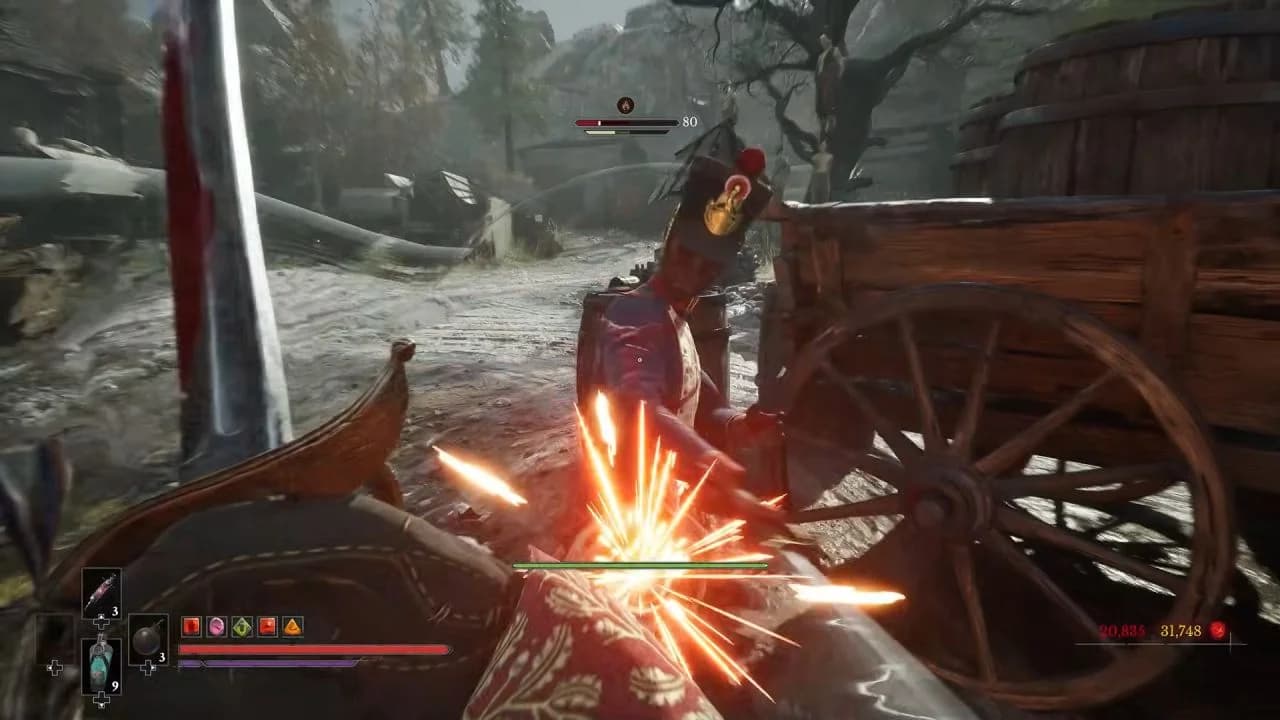
Sabre vs Rapier defensive trade-off
How to break enemy posture with parries
Every enemy in Valor Mortis has a posture bar. Parrying their attacks fills it. When it maxes out, the enemy staggers and you get a window to land a critical attack that deals significantly more damage than anything in a normal combo.
Here's why that matters: chipping health is the slow way to win. Breaking posture is the fast way. Against bosses with large health pools, a single posture break and critical can do more work than 30 seconds of trading hits.
To build posture damage consistently:
- Parry inside the enemy's attack string, not just at the end of it. Earlier parries cancel more of the combo and accumulate posture damage faster.
- Follow a successful parry with a controlled attack, then reset to a defensive position. Do not chase a second swing if your Endurance is low.
- Heavy attacks contribute to posture pressure when used in recovery windows, but they cost more Endurance. Use them selectively.
- Once posture breaks and the enemy staggers, take the critical and stop. Chasing extra hits into an enemy recovery frame is the single most common way to lose a fight you were winning.
How to handle boss fights with parry and dodge
Boss encounters demand both tools in rotation, not a commitment to one. Bosses use extended attack strings, delayed strikes, and unblockable moves specifically designed to punish a single-strategy approach.
The framework that works across most boss fights:
- Identify which attacks can be parried. Not every swing is a parry opportunity. Some are too fast; some are unblockable.
- Dodge the red-indicator attacks. No exceptions. Attempting to parry an unblockable attack means taking full damage.
- Parry inside combos, not after them. Waiting for the final hit of a long string means eating the whole sequence before you get a turn.
- Preserve Endurance. Always keep enough for at least one emergency dodge. Running the bar to zero during an offensive combo is how a winning fight becomes a death.
- Take the critical and disengage. Endurance regenerates when you stop pressing buttons. Let it refill before re-engaging.
General Lothaire, the first major boss, is built around punishing players who try to trade hits. Parry his combo, break the stagger bar, take the critical, then back off. That pattern beats him. Trying to out-damage him without managing posture does not.
For a full breakdown of every boss encounter, the all boss locations guide covers weak spots and fight-specific strategies for all 10 bosses.
What is Nephtoglobin and how does it affect combat?
Endurance is not the only resource you manage in a fight. Nephtoglobin is a second gauge, separate from Endurance, that builds through melee hits and broken weak points. It powers your Transmutations, which are left-hand abilities covering Fire, Shield, Grapple, and Stasis.
Running out of Endurance means you cannot defend. Running out of Nephtoglobin means you cannot answer enemies that ignore your sword. Carrion, a plague-mass enemy type, does not react to being cut at all. Fire is the answer. Without Nephtoglobin, you have no Fire.
The practical habit: treat Transmutations as combat tools, not consumables to save. Melee hits rebuild the gauge. The loop is hit, spend, hit again.
Common mistakes to stop making right now
After working through the combat system across regular enemies and bosses, the same errors come up repeatedly:
- Reacting to the wind-up instead of the weapon. Wind-ups are feints. The weapon is the signal.
- Holding block as a default. Blocking is passive. It fills nothing and gets broken by heavy attackers.
- Panic dodging. Three dodges in a row with no read on the attack drains Endurance and teaches you nothing.
- Parrying too early on delayed attacks. The Risen Sapeur and several bosses hold their swings specifically to bait this.
- Chasing hits after a posture break. Take the critical. Stop. Reset.
- Ignoring Endurance management. The 20% reserve rule is real: never commit to an offensive string that empties the bar completely.
Frequently asked questions
Can you parry unblockable attacks in Valor Mortis?
No. Unblockable attacks display a red visual indicator and must be avoided with a dodge. Attempting to parry them results in taking full damage.
Does the Rapier make the game harder?
Yes, if you cannot yet parry reliably. The Rapier removes the block option entirely. Its payoff is the ability to hit enemy weak points without firearm ammunition, but that trade only works in your favour once parrying under pressure feels natural. Start with the Sabre.
How do you restore Endurance during a fight?
Endurance regenerates automatically when you stop attacking, dodging, or blocking. Create space by walking backward or using a well-timed dodge, then let the bar recover before re-engaging.
What triggers a critical attack?
Critical attacks become available after breaking an enemy's posture through consecutive parries or sustained offensive pressure. The enemy staggers, and the critical input window opens briefly before they recover.
Is Valor Mortis on Game Pass?
Yes. For the full breakdown of what subscribers get on Xbox, PC, and cloud, check the Valor Mortis Game Pass guide.
For everything else you need across the full game, the complete Valor Mortis strategy guides collection covers bosses, weapons, fast travel, trophies, and more in one place.