


Cooking in Alabaster Dawn does more than top off your health bar. The system runs as both a recovery tool and a genuine progression layer, stacking Palate Level growth, temporary combat buffs, and healing bulb upgrades into a loop that rewards players who treat it seriously. Ignore it and you will hit difficulty walls harder than necessary. Lean into it and your build scales in ways that weapon upgrades alone cannot cover.
How does cooking work in Alabaster Dawn?
Cooking happens at resting spots during exploration. When you stop at one of these points, you can combine gathered ingredients with unlocked recipes to produce dishes. Those dishes then serve two functions: restoring healing bulbs for the fights ahead and granting temporary food buffs that carry into combat and exploration.
The system operates as a dual-purpose loop, not just an emergency kit. Every meal you cook feeds ingredients as food XP toward your Palate Level, and a higher Palate Level raises the effectiveness of future meals. That feedback loop is the reason cooking deserves attention from the first hour of play, not just before boss attempts.
What is Palate Level and why does it matter?
Palate Level is the long-term growth stat tied directly to your cooking habits. Every time you cook a dish and consume food buffs, you earn progress toward raising this level. A higher Palate Level increases the effectiveness of every meal you prepare going forward, meaning the system compounds over time.
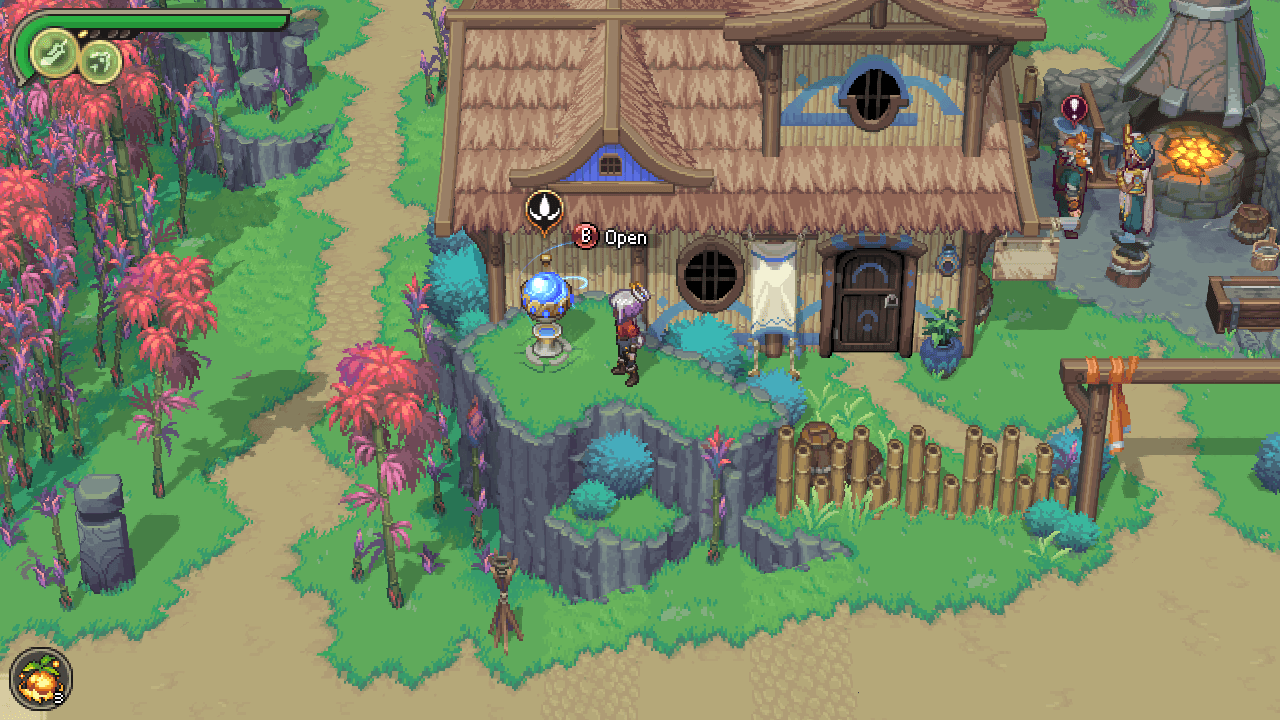
The key mechanic here is variety. Cooking the same dish repeatedly produces less Palate Level growth than rotating through different recipes. Using a wide spread of ingredients across different dishes builds food XP more efficiently than repeating a single favorite meal. This is a deliberate design choice that pushes players to experiment rather than optimize around one recipe.
What actually raises Palate Level?
- Cooking different dishes rather than repeating the same one
- Using ingredients across multiple recipe types to build food XP
- Actively consuming food buffs instead of stockpiling meals unused
- Expanding your recipe collection through exploration and treasure rewards
What are healing bulbs and how do you improve them?
Healing bulbs are your primary recovery resource in combat. Cooking directly increases your stock of healing bulbs when you prepare healing-focused dishes. This makes resting spots a natural moment to refill before hard encounters rather than something to rush past.
The practical play here is straightforward: lean on healing-focused meals when entering areas with enemy patterns you have not learned yet. Overconfidence in a familiar build can leave you short on recovery in new zones where enemy pressure changes. Cooking a healing meal at the nearest resting spot costs nothing except ingredients you should already be collecting.
How do food buffs work in combat?
Temporary food buffs from cooked dishes give short-term boosts to combat, exploration, or survival. These buffs are designed to be used actively, not saved. The system is built to reduce item hoarding, so holding meals in reserve defeats the purpose.
Before a dungeon run, a boss attempt, or a long exploration section with no resting spots in sight, cook and consume. The buff will carry you through the section it was intended for. After testing this approach across several boss encounters, the difference between entering with an active food buff versus entering without one is noticeable in how much pressure you can absorb before needing a healing bulb.
Where do you find ingredients and recipes?
Ingredients are gathered during regular exploration of Tiran Sol. The most efficient approach is collecting them as a background habit while you move through zones, rather than making dedicated farming runs. This keeps your cooking progress growing naturally without interrupting your main route.
Recipes are a separate discovery layer. New recipes come from treasure found during exploration, including hidden paths, puzzle rooms, and parkour routes. Each new recipe expands both your healing options and your buff variety, which feeds back into Palate Level growth. Hidden paths often lead to useful rewards rather than purely cosmetic finds, so checking branching routes is worth the detour.
Ingredient and recipe checklist
How does cooking connect to the rest of your build?
Cooking sits alongside weapon upgrades, gem enchantments, and skill tree investment as a genuine progression pillar. The food XP loop functions as part of character progression, not an emergency menu. That framing matters because it changes how you budget time at resting spots.
Juno's build in action games like this one typically scales through combat systems, but Alabaster Dawn adds cooking as a parallel path. A player who ignores cooking will have weaker healing sustain and miss the combat buff window that food provides. A player who treats every resting stop as a progression opportunity keeps both tracks moving.
The Dreamer roguelite mode adds one more reason to keep your cooking habits strong. Healing bulbs reset when entering a Dream run, so your stock resets to whatever the mode provides. Main-game cooking habits still matter because the levels, gems, and weapon upgrades you build through regular progression carry into Dream runs, and a well-fed Juno entering a run with a strong build is better positioned than one who skipped the cooking loop.
Quick reference: cooking priorities by situation
For more strategies across every system in the game, the Alabaster Dawn guides collection covers combat, skill trees, dungeons, and the Dreamer mode in full detail.