

Advertisement

Overview
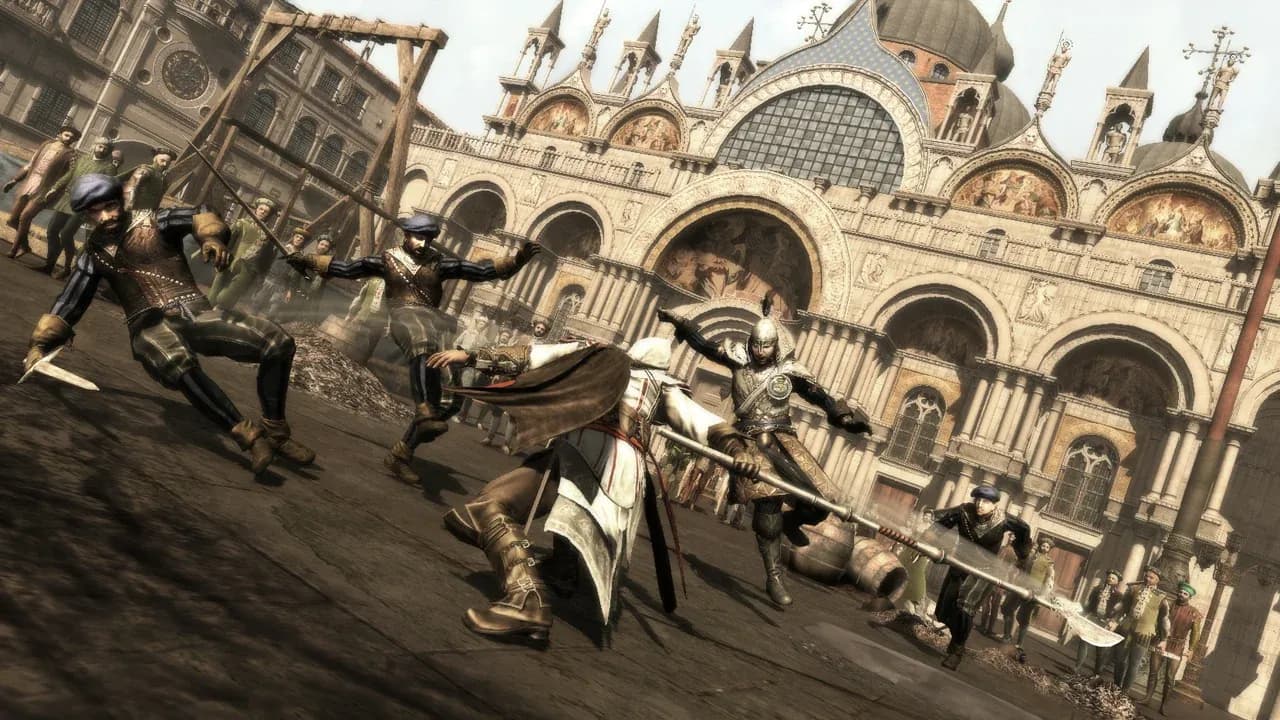
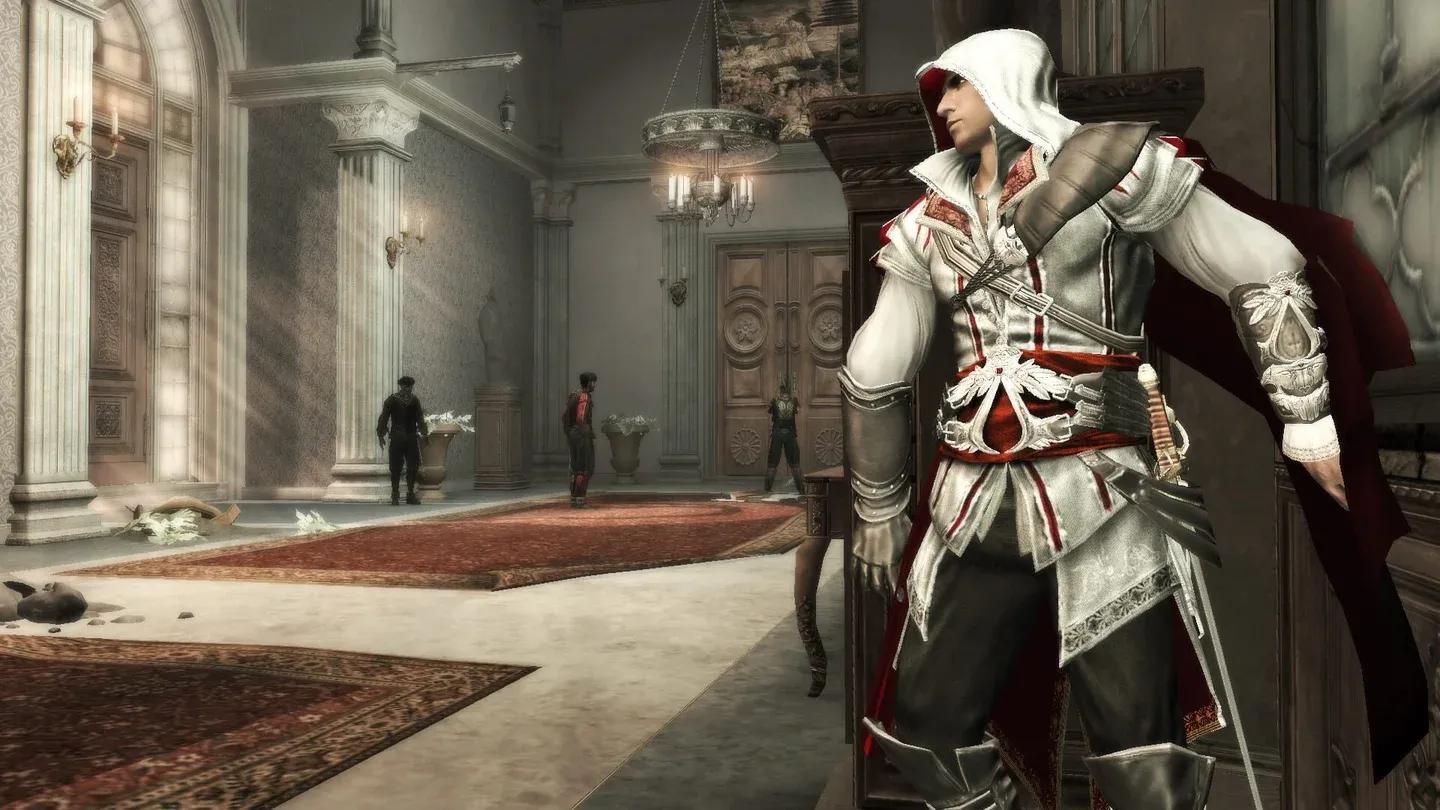
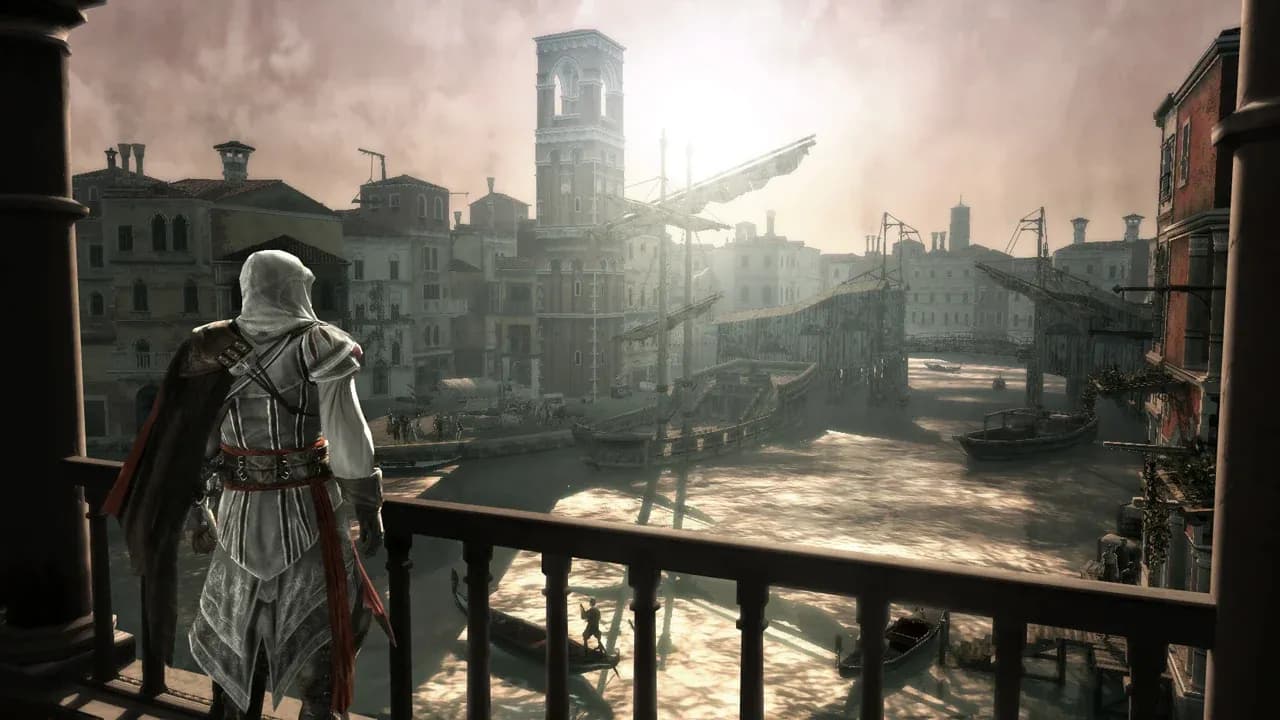
Assassin's Creed 2, developed by Ubisoft Montreal and released in March 2010, takes everything the first game established and rebuilds it into something far more confident. The setting shifts from the Holy Land to Renaissance Italy, and the change in atmosphere is immediate. Florence, Venice, and Tuscany feel alive in a way the original's cities never quite managed, packed with architecture to climb, citizens to blend into, and conspiracies threading through every district.
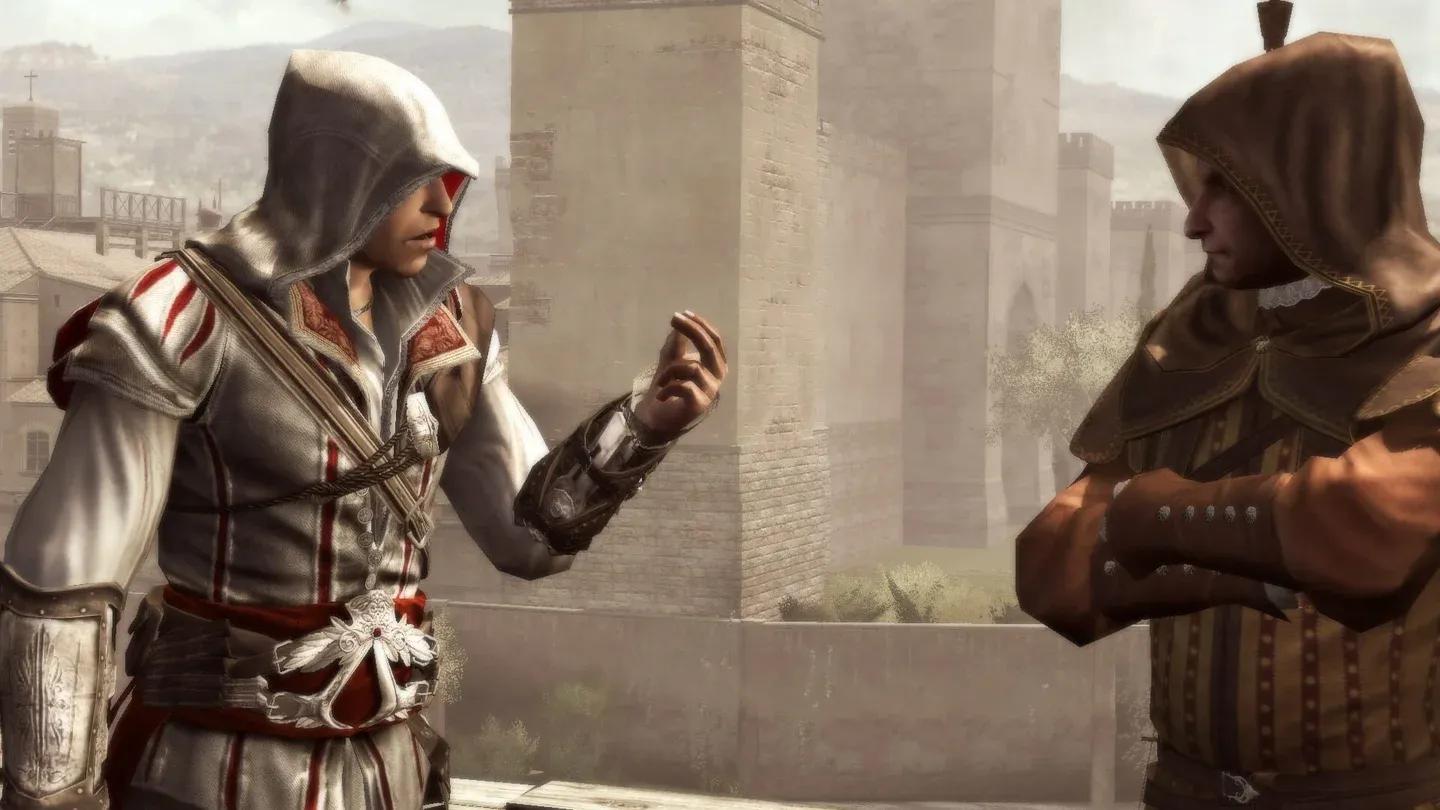
The story follows Ezio Auditore da Firenze, a young Florentine noble whose family is betrayed and executed by rival political forces. What starts as a personal vendetta expands into a conflict touching the highest levels of the Catholic Church and Italian nobility. Ezio's arc across the game is one of the more satisfying character journeys in the series, moving from reckless youth to calculating assassin without losing the personality that makes him so watchable.
Assassin's Creed 2 content image
Gameplay and mechanics
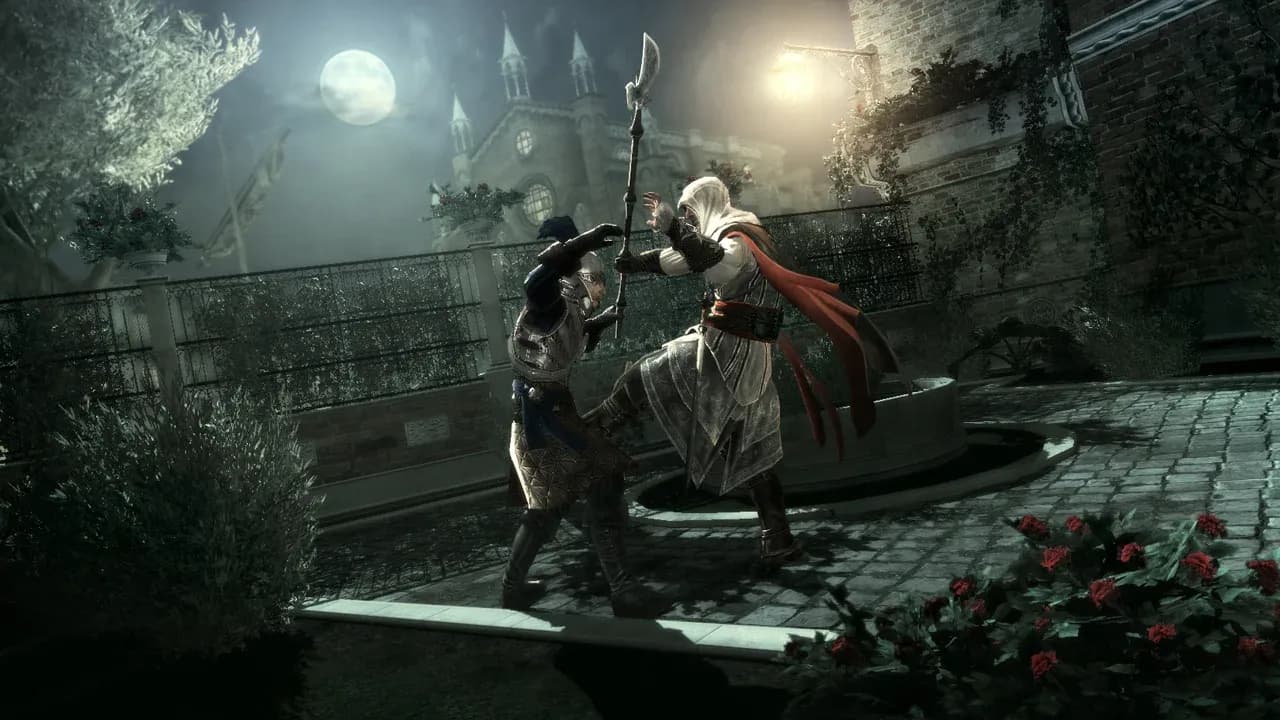
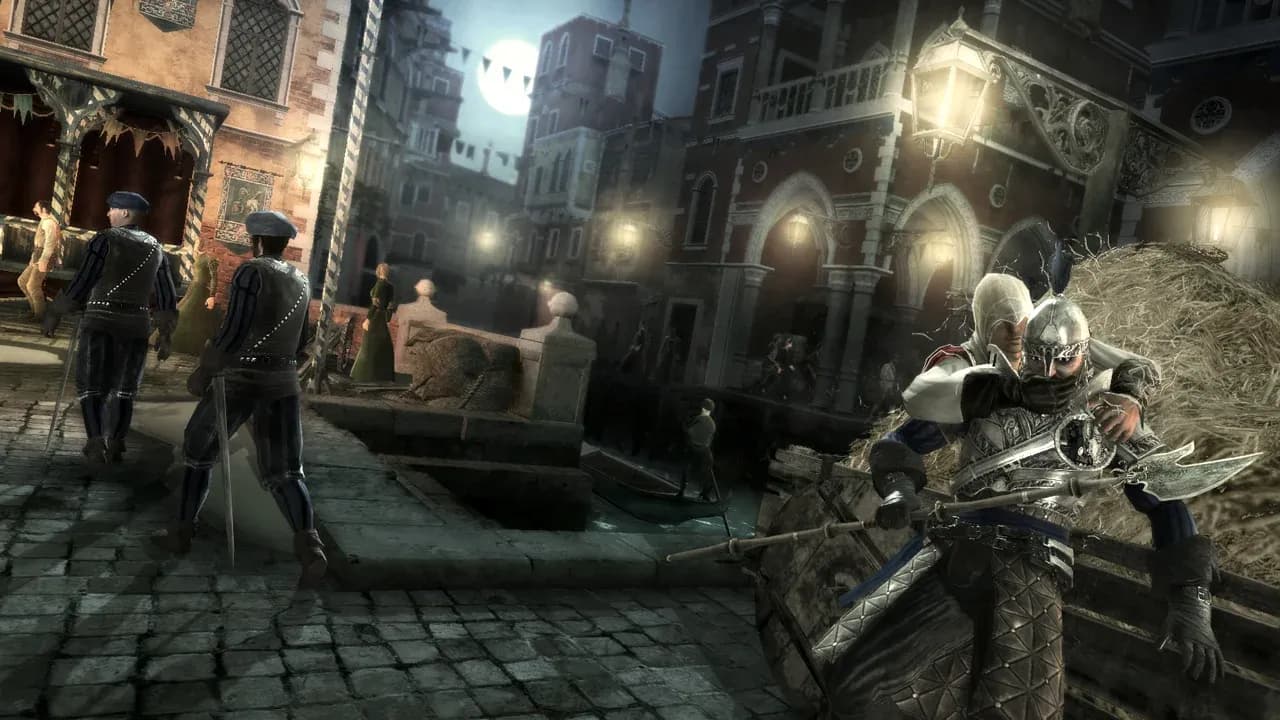
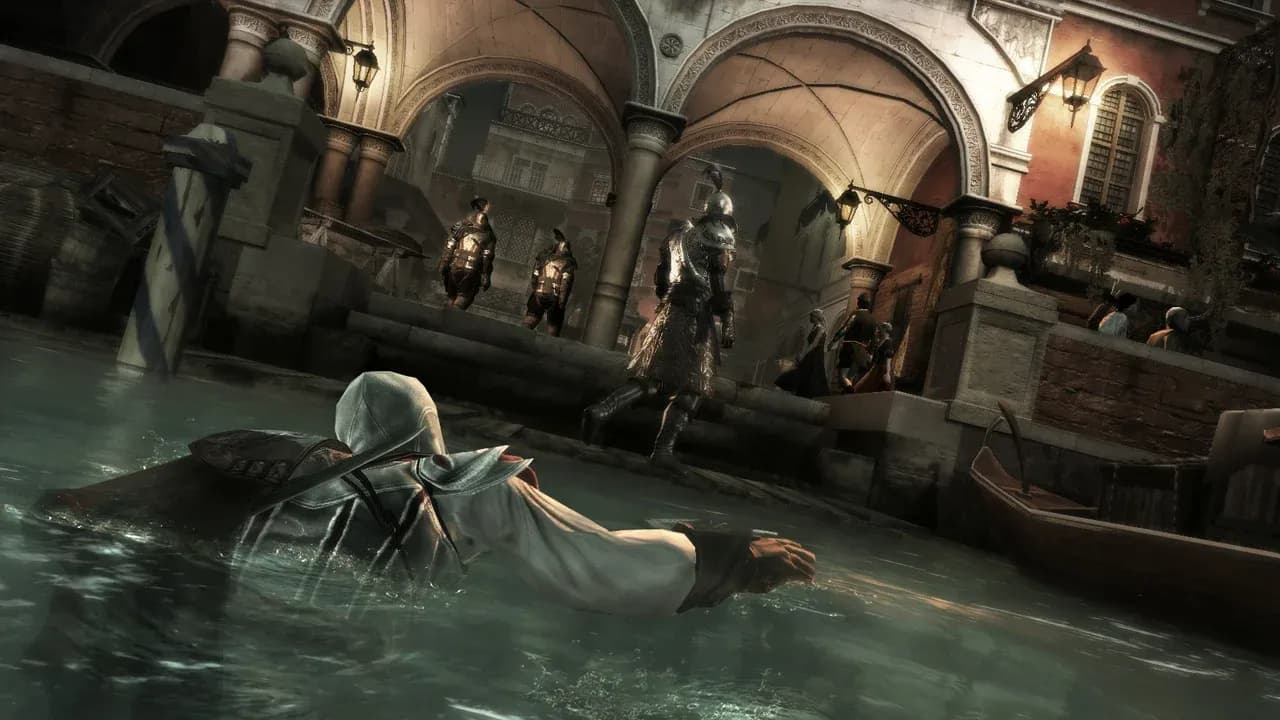
The core loop here is free-running, stealth, and assassination, but Assassin's Creed 2 adds enough new systems to make it feel like a genuine evolution rather than a reskin. Key additions include:
Assassin's Creed 2 content image
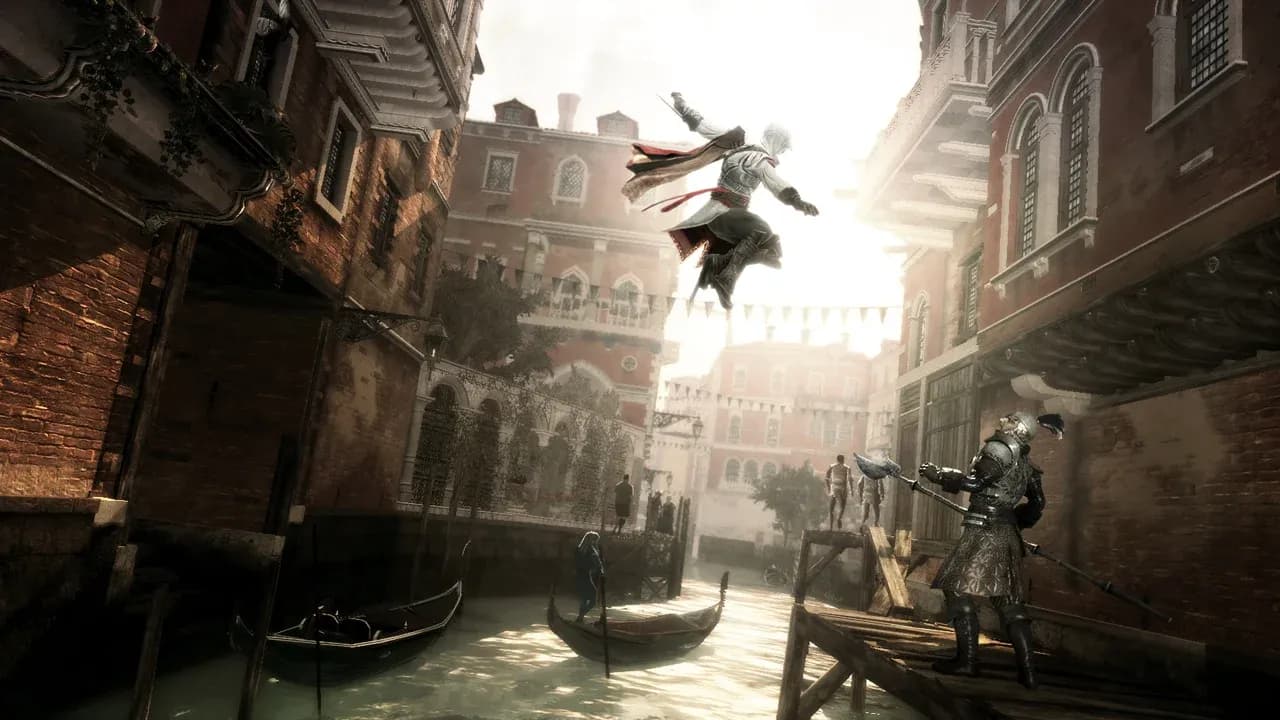
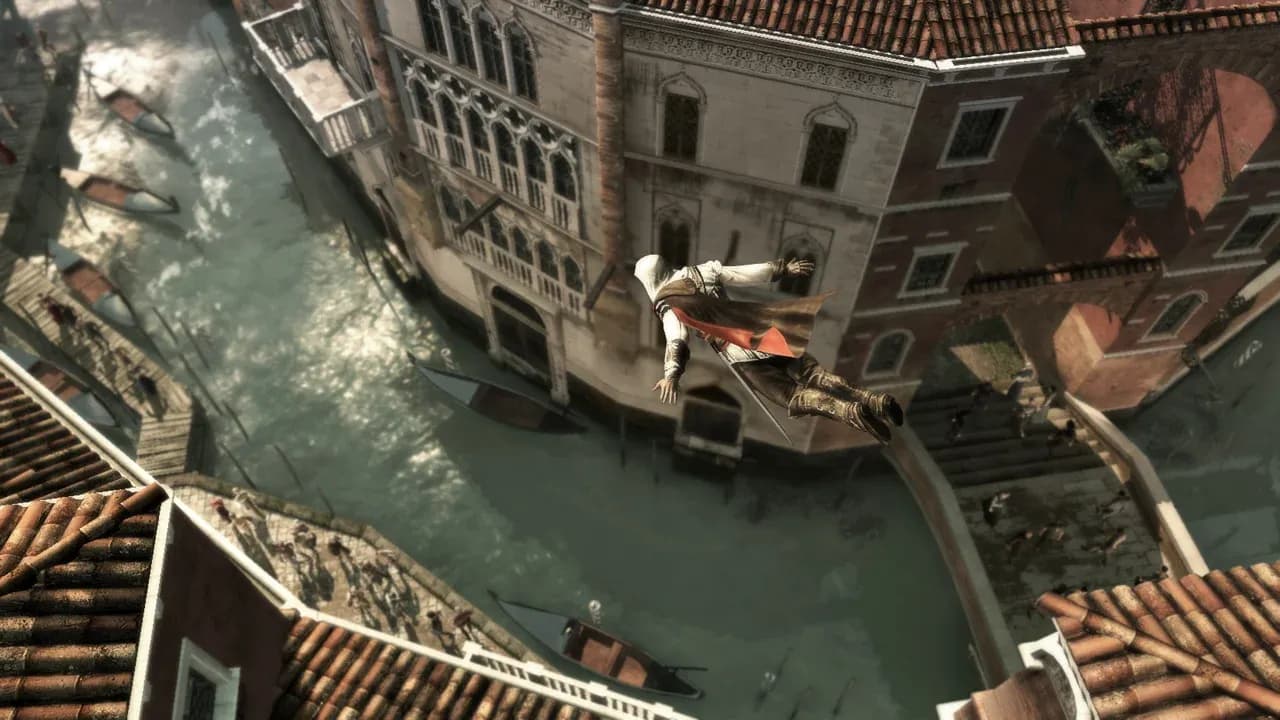
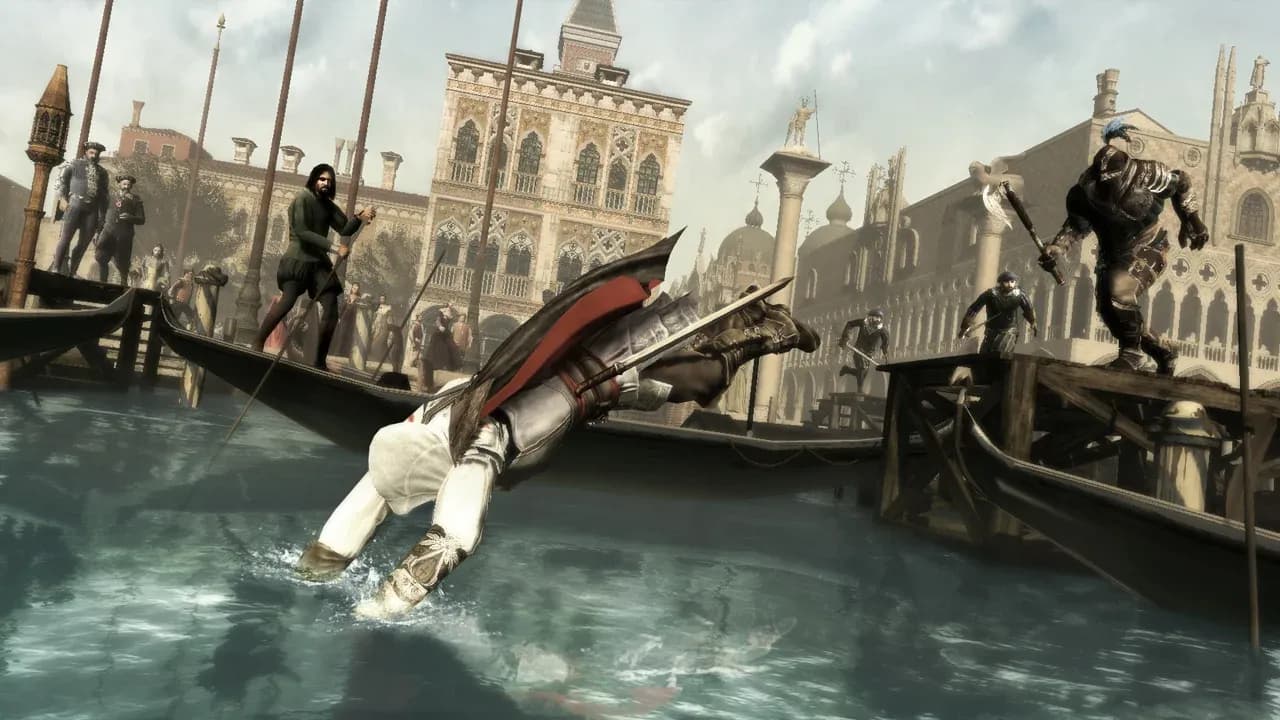
- Swimming, letting players escape across canals instead of dying at the water's edge
- A flying machine mission designed from Leonardo da Vinci's actual sketches
- Disarming enemies and turning their weapons against them
- Dual hidden blade assassinations for simultaneous kills
- A villa upgrade system that funds equipment purchases
The open-ended mission structure gives players real flexibility. Most objectives can be approached from multiple angles, rewarding patience and creativity over brute force. Combat is more fluid than the first game, with a counter-and-kill rhythm that feels responsive without being trivial.
Assassin's Creed 2 content image
World and setting
Renaissance Italy as a setting does a lot of heavy lifting. The 15th century was a period where extraordinary art and culture existed side by side with political murder and dynastic corruption, and the game leans into that tension hard. Ezio moves through cities that actually look like the places they're based on, with the Duomo in Florence and the Doge's Palace in Venice serving as landmarks that double as climbing puzzles.
Historical figures appear as active characters rather than window dressing. Leonardo da Vinci acts as Ezio's gadget supplier, translating Assassin's Codex pages into functional weapons. Niccolò Machiavelli appears as an ally. The game takes liberties with history, but the period detail gives the fiction a grounding that many open-world games lack.
Impact and legacy
Assassin's Creed 2 is widely considered the point where the series found its identity. The original game was impressive but repetitive; this one fixed the pacing problems and added enough variety to keep the experience fresh across its full runtime. Ezio went on to headline two more mainline entries, which speaks to how well the character landed.
The game runs on PC, PlayStation, macOS, Xbox, Steam, and Epic Games Store. Online multiplayer and co-op features were discontinued in November 2018, so the experience today is entirely single-player, which is exactly where the game's strengths have always lived. The stealth mechanics and open-world parkour hold up well, and the Renaissance setting remains one of the most distinctive backdrops in action-adventure gaming.
Assassin's Creed 2 content image