Overview
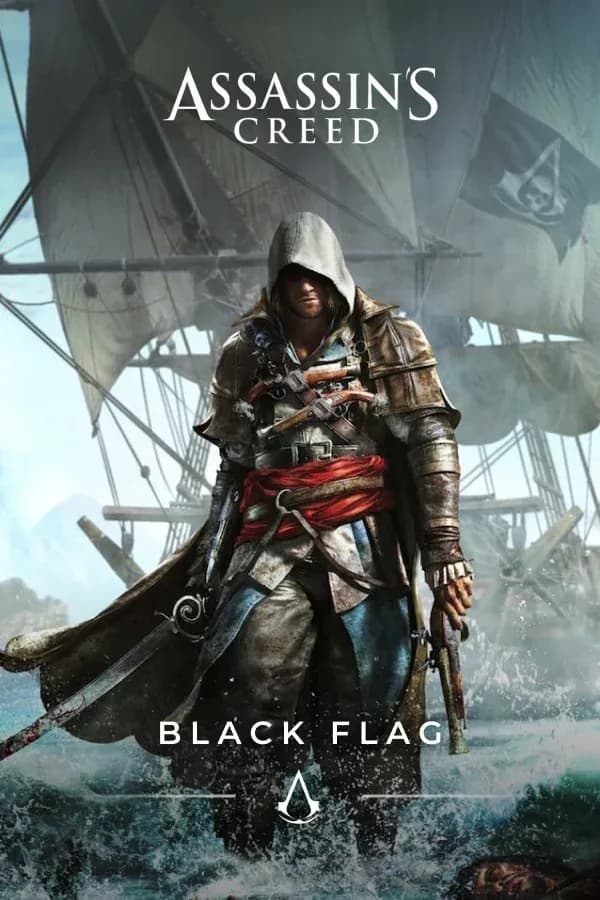
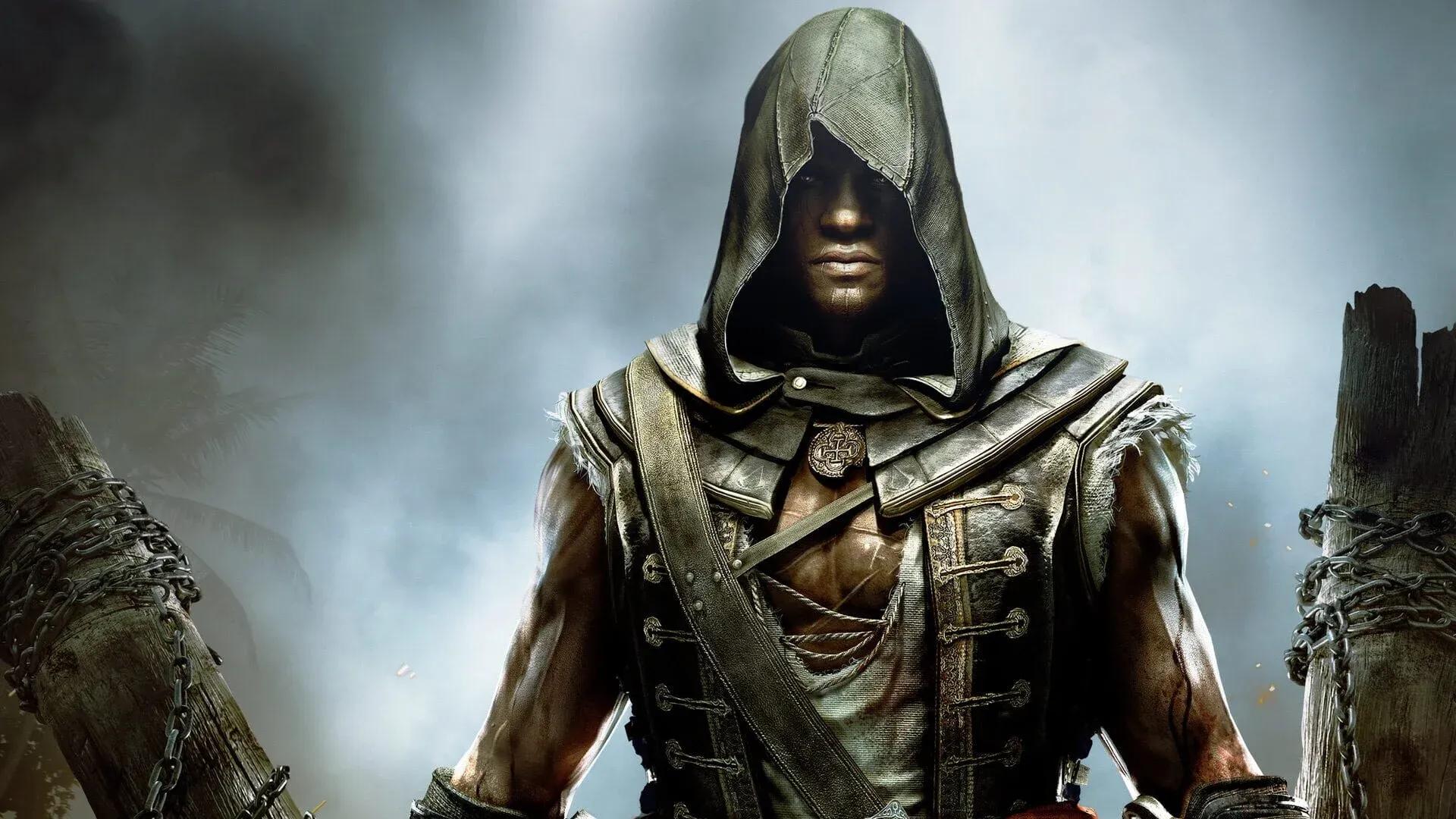
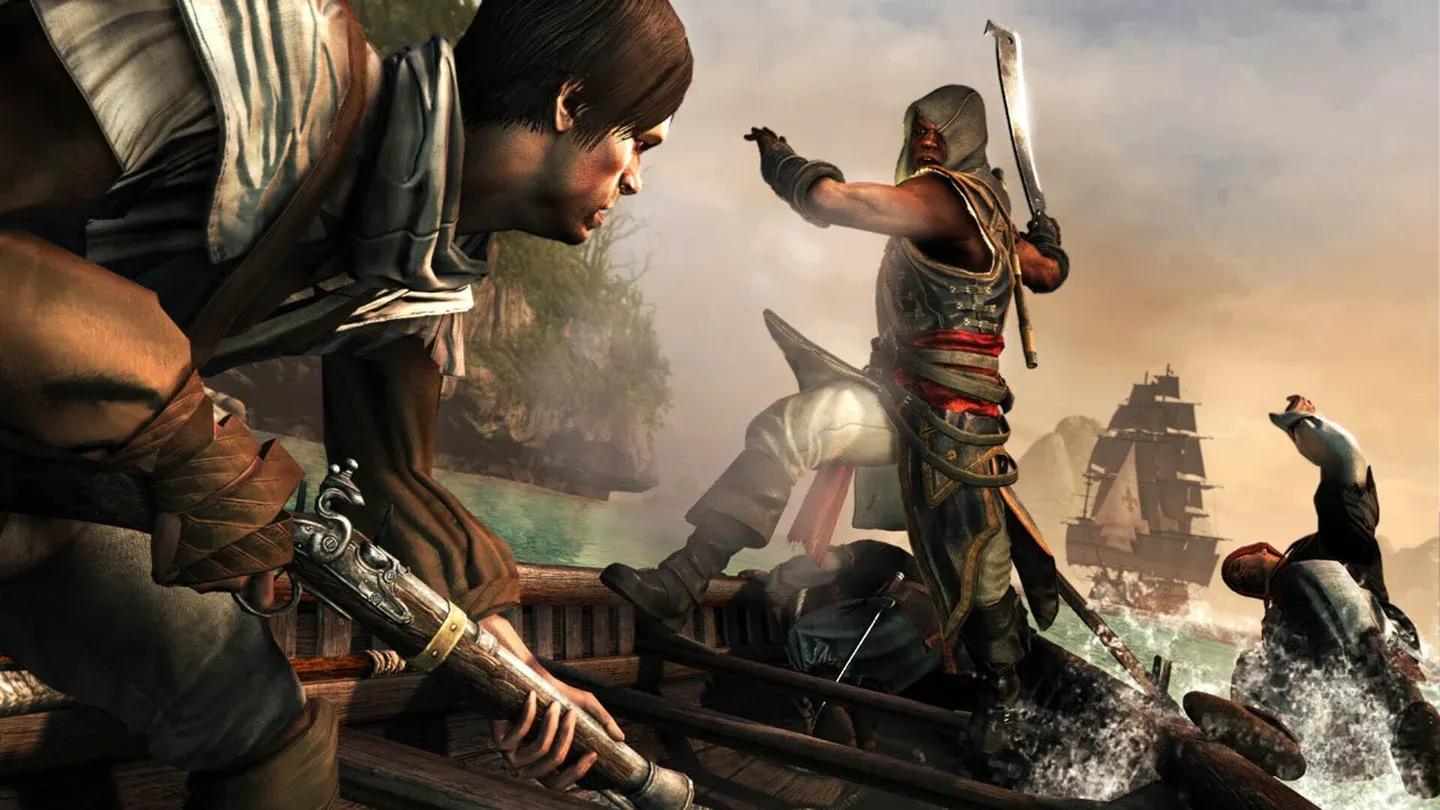
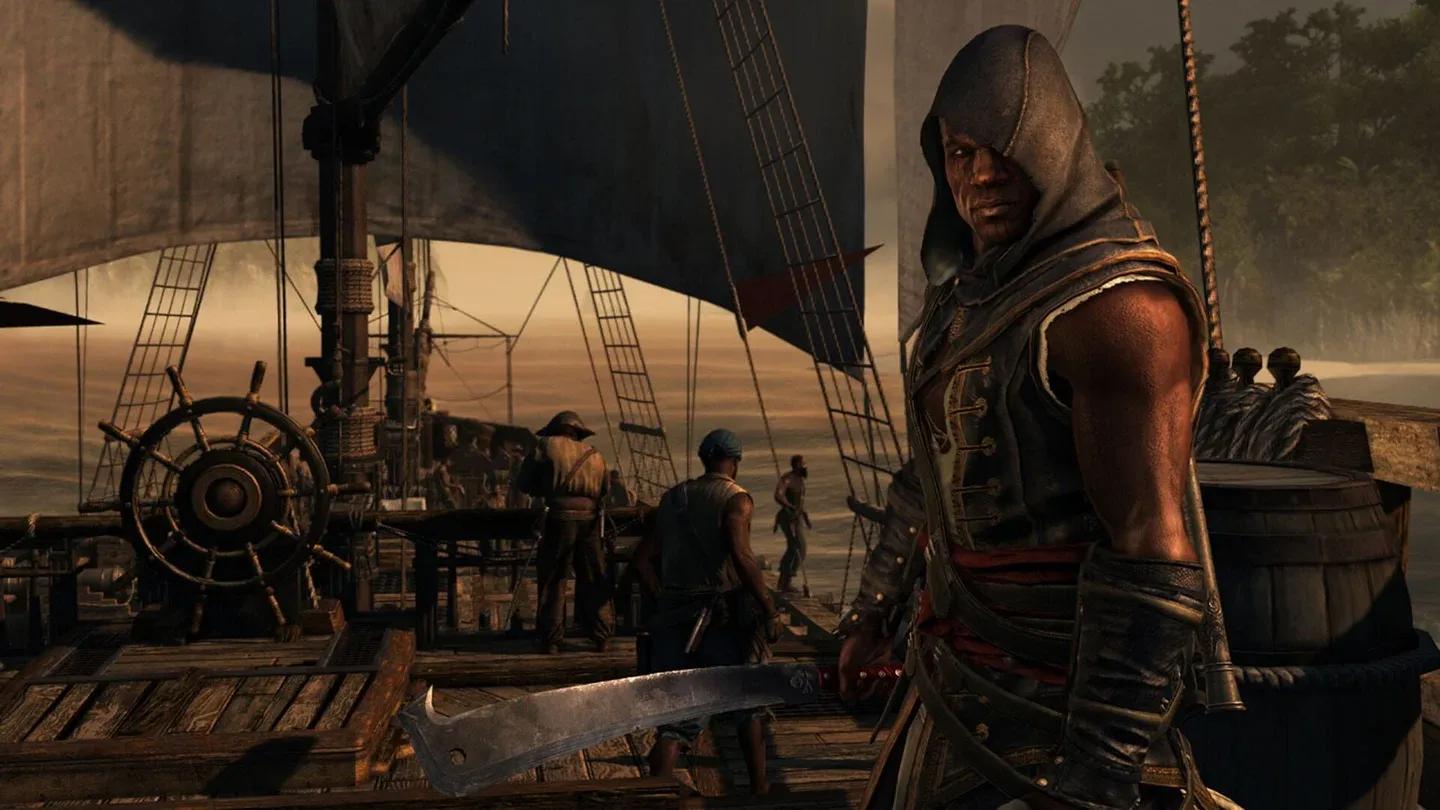
Assassin's Creed Freedom Cry is a standalone action-adventure game developed by Ubisoft Montreal, originally released in February 2014 as DLC for Assassin's Creed IV: Black Flag before being sold separately. It follows Adewale, the Quartermaster aboard Edward Kenway's Jackdaw, fifteen years after the events of Black Flag. Shipwrecked in Saint-Domingue with no weapons and no crew, he has to rebuild from nothing in one of the Caribbean's most volatile colonial settings.
The game runs on the same engine and mechanics as Black Flag, so naval combat, freerunning, and stealth assassination all carry over. What changes is the context. Saint-Domingue in the 1730s was one of the most profitable and brutal slave colonies in the world, and Freedom Cry doesn't look away from that. Adewale's personal history as a former slave gives his mission to free enslaved people a moral clarity that most Assassin's Creed stories don't attempt.
World and setting: colonial Saint-Domingue
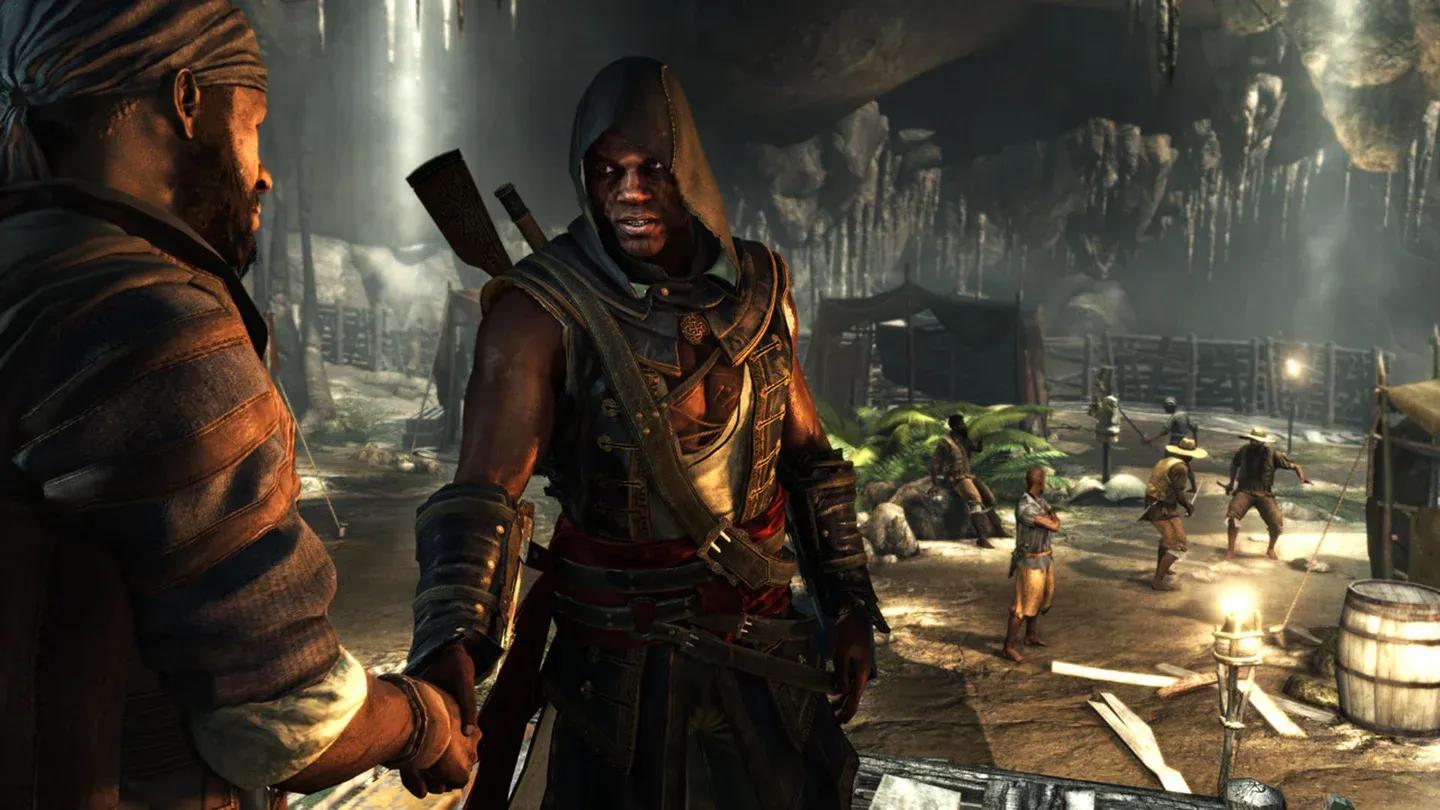
Saint-Domingue is a smaller open world than Black Flag's sprawling Caribbean, but it's more focused for it. The city of Port-au-Prince sits alongside plantation land and jungle, and the contrast between the wealth of the colonizers and the suffering of the enslaved population is visible in the environment itself. Ubisoft Montreal built a setting that feels oppressive by design, which makes Adewale's acts of liberation carry actual weight.
Assassin's Creed Freedom Cry content image
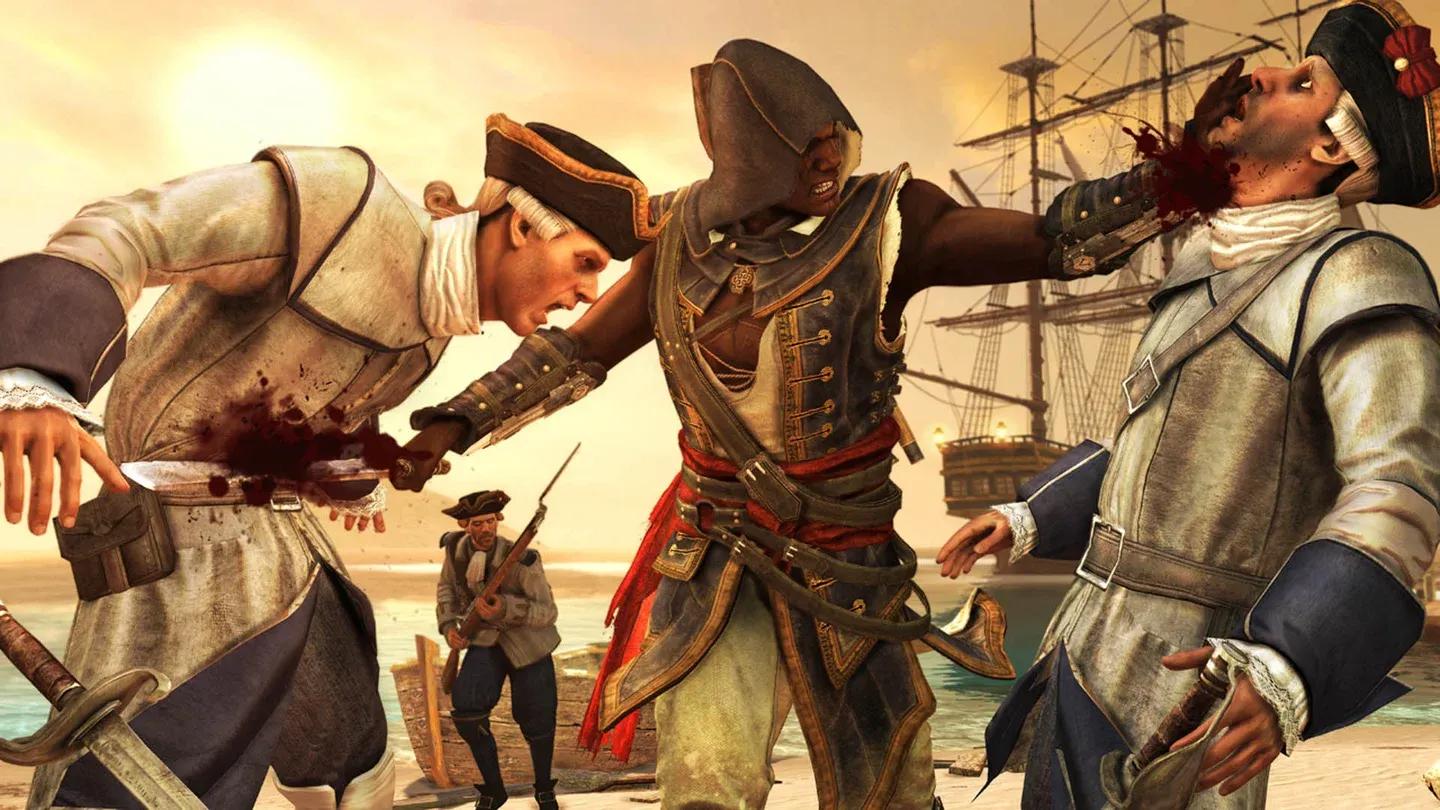
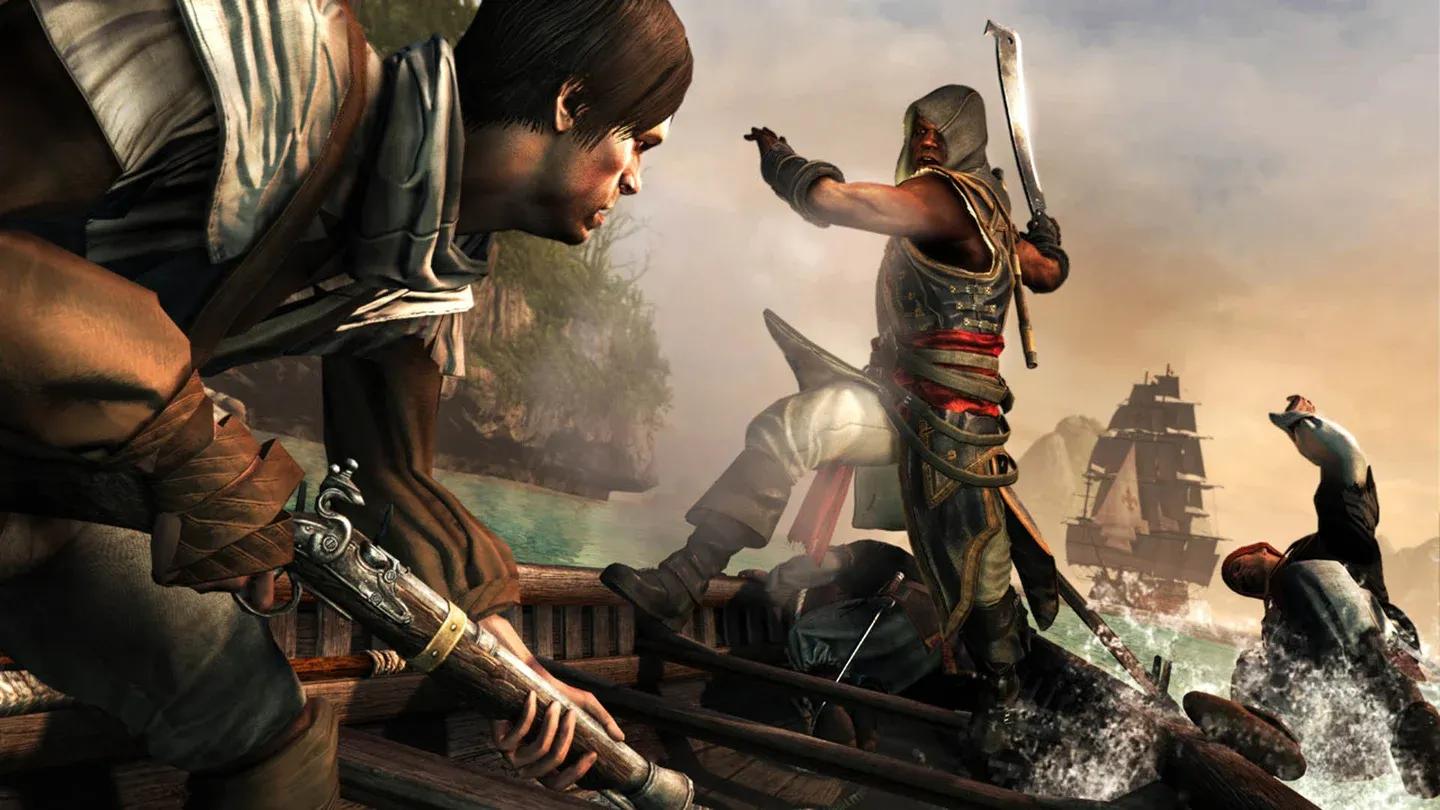
The game's tone is darker than most entries in the series. Slave ships, plantation raids, and public executions are part of the world Adewale moves through, and the writing doesn't sanitize them. For a 3-plus hour experience, it covers a lot of emotional ground.
Assassin's Creed Freedom Cry content image
Gameplay and mechanics: what does Freedom Cry actually play like?
Freedom Cry is built on Black Flag's foundation, so players who know that game will feel at home immediately. The core loop involves:
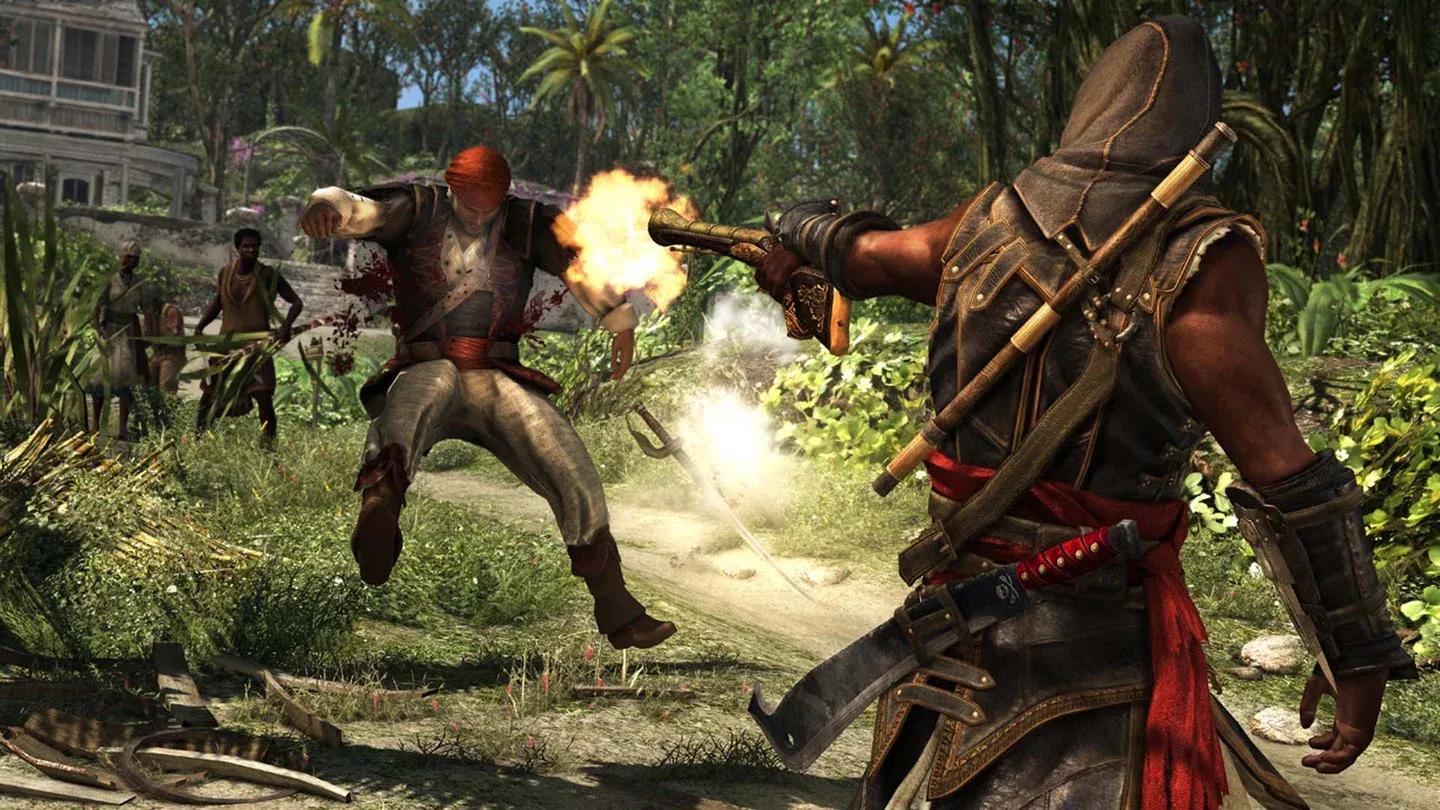
Assassin's Creed Freedom Cry content image
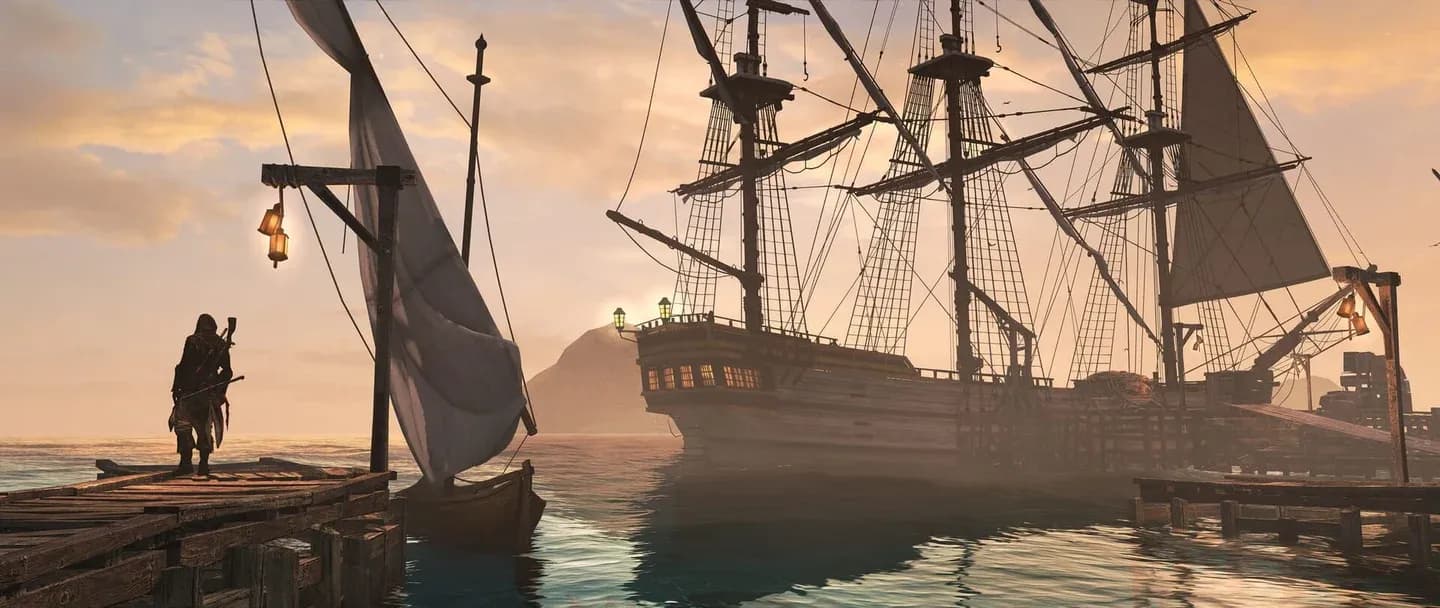
- Acquiring and upgrading a ship called the Experto Crede
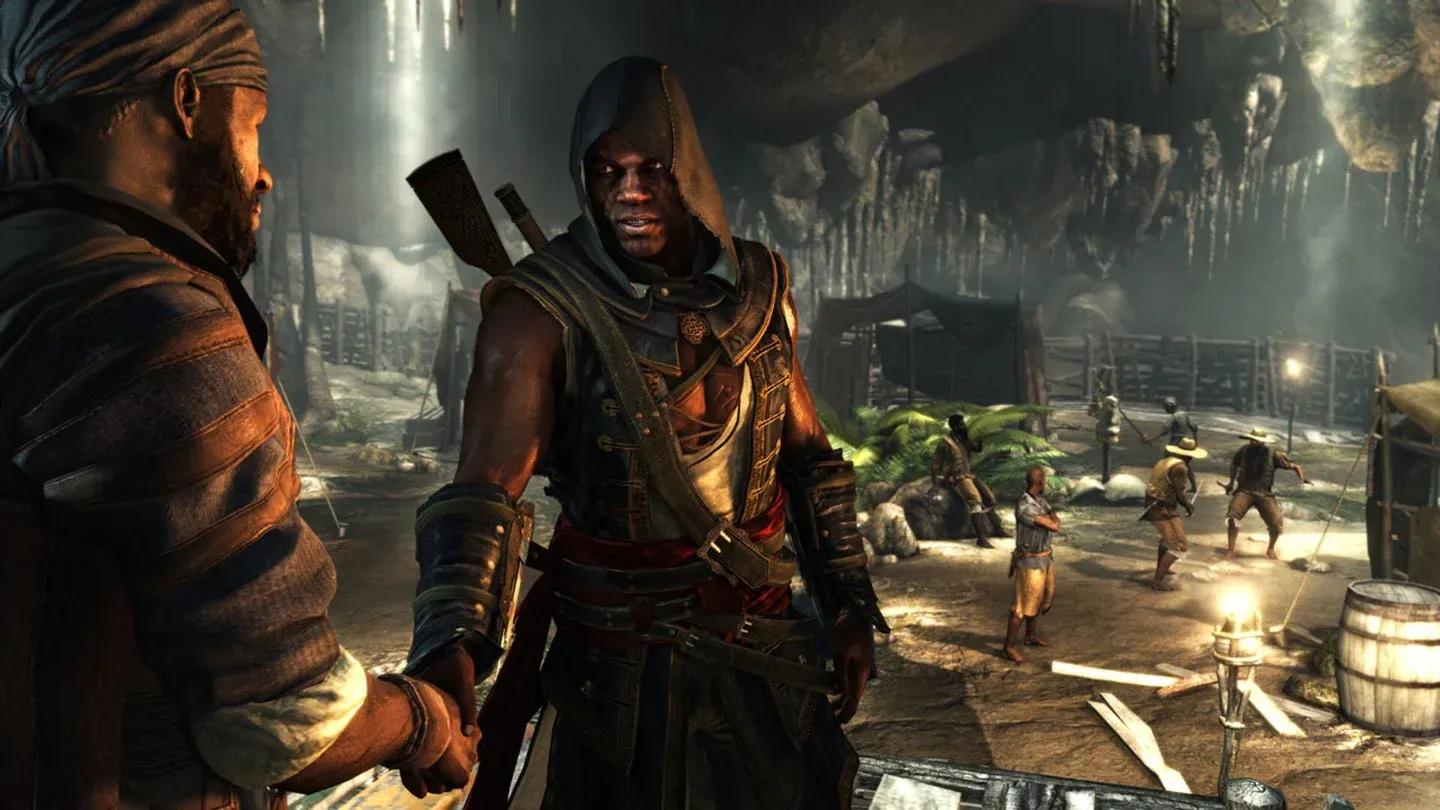
- Recruiting freed slaves to your crew
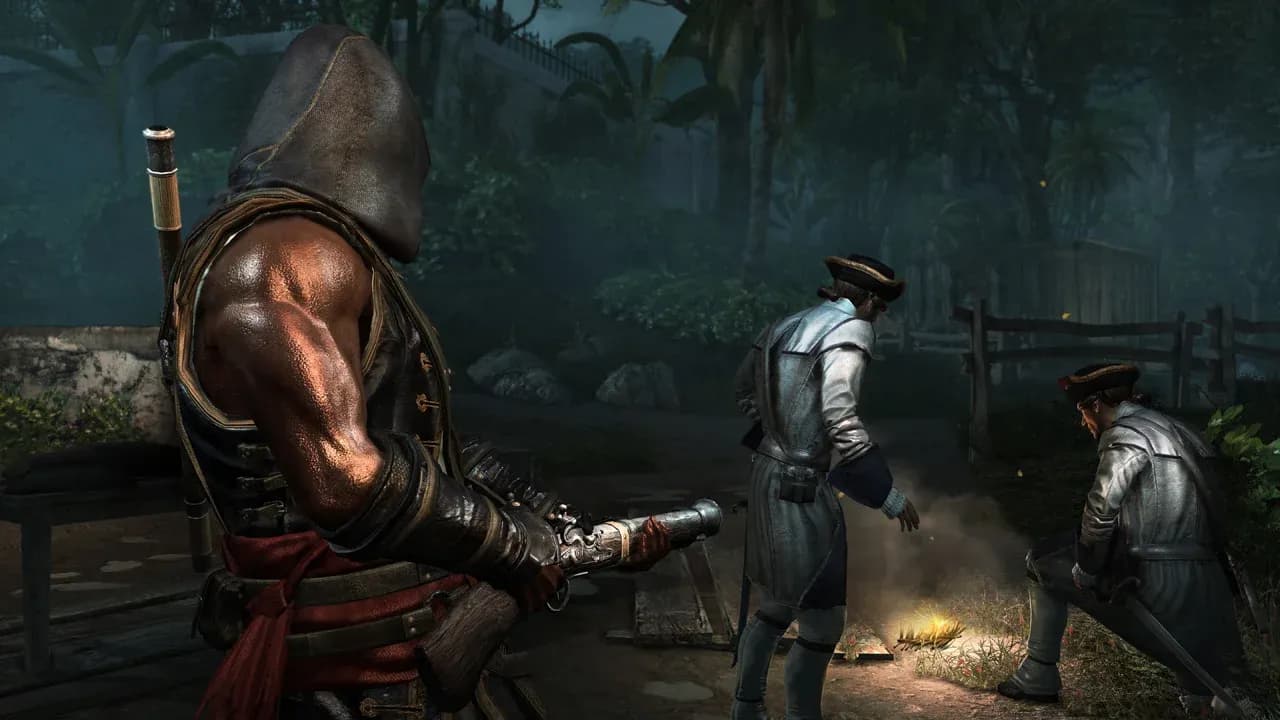
- Stealth-based assassination missions on land
- Naval combat against slave ships and colonial vessels
- Liberating enslaved people from transport ships and plantations
The liberation mechanic is the most distinctive addition. Adewale can board slave ships mid-voyage to free the people aboard, and those freed individuals can join his crew or bolster resistance networks on land. It gives the open-world activities a purpose beyond simple collectibles or side missions.
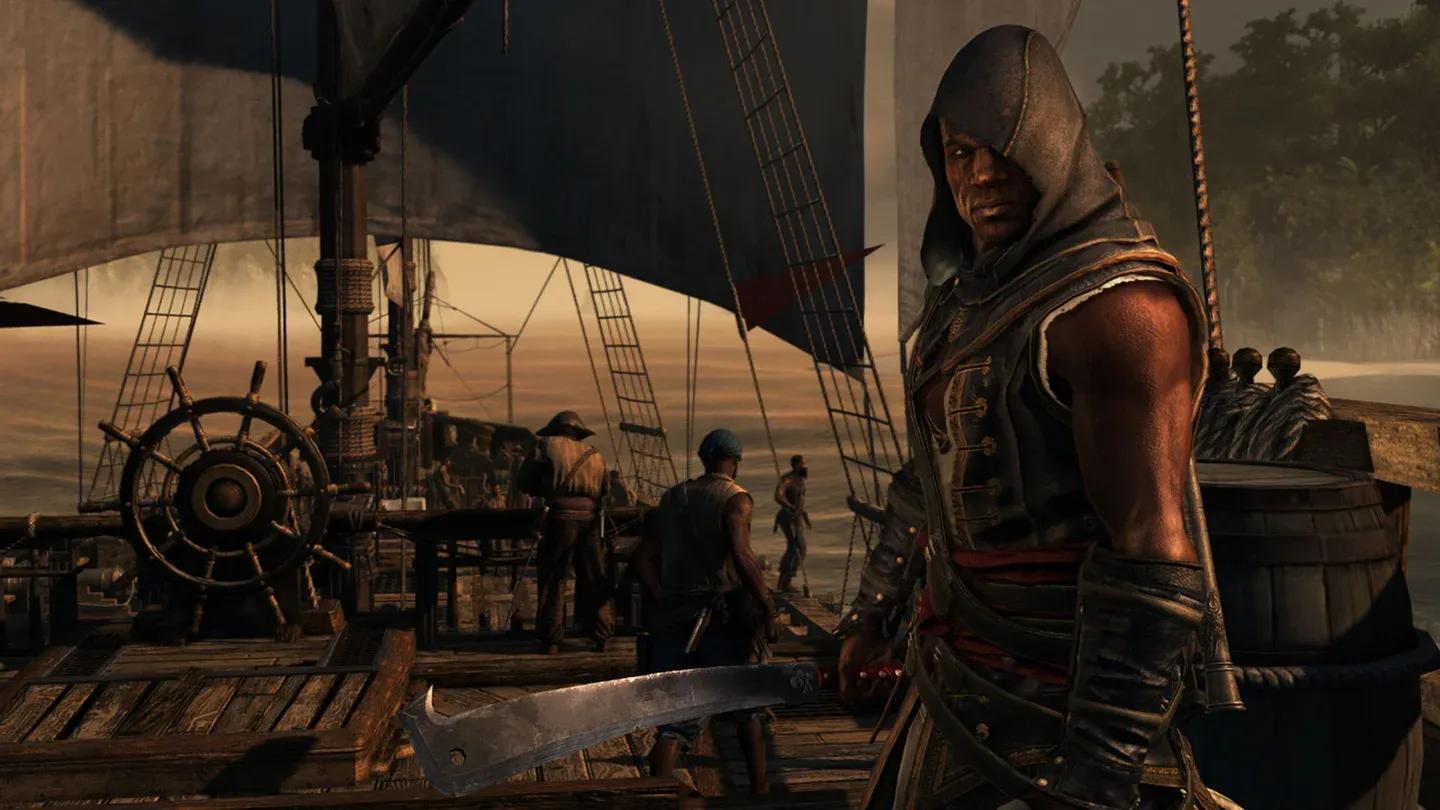
Assassin's Creed Freedom Cry content image
Innovation and unique features: a story that earns its protagonist
Adewale had been a background presence in Black Flag, loyal and capable but never the focus. Freedom Cry corrects that. His perspective reframes the pirate fantasy the series had been building, because Adewale knows exactly what the colonial Caribbean costs the people who aren't free to sail through it.
The standalone release means no prior Assassin's Creed purchase is required, making it one of the more accessible entry points into the series' broader fiction. The ESRB Mature rating reflects the subject matter honestly. This isn't a game that uses slavery as window dressing; it's the central conflict.
Impact and legacy
Freedom Cry holds a 4.18 out of 5 rating from over 41,000 PlayStation Store ratings, which is a strong result for a game that started life as DLC. It's available on Windows, PlayStation, Xbox, and Nintendo Switch, making it easy to find on current hardware.
For the Assassin's Creed series, Freedom Cry remains one of the sharper experiments in what the franchise can do when it commits to a specific historical injustice and a protagonist with a personal stake in it. The action-adventure formula doesn't change, but the story it's wrapped around does.
System Requirements
| Requirement | Minimum | Recommended |
|---|---|---|
| Processor | Intel Core2Quad Q8400 @ 2.6 GHz or AMD Athlon II X4 620 @ 2.6 GHz | Intel Core i5 2400S @ 2.5 GHz or AMD Phenom II x4 940 @ 3.0 GHz or better |
| Memory | 2 GB RAM | 4 GB RAM |
| Graphics | Nvidia GeForce GTX 260 or AMD Radeon HD 4870 (512MB VRAM with Shader Model 4.0 or higher) | Nvidia GeForce GTX 470 or AMD Radeon HD 5850 (1024MB VRAM with Shader Model 5.0) or better |
| Storage | 30 GB available space | 30 GB available space |