Overview
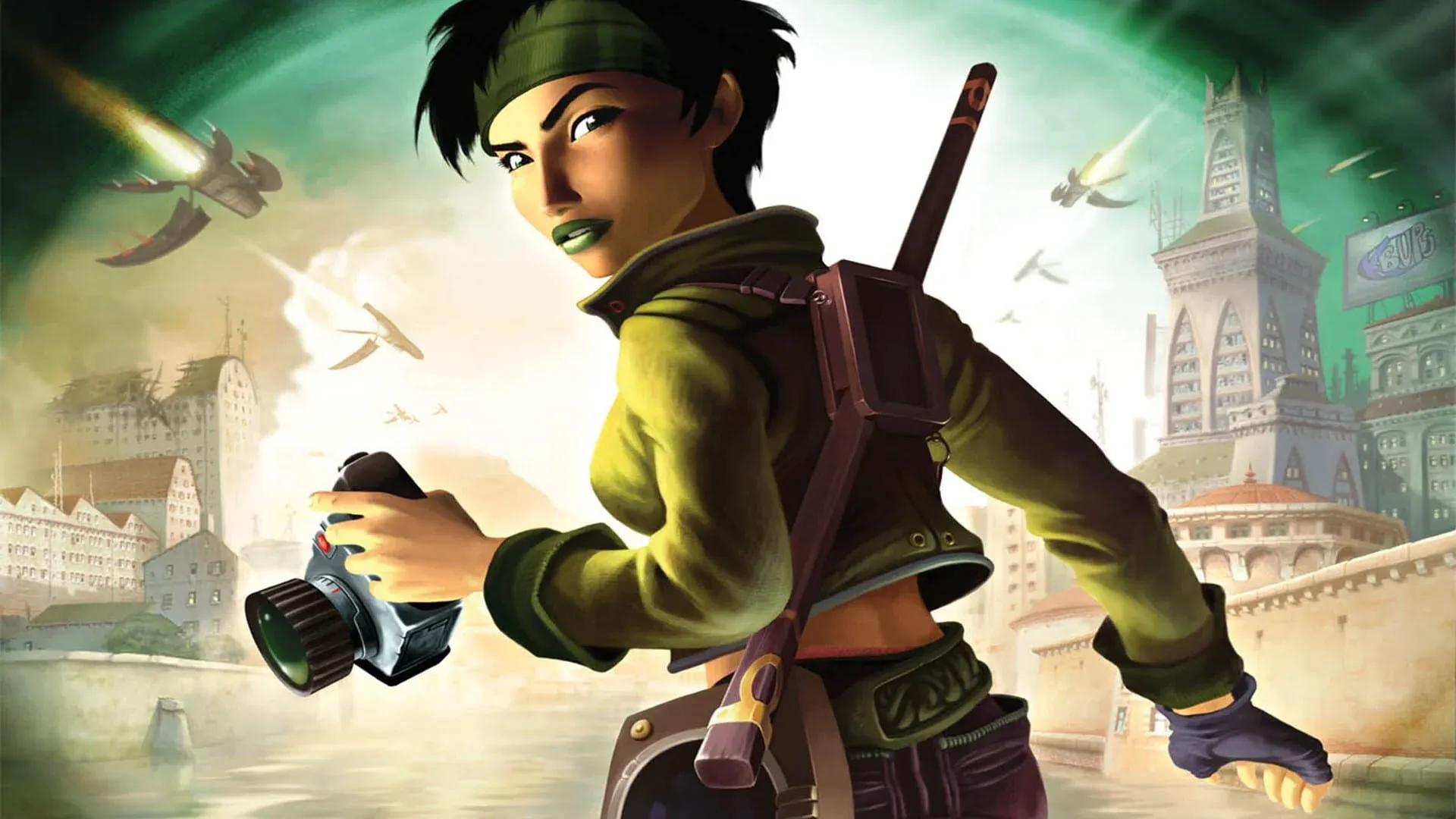
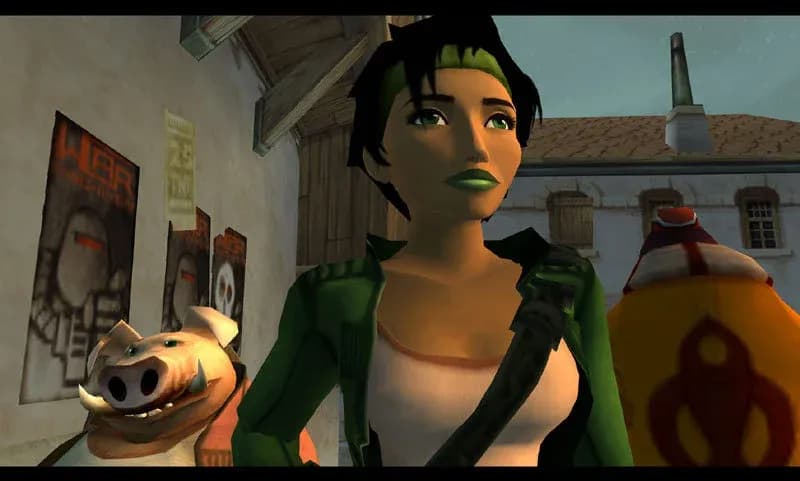
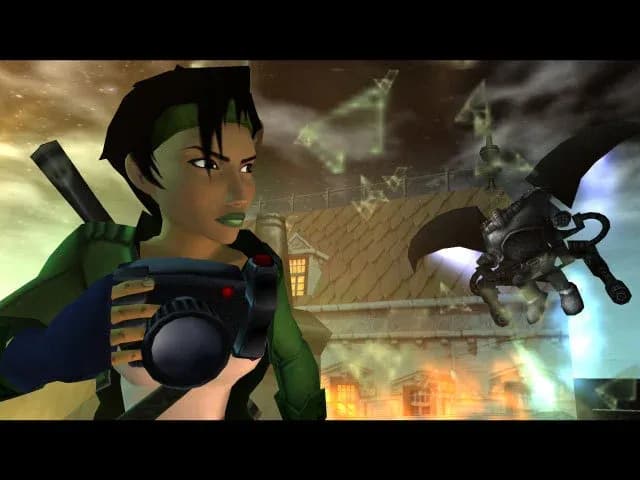
Beyond Good and Evil is an action-adventure game developed by Ubisoft Montpellier under creative director Michel Ancel. Set on the ocean planet Hillys, the game follows Jade, a photojournalist and caretaker who gets pulled into a resistance movement called the IRIS Network after discovering that the government's supposed alien-fighting force, the Alpha Sections, may be the actual threat. The story moves fast, the characters are memorable, and the world feels lived-in despite its relatively compact size.
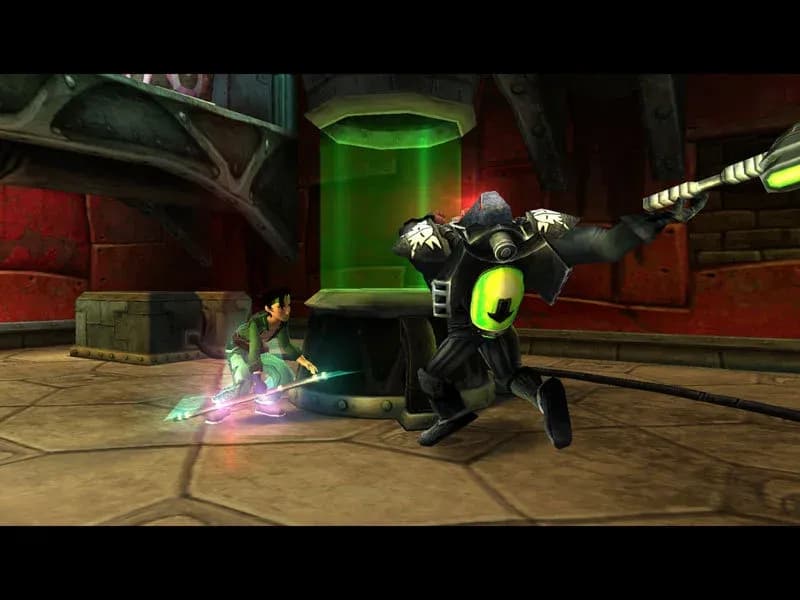
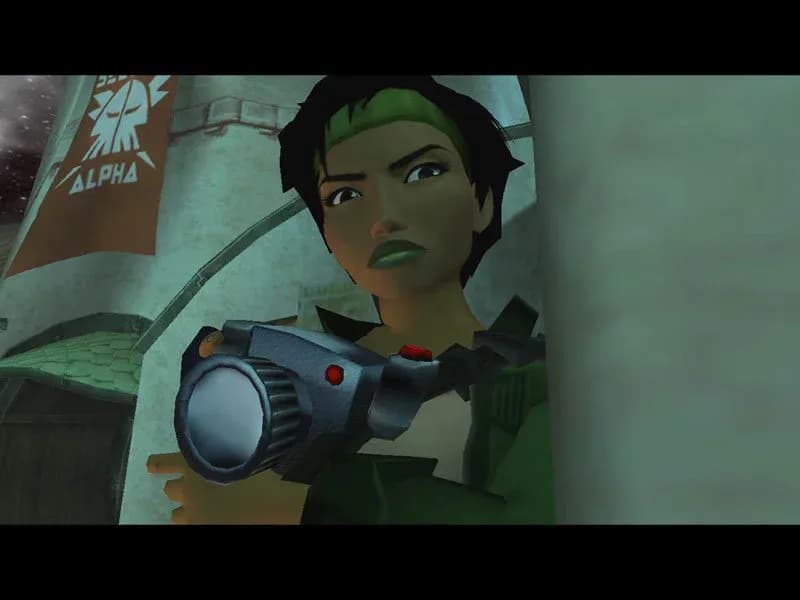
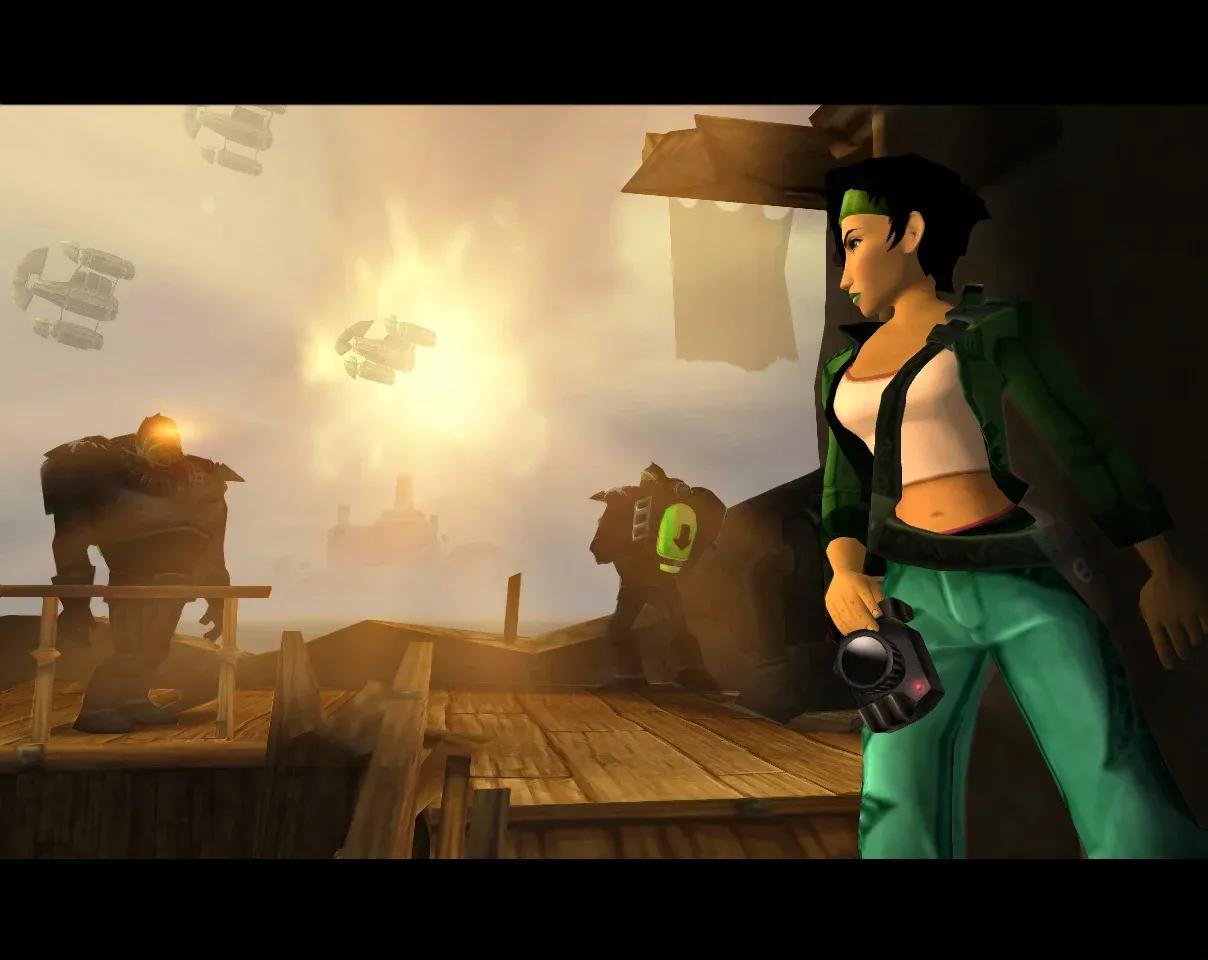
Jade's toolkit is the game's defining feature. Her camera is not just a narrative device but a core mechanic, used to photograph wildlife species for a science museum side quest and to document evidence of the conspiracy. Her dai-jo staff handles close-quarters combat, and stealth sections require careful movement and timing. The game shifts between these modes fluidly, rarely letting any single approach overstay its welcome.
Beyond Good and Evil™ content image
Gameplay and mechanics
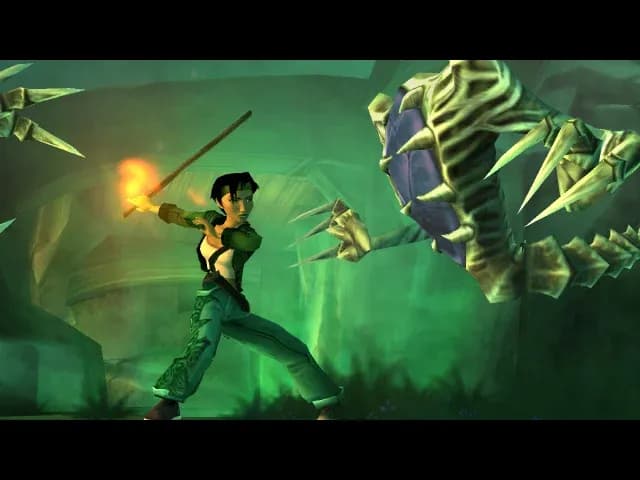
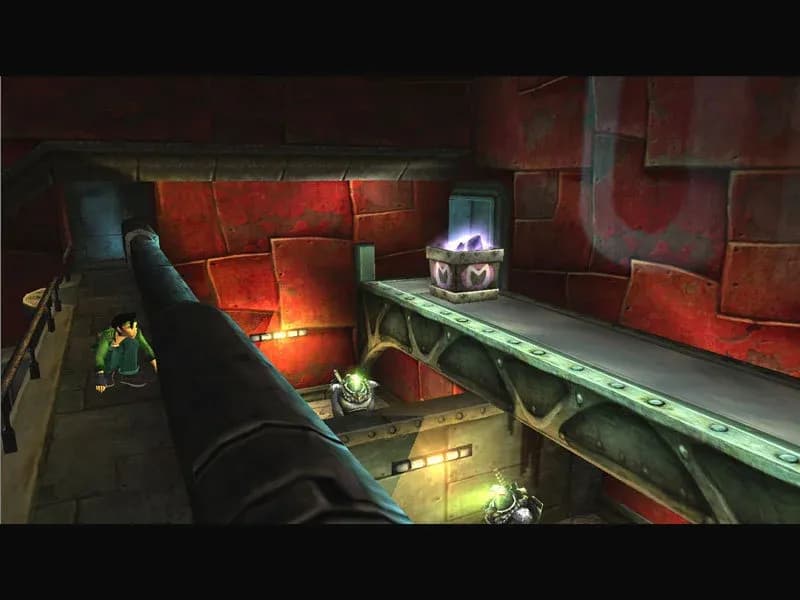
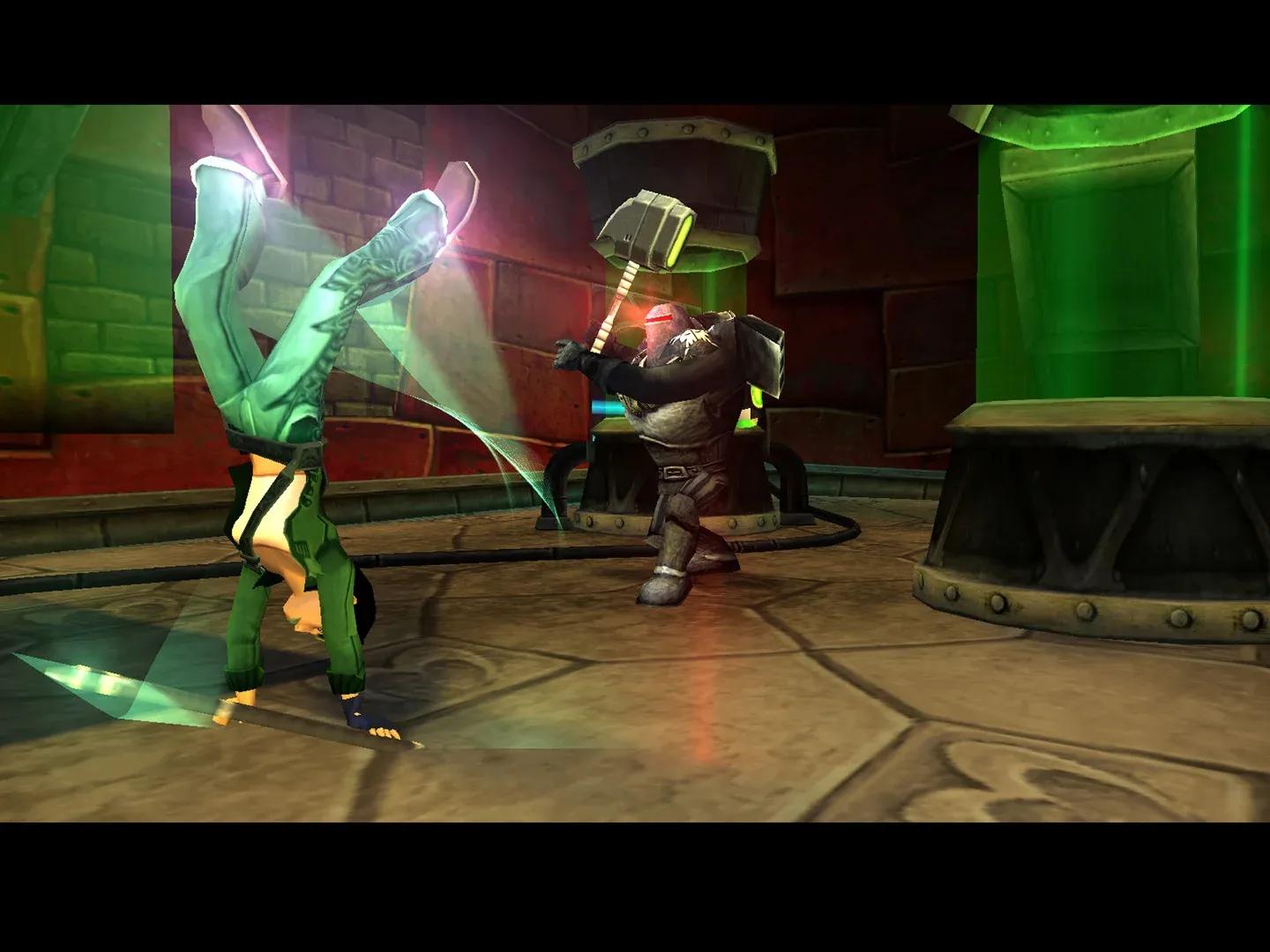
The third-person controls give Jade a full range of movement: running, crouching, wall-pressing, jumping, and pushing objects. Combat is straightforward but satisfying, with tag-team finishing moves available when AI companion Pey'j or other resistance members are present. The game never becomes a pure brawler, though. Many encounters reward stealth over confrontation, and some sections require it entirely.
Beyond Good and Evil™ content image
Key mechanics at a glance:
- Camera-based wildlife photography and evidence collection
- Staff combat with companion tag-team combos
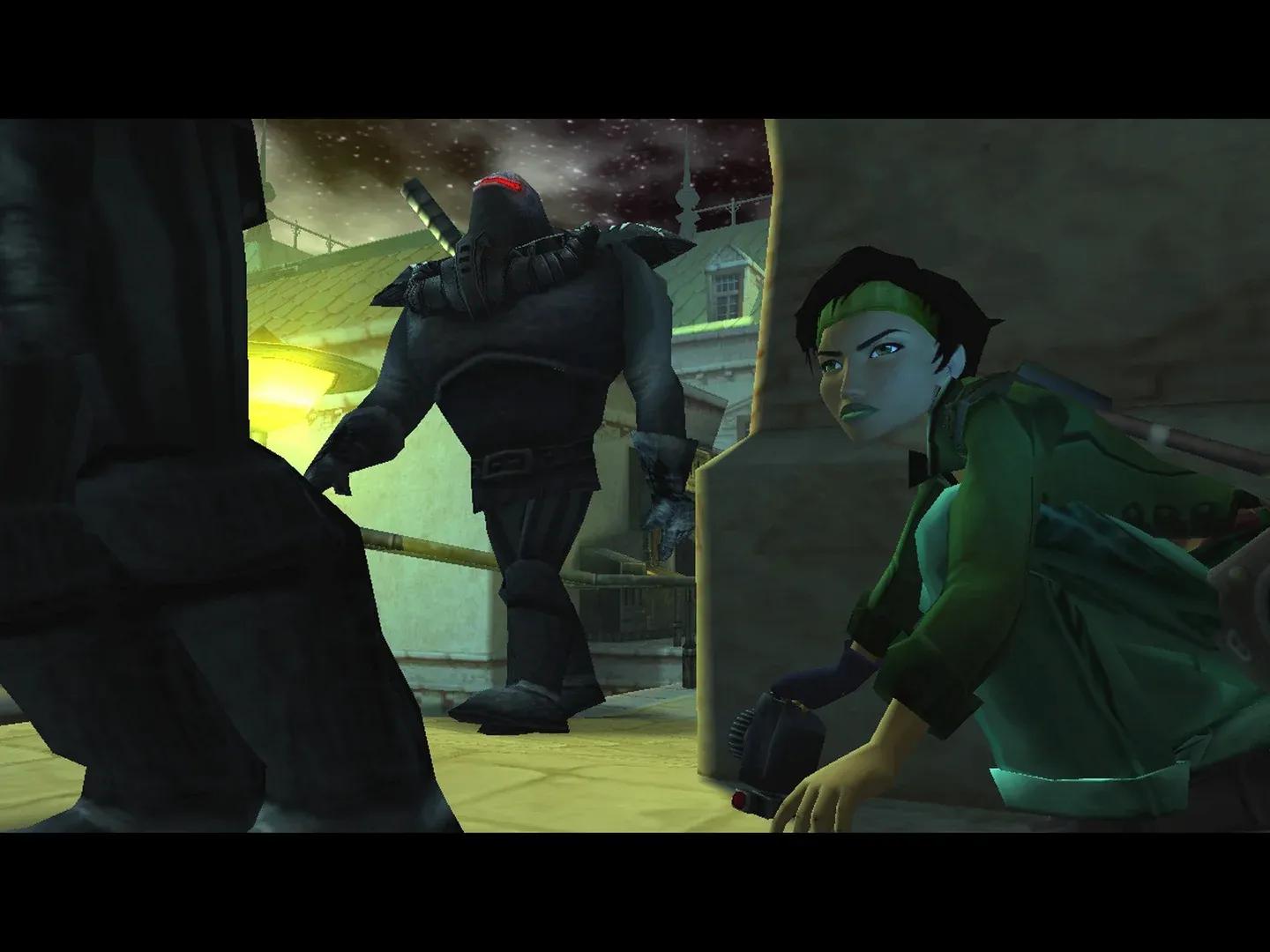
- Stealth movement and wall-hugging traversal
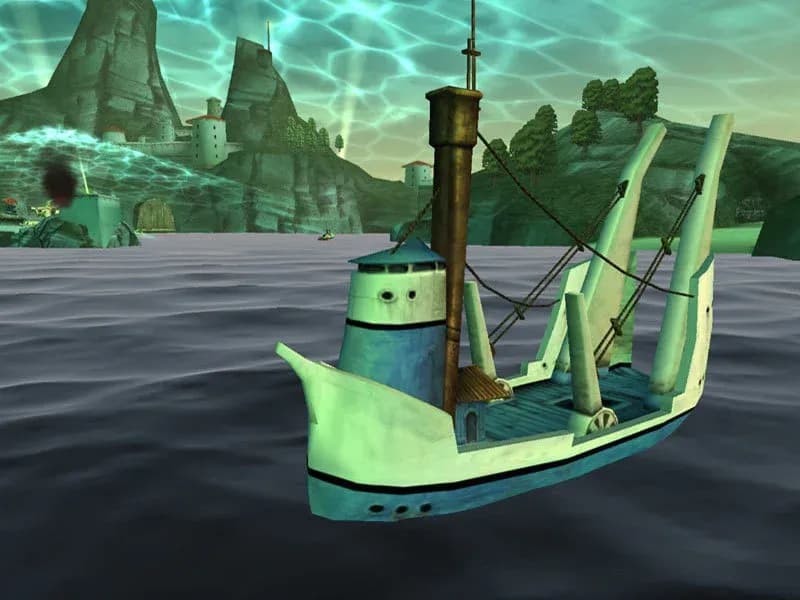
- Hovercraft exploration between map zones
- Pearl currency collected through missions and minigames
The hovercraft adds a light exploration layer, connecting Hillys's various installations and opening up optional areas. Racing minigames and side content reward players who take time away from the main story.
World and setting
Hillys is a biopunk planet where humans and anthropomorphic animals coexist under constant DomZ alien bombardment. The government projects strength through the Alpha Sections military, but cracks in that narrative are visible from the opening hours. Jade's orphanage sits on a small island, and the children she cares for give the story emotional grounding that most action games skip entirely.
Beyond Good and Evil™ content image
The conspiracy unfolds through investigation rather than exposition dumps. Jade photographs factories, infiltrates installations, and pieces together what the IRIS Network suspects. The pacing trusts the player to stay curious, which makes the reveals land harder than they would in a game that explains everything upfront.
Impact and legacy
Beyond Good and Evil released in 2003 to critical praise but weak sales, and it spent years as a textbook example of a great game the market ignored. The Steam release in 2008 gave it new life and introduced the game to a generation that missed it the first time. Its reputation has only grown since, with Jade frequently cited as one of gaming's best-written protagonists.
The action-adventure genre has produced countless games with similar DNA, but few balance photography mechanics, stealth, combat, and storytelling as cleanly as this one does. The wildlife cataloguing system alone is a design idea most developers have never revisited, and it works both as a side activity and as a thematic thread about observation and truth. For anyone interested in how action-adventure games can carry genuine narrative weight, Beyond Good and Evil remains the reference point.
Beyond Good and Evil™ content image