Overview
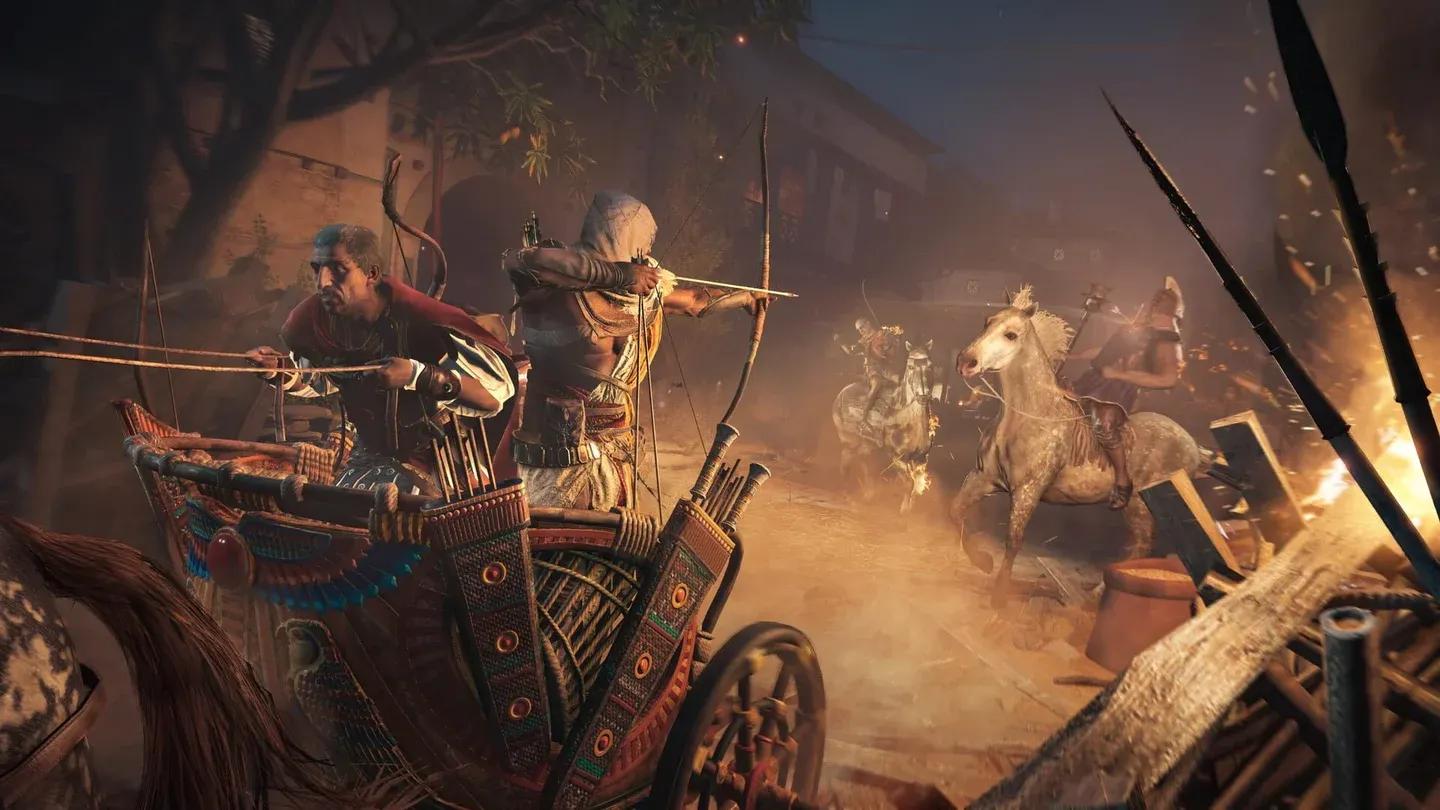
Assassin's Creed Origins, developed by Ubisoft Montreal and released in October 2017, marks a turning point for the long-running franchise. After years of annual releases that stretched the formula thin, the team spent three years rebuilding the series from scratch, using ancient Egypt as both a fresh setting and a structural reset. The result is the most ambitious Assassin's Creed game up to that point, with a map that spans the Nile Delta, the Sinai Peninsula, and deep desert regions that feel genuinely vast.
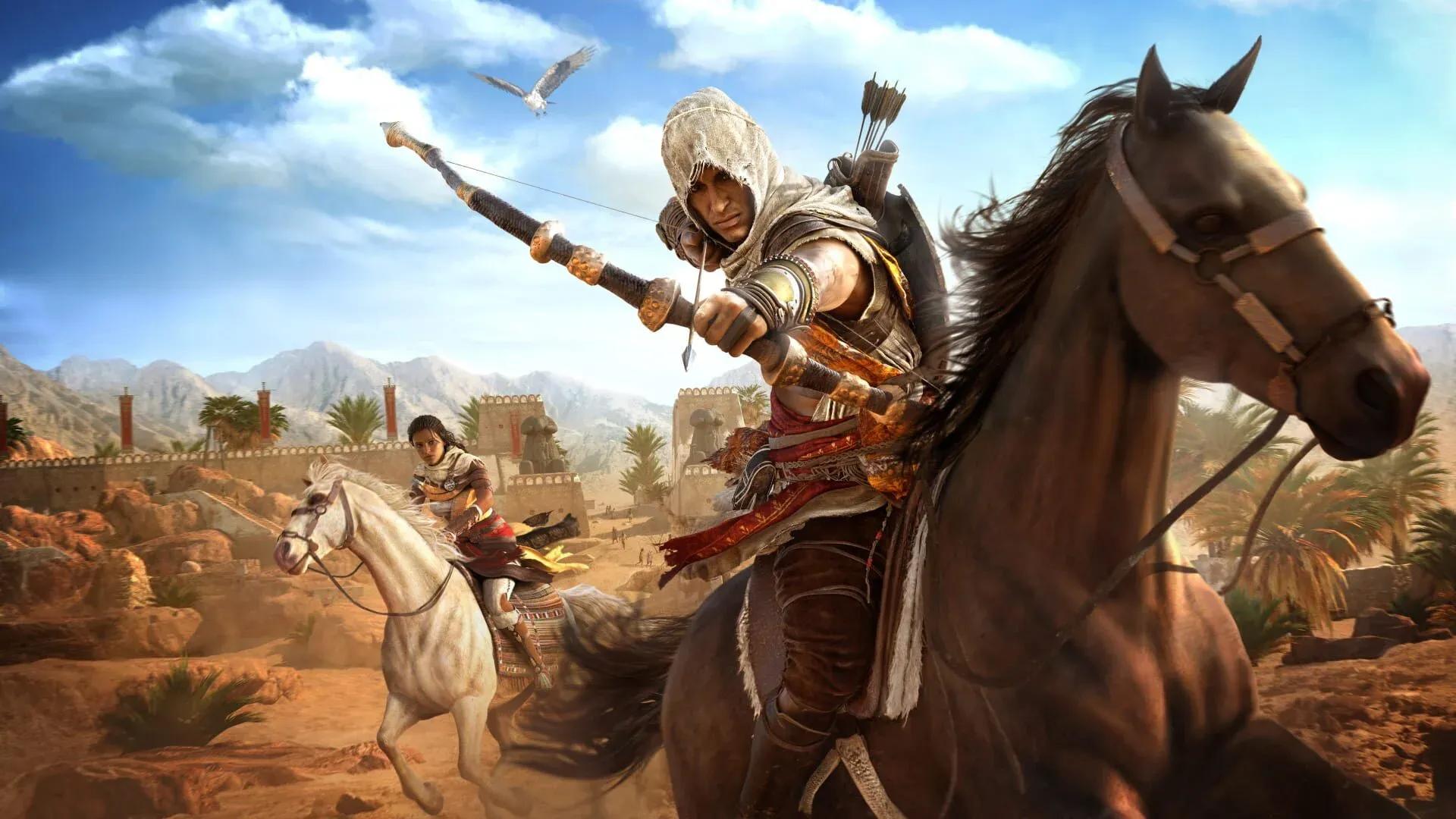
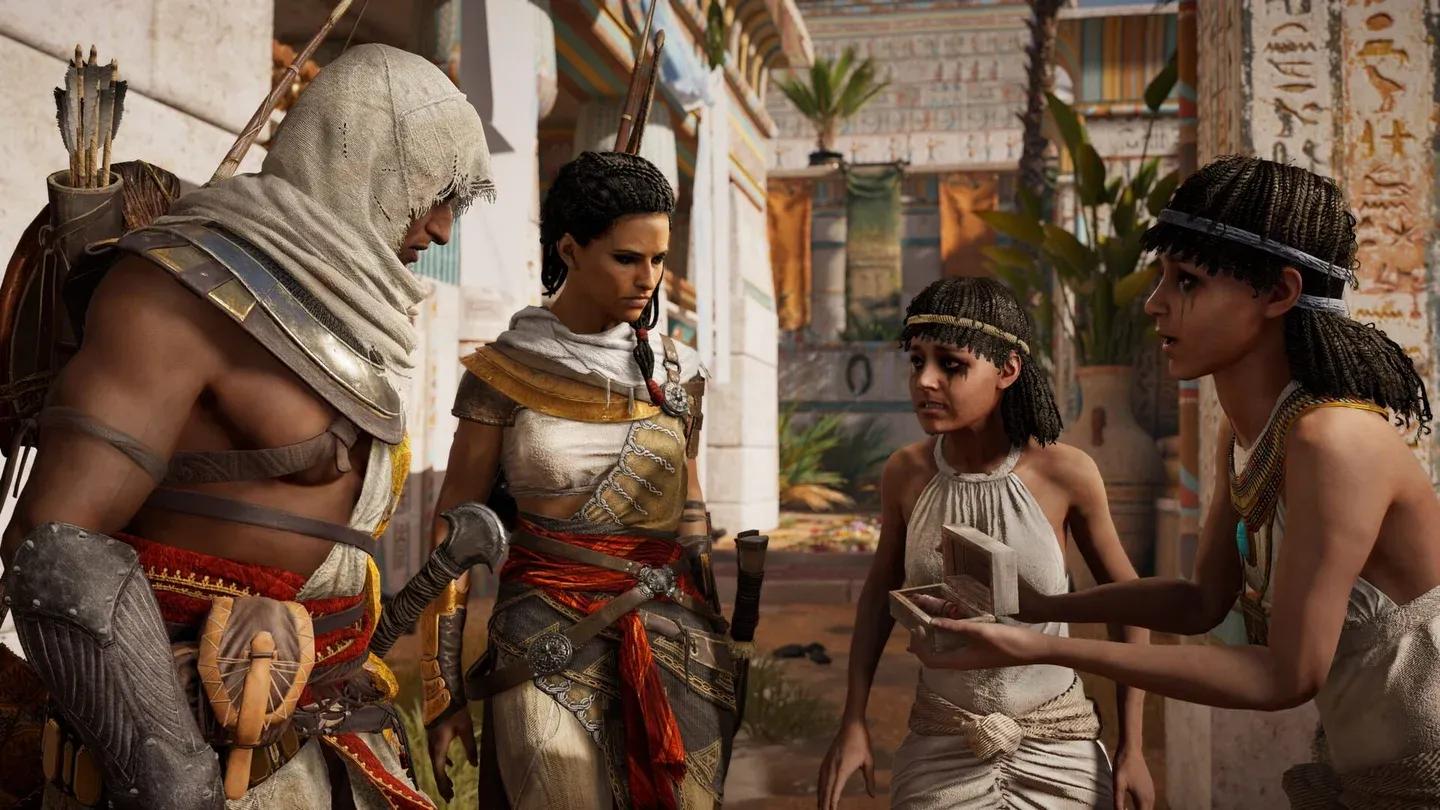
The story centers on Bayek of Siwa, a Medjay, essentially a protector of the people, whose son is killed by a shadowy organization called the Order of the Ancients. What begins as a revenge story gradually expands into something bigger: the founding of the Hidden Ones, the precursor to the Assassin Brotherhood. It's a prequel in the truest sense, and the game earns that setup rather than just slapping a franchise label on an unrelated plot.
Gameplay and mechanics
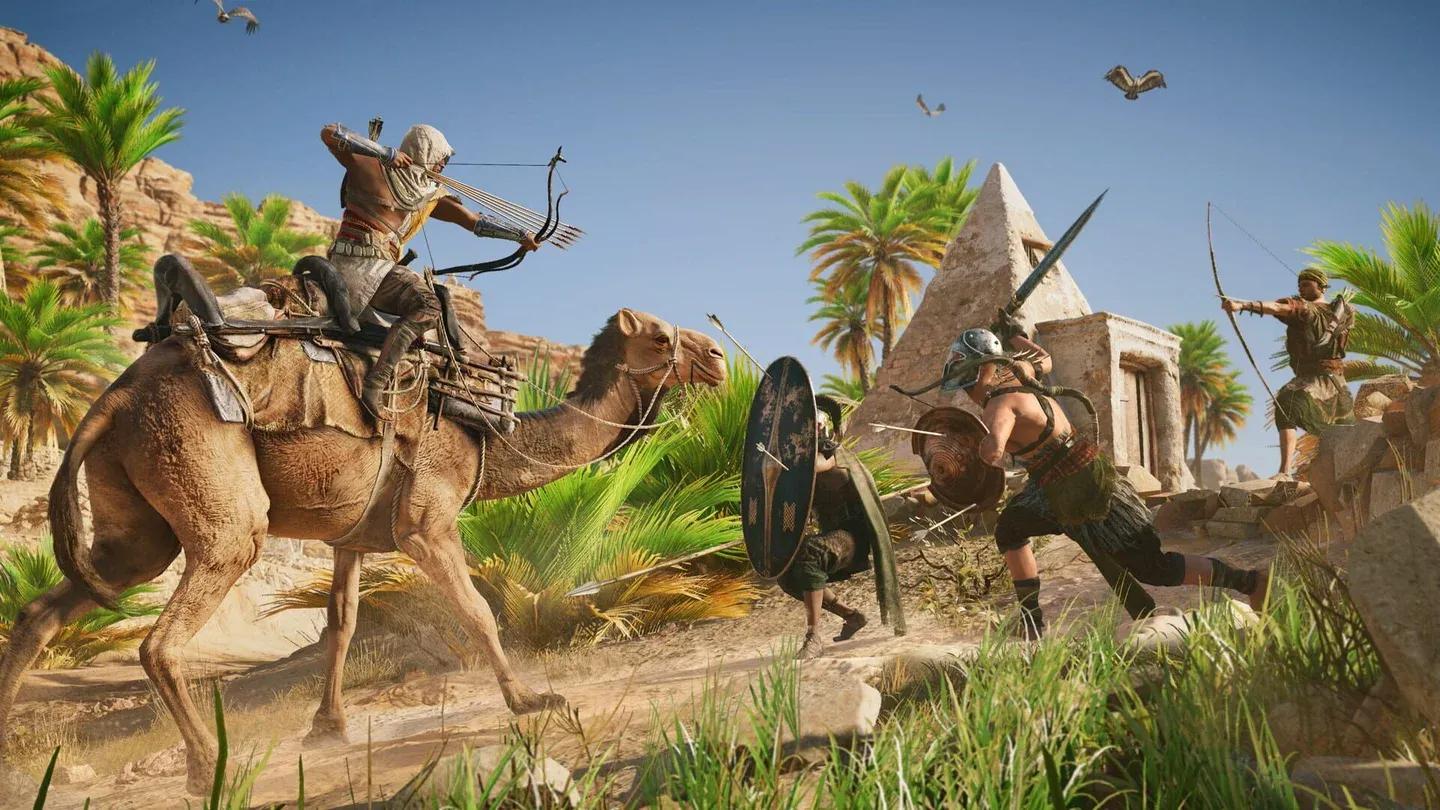
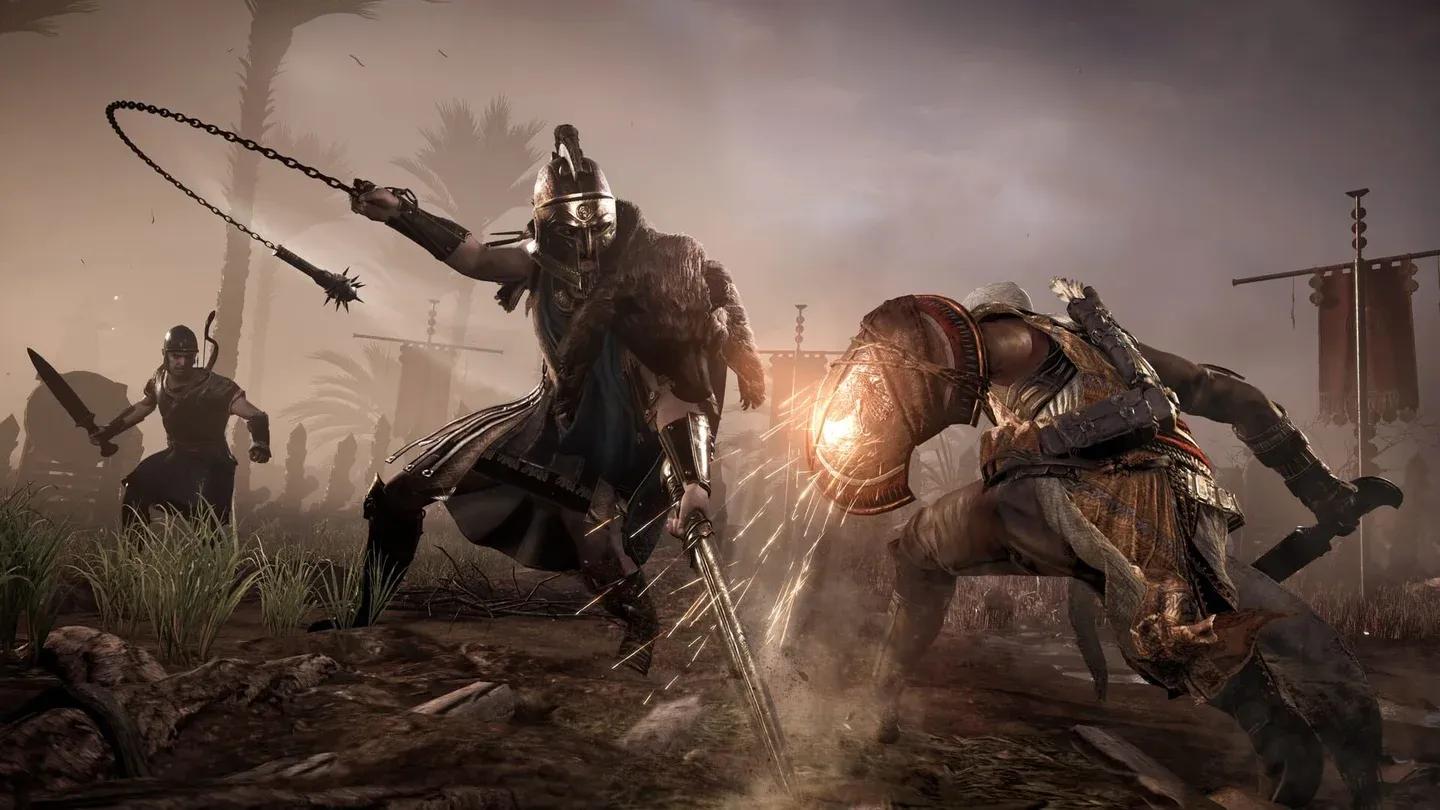
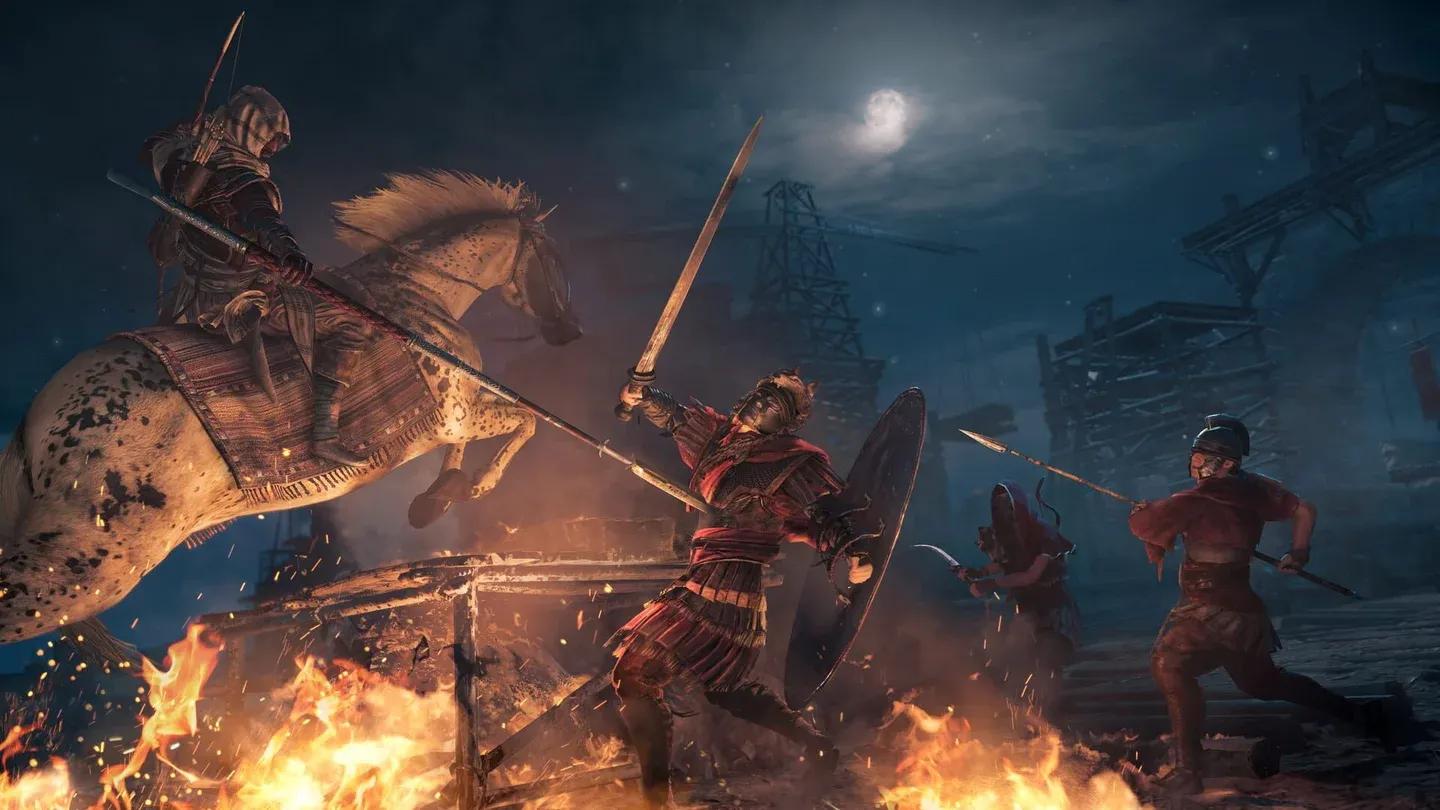
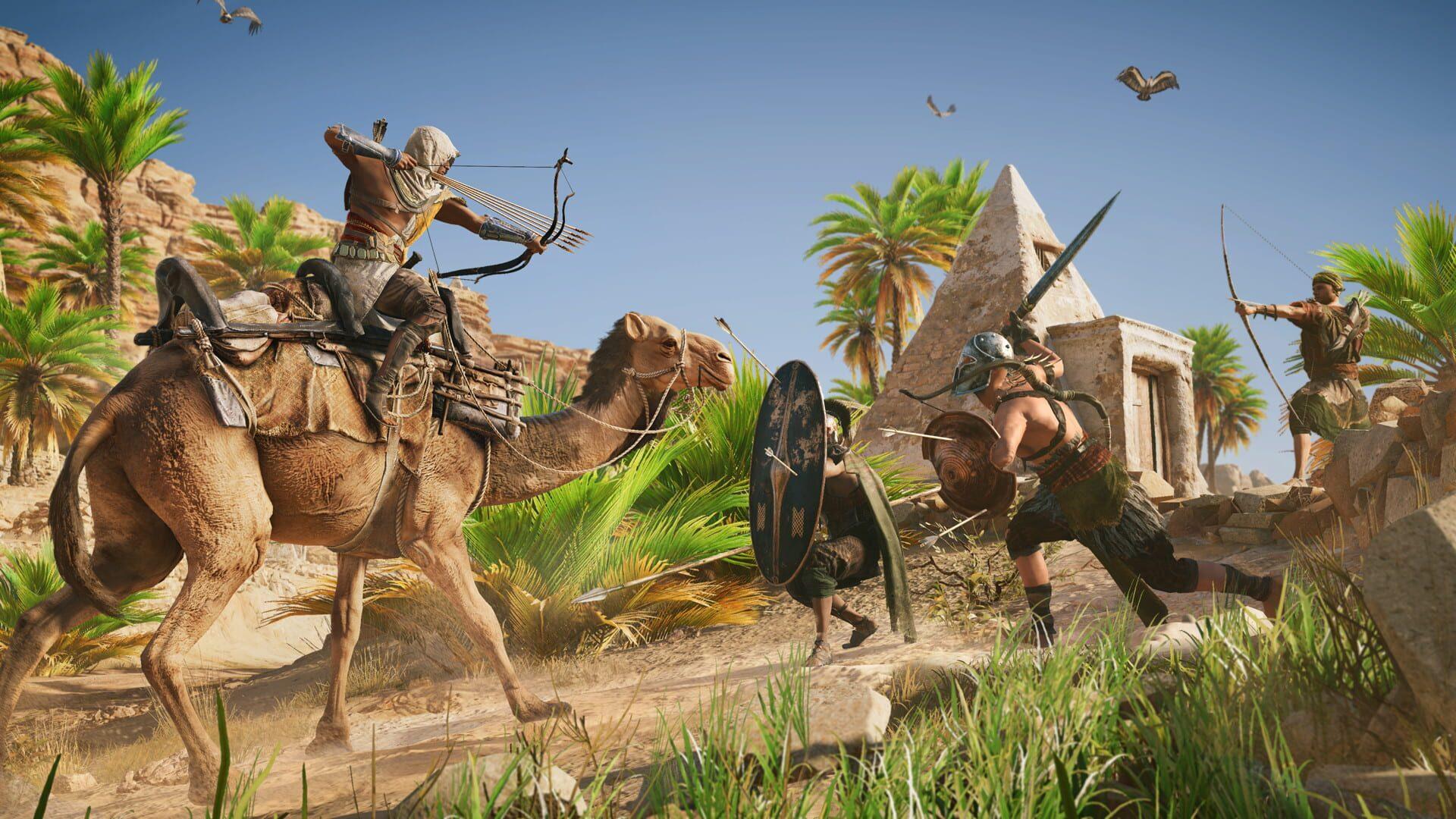
Origins replaces the series' older counter-kill combat system with a hitbox-based model closer to action RPGs like Dark Souls. Attacks have weight, dodges matter, and enemy level scaling means wandering into the wrong region early will get Bayek killed fast. The core mechanics include:
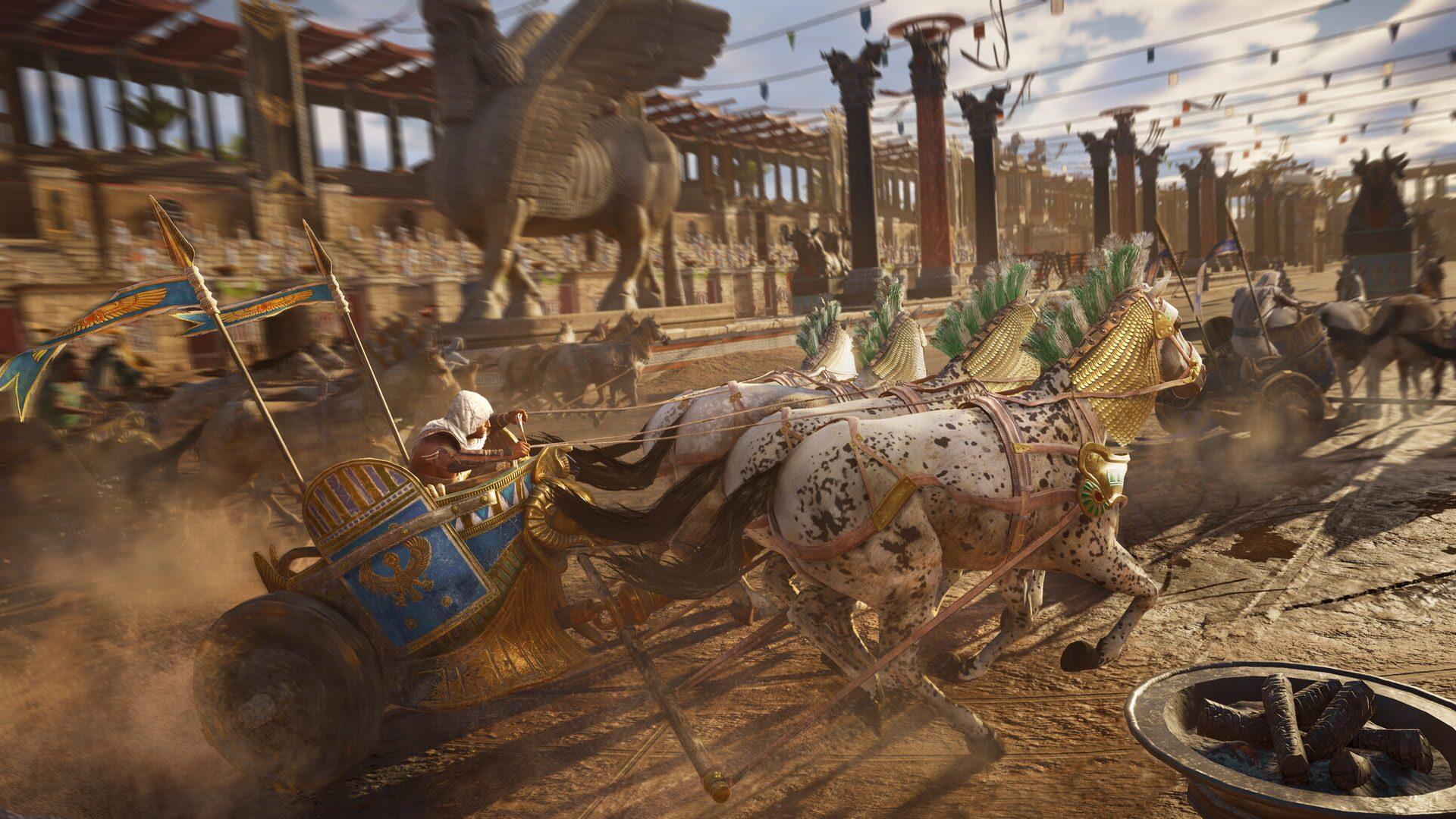
- Melee and ranged combat with gear loadouts
- Stealth takedowns and environmental kills
- Senu, Bayek's eagle companion used for aerial scouting
- A skill tree split across Seer, Warrior, and Hunter paths
- Gear rarity tiers from common through legendary
The eagle scouting mechanic, letting players tag enemies and survey locations before engaging, adds a tactical layer that feels natural rather than tacked on. Side quests are better written than the series average, with several standing out as miniature stories in their own right.
World and setting
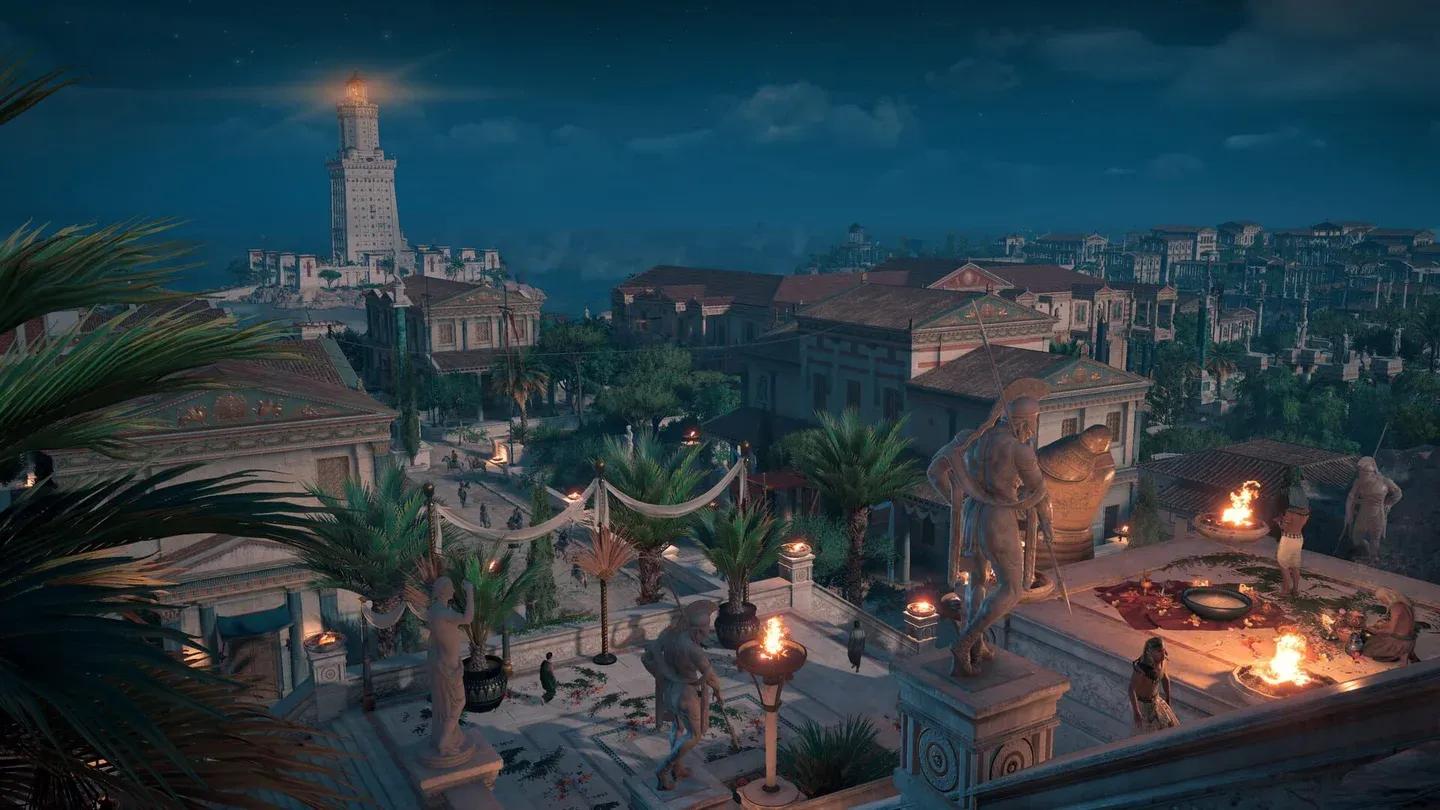
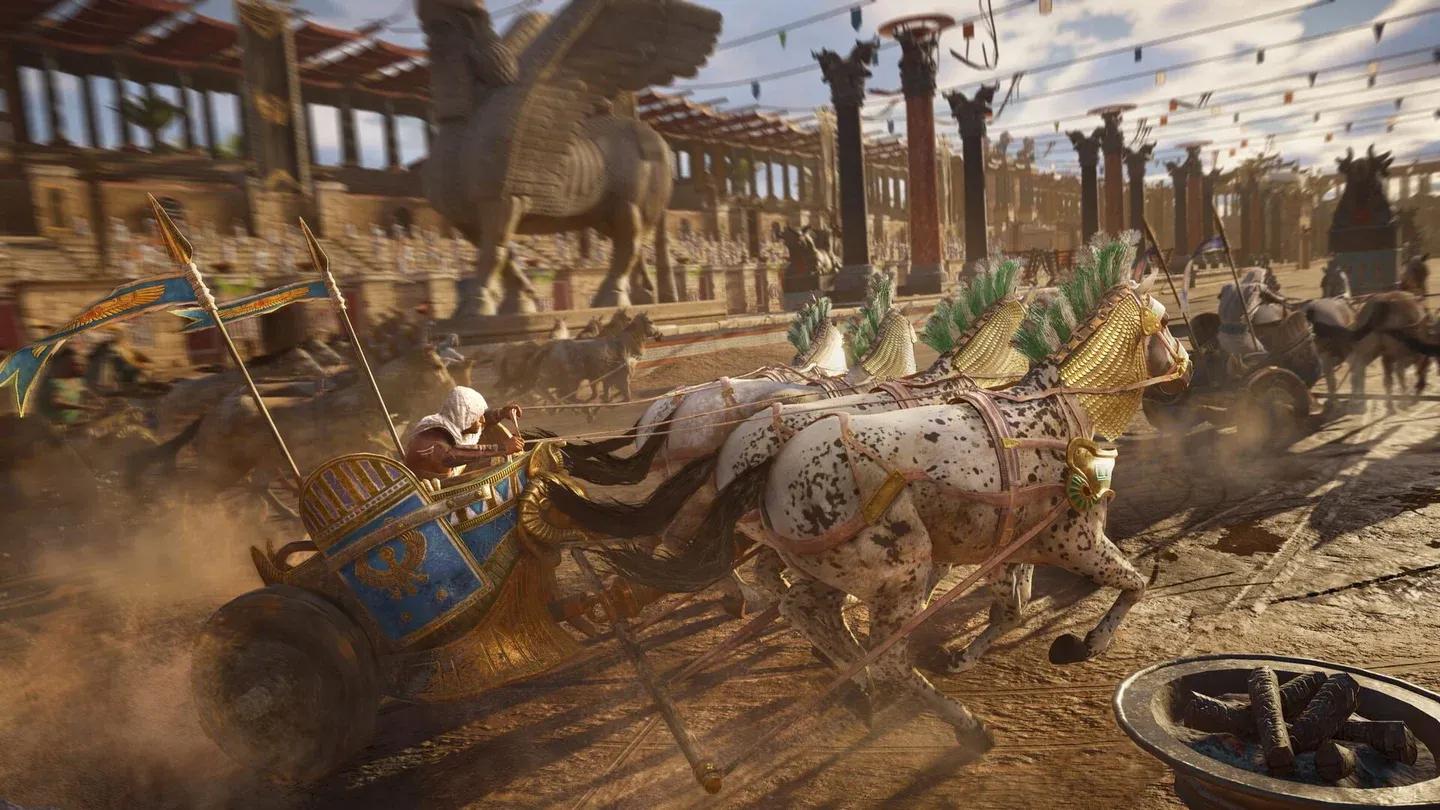
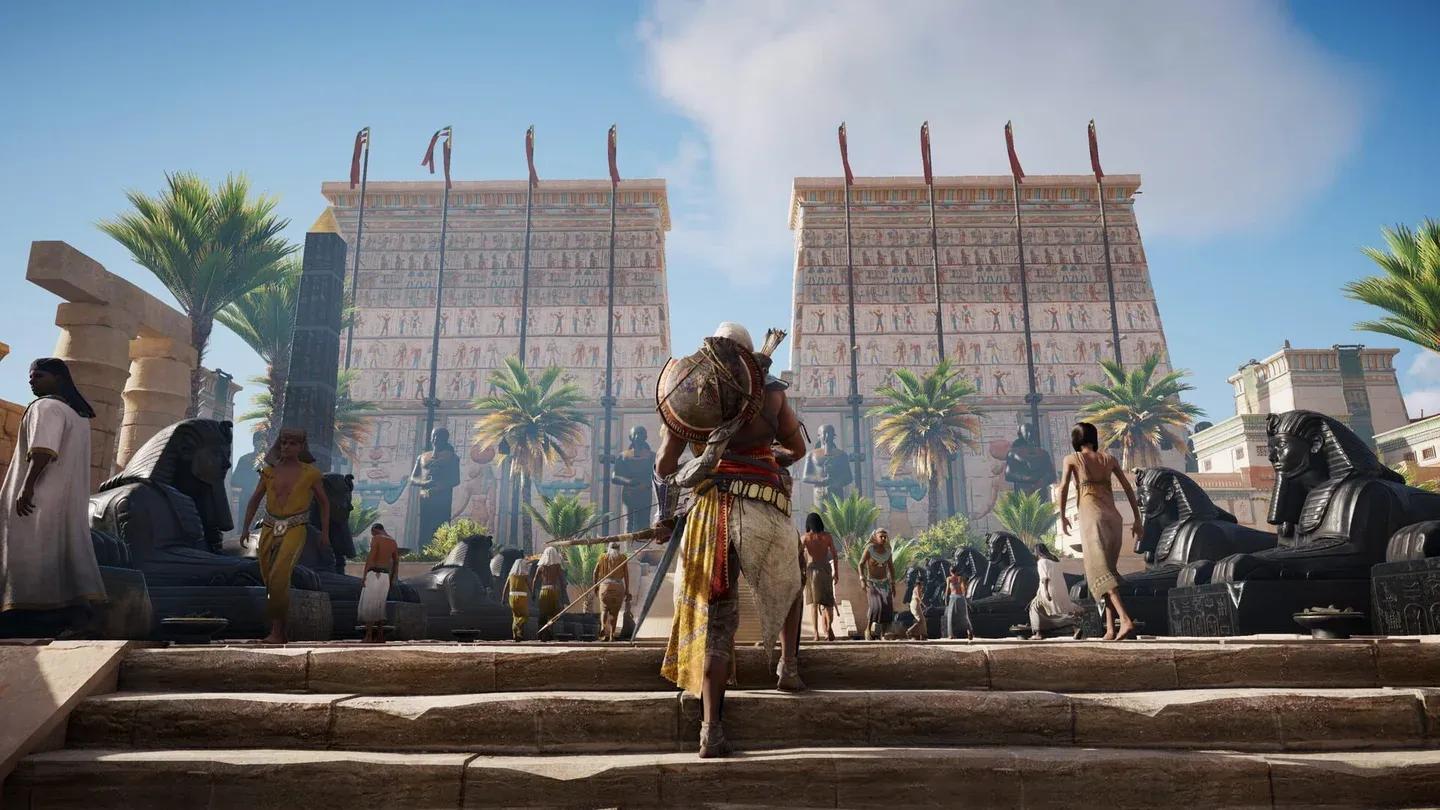
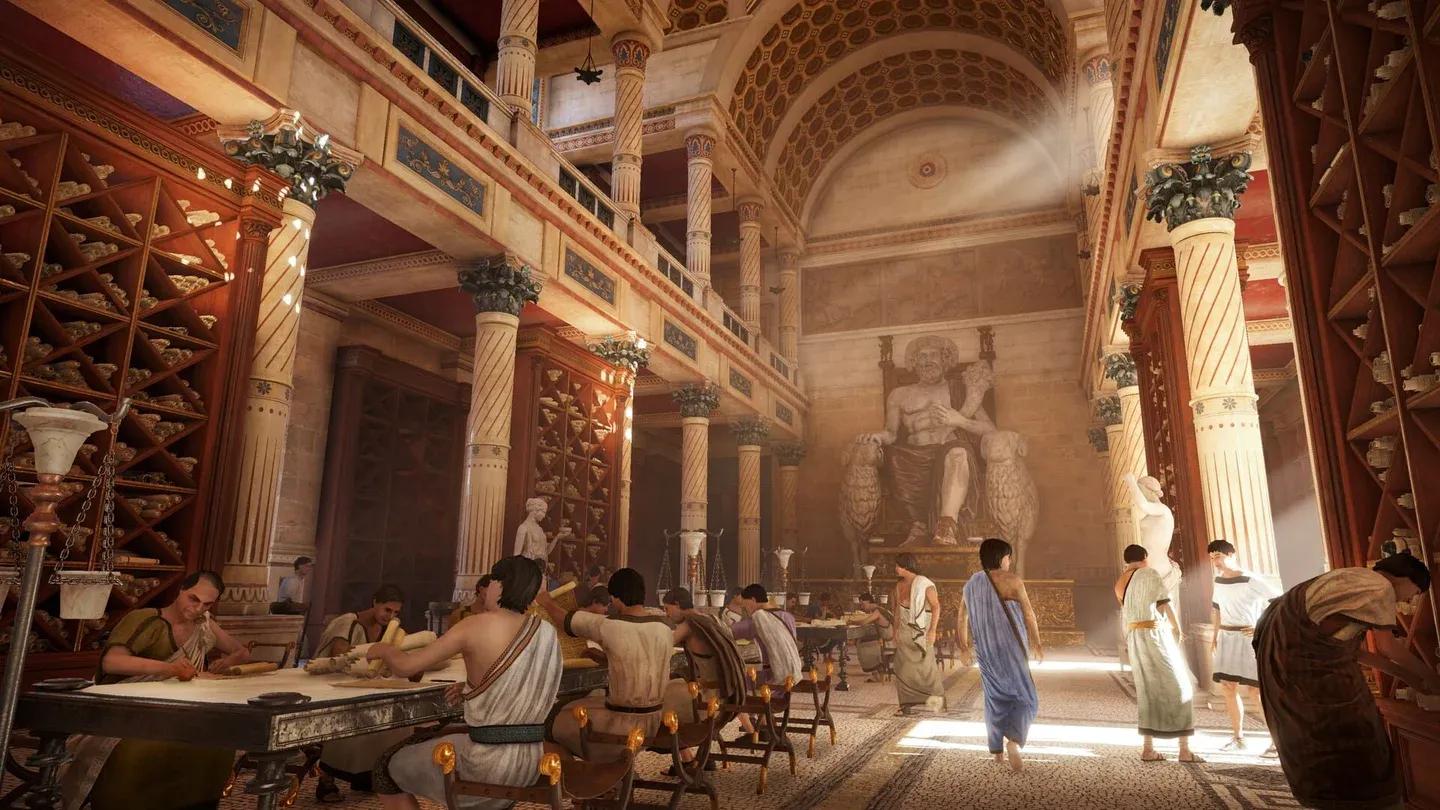
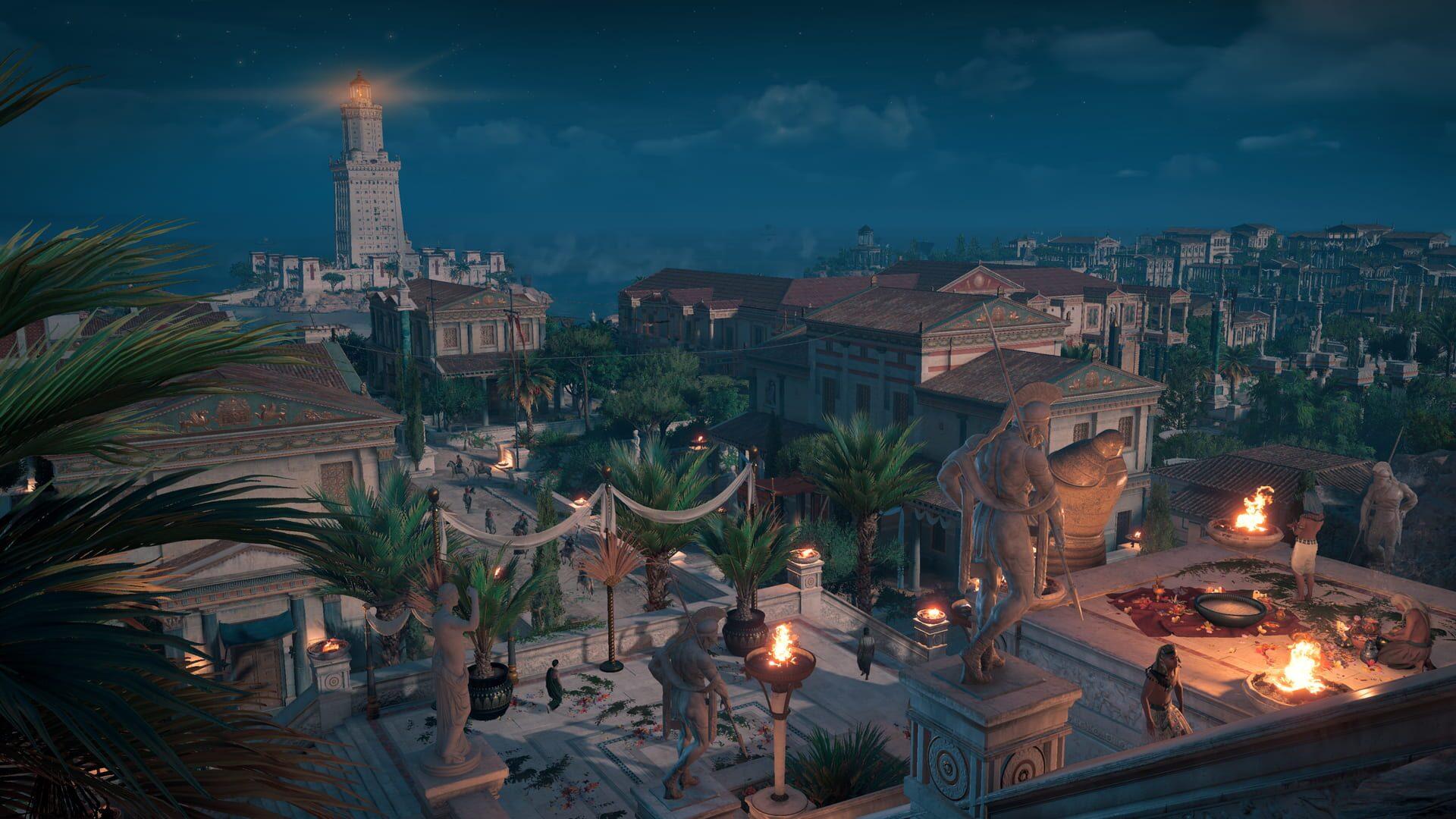
The recreation of ancient Egypt is the game's most immediate strength. Alexandria bustles with merchants and Roman soldiers. The Great Pyramids of Giza sit exactly where they should, scalable and surrounded by tombs worth exploring. The Nile floods seasonally in certain regions, and the transition from fertile river banks to barren desert happens gradually enough that it feels like a real place rather than a theme park.
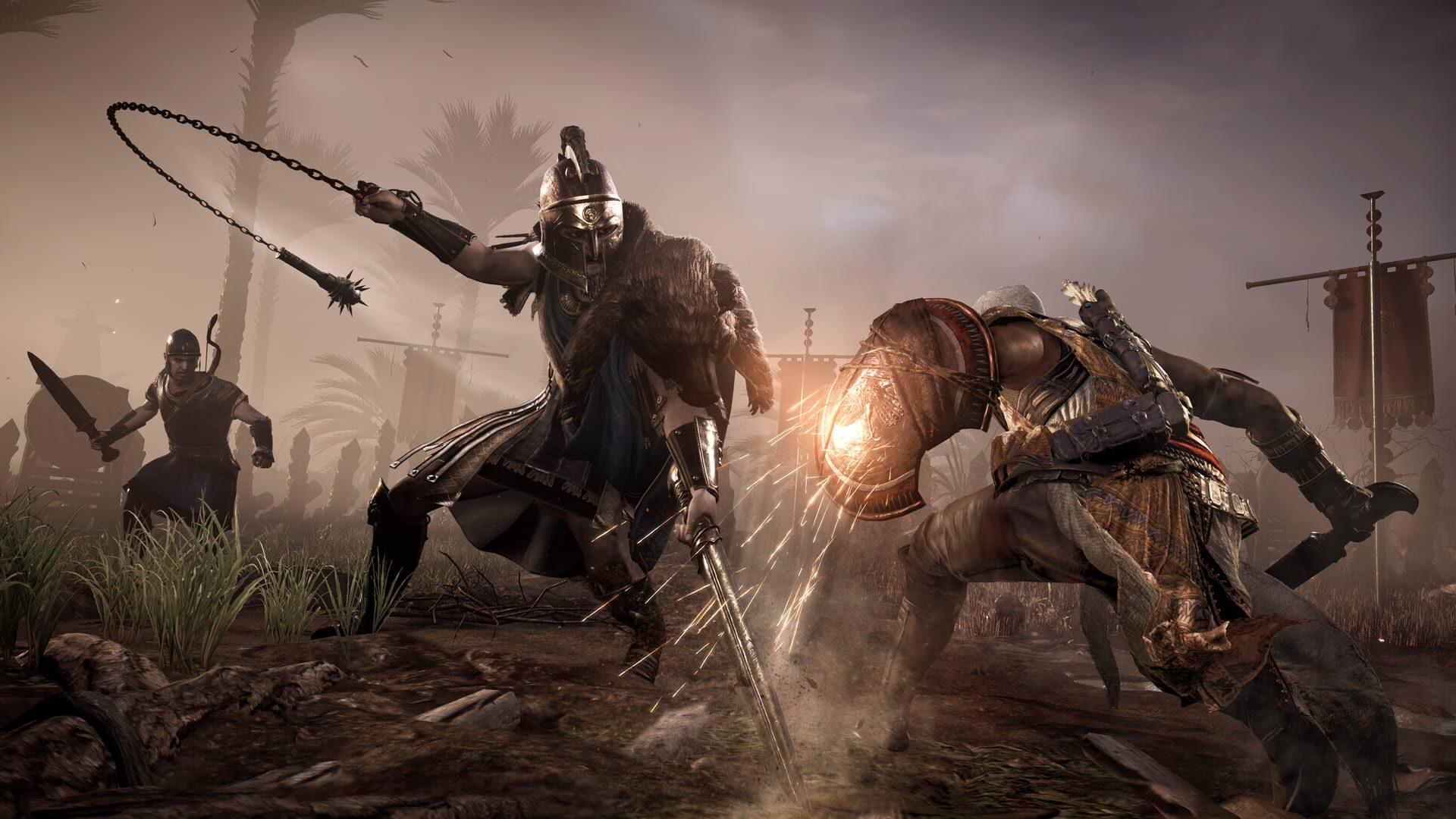
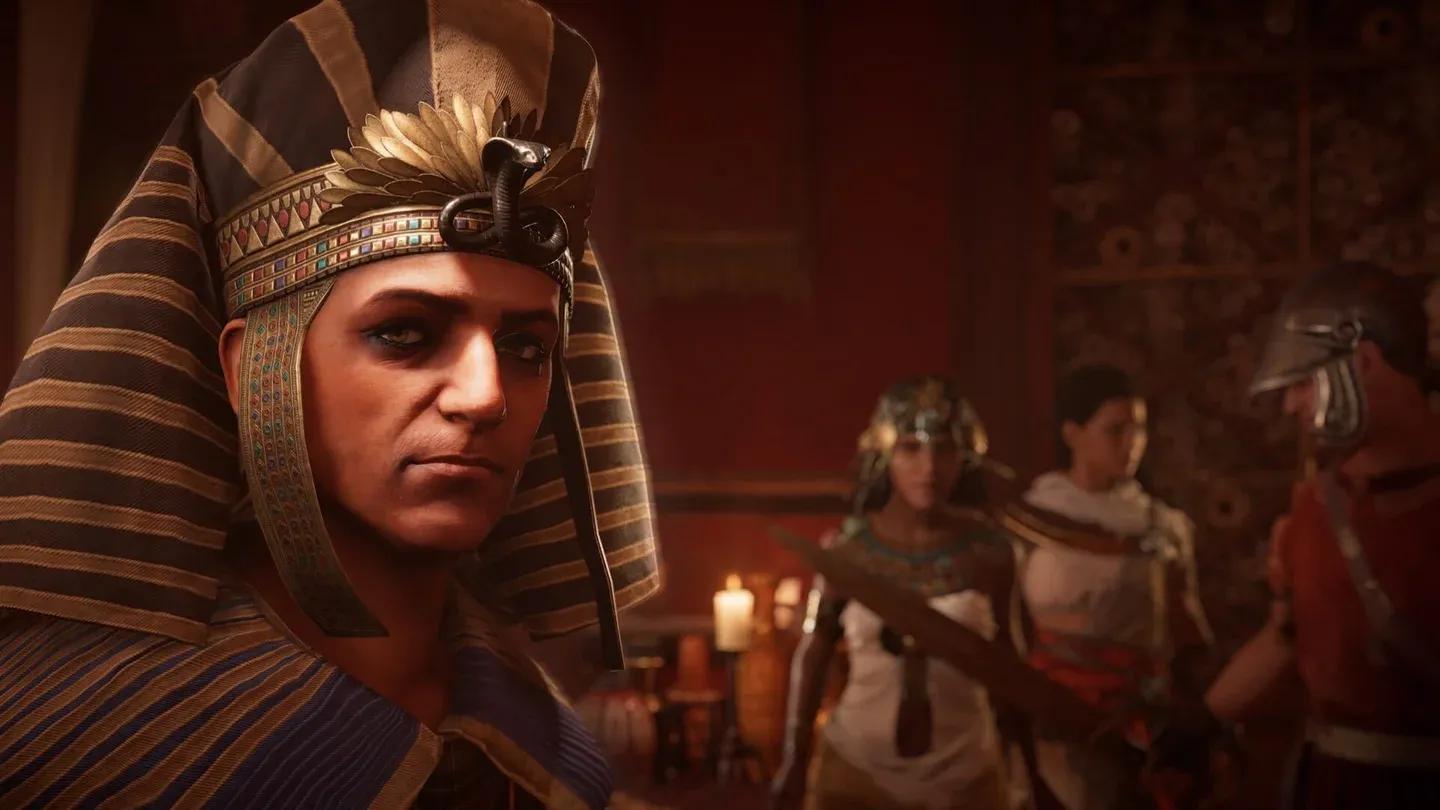
Ubisoft Montreal partnered with historians to build the setting, and the Discovery Tour mode added post-launch strips out combat entirely, turning the game into a guided museum experience across more than 75 tours covering Egyptian history, mythology, and daily life. It's been used in actual classrooms.
Impact and legacy
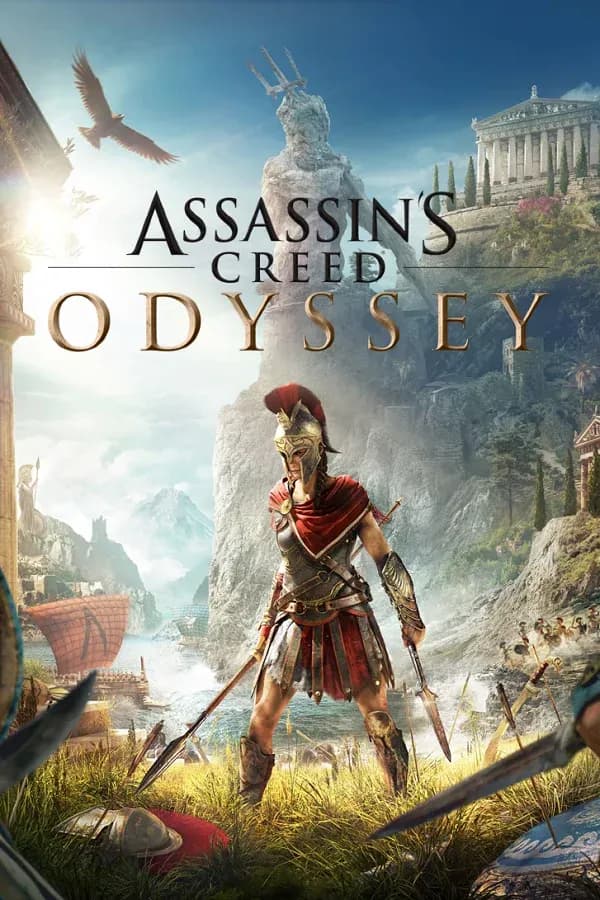
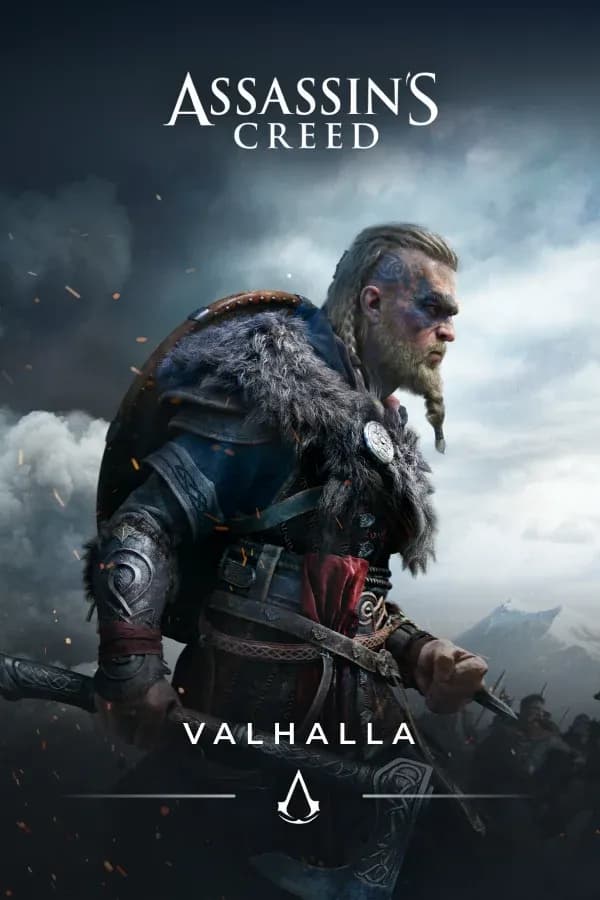
Origins set the template that Assassin's Creed Odyssey and Valhalla would follow, for better or worse depending on who you ask. The shift to a full action RPG structure with leveled loot, voiced protagonist, and a massive open world became the new baseline for the franchise. Critics scored it in the 85-88 range across major platforms, and player reception was notably warmer than several of the games that preceded it.
For players coming to it in 2026, the game holds up well. The RPG systems are less bloated than its successors, the map feels curated rather than padded, and Bayek remains one of the most well-realized protagonists in the series. The two major DLC expansions, The Hidden Ones and The Curse of the Pharaohs, extend the story meaningfully, with the latter sending Bayek into an Egyptian afterlife that leans hard into mythology. Origins is the rare franchise reboot that actually delivers on its premise.