Overview
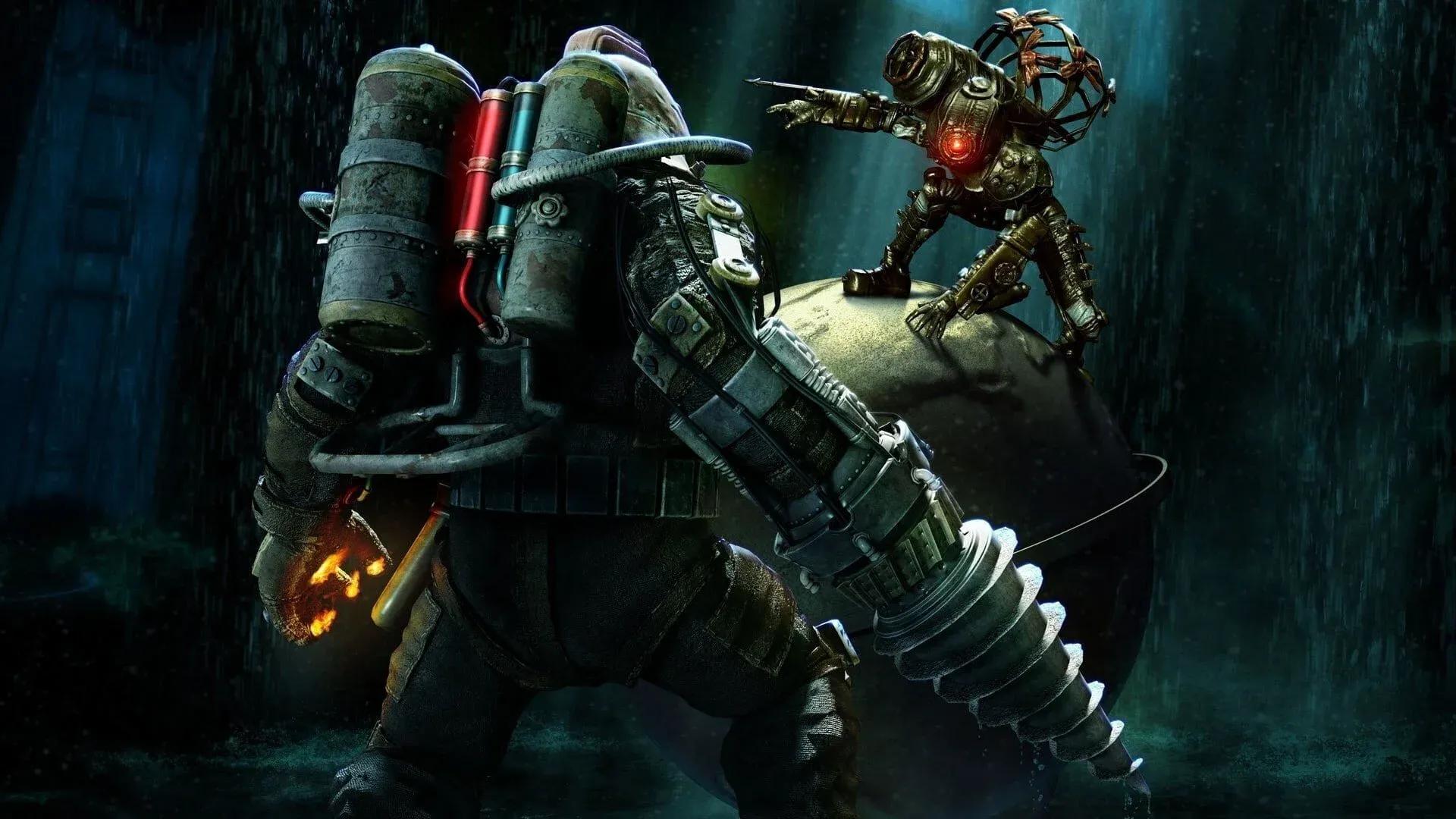
BioShock 2 picks up roughly a decade after the first game's events, with Rapture in even worse shape than players left it. Subject Delta, a prototype Big Daddy, wakes up with no memory and one objective: find Eleanor Lamb, the Little Sister he was once bonded to. Standing between Delta and Eleanor is Sofia Lamb, a collectivist ideologue who has filled the power vacuum left by Andrew Ryan, and she has reshaped Rapture's remaining population around her own brand of fanaticism.
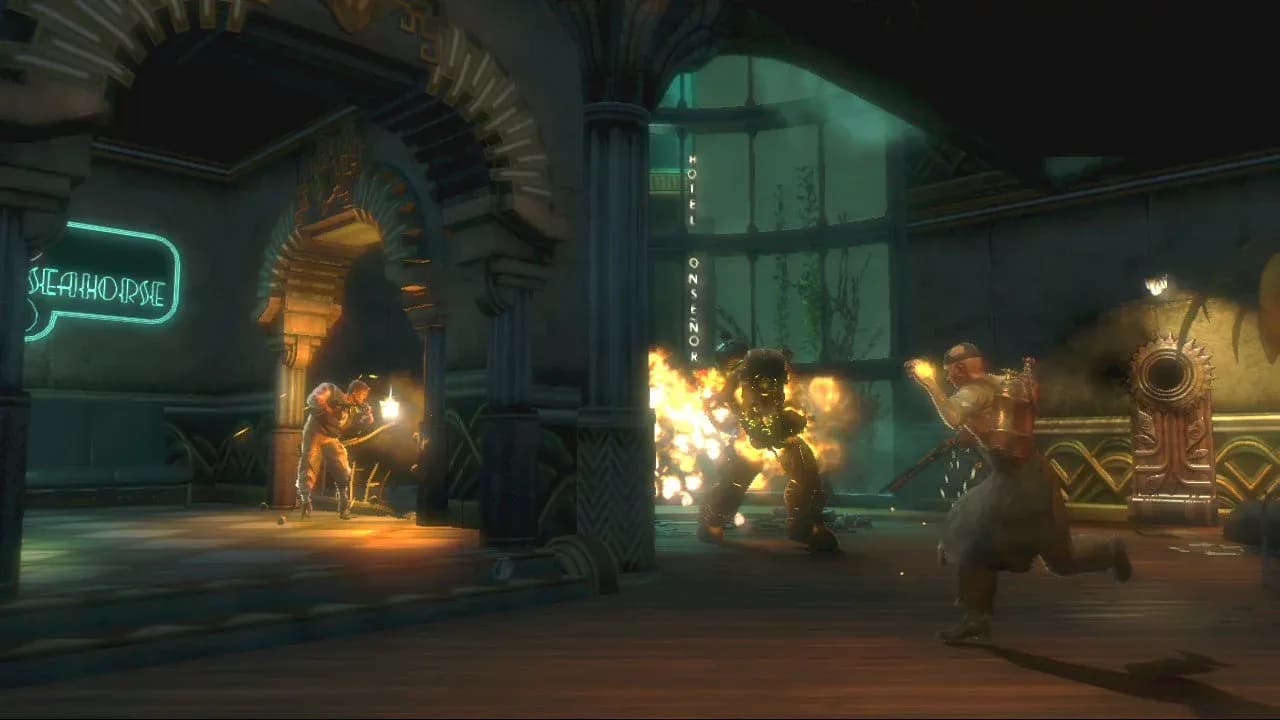
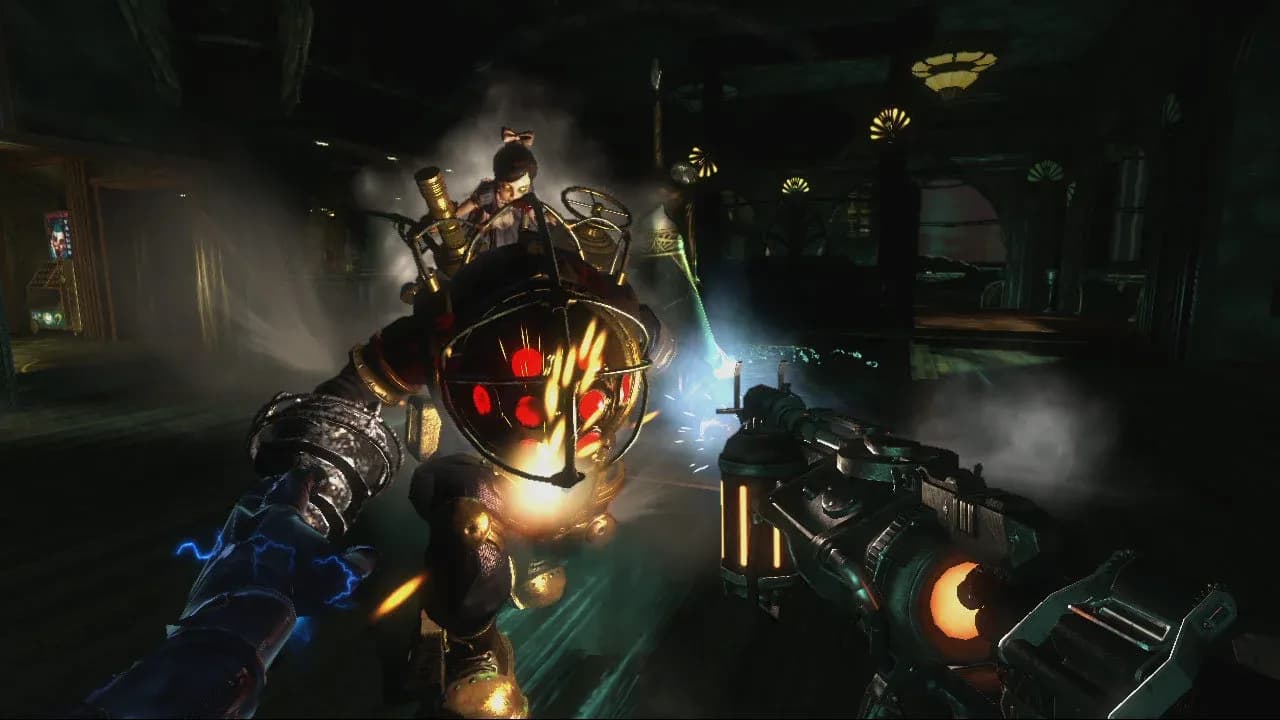
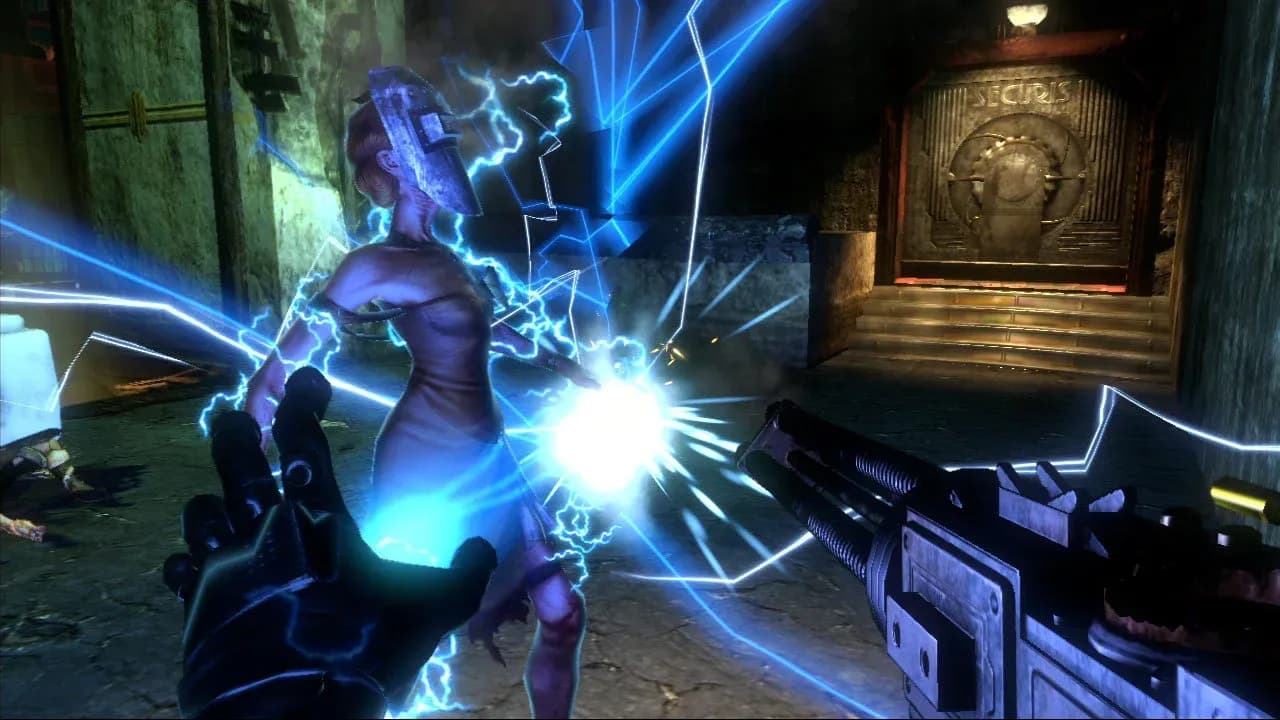
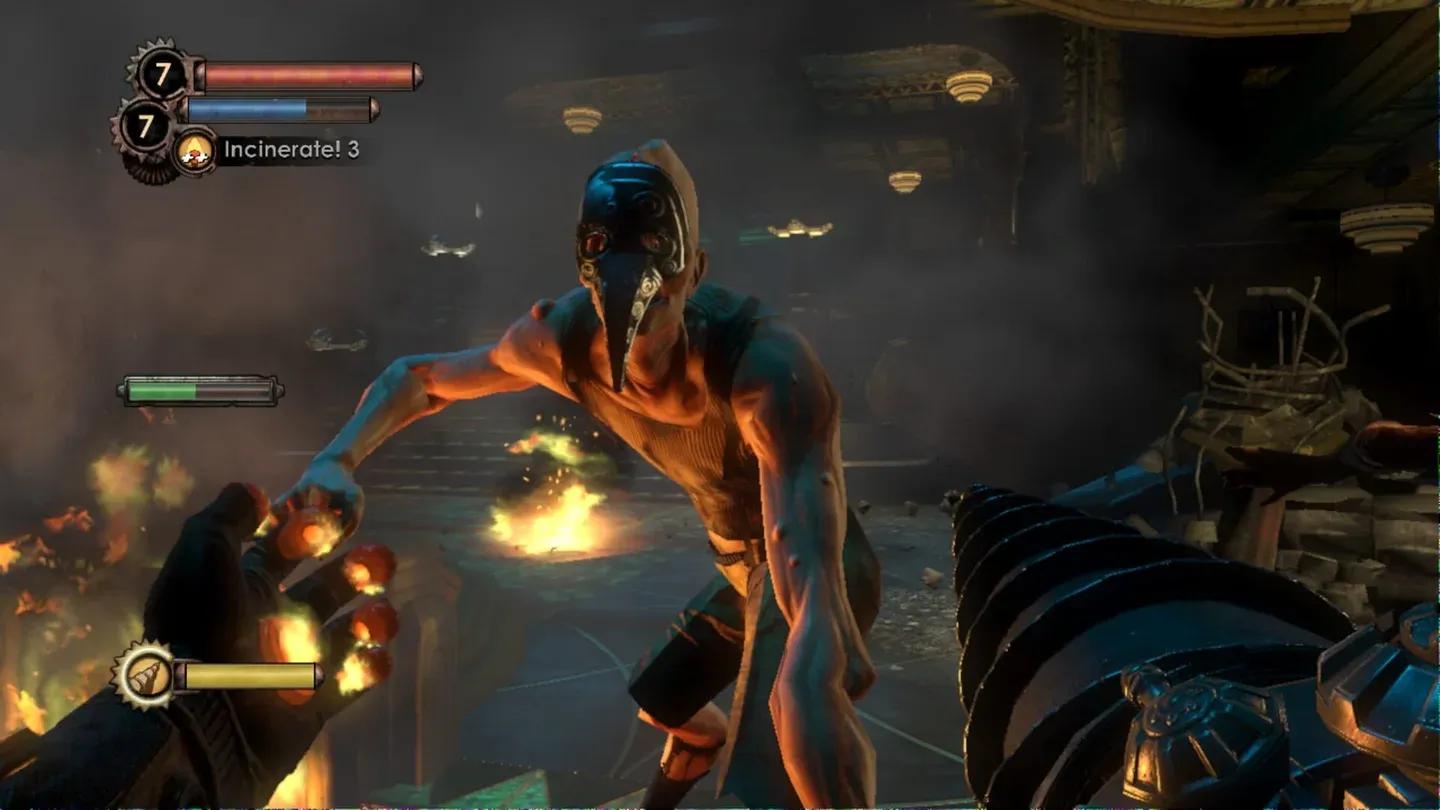
The shift from playing a relatively ordinary human to controlling a Big Daddy is more than a cosmetic change. Delta hits harder, moves with a lumbering authority, and can now dual-wield a weapon and a Plasmid simultaneously, which opens up combat combinations that weren't possible in the original. Freeze an enemy with Winter Blast while unloading a rivet gun, or light a group on fire before switching to a melee weapon. The system rewards experimentation without forcing it.
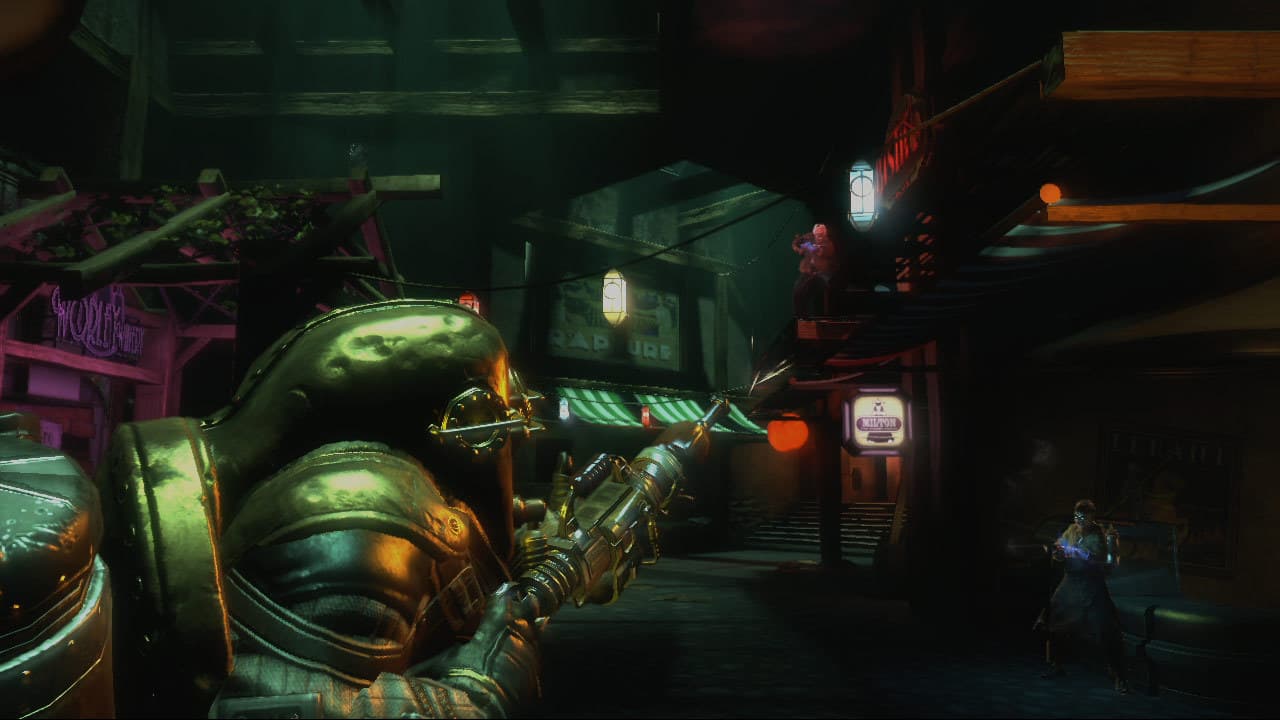
The Big Sister enemies introduced here are some of the most aggressive and unsettling opponents in the series. Fast, unpredictable, and screaming as they close the distance, they show up when Delta spends too long in one area and consistently force a shift in tactics.
Gameplay and mechanics: what does playing as a Big Daddy actually change?
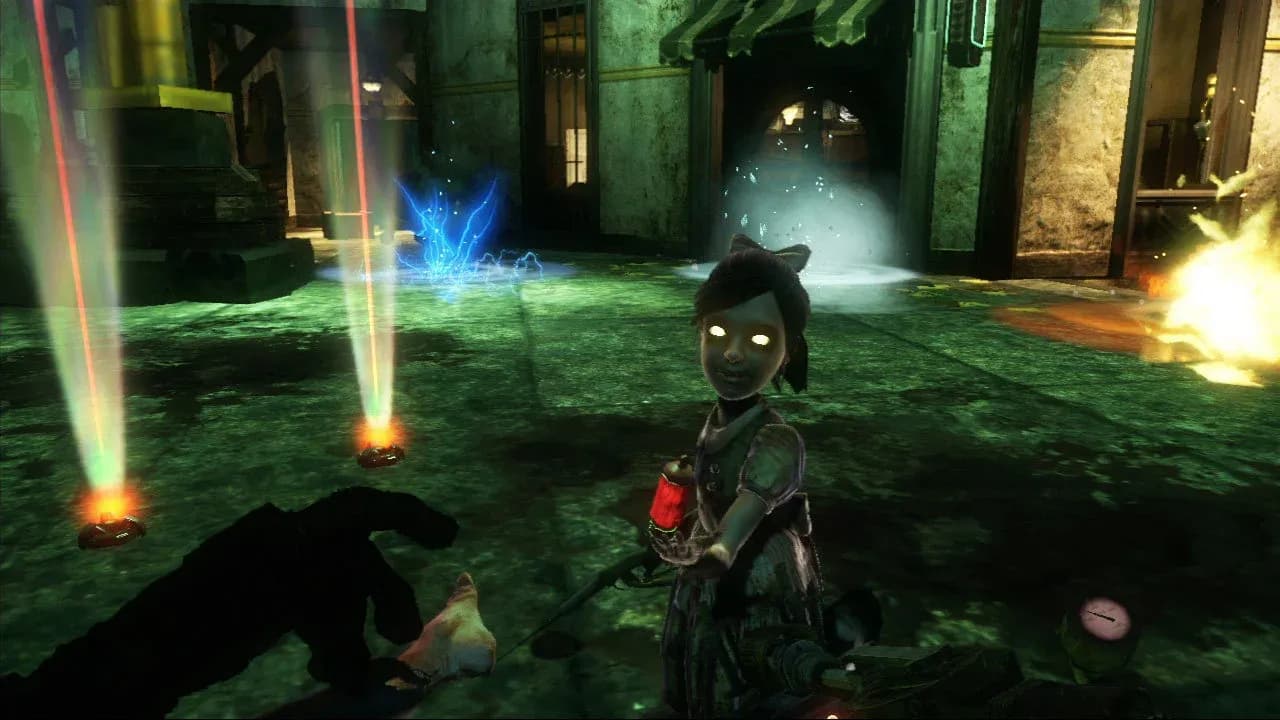
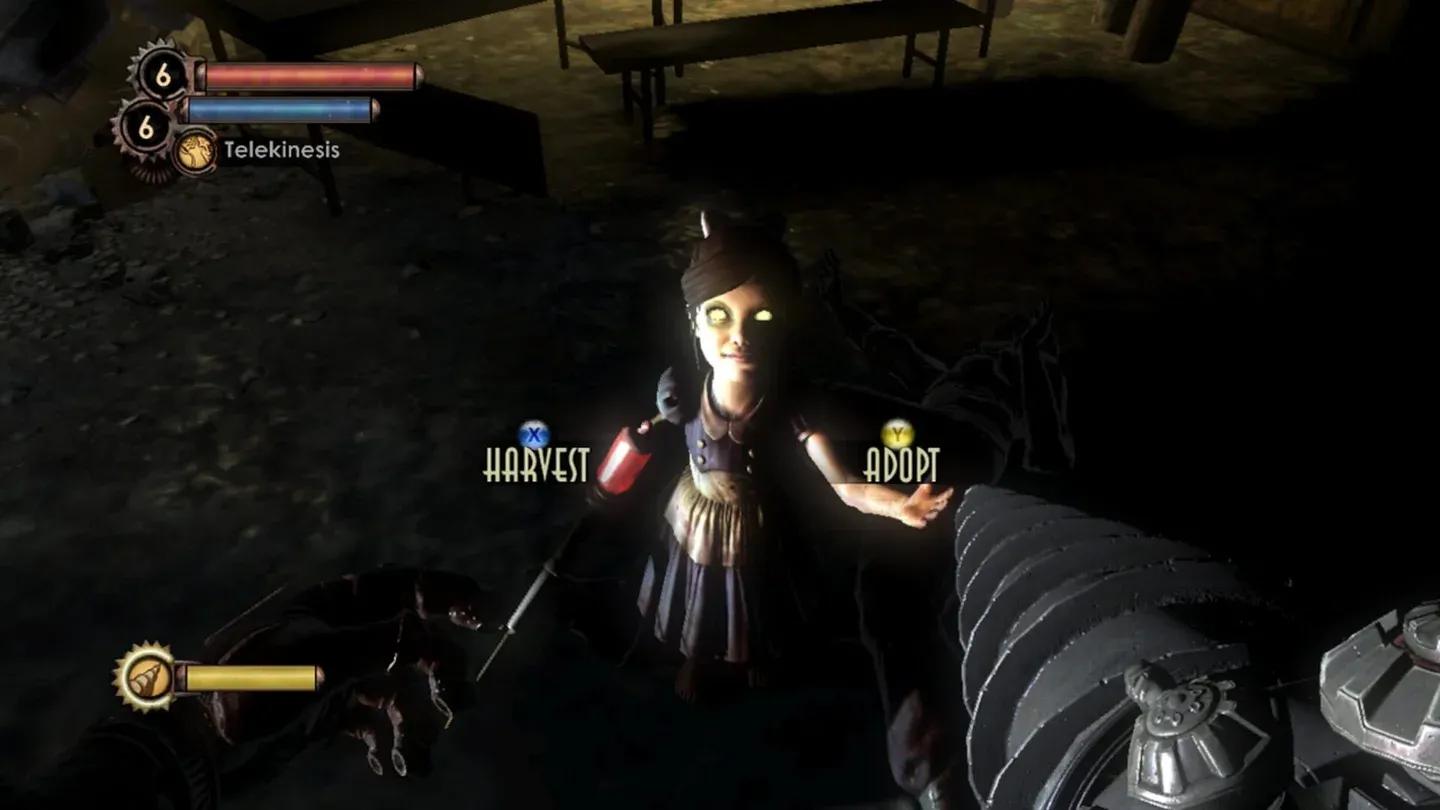
Playing as Subject Delta changes the relationship with Little Sisters fundamentally. Rather than being their threat, Delta becomes their protector. The core loop of gathering ADAM by escorting Little Sisters to corpses while waves of Splicers attack is tense and satisfying, and the choice to rescue or harvest each sister still carries moral weight.
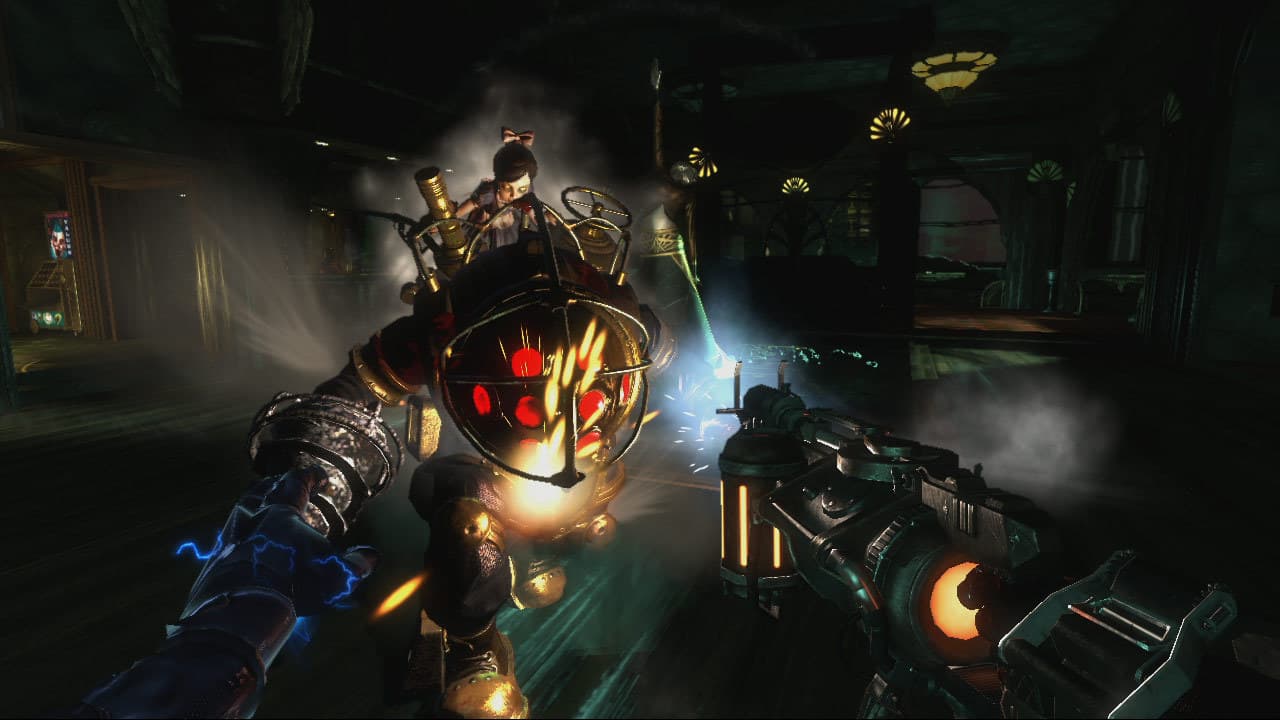
Key mechanics in BioShock 2:
- Dual-wield weapons and Plasmids simultaneously
- Escort Little Sisters to gather ADAM under pressure
- Research enemies by photographing them mid-combat
- Upgrade weapons at Power to the People stations
- Hack turrets, security cameras, and vending machines
The Gene Tonic and Plasmid upgrade trees return with new additions, and the weapon selection skews toward heavier, more industrial tools that fit Delta's physicality. The research camera mechanic from the first game returns, rewarding players who photograph enemies mid-fight with passive bonuses.
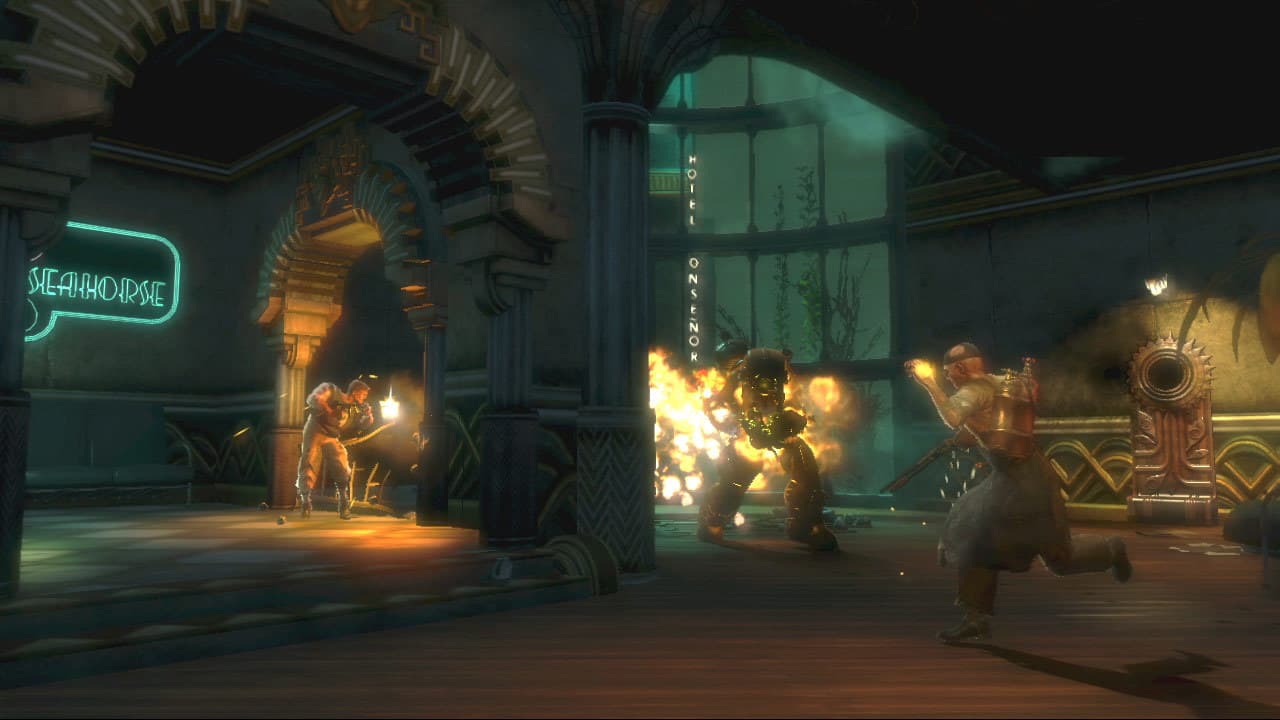
World and setting: Rapture ten years later
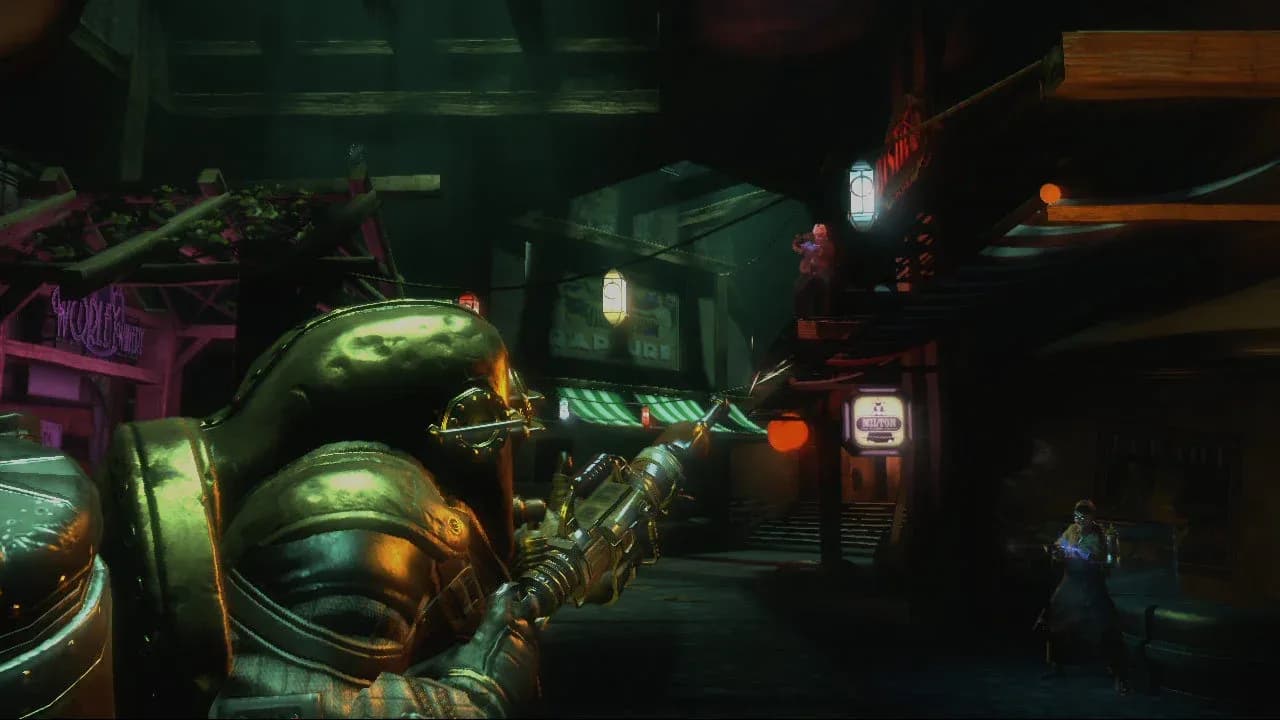
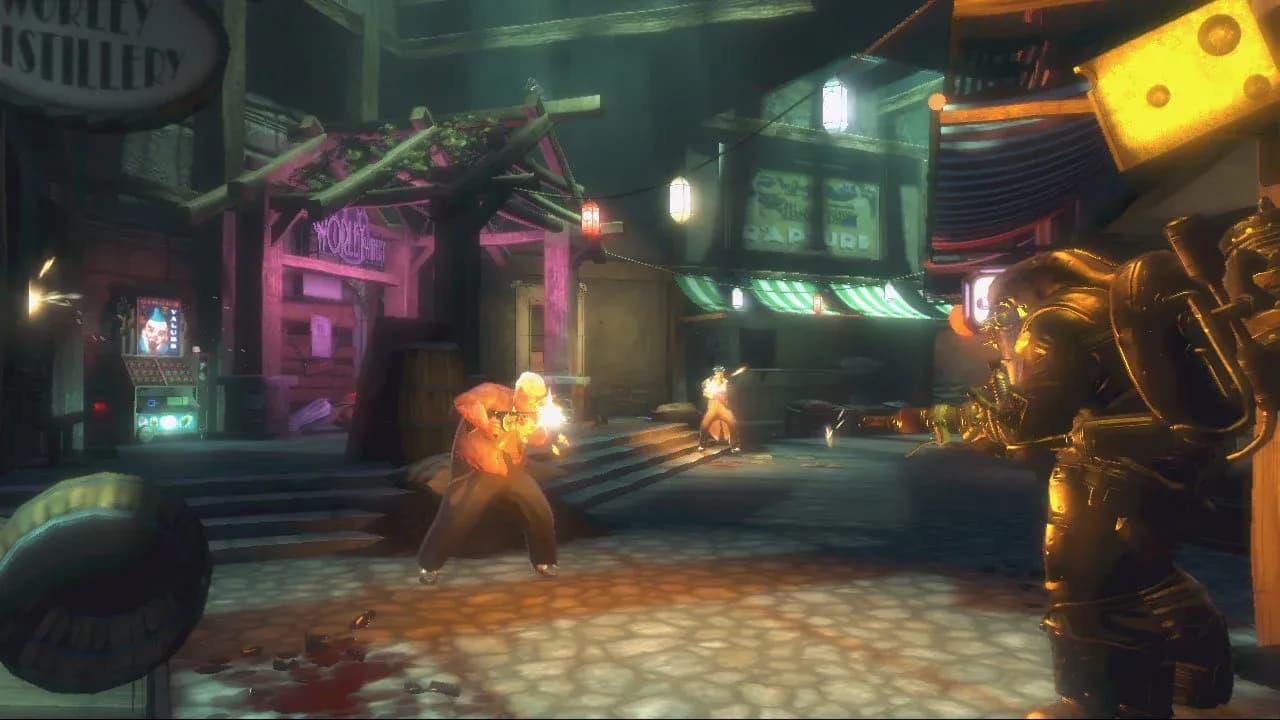
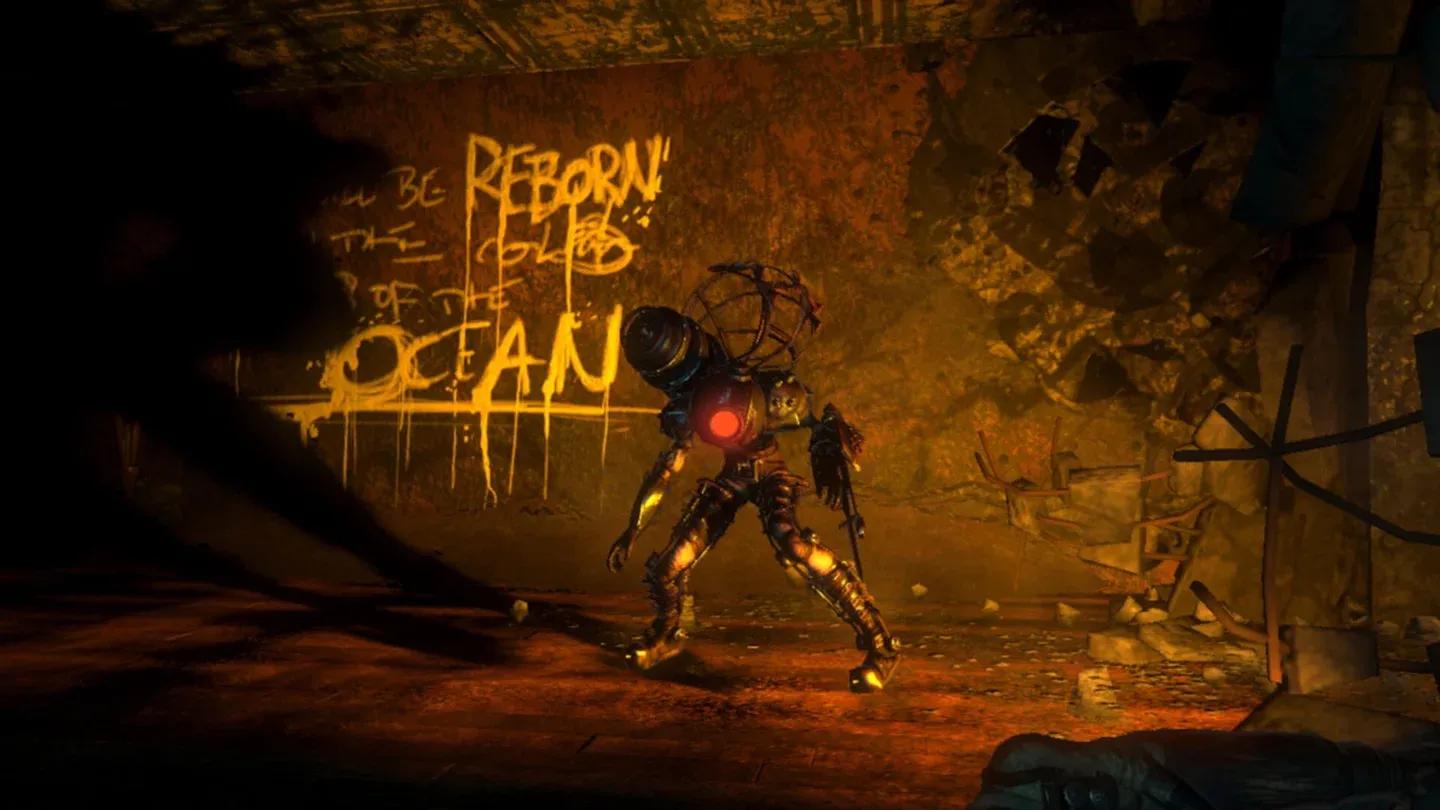
Rapture has deteriorated further, and 2K Marin leans into that decay without abandoning the art deco aesthetic that made the original so distinctive. New areas like Siren Alley and Dionysus Park feel like extensions of the world rather than retreats, each with their own atmosphere and audio logs that fill in what happened while players were away.
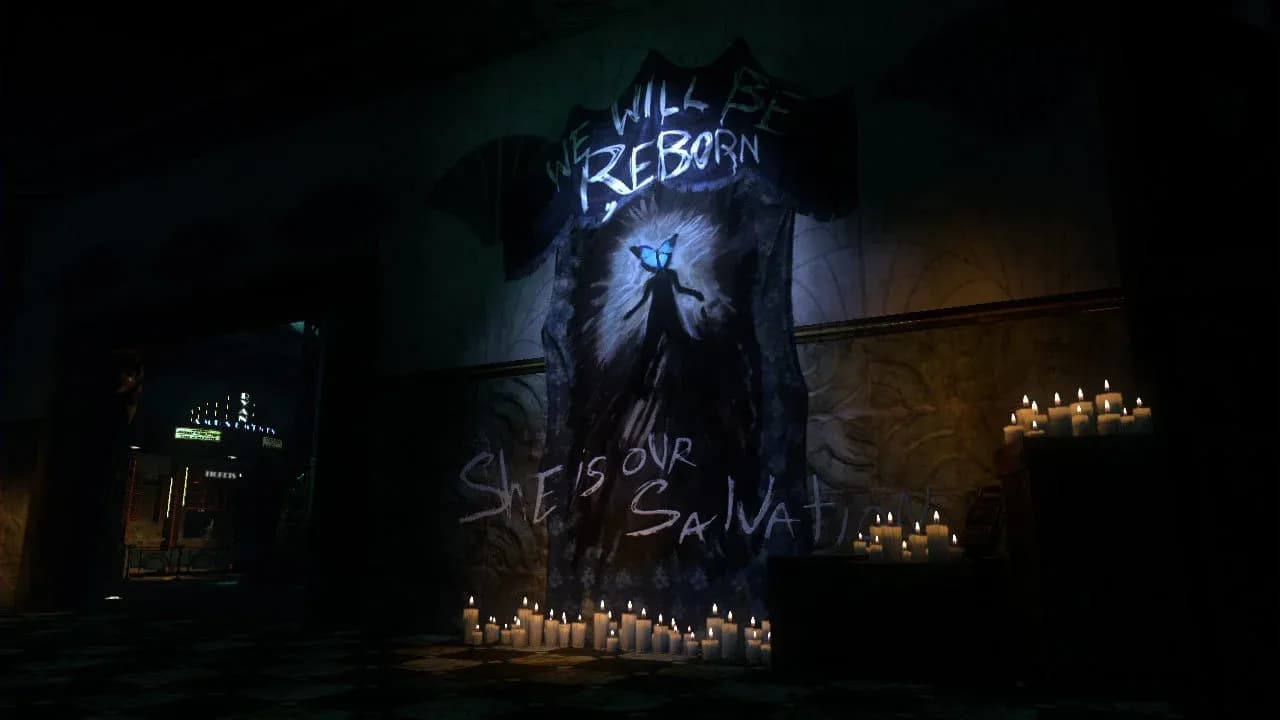
Sofia Lamb works as an antagonist precisely because her philosophy is the ideological inverse of Ryan's. Where Ryan worshipped the individual, Lamb erases it. That tension gives the story a coherent through-line, and Eleanor's development across the game pays off in an ending that branches based on the moral choices made throughout.
Multiplayer and content
The multiplayer component, developed with Digital Extremes, takes place during Rapture's civil war, before the city collapsed entirely. Players take on the role of Sinclair Solutions test subjects, earning XP to unlock new Plasmids, Tonics, and weapons across modes set in locations like Kashmir Restaurant and Mercury Suites. Seeing these spaces intact, before the rot set in, adds genuine context to the world.
The included DLC expands the package considerably. The Protector Trials are standalone combat challenges where the goal is keeping a Little Sister alive long enough to harvest ADAM from corpses, with three preset loadouts per trial and a fourth unlocked on completion. The Rapture Metro Map Pack adds 6 multiplayer maps, and the Sinclair Solutions Tester Pack raises the rank cap to 50 with additional trials and playable characters.
System Requirements
| Requirement | Minimum | Recommended |
|---|---|---|
| Processor | AMD Athlon 64 Processor 3800+ 2.4Ghz or better, Intel Pentium 4 530 3.0Ghz Processor or better | AMD Athlon 64 X2 5200+ Dual Core 2.60Ghz, Intel Core 2 Duo E6420 Dual Core 2.13Ghz |
| Memory | 2GB | 3GB |
| Graphics | NVIDIA 7800GT 256MB graphics card or better, ATI Radeon X1900 256MB graphics card or better | NVIDIA 8800GT 512MB graphics card or better, ATI Radeon HD4830 512MB graphics card or better |