Overview
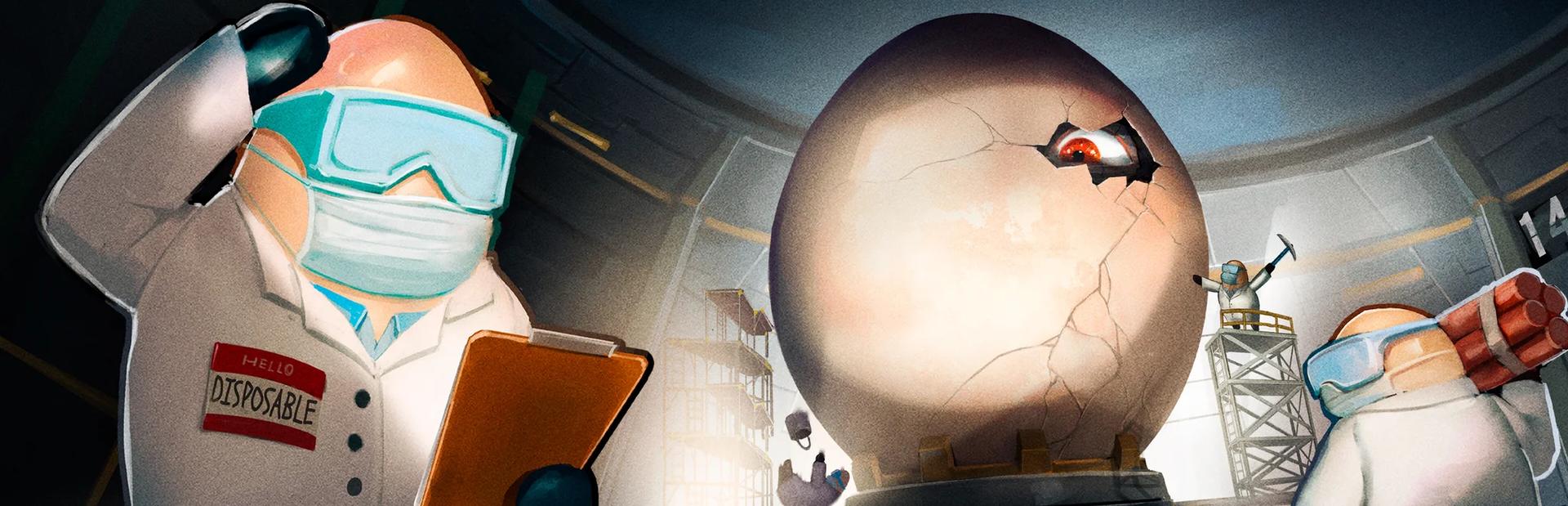
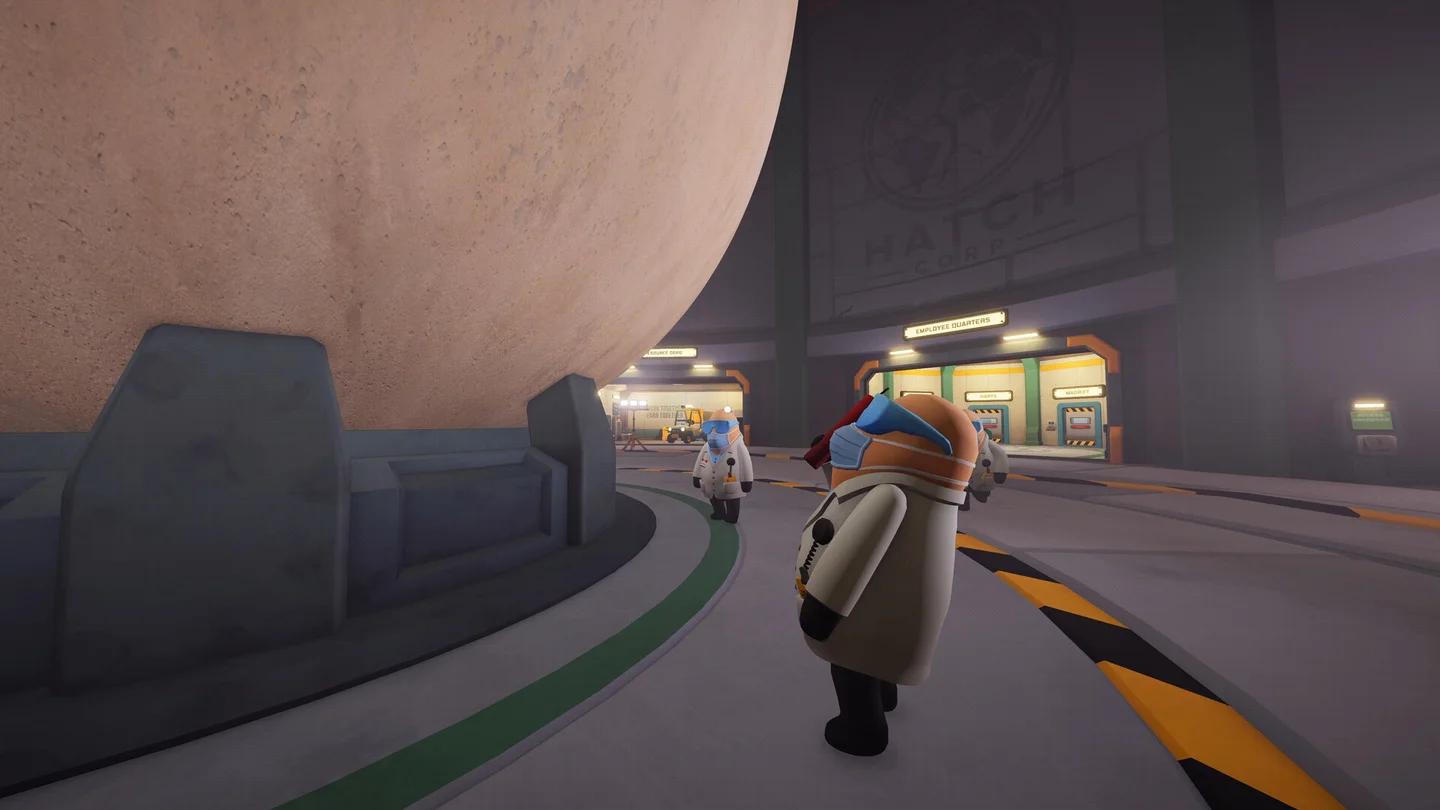
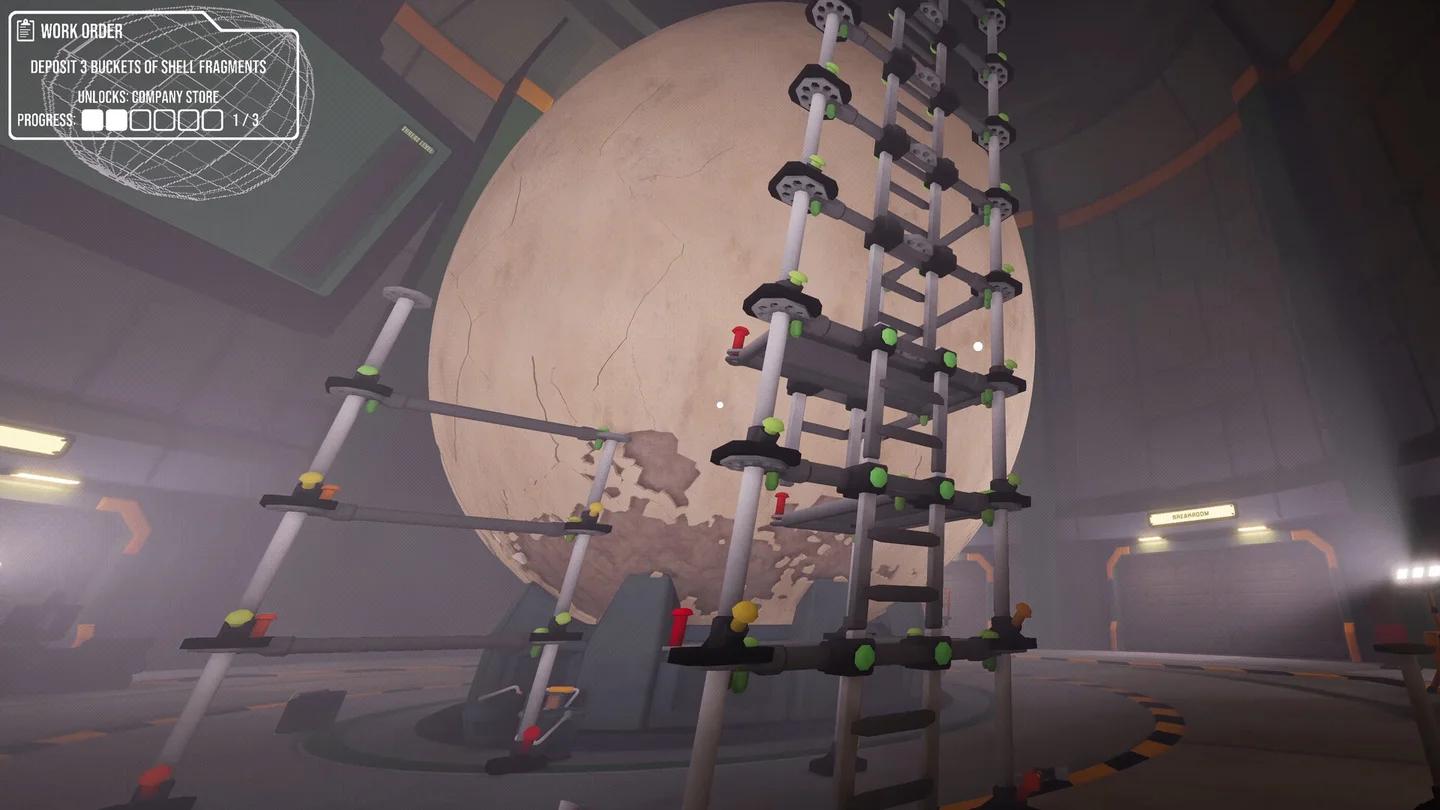
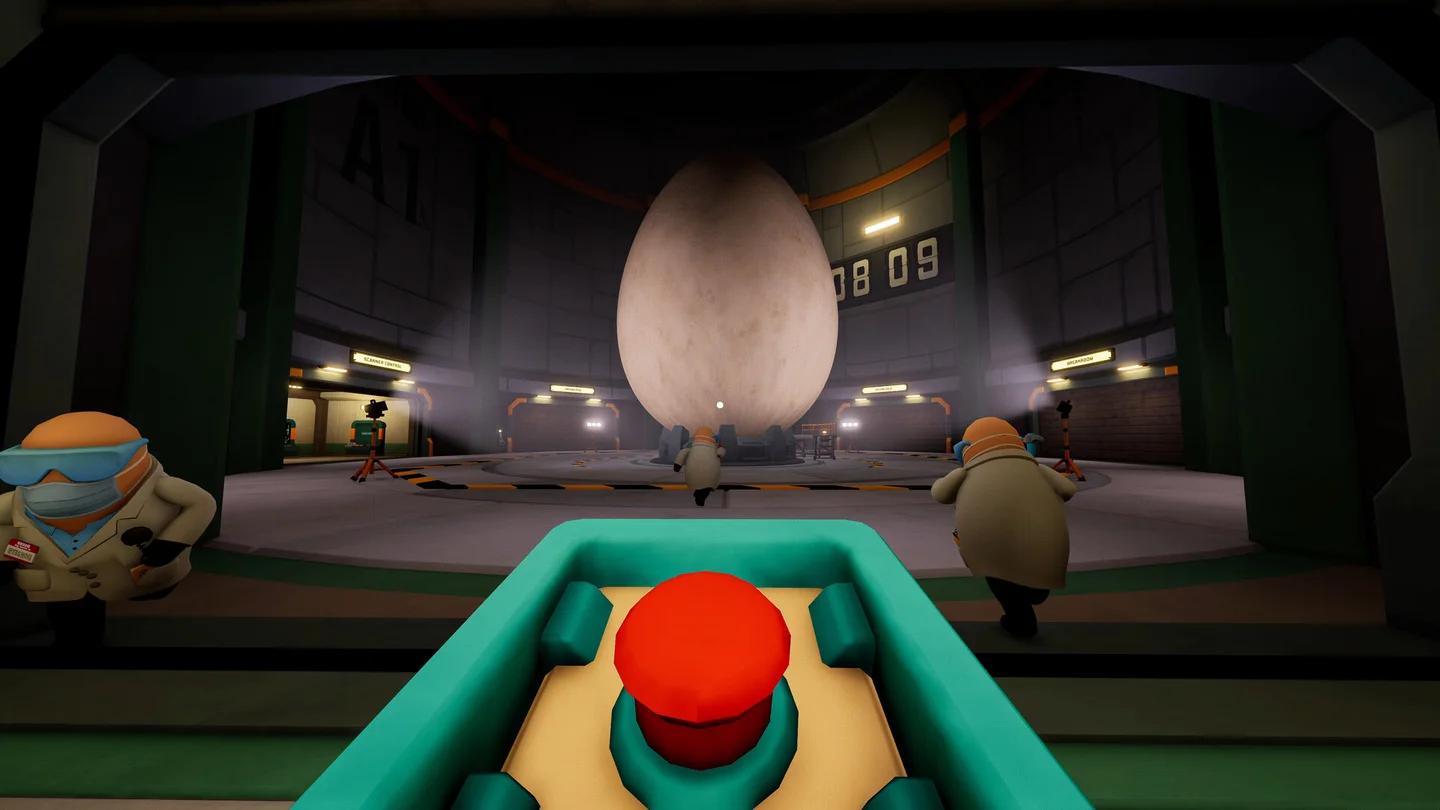
Crack is a 1-4 player co-op adventure and incremental simulation developed and published by Rafoli, released on October 26, 2026. The premise is deliberately stripped down: a giant egg sits inside a mysterious laboratory, and the players' collective job is to crack it open. No lengthy backstory is handed to you at the start. The questions pile up naturally as progress unfolds.
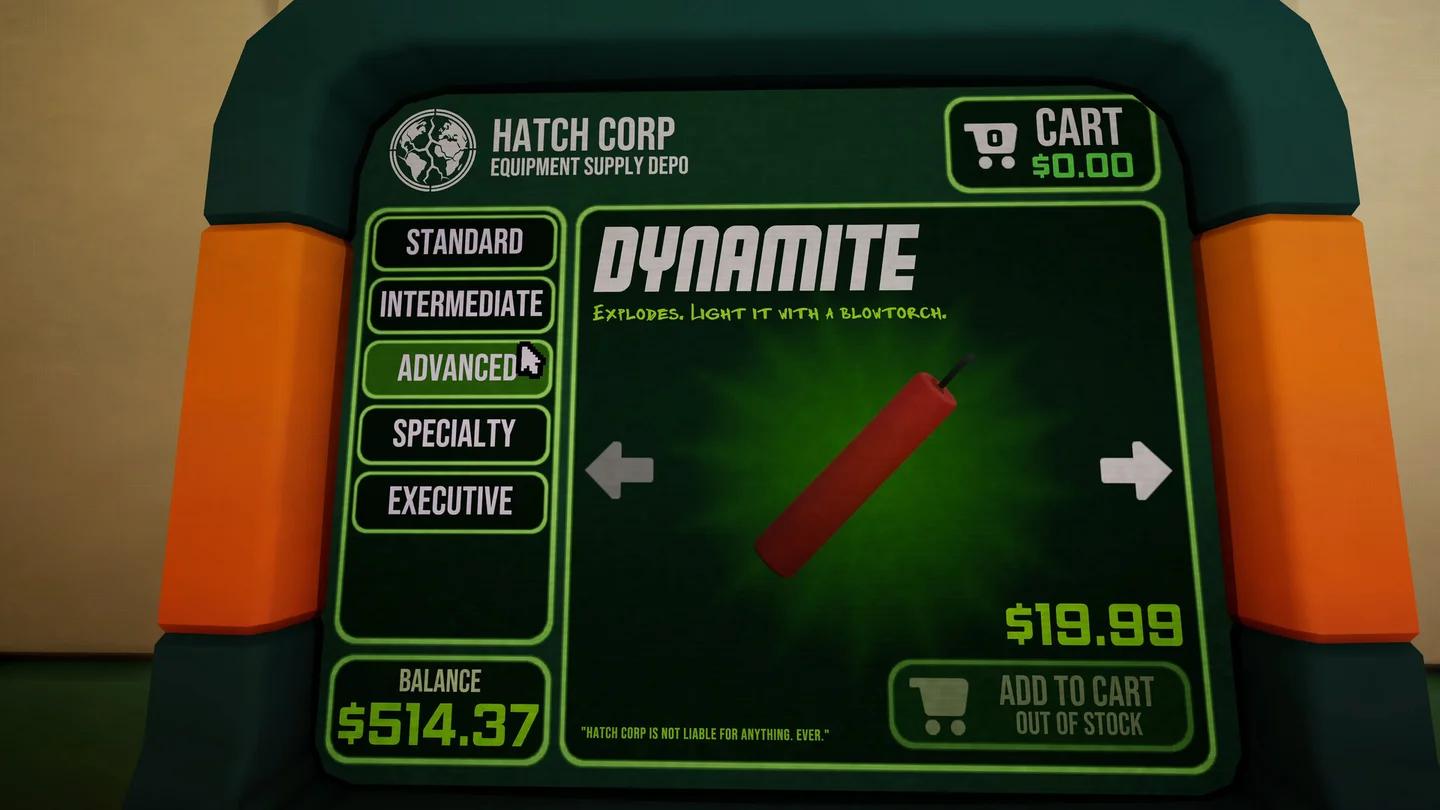
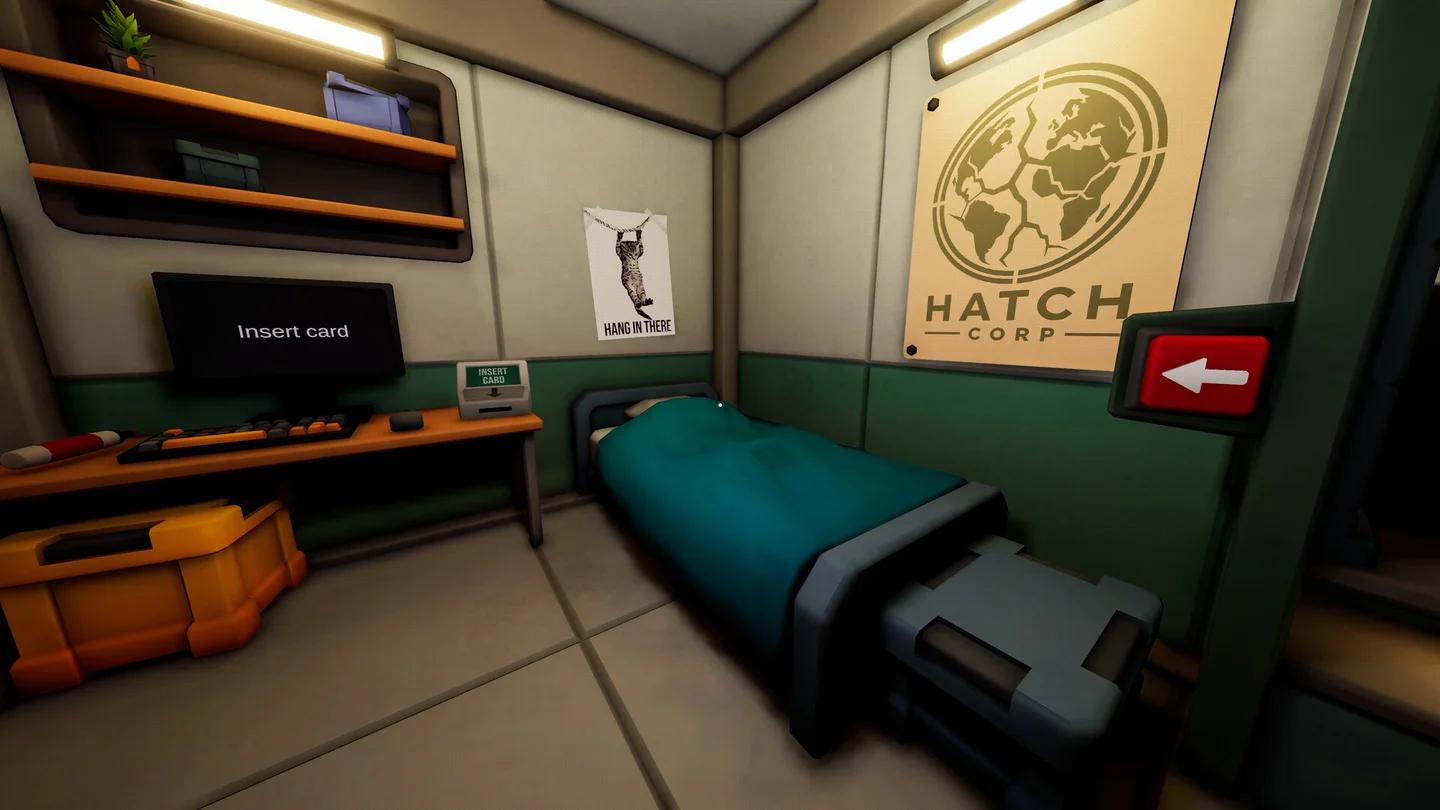
What makes Crack work as a concept is how it turns a single absurd objective into a full progression loop. The egg is not just a visual centerpiece; it reacts to the players around it. The facility holding it is full of hidden rooms to unlock and tools to upgrade, meaning the path from "there is an egg" to "here is what was inside" is considerably longer than the premise suggests.
Rafoli is developing Crack publicly from day one, actively inviting community input on what gets built next. That transparency is baked into the game's identity rather than treated as a footnote.
Gameplay and mechanics
At its core, Crack is an incremental co-op game built around a shared goal. The key mechanics center on:
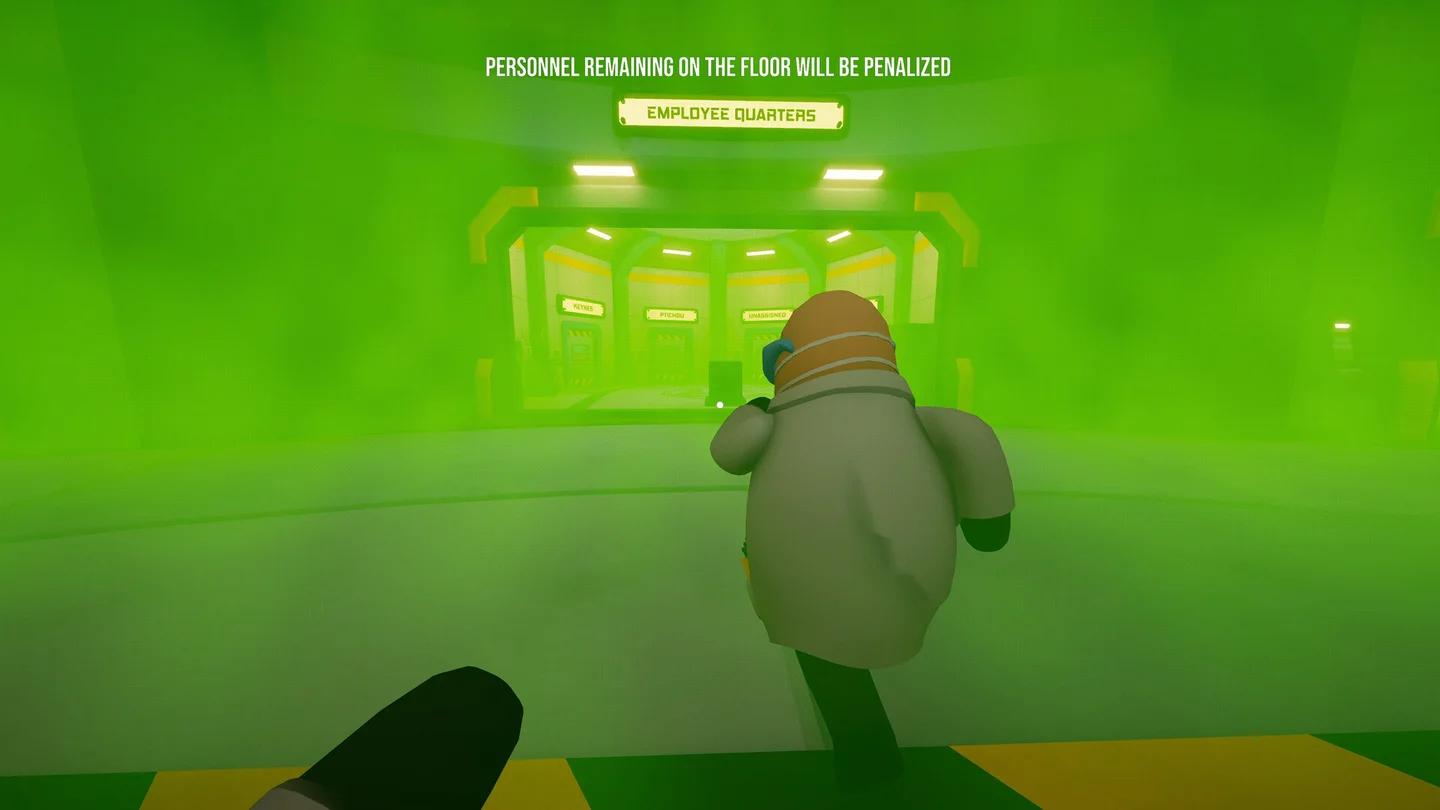
- Cracking a reactive giant egg over time
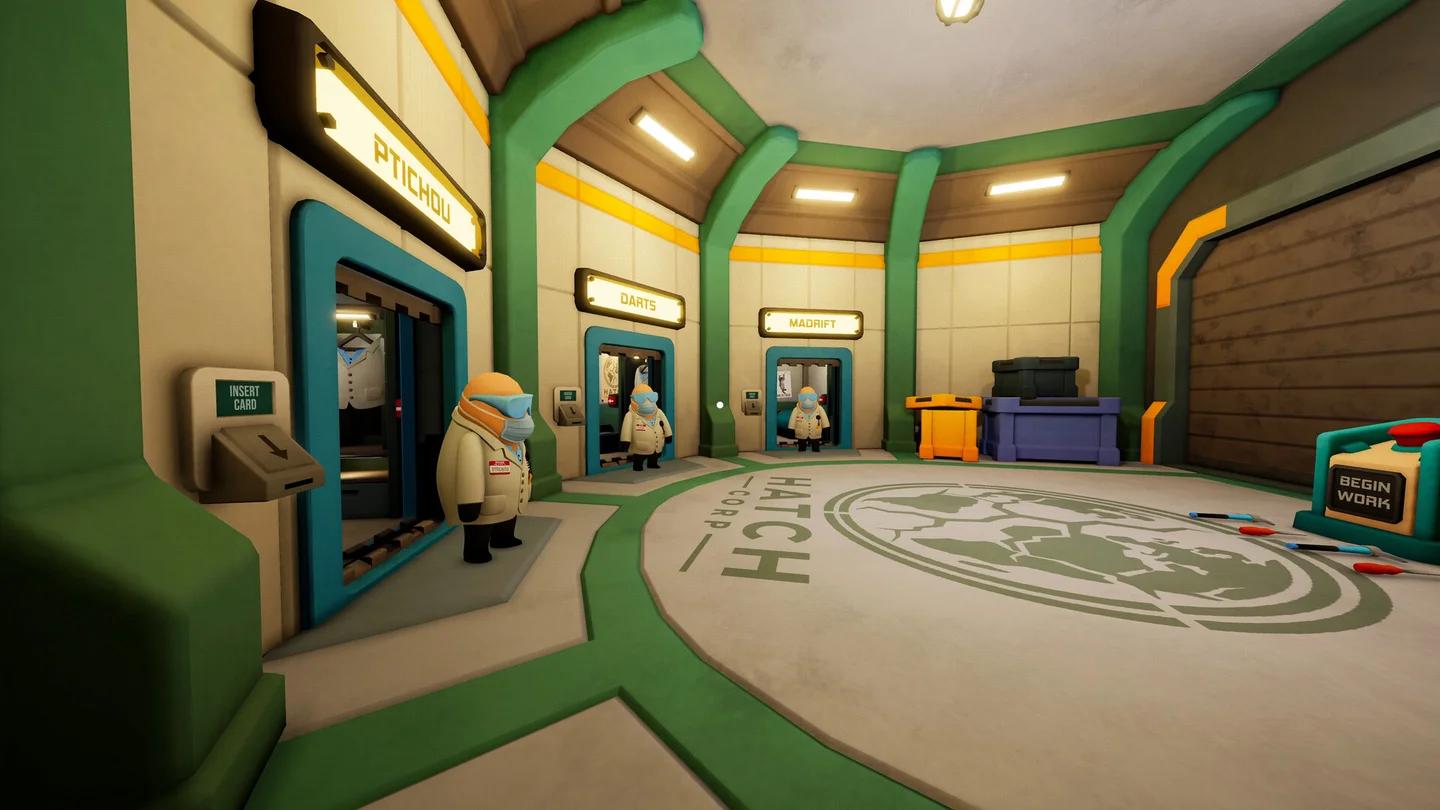
- Unlocking hidden rooms within the facility
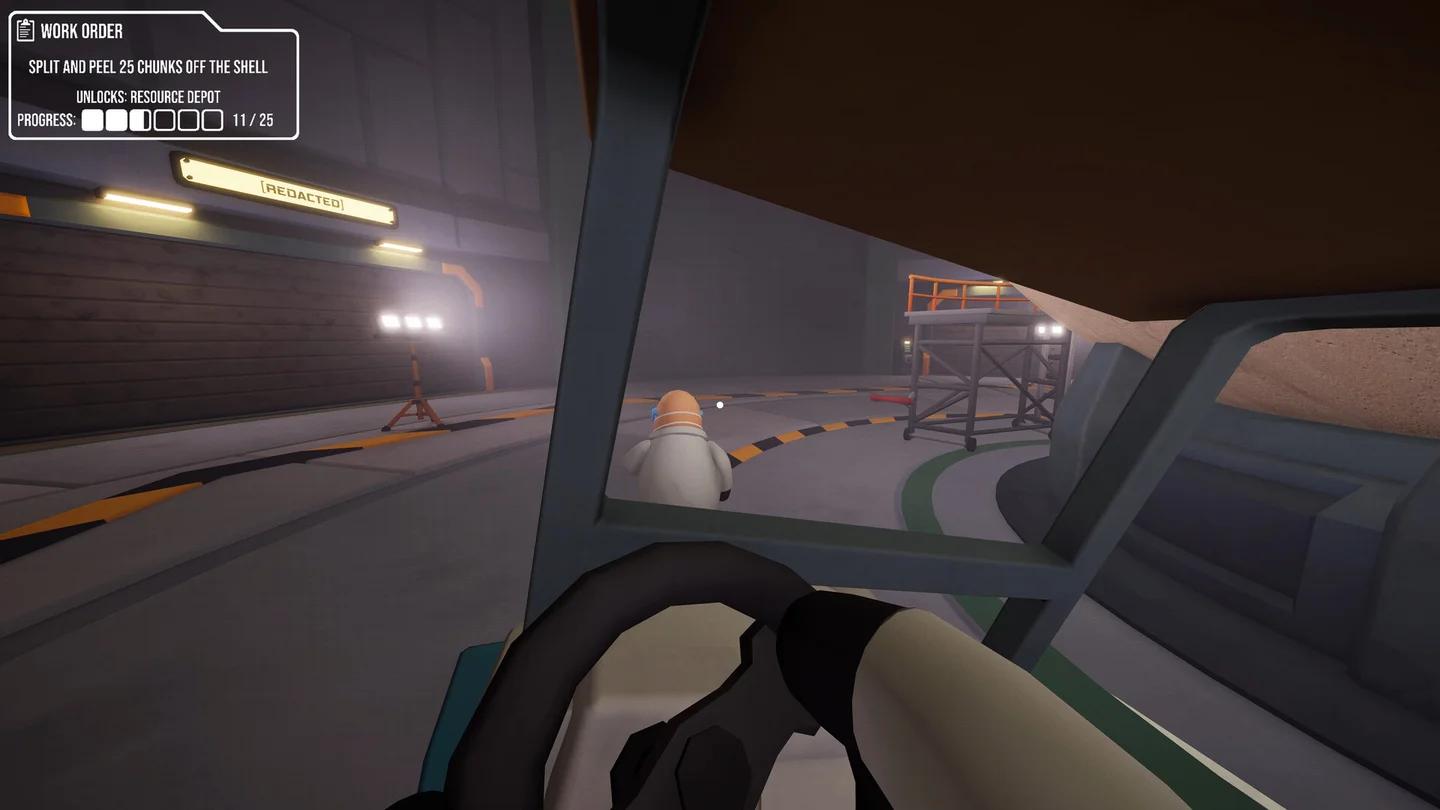
- Upgrading tools to accelerate progress
- Cooperating with up to 3 other players
- Listening for egg reactions that signal progression
The incremental structure means solo players can make steady headway, but the 1-4 player co-op design rewards coordination. Each unlock feels earned rather than handed over, and the egg's responsiveness to player actions gives the loop a feedback quality that keeps sessions from feeling static.
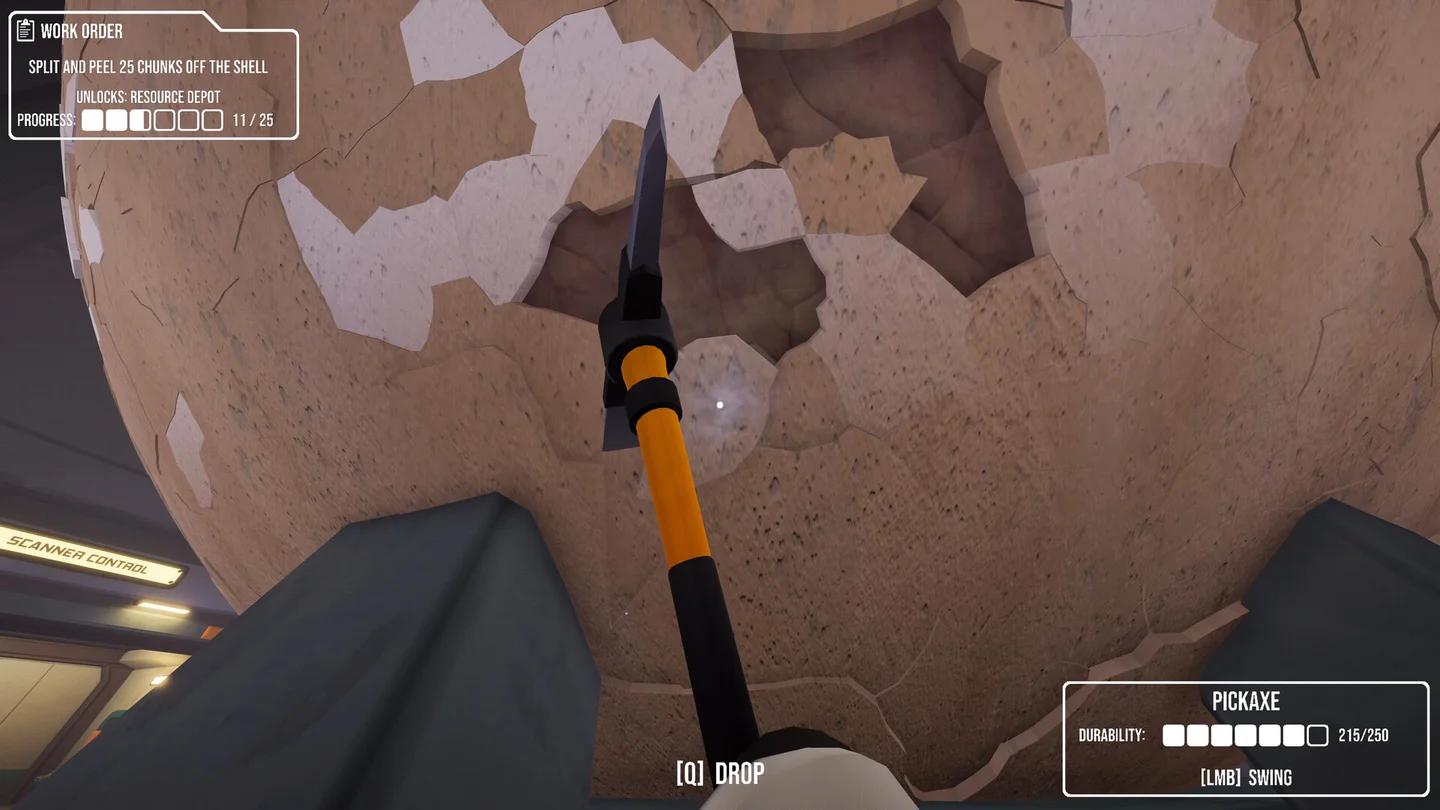
What's actually inside the egg?
That is the question Crack refuses to answer upfront, and that restraint is the game's sharpest design choice. The laboratory setting raises its own questions: who built it, why the players are there, and what the egg's contents mean for anyone involved. Players are told plainly that whatever happens after the egg opens is "above your pay grade," which is both a joke and an honest summary of the game's mystery-forward structure.
The facility itself functions as a second layer of discovery. Hidden rooms hold context clues and upgrades, and unlocking them peels back the setting gradually. The world-building is environmental rather than expository, letting the space tell its story at the player's pace.
Multiplayer and social design
Crack supports up to 4 players in co-op, and the shared objective model means everyone is working toward the same outcome rather than competing for individual progress. The incremental adventure genre fits naturally with a group play session structure, where one player's upgrade run benefits the whole team's egg-cracking momentum.
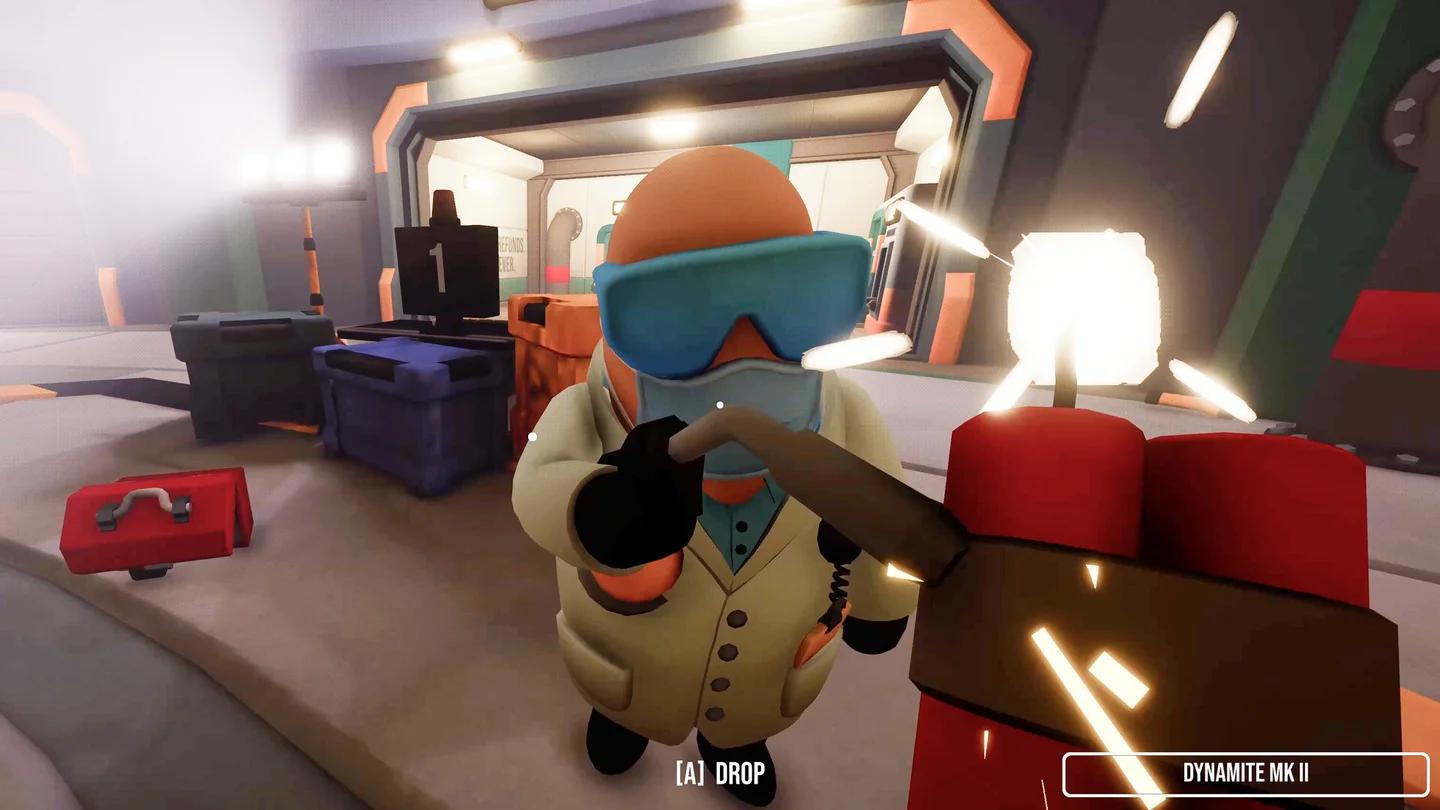
Beyond the in-game co-op, Rafoli's public development approach turns the player base into active participants. The developer is soliciting direct input on what to build next, meaning the game's current state is a starting point shaped by community feedback rather than a sealed product. For players who enjoy watching a game grow alongside their own playtime, that development model adds a dimension the egg mystery alone cannot provide.