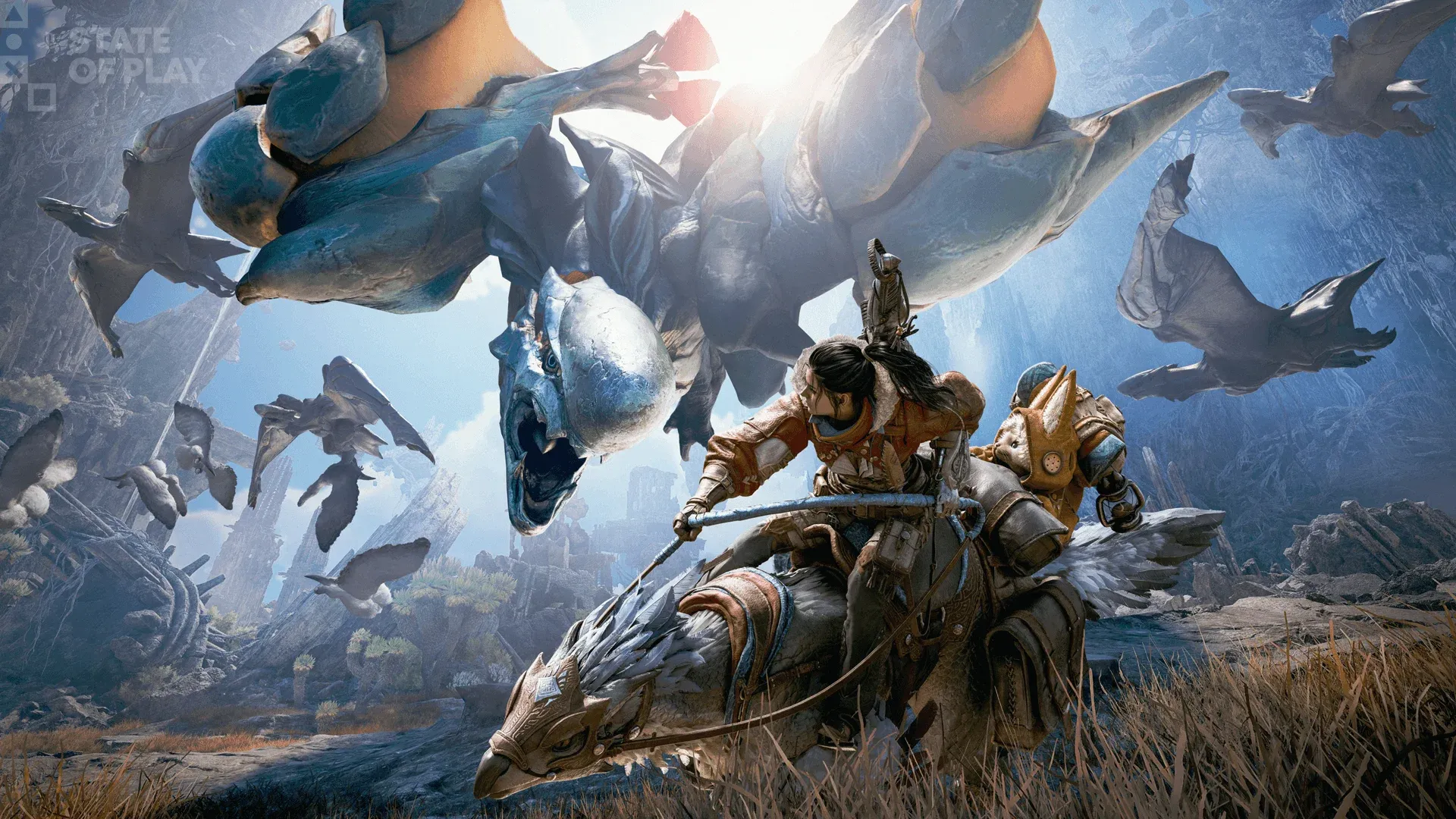


Capcom built the base game around one specific fear: players buying a monster hunting game, hitting a wall mid-story, and never coming back. That goal was met. The problem is the playerbase cleared that wall before Capcom even finished building it.
Monster Hunter Wilds director Takuro Hiraoka sat down with press at this year's Tokyo Game Show and addressed one of the more persistent criticisms the game has faced since launch: that its difficulty curve, especially in the endgame, never quite landed right. First it felt too easy. Then Capcom's patches pushed harder, and players complained the fixes felt blunt, leaning on inflated monster damage numbers rather than smarter, more engaging challenge design.
How Capcom miscalculated its own playerbase
Hiraoka was candid about where the miscalculation happened. His team designed Wilds with accessibility as a genuine priority, specifically because Monster Hunter: World lost a meaningful chunk of players who quit before finishing the story because the difficulty spiked too fast. The goal was to prevent that from happening again.
Here's the thing, though: it worked almost too well. The players who came to Wilds were sharper than Capcom anticipated.
"Maybe players got better than we expected in the intervening years," Hiraoka said, speaking through a translator. "We've grown the audience greatly since Monster Hunter: World, and that was a game where a lot of players dropped off before finishing the story because it got too hard too quickly. We're trying to tackle that issue, which I see as a problem."
The result was a gap between what Capcom designed and what the playerbase actually needed. Veterans found the main campaign underwhelming, and the mid-game updates that tried to address that feedback felt inelegant to many. Hiraoka acknowledged the reception to those difficulty adjustments has been a direct learning experience for the team.
What Ascendance is trying to fix
For the Ascendance expansion, Capcom is threading a specific needle. The story content is still meant to be completable for players who aren't chasing the hardest possible challenge. The endgame loop, though, is where the real difficulty investment is going.
"We expect that if you purchase the DLC, you're going to want to see as much of the story that we've presented as possible," Hiraoka said. "But for players who want to go far beyond and have the really toughest challenges, we expect that the endgame loop is what really satisfies their needs. We're working on that balance at the minute."
The key here is that Capcom isn't just trying to make things harder. The aim is to make the difficulty feel earned and well-designed, not just numbers going up. That distinction matters, because the community's frustration with earlier updates was less about the challenge and more about how that challenge was delivered.
The Boost Bracer is a tool, not a power fantasy
One related concern Hiraoka addressed: the weapon breakdown videos Capcom has released for Ascendance look aggressive. Hunters are flying around, chaining big hits, and the new Boost Bracer mechanic looks like it could trivialize encounters.
Hiraoka pushed back on that read. The videos are edited to highlight the new mechanics at their most impactful, he said, and the actual hunt experience is "not quite so constant and aggressive." The Boost Bracer runs on a gauge system with a limited activation window, so players have to decide when to spend their charges rather than staying in an empowered state indefinitely.
"The player hasn't become this hyperaggressive, constant demon mode type of presence," Hiraoka said. “It's a new tool in your box. How to strategize on when to use it, and the way it changes each weapon's gameplay, is for the players to discover.”
That framing matters for anyone worried the expansion might overcorrect in the opposite direction and hand players too much firepower. The Boost Bracer sounds more like a resource-management layer than a straight power spike.
What this means for hunters waiting on Ascendance
Monster Hunter Wilds: Ascendance is currently set to launch in 2027, and the difficulty conversation will almost certainly continue as Capcom shows more of the endgame content. What Hiraoka's comments confirm is that the studio is aware the base game's challenge design didn't fully satisfy the hardcore end of the playerbase, and that Ascendance is being built with that feedback baked in from the start rather than patched in afterward.
For players who want to stay sharp in the meantime, the Monster Hunter Wilds guides collection has everything from build theory to monster fight breakdowns to keep your hunts efficient while the wait continues. If you want a deep dive into the current endgame, the Monster Hunter Wilds Update 4 complete guide covers Gogmazios fights, Artian Weapon upgrades, and armor transcendence in full detail.