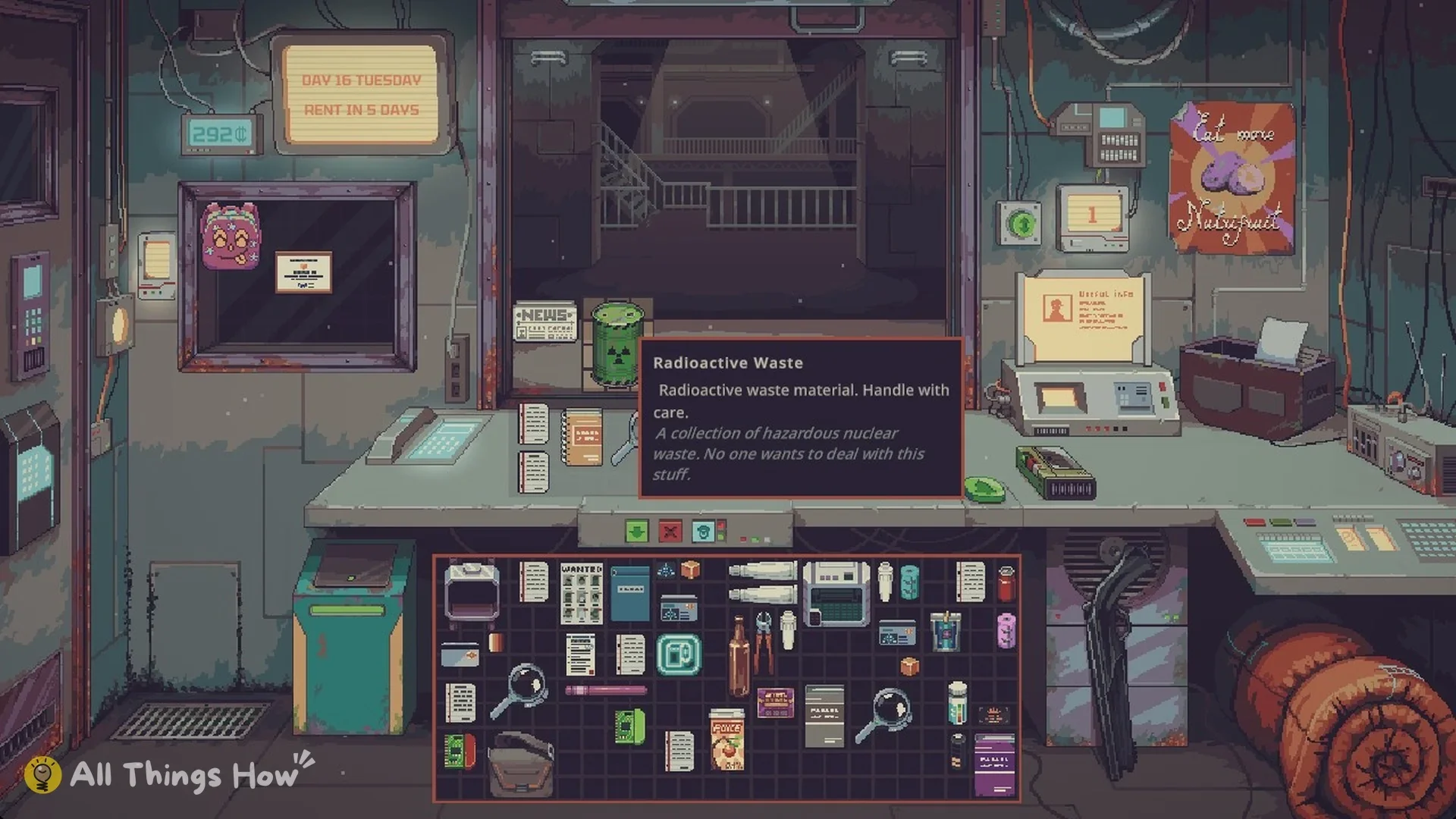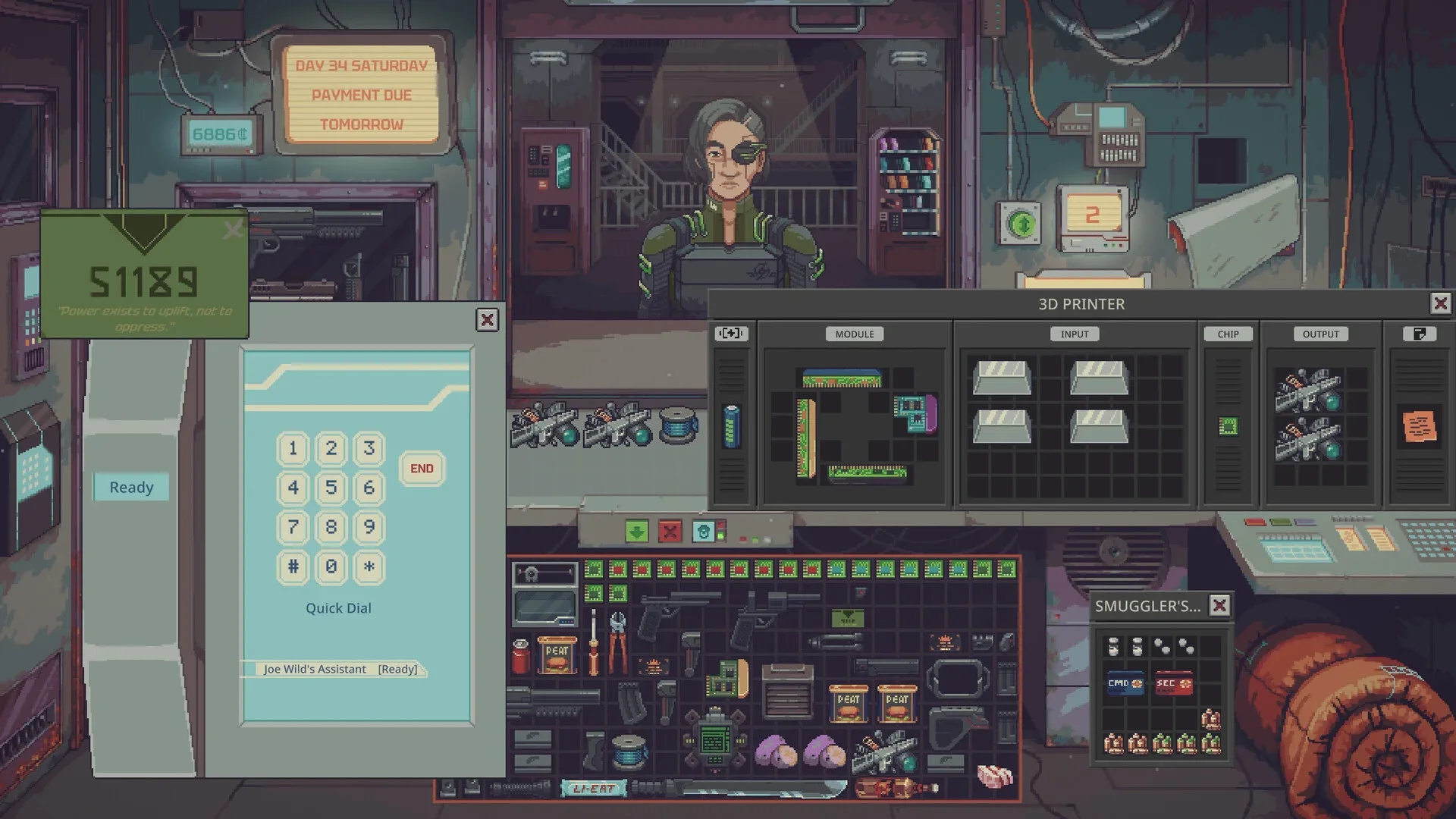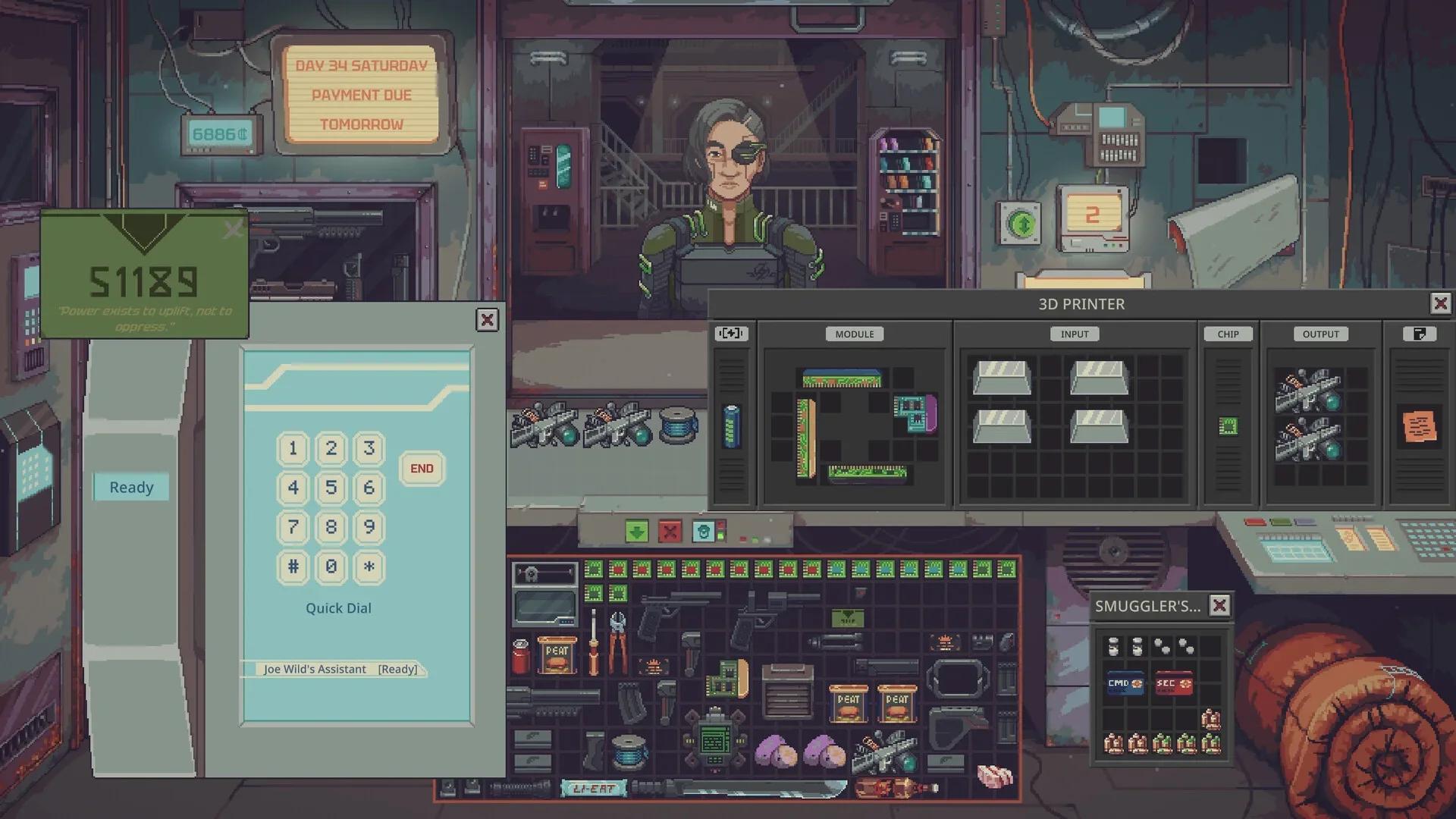

The best stock in Probably Stolen - Cyberpunk Shopkeeper Sim is stock you can turn back into Credits before rent is due. Food, drinks, and household goods are sensible starting purchases; purified water becomes a useful expansion once you can process it and attract suitable buyers. Wine and manufactured weapons offer valuable sales, but they can also leave your shelves looking richer than your cash balance. Your buying decisions need to account for purchase costs, processing expenses, and time until sale, not just an item's advertised value.
How items are ranked

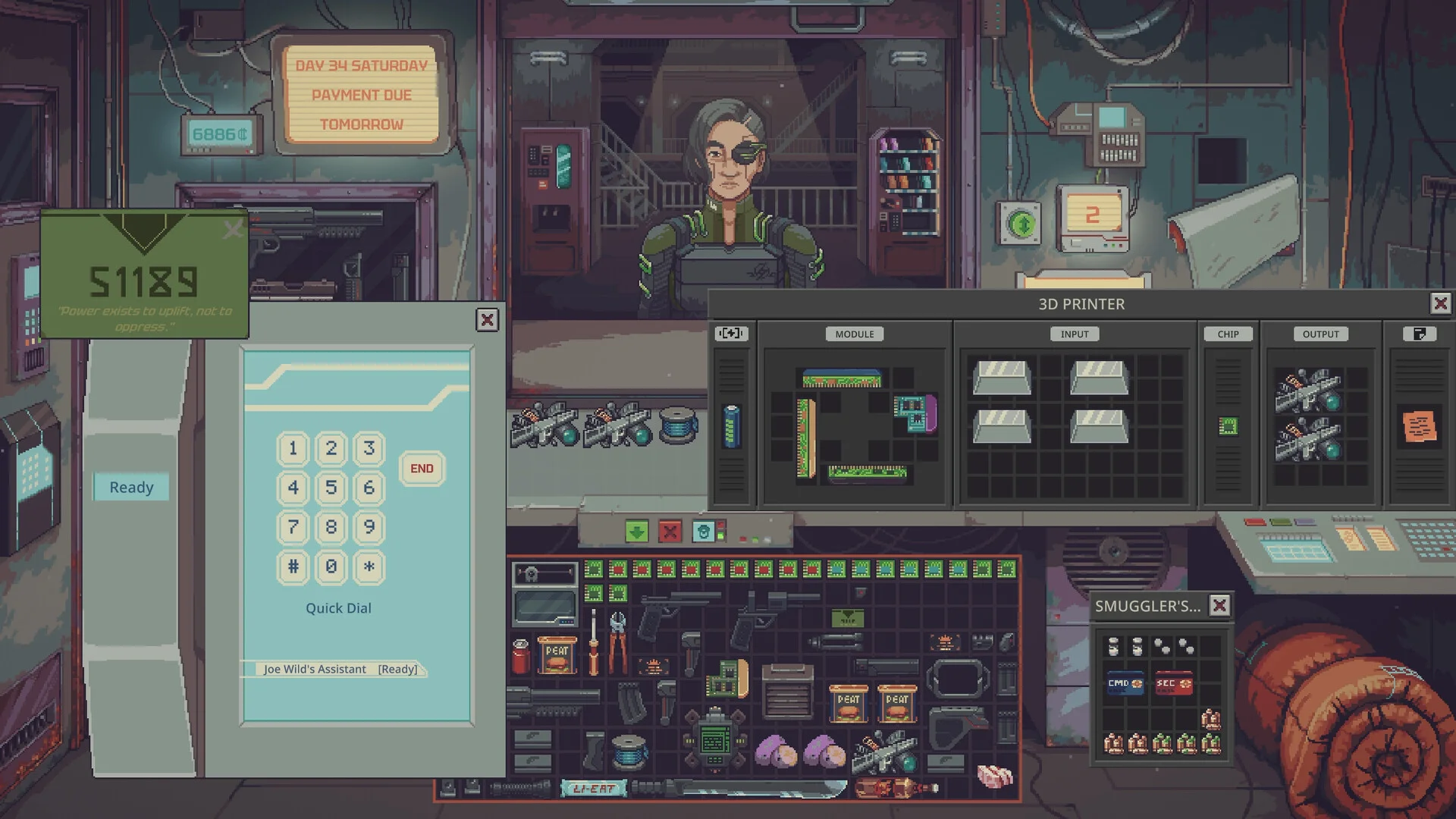
What makes an item worth buying?
A useful product needs an affordable purchase price, a profitable resale opportunity, and customers who accept its category and can pay for it. Production adds another consideration: the Credits committed to ingredients and equipment remain unavailable until the finished goods sell.
The priorities below favor financial stability over the largest possible transaction. Food and household goods suit the opening shop, while water, ingots, and other manufactured products become better options when you can support their production costs.
| Sellable stock | Purchase or setup commitment | Profit opportunity | What controls turnover? |
|---|---|---|---|
| Food, drinks, and household goods | Low startup cost compared with specialized businesses | Straightforward resale when bought at a discount | Customer categories and budgets |
| High-Quality Water | Water supplies, testing, filtration, and containers | Valuable upgraded stock, especially during shortages | Processing capacity and suitable buyers |
| Metal ingots | Furnace, materials, and energy | Converting inexpensive scrap or ore into more valuable goods | Overnight processing, material prices, and buyer budgets |
| Charged Energy Cells | Depleted rechargeable cells and a working charging setup | Resale after charging, with stronger opportunities during outages | Charging capacity and market demand |
| Finished wine | Water, berries, bottles, and optionally yeast or aging equipment | Higher-value sales, with further value available through aging | Fermentation time and customers' spending limits |
| Fish meat | Aquaculture equipment, starter stock, water, feed, and power | Renewable stock through breeding and harvesting | Fish growth and tank capacity |
| Manufactured weapons | Production equipment, recipes, filament, power, and relevant permissions | Valuable finished products and compatible modifications | Production time, accepted categories, and legal restrictions |
Best items for a small starting budget
Food, drinks, and household goods
Start with ordinary food, drinks, and household products rather than expensive equipment or suspicious merchandise. These categories offer a straightforward introduction to buying below market value and reselling to interested customers without first building a production business.
The Apprentice scenario supports this approach with extra Credits, storage, and ordinary trading stock. Use that starting flexibility to learn which customers accept your goods rather than immediately spending it on machinery.
Before purchasing another item:
- Check its condition and authenticity where relevant.
- Compare the purchase price with a realistic selling price.
- Check visiting buyers' budgets and accepted categories.
- Leave enough storage space for the goods you acquire.
A wholesale discount can improve your margin, but a large bundle still occupies storage and consumes Credits until it sells. Keep some easy-to-sell merchandise available instead of committing your entire budget to one discounted delivery.
Avoid paying genuine prices for counterfeit stock
Counterfeit cigarettes are an early example of stock that can look more valuable than it really is. Use the Magnifying Glass, Color Checker, and authenticity information to examine seals, markings, packaging, and other identifying details before agreeing to a price.
Counterfeit goods can sometimes be bought cheaply and resold at an appropriate price. That does not make them a dependable beginner purchase: paying the genuine item's price for a fake undermines the entire trade. Accurate labeling is also the safer choice when protecting customer and faction relationships.
Best items for profit per sale
High-Quality Water: a practical first expansion
High-Quality Water is a useful target because it offers strong selling opportunities without the more elaborate setup needed to consistently produce Pure Water. High-Quality Water has a purity of 99% to below 99.9%; Pure Water starts at 99.9%.
Begin with water you can test and process using your current equipment. Suitable untreated Basewater can become High-Quality Water after passing through a Water Filter in a pitcher. Ghostwater may need UV Light or purification tablets before filtration, depending on its contaminants, while dirtier grades can require additional treatment.
The purchase price is only part of the calculation. Filters wear out, containers take space, and powered equipment adds operating requirements. The AquaScan is a useful upgrade for repeated inspections because it does not consume testing strips.
Water becomes particularly attractive during a Water Supply Crisis, when prices rise and wealthy customers can make clean stock more profitable. Prepare suitable containers as well as water; production is less useful when you cannot store the output.
Metal ingots: profitable when materials are cheap
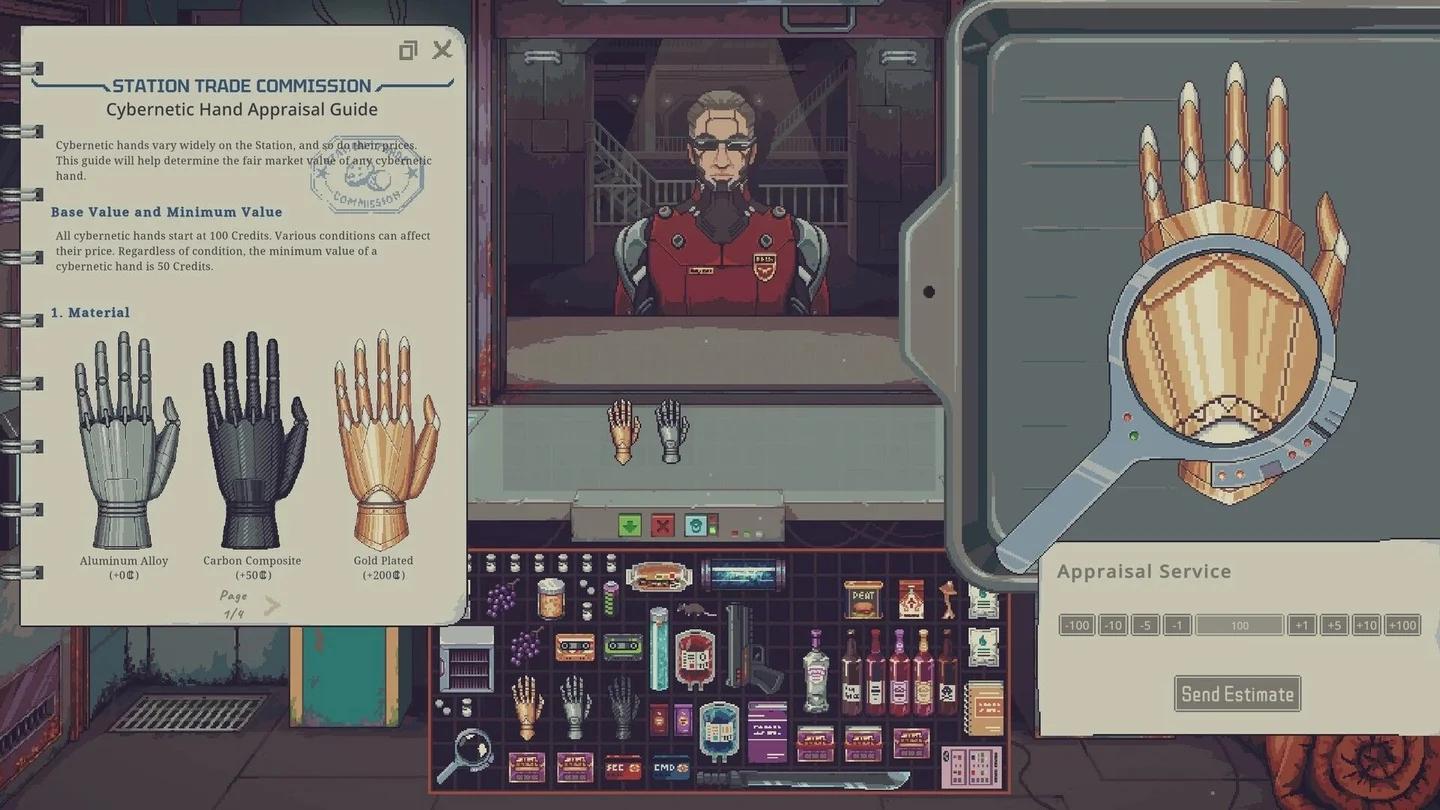
Price ingredients before smelting
Metal ingots are worth considering when you can acquire scrap or ore at favorable prices. The Furnace processes compatible materials overnight, turning inputs into an ingot whose quality depends on the recipe.
| Furnace inputs | Resulting quality |
|---|---|
| 2 scrap metal inputs | Low-purity ingot |
| Scrap metal and metal ore | Better-quality ingot |
| 2 metal ore inputs | High-purity ingot |
Higher purity generally means a more valuable ingot, but expensive ore can consume the extra margin. Compare the total material and operating costs with a selling price your customers can actually afford. A material surplus event can make ore more attractive to purchase, provided you still have room and Credits to process it.
Finished wine: valuable, but not immediate income
Wine suits an established shop better than an emergency cash shortage. A standard batch uses 750 ml of water and at least one berry. Basewater is acceptable, while better water and good-quality berries improve the finished product. Inspect berries before using them, since moldy or underripe ingredients can reduce quality.
Fermentation normally takes 4 days without yeast. Standard yeast reduces that to approximately 2 days, while Super Yeast can reduce it to 1 day. These delays matter when deciding how much of your available money to commit to bottles and ingredients.
Finished wine can gain more value in the AgeWell, but a larger price tag only helps if you can find a buyer with the budget to match. Sell profitable bottles when you need the Credits rather than aging every batch indefinitely.
Charged Energy Cells: stock for power shortages
Depleted rechargeable Energy Cells offer another processing opportunity: buy them cheaply, recharge them, and sell them when demand improves. This route makes more sense once you already have a Recharger and a reliable power setup supporting your machinery.
Power outages can increase energy-related prices, making spare charged cells useful event stock. Keep the cells required by your own machines separate from merchandise. Selling your operating power can interrupt the production business funding the shop.
Best items for fast stock turnover
Can you attract buyers for what you already own?
Food, drinks, and household goods remain the clearest starting choices for straightforward sales. Beyond those basics, turnover depends heavily on matching stock to customers. An expensive bottle of wine will not solve a cash shortage if the people visiting cannot afford it.
Players drawn to shopkeeping indie games should pay particular attention to Probably Stolen's display case. It influences who visits, making customer attraction part of the stocking decision rather than something separate from it.
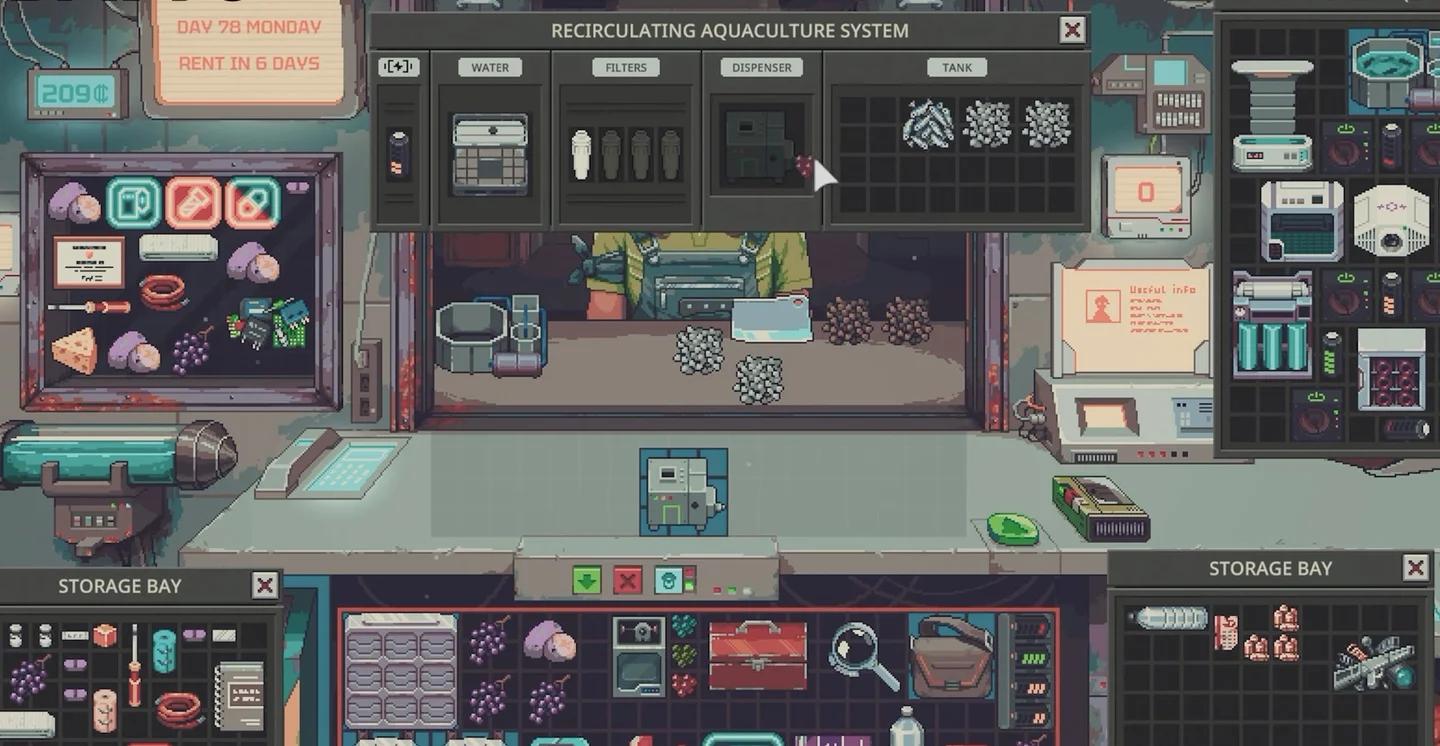
Match stock to visiting buyers
Merchandise in the display can attract buyers interested in matching categories. Neon Signs sold by Dr. Jackson can attract specialized sellers, potentially replacing ordinary random visitors. Use merchandise when you need buyers for existing inventory; choose an appropriate sign when you need supplies.
Before opening the shutters:
- Identify the stock you most need to sell or replenish.
- Arrange the display around that category.
- Check the Clientele information to see which visitors the setup can attract.
- Reassess the next day's display based on what sold and what remains.
Cleaning, renovations, and a powered Mirage Projector can also help attract customers. Fund these improvements after covering rent and regular costs, rather than buying them while you lack affordable stock to sell.
Items that tie up too much money
Over-aged wine and unfinished fish stock
The AgeWell raises the value of finished wine over time, but lower-level customers may eventually be unable to afford the bottle. Aging is useful when you can wait for an appropriate buyer. It becomes a cash-flow problem when valuable bottles fill storage while rent approaches.
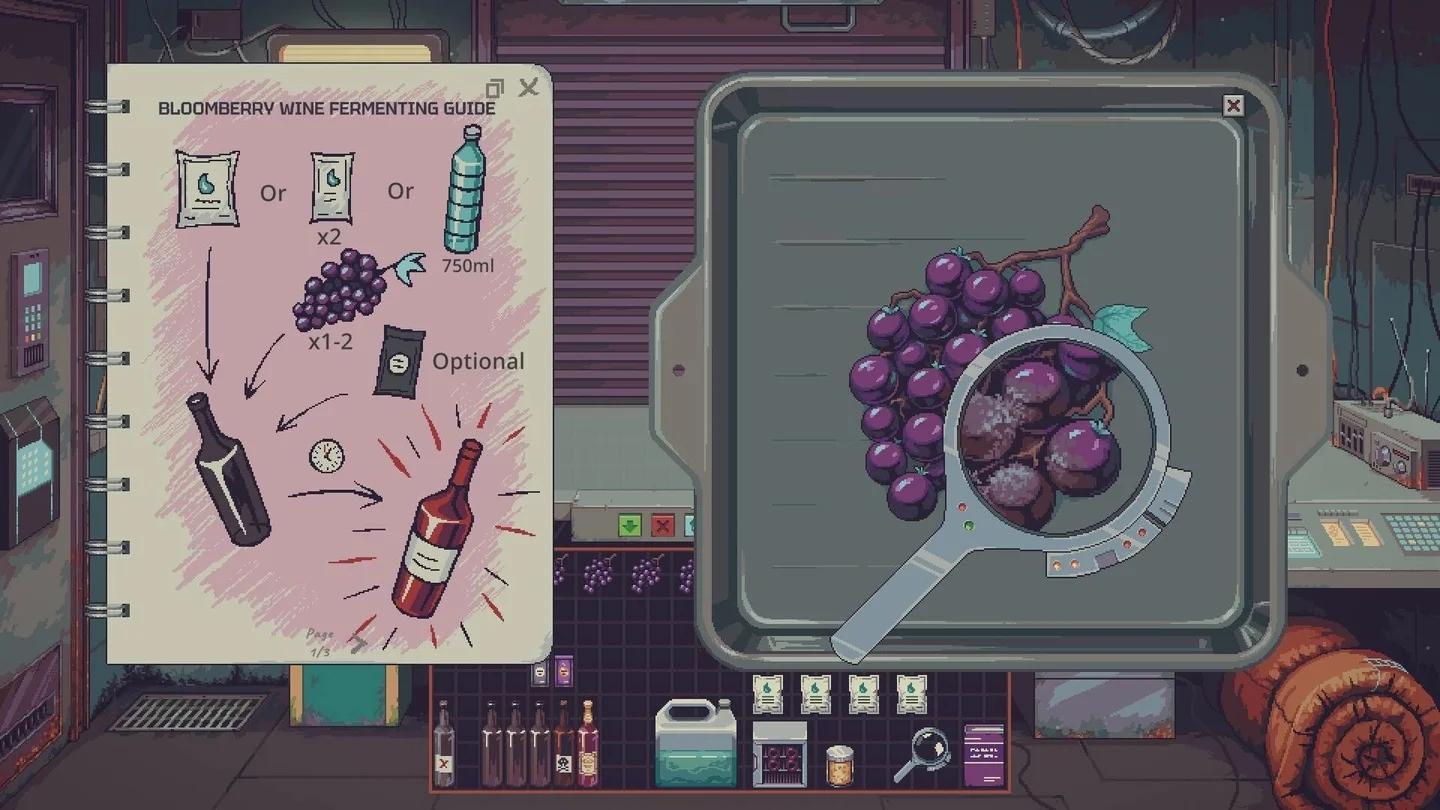
Keep wine within customer budgets
Fish farming has a different delay. Eggs and small fish need time to develop before you can sell the resulting products, while the system requires water, feed, power, and sufficient capacity. Tilapia are the recommended starting species for learning aquaculture, but fish meat is still a secondary-business product rather than an immediate substitute for ordinary trading.
Expensive weapons and restricted merchandise
Weapon manufacturing can produce valuable stock, but it commits money to equipment, production recipes, filament, and energy before a sale is possible. Compatible sights or compensators can add value, yet their costs still need to fit within the final selling price.
Permits and customer access also matter. Secure the relevant trading permissions and identify suitable buyers before putting a large share of your funds into weapons. Restricted merchandise adds a risk that ordinary household stock does not carry.
Cheap bulk purchases without a clear buyer
A discounted shipment can tie up money just as effectively as a luxury weapon. Check storage space, expected buyers, and the amount you can afford to leave unsold before accepting a large bundle. The discount matters only if the eventual sales justify the purchase.
When to change your stock selection
Which market events justify a different buying plan?
Read the newspaper and calendar before opening. Probably Stolen's market events can change which goods are worth buying, holding, or selling, so yesterday's best purchase may not deserve today's budget.
| Market condition | Stock to reassess | Practical response |
|---|---|---|
| Water Supply Crisis | High-Quality Water and Pure Water | Prepare clean stock and containers, then attract suitable water buyers |
| Power outage | Charged Energy Cells | Sell spare charged cells while retaining the power needed by your machinery |
| Material surplus | Metal ore | Compare cheaper inputs with expected ingot sales before buying in bulk |
| Approaching rent collection | Existing sellable inventory | Prioritize converting stock into Credits instead of starting more delayed production |
Water crises can last several days, so you do not need to accept the first offer regardless of price. Still, a profitable sale to a customer who can afford the product is more useful than holding every bottle for an ideal deal.
When should you stop buying more equipment?
Once a production business reliably earns money, expand only when the next purchase addresses a real need. Water machinery is useful when it improves a functioning water business; an aging machine is useful when you already produce finished wine and attract buyers for it. Buying unrelated equipment consumes the Credits needed for stock, services, and rent.
If you are saving to buy the shop, reduce optional machinery purchases and keep enough cash for rent payments before the purchase. Check the landlord's current quotation rather than assuming an earlier buyout price still applies.
Start with everyday goods, expand into tested water when you can fund the full process, and reserve luxury stock for buyers who can afford it. Use the Probably Stolen guide collection to plan your next business.