
In Probably Stolen, you make pure Dream Dust by extracting Dream Caps with alcohol, removing all impurities and liquids, and minimizing contamination when packaging with the Chem Finisher.
In Probably Stolen - Cyberpunk Shopkeeper Sim, Pure grade requires at least 99% purity. Following the extraction recipe alone does not guarantee that grade because leftover ingredients and packaging contamination both affect the finished vial.
Use the Composition Spectrometer throughout production. Its readings tell you when to stop adding reagents, when the mush has become extract, and whether the packaged product meets your target.
Prepare your chemistry equipment and supplies


Get access to the lab
You can add chemistry to an existing shop through Joe Wild's network. Unlocking the Chemist service also brings weekly supply visits from the Retired Chemist.
The Chemist start includes laboratory equipment and a chemistry manual. If you are choosing a new run specifically for production, compare that opening with other routes in the Probably Stolen starting specialization guide.
Gather these machines and tools before processing your mushrooms:
- Blender: Converts Dream Caps into Dream Cap Mush.
- Composition Spectrometer: Shows the individual components inside your mixture and finished products.
- Heating Plate: Converts the prepared mush into Dream Cap Extract.
- Filter-equipped Water Pitcher: Holds the mixture during filtration.
- Evaporator: Removes water and alcohol overnight.
- Chem Finisher: Packages the dry extract into vials.
- Droppers and measuring cylinders: Let you add controlled amounts of solvent and treatment chemicals.
Stock the required ingredients
You need Dream Caps, usable liquid alcohol, Acidic Solution for protein treatment, filtration material, and an Energy Cell for the Evaporator. Kotton Fabric and a Water Filter serve different cleanup needs, so keep both available when pursuing high purity.
Unpack Chemical Supplies boxes before buying replacement alcohol. They can contain Mini Alcohol Bottles that are easy to overlook if you treat the box as ordinary trade stock.
Keep enough container space for the solvent as well as the mushroom material. The required alcohol volume can be several times larger than the mush volume.
Turn Dream Caps into extract
Step one: Blend the Dream Caps
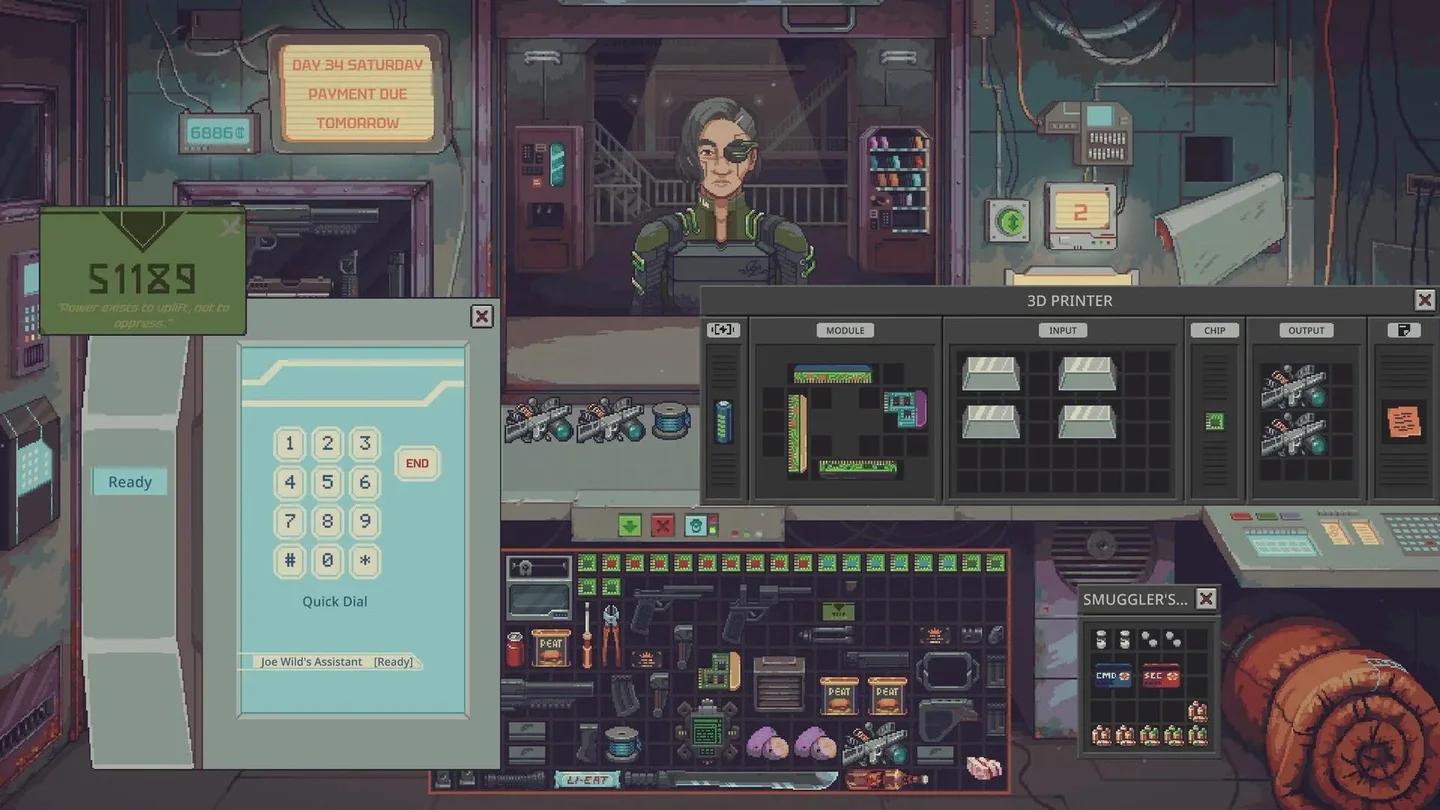
Open the Blender, attach a suitable liquid container, and place your Dream Caps in INPUT. Press Start to produce Dream Cap Mush.
Scan the output immediately. Record the amount of Dream Cap Mush itself, not just the container's total contents. Water and other components do not count toward the mush quantity used in the solvent calculation.
Blend the mushroom input
Step two: Measure the alcohol against the mush
Add 3–6 times the Dream Cap Mush volume in actual alcohol. Use the Composition Spectrometer to track the alcohol component while adding it with droppers or measuring cylinders.
For example, a container holding 25 mL of mixture might contain only 18 mL of Dream Cap Mush. That batch needs 54–108 mL of alcohol, calculated from the mush reading.
Alcoholic liquids also contain water. Pouring 54 mL from a diluted bottle does not necessarily add 54 mL of alcohol, so check the composition instead of relying only on the amount poured.
| Alcohol source | Suitability for extraction | What to account for |
|---|---|---|
| Mini Alcohol Bottle | Provides usable liquid alcohol | Measure its contribution with the scanner |
| Nudka | Contains 45% alcohol | The full poured volume is not pure alcohol |
| Wine | Contains 20% alcohol | Requires more total liquid than Nudka for the same alcohol amount |
| Rubbing Alcohol | Does not provide usable liquid for this recipe | It is a medical item, not the required solvent |
Add the solvent gradually and stop once the scanner shows the required amount. Extra liquid increases the amount the Evaporator must remove later.
Step three: Treat the protein
Check the scanner for Protein. Add Acidic Solution in small doses with a dropper, watching the protein reading after each addition.
Stop when the protein has been removed or reduced as far as the treatment allows. Do not dose against the entire container volume when only a small part of the mixture is protein.
Unused treatment chemicals can remain as unwanted components. Adding more Acidic Solution after the target impurity is gone can leave you with another cleanup problem.
Step four: Heat within the extraction window
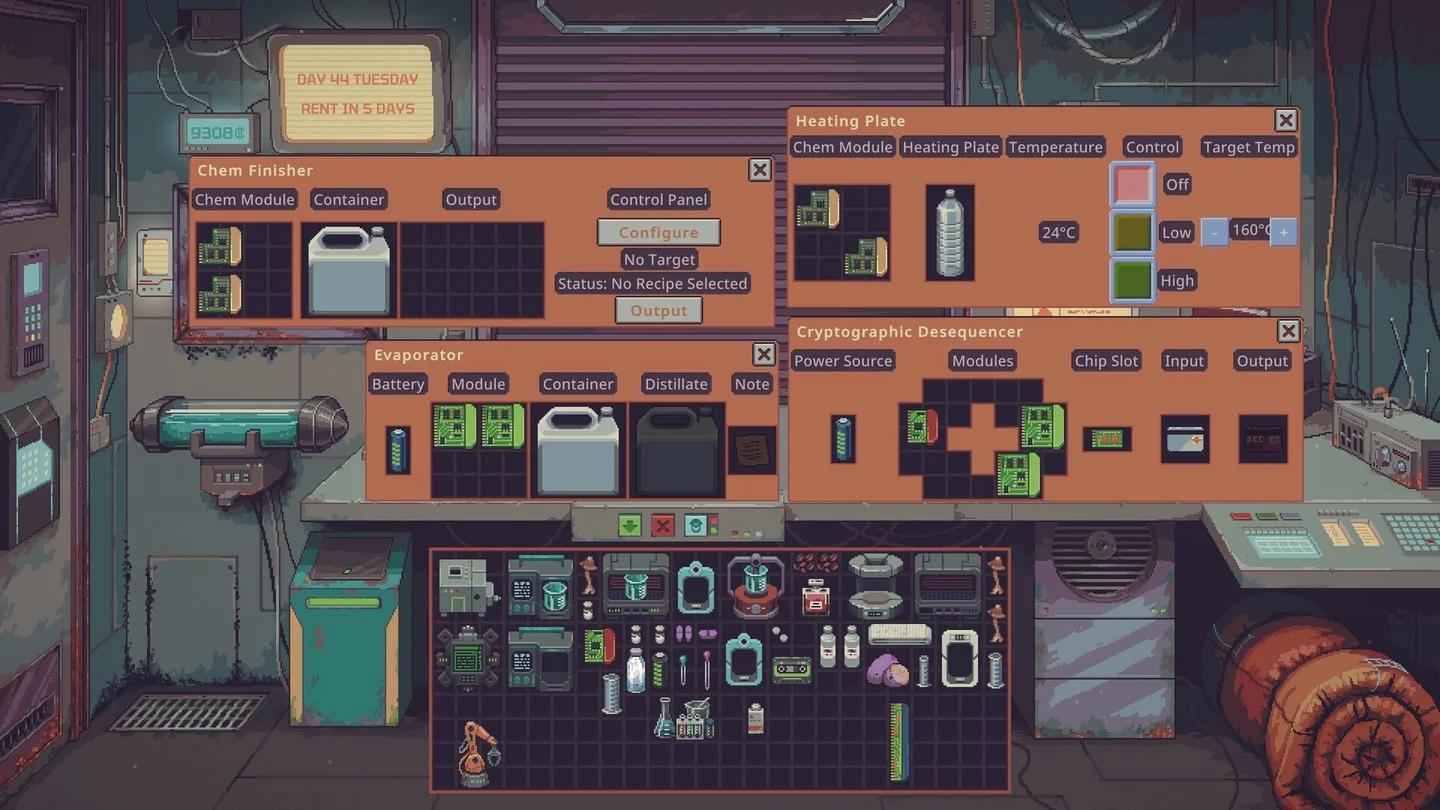
Place the prepared container on the Heating Plate and keep the mixture between 40–60°C. A target around 50°C leaves room on either side of the permitted range.
An unupgraded Heating Plate has its target locked at 99°C. Use LOW and OFF to manage its actual temperature instead of leaving it heating toward that target.
Watch the Composition Spectrometer for Dream Cap Mush converting into Dream Cap Extract. Reaching the correct temperature is not the same as completing extraction; the component reading is your stopping check.
Excessive heat can destroy the extract. Stop this stage when the conversion is complete instead of leaving the mixture hot in the hope of improving purity.
Keep extraction within range
Filter, dry, and package the Dream Dust
Step five: Filter after extraction
Fit Kotton Fabric or a Water Filter into the Water Pitcher, then pass the extracted mixture through it. Complete extraction before filtering so you are processing Dream Cap Extract instead of discarding unconverted mushroom material.
Kotton Fabric can remove filterable debris, but fabric alone may leave physical contaminants. If those remain on the scanner, use a Water Filter and check the composition again.
Treat chemical cleanup and filtration as separate actions. Reducing a protein reading does not automatically remove every resulting unwanted component from the container.
Step six: Evaporate all remaining liquid
Put the filtered mixture into a powered Evaporator before ending the day. The base machine requires 6 Energy per day and removes liquids overnight.
Inspect the container the next morning. Larger or more diluted batches can need several nights, so do not assume one sleep cycle makes the extract ready.
Check specifically for remaining Water and Alcohol. The Chem Finisher rejects wet ingredients even when the container already holds enough Dream Cap Extract for a vial.
Step seven: Configure the Chem Finisher
Load the dry extract into the Chem Finisher. Open Configure and confirm that the selected recipe is Vial of "Dream Dust".
Each vial requires 2 mL of Dream Cap Extract and has a listed base value of 18 credits. Use the output control to package the available extract.
The Chem Finisher can introduce contamination during packaging. Install compatible Chemical Equipment Modules to reduce that contamination, and inspect the machine's displayed value before committing the full batch.
Scan a finished vial, not just the input container. A clean extract can still produce a lower-grade product if the packaging machine adds too many impurities.
Choose upgrades that address the actual problem
Separate material loss from purity loss
Chemical Equipment Modules work with the Blender, Heating Plate, and Chem Finisher. The Evaporator uses standard machine modules instead.
If you are still unlocking chemistry, compare that network purchase against your other planned spending with the Probably Stolen early upgrades guide. Access to the equipment and improvements to individual machines are separate purchases.
| Production problem | Upgrade to consider | What it improves |
|---|---|---|
| Starting material is lost during blending | Blender Chemical Equipment Modules | Retention of the starting material |
| Temperature is difficult to hold during extraction | Heating Plate Chemical Equipment Modules | Heating controls and capabilities |
| Dry input loses purity during packaging | Chem Finisher Chemical Equipment Modules | Contamination introduced by finishing |
| Solvent removal takes too many nights | Evaporator Performance modules | Volume evaporated per night |
| Evaporation consumes too much power | Evaporator Efficiency modules | Energy consumption |
Installed chemical modules require a module extractor for removal. Choose their destination based on the stage causing the loss, rather than distributing them without checking the machines.
A better finisher cannot remove every impurity left in its input. If the mixture is already dirty before packaging, return to the scanner readings and address the remaining components first.
Keep the purity premium separate from profit
Pure grade increases the item's price by 135% over its base value. Ingredient purchases, treatment chemicals, filters, power, and equipment costs still come out of your sales revenue.
Several evaporation nights can also delay the sale while your shop still needs operating money. Keep rent and restocking funds separate from lab spending with the Probably Stolen shop economy guide.
If a cartel delivery is due, reserve the required quantity of qualifying vials before selling the surplus. Check the current request's minimum purity and deadline because later demands can change.