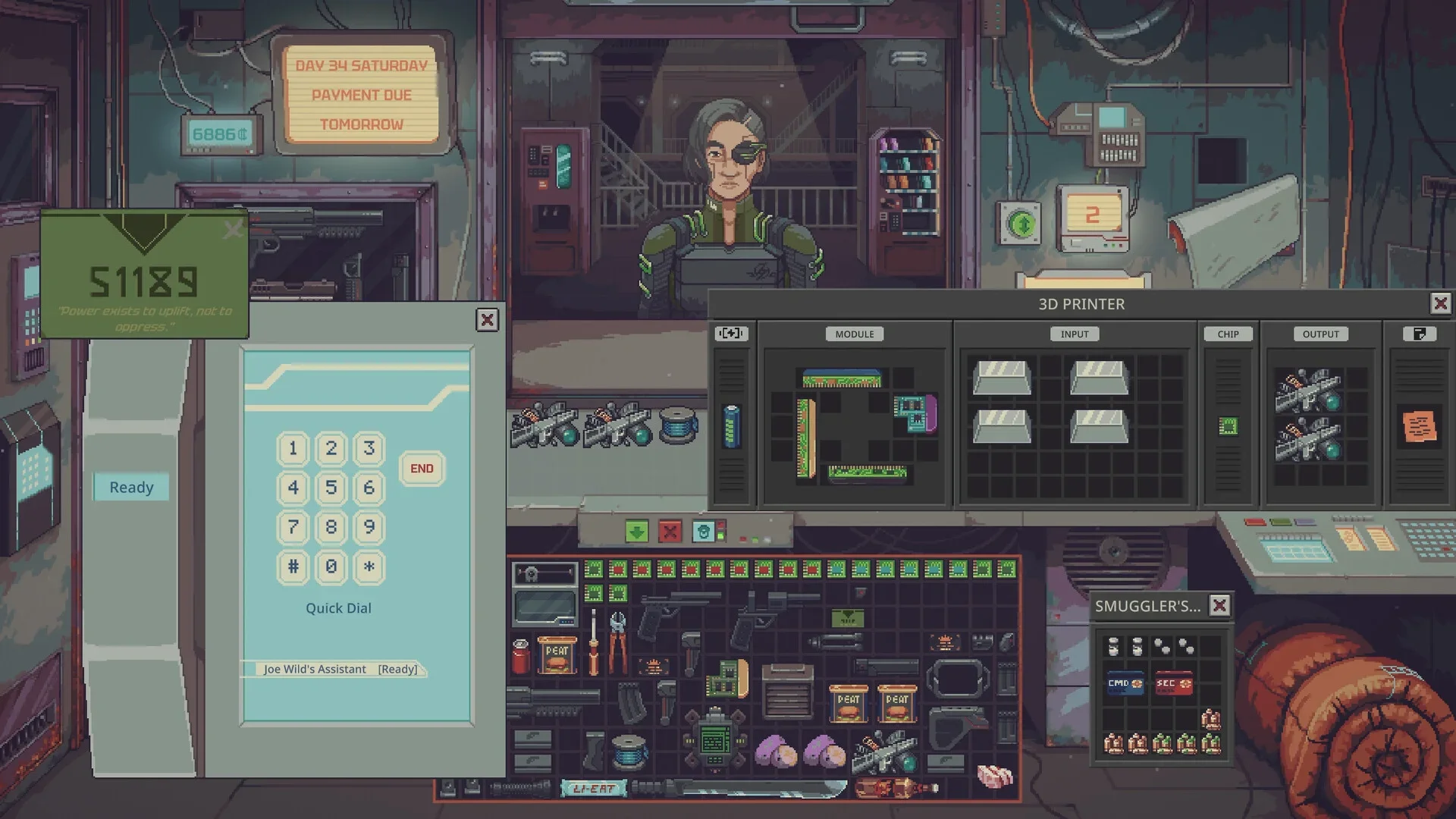

To start winemaking in Probably Stolen - Cyberpunk Shopkeeper Sim, buy the starter kit and gather the ingredients for a batch. Aged bottles can sell for well above 100 credits, but that selling price is not the same as profit.
Your first decision is how much shop money to commit to production. Budget for equipment separately from ingredients, and judge the trade by the cash left after costs. A valuable bottle still needs to sell before its price becomes money you can spend.
Budget for your winemaking setup

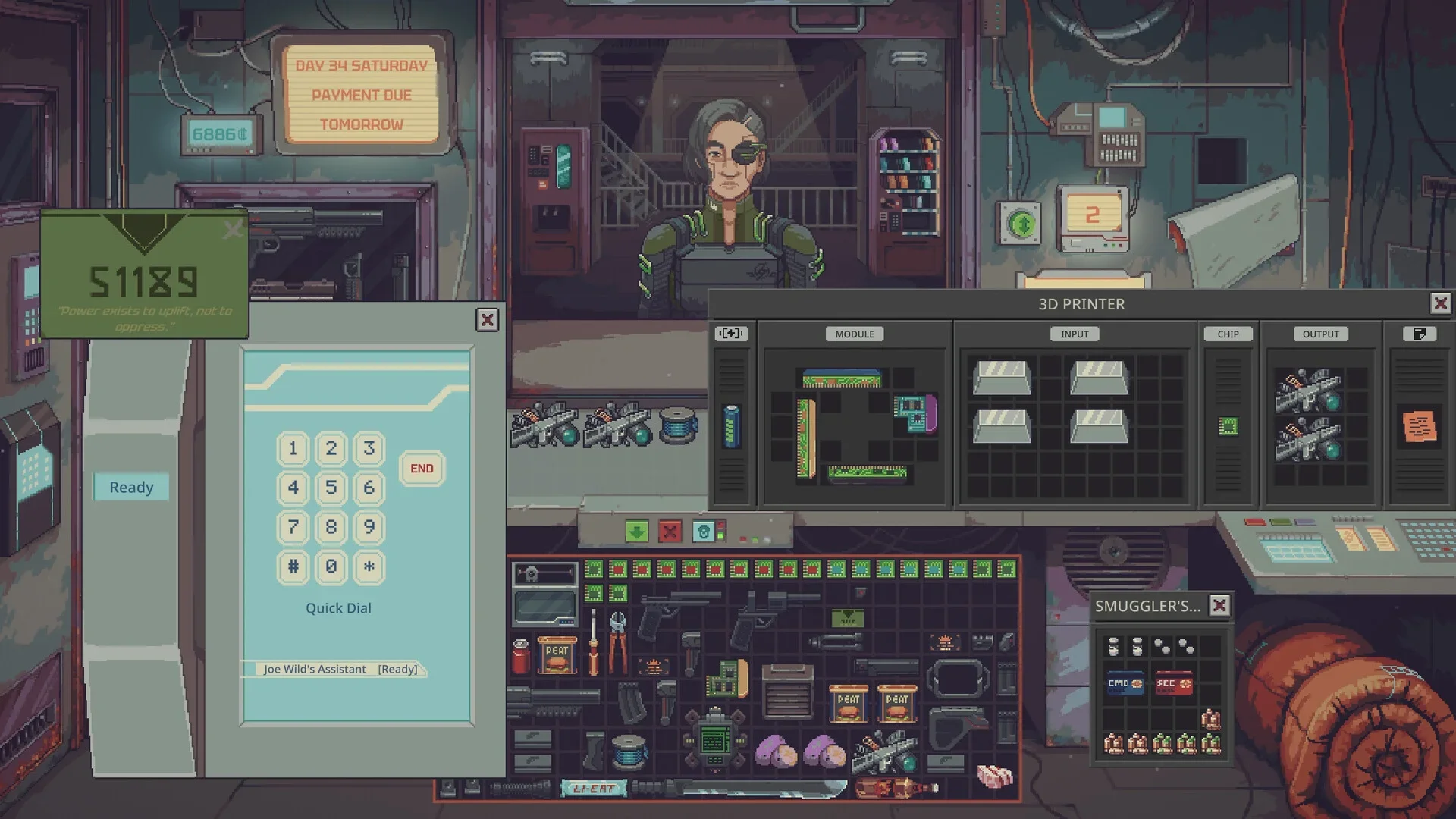
Start with the equipment cost
The starter kit costs 200 credits. Treat that purchase as the entry cost for winemaking, then leave room in your budget for the supplies needed to produce wine.
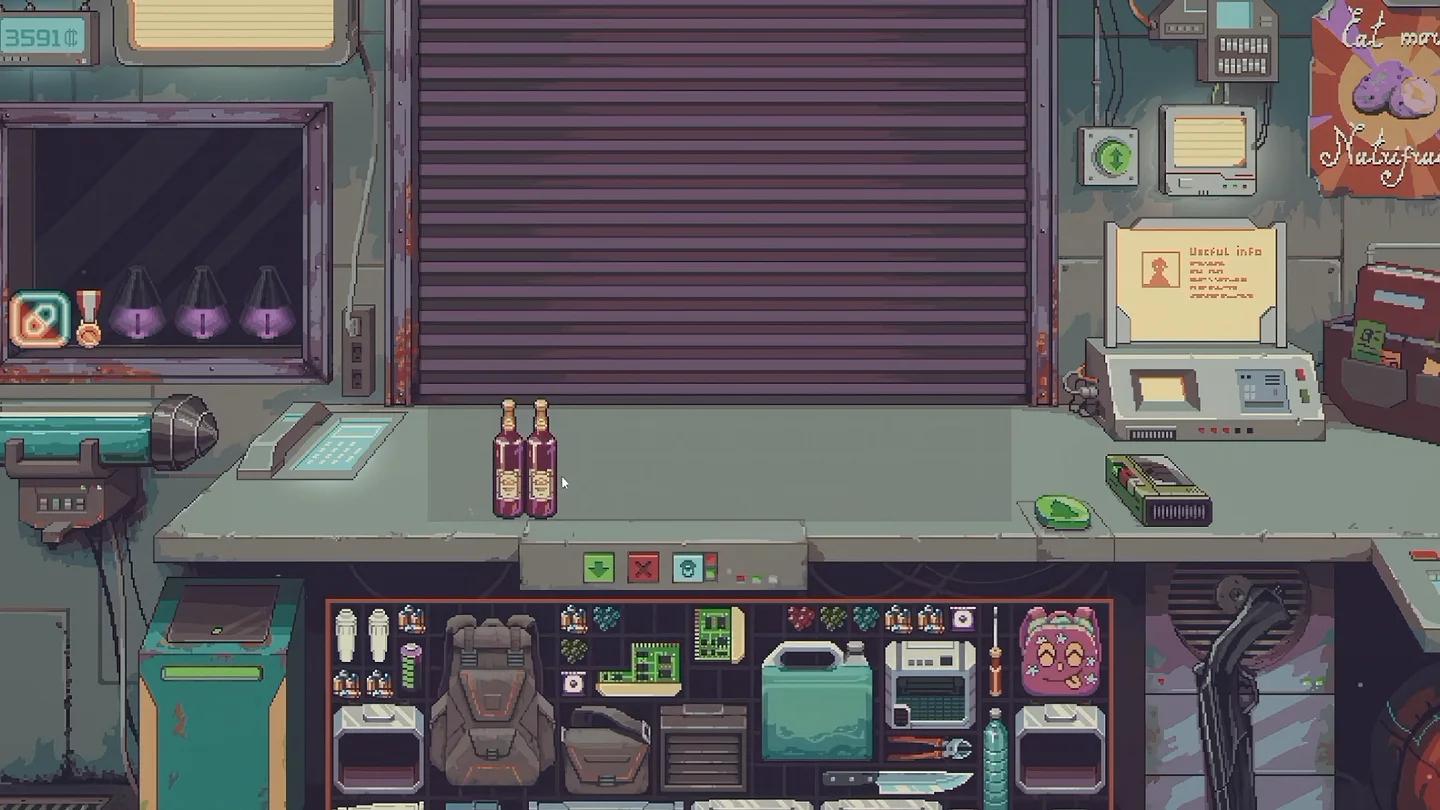
The winemaking starter kit
Keep production spending separate from the money that supports your Probably Stolen shop economy. If buying the kit would leave you unable to cover your regular shop expenses, save more before adding the trade.
| Part of the trade | Budget category | How to account for it |
|---|---|---|
| Starter kit | Setup expense | Track it separately from individual batches |
| Ingredients | Production expense | Record what you spend on each batch |
| Wine sold | Sales revenue | Subtract costs before treating the proceeds as profit |
Allow for ingredients in every batch
Record the ingredients you actually pay for when calculating a batch’s cost. Owning the kit does not mean your next batch is free, so check the supply bill before committing to repeat production.
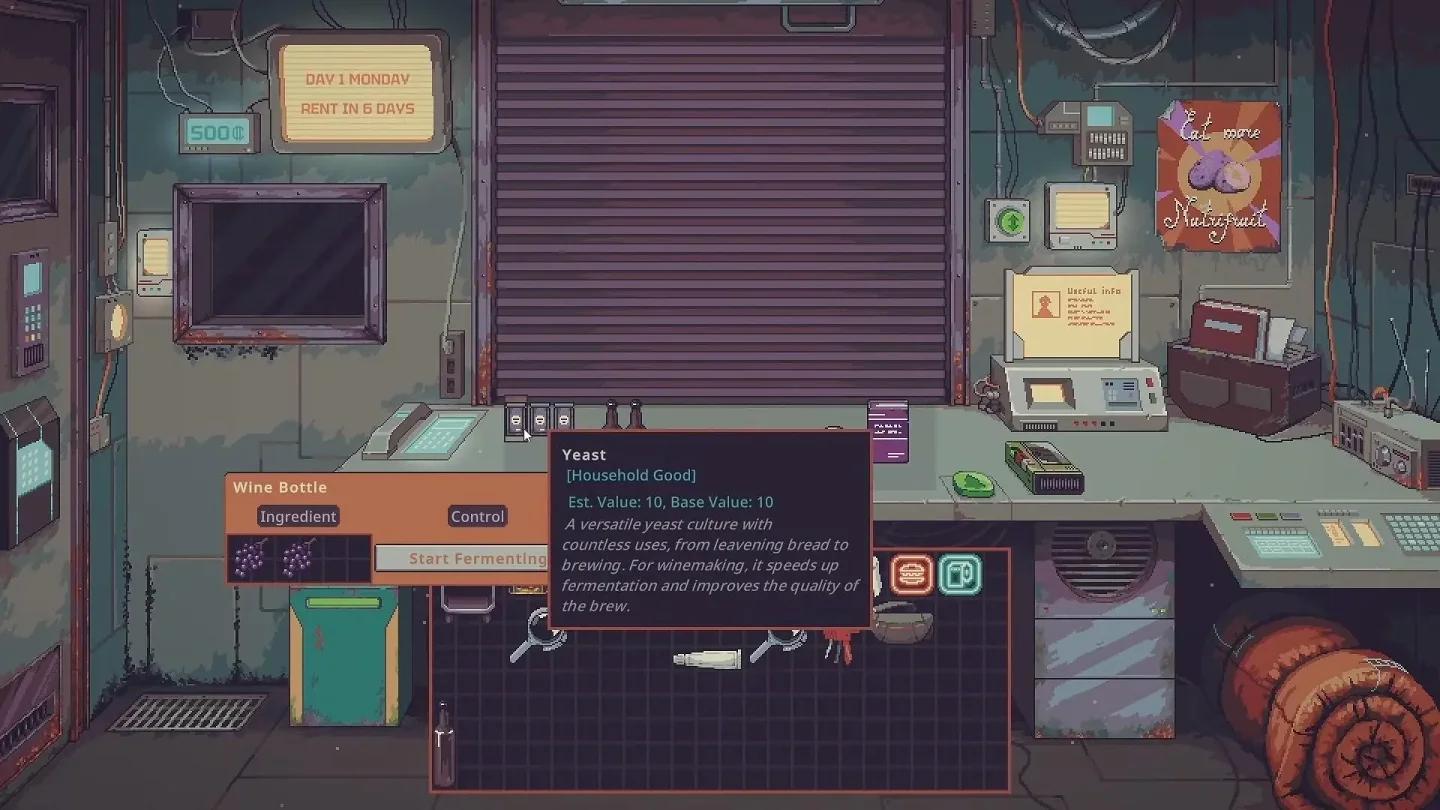
Ingredients for wine production
Judge wine by its return after costs
Separate a batch margin from total profit
For a basic ingredient-only check, calculate wine sales - ingredient spending. That subtotal tells you what remains after those inputs, but it still excludes the starter kit and your other shop expenses. Keep those costs in your running total when deciding whether the trade has paid for itself.
If another batch would consume money needed for other stock, compare it with the best items to sell in Probably Stolen before buying more supplies. The useful comparison is what you can afford to produce while keeping the counter stocked.
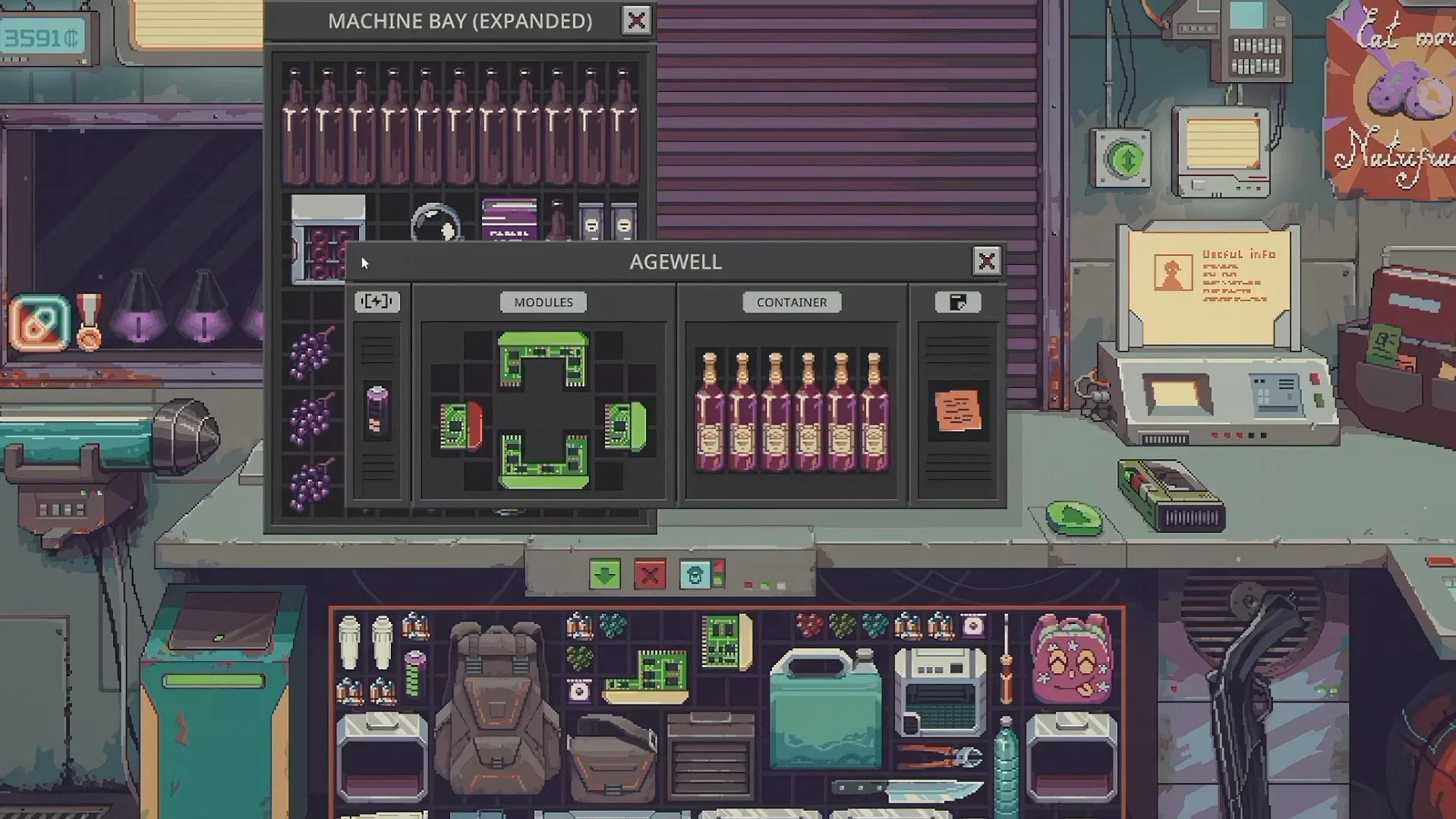
Budget with completed aged-wine sales
Record the actual amount received for an aged bottle. Do not use an expected future sale to fund an ingredient purchase you need to make now. Keep unsold wine in your stock calculations, not your spendable-cash total.
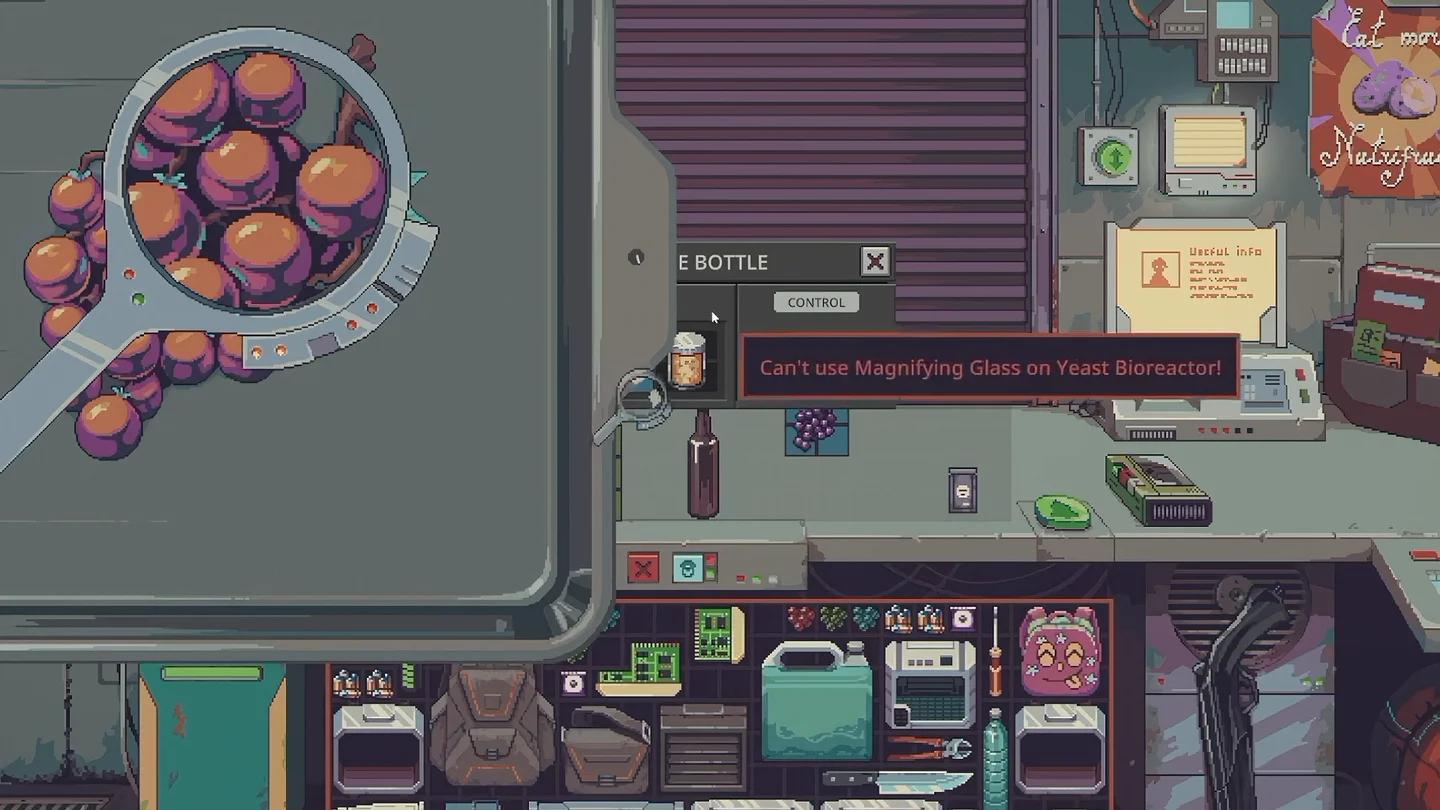
Aged wine in Probably Stolen
Decide what to do with the proceeds
Selling wine turns your stock back into money for shop purchases. Separate the amount needed to replace ingredients from the remainder before deciding how much to spend elsewhere.
If you are saving to buy the store in Probably Stolen, set aside part of the proceeds after production costs. Reinvest only the portion you can spare without drawing from that savings target or your regular shop budget.