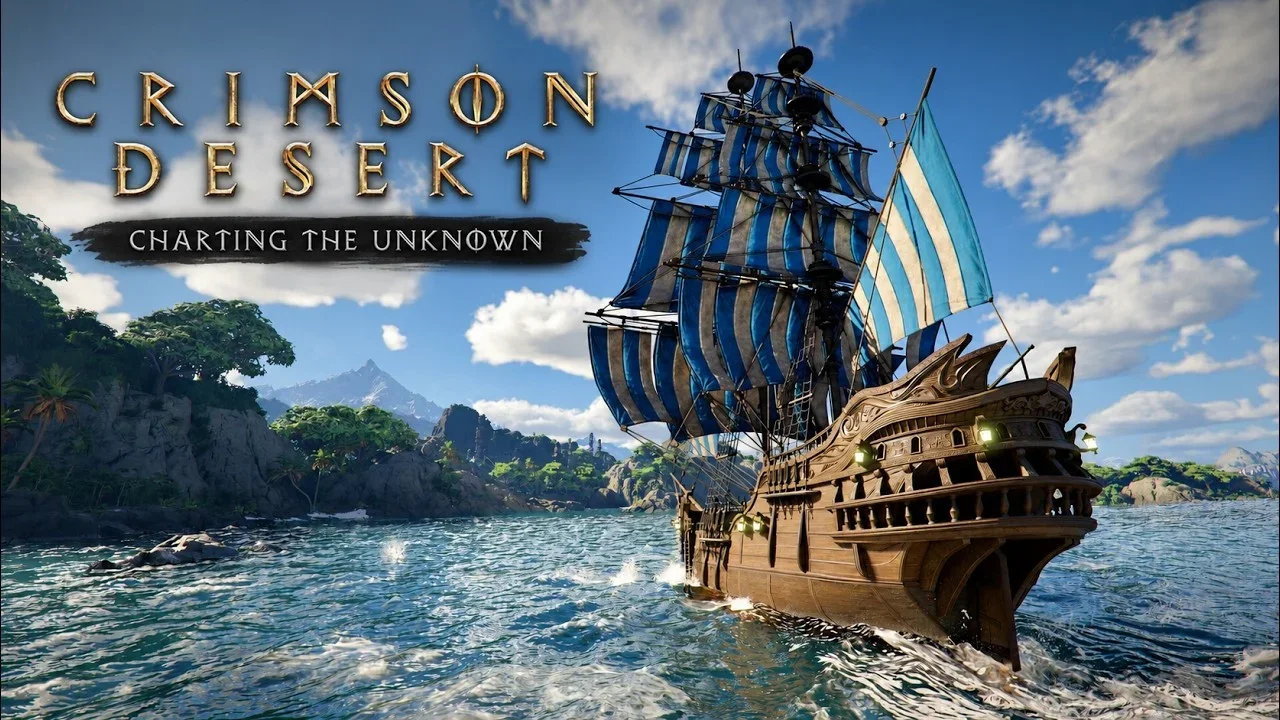
The Spear and Greatsword are the best dedicated melee picks in Crimson Desert, while the Sword is the better starting point if you're still learning combat. Bare Hands earn a top-tier place because unarmed attacks connect your weapon combos, not because you should abandon your loadout. Your second weapon matters, too: Bow supports distance and status effects, while Pistol rewards mobile juggling. The rankings below separate combat-style strength from the quality of individual named weapons.
Ranking criteria: What makes a weapon strong?
Version scope: The weapon-style rankings apply to the base game through update 1.14, dated July 16, 2026. Weapon types had received no direct balance changes through that update. Update 1.05 increased guard damage reduction across weapon types, while updates 1.04 and 1.06 reduced whetstone and anvil refinement bonuses. Later balance changes can alter these recommendations.
Combat-style tiers weigh four things:
- Adaptability: Can the weapon handle single enemies and groups?
- Ease of use: How demanding are its timing and inputs?
- Combo flow: Does it connect naturally with other weapons and unarmed attacks?
- Damage output: Does its damage justify its attack speed and commitment?
In-game tooltips organize equipment into five official categories: 1-Handed Weapons, 2-Handed Weapons, Ranged Weapons, Shields, and Daggers. Sword, Spear, and the other combat styles below sit within those broader categories. Bare Hands appears separately because of its combo utility.
Daggers also belong in equipment comparisons. Their fast, critical-focused role replaces the older recommendation to exclude them as stealth-only tools. For the equipment categories and their variants, use the weapon type breakdown.
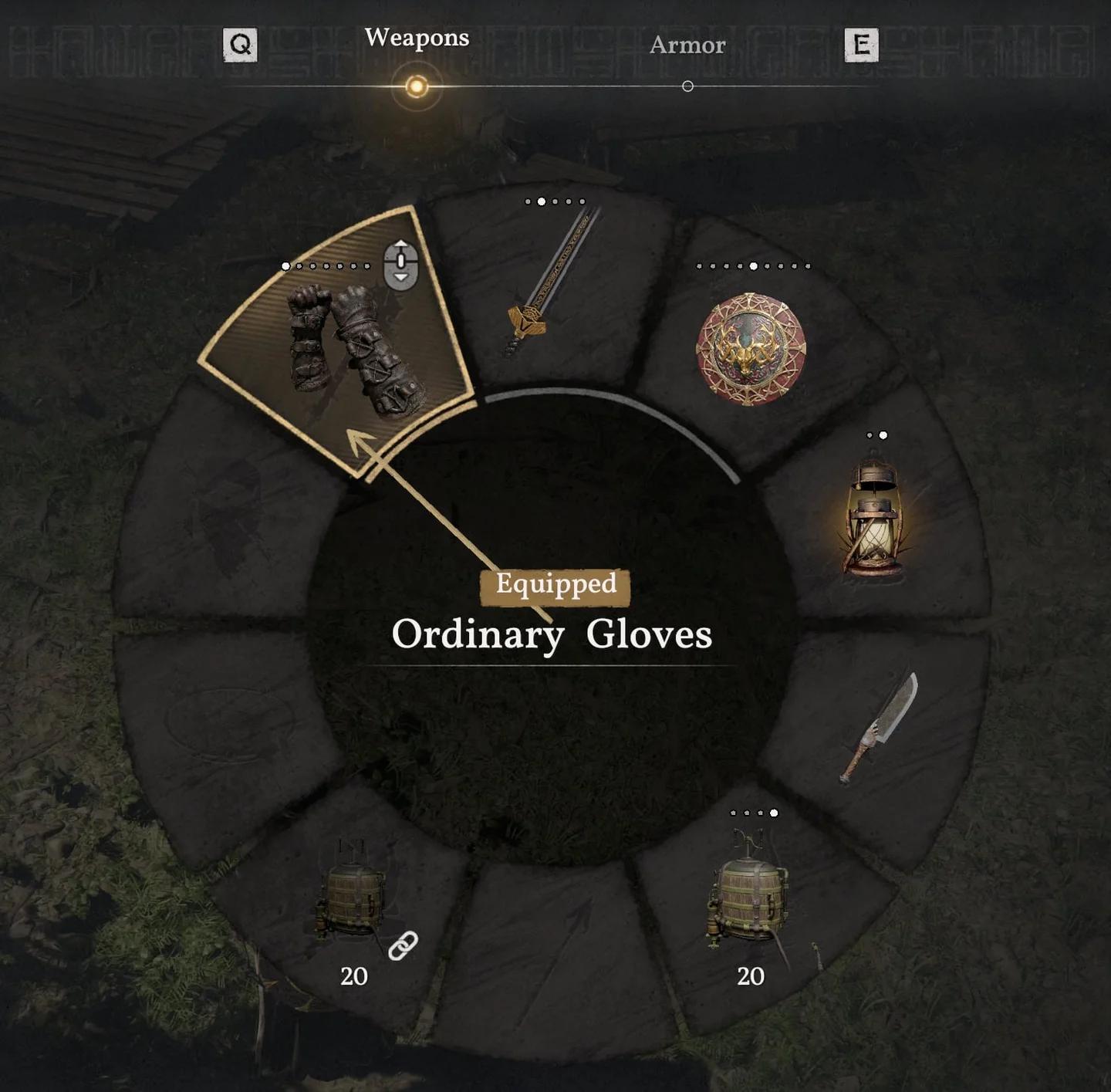
Compare your weapon loadout

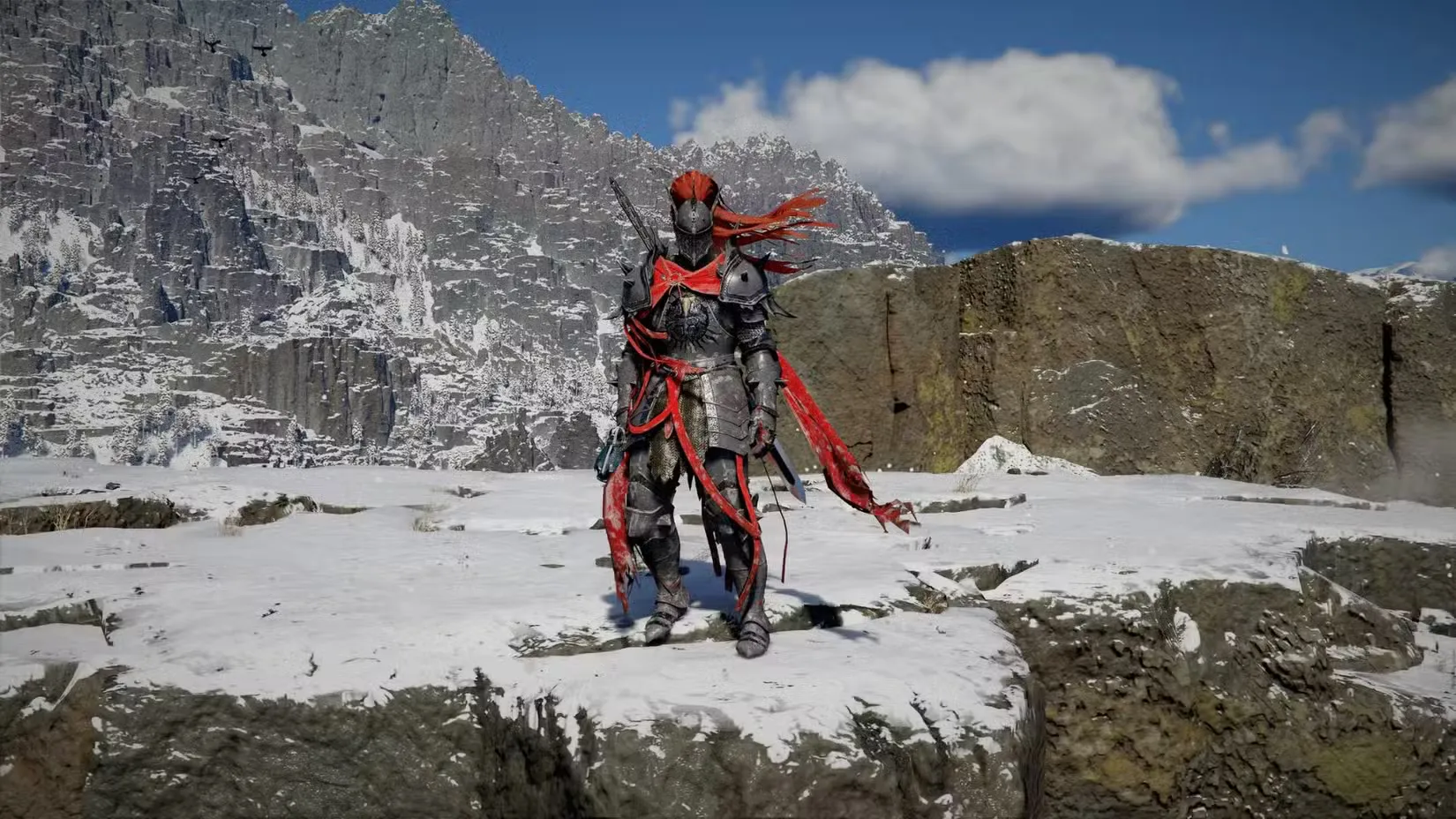
Full Crimson Desert weapons tier list
This table ranks general combat styles. S is the highest band, including Bare Hands for its contribution to other movesets. Named equipment receives a separate comparison later in the guide.
| Tier | Weapon style | Reason |
|---|---|---|
| S | Bare Hands (Knuckles) | Unarmed attacks extend or finish combos across weapon movesets. |
| S | Greatsword | Wide arcs, high damage per hit, and stagger work against groups and single targets. |
| S | Spear | Fast strikes, long reach, and knockdowns offer a strong balance of safety and pressure. |
| S | Bow | Distance, stealth utility, and status-effect projectiles support flexible loadouts. |
| S | Pistol | Post-shot dodging and airborne combo extensions reward mobile combat. |
| A | Sword | Accessible offense and shield compatibility make it the easiest starting recommendation. |
| A | Rapier | Mobility and a powerful riposte reward precise timing and extended combos. |
| A | Hand Cannon | Area damage clears clusters when you create time to charge a shot. |
| B | Axe | Heavy single hits and group damage come with punishing animation commitment. |
| B | Hammer | Launches and crowd control provide better combo setup than standalone damage. |
| B | Rifle | High single-target shot damage is held back by a lengthy reload. |
| C | Mace | Guard breaking has a role, but its slow attacks limit general-purpose flexibility. |
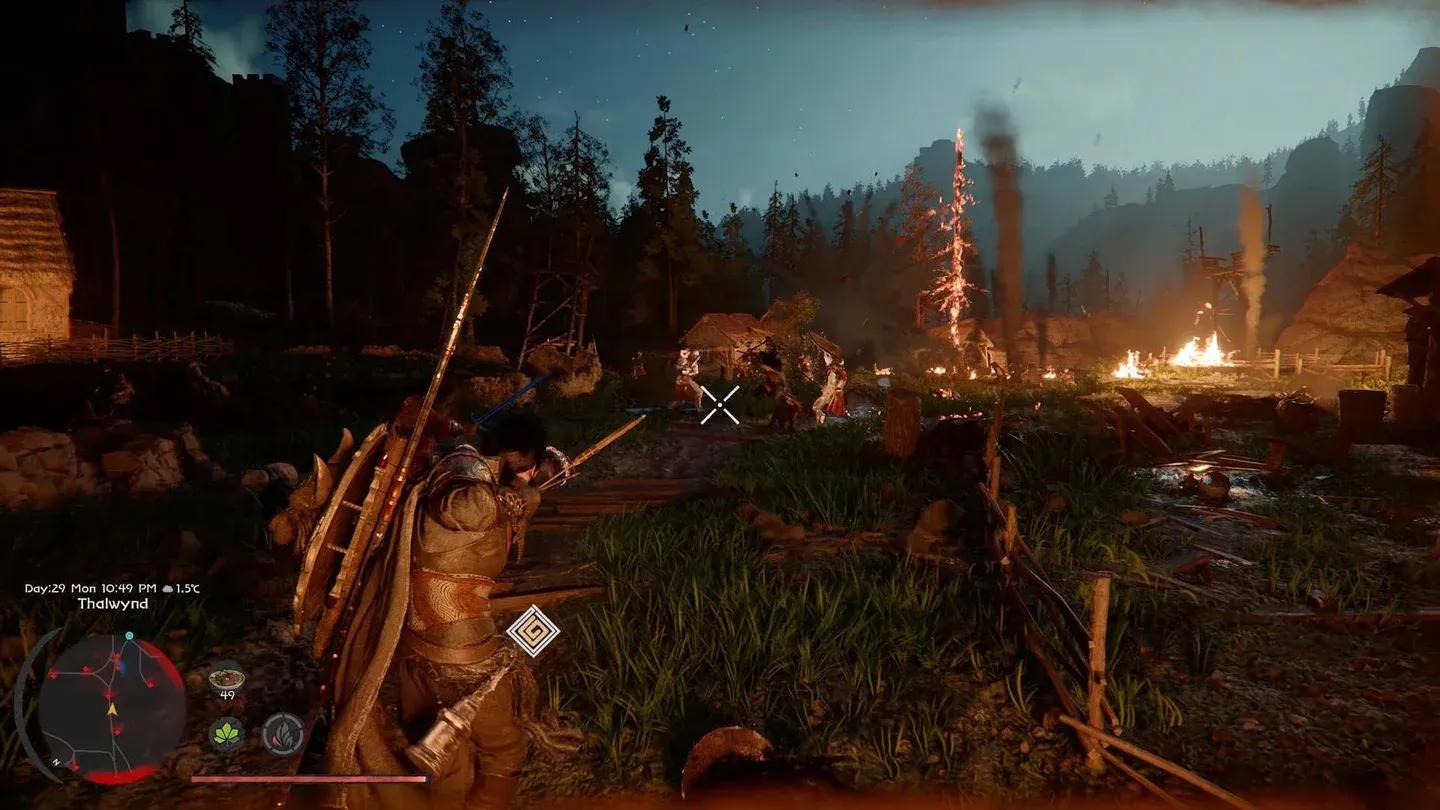
Greatsword arcs cover nearby groups
S tier: Why are bare hands so valuable?
Bare Hands connect attacks rather than competing with every equipped weapon for the same job. Their value comes from extending a sequence or finishing one after your armed attacks.
Best for players building mixed-weapon combos. Learn where unarmed attacks fit into your existing moveset before treating fists as an entirely separate fighting style.
S tier: The strongest dedicated weapons
Greatsword
Greatsword combines broad attack coverage with heavy hits and stagger against large enemies. Its wind-up is forgiving for a heavy weapon, although it remains slower than faster melee options.
Best for clearing nearby groups without giving up strong single-target damage. Choose it if you want substantial hits, but still respect the timing needed to finish a committed attack.
Spear
Spear builds damage through rapid strike chains while keeping enemies farther away than short-reach melee weapons. Knockdown moves add crowd control, although individual hits have less burst damage and very large groups are less comfortable matchups.
Best for players who want fast melee combat with room to manage distance. Its combination of reach and speed makes it a natural step beyond Sword.
Bow
Bow supports stealth takedowns, distance management, and projectiles with different status effects. It also fits into hybrid combat, letting you weaken an enemy or reposition before returning to melee.
Best for players who want a ranged secondary with several jobs. Bow contributes more than damage when a close-range encounter gets crowded.
Pistol
Pistol supports a dodge after firing and extends airborne juggle combos. That makes it particularly effective at close-to-medium range, where movement and combo continuity matter as much as the shot itself.
Best for mobile players who enjoy juggling enemies. It can anchor a combat style rather than serving only as an occasional ranged attack.
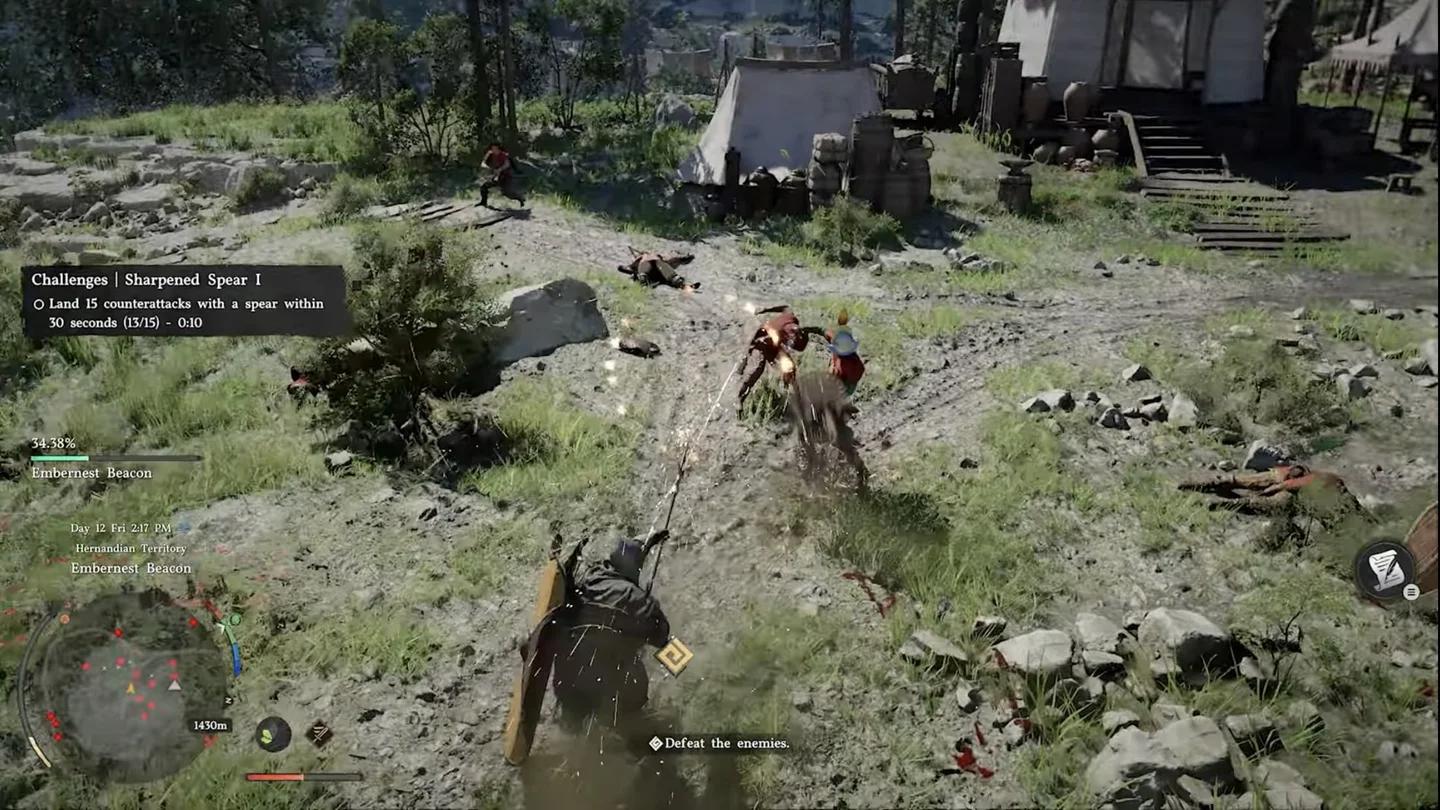
Spear reach creates safer openings
A tier: Strong all-around options
Sword
Sword supports straightforward attacking and shield-backed defense without demanding long input sequences. Its short reach makes group fights less efficient than its accessible handling might suggest.
Best for beginners learning combat fundamentals. Dual-wielding Swords adds faster, wider attacks, making that setup more suitable for groups than a single Sword.
Rapier
Rapier offers exceptional melee mobility and a riposte that delivers heavy damage when triggered by an enemy attack. Its stronger sequences demand precise inputs and long combo strings.
Best for technical players who enjoy reactive combat. Skip it as your first choice if timing pressure is already causing missed attacks.
Hand Cannon
Hand Cannon delivers area damage against clustered enemies, but charging a shot needs an opening. Axe and Hammer crowd control can supply that setup through stuns and knockdowns.
Best for players willing to prepare a shot instead of firing continuously. Pair it with control tools rather than expecting it to solve every close-range problem alone.
B tier: Situational but viable
Axe
Axe hits hard and offers strong area-damage combos, but its animation lock makes a missed or interrupted attack expensive. The commitment is the problem, not a lack of damage.
Best for players comfortable choosing attack openings. Its performance can vary with the character and loadout, so the B placement is a general recommendation rather than a verdict on every Axe setup.
Hammer
Hammer charged attacks launch enemies and clear space. Its damage is modest relative to its slow handling, which makes combo setup the better reason to equip one.
Best for opening a sequence before switching to a faster weapon. Judge Hammer by the follow-up it enables, not just its own hit.
Rifle
Rifle offers high damage per shot against individual enemies with large health pools. Long reloads make it less flexible in fast encounters.
Best for specialist single-target support. Skip it as your default ranged choice if you prefer constant movement and frequent attacks.
C tier: What's wrong with the mace?
Mace specializes in breaking guards and locking down defenders, but it attacks more slowly than Sword and depends heavily on a shield for defensive play. Other styles provide more flexible control alongside their regular attacks.
Best for a deliberate guard-breaking setup. This style rating does not make every named Mace poor equipment: Balton Mace, for example, earns an A-tier item placement within the one-handed equipment comparison below.
What's the best weapon for beginners?
Start with Sword, ideally alongside a shield if you want damage reduction while learning combat. Its accessible inputs let you focus on enemy behavior instead of managing Rapier timing or Axe commitment. Bow is the alternative secondary recommendation when you prefer learning at a distance.
Move to Spear once Sword feels comfortable. You retain fast, approachable attacks while gaining longer reach and knockdown options.
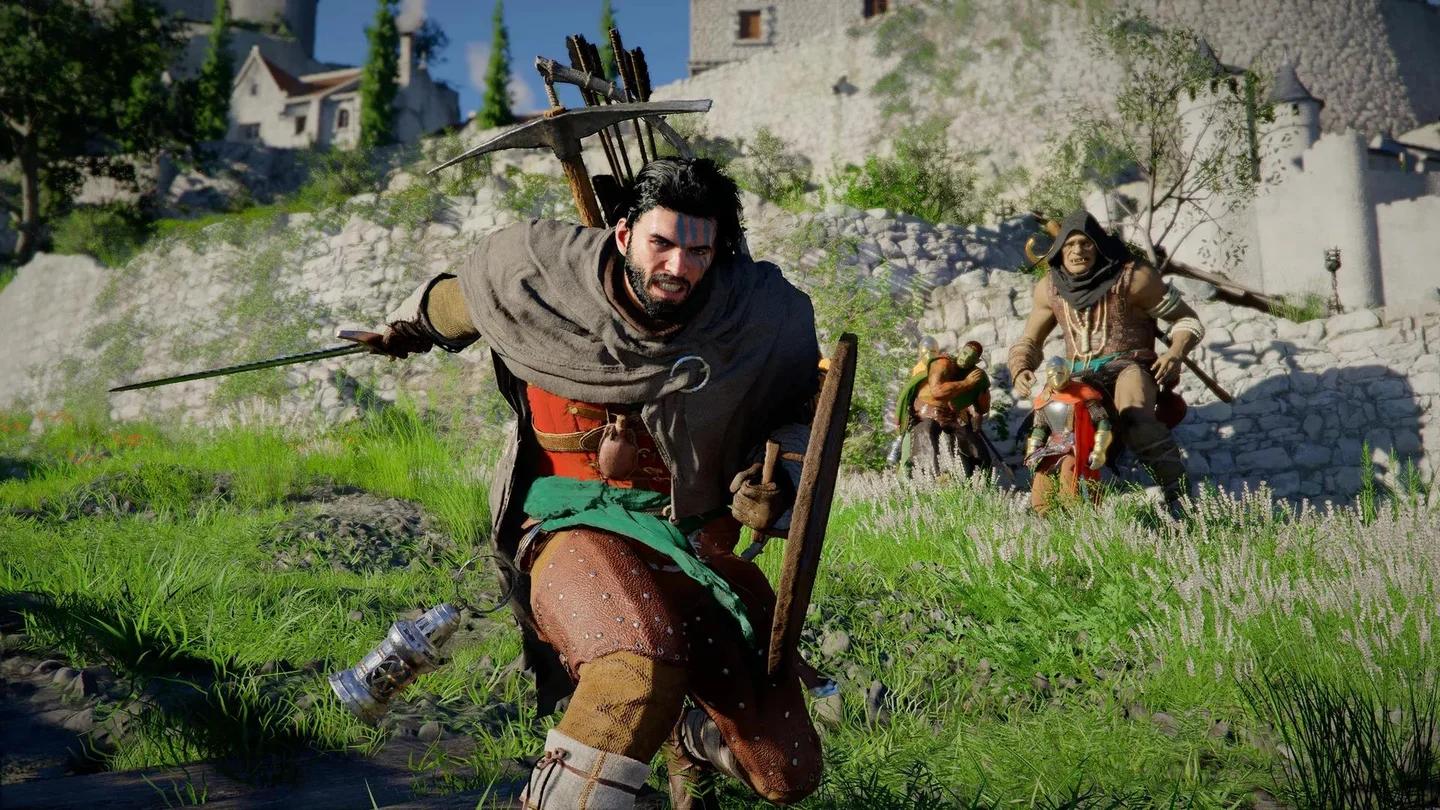
Sword and shield starting setup
How does weapon choice affect your combat style?
Weapon choice changes attack movement, stamina use, reach, and combo rhythm. Spear rewards sustained pressure at a distance; Axe asks you to commit to a slower, heavier attack. Those differences remain relevant even against the same enemy.
Environmental attacks, grappling-hook repositioning, and mounted combat add further options around your equipped weapons. For the connections between attacks and movement, the Kliff combat system guide explains how those tools fit together.
Weapon playstyle quick reference
These are qualitative handling comparisons, not fixed damage measurements.
| Weapon | Speed | Damage | Range | Best for |
|---|---|---|---|---|
| Sword | Medium | Medium | Short | Learning offense and defense |
| Greatsword | Slow | Very high | Medium | Heavy hits and group clearing |
| Spear | Fast | Medium | Long | Reach and knockdown pressure |
| Rapier | Very fast | Low to high | Short | Technical single-target combat |
| Axe | Slow | Very high | Medium | Committed burst attacks |
| Hammer | Slow | Low | Short | Launches and combo setup |
| Mace | Slow | Medium | Short | Guard breaking |
| Bow | Medium | Medium | Long | Stealth and hybrid loadouts |
| Pistol | Fast | Medium | Medium | Mobile juggle combos |
| Hand Cannon | Medium | High | Medium | Clustered enemies |
| Rifle | Slow | High | Very long | Single-target support |
Which named weapons should you compare?
Combat-style strength and item quality answer different questions. Silverwolf Axe can be an S-tier one-handed item while Axe remains a more demanding general combat style.
The named-item tiers below compare equipment within its own category using attack plus 50% of defense value. SPD and CRIT bonuses are displayed for comparison but do not determine these item tiers. An S-tier shield and S-tier Spear therefore serve different purposes.
| Tier | Named equipment | Stats | Reason |
|---|---|---|---|
| S | Soul Spear | ATK 27 | High attack makes it a leading two-handed equipment pick. |
| S | Silverwolf Axe | ATK 18, SPD 1, CRIT 1 | Combines strong one-handed attack with speed and critical bonuses. |
| S | Hollow Visage | ATK 17, SPD 2, CRIT 1 | Offers strong one-handed attack alongside both bonus stats. |
| S | Gilliam Large Shield | DEF 8 | Provides one of the highest defense values in this equipment selection. |
| S | Delesyia Shotgun | ATK 16, CRIT 1 | Leads this ranged selection in raw attack. |
| S | Pailunese Riteblade | ATK 12, CRIT 5 | A leading Dagger option with a substantial critical bonus. |
| A | Sword of the Lord | ATK 13, SPD 2 | Pairs a moderate attack value with a speed bonus. |
| A | Falconne Pistol | ATK 13, SPD 1, CRIT 1 | Provides attack, speed, and critical bonuses for Pistol users. |
| A | Balton Mace | ATK 13 | Its attack earns a stronger item tier than the Mace style's general ranking. |
| B | Grace Rapier | ATK 11, SPD 1 | Has a speed bonus but lower attack than the leading one-handed picks. |
| C | Sturdy Tree Branch | ATK 3 | Its low attack leaves it far behind stronger one-handed equipment. |
How do you improve a weapon you already like?
Refine weapons at a blacksmith
Refinement raises weapon stats through a Blacksmith. Non-unique weapons accept gathered materials or duplicate weapons, while unique weapons require specific materials.
Whetstone and anvil bonuses were reduced in updates 1.04 and 1.06, so older refinement expectations may not match the update 1.14 balance.
Change modifiers with Abyss Gear
Abyss Gear adds weapon modifiers separately from refinement. Visit Elowen the Witch, encountered through story progression, to equip or change your weapon's Abyss Gear loadout.
Common mistakes
- Choosing only by attack: Hammer's launches and Pistol's juggle extensions explain why damage alone misses part of their value.
- Ignoring attack commitment: Axe damage does not remove the risk of getting interrupted during an animation.
- Confusing style and item tiers: Balton Mace's A-tier equipment placement measures something different from Mace's C-tier general handling.
- Ignoring weapon switching: Spear pressure and a heavy finishing weapon can complement each other better than either style used alone.
Pro tips
- Use Hammer launches to begin a sequence, then switch to a faster weapon for the follow-up. This suits players building around combo control.
- Consider dual Swords when a single Sword feels too limited against groups. Their faster, wider attacks address that specific weakness.
- Use Bow status projectiles before closing into melee. This suits hybrid loadouts that want their ranged slot to contribute throughout a fight.
Frequently asked questions
Is Spear better than Greatsword?
Spear is better for fast pressure, reach, and knockdowns. Greatsword is better for broad attack coverage, heavy individual hits, and stagger. Both belong in S tier because they handle several encounter types well.
Are daggers only for stealth?
No. Daggers are fast, critical-focused equipment options. Pailunese Riteblade has ATK 12 and CRIT 5, while Bekker Dagger has ATK 10, SPD 1, and CRIT 5.
Where can you get more weapons?
Regular weapons come from Equipment Shops, enemy loot, chests, and exploration. Unique weapons can come from treasure chests, main quests, and faction quests. Blacksmith crafting requires gathered materials and learning the relevant books first.
How should you build around your chosen weapon?
Choose a weapon for its combat role, refine it, and use Abyss Gear to add modifiers. For character-specific equipment and skill recommendations, continue with the best builds for every character.