
Shadowblight Necromancer leads this Diablo IV Season 10 tier list for early power, while Death Trap Rogue excels with a complete setup.
These rankings apply to Season 10, the Season of Infernal Chaos, including Chaos Armor and Chaos Perks. They balance everyday endgame performance with Pit pushing, so the highest-damage specialist does not automatically become the best character to build first.
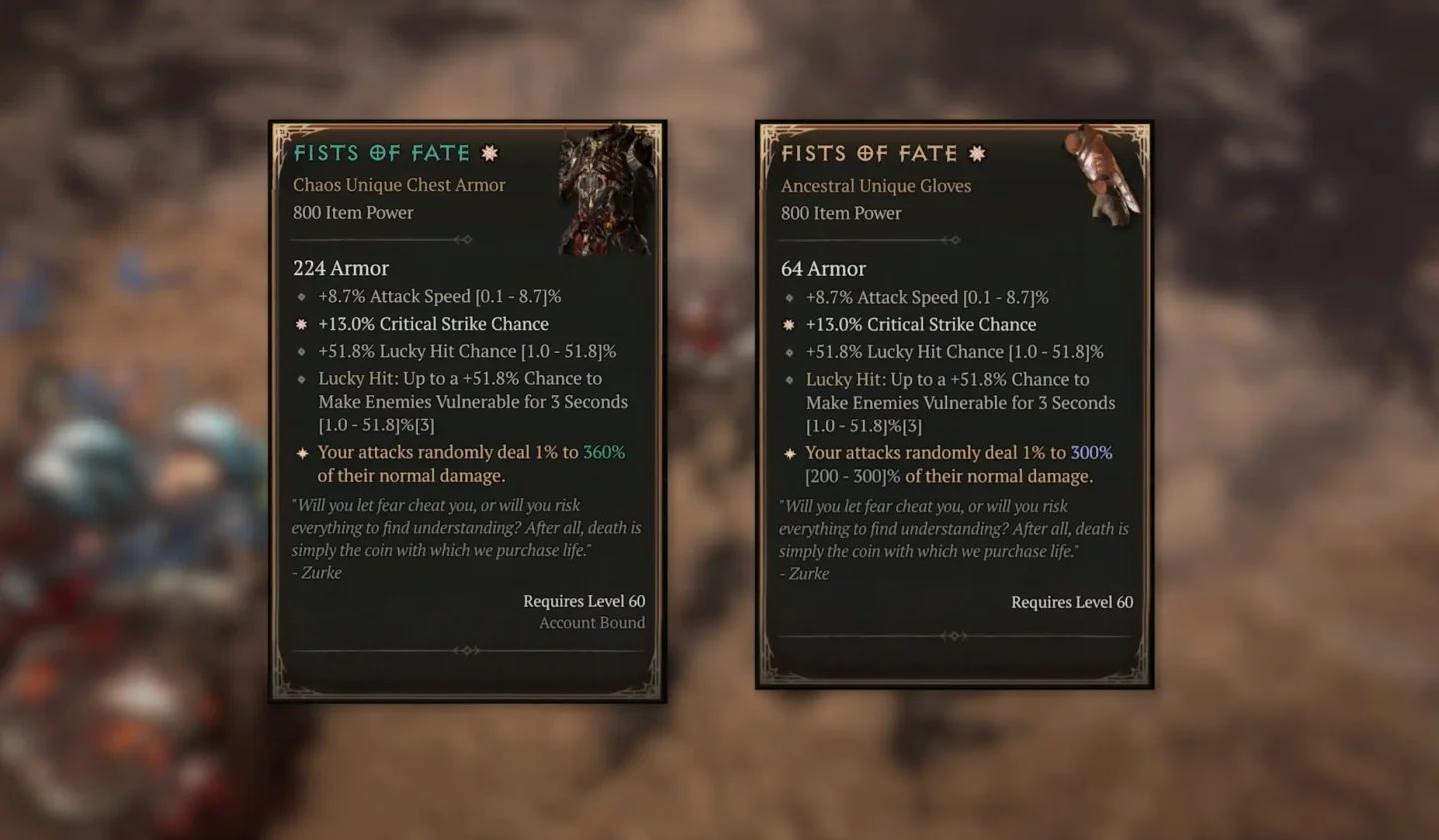
Chaos Armor changes slot choices
How the Season 10 builds rank
The ranking weighs four practical factors:
- Damage: Performance against bosses and tougher Pit enemies.
- Farming speed: Movement, area damage, and time spent clearing routine content.
- Progression: How quickly the build becomes useful and whether it needs several specific items.
- Ease of use: Input demands, awkward rotations, and restrictions outside its preferred activity.
S-tier builds offer exceptional power or broad usefulness. A-tier builds remain strong choices, often with a narrower advantage. B-tier builds work but carry substantial setup or gameplay compromises. C-tier builds fall behind the stronger alternatives covered here.
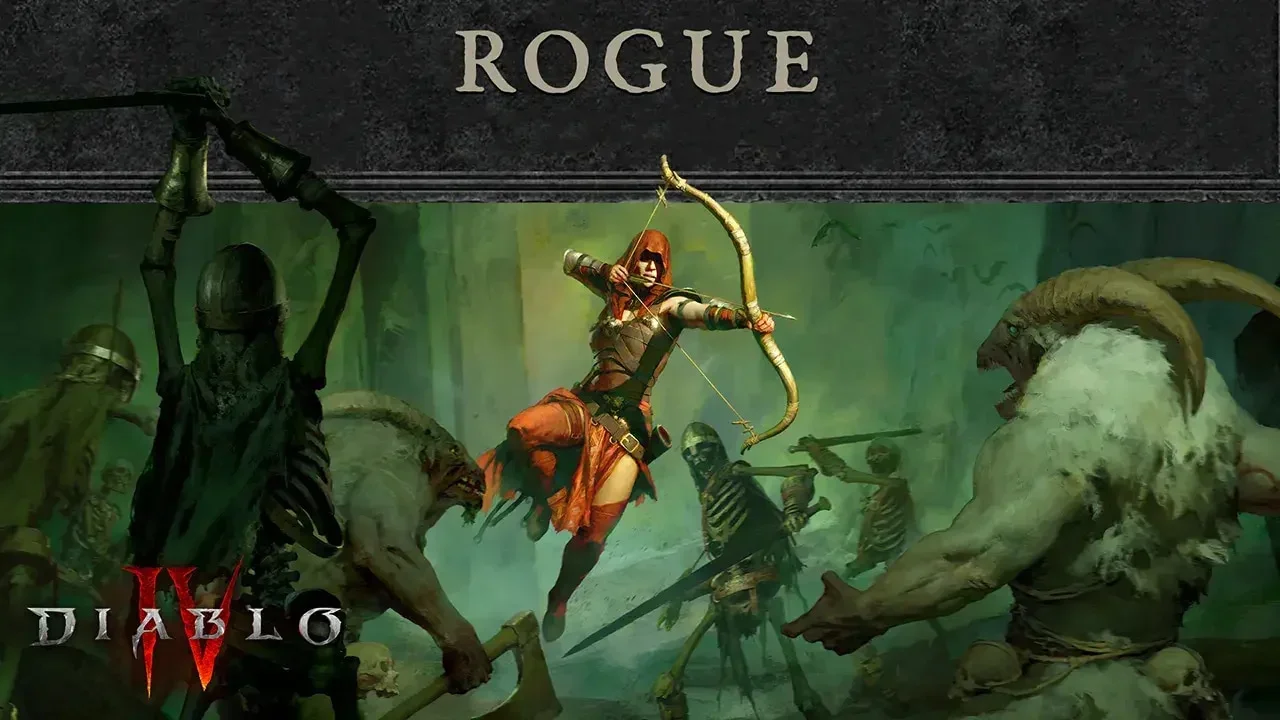
These are endgame rankings, not a leveling order. Dance of Knives can be the right Rogue starter even though a fully assembled Death Trap setup ranks higher.


Diablo IV Season 10 build tier list
Each build has its own placement. Builds within a tier are not ordered by a guaranteed maximum Pit clear.
| Tier | Build | Class | Reason |
|---|---|---|---|
| S | Shadowblight | Necromancer | Comes online early and performs strongly in bossing, farming, and Pit pushing. |
| S | Death Trap | Rogue | Exceptional across endgame activities once its item and breakpoint requirements are met. |
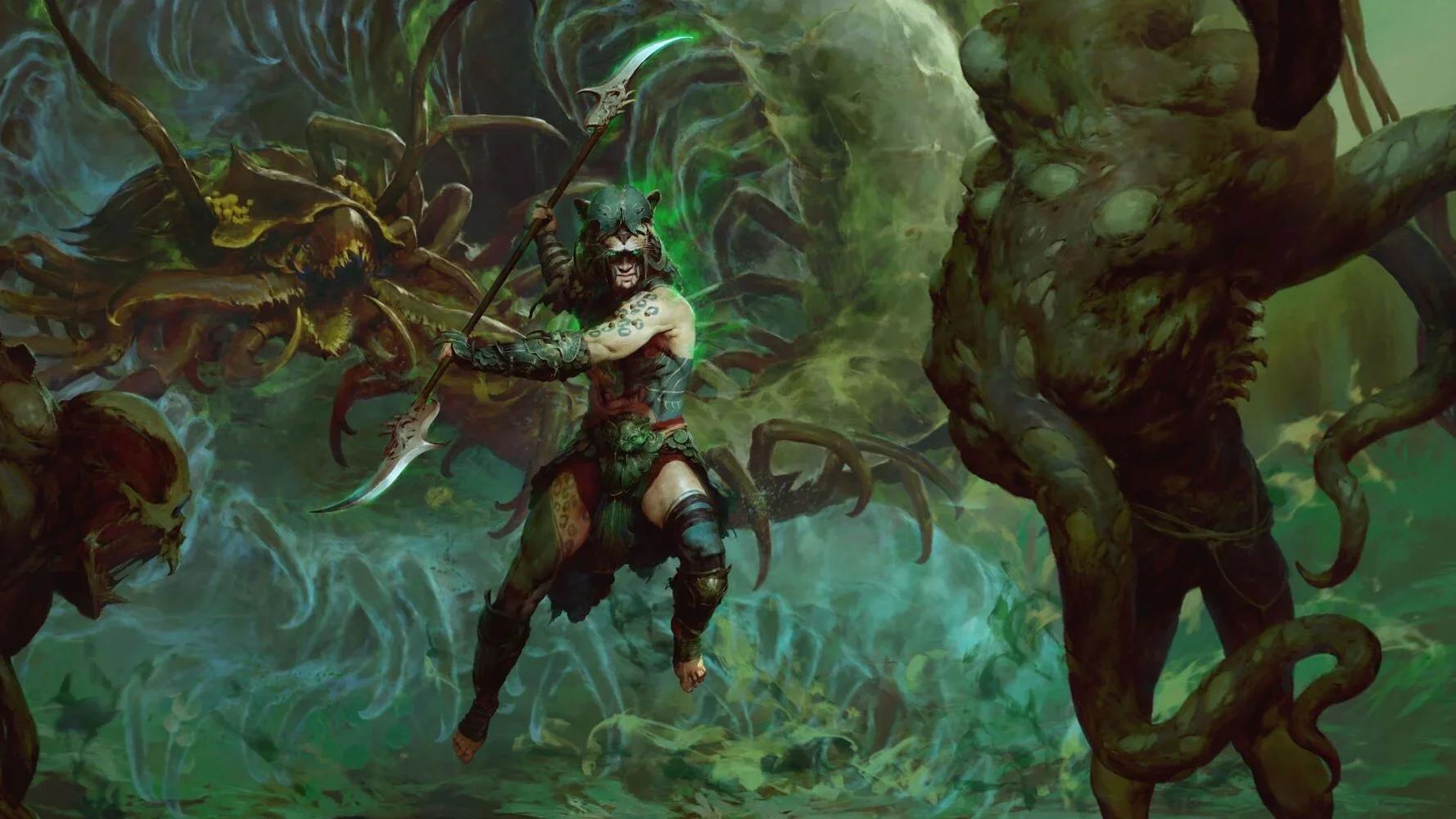
| S | Rake | Spiritborn | Combines an Evade-style movement loop with powerful seasonal damage interactions. |
| S | Hydra | Sorcerer | Strong Pit performance accompanies a straightforward summon-and-move farming loop. |
| S | Ball Lightning | Sorcerer | Demonstrated Pit 118 performance supports its place among the leading Sorcerer builds. |
| S | Crackling Energy | Sorcerer | Joins Hydra and Ball Lightning among the class's strongest Season 10 options. |
| S | Evade | Spiritborn | Excellent movement and smooth progression make it a standout farming choice. |
| S | Payback Thorns | Spiritborn | A retaliation-focused melee setup with clears into the high 120s in the Pit. |
| S | Pulverize | Druid | The leading Druid Pit pusher, although its routine clearing is slower. |
| S | Shred | Druid | Fast farming and strong pushing make it a flexible Druid choice. |
| S | Ravens | Druid | Combines farming speed, high-end damage, and comfortable controller play. |
| S | Cataclysm | Druid | Low-input gameplay works particularly well for relaxed farming and Infernal Hordes. |
| S | Lunging Strike | Barbarian | Its dual-basic seasonal setup has demonstrated a Pit 118 clear. |
| S | Bone Splinters | Necromancer | Piercing splinters support fast farming and demonstrated Pit 117 performance. |
| S | Skeletal Warriors | Necromancer | Seasonal Reap attacks benefit from both minion damage and basic-skill multipliers. |
| A | Dance of Knives | Rogue | Excellent leveling and early Torment progression make it an effective gearing build. |
| A | Flurry | Rogue | Fast gameplay and simple gearing make it an accessible alternative. |
| A | Heartseeker | Rogue | A strong option for keeping a bow-focused Rogue playstyle. |
| A | Lightning Spear | Sorcerer | Exceptional farming speed earns it a recommendation despite a lower pushing rank. |
| A | Dust Devil Autocast | Barbarian | Automated shout interactions produce frequent Dust Devils for speed farming. |
| A | Quill Volley | Spiritborn | Chaos Armor combinations keep this returning ranged option competitive. |
| A | Crushing Hand | Spiritborn | Seasonal item combinations support a powerful alternative to the leading Spiritborn setups. |
| A | Shadow Mages | Necromancer | A strong farming alternative below the three leading Necromancer setups. |
| A | Boulder | Druid | A bug affecting its key item holds it below its expected S-tier potential. |
| B | Forceful Arrow with Orphanmaker | Rogue | A specialized basic-skill setup built around Pit pushing. |
| B | Bone Spirit | Necromancer | Solid potential is offset by awkward gearing and execution. |
| B | Blood Wave | Necromancer | Remains viable but is less developed and more cumbersome than the leading alternatives. |
| C | Twisting Blades | Rogue | Slower clearing leaves it behind the season's stronger Rogue choices. |
| C | Penetrating Shot | Rogue | Limited area damage holds back its clear speed. |
Which build should you start with?
For Rogue, begin with Dance of Knives if your Death Trap pieces are incomplete.
Pick early power before a demanding final setup
Choose Shadowblight Necromancer if you want one character to handle several endgame jobs without waiting for an elaborate item combination. Soulrift drains nearby enemies and triggers large Shadowblight damage procs, giving the build its mobile damage loop.
Evade Spiritborn is another sensible progression choice. It works through leveling and the climb toward Torment IV, then remains useful for Paragon farming. You do not need to abandon its playstyle simply because you have reached endgame.
Adding Poison Trap through Bursting Venoms supports the climb to level 100 Glyphs while you collect equipment for another setup.
Switch to Death Trap when the whole setup works
Death Trap is a destination build, not an automatic upgrade whenever one useful item drops. Its resource and breakpoint requirements need to work together before its high-end performance becomes a fair comparison with your current farmer.
Flurry is the simpler alternative when you want a fast Rogue without assembling that complete combination. Heartseeker answers a different preference: keeping ranged bow combat instead of moving into a trap-focused setup.
Plan the Death Trap transition
Should you prioritize Pit pushing or farming?
Pick the farming variant when your immediate goal is collecting Chaos Armor, not improving a personal Pit record.
Choose Druid and Spiritborn by the activity
Pulverize is the Druid pick for pushing the highest Pit tiers, but Shred and Ravens are better fits when you want to move quickly between farming runs. Both also play well on controller, so choosing speed does not require giving up strong pushing performance.
Cataclysm suits a lower-input approach, particularly in Infernal Hordes. Its appeal is maintaining damage with less active execution, not replacing Pulverize as the class's leading pushing build.
Rake Spiritborn offers mobility alongside high damage. Payback Thorns instead centers on close-range retaliation. Its Season 10 setup can place three weapon effects into armor slots through Chaos Armor, creating a very different equipment plan from a normal weapon-and-armor arrangement.
Choose Sorcerer when repeated clears are the priority
Hydra, Ball Lightning, and Crackling Energy are the primary high-power Sorcerer choices. Lightning Spear ranks lower here because the list also weighs pushing strength, but it remains one of the season's fastest farming options.
A Ball Lightning and Lightning Spear hybrid is another route for clearing Torment IV content quickly.
How Chaos Armor changes build requirements
Chaos Armor can put a Unique effect into an equipment slot where that item does not normally appear. Fists of Fate, normally gloves, can appear as a chest piece. Check the slot in your Inventory before deciding whether two useful effects must compete for the same position.
Sorcerer benefits from a specific mobility combination. A Chaos Flickerstep effect can provide 2.5 seconds of Evade cooldown reduction alongside another 1.5 seconds on normal boots, reaching 4 seconds in total. This supports the repeatable Teleport cycle behind the class's farming speed.
Spiritborn setups can be more demanding because several weapon effects may need to occupy particular armor slots. A build's damage potential does not remove the need to find the correct item-and-slot combination.
For a separate seasonal comparison, the Diablo IV Season 13 best builds tier list covers that season's choices. Keep those recommendations separate from these Season 10 equipment combinations.
Which Barbarian or minion setup should you choose?
Barbarian: manual pushing or automated farming
Lunging Strike uses Dual Threat to autocast a second basic skill. Unstable Power adds guaranteed Critical Strike and Overpower effects with a 100% damage increase, supporting the dual-basic setup's pushing damage.
Dust Devil Autocast takes a different route. Deafening Chorus activates shouts every 1.5 seconds, and Aspect of Fierce Winds makes those shouts generate Dust Devils. Choose it when you want damage to continue as you move through farming content.
If you are comparing the class across seasons, the Diablo IV Season 13 Barbarian builds guide addresses a separate set of recommendations. The Lunging Strike and Dust Devil choices here depend on Season 10's powers.
Necromancer: distinguish the three damage engines
Skeletal Warriors use seasonal powers to cast Reap attacks that are guaranteed to Overpower. Those attacks scale with minion damage and basic-skill multipliers, so the setup is more specific than simply equipping general minion bonuses.
Shadow Mages instead focus on boosted shadow damage and their normal attacks. This version does not use Ring of Mendeln as its central damage engine.
Bone Splinters also needs a naming distinction: the highly ranked setup casts Bone Spirit to generate splinters, which gain piercing behavior through a Unique. That is not the same recommendation as the lower-ranked dedicated Bone Spirit build.
How to make your final choice
Before changing builds, make three decisions:
- Name your next activity. Choose a farmer for equipment runs and a pushing setup for harder Pit attempts.
- Check the full equipment plan. Confirm required Chaos Armor slots and seasonal powers before replacing a working build.
- Keep a progression fallback. Dance of Knives, Evade, and other accessible setups can collect the pieces your final build needs.
If you intended to compare a later season, use the Diablo IV Season 14 classes and builds tier list instead of carrying these Season 10 placements forward.
For Season 10, start with Shadowblight for broad early endgame strength, keep Dance of Knives while assembling Death Trap, and choose your farming setup before investing in a specialized Pit pusher.